
Joint species distribution models may not yet be able to detect the signal of biotic interactions from empirical community data … due to the lack of sufficiently dense ecological datasets and fast-and-accurate algorithms. Above: Eurasian nuthatch (Sitta europaea) at its nesting site in a former woodpecker cavity.(Photo by Josefine S. / CC BY-NC-ND 2.0 /Continue reading “The elusiveness of biotic interactions in spatial data”
Author Archives: BiogeographyNews
History and genetic diversity of the most common Antarctic Lichens
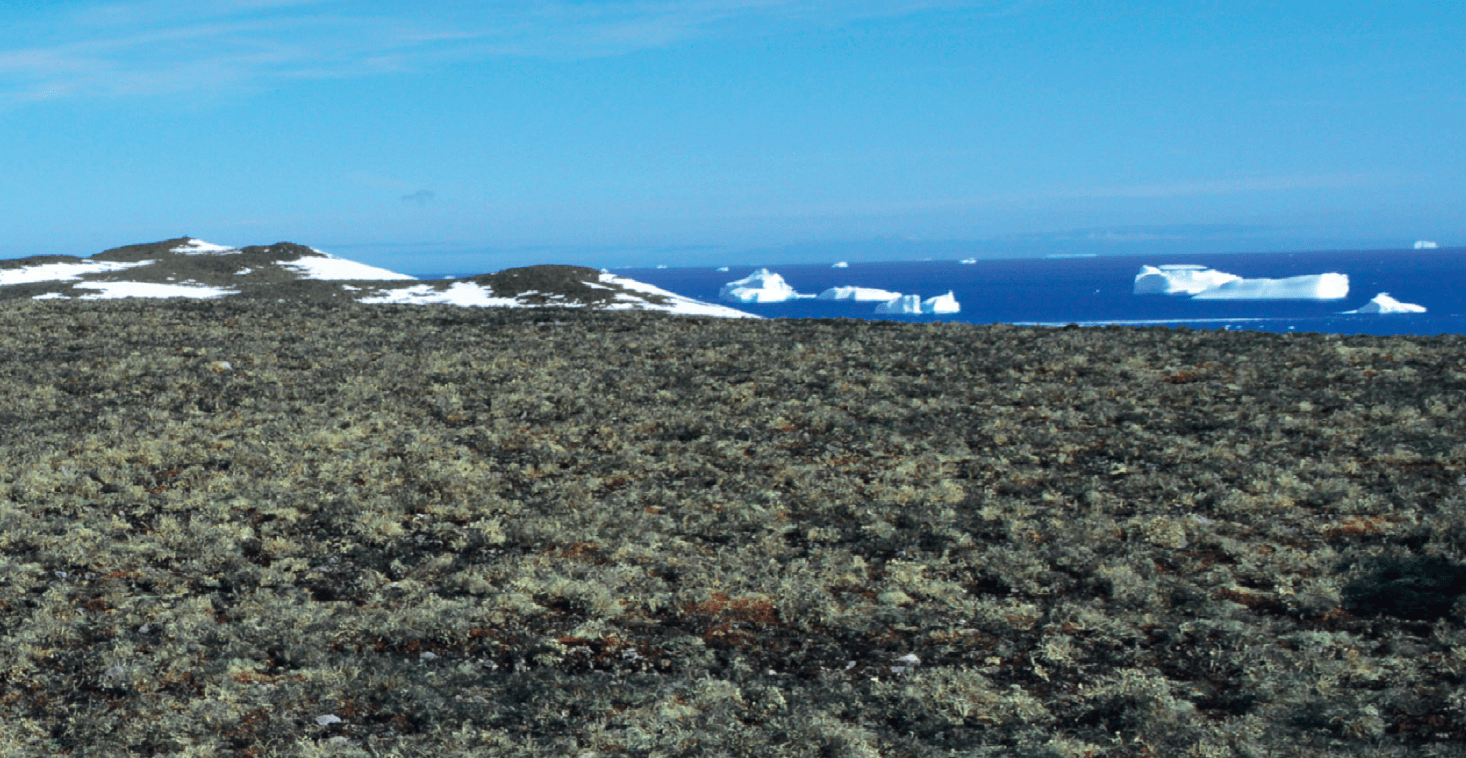
Antarctic lichens with different population history show grossly diverging genetic patterns. Above: Antarctic lichens (Usnea) near Carlini station on King George Island, January 2016 (Elisa Lagostina). The Antarctic is arguably the most remote place on Earth and difficult to reach for scientists and other organisms. In many people’s imagination it may just be a vast ice domeContinue reading “History and genetic diversity of the most common Antarctic Lichens”
ECR feature: João Pedro (JP) Fontanelle on stingrays biogeography
João Pedro (JP) Fontanelle is a postdoc at the Institute of Forestry and Conservation at the University of Toronto in Canada. He is an evolutionary biologist interested in how spatial and temporal eco-evolutionary dynamics affect micro- and macroevolution. Here, JP shares his recent work on how stingrays invaded the freshwaters and diversified in South AmericanContinue reading “ECR feature: João Pedro (JP) Fontanelle on stingrays biogeography”
ECR Feature: Chaim Lasmar on resource use by ants
Chaim Lasmar is a postdoc at Universidade Federal de Lavras. He is an ecologist with a particular interest in ants and their contribution to ecosystem function. Chaim shares his recent work on the variable foraging behaviour of ants across large spatial scales and across different ecoregions in the neotropics. Chaim Lasmar in his typical habitat.Continue reading “ECR Feature: Chaim Lasmar on resource use by ants”
ECR Feature: Arthur Boom unravels the history of miombo woodlands through study of Brachystegia plastid genomes
Arthur Boom is a PhD student at the Université Libre de Bruxelles. He is interested in the biogeography of African plants and the application of genomic approaches to study their evolutionary. Arthur shares his recent work on trees from the Brachystegia genus to understand the history of miombo woodlands in Africa through sequencing of theirContinue reading “ECR Feature: Arthur Boom unravels the history of miombo woodlands through study of Brachystegia plastid genomes”
ECR Feature: Felipe Camurugi on gladiator treefrog biogeograhy
Felip Camurugi is a postdoc at Universidade Federal do Mato Grosso do Sul. He is a biogeographer with an interest in anurans and their diversity. Felipe shares his recent work on gladiator treefrogs from South American and his tests for the presence (or absence) of cryptic lineages in this species. Felipe Camurugi in the field,Continue reading “ECR Feature: Felipe Camurugi on gladiator treefrog biogeograhy”
ECR Feature: William Nanavati on monkey-puzzle trees and global change
William “Buzz” Nanavati is a postdoc at Portland State University. He is a palaeoecologist and biogeographer, interested in how environmental changes through time affect ecosystems. William shares his recent work on previous climates and land-use change on the dynamics of monkey-puzzle forests in Patagonian. William “Buzz” Nanavati, a monkey-puzzle tree, and a canine companion (EddyContinue reading “ECR Feature: William Nanavati on monkey-puzzle trees and global change”
ECR feature: Taís F. R. Guimarães on the sea-level impact on coastal lagoon fish communities
Taís F. R. Guimarães is a postdoc at the Universidade Federal de Viçosa (UFV) in Brazil. She is an ecologist interested in elucidating spatio-temporal processes affecting the community of freshwater fishes. Here, Taís shares her recent work on the effect of sea level on the beta diversity of coastal lagoon fish communities in South America.Continue reading “ECR feature: Taís F. R. Guimarães on the sea-level impact on coastal lagoon fish communities”
ECR Feature: Magdalena Nagler on methanogenic archaeal assemblages
Magdalena is a postdoc at the Institute of Microbiology, University Innsbruck, Austria. She is a microbial ecologist interested in the ecosystem services and industrial applications of micro-organisms. Magdalena shares her recent work on characterising different methanogenic archaeal assemblages from stream habitats across Europe. Personal links. Twitter | Webpage Institute. Institute of Microbiology, University Innsbruck, AustriaContinue reading “ECR Feature: Magdalena Nagler on methanogenic archaeal assemblages”
ECR feature: Elizabeth Joyce on floristic exchange tracks
Elizabeth Joyce is a PhD candidate at the Australian Tropical Herbarium & James Cook University. She is an evolutionary biologist interested in the origins of the northern Australian flora. Here, Lizzy shares her recent work on the routes used by plants to disperse between Australia and Southeast Asia. Elizabeth Joyce during fieldwork to collect AglaiaContinue reading “ECR feature: Elizabeth Joyce on floristic exchange tracks”
 Biogeography.News