Leilton W. Luna is a postdoc at the Pennsylvania State University. He is a biologist with a broad interest in how species adapt, diversify, and become extinct. Here, Leilton shares his recent work on birds of the Amazonian floodplains. Leilton Luna doing research or just having fun bird watching. Personal links. Twitter | Personal websiteContinue reading “ECR feature: Leilton Willians Luna”
Author Archives: BiogeographyNews
ECR feature: Emily Booth on the evolution of Australian freshwater fishes
Emily Booth is a PhD student at the Flinders University in Australia. She is a molecular ecologist interested in understanding the effects of climate changes on the evolution of species. Here, Emily shares her recent work on the ‘genomic vulnerability’ of Australian freshwater fishes to climate change. Emily Booth during fieldwork in Australia. Personal links.Continue reading “ECR feature: Emily Booth on the evolution of Australian freshwater fishes”
ECR Feature: Raphael S. von Büren on range limits in alpine plants
Raphael S. von Büren recently completed his Masters at the University of Basel, Switzerland. He is an alpine ecologist with particular interests in the ecophysiology of plants. Raphael shares his recent work on the environmental factors influencing the range distribution of alpine plants. (left) Portrait Raphael von Büren. Photo credit: Raphael von Büren. (right) ResearchContinue reading “ECR Feature: Raphael S. von Büren on range limits in alpine plants”
Danish island biogeography
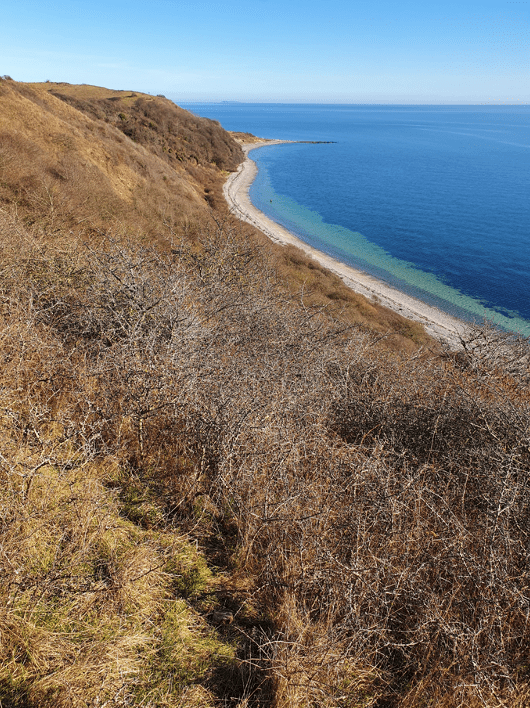
Danish islands help to disentangle how plant dispersal characteristics shape species richness patterns. Above: The Danish coastline with the island Hjelm in the background. © Anders Sanchez Barfod. Suppose you hear the names Galapagos, Hawaiian or Canary Islands. In that case, I am sure you have a picture in mind right away. These islands areContinue reading “Danish island biogeography”
ECR Feature: Nicky Lustenhouwer on niche shifts in invasive plants
Nicky Lustenhouwer is a postdoc at the University of Aberdeen. She is an evolutionary ecologist interested in range expansions and invasive organisms. Nicky shares her recent work on the relative roles of climate change tracking versus niche evolution in the spread of an invasive weed. Nicky Lustenhouwer with a particularly large individual of Dittrichia graveolensContinue reading “ECR Feature: Nicky Lustenhouwer on niche shifts in invasive plants”
A freshwater wall in the Atlantic
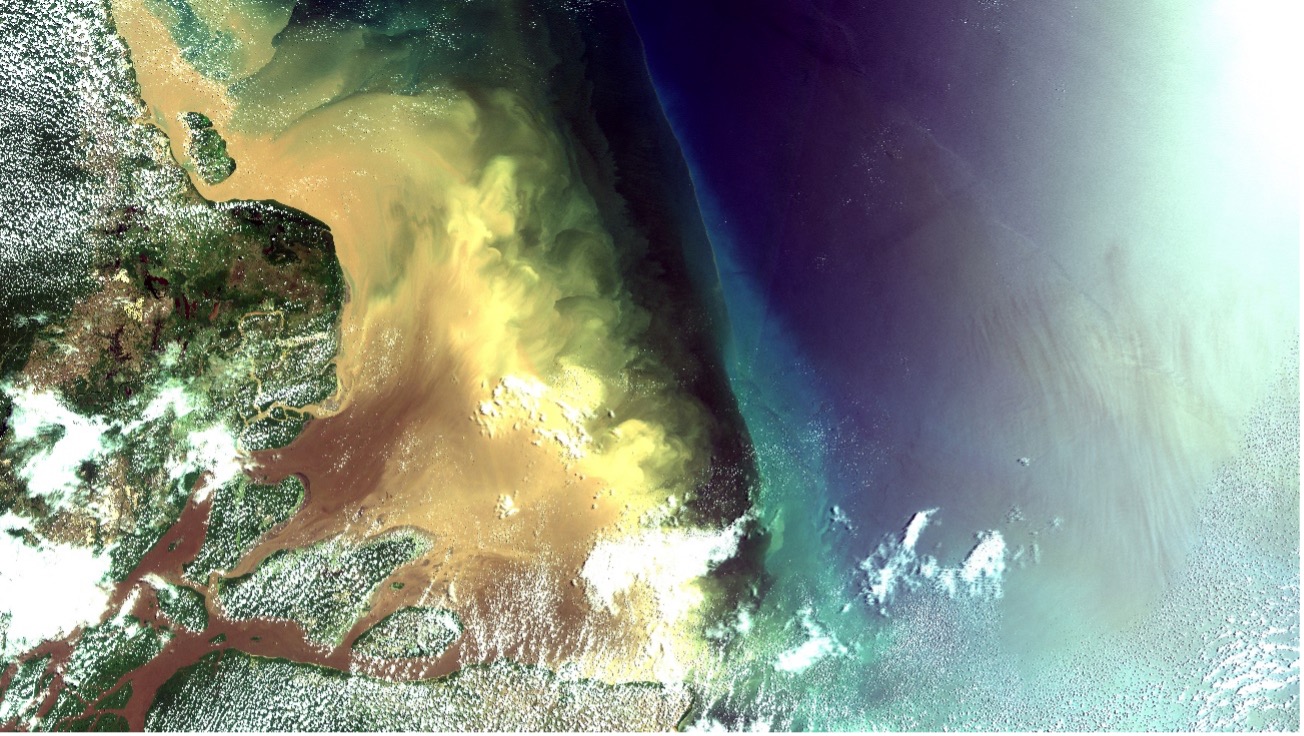
The central role of the Amazon River in the evolution of Western Atlantic reef fishes. Above: Amazon River mouth, where the plume of freshwater and sediment reaches the Atlantic Ocean. Photo by Coordenação-Geral de Observação da Terra/INPE. The magnitude of the Amazon River, by far the largest river of the world, can be illustrated byContinue reading “A freshwater wall in the Atlantic”
ECR Feature: Tom Radomski on the Rapoport Effect in North American salamanders
Tom Radomski is a PhD candidate at the University of Minnesota. He is a biogeographer with an interest in the range size and limits of salamanders. Tom shares his recent work on the “Rapoport Effect” in North American salamanders. Tom Radomski Personal links. Twitter. Institute. University of Minnesota. Academic life stage. PhD candidate. Major researchContinue reading “ECR Feature: Tom Radomski on the Rapoport Effect in North American salamanders”
ECR feature: Marco Camaiti on the morphology and ecology of skink lizards
Marco Camaiti is a PhD student at the Monash University in Australia. He is a herpetologist interested in the evolution of vertebrate diversity. Here, Marco shares his recent work on limb reduction and loss in skink lizards. Marco Camaiti during fieldwork in Australia. Personal links. Twitter Institute. School of Biological Sciences, Monash University, Australia AcademicContinue reading “ECR feature: Marco Camaiti on the morphology and ecology of skink lizards”
ECR feature: Rodolfo Anderson on lizard reponses to global warming
Rodolfo Anderson has just finished his PhD at the Monash University in Australia. He is an ecophysiologist interested in understanding the factors underlying the distribution of ectotherms. Here, Rodolfo shares his recent work on geographical correlates of the vulnerability of lizards to climate change. Rodolfo at the Itatiaia National Park, Minas Gerais, Brazil. Personal links.Continue reading “ECR feature: Rodolfo Anderson on lizard reponses to global warming”
Evolution of solitary bees suggests a biogeographic history connecting open habitats in South and North America

More than 1,000 species of eucerine bees exist mainly in savannas, deserts, and other open vegetation habitats on multiple continents, but they are uncommon near the equator and very high latitudes. The historical processes that generated this modern pattern for Eucerinae (and other taxa) are still surrounded by uncertainties. Above: Representatives of each one ofContinue reading “Evolution of solitary bees suggests a biogeographic history connecting open habitats in South and North America”
 Biogeography.News