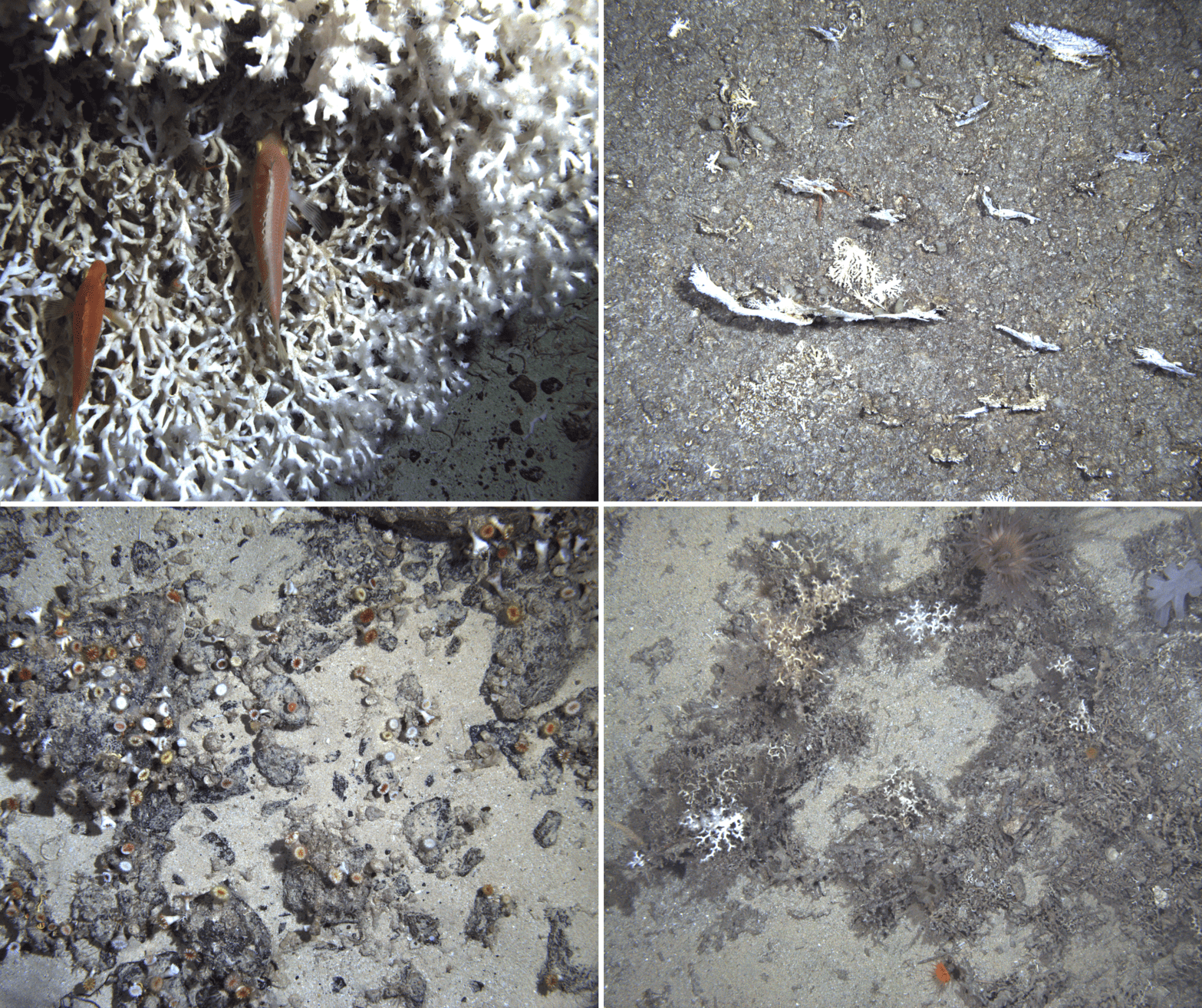
Previous work has characterized diversity gradients in terrestrial and shallow-water system. Are these previously described diversity gradients also applicable to hard-substrate features in the deep sea? Above: Some example seabed images from the cruises around St Helena, Ascension and Tristan da Cunha (Credit: British Antarctic Survey/Centre for Environment, Fisheries and Aquaculture Science). Investigation into theContinue reading “Diversity of the Deep”
Author Archives: BiogeographyNews
Flowers, biomes, and a mountain of data
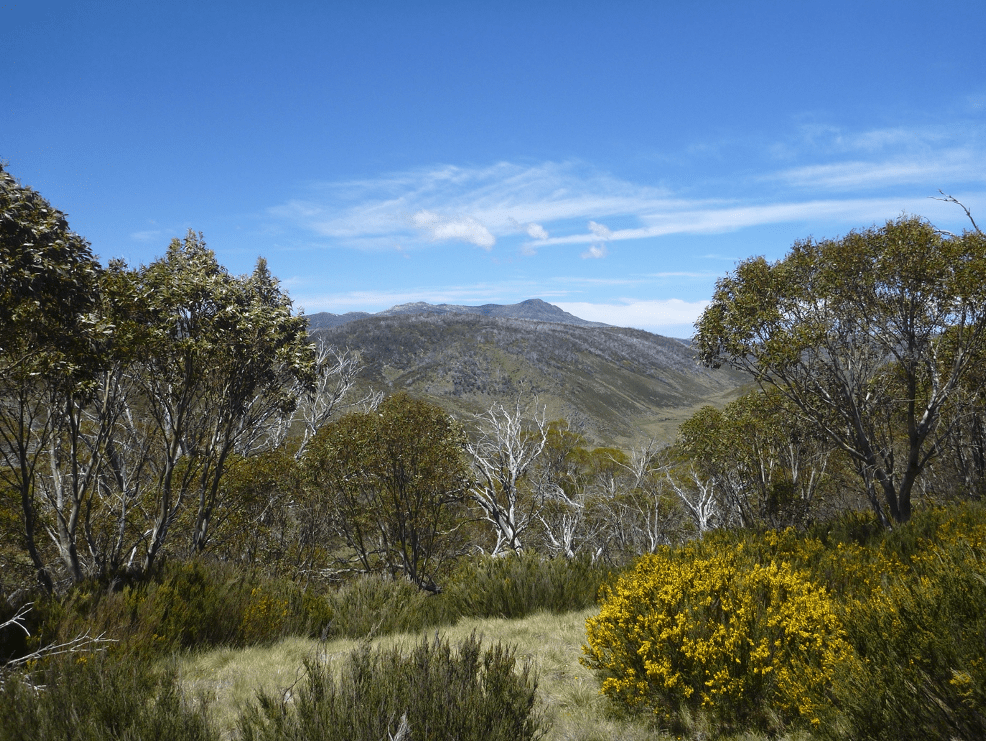
Describing patterns of flowering time in plant communities across six biomes, and showing how they relate to climate means and climate predictability – all using open access data and a reproducible analysis in R. Above: Bossiaea foliosa (Leafy Bossiaea) flowering in the Snowy Mountains in southeast Australia. Alpine flowering is often highly concentrated, as everythingContinue reading “Flowers, biomes, and a mountain of data”
The Paleotropical Biome Rode the Ark of the Indian Plate from Africa to Asia
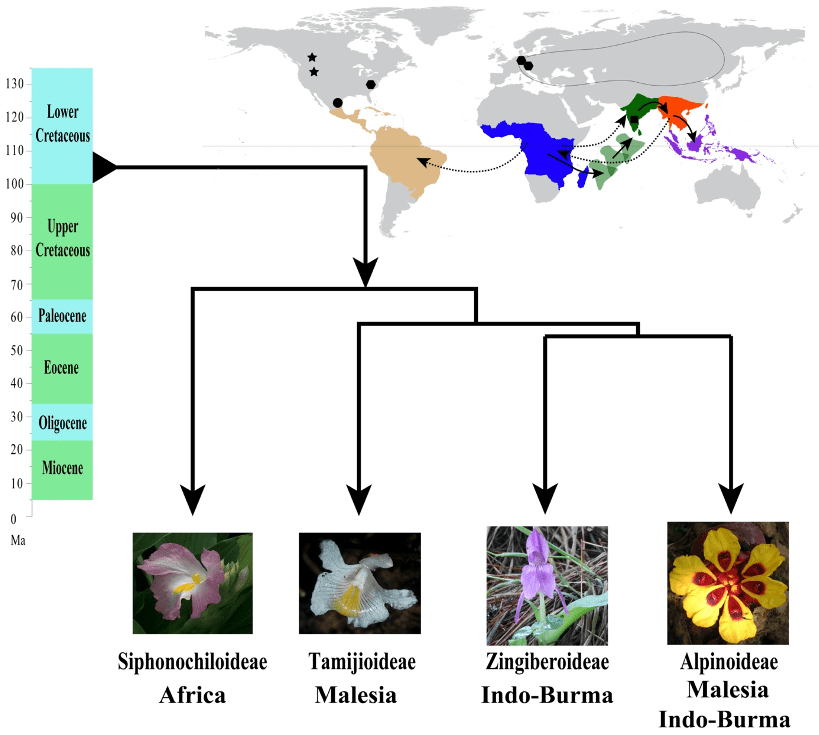
Tropical biomes today occupy a disjunct distribution around the equator covering about 7% of land surface, but harbouring more than 40% of plant species. This mystery is a fascinating topic yet to be fully addressed. We attempt to solve this mystery using our knowledge on the origin and migration of tropical gingers across these globalContinue reading “The Paleotropical Biome Rode the Ark of the Indian Plate from Africa to Asia”
ECR feature: Emily Schumacher on temporal climatic responses of the butternut tree.
Emily Schumacher is a research assistant at the Morton Arboretum in the USA. She is a conservation biologist interested in using genetic tools to infer tree restoration measures. Here, Emily shares her recent work on temporal climatic effects on the butternuts. Emily Schumacher with butternut tree at the Morton Arboretum, Lisle, IL. Personal links. TwitterContinue reading “ECR feature: Emily Schumacher on temporal climatic responses of the butternut tree.”
ECR Feature: Purabi Deshpande on habitat use by over-wintering birds
Purabi Deshpande is undertaking her PhD at the University of Helinksi. She is an urban ecologist, with an interest in understanding how climate change and anthropogenic disturbance affect bird communities. Purabi shares her recent work on the interaction between climate and habitat on over-wintering bird abundance in Finland. Purabi, watching early spring migrants in winterContinue reading “ECR Feature: Purabi Deshpande on habitat use by over-wintering birds”
Climate and environment shape jackal diet
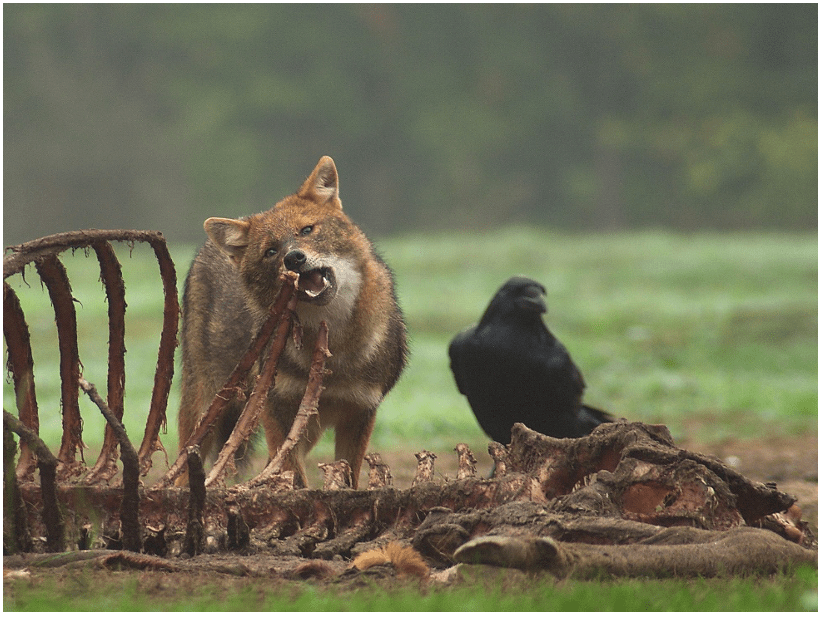
Dietary flexibility promotes range expansion: The case of golden jackals in Eurasia. Above: Golden jackal in carcass cleaning role (with raven Corvus corax). According to the literature, the consumption of wild ungulates and domestic animals are mainly due to scavenging. Photo: Zoltán Horváth. Global changes can lead to the expansion of a species geographical range.Continue reading “Climate and environment shape jackal diet”
ECR feature: Amelia Bridges on deep-sea ecological gradients
Amelia Bridges is a postdoc at the University of Plymouth in the UK. She is a marine biologist interested in deep-sea ecology. Here, Amelia shares her recent work on seamount benthic community gradients. Dr Amelia Bridges presenting her research at the National Marine Aquarium. Personal links. Twitter | Website | Research Gate | Linkedln Institute.Continue reading “ECR feature: Amelia Bridges on deep-sea ecological gradients”
ECR feature: Pieter Sanczuk on plant range shifts under climate change.
Pieter Sanczuk is a PhD student at the Ghent University in Belgium. He is a botanist interested in forest microclimates. Here, Pieter shares his recent findings on the understorey plant species range dynamics under climate change. Pieter searching for bluebells transplanted 60 years ago (and 35 years before he was born). Although GPS coordinates wereContinue reading “ECR feature: Pieter Sanczuk on plant range shifts under climate change.”
Historical biogeography in recent evolving Neotropical mammals
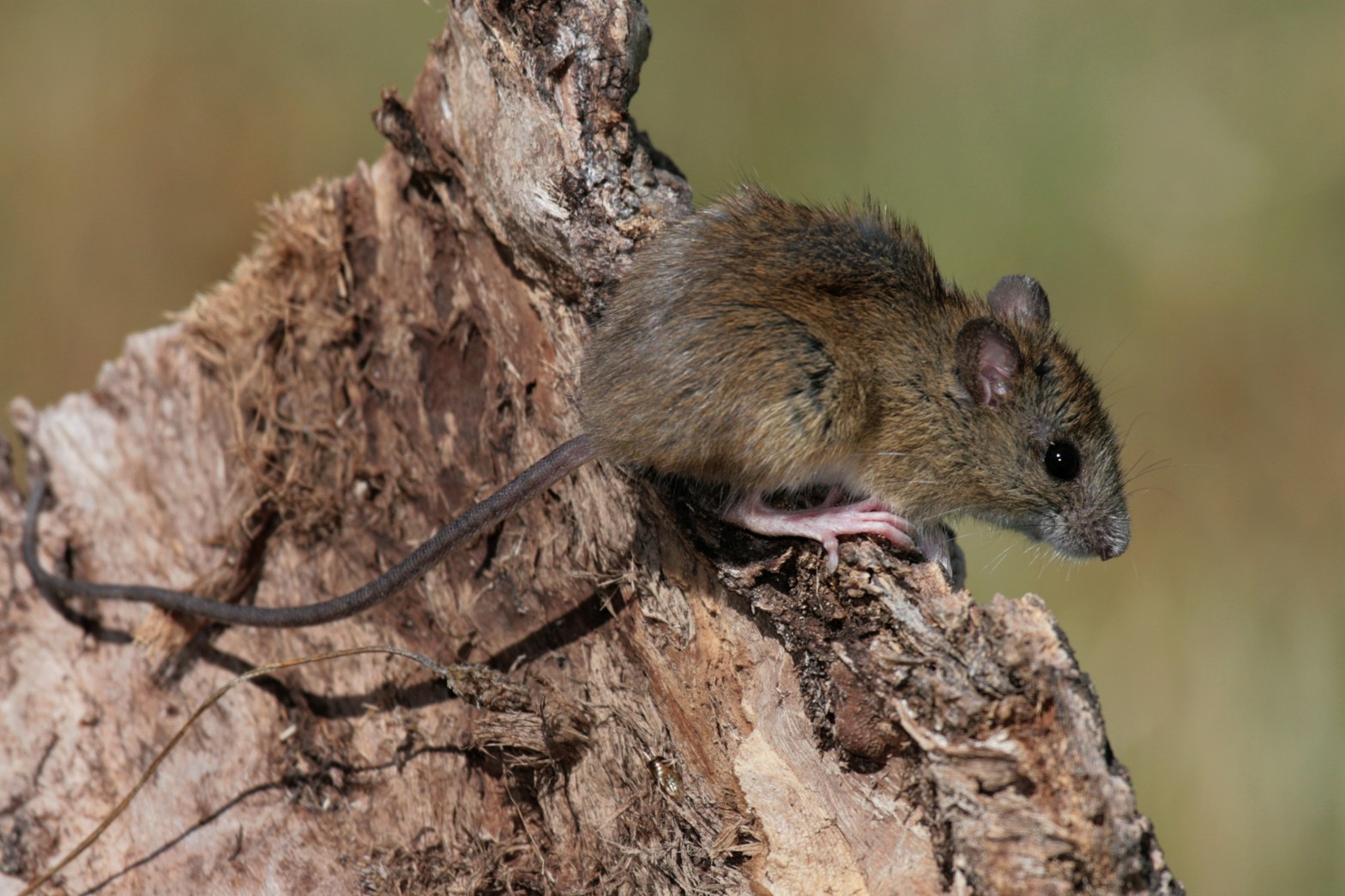
Oligoryzomys is an intriguing genus of sigmodontines that is distributed in almost all ecoregions of South America and continental Middle America. How did it get to be so diverse and distributed so broadly? Above: A Patagonian specimen of Oligoryzomys longicaudatus, a species representative of one the fastest and geographically wide radiation of Neotropical mammals (photoContinue reading “Historical biogeography in recent evolving Neotropical mammals”
ECR Feature: Paulina Meller on factors shaping diversity in geoxyles
Paulina Meller is finishing her PhD at the University of Hamburg, Germany. She studies the evolutionary forces that generate diversity in plants. Paulina shares her recent work on the environmental factors that have given rise to diversity in geoxyles, plants with disproportionately high below-ground woody biomass. Paulina Meller taking a break from digging in theContinue reading “ECR Feature: Paulina Meller on factors shaping diversity in geoxyles”
 Biogeography.News