ECR Feature: Paulina Meller on factors shaping diversity in geoxyles

Paulina Meller is finishing her PhD at the University of Hamburg, Germany. She studies the evolutionary forces that generate diversity in plants. Paulina shares her recent work on the environmental factors that have given rise to diversity in geoxyles, plants with disproportionately high below-ground woody biomass.

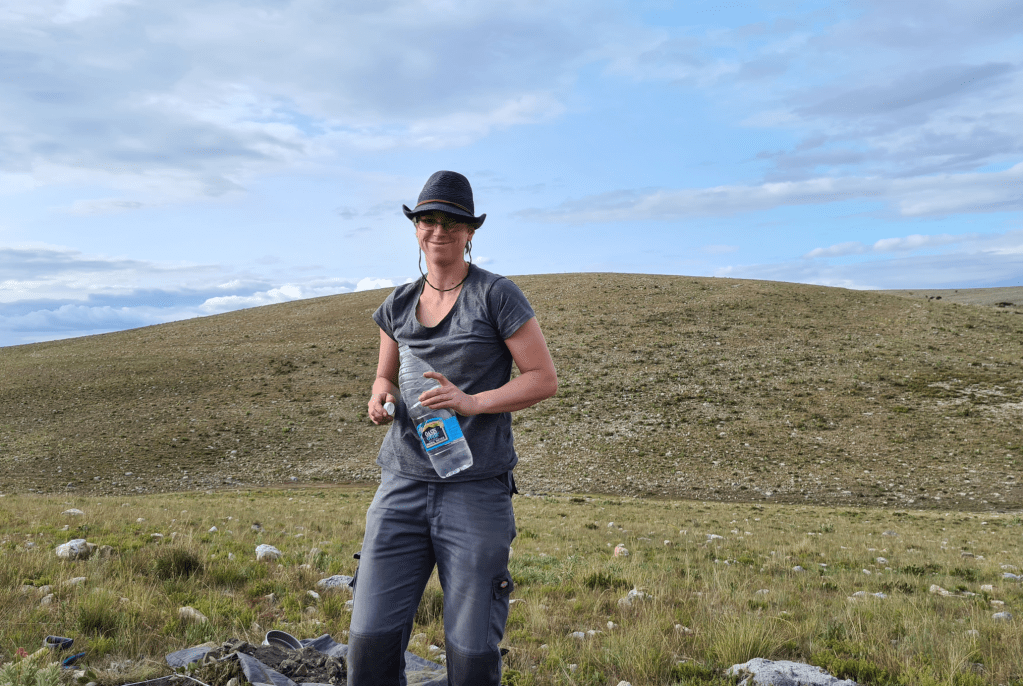
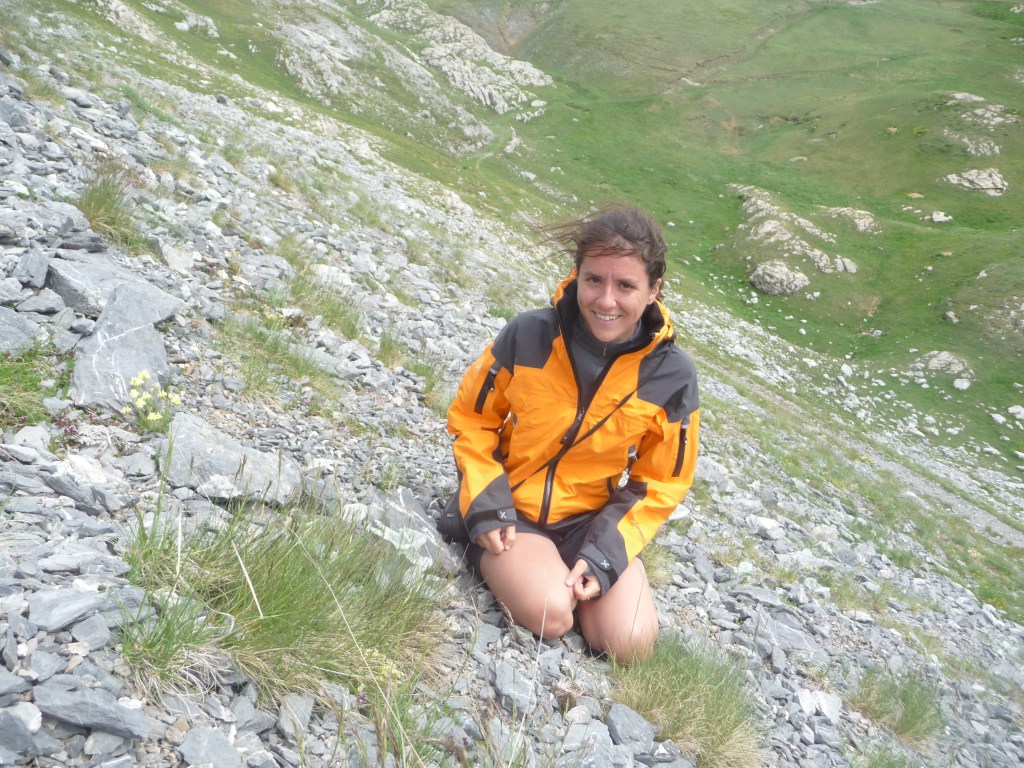
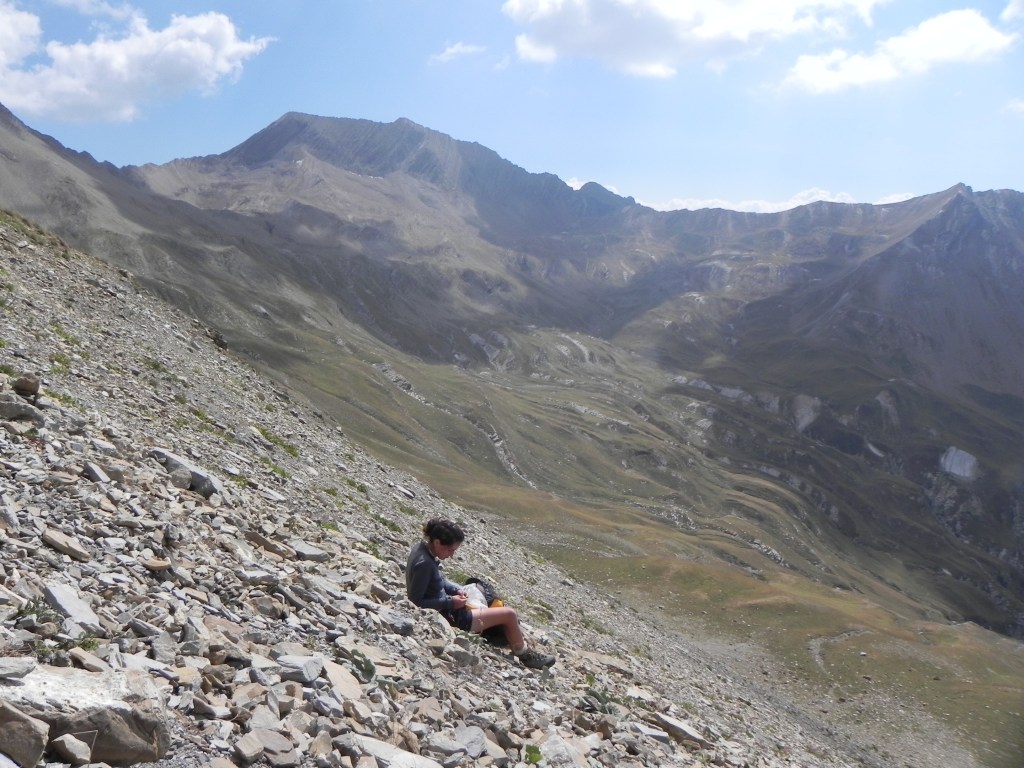
Paulina Meller taking a break from digging in the Afromontane grasslands of Tundavala, Angola. Photo credit: Manfred Finckh (Twitter: @ManfredFinckh)

Personal links. Twitter | Webpage

Institute. Institute of Plant Science and Microbiology, University of Hamburg, Germany.

Academic life stage. PhD (but finishing soon!).

Major research themes. Patterns and drivers of diversity, with a research focus on tropical vegetation (and a personal interest in birds).

Current study system. I study geoxylic plants (geoxyles) in Afrotropical grasslands. Geoxyles have a low growth form and disproportionally high belowground woody biomass. Many geoxyles evolved from tree species in response to environmental changes that proceeded the Miocene. Emerging fire occurrences have been hypothesised as the evolutionary driver of geoxyles. Hundreds of geoxyle species exist in Africa, and there are more in other tropical grasslands. They can be so diverse and abundant that they form “underground forests”. The belowground storage organs and bud banks enable geoxyles to resprout again after environmental disturbances. Their abundance, diversity and resilience make geoxyles a key element of tropical grassy ecosystems.

Recent paper in JBI. Meller, P., Stellmes, M., Fidelis, A., & Finckh, M. (2022). Correlates of geoxyle diversity in Afrotropical grasslands. Journal of Biogeography, 49, 339–352. https://doi.org/10.1111/jbi.14305

Motivation behind this paper. Geoxyles have been mostly overlooked in studies on tropical grassy ecosystems, probably due to the fact they are hidden underground. Despite some very good studies on geoxyles in Southern Africa and the Cerrado in South America, the main narrative remains that they all evolved from trees in response to fire. However, this narrow focus neglects other environmental factors that might have shaped the evolution of geoxyles and their taxonomic diversity. As a result, the knowledge on geoxyles has been rather fragmentary and one-sided so far.

As part of my PhD, I was working on a geoxyle species list for Angola when a nice paper by Pausas et al. (2018)* came out, providing a framework to classify belowground plant structures. It was therefore an exciting opportunity to combine the species list with analyses on their ecology, belowground functionality, and taxonomic and biogeographical origin, linking the fragmented knowledge together to better characterise geoxyle evolution.

* https://doi.org/10.1111/nph.14982

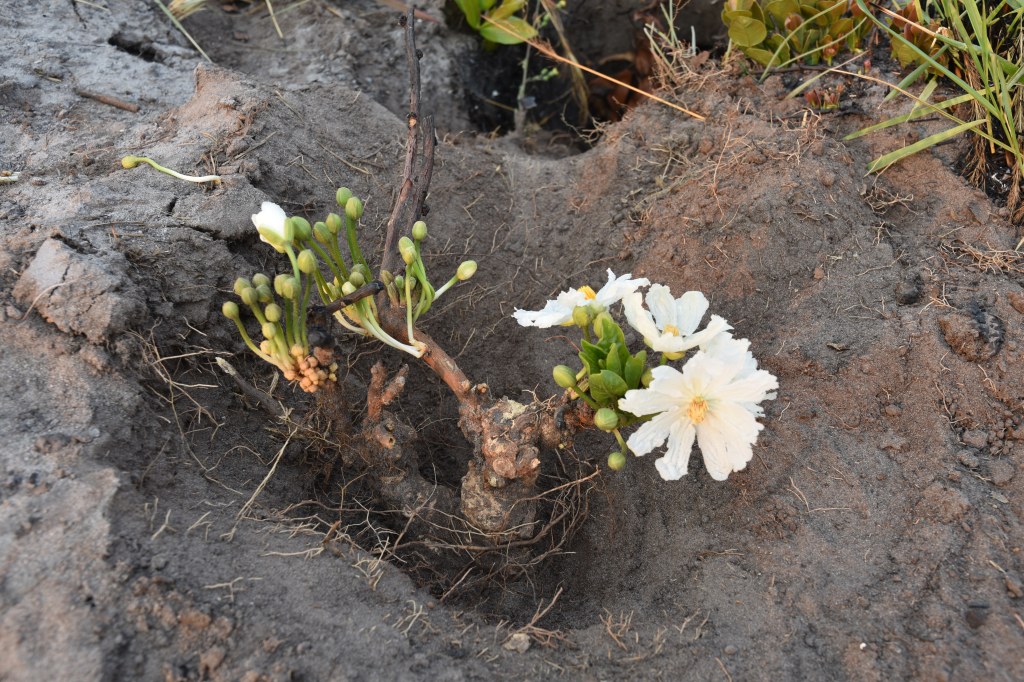
Caloncoba suffruticosa (Achariaceae) resprouting and flowering shortly after fire. The belowground woody storage organs and bud banks are partly excavated, typically only the green parts and flowers are visible aboveground.

Key methodologies. Our recent paper is quite complex because we measured so many facets of geoxyle biology, which was necessary to understand how heterogeneous and diverse this group of plants is. Each facet of geoxyle biology required a different analysis. Our study is the first to integrate different kinds of data – from field-derived functional traits, over literature research on origins, to large scale spatial and environmental modelling – to show how the facets of geoxyle biology interlink with one another. We took the vivid discussion on the main drivers of geoxyle evolution – fire versus frost – as an incentive to test for correlations between belowground traits, spatial distribution, and environmental pressures. Strikingly, some species seem to be more fire dependent than others, and most geoxyles had a strong link to frost-prone sites. So both frost and fire are important evolutionary drivers.

Major results. It was important to show that the geoxylic life form is much more diverse, complex and heterogeneous than previously assumed. The focus so far has been on the species with close tree relatives, which is totally reasonable since they are the most striking geoxyles. But they make up less than 50% of the geoxyle pool studied so far. In order to better understand tropical grassy biomes, and manage these often-threatened ecosystems sensibly and sustainably, it is crucial to characterise the diversity in geoxyles. Another important point to me was to reconcile whether fire or frost is the one driver of geoxyle evolution. We showed that there is no single driver, as implicit in previous discussion on the overarching importance of fire. Although some geoxyles clearly evolved in response to fire, there are species that have evolved in response to dry season frost events, and likely some also evolved in response to edaphic conditions. By recognizing that geoxyles are diverse and heterogeneous, determining an ultimate evolutionary driver of their diversity becomes less important.

Unexpected results and challenges. A particularly surprising finding was that many species in our study sites exhibit considerable belowground woody biomass. We had to include almost every species we looked at, and the more species we excavated, the longer grew our list of geoxyles. We therefore show that it is not sufficient to describe and understand an ecosystem by its visible, aboveground parts alone. Moreover, it was hard work to excavate all these over 100 different species, as some formed tubers big as a football in 1.2 m depth, others grew in particularly rocky ground. Our field assistant Segunda was a great help in this regard! Neither have I had so many blisters on my hands before, nor dirty finger nails, than during this campaign. But afterwards I lost some 5 kg and had hands as tough as a sailor’s.

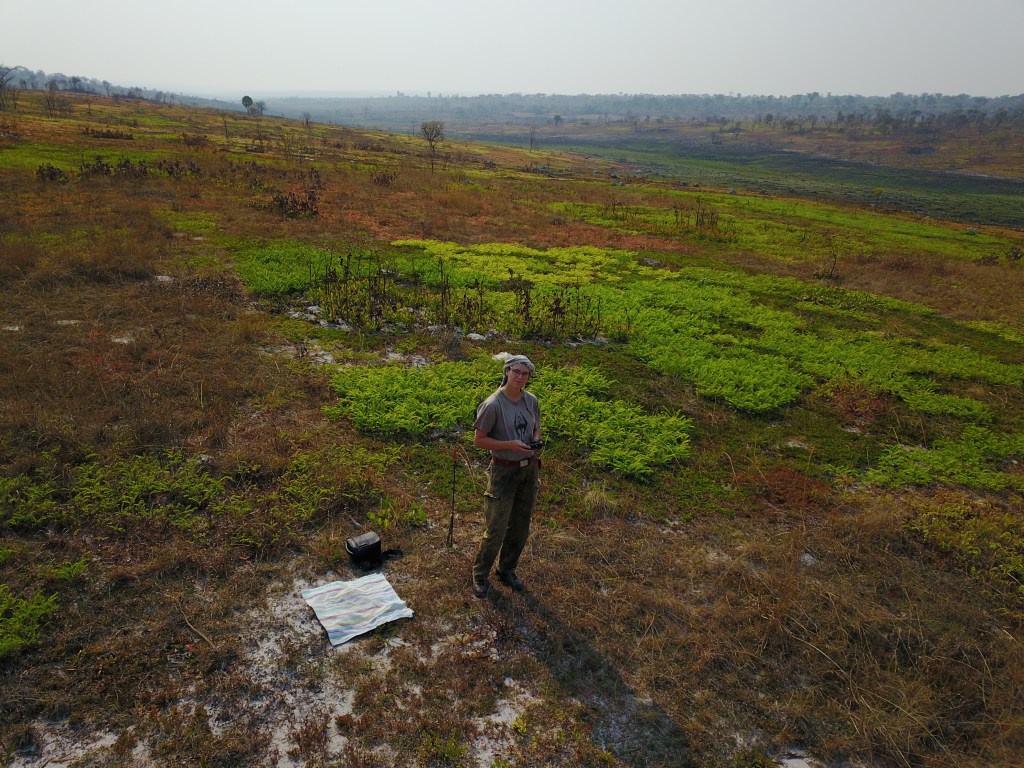
Paulina in the field. This is a drone image of a geoxyle grassland near Chitembo, Bié province, in Central Angola. Geoxyles resprout and colour the landscape brightly at the end of the dry season, long before grasses or trees do.

Next steps. There are still so many open questions, but I would like to compare the geoxyle diversity hotspots of Africa (Miombo) and Brazil (Cerrado) more closely. Our Brazilian colleagues have done some amazing work on geoxyles, and often on different aspects to what we have done with African geoxyles. A combined, intercontinental analysis would fill many knowledge gaps and yield important new insights. For instance, whether similar families or genera produce geoxyles, thereby hinting at a phylogenetic predisposition to evolve this life form, or whether species and functional diversity are dependent on similar environmental factors on both continents.

If you could study any organism on Earth, what would it be? I don’t know if I am competent enough, but I would like to study big birds like the Southern Ground Hornbill (Bucorvus leadbeateri), or the Great Blue Turaco (Corythaeola cristata). I have seen both during my trips to Angola, and I love to see and hear them, they make me happy. There is something magic in waking up in the early morning to the bass sound of a foraging group of Ground Hornbills. They always look like the Blues Brothers on a stroll.

Anything else to add? Doing research in Angola is exciting and exhausting, beautiful and bizarre, endearing and endangering – but you come home the wiser and more experienced, and you will always be able to tell an interesting story. So even after 7 years of countless blisters, sunburns, malaria, and a barely survived crocodile attack I still enjoy digging in Angolan grasslands, and collaborating with our Angolan colleagues and friends.

ECR Feature: Rodolfo de Oliveira Anderson on ecophysiology in skinks

Rodolfo is a PhD student at Monash University, Melbourne, Australia. He is a herpetologist with an interest in physiology and biogeography. Rodolfo shares his recent work on the ecophysiological strategies used by an Australian skink, Lampropholis guichenoti, to survive in diverse, variable climatic conditions.

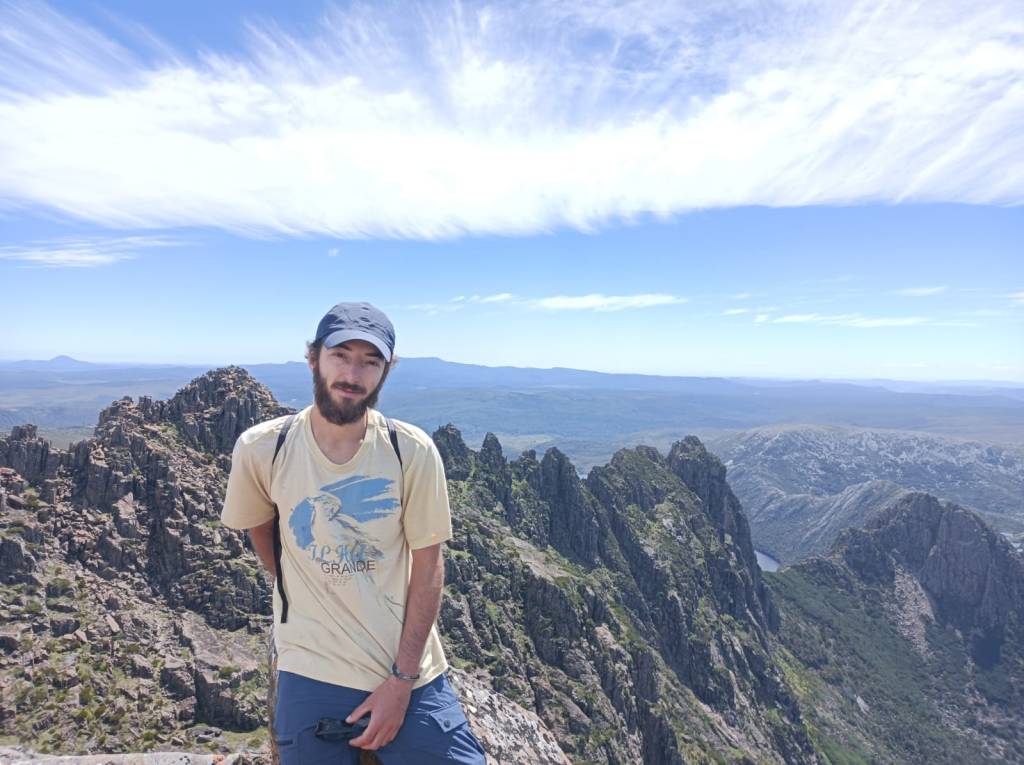
Rodolfo on top of Cradle Mountain, Tasmania.

Personal. Twitter

Institute. School of Biological Sciences, Monash University, Melbourne, Australia.

Academic life stage. PhD student.

Major interests. Herpetology, Ecophysiology and Biogeography.

Current study system. I’m studying lizards. These amazing dry-skinned ectotherms depend on environmental temperatures to keep their own body temperature within suitable limits. They employ several strategies, such as thermoregulatory behaviour and tolerance to extreme temperatures, to cope with climatic variation. In my PhD, I’ve focused on an Australian genus, Lampropholis skinks, to study how the environment interacts with physiology, setting their distribution. Lampropholis skinks are small (1–4 g) and found all down the Australian east coast, spanning ~30 degrees of latitude, and must therefore cope with considerable climatic variation across their range. My work characterises the different ecophysiological strategies used by these skinks to cope with very different climatic regimes.

Recent paper in JBI. Anderson, R. O., Alton, L. A., White, C. R., & Chapple, D. G. Ecophysiology of a small ectotherm tracks environmental variation along an elevational cline. Journal of Biogeography. https://doi.org/10.1111/jbi.14311

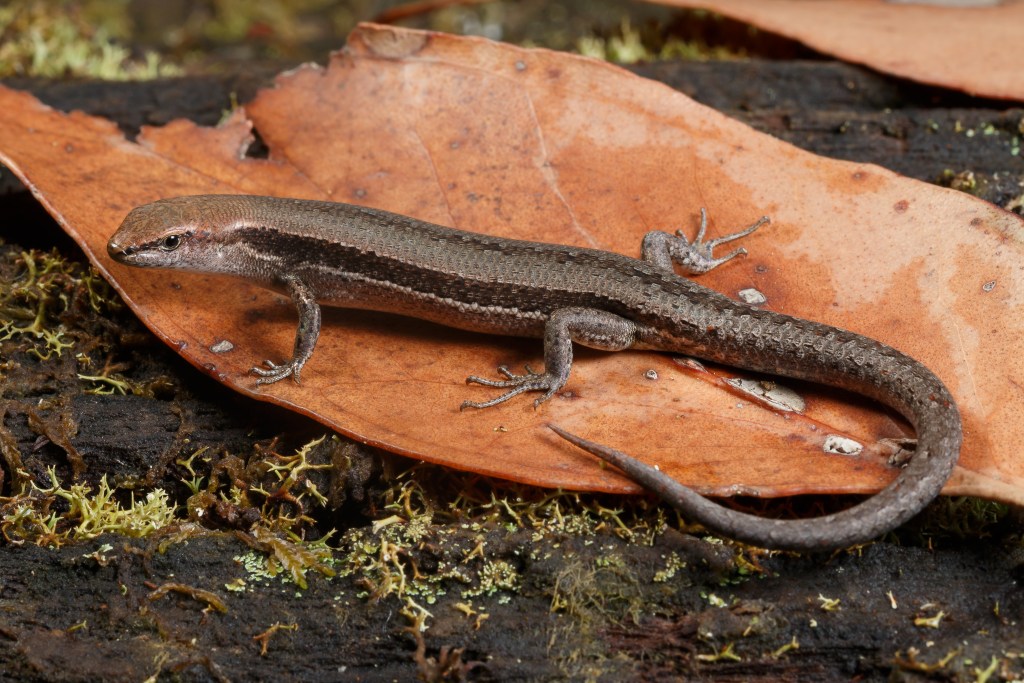
The Garden-skink (Lampropholis guichenoti) foraging on the leaf litter. Photo by Jules Farquhar.

Motivation behind this work. The ecophysiology of species, that is, how organisms interact with their environment through their physiology, is key to understanding the limits of its geographic distribution. One species of Lampropholis (the Garden-skink, L. guichenoti) is found across different elevations in the Australian Alps, which are in the southern part of Australia. At the top of their distribution in the Alpine National Park (~1500 masl), in the state of Victoria, temperatures can go below zero and snow is present during the coldest months of the year. By contrast, in the lowlands, the climate is much hotter and drier. This huge disparity across an elevational gradient suggests that Garden skinks must have incredibly flexible physiological strategies. I wanted to know how the ecophysiology – which includes metabolism, thermal physiology, water balance, and locomotion – changes in response to climatic variation. Understanding how ecophysiology shifts across climatic gradients could help reveal how these small animals can inhabit contrasting environments, survive, and potentially expand their geographic range.

Key methodologies. This study comprised three parts. Firstly, I went to the field to collect the skinks, either by hand or by mealworm fishing. I went to four different sites, ranging from the lowlands (near the sea level) up to 1500 masl. Secondly, caught skinks were brought to the lab at Monash University, Melbourne, so I could quantify several ecophysiological traits (e.g., thermal tolerances, water loss, metabolism). Finally, I used the ecophysiological data to develop mechanistic models (NicheMapR) to predict the physiology and behaviour of the skinks in the field. This integrative approach provided interesting insights about the role of behaviour in the survival of these animals, especially in the cold highlands. I found that thermal physiology, metabolism, and rates of water loss, follow the demands of different climates. Skinks in the highlands are more cold tolerant and have a more efficient metabolism. In the drier and warmer lowlands, the skinks have to save their body water content, but they can reach higher locomotor performance. Finally, behavioural thermoregulation can maintain body temperature above freezing conditions and increase the activity time of skinks.

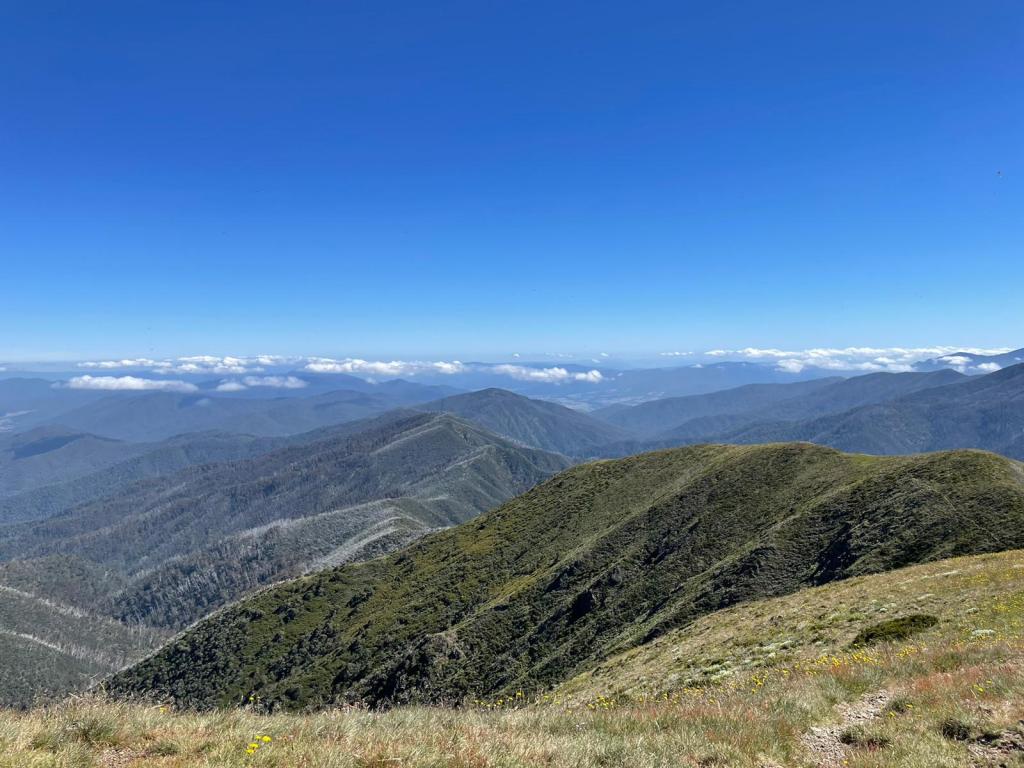
View of the Alpine National Park, Victoria. Garden skinks (Lampropholis guichenoti) can be found to altitudes of up to ~1500 m, where temperatures drop to below zero.

Garden skinks (Lampropholis guichenoti) were collected in dry woodlands across the elevational gradient in the Alpine National Park.

Major results. We demonstrated how an integrative approach can be very fruitful for biogeographical research. We showed that physiology as a whole is affected by climate, going beyond approaches that solely analyse thermal physiology. The environment is complex, and multiple interactions occur between the physical world and organisms. In the same study, we showed that in response to low temperatures, skinks increase their metabolic rate and energy efficiency, and elevate their cold tolerance. In dry and hot environments, skinks have to avoid water loss to prevent dehydration, but they have fewer fitness costs. Therefore, thermal physiology, metabolism and water balance are flexibly modulated to shape the fundamental niche of these skinks. Our work demonstrates that understanding the interaction between physiology and climate is key to understanding how organisms can survive in different types of environments, and hence the processes shaping their geographic distribution.

Unexpected challenges. The fieldwork was certainly the hardest challenge in this project. My field assistants and I had to actively search for the lizards for several days in areas with hard access. The fieldwork was also carried out in late summer/early Autumn, when the temperatures in the highlands drop dramatically at night. In a few instances, we had to refuge in emergency huts to spend the night in the field. Fortunately, all of us survived and we found a sufficient number of skinks for my experiments.

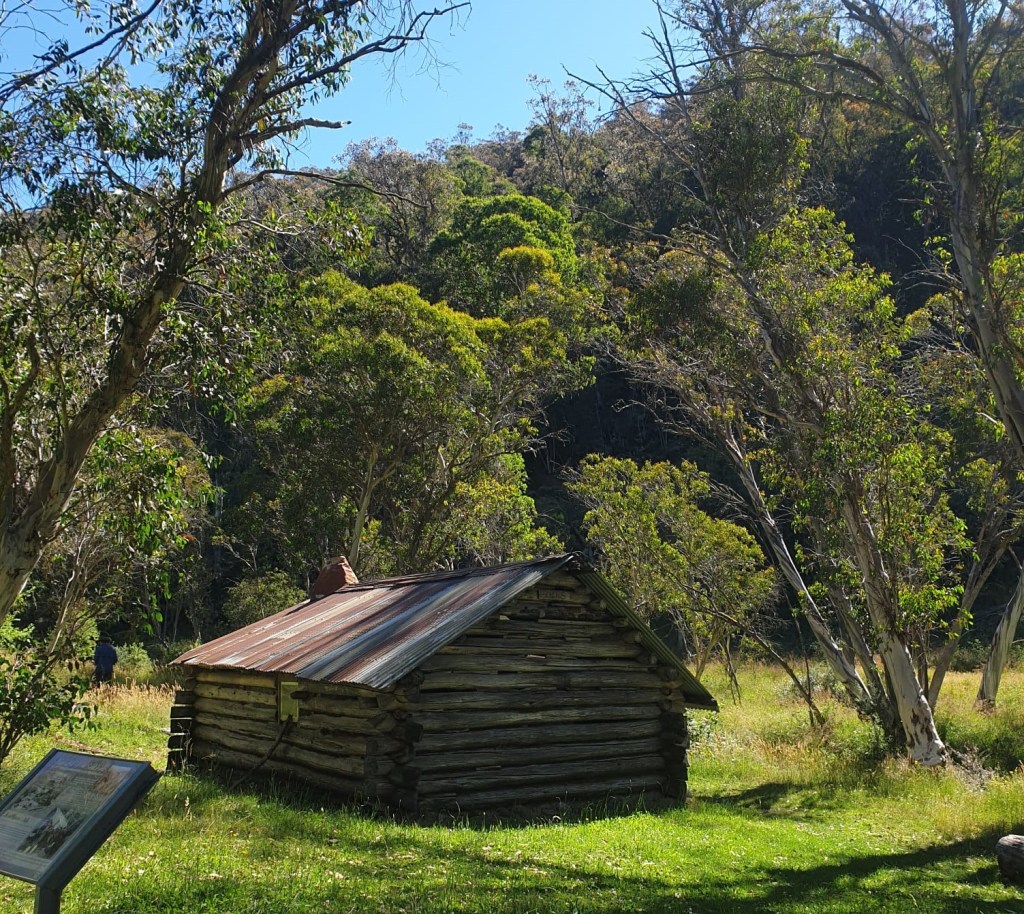
One of the emergency huts where people can find refuge during bad weather conditions. In one of our field works to the Alpine National Park, we spent a night in a similar hut to shelter from the wind and freezing temperatures.

Next steps. A crucial next step would be to disentangle the contributions of plasticity versus adaptation to the ecophysiological changes across elevation in the Garden skinks. To do that, a common garden experiment would be necessary. This would provide a more powerful inference about the fundamental niche and its role in shaping the distribution of these ectothermic animals.

If you could study any organism on Earth, what would it be? It would have to be the Maned Wolf (Chrysocyon brachyurus), or Lobo-Guará in Portuguese, because this extraordinary animal is perhaps the most beautiful mammal in the world, but is sadly a near threatened species. The savannah-like Cerrado in Brazil, where the Maned Wolf lives, is also endangered and deserves more attention from the general public and scientific community.

Pseudocongruent phylogeographic patterns in forest-living herpetofauna

Similar phylogeographic patterns do not necessarily imply similar evolutionary histories. Instead, environmental factors like the formation of rivers, ancient climatic cycles and climatic gradients could collectively interact with the unique life histories species to strengthen dispersal barriers at different times and generate complex biogeographic patterns.

Above: Isolated forest fragment in the Eastern Cape Province of South Africa.

Climatic and geological changes play important roles in shaping species distributions over evolutionary time. Ancient climatic fluctuations have particularly impacted habitat structure and composition, resulting in numerous contractions and expansion events that often led to extinction or diversification of organisms associated with these habitats. Understanding how past environmental changes impacted individual species or regional patterns of diversity is important for developing effective conservation strategies for the future.

Editors’ choice article: (Free to read online for two years.)
Busschau, T., Jordaan, A., Conradie, W., & Daniels, S. R. (2022). Pseudocongruent phylogeography reflects unique responses to environmental perturbations in a biodiversity hotspot. Journal of Biogeography, 49, 445–459. https://doi.org/10.1111/jbi.14334 

In my masters (MSc) research I wanted to understand more about the population structure and genetic diversity of three codistributed forest-living reptile species, two snakes and a gecko, considering the fragmented nature of forest habitats in South Africa (Busschau, Conradie, & Daniels, 2019; Busschau, 2019; Busschau, Conradie, & Daniels, 2021). I generally found a high degree of genetic diversity and some populations were isolated long enough that they can be regarded as separate species, suggesting forests may hold a higher degree of biodiversity than previously recognized. In the meantime, other studies uncovered high levels of genetic diversity in a forest associated frog (Kushata, Conradie, Cherry, & Daniels, 2021; Tolley, Conradie, Harvey, Measey, & Blackburn, 2018) and a lizard (Zhao et al., 2019). Comparisons among these studies revealed that the five species share congruent phylogeographic patterns along the east coast of South Africa, i.e., the genetic breaks between populations were similar. The most obvious pattern was a phylogeographic break between populations in the northern region and those in the south. This raised two intriguing questions – do similar phylogeographic patterns mean these species with different life histories responded similarly to past environmental changes, and what environmental factors shaped the genetic diversity we see today? Notably, most of the east coast of South Africa falls within a biodiversity hotspot. So, answering these questions could provide clues to the factors generating and maintaining diversity in the region.


Map of the study region, Maputoland-Pondoland-Albany biodiversity hotspot along the eastern escarpment of South Africa. Shading depicts the northern and southern phylogeographic regions deduced from previous phylogeographic studies. The three rivers coinciding with the transitional zone between regions are shown.

To answer these questions, we used a comparative phylogeographic approach that makes statistical comparisons among the five species groups and then correlates the genetic patterns with a set of environmental factors that could be driving these patterns. First, we confirmed that the observed patterns were generally comparable among species and statistically supported. The next important step was to test whether the observed patterns of genetic divergence happened at the same time. This was not so straightforward. Genetic data can be used to estimate the time populations or species diverged, but to do this we need either reliable fossil calibration points or know the gene mutation rates, neither of which were available for the study species. So, we searched the literature for mutation rates of other snakes, lizards, frogs, etc., and realized that even within each of these groups the mutation rates can sometimes be very different. Basing our mutation rates on other studies could therefore introduce errors in our analyses. To overcome this issue, we decided to take a reasonably conservative approach and estimate our gene mutation rates with a broad range of possible values deduced from other studies. This resulted in large confidence intervals around the times populations diverged in each species, yet there was still no overlap among some species. This provided evidence that although the study species show similar genetic patterns, they do not necessarily share the same evolutionary histories.


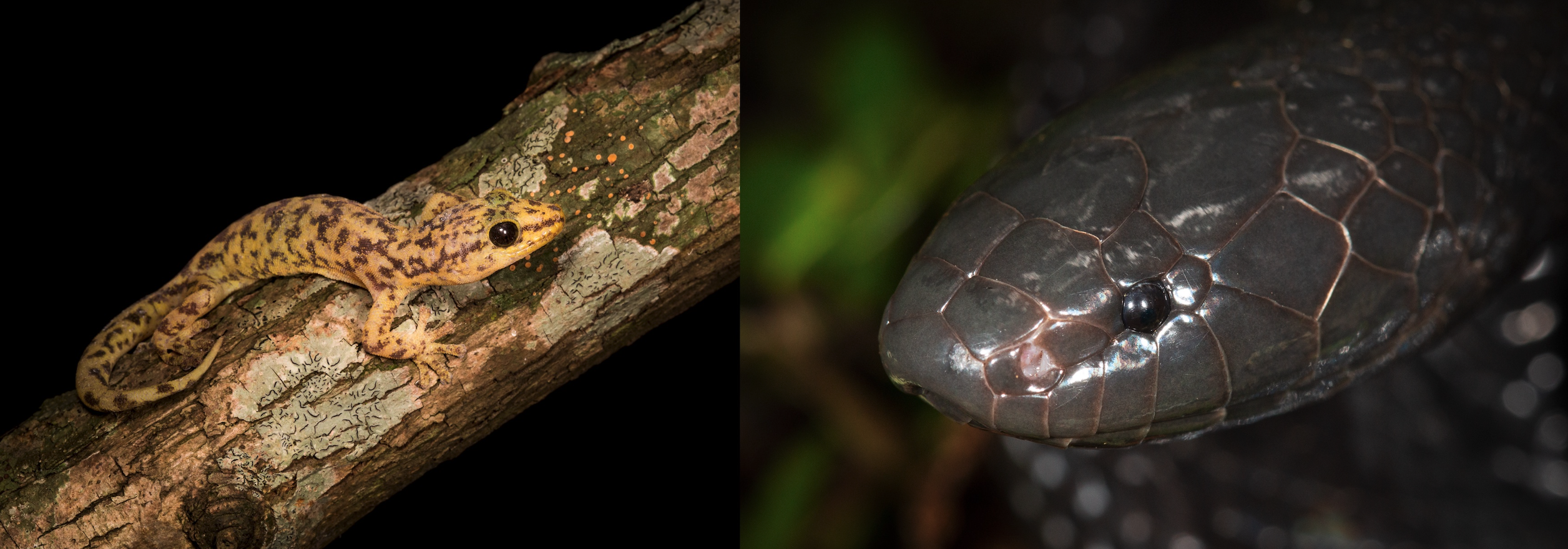
Two codistributed species that revealed pseudocongruent phylogeographic patterns along the east coast of South Africa. Left Afroedura pondolia. Right Macrelaps microlepidotus.

How is it possible for multiple species to share the same phylogeographic patterns if they do not share the same history in response to past events such as climate change and/or forest fragmentation? In an attempt to answer this question, we tested how well rivers, past climatic changes or climatic gradients could explain the patterns we see. Although we detected some genetic variation explained by the rivers, they do not correlate with genetic patterns across all species. Niche modeling revealed that only one species had a fragmented distribution in past climates, and one species had a significantly reduced distribution while the rest remained relatively stable. Lastly, current climatic variables explained the genetic patterns across all species reasonably well. Multiple climatic variables were significantly different among populations in each species group and significantly correlated with latitude. While this list of environmental factors is certainly not exhaustive, these results indicate that latitudinal climatic gradients may have been persistent drivers of genetic diversity throughout the unique evolutionary histories of species along the east coast of South Africa. We ultimately conclude that additional factors like the formation of rivers or ancient climatic cycles, would collectively have interacted with climatic gradients and the unique life histories of the study species to strengthen dispersal barriers at different times and generate complex biogeographic patterns in the region.

Our study highlights the utility of comparative phylogeographic studies to uncover drivers of biodiversity. Interestingly, our niche modeling also identified a small region that was climatically stable for all species throughout past climatic changes, emphasizing the importance of this region for forest conservation in the face of climate change. This is the first study of its kind in South Africa and we believe similar studies in the future could uncover even higher levels of hidden diversity and previously unrecognized biogeographical processes.

Written by:
Theo Busschau
Current: PhD student in Biology at New York University Abu Dhabi
This study stems from my MSc work at Stellenbosch University, South Africa

Additional information:
ResearchGate: https://www.researchgate.net/profile/Theo-Busschau
Instagram: https://www.instagram.com/bush_cow
Facebook: https://www.facebook.com/TheoBusschauPage

Acknowledgements:
I would like to thank my MSc supervisors, Prof. Savel Daniels and Werner Conradie, for their support and guidance throughout my research career, and of course their patience, and thank you to my friend and mega niche modeler, Adriaan Jordaan, for his help and major contribution to this study.

References:

Busschau, T., Conradie, W., & Daniels, S. R. (2019). Evidence for cryptic diversification in a rupicolous forest-dwelling gecko (Gekkonidae: Afroedura pondolia) from a biodiversity hotspot. Molecular Phylogenetics and Evolution, 139, 106549. https://doi.org/10.1016/j.ympev.2019.106549

Busschau, T. (2019). Phylogeographic patterning of three co-distributed forest-dwelling reptile species along the east coast of South Africa. MSc Thesis, Stellenbosch Uniiversity. http://scholar.sun.ac.za/handle/10019.1/107015

Busschau, T., Conradie, W., & Daniels, S. R. (2021). One species hides many: Molecular and morphological evidence for cryptic speciation in a thread snake (Leptotyphlopidae: Leptotyphlops sylvicolus Broadley & Wallach, 1997). Journal of Zoological Systematics and Evolutionary Research, 59, 195–221. https://doi.org/10.1111/jzs.12401

Kushata, J. N. T., Conradie, W., Cherry, M. I., & Daniels, S. R. (2021). Comparison of the mitochondrial phylogeographical structure of a generalist and two specialist frog species reveals contrasting patterns in the Eastern and Western Cape provinces of South Africa. Biological Journal of the Linnean Society, 130, 783–799. https://doi.org/10.1093/biolinnean/blaa049

Tolley, K. A., Conradie, W., Harvey, J., Measey, J., & Blackburn, D. C. (2018). Molecular phylogenetics reveals a complex history underlying cryptic diversity in the bush squeaker frog (Arthroleptis wahlbergii) in Southern Africa. African Zoology, 53, 83–97. https://doi.org/10.1080/15627020.2018.1517608

Zhao, Z., Verdú-Ricoy, J., Mohlakoana, S., Jordaan, A., Conradie, W., & Heideman, N. (2019). Unexpected phylogenetic relationships within the world’s largest limbless skink species (Acontias plumbeus) highlight the need for a review of the taxonomic status of Acontias poecilus. Journal of Zoological Systematics and Evolutionary Research, 57, 445–460. https://doi.org/10.1111/jzs.12263

Colonization across oceanic islands, and how to estimate it

Colonization across oceanic islands is a central topic in island biogeography. PAICE, a new methodological tool to estimate colonization events using floristics, genetics, and accounting for sample size. PAICE is designed to perform comparisons among organisms and archipelagos, and can be used to test explicit biogeographic hypotheses such as the difference in colonization success between species with or without long-distance dispersal traits.

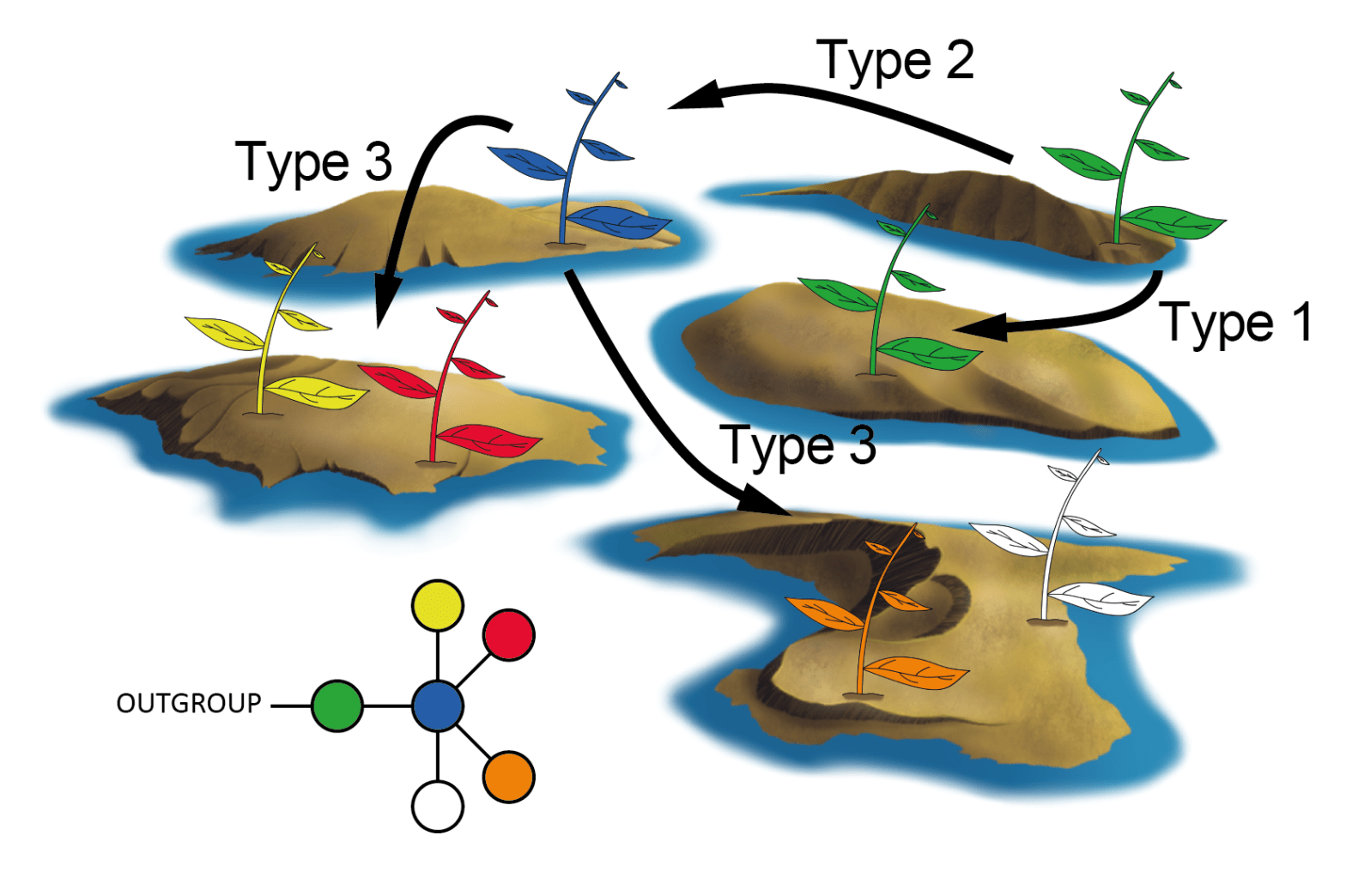
Above: Schematic representation of colonization events.

Because oceanic islands emerged lifeless from the bottom of the sea floor with no connection to any continent, they are ideal systems to study complex biogeographic processes. In particular, the colonization of oceanic islands has intrigued scientists for centuries given that all their land life initially arrived in them from another distant territory. Consequently, species with dispersal abilities have traditionally been assumed to be more successful colonizers.

Editors’ choice article: (Free to read online for two years.)
Coello, A. J., Fernández-Mazuecos, M., Heleno, R. H. & Vargas, P. (2022). PAICE: A new R package to estimate the number of inter-island colonizations considering haplotype data and sample size. Journal of Biogeography, 49, xxx– xxx. https://doi.org/10.1111/jbi.14341

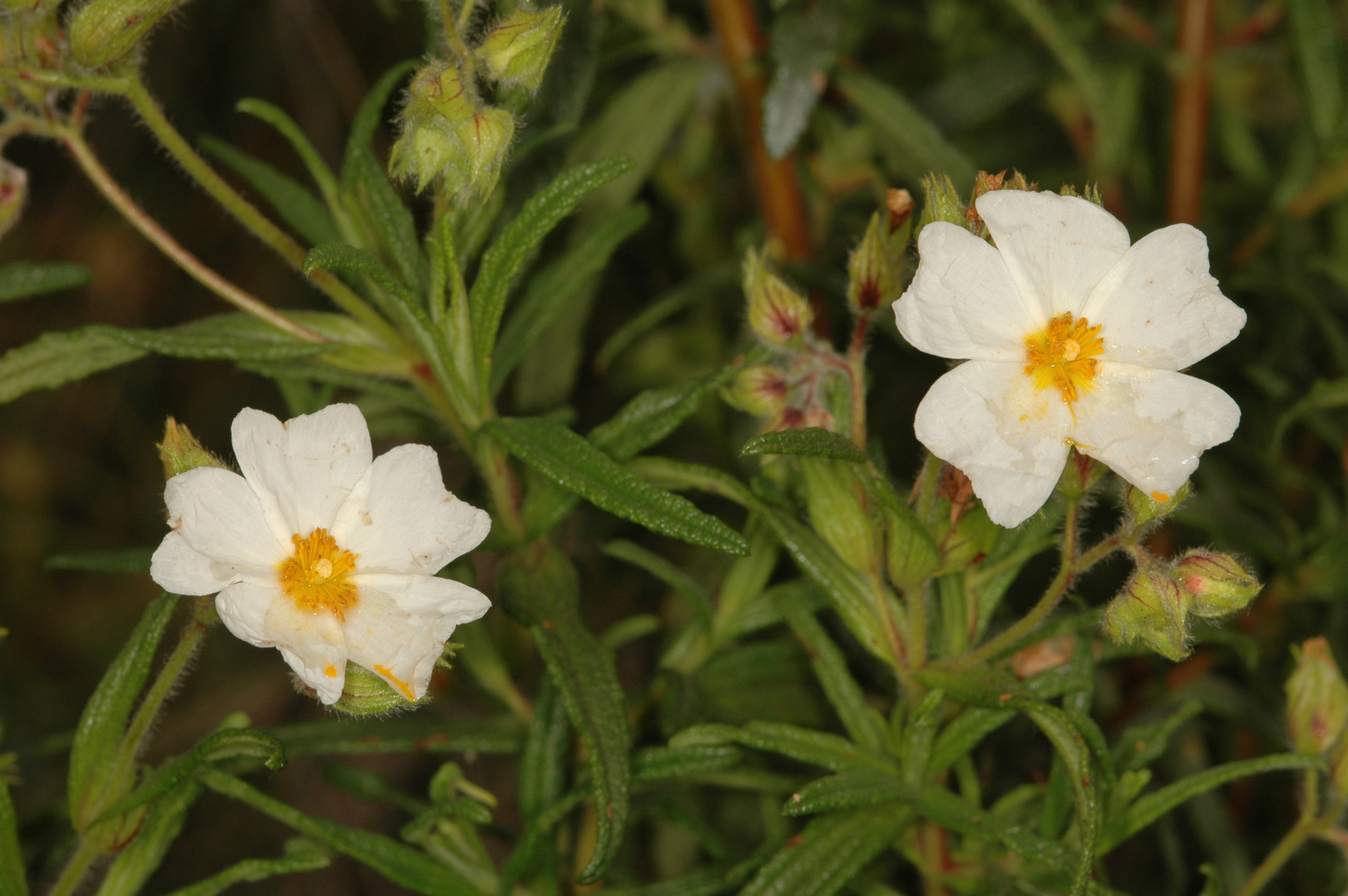
However, many species challenge this assumption. For example, Cistus monspeliensis is a plant with capsules and small seeds, that is, without any long-distance dispersal specialization, but it is a good colonizer as inferred by numerous colonization events among islands of the Canarian archipelago. This result goes against the classical dispersal hypothesis and thus encouraged us to compare the number of inter-island colonization events among numerous plant and animal species. As a general assumption, a species is considered a more successful colonizer when displaying a higher number of inter-island colonization events across a given archipelago. To our surprise, in a previous study we found that the number of estimated inter-island colonization events was highly influenced by sample size, and thus it was not possible to compare among species without some degree of bias. In fact, although there are several methods available to reconstruct inter-island colonization events, none of them considers sampling size.

In this study we propose PAICE (Phylogeographic Analysis of Island Colonization Events), a new approach implemented in an R package that not only uses floristics and haplotype sharing among islands (like previous studies) but also sample sizes in the estimation of the number of inter-island colonization events for any species within an archipelago. Based on haplotype diversity of uniparental inherited DNA regions, PAICE calculates the number of inter-island colonization events considering haplotype sharing, haplotype networks and rarefaction curves at both sampling levels (field and genetic). As a result, this approach estimates the number of inter-island colonization events accounting for sample size.


Cistus monspeliensis.

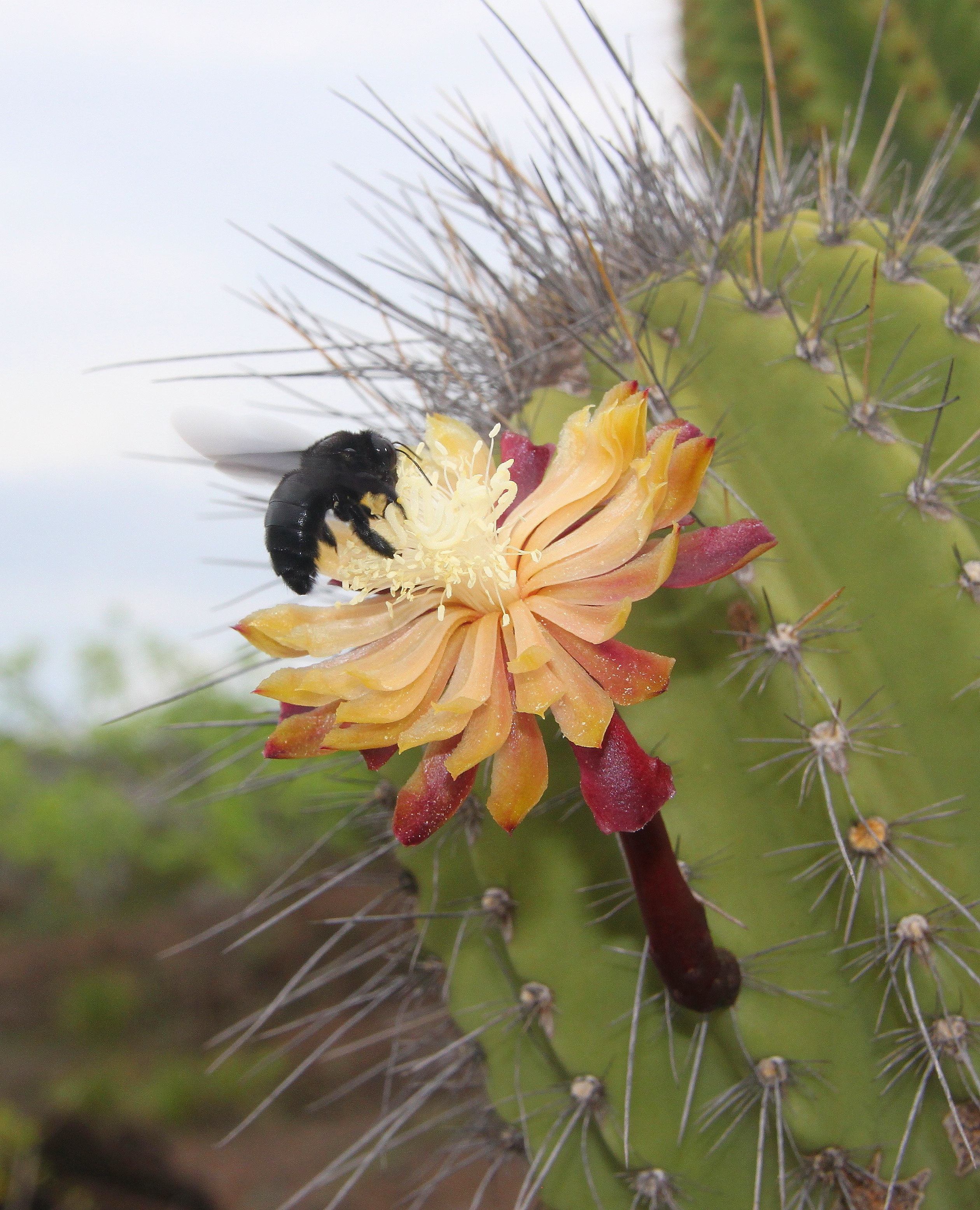
After developing PAICE, we applied it to 10 animal and plant species with data taken from the literature and noticed some problems when trying to compare their numbers of inter-island colonization events. In particular, a considerable number of case studies showed a sample size that was too small to estimate a reliable number of colonization events (birds like Buteo galapagoensis or Setophaga petechia aureola, plants like Canarina canariensis, Croton scouleri or Juniperus cedrus). Despite this challenge, a comparative estimation of colonization events suggests a higher colonization ability for species that were previously considered poor colonizers. Interestingly, animals with high flying capacity such as the carpenter bee (Xylocopa darwini) and the bird S. petechia aureola of the Galápagos Islands were considered poor colonizers in previous studies. However, the estimated number of inter-island colonization events provided by PAICE revealed that many colonization events were hidden in those previous studies because a very frequent haplotype was distributed across many islands. This increase in the estimate of colonization events was possible due to the application of rarefaction curves, which had not been use before for this purpose. In contrast, both Cistus monspeliensis and Olea europaea subsp. guanchica had similar numbers of inter-island colonization events (c. 20 – 45), although O. europaea subsp. guanchica is an endozoochorous plant while C. monspeliensis does not have dispersal specializations. Two additional plants were suggested to have a high number of inter-island colonization events, specifically Juniperus brevifolia (> 100 colonizations) and Picconia azorica (> 75 colonizations), but more studies are needed to refine these estimates.

We believe that PAICE paves the road for future studies aiming to compare colonization success among species in insular systems. In fact, this approach can also be applied to study movements among territories in other island-like systems such as lakes and mountain tops.

We hope that future island biogeographic studies will benefit from PAICE to evaluate species colonization success, as well as the relative importance of dispersal and establishment in the colonization process. In particular, classical hypotheses in island biogeography, such as the higher colonization success of species with long-distance dispersal abilities, can be addressed using PAICE. Although PAICE provides user-friendly R functions, the corresponding authors offer to guide any phylogeographical studies aiming to estimate numbers of colonization events and thus colonization success across islands and island-like system.


The carpenter bee (Xylocopa darwini)

Written by:
Alberto J. Coello (1), Mario Fernández-Mazuecos (2), Ruben H. Heleno (3) & Pablo Vargas (4)
(1) PhD candidate, Department of Biodiversity and Conservation, Real Jardín Botánico (RJB-CSIC)
(2) Lecturer, Department of Biology (Botany), Facultad de Ciencias, Universidad Autónoma de Madrid
(3) Assistant Professor, Centre for Functional Ecology, Associate Laboratory TERRA, Department of Life Sciences, University of Coimbra
(4) Professor, Department of Biodiversity and Conservation, Real Jardín Botánico (RJB-CSIC)

Additional information:
Alberto J. Coello: @albertojcoello (Twitter)
Mario Fernández-Mazuecos: @mfmazuecos (Twitter), http://mfmazuecos.weebly.com (website)
Ruben H. Heleno: @ruben_heleno (Twitter), https://www.instagram.com/communityecologylab/
Pablo Vargas: @pablovargas1111 (Twitter)

ECR Feature: Rowan Schley on the diversification of pantropical trees

Rowan J. Schley is a postdoc at the University of Exeter and the University of Edinburgh. He is particularly interested in using genomic approaches to study diversity in tropical ecosystems. Rowan shares his recent work on the diversification of the pantropical tree genus, Pterocarpus, and the relative roles of biome-switching and long-distance dispersal.

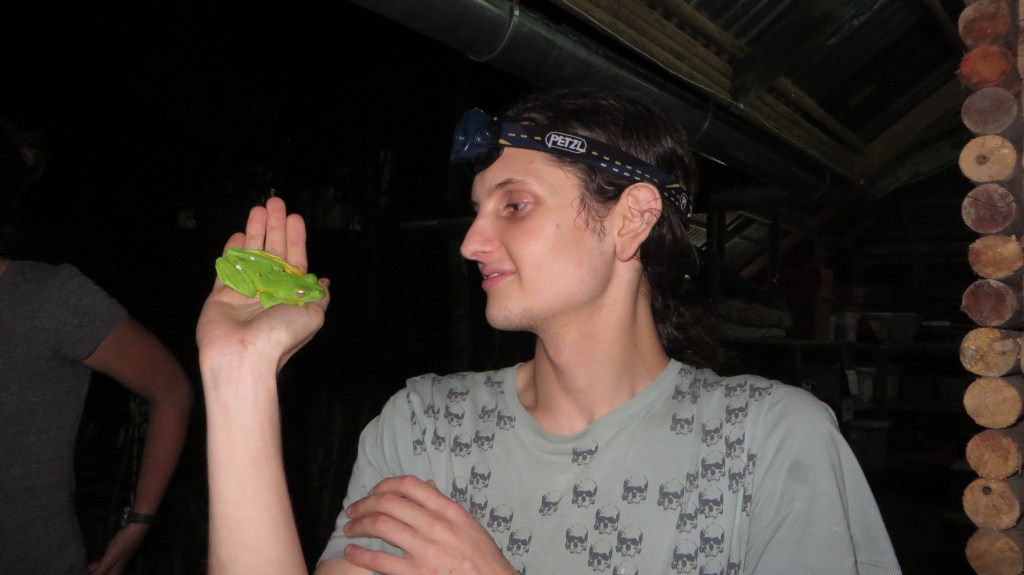
Rowan with Wallace’s Flying Frog (Rhacophorus nigropalmatus).

Personal links. ResearchGate | Twitter | Website | ORCID | GoogleScholar

Institute. University of Exeter & University of Edinburgh

Academic life stage. Postdoc

Major research themes. I am particularly interested in asking questions about speciation, hybridisation, diversification, biogeography and genome evolution to understand the superlative diversity of the tropics.

Current study system. I work on tropical trees, which as a whole are relatively understudied despite their incredible diversity. As an example, one hectare of the Ecuadorian Amazon may contain more tree species than the entirety of Europe (>600 species). It is critically important to understand how this diversity was assembled, both to further our understanding of how species diversify and because tree species are the basis of many tropical ecosystems. In particular, the genus, Pterocarpus (Fabaceae/Leguminosae), is an excellent study system for understanding tropical tree diversification and biogeography because it is ecologically diverse, exhibits multiple dispersal phenotypes and is found across the tropics.

Recent paper in JBI. Schley R. J., Qin, M., Vatanparast, M., Malakasi, P., de la Estrella, M., Lewis G. P., Klitgård, B. (2022) ‘Pantropical diversification of padauk trees and relatives was influenced by biome-switching and long-distance dispersal’. Journal of Biogeography. https://doi.org/10.1111/jbi.14310

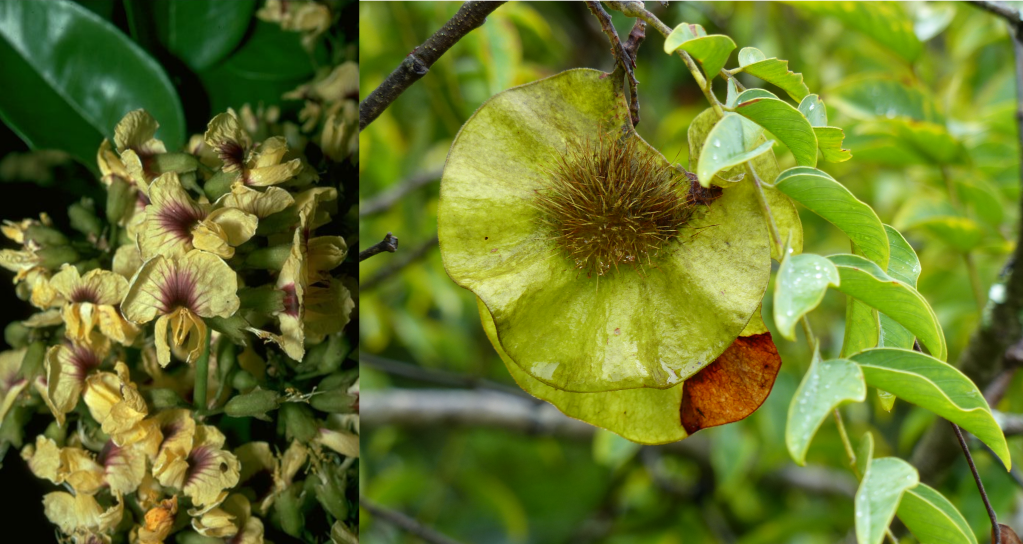
(left) Pterocarpus rohrii sensu lato; (right) Pterocarpus angolensis © Gwilym P. Lewis

Main motivation. Many plant groups are found pantropically, and there has been much debate about how such distributions arise. The prevailing narrative was that of vicariance, where the splitting of continental landmasses led to isolation of populations on different continents, and therefore, different evolutionary trajectories. However, time-calibrated molecular phylogenies have shifted this paradigm for many groups, and now, dispersal is believed to have led to the pantropical distributions of many tropical tree species. This is because the estimated divergences between many plant groups post-date continental splitting, and because long-distance dispersal is well known in plants. The macroevolutionary consequences of dispersal can be influenced by phenotypes which promote dispersal at ecological scales, as shown by work on the Podocarpaceae (Klaus & Matzke, 2020) and Annonaceae (Onstein et al., 2019). This work showed that dispersal traits influenced the distribution, diversity and ecology of these plant groups, inspiring us to ask similar questions in Pterocarpus.

Key methodologies. To test how seed dispersal phenotypes influenced Pterocarpus’ biogeographical history we first inferred a ‘dated’ phylogenetic tree. This helped us understand the evolutionary relationships between Pterocarpus species in a temporal context. We built this tree based on DNA sequence datacollected from RBG Kew’s herbarium, and used fossils to calibrate the tree to understand when speciation events happened within Pterocarpus. We then performed biogeographical analyses to test whether the dispersal phenotypes of Pterocarpus species influenced the evolutionary history and geographical distribution of the group. For example, dispersal phenotypes which facilitate long-distance dispersal by water (e.g., floating fruits) may lead to very broad species distributions, whereas other phenotypes may restrict species distributions. We tested the influence of these traits on geographical range evolution as well as on adaptation to different biomes, and we assessed how many shifts between biomes occurred across Pterocarpus’ evolutionary history.

Challenges. A major challenge was to find a method which allowed us to ‘date’ our phylogenetic tree from the vast amount of next-generation sequencing data we collected. This was pretty hard because most of the methods which we can use to date phylogenetic trees were designed to use much smaller datasets (e.g., only one or a few genes), but we used more than 300 genes in our phylogenetic analyses. Because of this, we decided to use a method which was designed for dating phylogenetic trees built with entire genomes (i.e., even more data than we used in this study) called ‘MCMCtree’ (Yang et al., 2007). We were also particularly fortunate in the case of Pterocarpus, because there has been much genetic work done on closely related groups, and so we could leverage existing, smaller datasets to do a corroborative analysis using older methods, and ensure that our MCMCtree analyses were accurate.

Major results. We found that there were two evolutionary lineages within Pterocarpus – one of which diversified in the Neotropics, and the other in the Palaeotropics. These groups diverged during the Miocene (~12 Ma), and most of the species diversification in Pterocarpus occurred during this epoch. Interestingly, we found that seed dispersal phenotypes had little significant effect on contemporary distributions, but that dispersal did have a significant effect. This suggests that random, rare ‘sweepstakes dispersal’ influenced Pterocarpus’ distribution. It was also apparent that biome-switching mostly occurred into rainforests and savannas. These environments are prone to disturbance and so experience high turnover of plant species, facilitating colonisation from other biomes. Biome switching was also likely promoted by Miocene climate change, such as the aridification of Africa. Overall, our results suggest that rare long-distance dispersal, coupled with climate change and speciation in different biomes, likely explain the wide distributions of many pantropical tree genera.

Next steps. I’d love to investigate the ‘weirdest’ Pterocarpus of all – P. dubius. This looks very different to other Pterocarpus species, its phylogenetic position is different when inferred with plastid vs nuclear genes, and it was previously circumscribed in a separate genus as Etaballia dubia. It would be great to unpick these peculiarities using plastid genomes and by investigating phylogenetic incongruence, because it seems that this odd placement may result from chloroplast capture following ancient hybridisation. In addition, Klitgård et al. will be circumscribing new taxa within the P. rohrii species complex and publishing IUCN red list assessments for threatened Pterocarpus species.

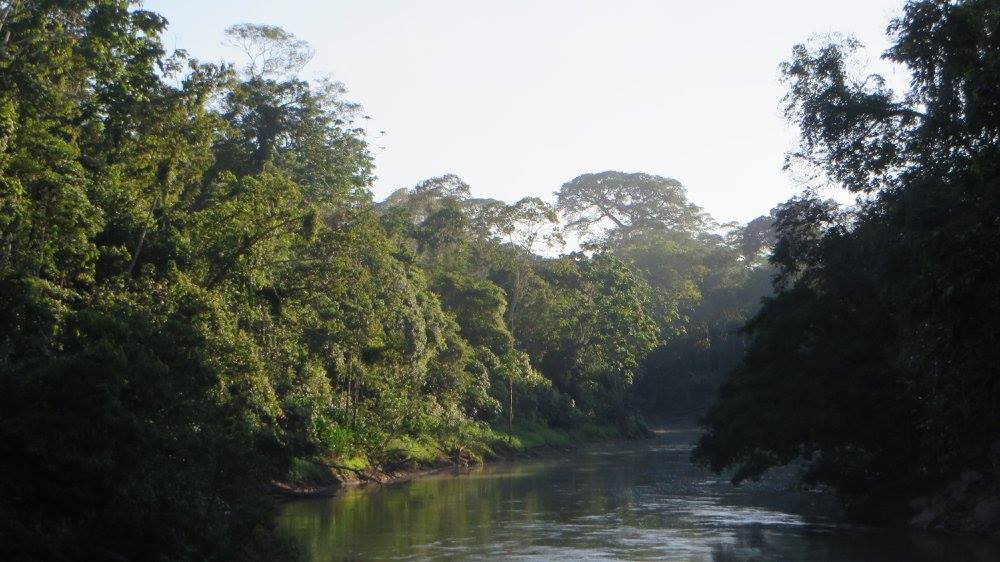
Rio Tiputini in Yasuní National park, Ecuador.

If you could study any organism on Earth, what would it be? To study the extraordinary diversity of any tropical taxon is a dream come true. I have a particular love for working on tropical trees and understanding the evolution of diversity through that lens. That said, as a naturalist I am interested in a broad range of questions across the tree of life, and I have also been lucky enough to work on orchids and cichlid fishes. I would love the opportunity to further understand speciation in diverse coral reef taxa (e.g., Acanthurid fishes, Scarid fishes, Scleractinian corals), phenotypically diverse and strange plant groups (e.g., mangroves and Nepenthes pitcher plants) or in an island radiation like Scalesia. That’s the great thing about the tropics – there is so much to study, not to mention so much to conserve!

Anything else you would like to share? Pterocarpus species are valuable timber trees under immense pressure from logging. They are known as ‘rosewoods’ and ‘bloodwoods’, among many other common names. These names refer to the sought-after red colour of their wood, and to the red sap that is exuded when their trunks are cut. There is a short BBC film called ‘Trees that bleed’ that documents the poaching of rosewoodtrees in West Africa – it is really worth a watch! https://www.youtube.com/watch?v=G_GmLPPNbGc

ECR feature: Maria Guerrina on post-glacial contraction in an Alpine endemic plant.

Maria Guerrina is a postdoc at the Università degli Studi di Genova in Italy. She is a plant biologist interested in the evolution of endemic biota. Here, Maria shares her recent work on the post-glacial contraction of an Alpine endemic species.

Maria Guerrina during fieldwork in the South-western European Alps.

Personal links. Research Gate

Institute. Dipartimento di Scienze della terra, dell’ambiente e della vita (DISTAV) – Università degli Studi di Genova.

Academic life stage. Postdoc

Major research themes. Endemic species, conservation, glacial refugia, climate change, reproductive biology, alpine flora, phylogeography.

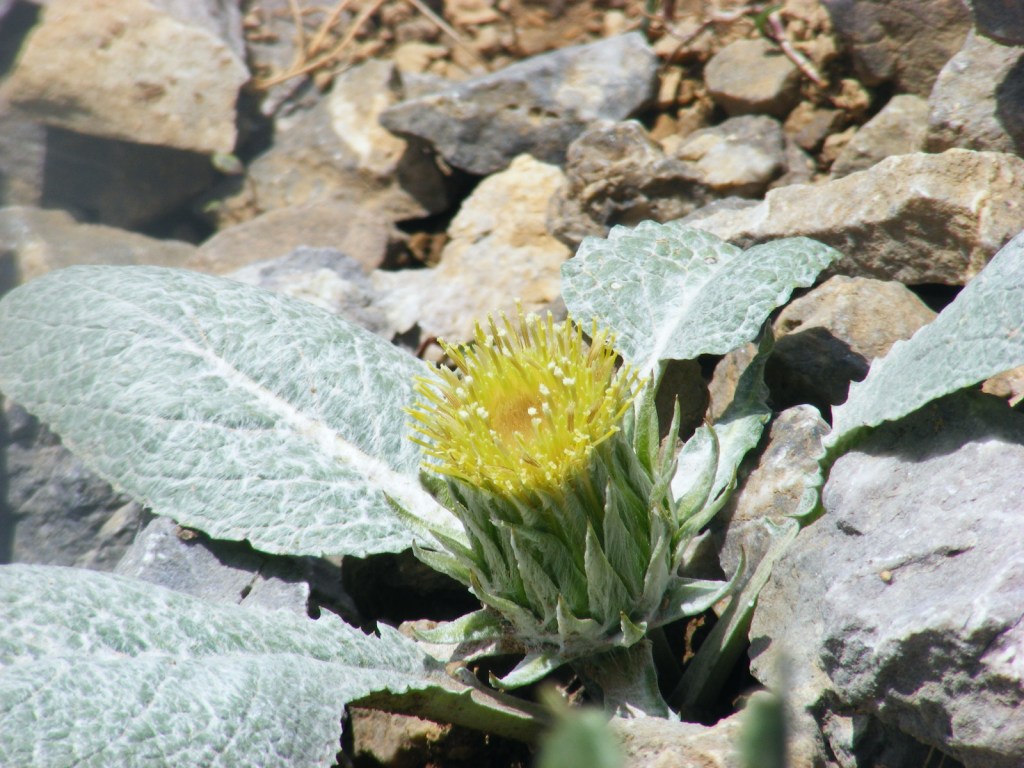
Current study system. My study species is Berardia subacaulis Vill., the only living species belonging to a monospecific genus endemic to the South-western European Alps. This cold-adapted species is a relic of the Tertiary paleo flora (~24 mya), which almost went completely extinct during Late Quaternary climatic oscillations. Being such an “ancient” species makes it interesting and necessary to understand how past climatic changes affected the demographic history of this species. By doing so, we can make more reliable predictions on how it will respond to future pressures.

Maria out in the field collecting leaves of B. subacaulis.

Recent JBI paper. Guerrina M, Theodoridis S, Minuto L, Conti E,Casazza G (2022) First evidence of post-glacial contraction of Alpine endemics: insights from Berardia subacaulis in the European Alps. Journal of Biogeography. 49 (1): 79-93 https://doi.org/10.1111/jbi.14282

Motivation behind this paper. This study sought to understand the possible responses of plants to the Late Quaternary dynamics (i: post-glacial expansion; ii: post-glacial contraction; and iii: long-term stability). The study is located in the South-western European Alps (SW Alps). This area was less affected by the glaciations than the rest of the Alps because of the Mediterranean Sea influence. Given the proximity of the SW Alps to the Mediterranean and Alpine climates, the region is characterized by high local climatic variability and topographic heterogeneity, which promoted a variety of phylogeographical patterns in the biota. Until today, two common hypotheses have been proposed: post-glacial expansion or long-term stability (mainly by altitudinal shift). However, an interesting pattern never yet detected is the expansion of cold-adapted species during glaciation due to the limited extent of the glacial sheet in the area, followed by a population contraction after glaciation.

A blooming individual of B. subacaulis. It is possible to see the secondary presentation of pollen on the stigma in the central open flowers.

Key methodologies. Our paper relies on species distribution models (SDMs) throughout the last 28 Ky and genome-wide sequences (genotyping-by-sequencing; GBS) to estimate current spatial structure patterns from genetic diversity. Because B. subacaulis grows only on specific calcareous substrates, we added substrate information into the in SDMs to report the presence/absence of this suitable substrate, based on the global lithological map dataset (GLiM). Integrating the results of the two independent approaches (SDMs and GBS) allowed us to test several demographic models under an Approximate Bayesian Computation framework.

Unexpected challenges. One of the biggest challenges we faced was field sampling. Berardia subacaulis grows on very steep scree, and this kind of habitat did not make sampling easy! Because of it, before starting the sampling, I went shopping for comfortable boots for walking on scree – the clerk looked at me strangely! The sampling season began with two outings of about eight hours of hiking each before we managed to find the plant (I’m glad I got proper boots!). Funny thing, I was with a colleague, and none of us had ever seen the plant before. But it was really nice to find some populations following herbarium information from the end of the 19th century.

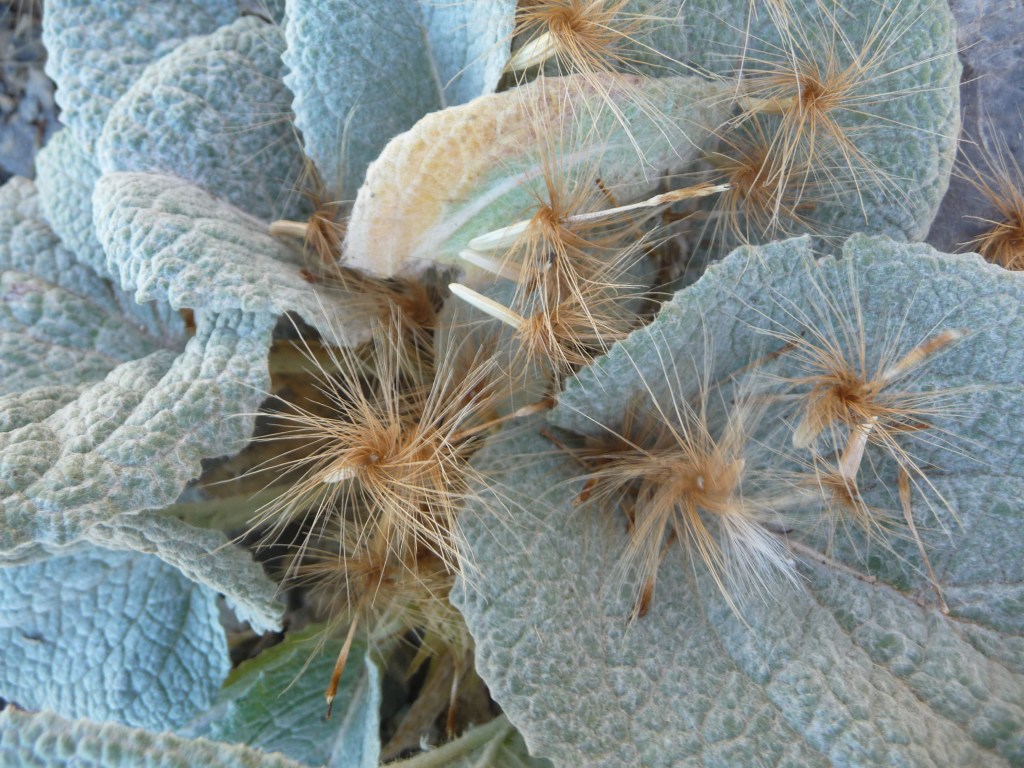
Achenes of B. subacaulis.

Major results. For the first time, we provide empirical evidence of post-glacial demographic contraction and a recent split between the two genetic groups for an endemic plant in the European Alps during the Late Quaternary. The pattern observed might be due to several factors. First, the SW Alps were characterized by greater availability of ice-free terrain during the Last Glacial Maximum (LGM) because of the Mediterranean Sea mitigation that maintained temperatures some degrees higher than in the rest of the Alps. Second, the SW Alps were characterized by relatively high precipitation, which, combined with the ice-free areas, might have allowed B. subacaulis to persist or even expand in most climatically suitable areas at high altitudes during the LGM.

Next steps for this research. Several hypotheses explaining patterns of endemism have been explicitly tested at the global scale, raising questions about the persistence of biodiversity during the present era of changing climate. However, these hypotheses have never been tested at local scales, and the SW Alps are an interesting place to test them. The next step in this research is to explore the environmental drivers promoting endemic richness distribution in the SW Alps.

Typical habitat of B. subacaulis, growing on steep calcareous scree.

If you could study any organism on Earth, what would it be? Plants, I cannot change my study organism! In particular, I would like to study any rare and endemic plants with peculiarities, such as blooming every 40 years or growing in almost inaccessible places.

It is a good day to study lichens

“There is a low mist in the woods­–It is a good day to study lichens.” Henry David Thoreau, A Year in Thoreau’s Journal: 1851.

Above: Brownish monk’s-hood lichen (Hypogymnia vittata) on a mossy rock wall in an old-growth forest, eastern Norway.

Lichens all share a common “lifestyle” – whether you call it a symbiosis, parasitism, a collective of productive fungal farmers, or teams of brilliant algal architects, this lifestyle has no doubt been a successful strategy for survival. From miniscule Arctic extremophiles growing within solid rock to conspicuous meters-long cascading strands of Methuselah’s beard (Usnea longissima) festooning a veteran conifer canopy, lichens’ beautifully sophisticated biological machinery has allowed colonization of virtually every terrestrial habitat on Earth. Over their quarter of a billion year evolutionary story, they have developed the tools to thrive on every continent: from the inter-tidal to alpine zones, and from aquatic to desert habitats.

Cover image article: (Free to read online for a year.)
Phinney, N. H., Ellis, C. J., & Asplund, J. (2022). Trait-based response of lichens to large-scale patterns of climate and forest availability in Norway. Journal of Biogeography, 49, 286–298. https://doi.org/10.1111/jbi.14297 

Unlike vascular plants, lichens are “poikilohydric,” meaning they are unable to actively regulate their water uptake and storage. To cope with a diverse range of environmental demands, these often alien-looking organisms have developed striking variation in physiology, anatomy, morphology and architecture. These “functional traits” represent direct operative links to their environment at both micro-and macroclimate scales, offering a window into each thallus’ unique survival scheme. Documenting the intimate relationship between lichen and environment is crucial in improving our understanding of how lichen communities assemble in nature and how they adapt in a changing climate.

With a diverse and dramatic landscape and climate – from boreal rainforests to alpine heathland and arctic tundra – Norway is an impeccable biogeographic laboratory for such investigations. Here, we were encouraged to ask questions about why certain lichen groups occur where they do. We used likely drivers, such as precipitation, temperature, and forest cover to predict current distributions of traits. In doing so, we found that some traits, such as types of photobionts (photosynthetic lichen components, i.e., green algae, cyanobacteria, or both), appear to respond well to broadscale environmental filtering, making their distributions reasonably predicable. Lichens with cyanobacterial photobionts (cyanolichens) and those with green algal partners (chlorolichens) have unique physiological tolerances that restrict them to a certain climate space. For example, the majority of cyanolichens are found in oceanic habitats in Norway but become scarce in the high Arctic. Why? Unsurprisingly, because this group requires liquid water for photosynthesis, so their affinity for the rainy, western coast makes sense. On the other hand, many chlorolichens are connoisseurs of non-rain water sources, such as fog or high humidity – a secret Thoreau seemed privy to. Some chlorolichens (i.e., trebouxioid) can even maintain activity in temperatures well below 0° C and, lo and behold, they are liberally scattered throughout a seemingly inhospitable Arctic “wasteland”.

But are some trait distributions more predictive than others? Growth form, for instance, while being intimately coupled to environmental stressors, shows relatively weaker relationships to climate at the macroscale. Perhaps these categories – although widely applied – are actually too broadly-defined to consistently represent meaningful functional relationships to their environment: growth forms contain a massive amount of physiologically relevant variation, which cannot be adequately captured in such a sweeping generalisation. Even within single tree canopies, hair or beard lichen thalli, for example, can show considerable variability in their morphology, despite being in the same growth form category. Trait categories can also be nested within or interact with each other so that their unique effect may be masked as part of a complex mosaic of traits. In future studies, we hope to discover how combinations of traits might contribute to an ecological response, as any given combination might dictate an organism’s fitness and, ultimately, explains how they distribute across space and time.

Although often overlooked, lichens are clearly key players in the ecosystems around us. They modify climate, provide food and habitat for both micro- and macrofauna and are informative environmental and bioclimatic indicators (not to mention they are exquisite champions of evolution). By better understanding the mechanisms by which lichens operate at the thallus level and how large-scale climate patterns drive their growth and distribution, we can more accurately predict how lichen communities will change in a drastically warmer northern climate.

Written by:
Nathan H. Phinney: Postdoctoral researcher, Dept. of Biological Sciences, University of Bergen, Norway

Acknowledgements:
Many thanks to the coauthors, Christopher Ellis and Johan Asplund for the comments on the above text and for joining me on this fun lichen ride.

Are bluebells too slow for climate change?

Slow demography and colonization rates 17,500 times lower than the current velocity of climate change make range shifts virtually impossible in the emblematic forest plant Bluebell.

Above: The Hallerbos in Belgium is nicknamed ‘the blue forest’ because of the carpets of spring-flowering bluebells (Hyacinthoides non-scripta), which attract yearly more than 100,000 visitors. (© Sanne Govaert).

Climate change causes many species to shift their distributions towards higher elevations and latitudes to track their optimal climatic conditions. The current rate of change in the climate system, however, is high. Possibly too high for many species, such that the optimal climate conditions are moving faster than the rate at which a species can disperse. If you know that the distribution limits of many plant species native to temperature forests of Europe are still singed by dispersal limitation since last glacial maximum c. 11,7000 year ago, can we actually expect these species to be able to keep pace with the current rate of climate change?

Cover image article: (Free to read online for a year.)
Sanczuk, P., De Lombaerde, E., Haesen, S., Van Meerbeek, K., Van der Veken, B., Hermy, M., Verheyen, K., Vangansbeke, P. & De Frenne, P. (2022). Species distribution models and a 60-year-old transplant experiment reveal inhibited forest plant range shifts under climate change. Journal of Biogeography, 49, xxx–xxx. https://doi.org/10.1111/jbi.14325 

To answer this question, I revisited, to my knowledge, one of the longest running transplant experiments in the world: It was 1960 when the pioneer in Belgian forest ecology, Jules Register, decided to transplant bluebells (Hyacinthoides non-scripta) from a natural population within its range to several forest sites beyond its range in Belgium. Bluebell is an emblematic species growing in deciduous forests of Europe, and probably among the most famous forest herb in Europe for laymen. The species has its emblematic status due to its pale-blue flowers: in optimal conditions, bluebells form continuous carpets covering the understorey layer, resulting in magnificent views in Spring. For this reason, the Hallerbos in Belgium is nicknamed ‘the blue forest’ and attracts yearly more than 100,000 visitors during its flowering time. However, as it is true for many understorey plant species, bluebell has long life cycles and seed dispersal is extremely limited in space. It can take 5 to 10 year for bluebell seedlings to reach a reproductive state, and previous estimates of annual colonization rates in natural populations are low, varying between 100 cm to only 0.6 cm per year. With such slow colonization rates, it is highly questionable if bluebell will be able to track the 21st century climate change.

It was only 45 years after the installation of the transplant experiment that a first evaluation was conducted. The performance of the source (within bluebell’s natural range) and transplanted (beyond bluebell’s natural range) populations was measured to understand the main limiting factors of the species’ distribution. Recently, I revisited the experiment. I asked “couldn’t we gain new insights if we combine present-day modelling techniques with data from this extremely old experiment?”

Hence, in Spring 2020, I relocated all populations and performed the same measurements. Unfortunately, when pairing my data to the previous data, I found clear signals that the population performance has decreased: in both the source and transplanted populations, individual plant performance and also the population growth rates were lower in 2020 compared to the previous survey in 2005. To interpret these negative trends within a larger spatial context, I built species distribution models. These models indeed confirmed a gradual decrease of the habitat suitability within large parts of the species distribution under climate change. Thus, the decrease predicted by the models has likely already started in the study populations.


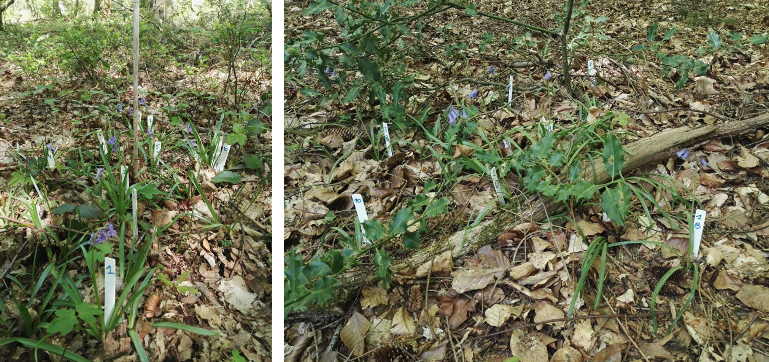
Two of the transplanted populations in 2020. Several traits were measured on 10 flowering individuals within each population. (© Pieter Sanczuk)

Moreover, based on the colonization distance of the main dense population front since 1960, I estimated that the average colonization rate is only 0.02 m per year. Currently, this is 17,500 times lower than the velocity of climate change (the isotherms in temperate broadleaf and mixed forests are shifting at a rate of 350 m per year). Especially in the highly fragmented landscape of north-west Europe, such low colonization rates make range shifts that are fast enough to track the shifting climate, virtually impossible. In essence, bluebell’s climatic envelope is currently running away from its natural distribution.

Where is the good news? Owing to the high structural complexity of forest canopies, temperature extremes experienced by organisms living in the shade of trees can be buffered. For instance, forest-floor maximum temperatures are on average 4.1 °C cooler compared to free-air measurements. This is a larger difference in temperature compared to the projected increase by the end of the 21st century due to climate change. Moreover, forest floor temperatures are even cooler in structurally complex forests with a closed canopy (up to 8.3 °C during warm summer days). If we optimize forest management towards cool and dark forest understorey conditions, we can make an important step forward to maintain bluebell in ancient deciduous forests across their entire range.

Written by:
Pieter Sanczuk, PhD candidate, Forest & Nature Lab, Department of Environment, Faculty of Bioscience Engineering, Ghent University, Belgium

Additional information:
google scholar: https://scholar.google.be/citations?user=IphWVxwAAAAJ&hl=nl&oi=sra
ERC project website: https://formica.ugent.be/
@PieterDeFrenne
@K_VanMeerbeek
@HaesenStef

ECR feature: Katie Nigro on disturbances impact on pine distributions

Katie Nigro is a PhD candidate at the Colorado State University in the USA. She is an ecologist interested in plant distributions and their responses to impacts. Here, Katie shares her recent work on the effects of wildfire and beetle outbreaks on the range expansion of trembling aspen.

Katie Nigro in the field, after a day of searching for aspen seedlings.

Personal links. Twitter

Institute. Colorado State University

Academic life stage. PhD (4th year)

Major research themes. Disturbance impacts on vegetation recovery and plant species range shifts.

Current study system. I work in the montane and subalpine forests of Colorado and currently am focused on two tree species – trembling aspen and ponderosa pine. This system is experiencing rapid change via the increased frequency of large, severe wildfires, bark beetle outbreaks, and drought. Studying aspen and ponderosa simultaneously is super interesting because they both exhibit different responses to disturbances and thus are likely to face very different futures. In our recently published paper, we focus on aspen, which is great at repopulating after disturbance but needs a lot of water, whereas, in an ongoing study for my PhD, we are focusing on ponderosa pine, which is not as prolific a reproducer but is extremely drought tolerant.

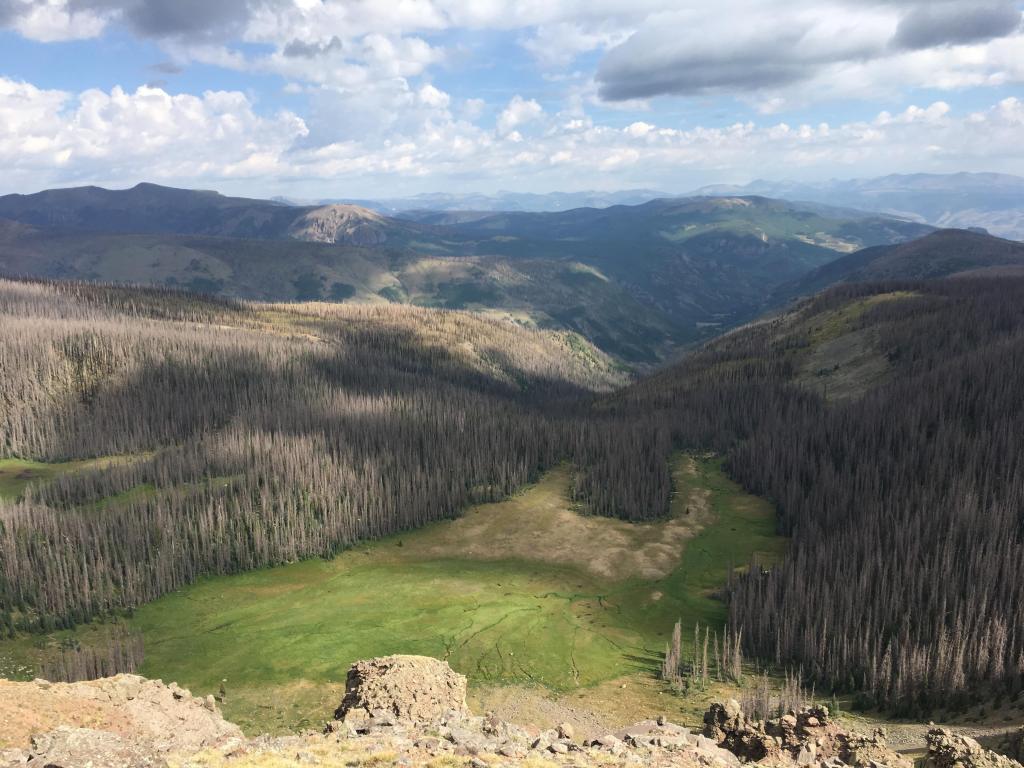
A spruce-fir forest in the study area (Colorado, USA) with extensive canopy mortality due to spruce beetle outbreaks.

Recent JBI paper. Nigro, K. M., Rocca, M. E., Battaglia, M. A., Coop, J. D., & Redmond, M. D. (2022). Wildfire catalyzes upward range expansion of trembling aspen in southern Rocky Mountain beetle-killed forests. Journal of Biogeography 49(1), 201– 214 https://doi.org/10.1111/jbi.14302.

Motivation behind this paper. Until a decade or so ago, it was commonly thought that trembling aspen trees almost always reproduce asexually (by resprouting from their roots) and that sexual reproduction (aspen trees growing from seed) was extremely rare, occurring only under the perfect combination of soil and climate conditions. However, researchers have recently been stumbling upon aspen seedlings (from seed) more and more, especially in burned areas. Many of these seedling sightings have been far away from adult aspen, which led us to think that disturbance could facilitate aspen’s migration to cooler areas in response to climate warming. Tree migrations are usually projected to lag behind climate change because trees are long-lived and can’t just get up and walk to cooler sites, which leaves them vulnerable. We wanted to see if disturbances like fire and bark beetle outbreaks could promote faster migrations for tree species like aspen.

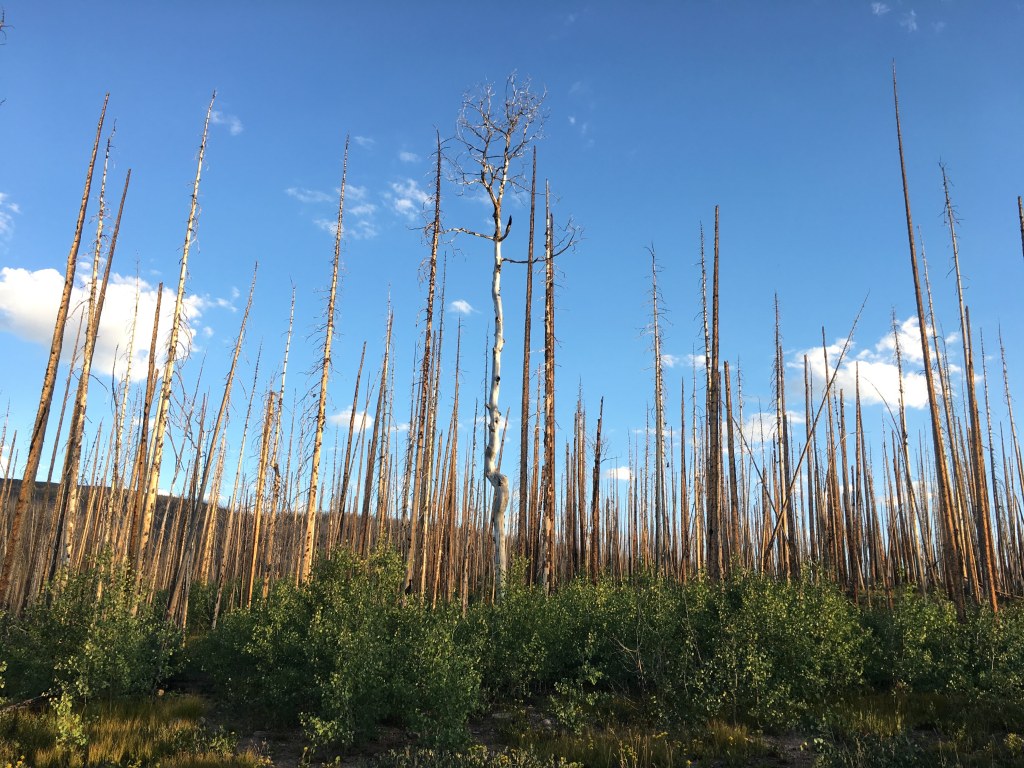
A severely burned area in the West Fork Fire Complex of 2013, Colorado, USA – where the study was located.

Key methodologies. This project hinged on two key methods – the first was figuring out what the upper elevational limit of aspen was in the study area via aerial imagery, and the second was to go out and survey areas above that upper elevational limit to see if signs of upward migration were occurring in fire and bark beetle impacted sites. Figuring out the local elevational limits of aspen’s distribution was novel for our study area and highlighted the fact that species elevations are highly localized and do not follow a strict minimum and maximum elevation profile for a given latitude. In addition, focusing the surveys on just those elevations above the local maximum allowed us to uncover patterns of range expansion at the same time as documenting post-disturbance forest recovery.

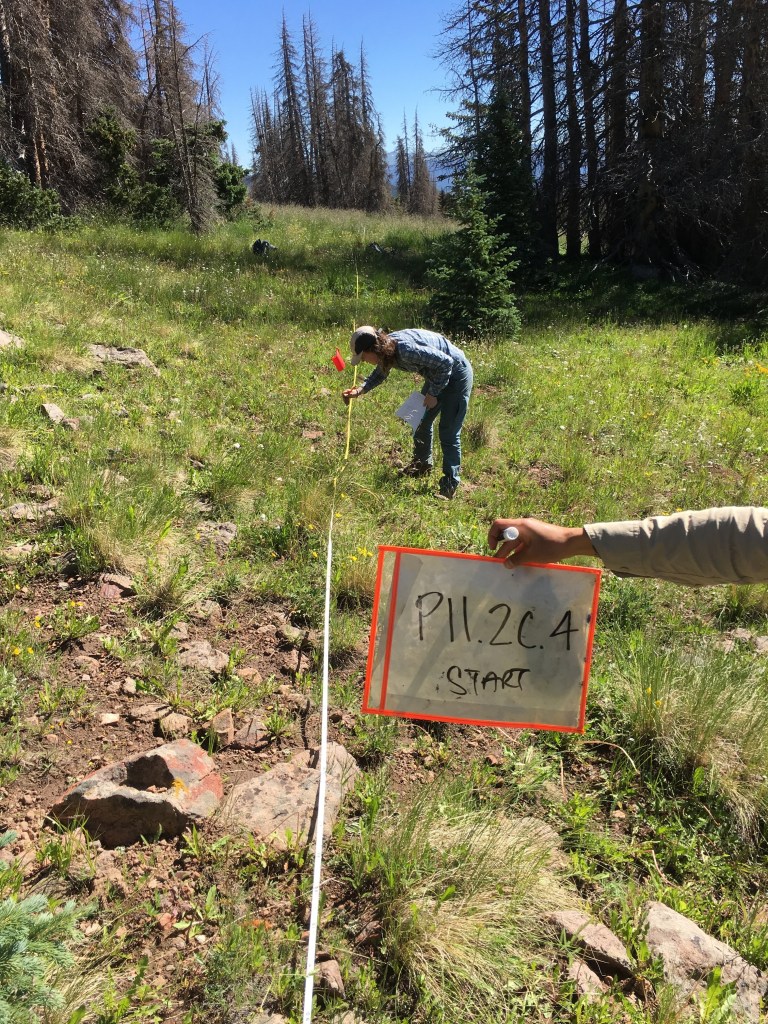
Katie conducting field surveys looking for aspen and characterizing site conditions.

Unexpected challenges. One surprising thing was the rarity of aspen seedlings overall. I was amazed that we did not find any aspen seedlings in sites that were beetle-killed but not burned. I expected less in beetle-killed sites than burned sites, given the documented benefit of bare soil for aspen seedling establishment. However, due to increased light availability, I still expected to find some seedlings in the beetle-killed forests. In general, the rarity of seedlings on the landscape (even in burned areas) was definitely a mental challenge at the beginning of the field season – we surveyed 25 plots before encountering an aspen seedling. You can imagine the adrenaline rush I felt when my field technician finally yelled over, “I think I found one!” 

Major results. We found that wildfire has the capacity to accelerate migrations for trembling aspen and likely other wind-dispersed, shade-intolerant tree species, thereby allowing them to catch up with climate changes that have already occurred. Interestingly, another widespread disturbance agent, bark beetles, did not facilitate the same expansion of aspen’s upward elevational limit as fire did. This reveals that tree species migrations will be differentially impacted by the increasing frequency and severity of disturbances in the coming decades. Importantly, we found that aspen regeneration not only depended on wildfire, but was also significantly impacted by local site conditions. Therefore, range shifts are unlikely to progress uniformly upwards in elevation, but rather will occur quite heterogeneously across the landscape.  

A burned aspen tree with abundant resprouts at its base, this is an example of aspen’s asexual mode of reproduction

Next steps for this research. Now that we have documented upward elevational shifts in a shade-intolerant wind dispersed species due to wildfire, I am looking into other tree species prominent in the western United States to see how disturbances and life history traits may impact their range margins. I am also investigating the potential for certain populations of trees to be better adapted to future climates than others. In the case where a species is unable to migrate fast enough, we can use this information to reforest disturbed areas with individuals that will be more resistant to future climate changes.

If you could study any organism on Earth, what would it be? I think I would still stick with plants – they’re generally agreeable, so resilient, and will sit still for hours on end while you measure anything and everything about them.

An aspen seedling found at a burned site, growing out from under a downed log. This is an example of sexual reproduction.

Anything else to add? I think I must shoutout once more to all the wonderful people that helped me collect field data for this project. The final data reflected in the paper is the result of steep, grueling off-trail hikes through snow, streams, and around downed logs, running from thunderstorms (more than once) and just generally sacrificing the comforts of home for the sake of science – I couldn’t have done it without the help of some seriously tough and adventurous folks.

ECR feature: Jeronymo Dalapicolla on different forest-association impacts on functional connectivity in the Amazon.

Jeronymo Dalapicolla is a postdoc at the Instituto Tecnológico Vale in Brazil. He is an evolutionary biologist interested in the impact of landscape features on evolutionary processes. Here, Jeronymo shares his recent work on the influence of different forest associations in the genetic variation of two sympatric species of spiny rats in the Western Amazon.

Jeronymo in a boat on Guamá River, Brazil.

Personal links. Twitter | Instagram | Research Gate

Institute. Instituto Tecnológico Vale (Belém, Brazil)

Academic life stage. Postdoc

Major research themes. Phylogenomics, Landscape Genetics, Conservation Genetics, and Statistical Phylogeography of Neotropical Mammals and Plants.

Current study system. Proechimys is a genus with more than 20 species of spiny rats (rodents closely related to capybaras and cavies) distributed throughout the Amazon basin. Given its distribution, this genus is an excellent model to study the evolutionary processes that generated current Amazonian biodiversity patterns. Furthermore, there is an unusual fact: the high rate of sympatry and syntopy between species of Proechimys. Usually, different species in the same Neotropical rodent genus show parapatric or allopatric distributions, with rare cases of sympatry. However, up to five species of Proechimys can be sampled in the same area, sometimes even in the same trapline! Which makes this genus more intriguing to study how species can use the landscape/habitat.

Jeronymo installing traps to collect rodent samples during fieldwork for his PhD.

Recent JBI paper. Dalapicolla, J.; Prado, J. R.; Percequillo, A. R.; Knowles, L. L. Functional connectivity in sympatric spiny rats reflects different dimensions of Amazonian forest-association. J. Biogeography, 48(12): 3196-3209 https://doi.org/10.1111/jbi.14281

Motivation behind this paper. I was greatly influenced by the work of Latin and North American mammalogists. One of these works was performed by James Patton’s group (UC Berkeley) using sympatric species of Proechimys and mitochondrial DNA (mtDNA) to test how gene flow occurs between river banks in the Amazon (Matocq et al. 2000: https://doi.org/10.1111/j.0014-3820.2000.tb00574.x). In general, their results confirmed an established premise for the species inhabiting seasonal floodplain forests where this habitat works as linear corridors to dispersal along the river. In contrast, in inland areas (non-flooded forests), species should present more restrictive dispersal patterns. However, Patton’s group also found some peculiar results, with some species not entirely fitting this premise. So, our goal using genomic data was to effectively test whether habitat preference impacts levels of gene flow and genetic diversity patterns. Also, we aimed to clarify why some of the previous results based on mtDNA did not fit in the general premise for seasonal floodplain forests.

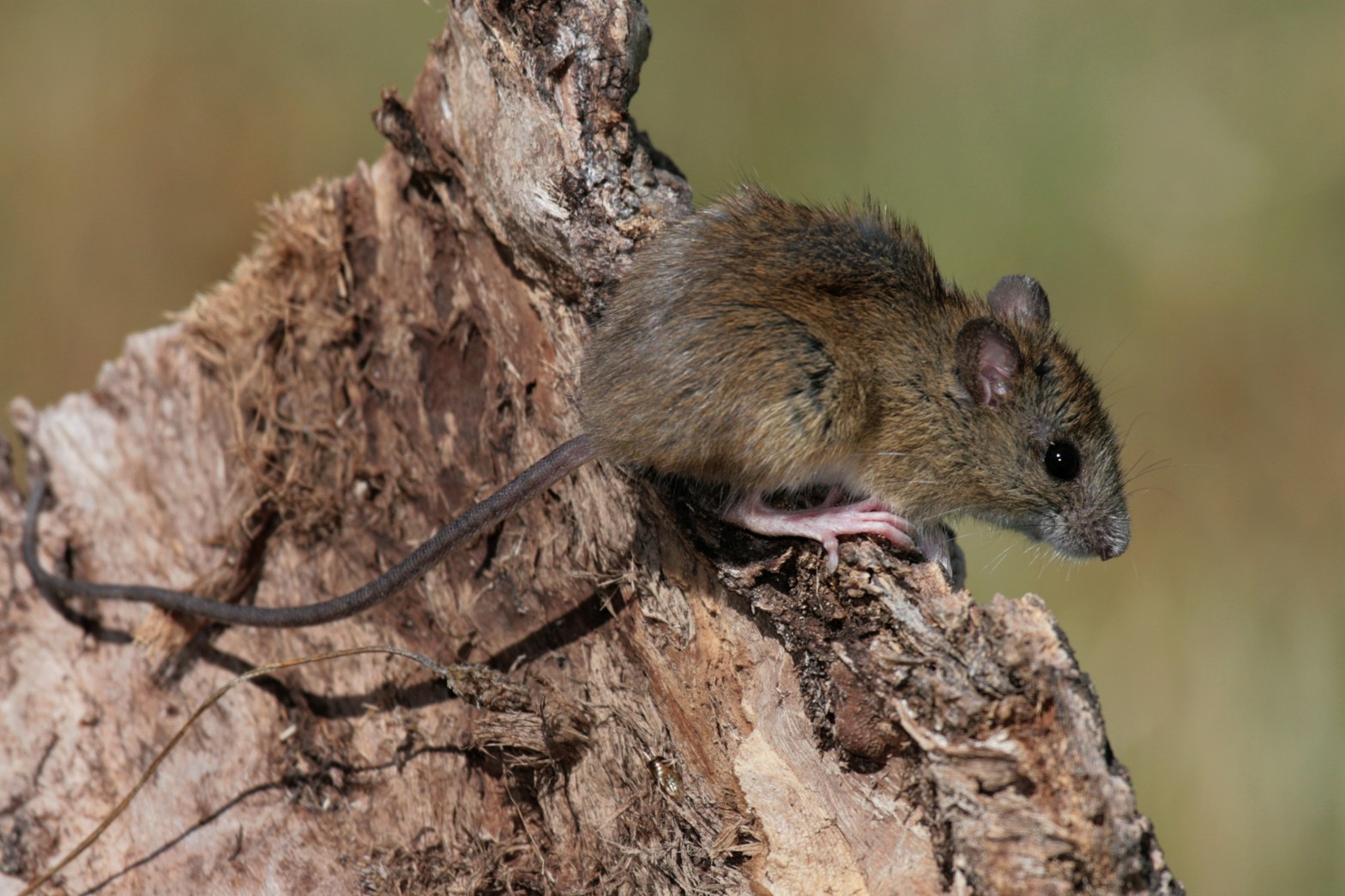
Spiny rat (Proechimys sp.) collected on non-flooded forests close to the Madeira River, Rondônia, Brazil (Photo by J. L. Souza).

Key methodologies. Comparative studies on phylogeography and landscape genetics with mammals usually employ phylogenetically distant species living in the same area to look for similar patterns of diversification. The particularity of our study was to use closely related species (all in the same genus) living in the same area but showing differences in habitat preferences. Another key for our study was to use mixed models to analyse isolation-by-resistance. By doing it, we were able to control for spatial autocorrelation and for pairwise comparisons effect to improve the models’ explanations. Moreover, I consider that the landscape variables we generated representing characteristics of different habitats are also new insights going further than classical temperature and precipitation variables typically used in evolutionary studies in the Amazon region.

Unexpected challenges. Using genomic data may be commonplace for most researchers from the Global North. However, it is still challenging and expensive for researchers from Brazil like me (and other countries in the Global South). Studies involving genomics in Amazonian mammals are still scarce. As I mentioned above, this work was motivated by Matocq’s study, and we thought we would confirm their results and explain some results that did not fit the initial premise on habitat preferences. However, by using more data and increasing the scale, we were surprised that we didn’t corroborate the previous results. Indeed, we demonstrated that habitat preferences assumptions might sometimes oversimplify the real world and might not be the primary driver explaining genetic and diversity patterns.

Putumayo-Içá River in Amazonas, Brazil (Photo: R. Recorder).

Major results. Biologists have been highly dedicated to explaining the diversity patterns of species, especially in mega-diverse regions, such as Amazon. These explanations typically use hypotheses about major historical events (e.g., climate change, mountains uplift, river as barriers) to explain current diversity. Researchers often look for concordance of patterns in different species to indicate the existence of a unique or generalizable factor to explain the diversity. Our study shows that premises like “species from seasonal floodplain forests have low structure and high gene flow” are not completely accurate for the entire biota, which can bring important conservation implications. So, understanding the relationship between ecology and how different species use the landscape can be more important in explaining diversity patterns in some instances than historical events. In addition, in this study, we applied modern analytical methods that can be used in other studies – with all scripts, data, and examples available as supplementary material (Dryad; GitHub).

Next steps for this research. We still have lots of work to do with this rodent group and the Amazon. Our research group is focused on unravelling the patterns of diversity of small Amazonian mammals to promote a better understanding of the evolution of the Amazonian region to provide key information for the conservation of this biome. Specifically, about the Proechimys, we are working on the species delimitation for the genus and the taxonomic rearrangements using morphological data. We hope to share these results as soon as possible.

Boat on Putumayo-Içá River during a scientific expedition in Amazonas, Brazil (2015) to collect material for the Zoology Museum of Universidade de São Paulo during my PhD (Photo: I. Prates).

If you could study any organism on Earth, what would it be? It’s funny how our expectations change, right? When I was an undergrad student, I dreamed about studying Marine Biology, especially turtles and cetaceans. Today I don’t see myself studying any marine organisms – I’m not a good swimmer! Although I love living close to the ocean, it was another expectation that didn’t work! Considering terrestrial organisms, I have a fascination for big cats and would love to study them, preferably in the field.

Anything else to add? Although I like working in the molecular biology laboratory, I have three passions in Biology. The first is fieldwork, data collection, and contact with nature, which always brings insights and important research questions. My second passion is museums and scientific collections. I spent a good part of my academic life managing regional mammal collections in Brazil and a lot of my Ph.D. time in collections gathering data. My research wouldn’t be possible without these institutions, so I have to thank them so much! My third passion is teaching. I started teaching in elementary and high school more than ten years ago, and now I teach graduate courses at the Vale Institute of Technology. I love to share what I’ve learned with other people – it’s a rewarding job! I’m known among my colleagues and friends for the tutorials and “how-to-do” scripts that I like to create, explaining in detail all the steps of analyses or software’s use. I always get emails asking if I have a tutorial or material about some analysis and if I could help solve some issues. I understand that the knowledge I gained from my professors is my heritage, and using it to help others is wonderful. Sharing knowledge is probably my most precious legacy for future generations.

Sunset in Solimões River during the scientific expedition to Putumayo-Içá River, Amazonas, Brazil (2015) (Photo: R. Recoder).