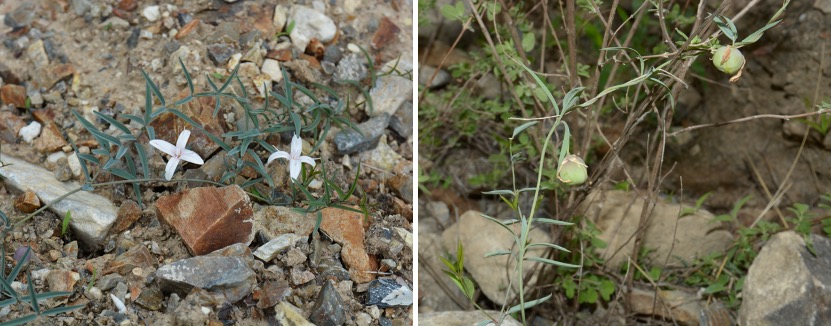
ECR feature: Elizabeth Joyce on floristic exchange tracks

Elizabeth Joyce is a PhD candidate at the Australian Tropical Herbarium & James Cook University. She is an evolutionary biologist interested in the origins of the northern Australian flora. Here, Lizzy shares her recent work on the routes used by plants to disperse between Australia and Southeast Asia.

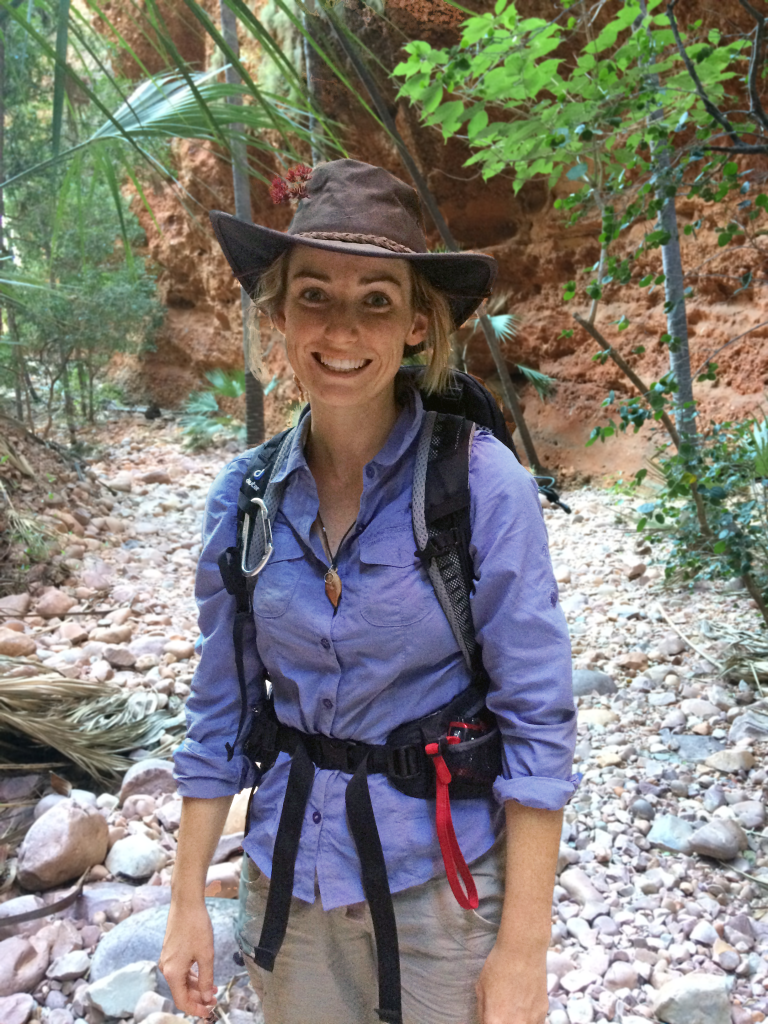
Elizabeth Joyce during fieldwork to collect Aglaia elaeagnoidea in the Kimberley, north-western Australia.

Personal links. Twitter | Research Gate

Institute. Australian Tropical Herbarium & James Cook University

Academic life stage. PhD Candidate

Major research themes. Broadly, I am interested in how Earth’s biodiversity has come to be the way it is today. My PhD research has focused on understanding the exchange of flora between the Sunda continental shelf (mainland Asia and parts of Indonesia and the Philippines) and Sahul continental shelf (Australia and New Guinea) across Wallacea throughout the Cenozoic. I have been exploring the drivers of the Sunda-Sahul Floristic Exchange and the effect that it has had on the assembly of the flora throughout Southeast Asia and northern Australia.

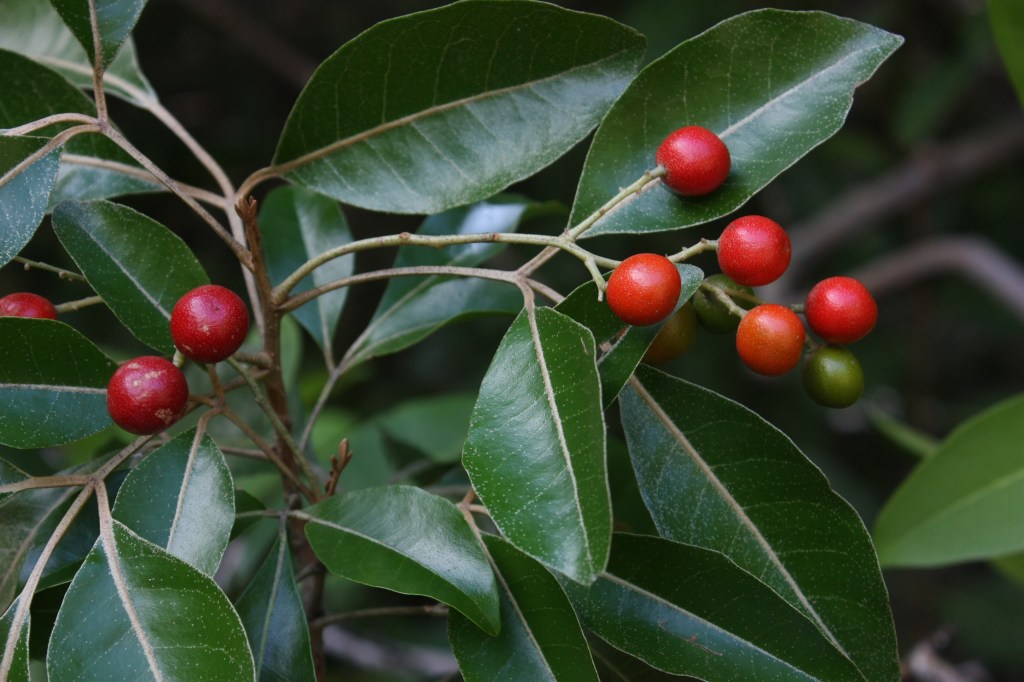
Close-up of the fruit of Aglaia elaeagnoidea from the Cape York Peninsula, Australia (Photo by John Elliott, reproduced with permission).

Current study system. I love working across scales and lineages to understand evolution, but the bulk of my research focuses on lineages within the order of flowering plants Sapindales. This is an order of nine families and around 6,550 species, including citrus, mahogany, cashew, mango, pistachio, frankincense, myrrh, lychee and maple, as well as many groups important for medicinal compounds. It’s a fascinating group for studying the dynamics of the Sunda-Sahul Floristic Exchange because of its species richness in the tropics, as well as its morphological and ecological diversity.

Recent paper in JBI. Joyce, E.M., Pannell, C.M., Rossetto, M., Yap, J.‐Y.S., Thiele, K.R., Wilson, P.D. and Crayn, D.M. (2021) Molecular phylogeography reveals two geographically and temporally separated floristic exchange tracks between Southeast Asia and northern Australia. Journal Biogeography, 48(5), 1213-1227. https://doi.org/10.1111/jbi.14072

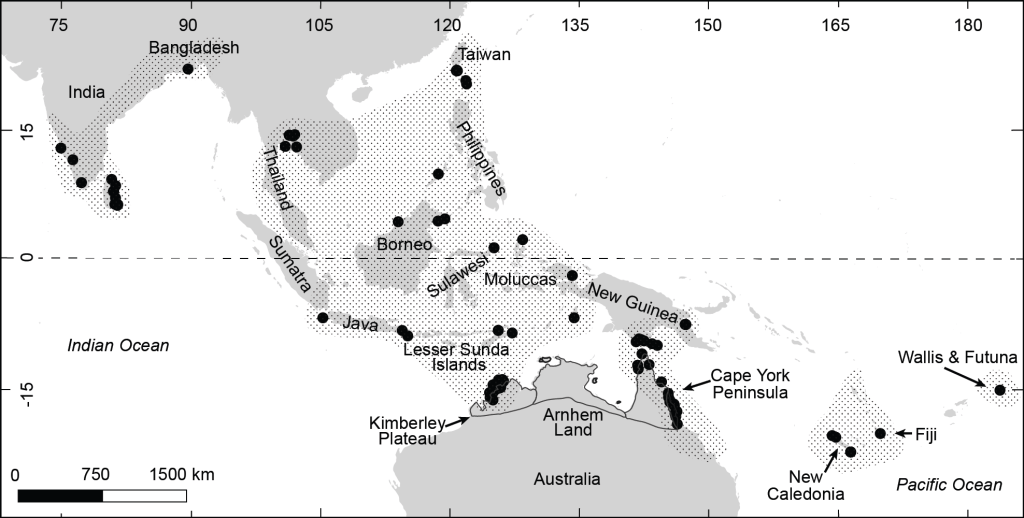
Distribution map of Aglaia elaeagnoidea; the shaded area represents the known distribution of A. elaeagnoidea, and the dots represent the 129 A. elaeagnoidea specimens sampled for this study. The Kimberley and Cape York Peninsula of northern Australia are outlined (Image taken from the article published in Journal of Biogeography).

Motivation behind this paper. When considering the migration of Southeast Asian plant lineages into northern Australia, it was previously assumed that exchange has only occurred between New Guinea and the Cape York Peninsula of north-eastern Australia. However, there is evidence that fauna and humans have also entered Australia from Southeast Asia via north-western Australia (a region called the Kimberley). Additionally, the Kimberley is known to have many plant species in common with Southeast Asia. So we wanted to test: did these plants reach the Kimberley via one exchange track between New Guinea and the Cape York Peninsula prior to spreading across northern Australia, or is there a second floristic exchange track between Southeast Asia and the Kimberley?

Key methodologies. To investigate exchange tracks between Southeast Asia and northern Australia, we conducted a molecular phylogeographic case study on a species of a tropical tree called Aglaia elaeagnoidea (in Meliaceae, the mahogany family), which is distributed from India, throughout Southeast Asia, in the Kimberley and Cape York Peninsula of Australia and out into the Pacific islands. We used Single Nucleotide Polymorphisms (SNPs) obtained using DArT-seq from samples across the range of A. elaeagnoidea and conducted a variety of population genetic analyses. In conjunction with this, we did some Environmental Niche Modelling of the Last Glacial Maximum when sea levels were lowest between Southeast Asia and Australia to understand where suitable tracks of environment for A. elaeagnoidea might have been at that time. A particularly nifty thing about this study is that we obtained most of our samples from herbarium specimens, including a specimen collected by Robert Wight almost 200 years ago!

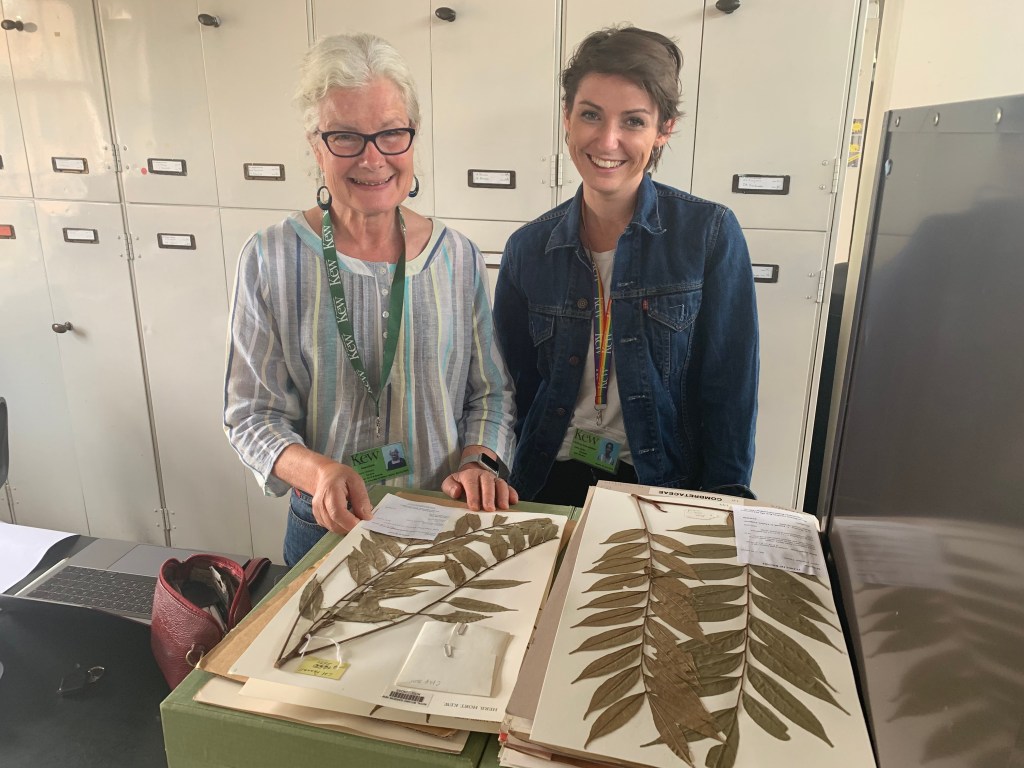
Dr. Caroline Pannell (the monographer of Aglaia; left) and Elizabeth Joyce (right) looking through the Aglaia collection at Kew Herbarium in 2019 for sampling (Photo by Marija Joyce, reproduced with permission).

Unexpected challenges. An interesting result (although not entirely unexpected) was that Aglaia elaeagnoidea, as currently circumscribed, actually comprises more than one species. We did anticipate this might be an outcome due to the notoriously difficult-to-wrangle morphological variation of Aglaia. We were able to account for the separate species in our sampling thanks to the previous taxonomic work by Dr. Caroline Pannell and previous phylogenetic work on the genus led by Prof. Alexandra Muellner-Riehl. Therefore we were still able to identify the samples relevant to our question of exchange tracks between Southeast Asia and Australia and continue our work. We are currently in the process of writing up the taxonomic implications of this study in a separate paper. We also learned plenty about using herbarium specimens for a phylogeographic study, particularly about which specimens we could and could not retrieve DNA from – lots of lab-work trial and error was involved! We found that the storage conditions of the specimens, as well as the plant collection method, had a huge impact on the quality and quantity of DNA we were able to extract. It was usually impossible to extract useful DNA from specimens that had been stored in tropical conditions for many years or those that had been collected into alcohol. Interestingly, treatment with mercury or gamma irradiation didn’t seem to have as much of an impact and we could often extract DNA from these sheets suitable for DArT-seq. After sampling hundreds of herbarium specimens we were able to pick which herbarium specimens were going to work by eye. The simple, but effective rule of thumb is: the greener the specimen, the better the DNA.

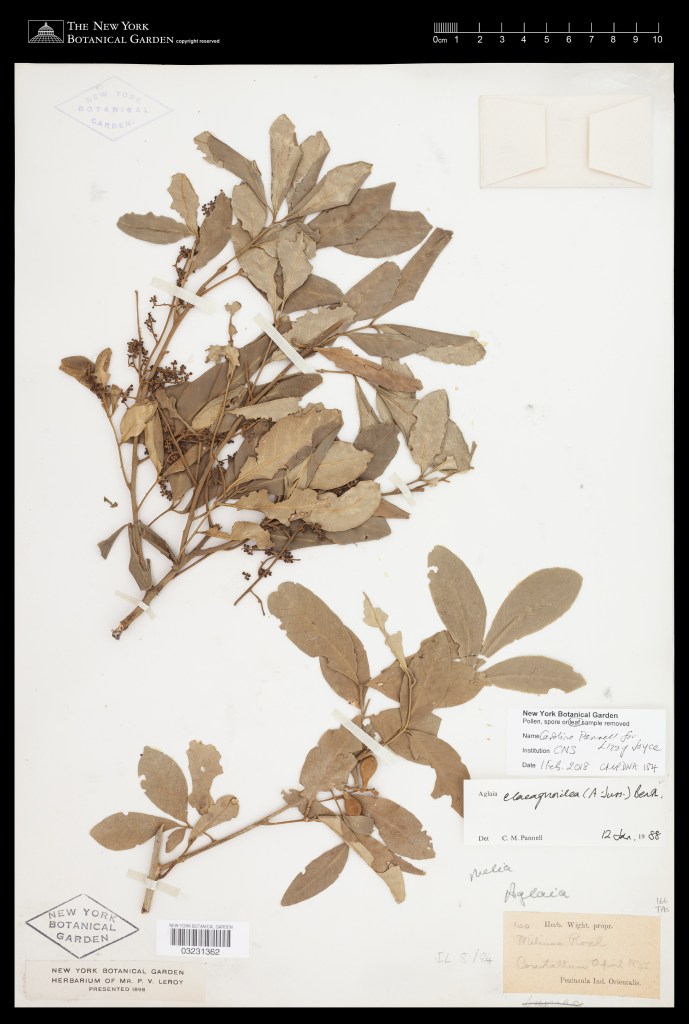
Image of the Aglaia elaeagnoidea specimen collected by Robert Wight in India in 1835 from which we were able to extract DNA and include in this phylogeographic study (Image courtesy of the C. V. Starr Virtual Herbarium of the New York Botanical Garden, http://sweetgum.nybg.org/science/vh/).

Major results. We found that Aglaia elaeagnoidea has two exchange tracks between northern Australia and Southeast Asia: a contemporary track (with ongoing gene flow) between New Guinea and the Cape York Peninsula of north-eastern Australia, and a historical exchange track (with no ongoing gene flow and relatively high genetic differentiation) between Timor-Leste and the Kimberley of north-western Australia. We also found that the climate fluctuations throughout the Quaternary likely induced repeated expansion-contraction cycles in A. elaeagnoidea throughout its range, which is likely to have caused the high degree of genetic structuring that we observed throughout Southeast Asia. These findings support the idea that the Kimberley, Top End and Cape York Peninsula have had independent evolutionary histories, but not just because the biogeographic barriers across northern Australia prevent gene flow between them, but because they have also had separate incursions of Southeast Asian lineages through these exchange tracks. It also emphasizes the complexity of the phylogeography of Southeast Asia, and suggests that movement across the region has been reticulate and iterative with climate fluctuations (especially in the Quaternary). The genetic structuring this leads to might promote speciation and could have contributed to the diversity of the region.

Next steps for this research. This study has raised so many questions! Firstly, the pattern we observed of multiple exchange tracks needs to be tested on other plant lineages, including lineages that are also present in the Top End (Northern Territory) of Australia to see whether it applies at a floristic scale. Secondly, more work needs to be done to understand fully how these exchange tracks have affected northern Australian phytogeography, and whether there is any signature of this also affecting the phytogeography of southern Australia. Our results support the idea that the Kimberley, Top End and Cape York Peninsula have had independent evolutionary histories, but has there been any relationship between these three northern Australian regions with southern Australia? How often do Southeast Asian lineages get into southern Australia and how do they get there? Investigating the relationship between northern Australian phytogeography and southern Australian phytogeography could give us vital clues for better understanding the timing and nature of the aridification of Australia. Finally, the role of animal dispersers in maintaining the exchange tracks between northern Australia and Southeast Asia – particularly fruit pigeons like the Pied Imperial Pigeon (Ducula bicolor) – also needs to be tested. Fruit pigeons such as these are likely to have played a major role in these exchange tracks – and rainforest phylogeography in the region more generally – yet we know hardly anything about their dispersal ecology!

A pair of Pied Imperial Pigeons, the only known dispersers of Aglaia elaeagnoidea on the Cape York Peninsula (Photo by Elizabeth Joyce).

If you could study any organism on Earth, what would it be? How does anyone answer this question!? I really love comparative studies and think they’re hugely insightful, so studying large groups of organisms like the angiosperm order Sapindales gets me excited and is the focus of my current phylogenomic research. Still, if I had to pick only one organism to study right now, I would switch to ‘the dark side’ of animals and study the Pied Imperial Pigeon. But only for plants’ sake! The influence of these guys as dispersers on the phytogeography and phylogeography of Australian and Southeast Asian rainforests, as well as the Sunda-Sahul Floristic Exchange, is likely to be immense, and we really don’t know enough about them. I would love to study the dispersal ecology of these pigeons and their correlations with plant evolution and biogeography.

Caves, biogeography and tiny arachnids

Palpigrades are as precious as pebbles from the Moon … hidden in the deepest fractures of rocks of caves and other kinds of subterranean habitats.

Above: A cave-dwelling palpigrade found in an Alpine caves. Photo: Alberto Chiarle

The Austrian professor Dr. Erhard Christian, one of the few experts worldwide on the taxonomy of the enigmatic arachnid order of Palpigradi (microwhip scorpions), used to say that “palpigrades are as precious as pebbles from the Moon”. Now that Americans and Chinese are chauffeuring different rovers around Mars, we should probably revise this quote and match the new incredible advances of space technology because palpigrades remain very precious organisms, especially in zoological collections around the world.

Cover article: (Free to read online for a year.)
Mammola, S., Souza, M.F.V.R., Isaia, M. and Ferreira, R.L. (2021), Global distribution of microwhip scorpions (Arachnida: Palpigradi). J Biogeogr. 48:1518–1529. https://doi.org/10.1111/jbi.14094 

The rarity of palpigrades is a fact: apart from a few relatively common species traveling around the world with the soil used in greenhouses (e.g., Eukoenenia mirabilis, the first palpigrades ever described in 1885), most palpigrades live hidden in the deepest fractures of rocks of caves and other kinds of subterranean habitats. Very few researchers have seen them alive. Some lucky subterranean biologists accidentally find them trapped in secluded water ponds or in the footprints that speleologists left in the mud covering the ground of the deepest parts of caves. And there is where the magic happens: some tiny flashing on the water ponds and a closer look reveal the presence of a clumsy and fragile long-tailed organism of less than 1 millimeter, struggling to remain atop the water surface—but perhaps also taking advantage of the possible prey sharing their secluded retreat (https://doi.org/10.1038/s41598-021-84521-1).


Eukoenenia strinatii dwelling on the surface of a pond in a remote section of the Bossea cave, in Piedmont (NW-Italy) Photo: Alberto Chiarle

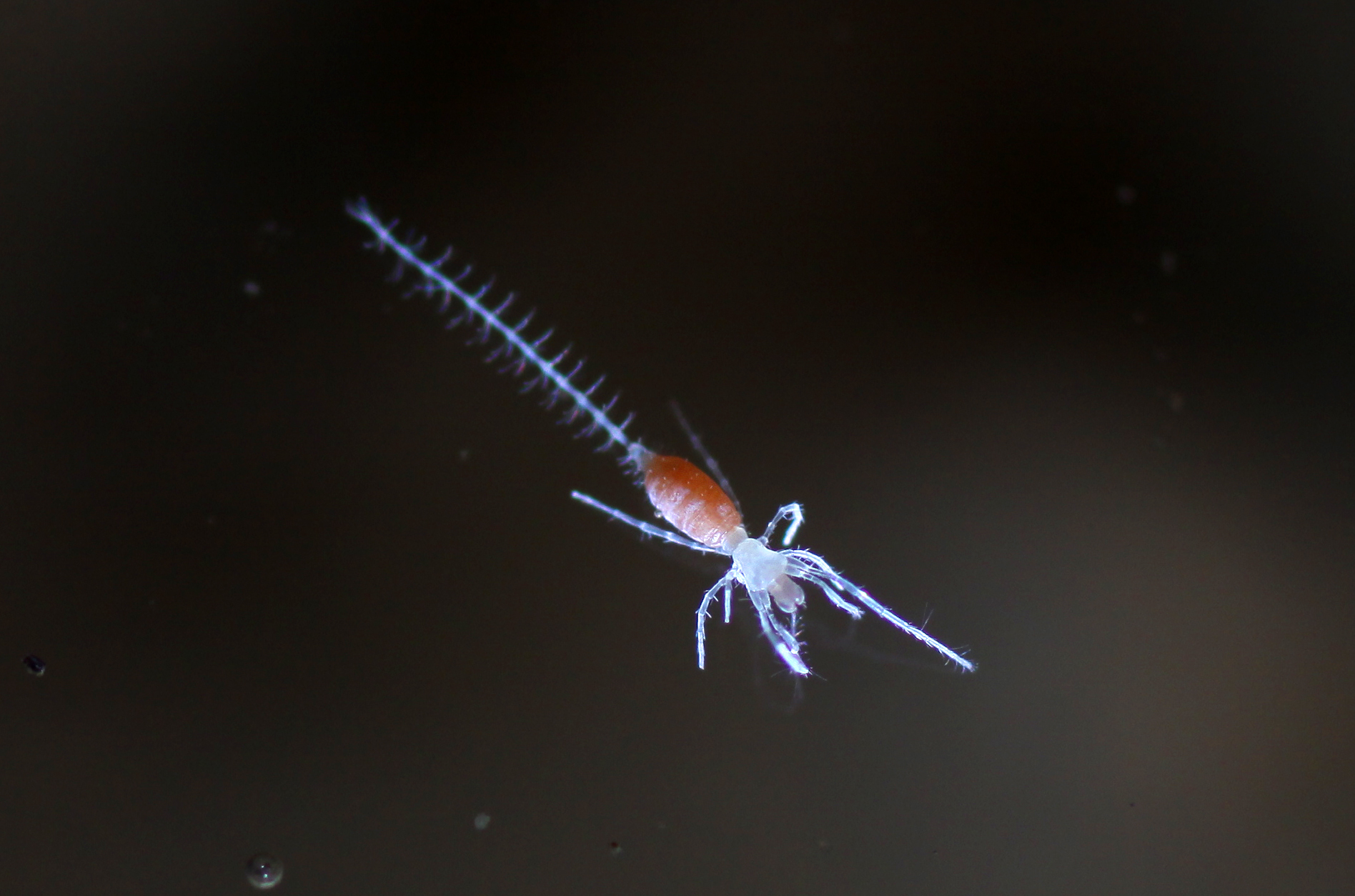
When you tell such a story to a wildlife photographer keen on arthropods, the endeavor becomes even more challenging: first you have to find the palpigrades and, second, you necessarily have to squeeze the photographer and their one-thousand dollar equipment into the hairline-crack-like entrance of the cave where the palpigrade lives. The wonderful cover photograph of the Journal of Biogeography issue hosting our research is the successful outcome of such a caving trip, embellished by the use of a U.V. lamp to illuminate a specimen of Eukeonenia strinatii, a specialized species inhabiting a very few caves in the South-Western Italian Alps. For this picture we took advantage of the propriety of the cuticle of the palpigrades to reflect UV light (https://doi.org/10.1111/jzo.12493). The specimen was photographed by Emanuele Biggi in the Bossea cave in Piedmont (NW-Italy) which is also the so-called “type locality” of this species, namely the place where it was first collected and described.


A microwhip scorpion under U.V. light. Photo: Emanuele Biggi.

In this paper, we examined the global distribution of these tiny creatures, asking ourselves about their typical range size, the ecological factors driving their distributions, and to what extent sampling bias may influence the observed patterns. Despite their rarity, we manage to assemble a dataset of over 1,000 localities of more than 120 species. This led us to test for differences in range sizes of soil- and cave-adapted species and to explore how different factors such as climate, nutrient availability, and geology drive the observed distribution patterns. In asking whether the pattern we detected should reflect the distribution of experts rather than palpigrades themselves, we verified the so-called people-species correlation, i.e. whether the number of occurrence records and the number of palpigrades’ researchers was related (a ‘palpigradologist effect’). We also found the typical range of any species of palpigrade is very small, only 0.01 km2. Europe and Brazil are the most relevant centers of diversification of cave-dwelling palpigrades, while soil species are mostly distributed over a broader geographical range, mainly in the Southern Hemisphere. The distribution of palpigrades seems to primarily match specific climatic conditions and historical biogeographic factors.

However, all these observations are inevitably generic, not only because of the global scale of our study, but also because we are just scraping the surface about the distribution of these enigmatic organisms. We see this study just as a start, a jumping-off point for future studies on the ecology and conservation of these poorly known organisms. There are certainly so many surprises in store into the fractures of rocks, in the voids among particles of soils, and in the darkest recesses of caves.

Written by:
Prof. Marco Isaia (University of Turin, Italy)
Dr. Stefano Mammola (Finnish Museum of Natural History, Finland ; National Research Council, Italy)

Additional information:
Twitter: @Italian_Spiders ; @stefanomammola1
https://www.cnr.it/en/people/stefano.mammola
https://www.unito.it/persone/marco.isaia

From Europe to India – A little investigated route of migratory birds

Overcoming multiple setbacks, and teaming up with researchers from across Europe, finally brought insight into the previously mysterious travels of the common rosefinch.

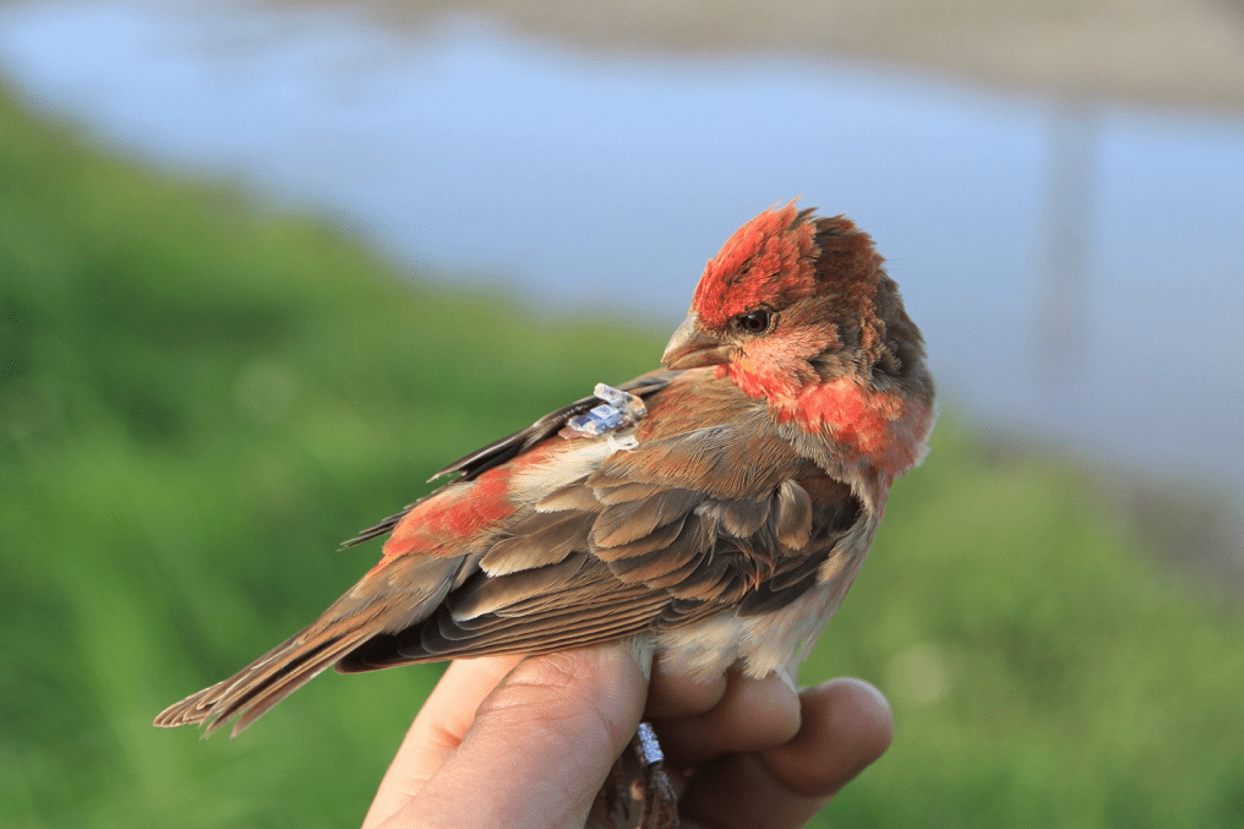
Above: A male common rosefinch equipped with a 0.5 gram light-level geolocator
(Photo credit: Benjamin Metzger)..

To me, the common rosefinch is still a rather exotic bird species. In the last decades the bird with its iconic song that is often rendered as “pleased to meet you” (check it out yourself), has expanded its huge breeding range westwards, and we have seen small populations emerging at new sites in Europe. During my undergraduate studies, my friend and co-author Roland Neumann was investigating a population at the Baltic Sea Coast. Since very little was known about their routes and their destinations, he was catching and banding individuals with the hope to get resightings from their wintering sites or from any location during their migratory journey. Unfortunately, the massive efforts didn’t pay off.

Editors’ Choice article: (Free to read online for a year.)
Lisovski, S., Neumann, R., Albrecht, T., Munclinger, P., Ahola, M.P., Bauer, S., Cepak, J., Fransson, T., Jakobsson, S., Jaakkonen, T., Klvana, P., Kullberg, C., Laaksonen, T., Metzger, B., Piha, M., Shurulinkov, P., Stach, R., Ström, K., Velmala, W. and Briedis, M. (2021), The Indo-European flyway: Opportunities and constraints reflected by Common Rosefinches breeding across Europe. J Biogeogr. 48:1255–1266. https://doi.org/10.1111/jbi.14085 

We were thus super excited that, in collaboration with the Swiss Ornithological Institute and co-funded by the German Ornithologists’ Society, we could deploy light-level geolocators on male rosefinches in 2011. These devices were still somewhat new in the sense that they have just gotten small enough to use on a 25g bird such as the common rosefinch. Those so called geolocators record light intensity that can be used after recapture and download of the data in the following year, to approximate their migratory journeys. At the same time, we were in close contact with colleagues from Czechia also working on this species and equally thrilled to deploy these loggers on some of the individuals from their Bohemian Mountain populations.

Fieldwork went exceptionally and we had almost an entire year to make plans for the next field season in which we needed to especially look out for returning birds with geolocators, recapture them and retrieve the data containing so much information and the answer to our main questions of the birds’ whereabouts outside the breeding season. Both in northern Germany and in Czechia, we recaptured around 30% of the individuals (a reasonable return rate and the sample size we hoped for) just to learn that none of the devices recorded any data! Obviously, quite a downer that required some time to digest and to even think about rosefinch migration again. Yet, we decided to give it another go and repeat the study in 2013. This time we succeeded and collected useful data from several individuals.


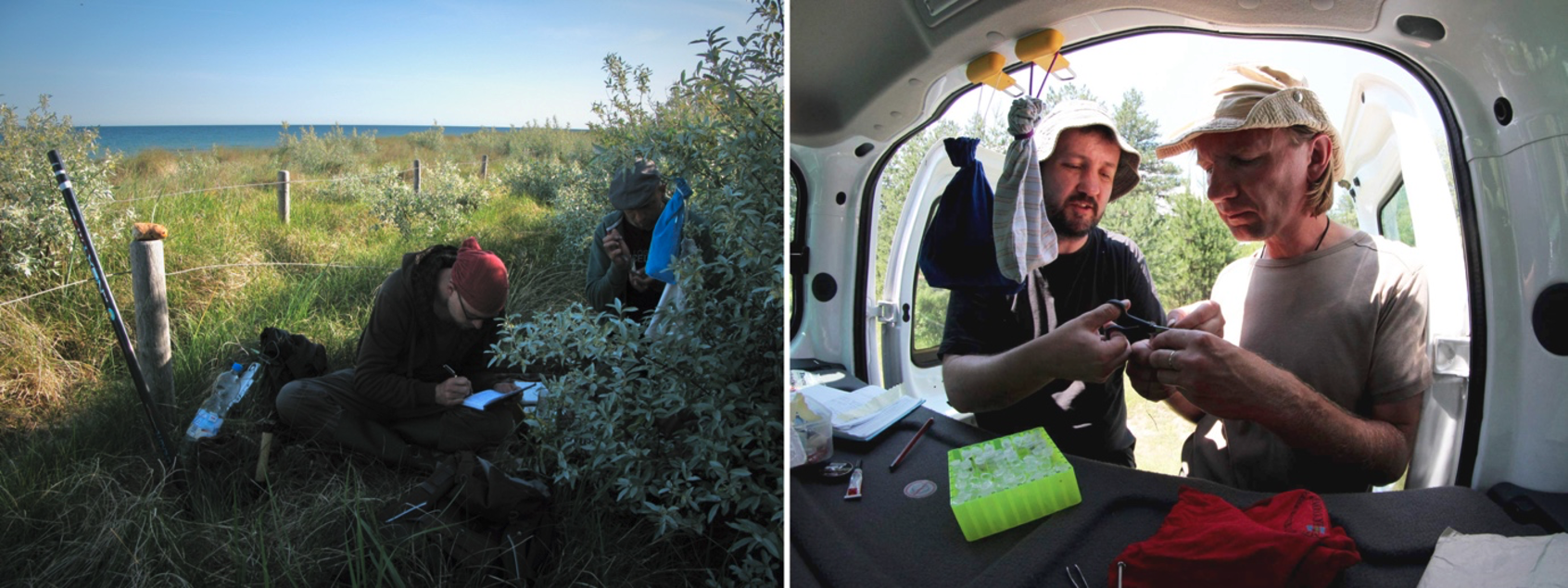
Roland Neumann and Benjamin Metzger banding and measuring common rosefinches in the dunes of the Baltic Sea in Germany (left). Tomas Albrecht and Jaroslav Cepak preparing their mobile lab after a successful catch of rosefinches in the mountains of Bulgaria (right). (Photo credit: Simeon Lisovski, Pavel Munclinger)

In the meantime, we learned that other research groups from across Europe were also collecting migration data from rosefinches. Colleagues from Finland deployed geolocators on males breeding as far north as Oulu (65°N), a Swedish research team collected tracks from males in southern Sweden, and besides the German and Czech data, Bulgarian colleagues were also successful in tracking rosefinches from their southern European breeding site (41°N). Since all of us were dealing with rather small sample sizes (3-10 tracks), we were all easily convinced and excited to pool the data allowing us to not only investigate population specific migration pattern in isolation but extend our objectives towards a flyway wide approach. Now, we saw the opportunity to identify general migration routes, bottlenecks as well as barriers on the so far understudied Indo-European flyway.

Inspired, by previous large-scale research on the effects of wind on bird migration (Kranstauber et al. 2015 Ecology Letters) we constructed simple theoretical migration models that optimized the routes with respect to wind and resource availability during migration. These theoretical tracks revealed interesting patterns with seasonally specific bottlenecks such as the areas south of the Caspian Sea during spring migration. The comparison between the theoretical tracks and the collected empirical tracks also showed that rosefinches seem to make use of the straighter winds from India to Europe during spring, probably allowing for fast and direct migration to the breeding sites, while engaging in larger detours during autumn following the routes that provide highest security in terms of resources.

To me, this study shows how valuable even small and local studies can be, if seen as puzzle pieces helping to reveal the larger picture. Obviously, this needs an open and collaborative network of researchers which I am very glad to have encountered during this project. I would like to thank all of my co-authors for sharing not only their data but for providing their insights into the study systems, for fruitful discussion, for pushing me hard to explain the modeling approach and forcing me to meet empirical fieldwork and theory halfway!

Written by:
Simeon Lisovski, Postdoctoral researcher, Alfred Wegener Institute Helmholtz Centre for Polar and Marine Research, Potsdam, Germany

Additional information:
@S_Lisovski

ECR Feature: Qiong Cai on niche breadth and range size in beech trees

Qiong Cai is a postdoc at the College of Urban and Environmental Sciences, Peking University. She is a community ecologist interested in forest ecosystems. Qiong shares her recent work exploring the “niche breadth hypothesis” across the worldwide distribution of Fagus beech tree species.

Qiong Cai.

Personal links. Google Scholar

Institute. College of Urban and Environmental Sciences, Peking University

Academic life stage. Postdoc

Major research themes. Community ecology of forest ecosystems; Phytogeography

Current study system. Currently, my research focuses on plant communities in forest ecosystems, especially beech (Fagus) forests in China and worldwide. Species in the genus Fagus are one of the most dominant and representative tree species in the temperate forests of the Northern Hemisphere, playing vital roles in ecosystem functions and wood production. I’m particularly interested in exploring how the differences and similarities among beech dominated forests relate to the disjoint distribution of Fagus species across the Holartic region.

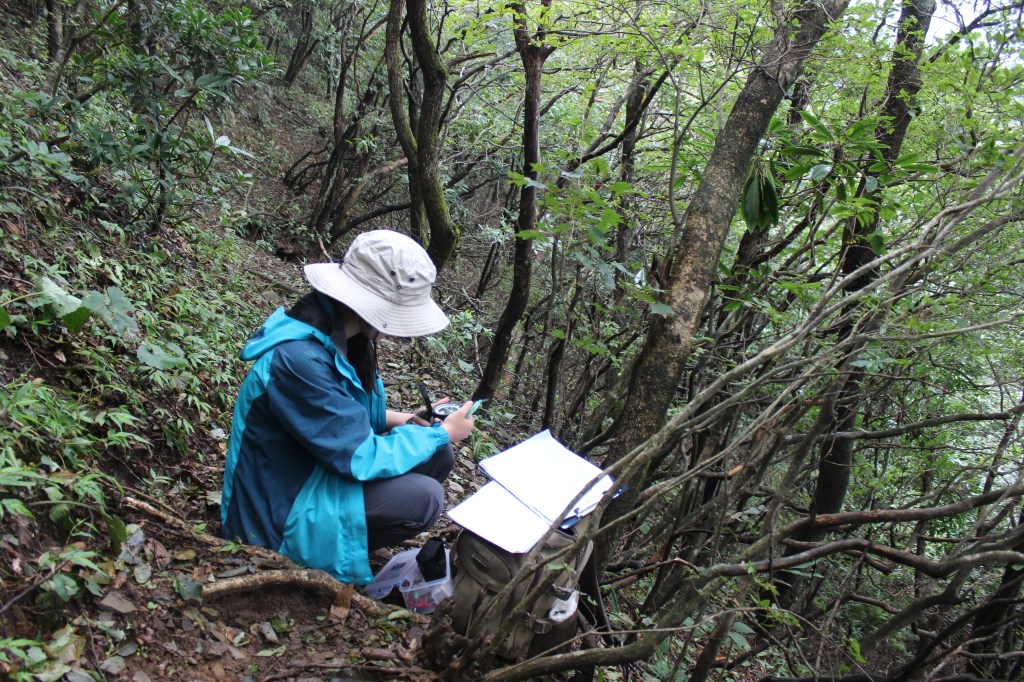
Qiong in the field.

Recent paper in JBI. Cai, Q., Welk, E., Ji, C., Fang, W., Sabatini, F. M., Zhu, J., … & Bruelheide, H. (2021). The relationship between niche breadth and range size of beech (Fagus) species worldwide. Journal of Biogeography. https://doi.org/10.1111/jbi.14074

Motivation behind this paper. Do species with capacity to grow under a wider set of environmental conditions (wide niche breadths) also have broader geographic distribution ranges? This question has been extensively discussed in the field of macroecology and biogeography and is referred to as the “niche breadth hypothesis”. Despite some empirical confirmations, a positive relationship between niche breadth and geographic range has not been systematically observed. We have no idea whether this depends on the taxonomic groups examined or on the methodological approaches used to estimate niche sizes. During my PhD, one of my research focuses was the community ecology of beech (Fagus) forests in China. Later I spent one year at the Martin-Luther University Halle-Wittenberg (Germany), where I used the global vegetation plot database, sPlot (Bruelheide et al., 2019), as well as the data we sampled in China, to test whether the niche breadth hypothesis holds in this key genus of northern temperate forests.

Key methodologies. We estimated niche breadth using a novel approach, the co-occurrence-based method, that uses community turnover rates across plots (the taxonomic β diversity) as a measure of species’ niche breadth. The fundamental assumption is that generalist species should occur within a broader range of communities and have a higher number of co-occurring species, compared to specialists. Using species co-occurrences to quantify the realized niche of a species allows accounting for species’ response to multi-dimensional environment gradients as well as species interactions. This overcomes issues in older resource-based methods such as depending heavily on the selection of environmental variables, because any selection of variables will only partially represent the whole multidimensional niche as defined by Hutchinson.

Illustrations of two beech species in China. (left) Fagus longipetiolata, and (right) F. lucida. Painted by Qiong Cai.

Major challenges. The major challenge was to combine different data sources. We had to harmonize the species nomenclature of data in China with the taxonomic backbone of sPlot. Given the huge number of species occurring in beech-dominated communities worldwide, this process turned out to be extremely challenging. Yet, this allowed us to establish one of the largest datasets of Fagus plots ever assembled.

Major results. We found no correlation between the size of a species’ niche and its geographic range, and this result was independent from measuring niches using biotic or climatic criteria. Notably, the widespread North American beech (F. grandifolia) had a distinctly smaller biotic niche breadth than the Chinese beech species, whose distributions are restricted to few isolated mountain ranges. In addition, neither biotic nor climatic niche breadths were under phylogenetic control. We interpret the lack of a general positive range size–niche breadth relationship within the genus Fagus as the result of the widespread distribution of these species, the high among-region variation in available niche space, landscape heterogeneity, and Quaternary history. Our study could improve our understanding of the possible roles of niche breadths in shaping species’ geographic distributions for different taxa/clades.

Beech forests in Germany (left) and in China (right), with more diverse understory layer in the latter.

Next steps. The geographic distribution of a species is not just controlled by its niche breadths, but results from complex interactions among a species’ extrinsic and intrinsic ecological requirements, its evolutionary history and the landscape configuration. This emphasizes the need to quantify the role of other factors (e.g., niche position) in shaping range size of the beech species in further studies.

If you could study any organism, what would it be? Actually, plants are my favourite organisms. Well, it might also be interesting to study the interactions among different organisms, including plants, animals and/or microorganisms. Organisms are not independent individuals but a tiny part of the ecosystems.

Anything else? In China, beeches are far less known and studied compared to those in Europe and North America, possibly because the Chinese beeches are usually distributed in remote mountains. To collect the raw plot data, my colleagues and I climbed over 60 mountains during several years (hard yet awe-inspiring experience!). So, you could imagine how surprised and excited I was when I visited Germany and realized beech trees could be commonly found in gardens and roadsides! This research would not have been possible without all the vegetation plot data, which people from all over the world deposited in the global vegetation database, sPlot. Thus, I would like to thank again all the data contributors. Such large databases, and the sharing philosophy that inspires them, are becoming more and more crucial for macroecology and biogeography research, and will play an increasingly important role in shaping our understanding of the patterns and trends of the world’s biodiversity.

How to write a (great) Perspective article

Like many journals, Journal of Biogeography (JBI) provides a specific forum for researchers to put forward new ideas (or dismantle old ones). In JBI, this article type is the Perspective. Our Author Guidelines state that Perspective papers “should be stimulating and reflective essays providing personal perspectives on key research fields and issues within biogeography”.

Across the senior editorial board, we’re always a little surprised that we don’t get more Perspective submissions since most of the biogeographers we know are brimming with personal perspectives, many of which immediately spill out over a coffee, beer or zoom call. Of course, going from a good idea to a finished article is rarely straightforward and writing your first Perspective article can be a daunting prospect – even more so if English is not your native language.

The good news is that writing a Perspective can be exceedingly enjoyable and a refreshing change from the limitations of a standard research article. Moreover, it is not a ‘black box’; there are several general principles that can help you to craft ‘stimulating and reflective essays’. Like research articles, the best Perspectives have a clear U-shaped narrative (Figure 1) that start with a clear justification of why a research area/topic needs re-evaluating and finishing with the potential implications of your new perspective for the development of the field.


A typical U-shaped narrative structure for a Perspective article

One of the best things about Perspective articles is you have enormous flexibility in how you write them. Nevertheless, when planning the article, we find it useful to divide the article into several basic components:

  1. The Introduction
    This ought to include an engaging explanation of the problem/challenge you are addressing (this can be conceptual, practical, methodological… anything really!). Generally speaking, the more important/fundamental the problem, the harder it is to convince the referees that your new perspective is valid! But the potential rewards are also greater, so give your best idea a go!
    Almost by default, you need to contrast your new perspective with the standard or alternative solution/model/explanation, i.e. the “text-book explanation” that most scientists would agree with. This standard explanation needs to be carefully layed-out without creating a ‘straw man’ (e.g. misrepresenting the alternative argument to make your argument look better)!
    Finally, introduce your new perspective and give a convincing explanation of why you think it is needed.
  2. Substantiating your new perspective
    It’s not enough to simply state your new perspective. You also need to provide convincing evidence in favour of, or at the very least consistent with, your argument, citing examples and demonstrating ways in which your new perspective can be applied. This does not need to be an exhaustive synthesis of relevant studies, but it should be sufficient to support your argument and to, at a minimum, demonstrate that existing approaches to the problem are insufficient.  Be careful to not cherry pick the literature such that you selectively ignore evidence contrary to your view. Instead, embrace challenging data, and use them to explore limitations and possibilities.
  3. Conclusions
    After discussing the evidence it is important to outline the relative strengths of your new perspective as compared to the standard/alternative perspective and to discuss the potential implications of your approach for future developments in the field.

And don’t forget your figures! It’s a decent estimate that a picture is worth a thousand words. A sweet graphic demonstrating the differences between the conventional and your new improved approach will also be worth a whole pile of citations. So, having made a compelling intellectual argument in the text, don’t sell your idea short visually. Design an eye-catching intuitive graphic that’ll get included in social media, in other people’s talks, as well as future papers and text-books. (Advice on preparing figures can be found at https://journalofbiogeographynews.org/2020/07/15/figures-the-art-of-science/.)  

How to get started:
When planning a Perspective paper (for any journal), consider starting with a simple plan, e.g. a bullet-pointed outline, that includes: (i) the problem; (ii) the standard approach; (iii) the new perspective; (iv) the key evidence, and; (v) the main conclusion. Of course, there are many other ways to structure an argument and experienced writers will often create a compelling narrative that doesn’t fit into a standard structure. The point is, a strong structure can be a huge help if you are unsure how to start, or to help organize your thoughts. 
Another tip is, if you’re unsure about the merits of an idea, write to the editorial board.  Contact an associate editor in a closely allied field and write to the Reviews Editor, Richard Ladle, and/or the editor-in-chief Michael Dawson <contacts>.  We’ll be happy to give you preliminary feedback and guidance.

We hope the short explanation above has shown you that writing a Perspective article is not fiendishly difficult or the preserve of well-seasoned biogeographers with long academic records. A new Perspective is as much about novelty and disruption as it is about experience. Here at Journal of Biogeography we believe that debate and discussion, diverse viewpoints and challenges to orthodoxy are essential if the discipline of biogeography is going to maintain its vibrancy and societal relevance. In this respect we encourage submissions from all biogeographers, but especially early stage researchers and those working in regions of the world historically under-represented in biogeography.

Written by:
Richard Ladle
Research Highlights Editor

ECR feature: Yongsheng Chen on the impact of invertebrate dispersal on plant distributions

Yongsheng Chen is a post-doctoral researcher at Peking University. He is an evolutionary biologist interested in unveiling the temporal and spatial processes shaping the diversity of East Asian plants. Here, Yongsheng shares his recent work on the role of invertebrate-mediated dispersal in plant species distributions.

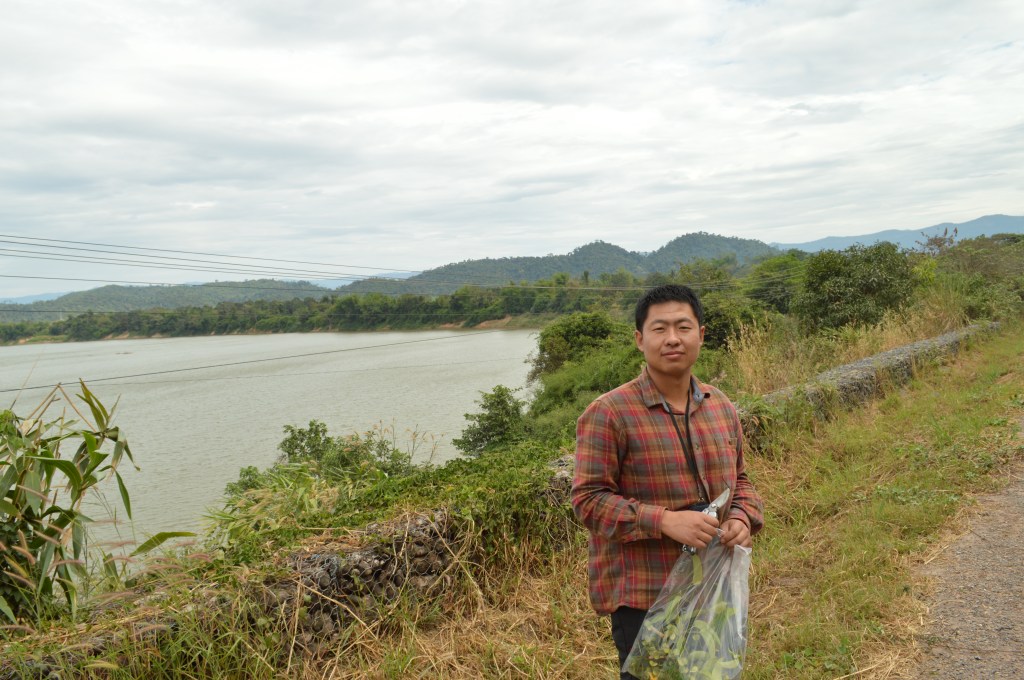
Yongsheng Chen during a field trip in Laos.

Personal links. Research Gate

Institute. Peking University

Academic life stage. Postdoc

Major research themes. Botany, biogeography, ecology, phylogeny

Current study system. My major research focus is on the phylogeny and biogeography of East Asian seed plants. Eastern Asia has the most outstanding plant species diversity with many Cenozoic relict seed plants, including Tetracentron, Cercidiphyllum, Davidia, Trochodendron, Euptelea, Ginkgo, Cathaya and Metasequoia. For this reason, many botanists and biogeographers consider East Asia to be a key biodiversity hotspot for understanding the origin and evolution of Northern Hemisphere floras. To better understand how the East Asian flora was assembled over time, my ultimate goal is to reconstruct the temporal and spatial evolution of some representative plants of East Asia, using molecular phylogenetic data, fossil information and environmental evidence.

Stemona mairei in the Yangtze River valley with flowers (left) and fruits (right; Photos credit: Yi Yang).

Recent paper in JBI. Chen, Y. S., Zeng, C. X., Muellner-Riehl, A. N, Wang, Z. H., Sun, L., Schinner, J.,  Kongkiatpaiboon, S.,  Kadota, Y., Cai, X. H., & Chen, G. (2021). Invertebrate-mediated dispersal plays an important role in shaping the current distribution of a herbaceous monocot. Journal of Biogeography, 48(5), 1101–1111. https://onlinelibrary.wiley.com/doi/10.1111/jbi.14062

Motivation behind this paper. As the most common means for range expansion across space and time, dispersal is invoked as an important explanation for many plant taxa’s current distribution. Although previous studies have investigated the dispersal of plant taxa by vectors such as wind, ocean currents and vertebrate animals, little is known about the specific impact of invertebrate-mediated dispersal on the biogeography and current distribution of plants. Among the few examples, Stemonaceae (c. 37 species) is a typical invertebrate dispersed family that can attract both ants and hornets to transport diaspores. Interestingly, almost all the myrmecochorous (i.e., seeds dispersed by ants) lineages of Stemonaceae are narrow endemics and restricted to continental areas. In contrast, the vespicochorous (i.e., seeds dispersed by hornets) species occupy not only continental areas but are also isolated in oceanic islands. The distributional differences imply that the dispersal modes may impact the biogeographical processes in Stemonaceae. We tested this hypothesis under a phylogenetic context.

Key methodologies. To better understand the mechanisms responsible for the current distribution of Stemonaceae species and test whether dispersal mediated by invertebrate vectors played a significant role in shaping the present distribution of the species, we first constructed the phylogenetic relationship of this family using three plastid gene regions. With it, we were able to estimate divergence times and reconstruct the biogeographical history of Stemonaceae. Based on the distribution data, we then calculated the range size of each species and tested the relationship between dispersal modes and geographic distributions using phylogenetic logistic regression analyses.

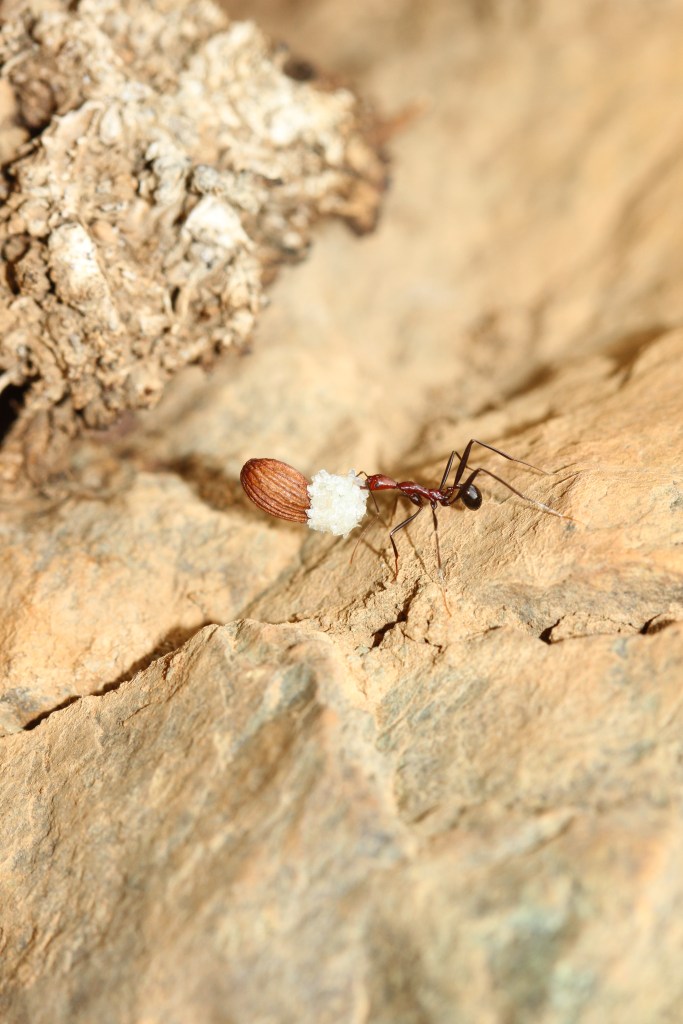
Ant transporting the diaspore of Stemona (Photo credit: Gao Chen).

Unexpected challenges. One major challenge in this study was to obtain adequate sampling, given the difficulty of obtaining material across many countries. Because most species of Stemonaceae are narrow endemics, multiple field trips across China and SE Asian countries were needed to collect specimens and DNA material. For those species with a distributional range in difficult to access areas, we asked botanists around the world to provide us with specimens or dried materials. Fortunately, we finally sampled ca. 75% of the species diversity in Stemonaceae, covering the entire distribution range of the family.

Major results. Our current research suggests that invertebrate-mediated dispersal may have played an important role in shaping the current distribution of plants, probably due to limited dispersal promoting local adaption and narrow endemism. In Stemonaceae, species’ distributions are strongly correlated with its dispersal modes. Despite the long evolutionary history of Stemonaceae (from the Late Cretaceous to the present), most myrmecochorous species failed to disperse across oceanic barriers, with their ranges confined to continental areas due to the low dispersal ability. In contrast, vespicochorous species were able to cross oceanic barriers and occupy large and remote areas, including continents and oceanic islands.

Hornet transporting the diaspore of Stemona tuberosa (Photo credit: Gao Chen).

Next steps for this research. Due to limited sampling and molecular markers, the evolutionary history of some genera (e.g., Stemona, Stichoneuron) from this family is still not fully resolved. We are working to reconstruct their relationships in the future by extending the sampling scheme and applying Next-Generation-Sequencing techniques. Also, in order to better understand the origin and evolution of East Asian flora, I am interested in studying and reconstructing the evolutionary history of other East Asian plant families.  

If you could study any organism on Earth, what would it be? In my opinion, the most interesting organisms are plants from East Asia. As a key biodiversity hotspot, East Asia has the highest species diversity (more than 3,000 genera) in the Northern Hemisphere, presenting high plant endemism, including paleoendemic and neoendemic genera. It harbors nearly 75% of all gymnosperm families and a large number of angiosperms (~60% of APG recognized families). It is a key region for us to understand the origin and evolution of the Northern Hemisphere flora.

ECR feature: Jocelyn P. Colella on the persistence of forest‐associated mammals in refugia

Jocelyn P. Colella is a Postdoc at the University of New Hampshire. She is an evolutionary biologist applying collection-based data to understand how organisms change through time. Here, Jocelyn shares her recent work that uses whole‐genome resequencing to reveal the persistence of martens in Late Pleistocene refugia along North America’s North Pacific Coast.

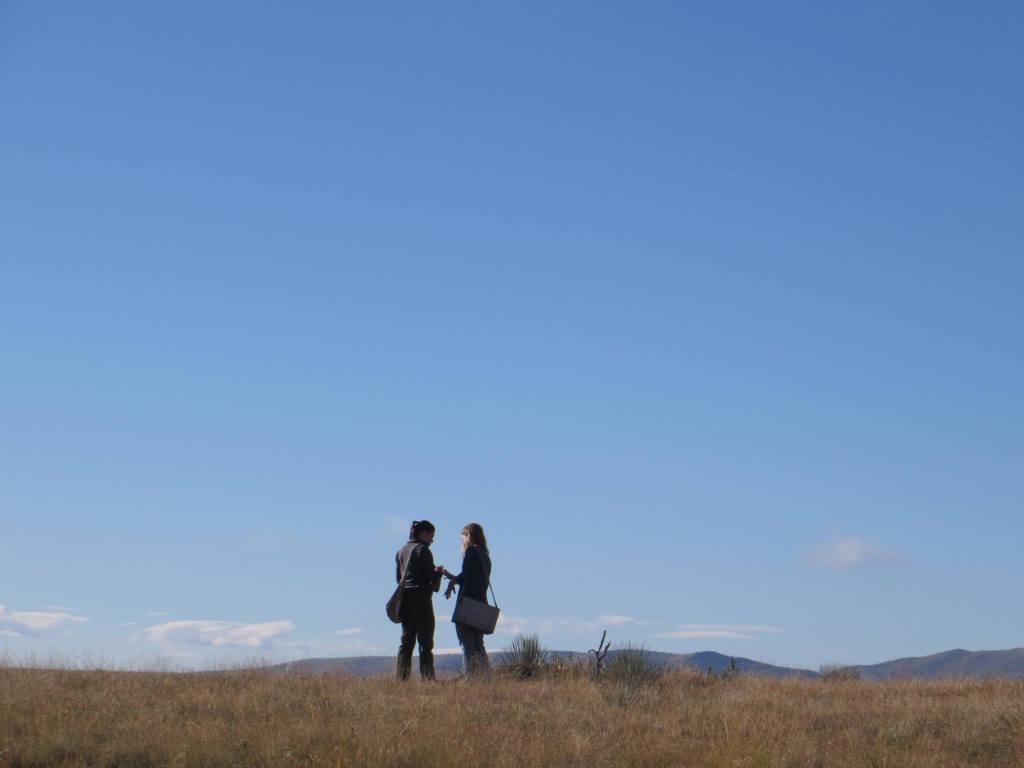
Jocelyn doing fieldwork in Panama (Photo by friend and colleague: Schuyler Liphardt)

Personal links. Personal website | Twitter

Institute. Molecular, Cellular and Biomedical Sciences Department, University of New Hampshire

Academic life stage. Postdoc

Major research themes. Hybridization and adaptation in mammals

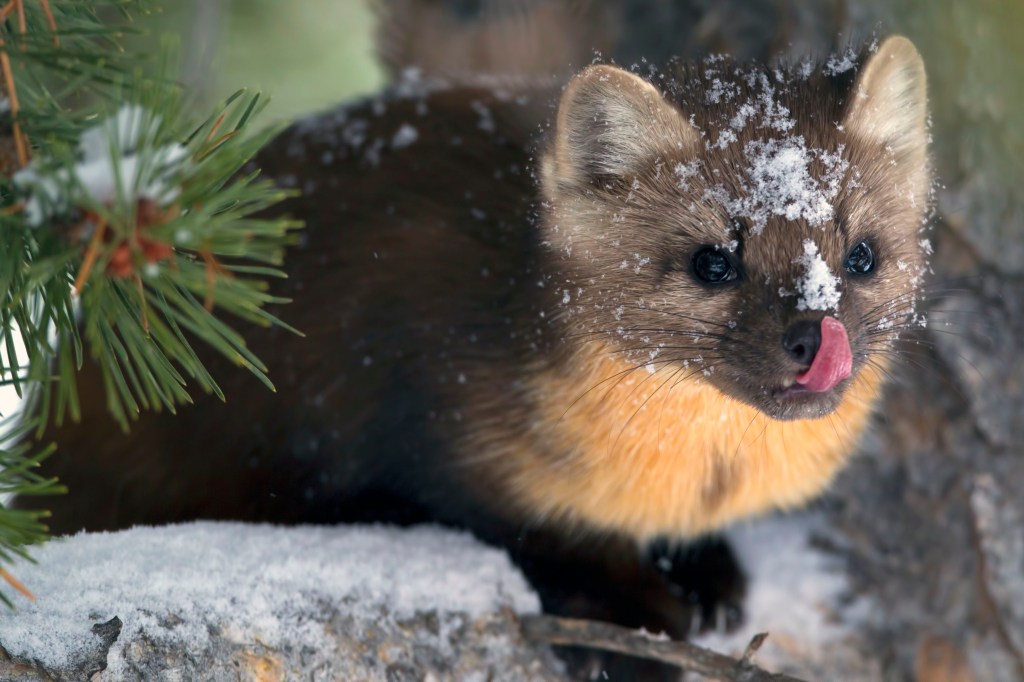
Pacific marten (Martes caurina) (Photo by L. L. Master courtesy of the Mammal Image Library).

Current study system. Martens (Martes spp.) are medium-sized carnivores belonging to the weasel family (Mustelidae). In North America, marten fur is important to northern economies, but population sizes have been decreasing. In response, martens have been translocated or moved around to augment or restore native populations, but often without an understanding of native diversity. In addition to their tubular body shape and reputation as voracious predators, I think one of the coolest adaptations of the Mustelidae family is the ability to pause embryonic development (a process called embryonic diapause) until environmental conditions are conducive to raising young.

Recent paper in JBI. JP Colella, T Lan, SL Talbot, C Lindqvist, JA Cook. (2021). Whole-genome resequencing reveals persistence of forest-associated mammals in late Pleistocene refugia along North America’s North Pacific Coast. Journal of Biogeography, 48(5), 1153-1169. https://doi.org/10.1111/jbi.14068

Jocelyn and Dianna Kreja (new Curator of Mammals at the University of Wisconsin Zoological Museum) collecting mammals in the Gila Wilderness of New Mexico.

Motivation behind this paper. A number of “glacial refugia” or ice-free areas are proposed along the western edges of North America’s North Pacific Coast. Ocean and climate modelling and sediment cores suggest that refugial areas were mostly tundra during the peak of the last glaciation, and therefore devoid of most plants and animals, but investigations into the genomes of coastal species have found increasing support for complex and diverse refugial communities. Martens (Martes spp.) are ‘forest associated’ mammalian carnivores that require complex, structured forests to complete their life-cycles. Therefore evidence of refugial persistence in martens can inform the composition and distribution of historical paleoenvironmnets. Pacific martens are native to three islands along the North Pacific coast and come into contact with American pine martens along the coastline, which provides an opportunity for secondary contact and the exchange of genetic material. Economically motivated wildlife translocations in the mid-1900s also provide opportunities for hybridization, which is most easily examined from a genomic perspective. Thus, we aimed to test (i) whether martens were historically present in North Pacific coastal refugia and (ii) the impact of hybridization on the evolution and continued conservation and management of these species.

Key methodologies. We used whole-genome resequencing of two marten species: American pine martens (Martes americana) which are distributed throughout continental North America and Pacific martens (Martes caurina) which have a disjunct distribution on a few North Pacific Coast islands and also on sky-islands in the American West. We mapped genomic reads to the domestic ferret genome to assess the evolutionary, demographic, and hybrid histories of these species. This is the first time genomic data has been generated for North American martens, although chromosome level assemblies for near relatives are starting to emerge through DNAzoo (Wahoo!). Whole-genome resequencing allows us to characterize demographic histories using methodologies such as Pairwise Sequential Markovian Coalescence (PSMC) which illustrates how population sizes have changed over deep time (millions of years). The many variable sites available through the genomes allowed fine-scale analysis of introgression or gene flow which we expected to occur in known contact zones (one along the coast and another in the northern Rocky Mountains). The directionality, frequency, and timing of gene flow help outline the consequences of genetic mixing: do we expect the two species to fuse into one? Or will interbreeding lead to the swamping or loss of one species and not the other?

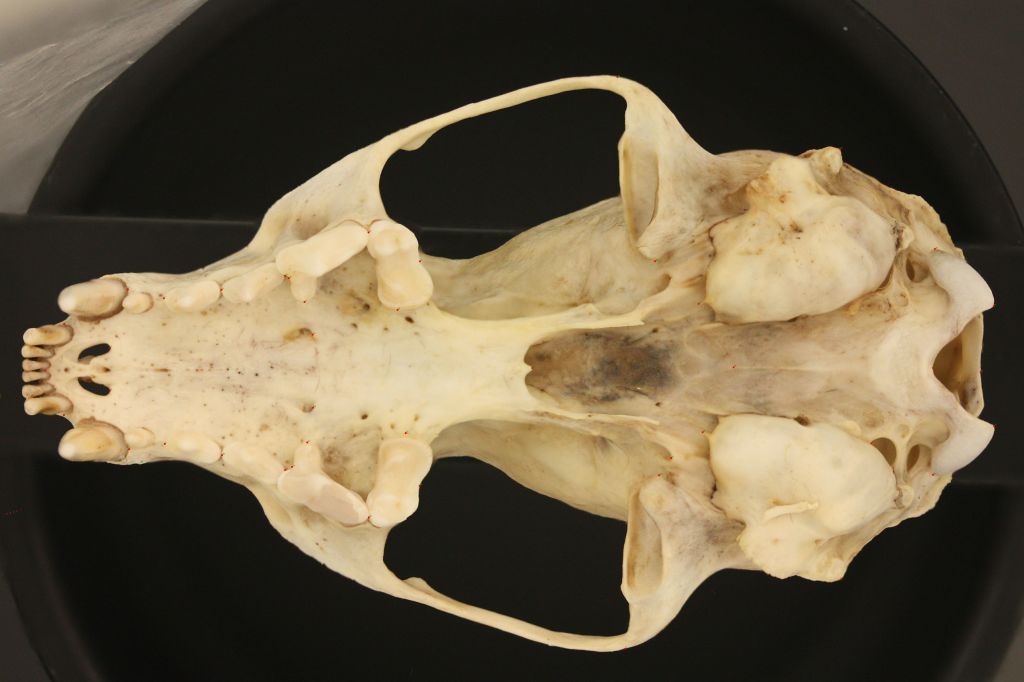
Ventral aspect of an American pine marten skull collected on Baranof Island, Alaska (Photo by Jocelyn P. Collela).

Unexpected challenges. Since marten hybridization and translocation histories motivated this work, we expected to find more evidence of gene flow. Yet, evidence of hybridization was only found for two individuals, each collected within a known hybrid zone. Interestingly, both hybrids appear to be F1’s or first-generation hybrids between Pacific and American pine martens. This is unusual because if hybridization is common, we would expect to see many individuals with varying ancestry proportions and we don’t! So perhaps hybridization is not as common as we suspected? The next question is: Why?

Major results. We discovered two lineages of Pacific marten: one insular and one continental. Our results support a deep history of insular Pacific martens (>100,000 years ago) along the North Pacific Coast consistent with refugial isolation along the coast. Evidence of forest-associated mammals, like martens, along the North Pacific Coast suggests that paleoenvironments of coastal refugia were more complex than previously thought, containing martens, but also possibly sparse forests and a sufficient small mammal prey base to sustain mesocarnivores.  We identified two early-generational hybrids (F1’s), one in each known contact zone. Both hybrids had American pine marten mitochondrial DNA and mixed nuclear DNA, consistent with a bias in the directionality of hybridization, which may negatively impact the persistence of Pacific martens.

Jocelyn tying a museum tag onto a wolverine (Gulo gulo) skull in Northwest Territories Canada. Many of the samples used in this work and others are donated to museums by wildlife agencies, hunters, and trappers (Photo by friend and colleague Dianna Krejsa).

Next steps for this research. Based on these genomes, it looks as though the insular Pacific marten may be a distinct species. The next step would be to increase genetic sample sizes and rigorously evaluate morphological differences to test the species status of the Pacific marten lineages. We also need to take a closer look at each hybrid zone and determine admixture proportions among a larger number of individuals to determine the frequency and geographic distributions of different levels of hybrids (e.g., F1, F2, backcross).

If you could study any organism on Earth, what would it be? I’m all about mammals, big or small. As a now-retired NCAA swimmer and current avid “Master’s” swimmer, I suppose I’m partial to marine and semi-aquatic mammals: otters (also weasels!), muskrats, beavers, pinnipeds (seals, sea lions), and cetaceans (whales, dolphins). Due to the lack of physical barriers to movement in oceans, I find speciation and hybridization dynamics in these systems to be both fascinating and unusual, and wonder if the evolution of marine mammals may parallel that of volant (or flying) mammals, like bats.

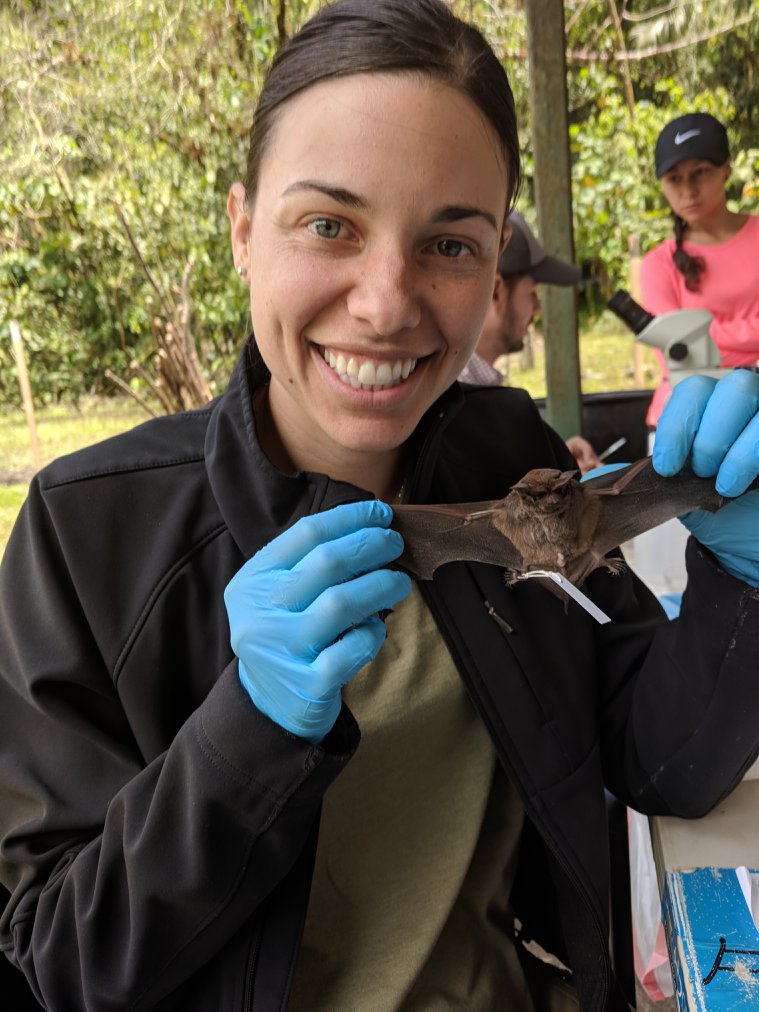
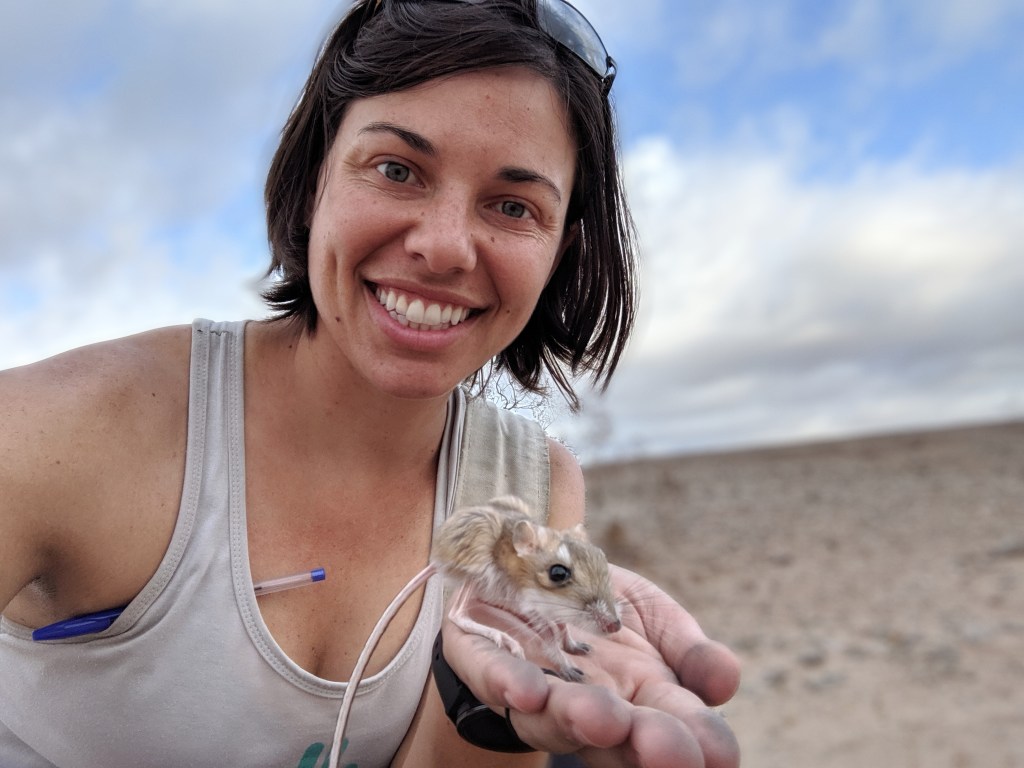
Selfie during 2019 Summer field work in the Mojave desert, holding a kangaroo rat (Dipodomys merriami).

Anything else to add? Complex biotic communities along the North Pacific Coast may have also provided resources to sea-faring humans en route to the Americas. Industrial scale logging of old-growth forests and road development in the Tongass National Forest within the North Pacific Coast also poses a risk to insular Pacific martens by shrinking available habitat. Southwestern sky island habitat is further shrinking in response to climate change, placing Pacific martens at risk of extinction or extirpation.

Life in the “dead heart” of Australia

It was the desolation of Australia’s deserts and dried-up rivers, contrasted with the fossil legacy of giant extinct marsupials and birds, that led the British explorer JW Gregory to label this region ‘the dead heart of Australia’. In fact, despite its harsh and unforgiving climate, the Australian deserts are teeming with life.

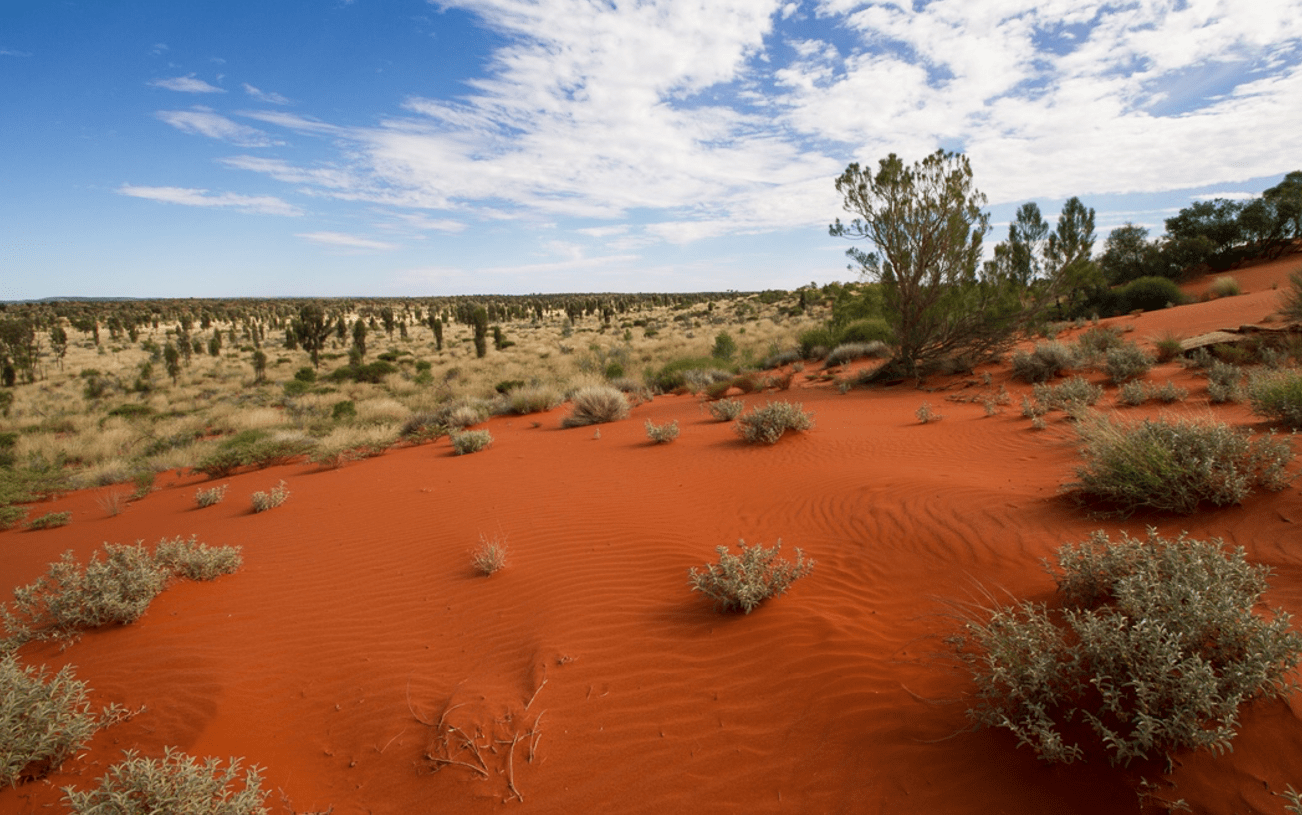
Above: The red desert sands of a vegetated dunefield in the Great Victoria Desert near Yulara in the Northern Territory, Australia (photo credit: Stephen Zozaya)

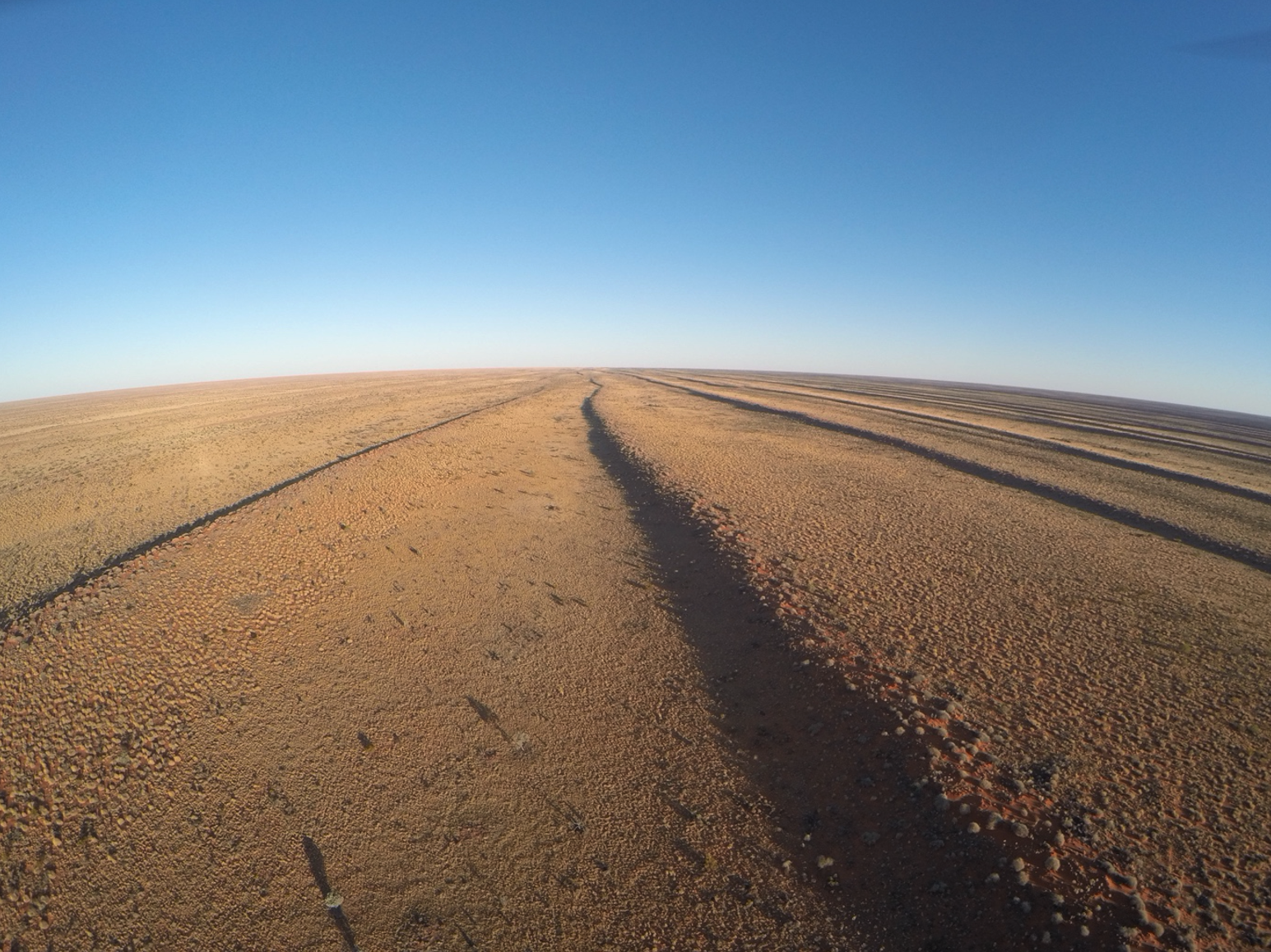
The Australian arid zone comprises more than 70% of the continent and is one of the largest arid systems in the world. In much of the literature, the arid zone is drawn as a homogeneous blob in the center of Australia – a rough oval shape comprising the “deserts”. Indeed, the topography of the region is generally subdued and superficially featureless. But anyone who has visited or flown over the center of Australia will know there are isolated rugged mountains in the northwest, center and south – flat topped mesas and razor-back ridges that rise up from the surrounding lowlands, they conjure up quintessential images of the Aussie outback, glowing red in the late afternoon sun. Even the vast intervening desert lowlands, far from being homogeneous, comprise a discontinuous mosaic of sandy dunefields with unwaveringly consistent longitudinal dunes, stony gibber deserts, clay plains, ephemeral rivers and salt lakes.

Cover image article: (Free to read online for a year.)
Pepper, M, Keogh, JS. Life in the “dead heart” of Australia: The geohistory of the Australian deserts and its impact on genetic diversity of arid zone lizards. J Biogeogr. 2021; 48: 716– 746. https://doi.org/10.1111/jbi.14063 

It was the desolation of the deserts and dried-up rivers, contrasted with the fossil legacy of giant extinct marsupials and birds, that led the British geologist and explorer JW Gregory to label this region ‘the dead heart of Australia’. In fact, despite its harsh and unforgiving climate, and contrary to Gregory’s unflattering description, the Australian deserts are teeming with life. I have been working with Scott Keogh on the evolutionary history of lizards in the Australian arid zone for 16 years – the diversity of lizards here is higher than anywhere else on earth! My original training as a geoscientist has been instrumental in driving my research towards understanding how changes in the landscapes and climate across Australia over the past 15 million years have structured genetic diversity between and within species that live here. Over this relatively short period of geological time, previously wet and humid landscapes across Australia were radically transformed. The late Cainozoic saw wide-scale contraction of tropical and temperate forests, unprecedented levels of erosion, cessation of major drainages and the disappearance of extensive inland lakes, with intensifying aridity culminating in the development of dunefields across most of the central continent.  How has this geohistory of the Australian desert landscapes harbored and structured the diversity in plants and animals that we see today? Which areas of Australia’s deserts have the most biodiversity? Which areas have the least? And how old (or young) are the species that live there?


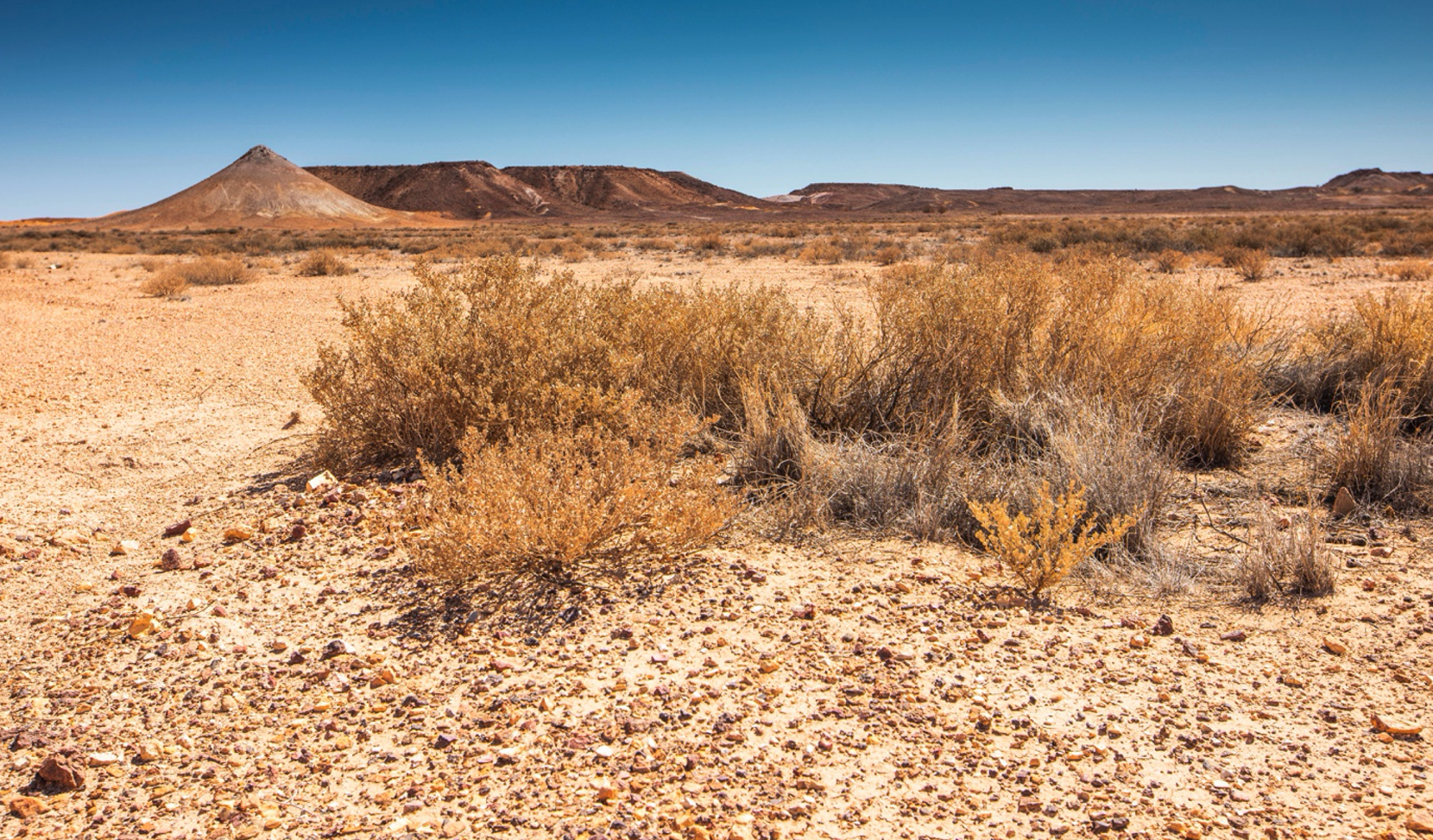
Stony desert country with flat-topped mesas from the Kanku-Breakaways near Coober Pedy in South Australia

(photo credit: Damien Esquerré)

The very cool thing about working on the biogeography of the Australian arid zone is that the mountain range systems here are ancient – they have been geologically stable for a hundred million years, which means the contribution of geological uplift to speciation is negligible. Trying to understand speciation processes and drivers is hard enough, so removing mountain building from the speciation equation simplifies things immensely (as a comparison, our close neighbor New Zealand has built its enormous mountain ranges in the last 5 million years, so you can imagine the impact this would have had/has on organisms evolving there!). Equally cool about the Australian landscapes is that the vast deserts that dominate the interior of the continent are thought to have formed as recently as one million years ago during the height of the Pleistocene glacial cycles. This complete transformation of landscapes across so much of the continent would have had unprecedented consequences on the evolutionary history of plants and animals living there  – some would have gone extinct, unable to tolerate the drier and more inhospitable conditions. To survive, others would have been forced to contract their distributions to wetter, more climatically stable areas where they could persist (typically mountainous regions) until arid conditions eased. Other more generalist species may have been preadapted to aridity and sand and instead were able to expand their distributions and diversify in these new environments.

Currently we don’t know very much about the evolutionary forces at play in Australia’s deserts (compared to those in Australia’s forested fringe). It is amazing what the genes of living species can reveal about the evolution of ancestors that haven’t existed for millions of years. However, without knowledge of past landscape and climate change in Australia’s deserts, evolutionary biologists cannot make sense of the genetic patterns they see in the plants and animals today.  As the geohistory of Australia’s arid zone is not widely understood by biologists, we wanted to review its geological development and contemporary landscapes in an accessible way (not many biologist want to spend their time deciphering the lingo of the geology literature!), and in doing so we describe a series of biogeographical hypotheses centered on how geomorphology, evolutionary history and contemporary ecological factors interact to shape diversification patterns in Australia’s desert lowlands.


An aerial drone photo of vegetated dunes in the northern Simpson Desert in the Northern Territory
(photo credit: Paul Hesse)

The main message from our review is that for much of Australia’s biota living in the broad centre of the continent, their deeper history was shaped by an environment characterized by vast fluvial systems, feeding enormous volumes of water into permanent mega-lakes and transporting large quantities of sand across the landscape. This extensive surface water dried out first in the west, and elsewhere fluvial systems switched to an ephemeral state and progressively became saline. But wet pulses in history would have reactivated these inland rivers from time to time as precipitation waxed and waned with glacial cycles (even during the driest period in the Last Glacial Maximum there were large rivers in the southeast and enhanced run-off from the highlands). When they were dry, their sand filled valleys could be blown out by wind, forming extensive sandplains across the continent that would have been stabilized by a vegetation progressively shifting to dry woodlands, and open shrublands and grasslands. Geochronological evidence suggests that the formation of dunefields began in the mid-Pleistocene, accelerating as the climate became increasingly arid in later glacial cycles. These dunes reflect episodic accumulation, and patchy, rather than widespread, activity, so the deserts in Australia never looked like the vast mobile dune landscapes of the Sahara. With this in mind, it becomes more apparent how species could have persisted and diversified in the arid zone despite the enormous and turbulent climatic changes of the Pleistocene. Indeed, human populations were faced with the same severe climatic conditions, and likely responded in a similar way. From renowned Australian archaeologist Mike Smith: “… if we take the desert as a whole, the archaeological evidence is more consistent with a pattern of widespread ‘cryptic’ refugia than with a geographic division into refuges, corridors and barriers. People appear to have survived across much of the desert, but as scattered occurrences and at low densities—in effect, in pockets of microhabitat. Some regions may have been abandoned, including some areas of sandy desert and parts of the Pleistocene coast, but direct evidence for abandonment of large parts of the interior is more limited than once thought. ‘Each desert has its own barriers, corridors and refuges,’ says Cane, ‘and one should look to this inner variability in order to understand the true nature of desert colonization and settlement’ (1995:49)”.

We hope that our review and the hypotheses we outline stimulate further studies of arid zone biogeography. In particular, we look forward to the ways in which future biological collections will open the vast “dead heart” of the continent, to further our understanding of how life has been able to persist and flourish amidst the formation of the largest desert in the Southern Hemisphere.


.


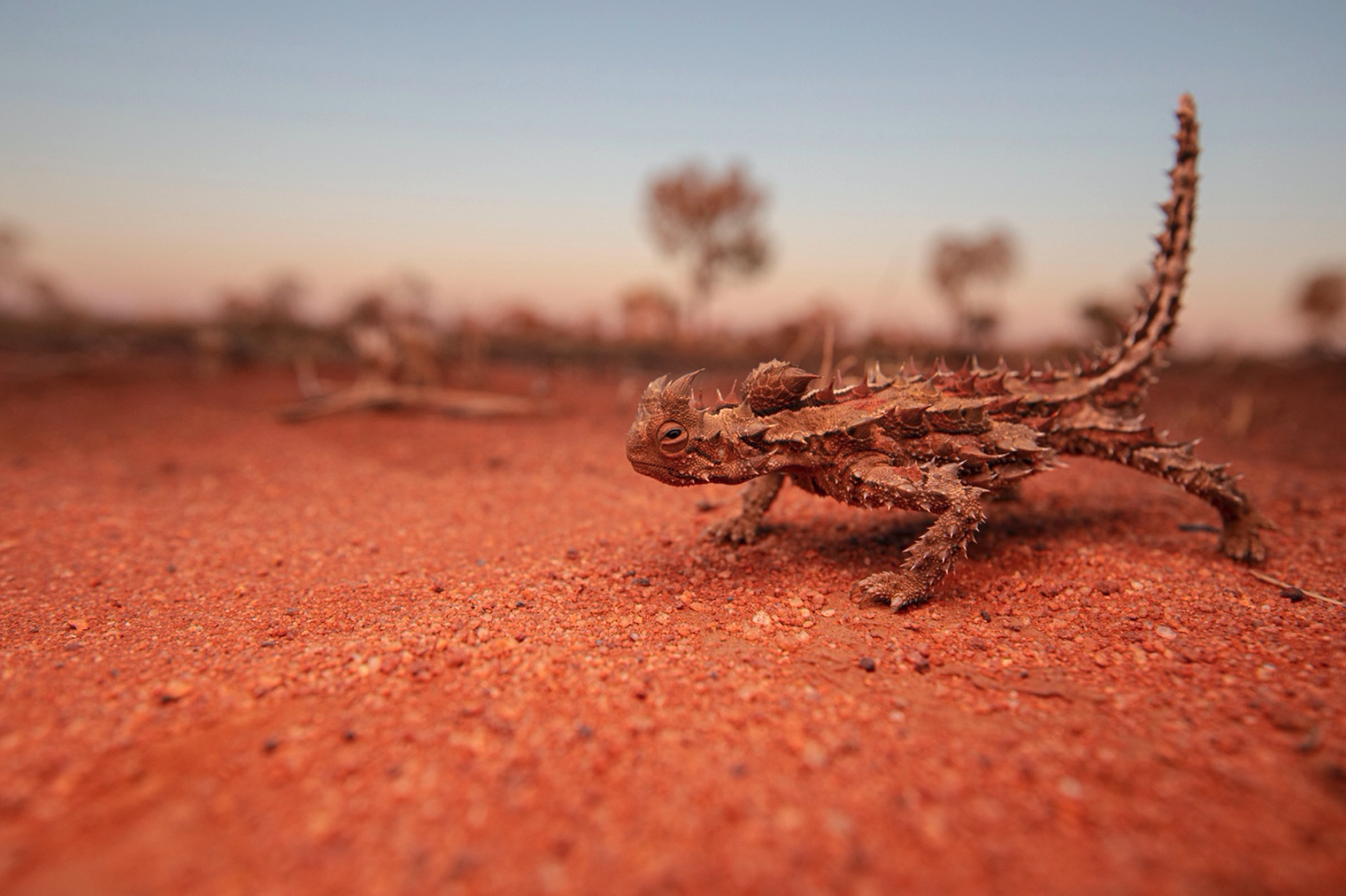
The quintessential Australian arid zone lizard, Moloch horridus 
(photo credit: Damien Esquerré)

Written by:
Mitzy Pepper
Postdoctoral researcher, Division of Ecology and Evolution, The Australian National University

Additional information:
https://keoghlab.com/
https://sites.google.com/site/drmitzypepper/about-me
Twitter: @Keogh_Lab

ECR Feature: Josep Padullés Cubino

Josep is a postdoc in the Department of Botany and Zoology at Masaryk University. He is a biogeographer and macroecologist interested in plants and their community structure. Josep shares his recent work on developing maps of phylogenetic structure of plant communities across Europe.

Josep Padullés Cubino with Mediterranean sclerophyllous evergreen forests in the back (Mare de Déu del Mont, Catalonia; Author: Laura Guerrero).

Name. Josep Padullés Cubino

Personal links. ResearchGate | Orcid | Twitter | GoogleScholar

Institute. Department of Botany & Zoology, Masaryk University, Brno, CZ

Academic life stage. Postdoc.

Research themes. Plant biogeography and macroecology, both in natural and anthropogenic habitats.

Current study system. I study forest plant communities across all Europe. Forests represent up to 40% of Europe’s land surface making it important to understand their ecology and biogeography. Our recent study was novel because until then most studies examining the phylogenetic structure (i.e., the degree of species phylogenetic relatedness) of forest plant species had either focused on specific clades or life forms (mainly trees), and used either floras or regional checklists, thus omitting the effect of fine-scale processes, such as species interactions, at the plant community level. Our study was the first providing maps of the phylogenetic structure of forest plant communities at the European scale.

Recent paper in JBI. Padullés Cubino, J., et al. 2021. Phylogenetic structure of European forest vegetation. Journal of Biogeography, 48, 903-916. https://doi.org/10.1111/jbi.14046.

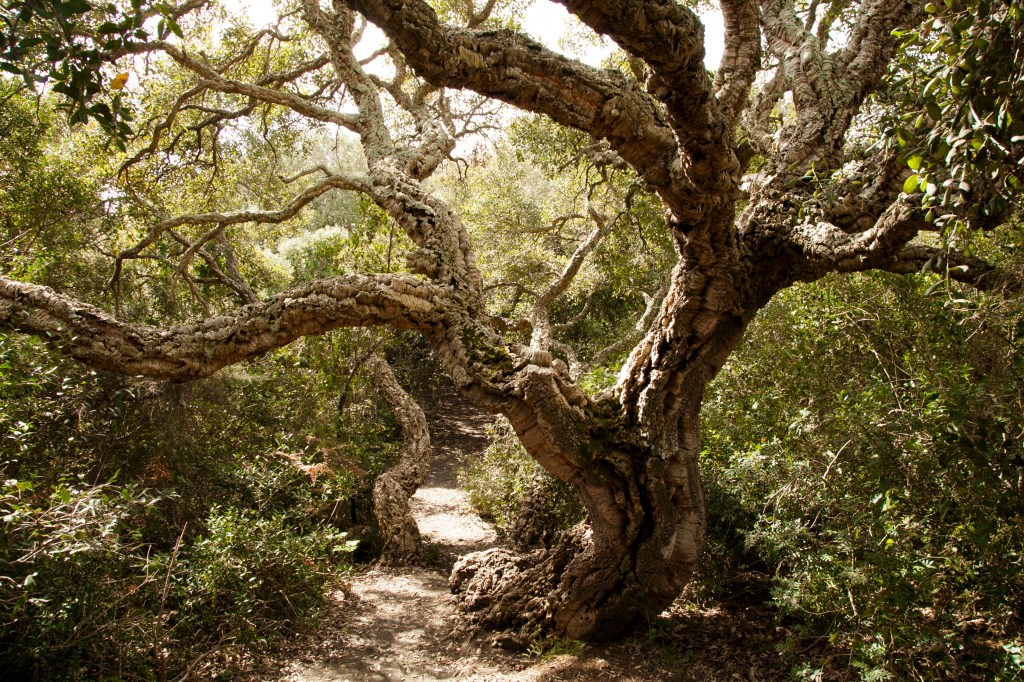
Mediterranean evergreen Quercus suber forest with accompanying shrubs (e.g., Phillyrea angustifolia, Pistacia lentiscus, Myrtus communis) in Lago di Burano, Italy (Author: Gianmaria Bonari).

Motivation behind this paper. We used vegetation-plot data from the European Vegetation Archive (EVA; http://euroveg.org; Chytrý et al., 2016, Journal of Vegetation Science), which has recently been launched and contains more than 1.5 million vegetation plots sampled across Europe. This, along with environmental data and novel analytical methods and tools, has created unprecedented opportunities for exploring fine-scale patterns of phylogenetic structure at large spatial scales and understanding their determinants. Studying these spatial patterns and relationships is important because they provide insights into the mechanisms that determine the coexistence of specific groups of plant lineages and help us explain why some lineages (and not others) thrive under certain environmental conditions at certain locations. Furthermore, while we have a relatively good understanding of the spatial patterns and drivers of plant species richness in European forests, less is known about their phylogenetic structure. Our study can be used to compare hotspots of species richness and phylogenetic diversity across Europe, and serve as a basis for more regional or local-scale studies.

Mediterranean Pinus pinaster forest with Erica arborea and Calluna vulgaris in the understory in Monticiano, Italy (Author: Gianmaria Bonari).

Key methodologies. To investigate the phylogenetic structure of European forest vegetation, we considered alternative metrics either sensitive to basal (ancient evolutionary dynamics) or terminal (recent dynamics) branching in the phylogeny. Then, we compared the observed values of these metrics against the expected values obtained from a null model. As a result, we classified vegetation plots with respect to the phylogenetic relatedness under random expectations: (1) those that did not differ from random expectations; (2) those with more closely related species than random (phylogenetic clustering); and (3) those with more distantly related species than random (phylogenetic overdispersion). We also determined what plant lineages where overrepresented in particular forests across Europe, and tested factors that might drive phylogenetic clustering. The general expectation was that increased environmental stress combined with phylogenetic niche conservatism would select for a subset of closely-related (clustered) lineages adapted to these extreme environments.

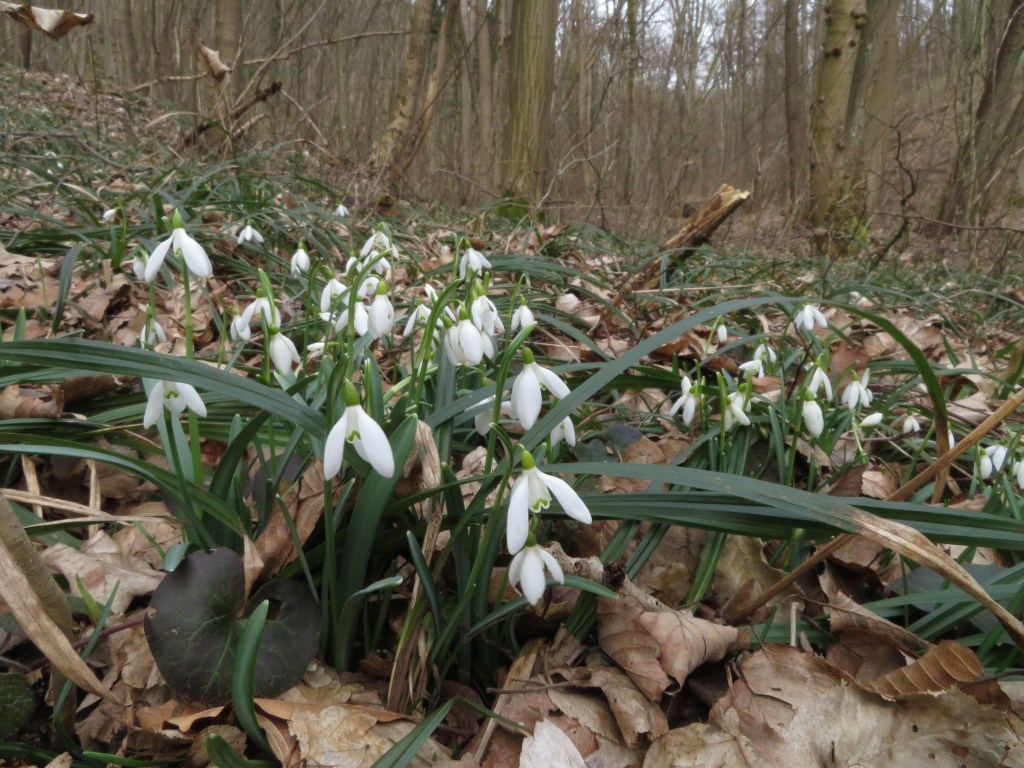
Temperate oak-hornbeam (Quercus petraeaCarpinus betulus) forest with Galanthus nivalis in the Moravian Karst, Czech Republic (Author: Milan Chytrý).

Unexpected outcomes. One challenge was to deal with the large amount of data. We initially had more than 140,000 vegetation plots in our dataset. We resolved it by performing stratified resampling of the plots throughout the study area, which allowed us to use a smaller yet still representative dataset. The calculations of the metrics of phylogenetic structure were also computationally demanding. Luckily for us, some recently developed R packages, like ‘PhyloMeasures’ (Tsirogiannis & Sandel, 2016; Ecography), made our lives easier.

Major results. We found that plant species in forests located in areas with higher climatic stress and instability were more phylogenetically related than random (i.e., more phylogenetically clustered). Clustered forest communities also occurred in Fennoscandia, particularly in areas that were glaciated during the Pleistocene, likely reflecting limited postglacial migration of certain plant linages after deglaciation. In contrast, forest communities whose plants were more distantly related than random (i.e., phylogenetically overdispersed) were relatively common in the hemiboreal zone in Russia, which could reflect the effect of the transition between the boreal and temperate biogeographical regions. Overdispersed forest communities were also relatively more common in some areas around the Mediterranean Basin, which partially overlapped with areas considered as refugia for many lineages during the Pleistocene glaciations. We also found that the families Ericaceae, Poaceae and Fagaceae were overrepresented in forests in different regions in Europe.

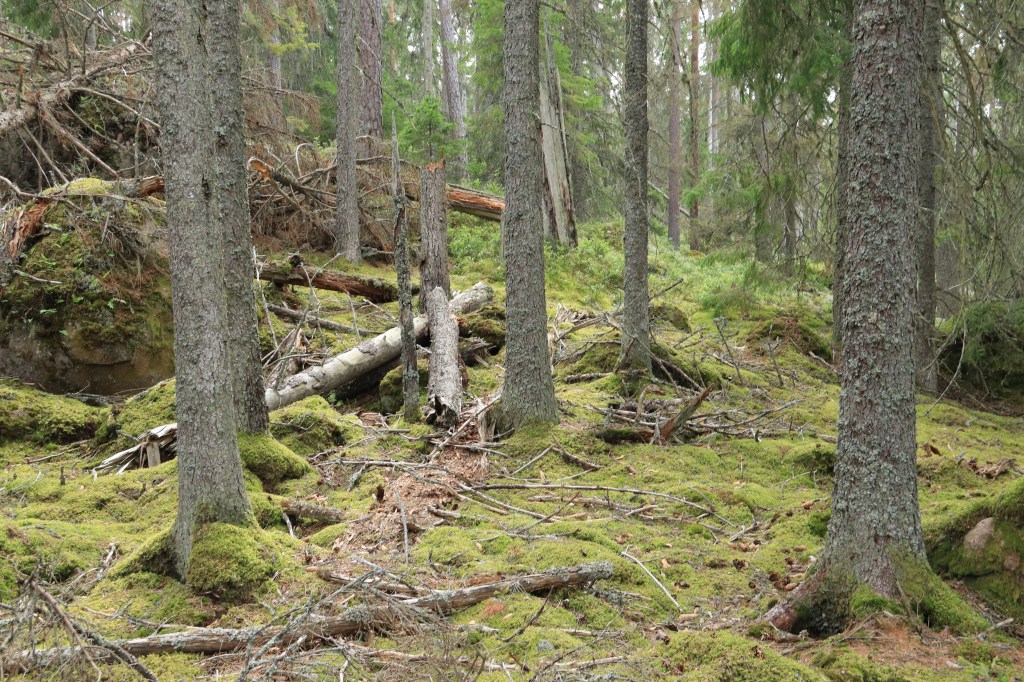
Hemiboreal spruce forest with Picea abies in Norra Kvills National Park, Sweden (Author: Milan Chytrý).

Next steps. We are now exploring how different axes of plant trait variation (i.e., the leaf economic and plant size spectra) differ in forest understories across Europe. Forest understories play a vital role in ecosystem functioning (e.g., litter decomposition and nutrient cycling) and the provision of ecosystem services (e.g., habitat provisioning, tree regeneration, and pollination). We believe that combining both studies (i.e., phylogenetic vs. functional diversity) will give us a better understanding of the biogeography of European forest plants. We are also planning on applying our approach to other European habitats such as grasslands or shrublands.

If you could study any organism on earth, what would it be and why? I like to think of life on Earth as a complex network of interactions among different organisms. Ideally, I would like to investigate more about these interactions, particularly between plants and fungi, and between plants and humans, in both directions. I have a special predilection for Mediterranean plants, the region where I am originally from.

Anything else? This project was like a dream come true. I am honoured that I had the opportunity to work with these data. Many people before me had spent a lot of time to collect it and put it together. Furthermore, I felt like I owed this effort to the forests. I always go to the forest when I need to relax and recharge my batteries. It is where I feel most connected to the Earth.

Hotspots and diversity patterns of Arabian squamate reptiles

While some areas of the world are renowned for their high diversity of life, such as the tropics, others, such as deserts, are generally perceived as deprived of diversity. This is, however, very far from the truth.

Above: The Saudi Dwarf Gecko, Tropiocolotes wolfgangboehmei, whose phylogenetic position was unknown until our study. Picture by Al Faqih Ali Salim.

Biodiversity is not distributed evenly across the world and understanding the factors that generate common patterns is of fundamental importance to the study of evolutionary biology. While some areas of the world are renowned for their high diversity of life, such as the tropics, others, such as deserts, are generally perceived as deprived of diversity. This is, however, very far from the truth. Deserts all over the world are abundant with species that are perfectly adapted for their harsh environmental conditions.

Cover image article: (Free to read online for a year.)
Šmíd J, Sindaco R, Shobrak M, Busais S, Tamar K, Aghová T, Simó-Riudalbas M, Tarroso P, Geniez P, Crochet P-A, Els J, Burriel-Carranza B, Tejero-Cicuéndez H, Carranza S (2021). Diversity patterns and evolutionary history of Arabian squamates. Journal of Biogeography, 48: 1183–1199.https://doi.org/10.1111/jbi.14070 

Deserts tend to be very difficult to access for researchers and Arabia is no exception to this rule. Although we have been studying various aspects of the diversity of Arabian squamates for more than fifteen years now, from conducting exhaustive field trips, collecting new genetic, environmental, and distribution data, revising the taxonomy and systematics of many groups, to continuously discovering new species along the way, we felt that a broader picture was still missing.

To understand the general patterns, evolutionary history, and drivers of the diversity of Arabian squamates we compiled all available distribution records to derive range maps for all the species, and we reconstructed their evolutionary relationships. This included species that had been known only from their taxonomic descriptions (like the Saudi dwarf gecko, Tropiocolotes wolfgangboehmei, depicted here) or species that have not yet been formally described. This allowed us for the first time to produce a detailed map of squamate species richness of the Arabian Peninsula. By including the evolutionary component, we were able to identify main hotspots where long evolutionary history is concentrated. We found that the mountains that rim the peninsula support rich and unique communities that are dominated by local radiations. In particular, the Asir Mountains of southwestern Arabia, the Dhofar Mountains of extreme eastern Yemen and southern Oman, and the Hajar Mountains of northern Oman and UAE show unprecedented levels of squamate endemism and phylogenetic endemism. The mountains can thus be viewed as diversification hubs that generate new species and maintain their high diversity. The deserts in the interior of the Arabian Peninsula are generally inhabited by widely distributed generalist species.


In suitable habitats, some lizard species can attain high local population densities, like the endemic Sharqiyah Toad-headed Agama, Phrynocephalus sakoi, from the Sharqiyah Sands, Oman. Picture by Jiri Smid.

How can the mountains harbor so many species when they cover only a minor part of Arabia in sharp contrast to the vast inland deserts? The key variable seems to be topographic complexity or, in other words, heterogeneity of different environments. Heterogeneous environments provide a large number of available habitat types and thus numerous opportunities for niche partitioning, population isolation, allopatric speciation, and ultimately the coexistence of multiple divergent lineages.

Our study not only sheds light on the processes that have helped to generate and maintain the diverse and unique fauna of Arabian squamates, but it may also be used to direct future conservation efforts that would focus on the preservation of the evolutionary history of the Arabian fauna.

Written by:
Jiri Smid; Associated Researcher; Department of Zoology, Faculty of Science, Charles University, Prague, Czech Republic
Mohammed Shobrak; Professor; Department of Biology, Faculty of Science, Taif University, PO Box 11099, Taif 21944, Saudi Arabia
Salem Busais; Associated Professor; Department of Biology, Faculty of Education, University of Aden, Aden, Yemen
Karin Tamar; Postdoc; Institute of Evolutionary Biology (CSIC-UPF), Barcelona, Spain
Johannes Els; Head of Department; Herpetology and Freshwater Fishes, Environment and Protected Areas Authority, Sharjah, UAE
Bernat Burriel-Carranza; PhD student; Institute of Evolutionary Biology (CSIC-UPF), Barcelona, Spain
Salvador Carranza; Director; Institute of Evolutionary Biology (CSIC-UPF), Barcelona, Spain

Additional information:
Jiri Smid: https://scholar.google.cz/citations?user=vsAjzyYAAAAJ&hl=en
Mohammed Shobrak: https://scholar.google.com/citations?user=-SsOYv0AAAAJ&hl=en; @mshobrak; https://www.facebook.com/mshobrak
Salem Busais: http://www.arbiodiversity.academia-srt.net/; https://scholar.google.com/citations?user=yv4t5B0AAAAJ&hl=en; @SBusais
Karin Tamar: https://scholar.google.co.il/citations?user=j_Nx_5oAAAAJ&hl=en&oi=ao
Johannes Els: https://scholar.google.cz/citations?user=h3sJUiYAAAAJ&hl=en&oi=ao
Bernat Burriel-Carranza: https://scholar.google.es/citations?user=k1QIuk4AAAAJ&hl=es
Salvador Carranza: http://molevol.cmima.csic.es/carranza/index.html; https://scholar.google.es/citations?hl=en&user=AOP1VxMAAAAJ&view_op=list_works&sortby=pubdate