Connections between ploidy and environment in South American frogs

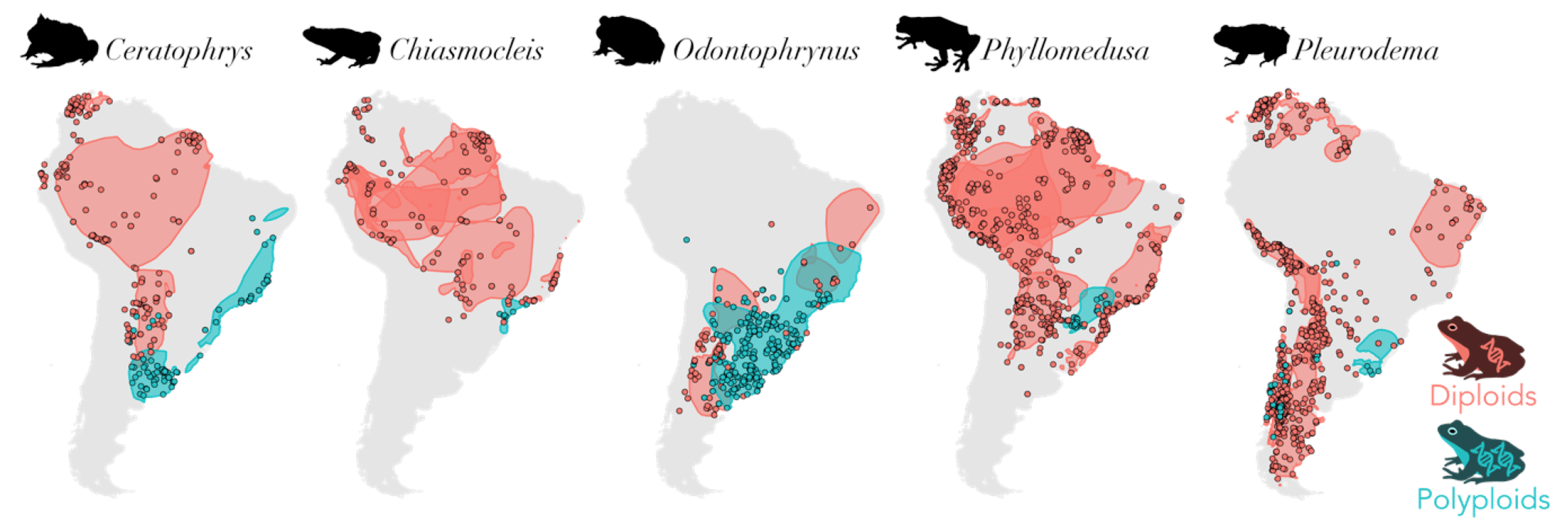
Polyploid frogs occur mainly in the SE corner of South America to the apparent exclusion of closely related diploids, a trend that persists across genera.

Above: Occurrences and range maps of all the frogs included in the study,
grouped by genus and colored by ploidy

Genome duplications are one of the most extreme mutations that can be found in nature. Lineages that undergo genome duplication (called polyploids) experience traumatic changes on the molecular and cellular level that are known to incur significant fitness costs. However, the increase of genetic material also provides the opportunity for adaptation. Polyploids experience more mutations per gene, allowing now-redundant gene copies to develop new functions. The various potential costs and benefits of genome duplication combine to create a unique evolutionary trajectory for polyploids. In particular, many polyploid species are known to inhabit new, challenging or disrupted environments that are subject to greater environmental extremes than experienced by their diploid counterparts. For example, polyploid species are often found in areas that have been recently glaciated and they also make up a large proportion of invasive plant species.

Editors’ Choice article: (Free to read online for a year.)
David, K.T. and Halanych, K.M. (2021), Spatial proximity between polyploids across South American frog genera. J Biogeogr. 48: xxx–xxx. https://doi.org/10.1111/jbi.14067 

Much of my PhD dissertation work focuses on the evolutionary consequences of gene and genome duplication on the molecular level, but while reading I started to become more interested in this relationship between environment and ploidy. I decided to focus my investigation on frogs, a group with lots of publicly available locality data, and restrict my search to South America which has a large number of polyploid frog species across multiple clades.

The preliminary results were striking. Not only were polyploid and diploid species ranges largely separate from one another, there seemed to be a recurring pattern across genera of polyploid lineages occurring in the southeast region of the continent. To us, this suggested a particular environment that was conducive to the formation and/or maintenance of polyploid species. This pattern was corroborated with range overlap analysis which indicated greater overlap between polyploid lineages than diploid lineages across the phylogeny. Indeed, on average polyploid species occur closer to other polyploids of different genera than they do to diploids of their own genus. To explore this idea further we collected all the information we could on the environmental and climatic conditions of the region. Polyploids seem to overwhelmingly prefer temperate climates (84.7% of occurrences) whereas the most popular climate for diploids was tropical (42.6%), which polyploids almost entirely avoid (6.6%). Similarly, polyploids have less than half the relative frequency in forested biomes (31.1%) than diploids (63.2%). Instead, polyploid occurrences are more common in grasslands, savannas and shrublands (58.7%). In addition to biome classifications, we also looked at whether or not any continuous environmental variables were significantly different between polyploid and diploid species. Using a phylogenetic ANOVA test, we found that temperature seasonality (standard deviation of temperature over the course of the year) was the only variable significantly different between polyploids and diploids. Temperature fluctuations have been linked to fish and amphibian polyploids before, possibly connected to their ability to resist environmental disruptions. However, changes in temperature could also result in an increase in polyploid formation, as temperature shocks are a well-documented method for inducing whole genome duplications in many aquaculture species, as well as frogs.


Heatmaps of temperature seasonality and cropland usage alongside occurrence and range maps of all frogs included in the study

Another difference between polyploid and diploid occurrences appears to be human impacts. Southeastern South America has experienced rapid agricultural development over the last century, resulting in one of the largest biodiversity declines in the world. As polyploids are thought to be more adaptable or resistant to challenging/disrupted environments its possible they are able to survive in this transformed landscape in ways diploids are not. In each of the sampled genera, polyploids were more frequent in areas with higher cropland usage, fertilizer application, and pesticide application compared to diploids between every comparison with statistical significance. Importantly, phylogenetic ANOVAs comparing these variables were not significant, meaning that we cannot discount the possibility that differences are the result of shared ancestry between occurrences rather than ploidy alone. As a result, we considered the human impact hypothesis to be a little more speculative than the temperature seasonality hypothesis, but still merits further investigation, as there does appear to be a strong correlation between ploidy and human impacts in at least some of the genera under study. We hope that our findings prove useful in understanding how polyploid lineages are formed and persist in nature, and lead to further investigations into the relationship between ploidy and environment.

Written by:
Kyle David

PhD candidate, Auburn University, USA

Additional information:
Twitter: @KyleTheDavid
https://kyletdavid.github.io/

ECR feature: Elie Gaget on riparian birds community changes

Elie Gaget is a Postdoc at the International Institute for Applied Systems Analysis (IIASA) – Austria. He is a community ecologist interested in understanding how climate warming and land-use change affect bird communities. Here, Elie shares his recent work that uses a long-term survey to understand latitudinal and altitudinal shifts in riparian birds due to climatic change.

Long-term studies require field monitoring (Photo of Elie Gaget by Pauline Gohier).

Personal links. Research Gate

Institute. International Institute for Applied Systems Analysis (IIASA) – Austria

Academic life stage. Postdoc

Major research themes. Community ecology, Conservation biology, Climate change adaptation

Current study system. Birds! They are amazing! Birds are not only an iconic group easy to monitor and to study, but also fantastic living organisms, relaxing and sources of inspiration. My work partly focuses on birds in wetland ecosystems, which have suffered severe damages because of human activities. Wetlands are spectacular, hosting a high diversity of species and showing different faces following the seasons – at least in Europe where I live. Combining bird observations and wetland ecosystems for scientific conservation purposes is a great satisfaction to me.

Recent paper in JBI. Gaget, E., Devictor, V., Frochot, B., Desbrosses, R., Eybert, M. C., & Faivre, B. (2021). Disentangling the latitudinal and altitudinal shifts in community composition induced by climate change: The case of riparian birds. Journal of Biogeography, 48(3), 526-536. https://doi.org/10.1111/jbi.14016

The great crested grebe (Podiceps cristatus) needs a peaceful place to breed (Photo: Elie Gaget).

Motivation behind this paper. Birds are often used as sentinels of the impact of human’s pressure on ecosystems. This study takes advantage of a very special long-term bird monitoring program that sampled bird communities from upstream to downstream along three major French rivers for 31 years. We investigated whether temporal bird community changes were responsive in a similar way to climate warming and land-use change at different locations along the rivers. The main hypotheses were regarding community elevational shifts over time and how bird communities can adjust to an accumulation of human’ pressures. In theory, climate niche tracking (i.e., local change of relative abundance of species-specific thermal preferences) by high elevation species should closely match a local change in temperature to a higher elevation because species only need to move small distances to find cooler temperatures. Conversely, lowland species must make a greater latitudinal shift to compensate for a local change in temperature – thus, there should be a time lag between climate niche tracking and local change in temperatures for these species.

Key methodologies. We used the Community Temperature Index to reflect the relative abundance of species-specific thermal preferences to measure the temporal lag accumulated by communities according to temperature increase, the so-called climatic debt. In addition, we quantified the temporal changes in the abundance of habitat specialists and generalists using the Community Specialization Index. These metrics allowed us to investigate whether and how the composition of riparian bird communities in lowland versus highland can be related to recent climate warming and reveal a biotic homogenization response. We also assessed the interaction between the thermal and homogenization responses of the communities by calculating species’ contributions (percentage of change related to a specific species) to both community index temporal trends. By doing so, we compared whether the same species drove the shift in Community Temperature Index and Community Specialization Index.

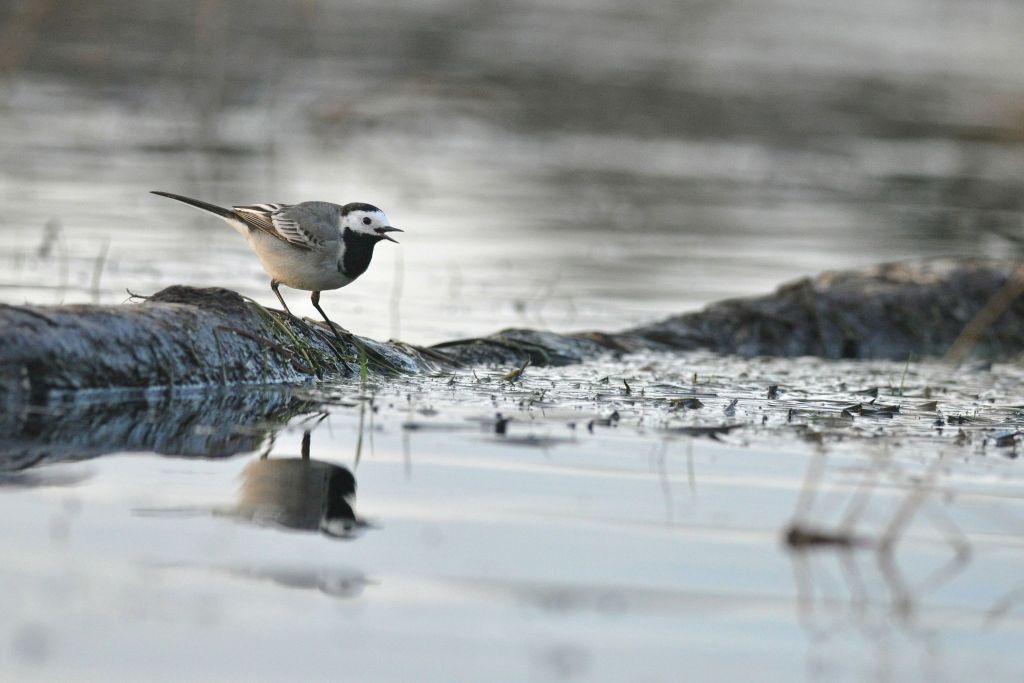
The white wagtail (Motacilla alba) is a fairly common species in Europe, sometimes benefiting from human-made habitats (Photo: Ghislain Riou).

Unexpected challenges. One challenge concerns the spatial design, with three rivers sampled along their stream at different locations. Streams may have their own characteristics and particularities in terms of environmental factors and pressure exposition, which might obscure congruent patterns. We were very impressed by the fact that we observed a remarkably consistent pattern among the rivers for each biodiversity metric used. Not saying that n=3 is a perfect design to investigate spatial heterogeneity, but having such a similar response was important for the conclusions of our study.

Major results. Surprisingly, climatic debt was larger in the highland than in the lowland community, even though temperature increased at a similar rate in both areas. This finding was not primarily expected given thermal niche tracking can be achieved with smaller distances in the highland by performing elevational shifts than in the lowland that requires latitudinal tracking. In other words, for riparian birds, the thermal community adjustment to climate warming was better in lowlands than in highlands. However, a strong homogenization signature was detected in both areas. Interestingly, community changes relative to climate warming and land-use change were uncorrelated, meaning that the species responsible for the community adjustment to climate warming were not the same as those responsible for the community homogenization. In addition, we found a decline in bird abundance in the highlands compared to lowlands that were stable over time. Together, these results highlight the vulnerability of highland species to the accumulation of anthropogenic pressures, particularly in the context of climate warming.

Next steps for this research. Overall, our results support the development of long-term surveys and conservation actions dedicated to riparian bird communities. Not only are these riparian assemblages among the richest in Europe, but they are also highly exposed to both land use and climate change.

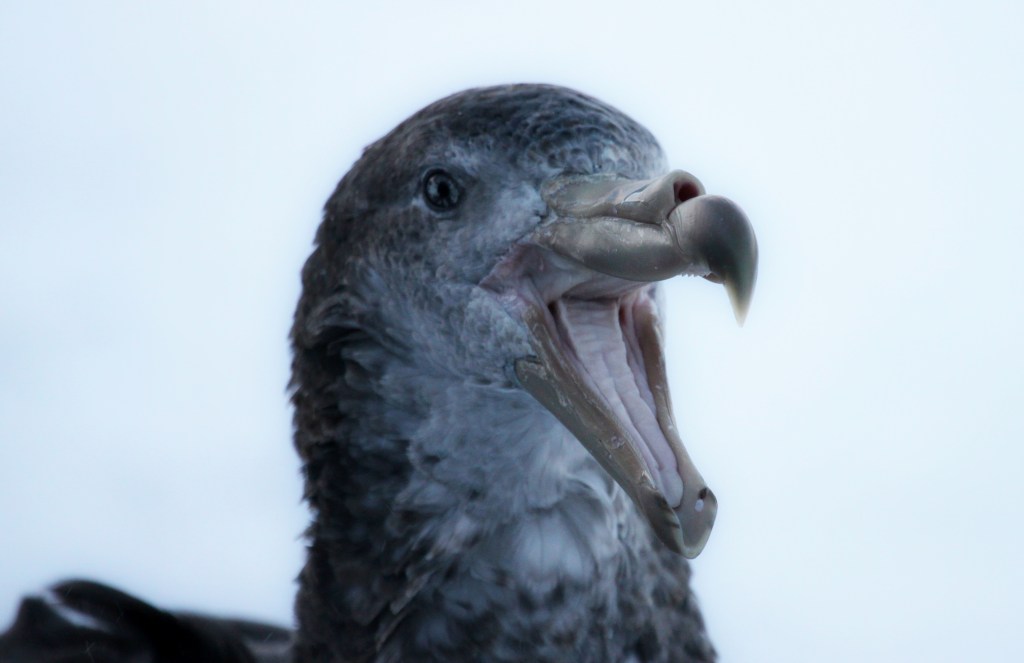
The impressive northern giant petrel (Macronectes halli), a sub-Antarctic scavenger characterized by massive nasal tubes (Photo: Elie Gaget).

If you could study any organism on Earth, what would it be? My dream species is the Northern Giant Petrel. Sometimes considered ugly, this bird leaves no one indifferent. Giant Petrel behaviour is amazing, especially on land when feeding as vultures on carrions. This apex species has a great potential for studies investigating the impact of fisheries on the Antarctic and sub-Antarctic food webs, bird olfaction, movement ecology and disease regulation.

Synthesis, Perspective, Commentary: A call to all authors!

Biogeography is a rapidly moving research area that intersects with many other scientific disciplines and contemporary environmental issues. Moreover, the biogeographic literature is diverse, scattered across disciplinary journals and continually expanding. Making sense of this ever-changing landscape of scientific discourse is challenging, but can be greatly facilitated by accessible and readable synthesis and discussion articles. Such articles have often been seen as the exclusive preserve of senior scientists – the ‘silverbacks of biogeography’. This is categorically incorrect; good ideas, novel viewpoints and compelling writing are not age-dependent and we actively encourage enquiries and submissions from scientists at all career stages.

Journal of Biogeography (JBI) has three article types (Synthesis, Perspective, and Commentary) that allow authors to develop new themes and concepts, re-assess and revisit standard models and frameworks, and to contribute to current debates. Each article format has slightly different aims:

Synthesis articles have the aim of reviewing or reassessing a timely area of biogeographical research. We use ‘Synthesis’ rather than ‘Review’ to emphasize that such articles should ideally contribute to an integrated understanding, resolving misunderstandings and apparent contradictions and, often, presenting new conceptual frameworks or categorizations. Synthesis papers may take the form of traditional narrative reviews or more formal meta-analysis (e.g., Gurevitch et al. 2001).

Perspective articles offer a forum for more personal perspectives on key research fields, concepts and issues within biogeography. Such a format is ideal for developing and substantiating new ideas and arguments (and for highlighting flaws and inconsistencies in traditional/standard models and concepts). 

Commentary articles are comments on the latest original research in biogeography. This could be criticisms of the articles, but could equally be used to draw attention to implications or interpretations that were not considered in the original article.  

While we welcome submissions in these categories from all authors, we want to take this time to particularly encourage junior authors.

There are a lot of very good reasons to give serious thought to writing a review (Synthesis) or discussion (Perspective/Commentary) article. Firstly, they are enormous fun to develop and write. Freed from the standard research article format you have much greater freedom to develop strong, compelling narratives, and to bring in your own ideas and informed speculations. Most articles are collaborations, and much of the enjoyment stems from the exchange of ideas and thoughts with colleagues rather than the actual process of writing – although, if you are like me, this can also be strangely enjoyable.

Secondly, they can have a major impact on your career. Review and discussion articles are often highly cited, can generate high levels of debate and interest among the scientific community. I always advise my PhD students and post-docs to adopt a mixed publication strategy, combining standard research articles with other more discursive article types. This strategy is one of the best ways to boost your CV, your scientific visibility and your publication metrics.

Finally, there is a common but incorrect perception among many early career-stage researchers that these sorts of articles are much more difficult to write than standard research articles. This is related to the common view that review and discussion articles are the domain of senior scientists. Many of us on the chief editorial board at JBI can personally testify this is not the case. My first published article (Ladle 1992), for example, written during the 2nd year of my PhD, was a Review. I was extremely fortunate that one of the reviewers – the late, great Leigh Van Valen – realized that I was new to the publishing world and provided some of the best feedback I have ever received on how to make a good scientific argument.

We believe it is important to follow that example at JBI, making review-type articles accessible to all. To meet this goal, JBI has created a new Research Highlights Editor position on the chief editorial board. Nearly thirty years after that first review, I am about to start work in this position, and I would like to begin with an open invitation to the global biogeographical community: if you have ideas for writing a Synthesis, Perspective or Commentary we would be delighted to hear from you. I am very happy to receive direct enquiries (richardjamesladle@gmail.com or via jbioffice@wiley.com) or, if you have a manuscript, please consider submitting it to us (https://onlinelibrary.wiley.com/journal/13652699 see “submit an article”). We can’t guarantee publication, but we will do everything we can to ensure that it is fairly reviewed and to offer constructive advice on structure, content and style.


Written by:
Richard Ladle
Research Highlights Editor

References
Gurevitch, J., Curtis, P. S., & Jones, M. H. (2001). Meta-analysis in ecology. Advances in Ecological Research32, 199-247.
Ladle, R. J. (1992). Parasites and sex: catching the Red Queen. Trends in Ecology & Evolution7, 405-408.

Different paths of success in the sea – what we can learn from seaweeds

Closely related clades of brown marine seaweeds display different patterns of geographical distributions and diversifications.

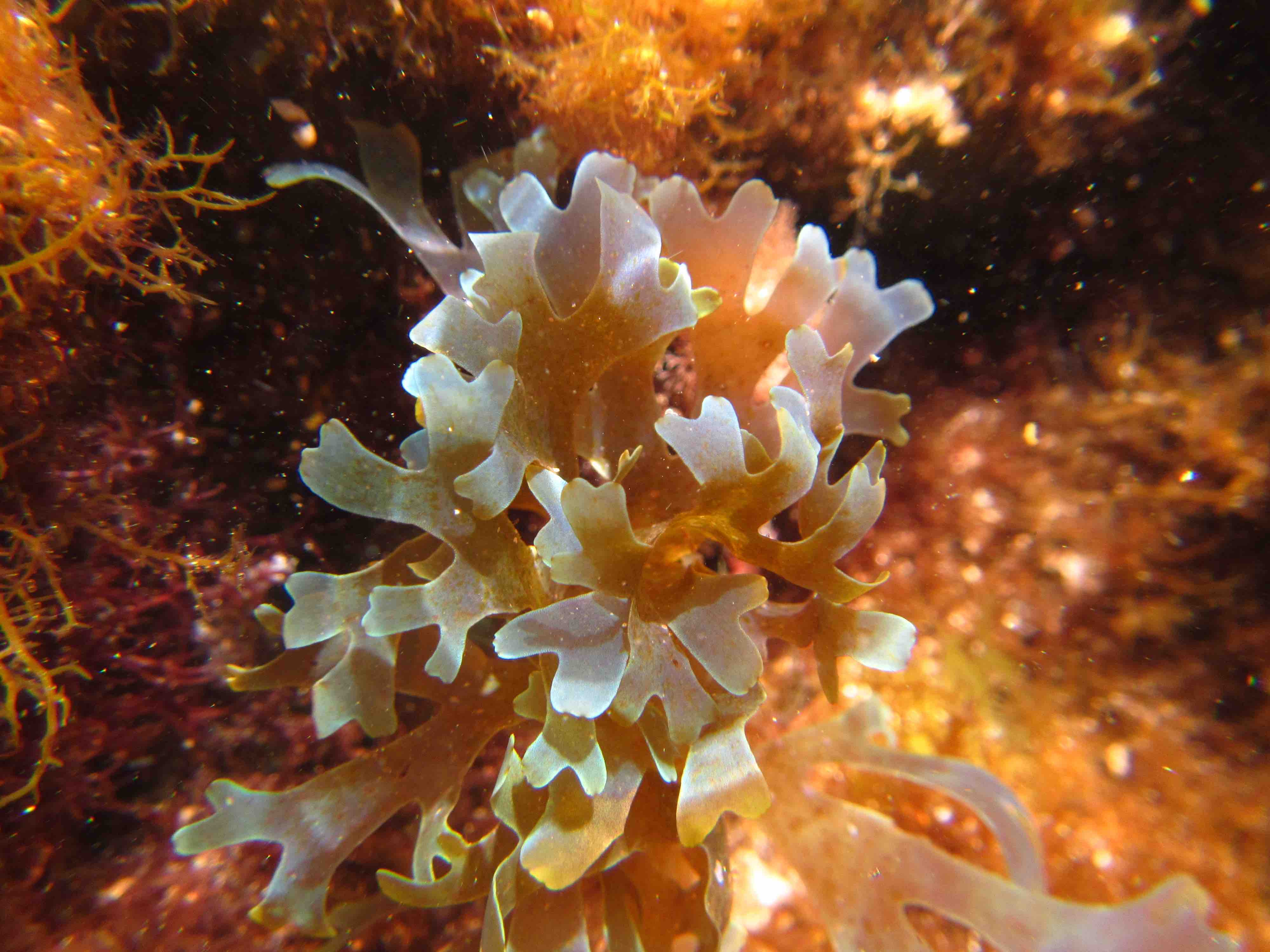
Above: Meadow of the brown seaweed Lobophora in the Canary Islands. Photograph by Jan Ranson

In studying the factors and processes structuring marine biodiversity and distribution patterns, an unconscious (perhaps inevitable) bias towards animals vs. seaweeds is often reflected in the literature. The emphasis is essentially made on what usually are considered emblematic taxa such as corals, sponges and fishes. This trend somewhat echoes what we observe in society, where seaweeds go mostly unnoticed by the general public even though they play a crucial and irreplaceable role in the functioning of coastal marine ecosystems as primary producers.

Editors’ choice: (Free to read online for a year.)
Vieira, C, Steen, F, D’hondt, S, et al. Global biogeography and diversification of a group of brown seaweeds (Phaeophyceae) driven by clade‐specific evolutionary processes. J Biogeogr. 2021; 48: 1– 13. https://doi.org/10.1111/jbi.14047 

Seaweeds include a heterogeneous set of organisms, which have diverged into evolutionary independent lineages (brown, green and red algae). Despite their ecological importance, our knowledge on seaweeds’ biodiversity, biogeography and evolution is still very fragmentary. Not even that long ago it was not particularly uncommon for seaweed experts to claim that many seaweeds have biogeographic ranges spanning all major ocean basins and that they were present in temperate as well as tropical regions. However, truly cosmopolitan species were thought to be rare, for these needed to be present also in Arctic and Antarctic regions. Needless to say that the use of DNA-assisted species identification radically altered our view on seaweed diversity. Two decades later many so-called widespread species turned out to be species complexes sometimes comprising over a hundred individual species (e.g. Lobophora, Portiera). Alongside the development of a more accurate view of species diversity, a much improved view on distribution ranges and diversity patterns emerged with some clades conforming to a textbook latitudinal diversity gradient, while other clades displayed inverse latitudinal patterns.


Marine brown seaweeds covering the seafloor — in this case a vertical wall — in the Baleares Islands, Spain. Photograph by Christophe Vieira.

Studies focusing on large-scale biogeographical patterns in seaweed are particularly uncommon. Moreover, the factors underlying these patterns have been only rarely addressed. Generally, because species diversity was insufficiently characterized for many groups of seaweed or datasets were too small to allow rigorous statistical testing of alternative diversification hypothesis. This forced phycologists to address macroecological or evolutionary questions at genus-level, as a proxy for species level diversity. However, species- and genus-level diversity patterns and diversification dynamics do not necessarily align well, leaving many questions unanswered with respect to clade-specific drivers of diversification.


The brown marine seaweed Dictyota in the Keys, Florida, USA. Photograph by Ana Tronholm.

In this sense, the driving force behind writing this paper was the long-brewing idea of overcoming the aforementioned impediments and addressing patterns of diversification in seaweeds. To this end, we put together a consortium of phycologists with access to local seaweed diversity and joined efforts for data acquisition (collecting and barcoding). This study illustrates how patterns in distributions and diversification diverge among closely related clades as a result of contrasting evolutionary mechanisms, using the brown seaweed order Dictyotales as an example of successful diversification in the marine realm. This work marks a milestone in the study of global biogeography and diversification of marine seaweeds.


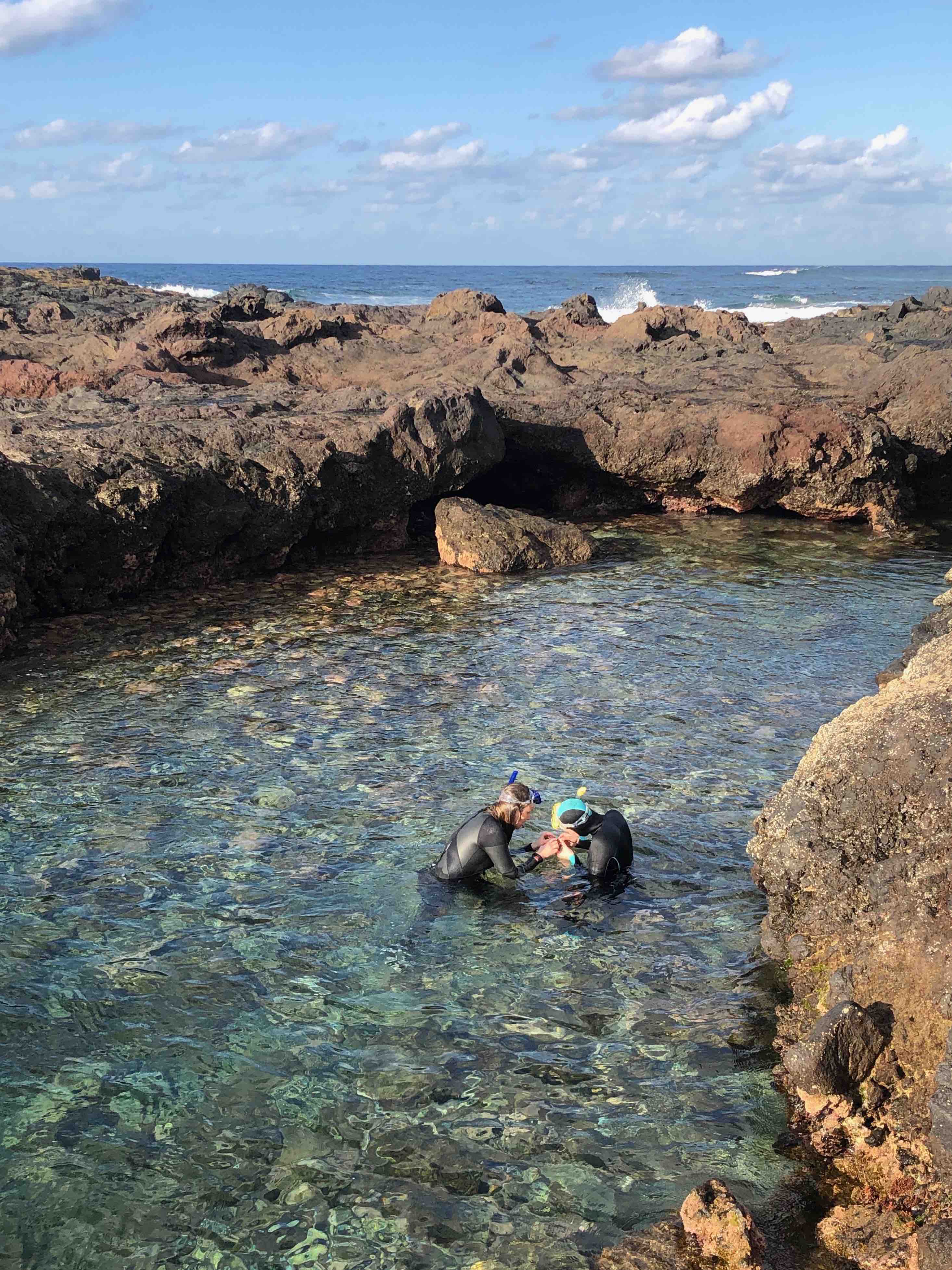
Sampling of seaweeds in Tenerife, Canary Islands. Photograph by Ana Tronholm.


Written by:
Olivier De Clerck (1), Christophe Vieira (2), Ana Tronholm (3)

1) Professor, Phycology Researh Group, Biology Department,  Ghent University. (2) Postdoctoral Fellow, Kobe University Research Center for Inland Seas, Japan. (3) Researcher, Department of Biological & Environmental Sciences, University of Gothenburg.

Additional information:
https://phycology.ugent.be/;
https://www.facebook.com/groups/Phycology.UGent/

Speciation research in Bombina: a 40 years story

Hybrid zones can be abrupt and leaky

Above: From the cover: Fire‐bellied toad (Bombina bombina) from southern Poland, where they form a famous hybrid zone with their sister species the yellow‐bellied toad (Bombina variegata). Photo credit: Christophe Dufresnes.

I was not even born when Jacek Szymura and Nick Barton initiated their pioneering research on the hybridizing fire-bellied toads Bombina bombina and Bombina variegata in the late 1970s / early 1980s. These tiny amphibians are quite distinctive in looks, sounds and habitats, but still they utterly hybridize wherever they get the chance along an extensive area of contact in Central Europe. This area soon became a playground to study hybrid zones and understand how different species are maintained apart despite interbreeding and gene flow, a major question in evolutionary biology. Dozens of papers on this iconic system, some highly influential, were published in subsequent decades.

It thus felt natural to include the B. bombina/variegata pair in my post-doc project a couple of years ago: a comparative framework of amphibian hybrid zones analyzed with high-throughput sequencing data to characterize the genetic and biogeographic features of speciation. For Bombina, we specifically aimed at testing whether the two species kept their genetic integrity everywhere they hybridize, or whether there was noticeable variation linked to their dynamic biogeographic history. And simply to revisit this famous speciation model for the first time with genome-wide markers.

Cover article: (Free to read online for a year.)
Dufresnes C, Suchan T, Smirnov NA, Denoël M, Rosanov JM, Litvinchuk SN. 2021. Revisiting a speciation classic: Comparative analyses support sharp but leaky transitions between Bombina toads. Journal of Biogeography 48(3): 548-560. https://onlinelibrary.wiley.com/doi/full/10.1111/jbi.14018  

To get fresh samples, Dr. Tomasz Suchan and I initially went into the field near Krakow in Poland, home of the first Bombina hybrid zone ever documented. But decades after Jacek Szymura cycled around these once abundant populations, most of them had since disappeared following landscape changes. Exploration of suitable habitats along the Carpathian foothills led us to discover a new contact, although now fragmented by … the E40 highway, which was precisely built along the foothills!

In parallel, we were able to resurrect a forgotten collection of specimens sampled in the 1990s by Drs. Spartak Litvinchuk and Juriy Rosanov across a wide transition zone in the Ukraine Transcarpathians, and Dr. Nazar Smirnov recently documented another area of hybridization in the Ukraine Ciscarpathians. Combined with previous literature – thanks to the support of Prof. Alexey Yanchukov – new and published data could be gathered across no less than 11 contact zones!


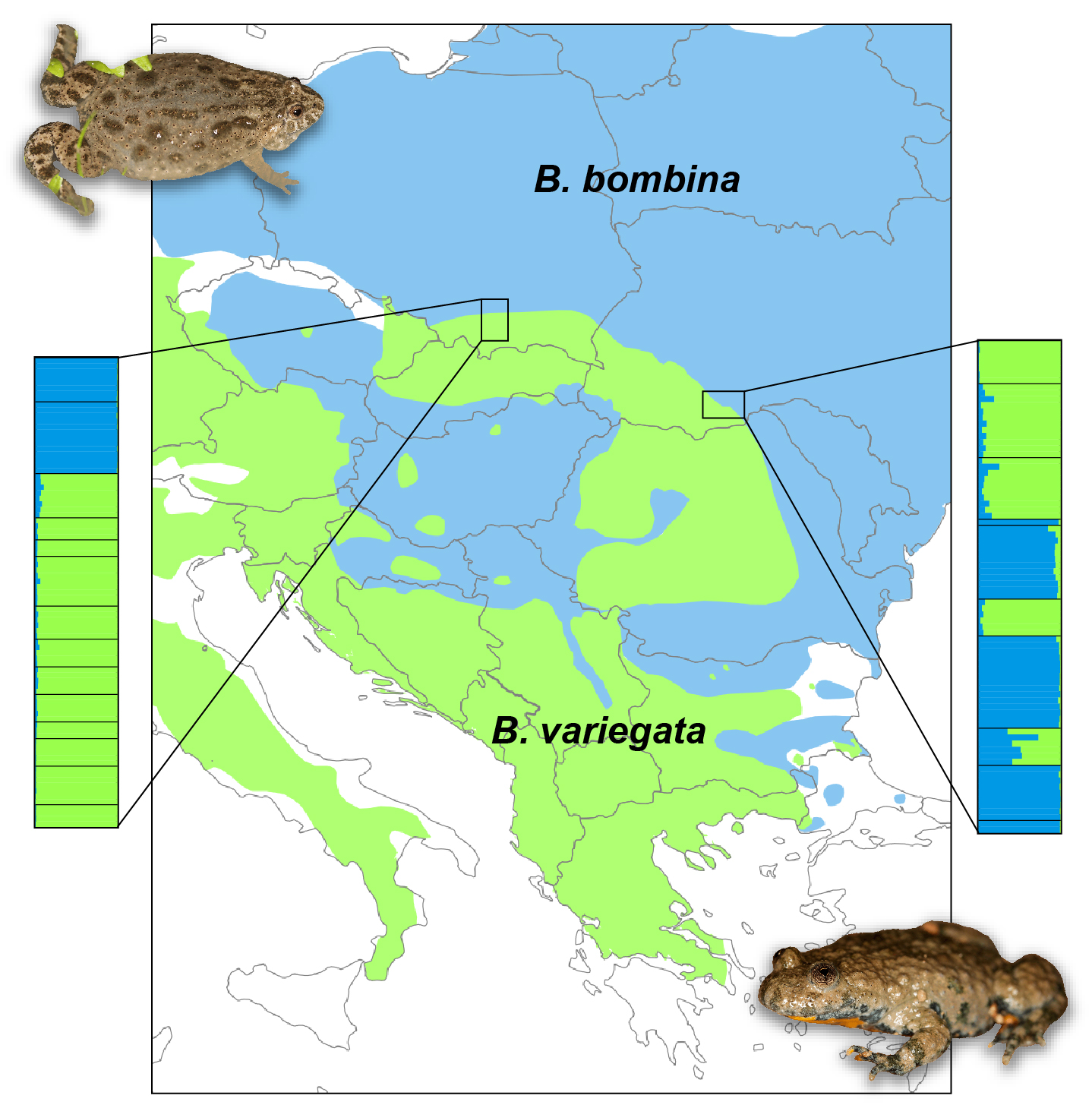
Fine-scale distributions of the two species in Central Europe, and admixture analyses of toads collected across two parapatric ranges in Poland (left) and Ukraine (right), based on genome-wide markers. In these examples, most individuals (= horizontal bars) are either pure B. bombina (blue) or B. variegata (green), but with slight admixture by the other species. Credit: Prof. Christophe Dufresnes.

Finally, to properly reconstruct the history of hybrid zone formation, we had to map the numerous lineages of each species. Dr. Mathieu Denoël spent days buried under amphibian atlases to accurately delimit range extents, which were then exploited to predict past distributions and routes of expansions from the various glacial refugia.

We were quite amazed that in all contact zones, the exact same pattern stood out: sharp but leaky transitions (hence the title of our paper), in the sense that the genomes of the two species always locally admix, but only a few alleles made it far into the foreign ranges. This means that species boundaries between B. bombina and B. variegata remain robust despite the ongoing gene exchange, probably because the hybrids are not that fit. Based on hundred-times more loci than the classic Bombina research, our study thus provides decisive empirical evidence that hybridization should not be viewed as a force of “despeciation”, as long as reproductive barriers that prevent hybrids to spread are strong enough, in the form of developmental problems or maladaptation.


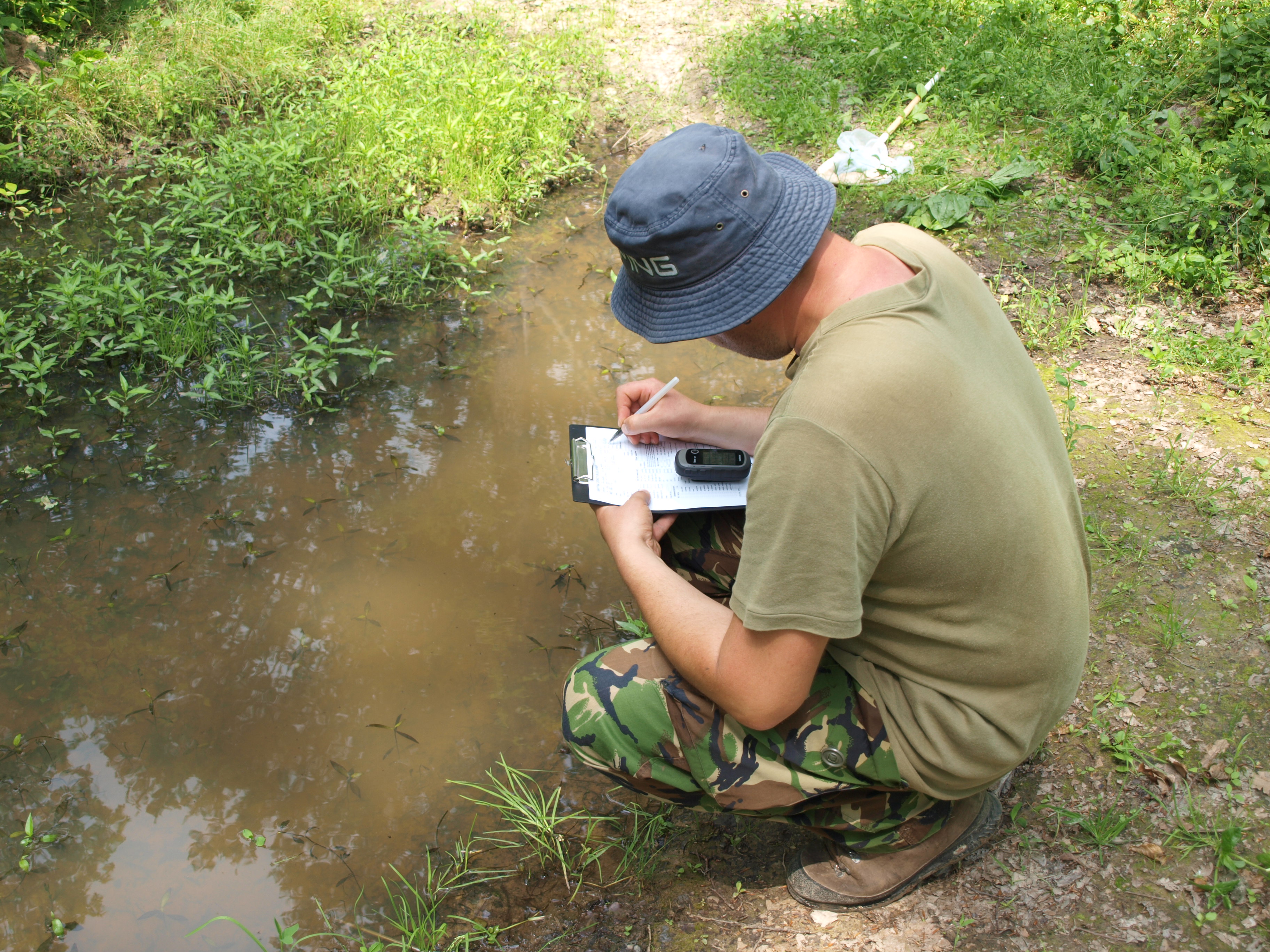
Dr. Nazar Smirnov taking notes on a B. variegata site in Western Ukraine. Credit: Dr. Ihor Skilsky.

Moreover, our results also implied that the biogeographic history of these numerous hybrid zones did not really influence how the toads mixed in the end. This was surprising since in other amphibians, we had shown that hybrid zones could have quite different genetic structures depending on the lineages involved, the time since contacts, etc. Here, such replicability indicates that when two species are sufficiently differentiated, hybrid swarms remain geographically restricted, no matter how and when the contact is established.

What next? In parallel to this publication, we have pushed analyses further to look at the genomic architecture of reproductive isolation, i.e. the number of barrier loci that cause incompatibilities between species, by comparing multiple pairs of European frogs and toads. It turns out that with their sharp transitions, the Bombina pair lies at the upper edge of the speciation continuum, where many parts of the genome ceased to admix. Another team has also been working on a reference genome, from which they have already identified the sex chromosomes. These developments mark the advent of a new exciting era for evolutionary research in the timeless Bombina model!


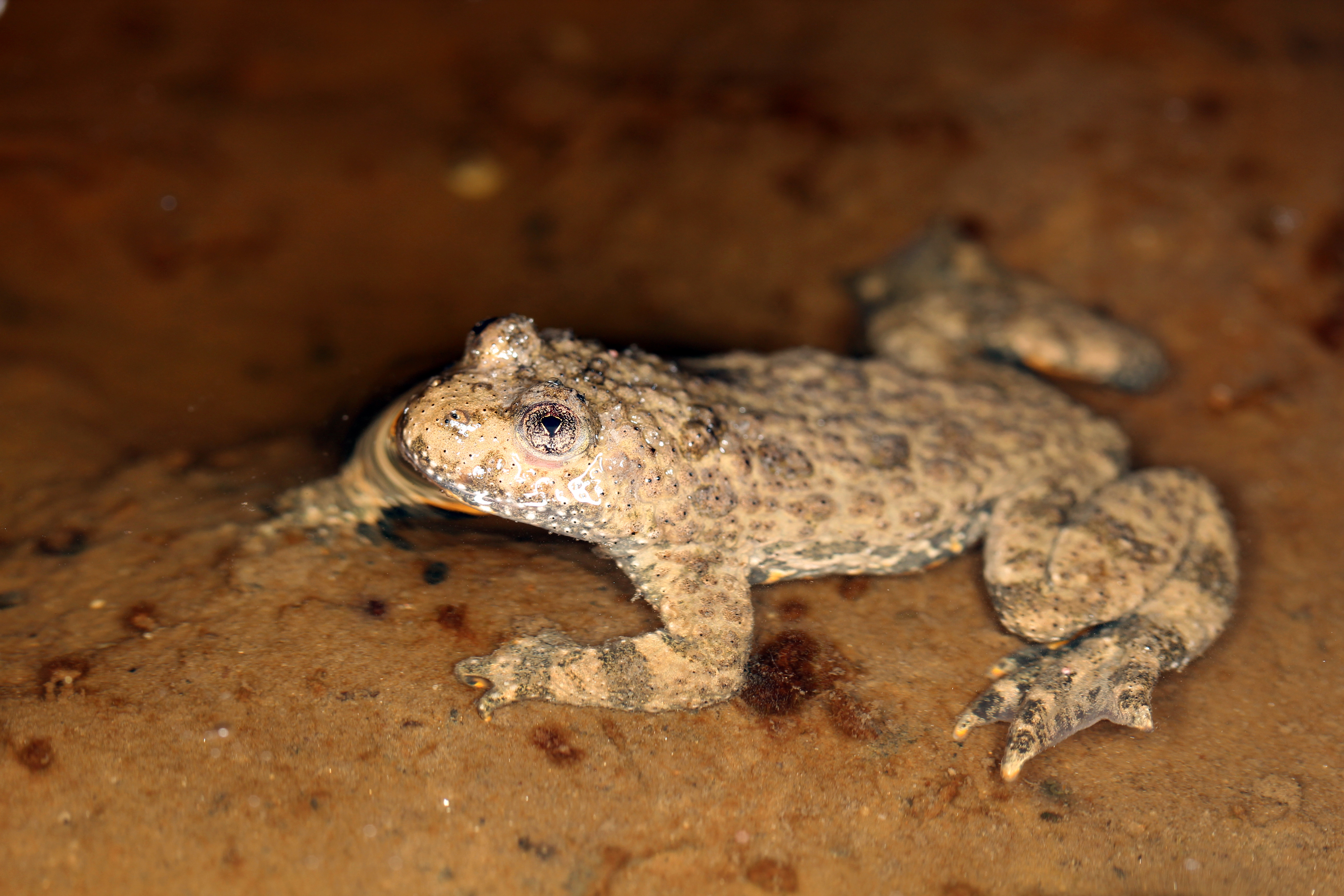
A precious finding a few hundred meters south of the E40 highway in southern Poland: a B. variegata individual (slightly admixed by B. bombina) in a forest track puddle. Credit: Prof. Christophe Dufresnes.


Written by:
Christophe Dufresnes

LASER, College of Biology & the Environment, Nanjing Forestry University, Nanjing, China.

Additional information:
https://chrisdufresnes.wixsite.com/laser

Mariana M. Vasconcellos on diversification and phylogenetic relationships of pajama frogs

Mariana Vasconcellos is a postdoc at the Universidade Federal do Rio de Janeiro. She is interested in the environmental correlates of diversification and climatic adaptation, with a large focus on amphibians and reptiles. Mariana shares her recent work on unravelling the drivers of diversification in South America’s pajama frog group, revealing some surprising phylogenetic relationships and the effects of past climates.

Mariana Vasconcellos in her natural habitat. Photo credit: Mario Van Gastel.

Personal links. Google Scholar | ResearchGate | Twitter

Institution. Universidade Federal do Rio de Janeiro

Academic life stage. Postdoc

Major research themes. Diversification and climate adaptation of Neotropical species and populations to environmental changes. My research mainly focuses on amphibians and reptiles, but occasionally plants as well.

Current study systems. How have populations and species responded to environmental changes in the past, and based on that, how will they likely respond to ongoing climate change? These questions are at the core of my research. To answer them, I first turned to the Cerrado savanna of central Brazil, where I studied the pajama treefrogs, an interesting group of which most species are endemic to this savanna. They got their name because of the stripes along their bodies, which make them look like they are wearing striped pajamas. Our goal for this study was to understand the factors that explain the occurrence of this species group in very different habitats, such as grasslands, savannas, and rainforest regions. I am now addressing signatures of environmental changes in other herps and plants in the Brazilian Atlantic Forest as well.

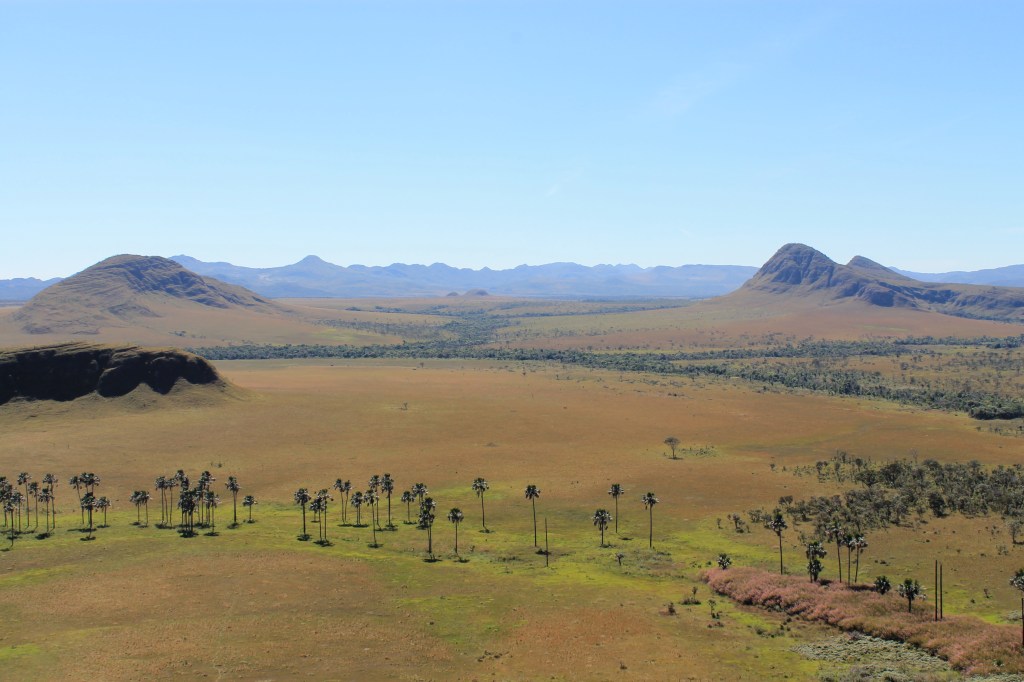
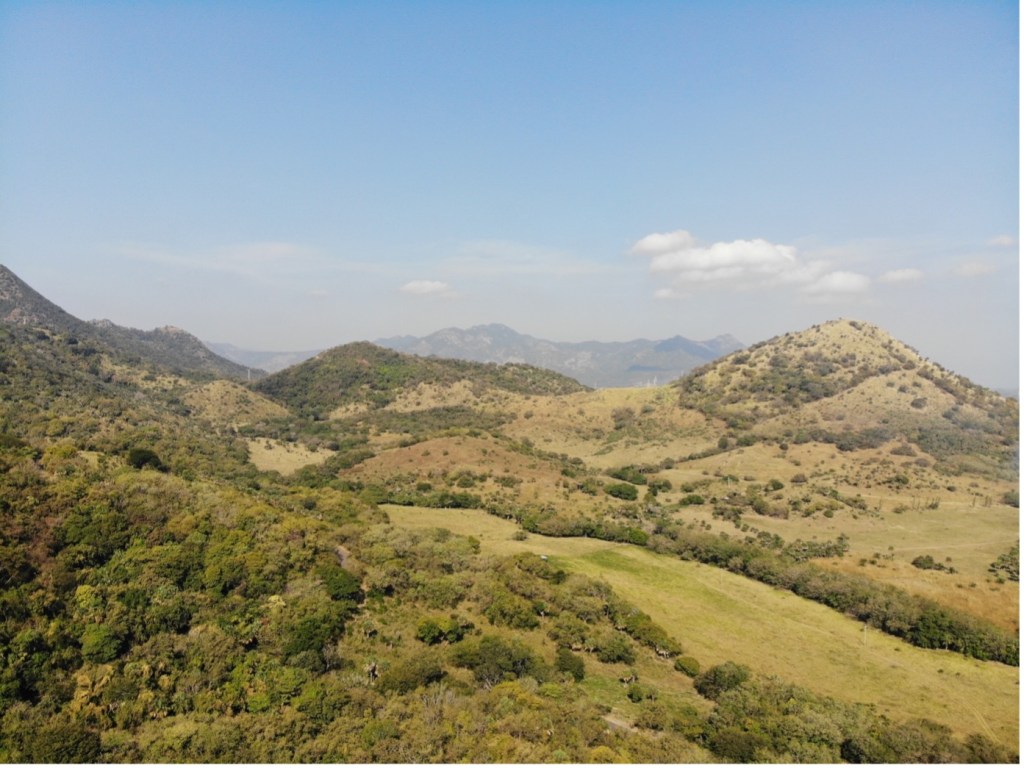
The Cerrado landscape with gallery forests meandering in the background, following small rivers, where one pajama treefrog species is found.

Recent JBI paper. Vasconcellos, M. M., Colli, G. R., Cannatella, D. C. (2020). Paleotemperatures and recurrent habitat shifts drive diversification of treefrogs across distinct biodiversity hotspots in sub-Amazonian South America” Journal of Biogeography. 48:305-320 https://doi.org/10.1111/jbi.13997

Motivation behind this paper. Pajama treefrog species occur in very contrasting habitats of open/dry or forest/humid ecoregions across South America, but the group is most diverse in the Cerrado savanna. This is quite curious, as treefrogs are mostly associated with humid habitats and are usually more diverse in forest regions. When we started our research, their phylogenetic relationships and diversification patterns were relatively unknown. Therefore, we thought that a good place to start would be to resolve the phylogenetic relationships in this group to reconstruct their biogeographic history and understand when and how they diversified in the Cerrado savanna. We noticed a very unusual biogeographic pattern of closely related species or clades distributed in regions of contrasting vegetation and climate. Based on phylogenetic niche conservatism, it is expected that closely related species inhabit similar habitats, so we decided to test the effect of eco-similarity across areas in the dispersal of these frogs over time. We also evaluated the contribution of past environmental changes, such as paleotemperatures, in their temporal pattern of diversification.

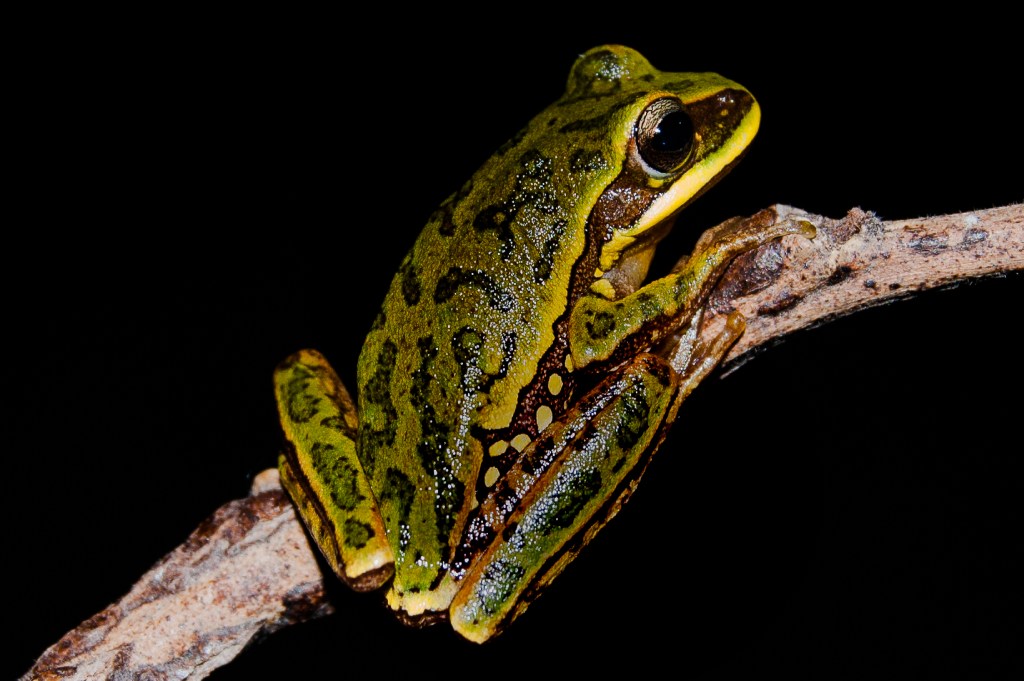
A male pajama treefrog (Boana buriti) calling to attract females. Photo credit: Gabriel Horta.

Key methodologies. To better understand how the species have dispersed and diversified across different regions, we reconstructed ancestral areas along the phylogeny using the dispersal-extinction-cladogenesis (DEC) model. We evaluated six alternative scenarios of dispersal across the Neotropics using a different dispersal rate matrix for each of our six hypotheses. For example, we tested scenarios for the ‘center-of-origin’ in either forest or open areas, and we also tested whether dispersal was more frequent across ecologically similar areas vs. simply adjacent areas (regardless of ecological similarity). In addition, using species diversification models, we identified the factors that contributed most to the variation in speciation and extinction rates over time, taking into account the effect of past climate, time and species diversity (=ecological limits) upon them.

Major results. The evolution of the gladiator treefrogs, including the pajama treefrogs, is the product of repeated dispersal events between open/dry and forest/humid regions across South America. We did not find support for a single region acting as a ‘center-of-origin’ for the group. Instead, we inferred recurrent range shifts across adjacent dissimilar regions. We also uncovered a strong influence of past climates in their diversification, with speciation rates being temperature-dependent and showing higher rates of speciation during warmer climates. This highlights the very dynamic history of some Neotropical organisms, which might be triggered by environmental changes. These changes have promoted frequent habitat shifts among contrasting adjacent habitats and impacted the rate at which new species arise, possibly contributing to the great species diversity found in the Neotropics.

Unexpected challenges and outcomes. The first main challenge of our research was to sample all the pajama treefrog species. Since most of these species have very restricted distributions, we made extensive field trips across central and southeast Brazil to collect their DNA. These frogs mainly occupy highlands and plateaus with beautiful landscapes and astonishing waterfalls, so the search for specimens was very enjoyable indeed. But after sequencing our samples, our first results turned out to be very surprising: the pajama treefrogs are in fact not a single clade, but instead, three independent clades nested in the larger Boana pulchella group of gladiator treefrogs. This unexpected result meant we had to shift our investigation to a larger group comprising a much larger geographic area across South America (including the Andes, Araucaria Forest, Pampas grassland, in addition to the Cerrado and Atlantic Forest). This change also allowed us to explore an even more complex biogeographic history for the group and to focus on the temporal diversification patterns for the larger Boana pulchella group.

A gladiator treefrog (Boana ericae), part of the larger Boana pulchella group. Photo credit: Guilherme Santoro.

Next steps. The next step in this research is to better understand species limits and the speciation process in this group, of which we have barely scratched the surface, by compiling a more complete current phylogeny for the group. We focused most of our sampling efforts on filling gaps of species sampling. Therefore, our limited population sampling for many species prevented us from confidently addressing species limits in clades where the taxonomy has historically been complicated. With the help of new collaborators, I am now increasing our sampling of the main pajama treefrog clade to include more populations and individuals in a phylogeographic study. Our new goal is to investigate the factors that promote the frequent movement of species between the Cerrado savanna and the Brazilian Atlantic Forest, with a repetitive pattern of species interchange over time.

If you could study any organism on Earth, what would it be? Definitely frogs! They are extremely diverse in tropical regions, and they come in all kinds of sizes, shapes, and colors. Their great diversity of reproductive modes and behavioral mating strategies make them especially interesting organisms to study, not to mention the many habitat specializations for arboreal, fossorial, terrestrial, and aquatic environments that evolved multiple times across different continents. They are great study organisms to understand diversity patterns in the tropics, and to address many interesting biogeographic questions. But to me, one of the best features of frogs from a researcher perspective is how easy they are to observe and collect. If you visit any preserved area in the tropics at night, provided there is surface water (running or still), you can observe several species, within arm’s reach, without the need for complicated gadgets or skills to observe and collect them.

(left) Close-up of the preferred microhabitat for a pajama treefrog species. (right) Waterfalls were frequently visited places to collect treefrogs.

Anything else to add? The current featured research in the Journal of Biogeography is the result of the first chapter of my dissertation before my research started shifting to population genomics. This manuscript was first rejected by another journal (which was indeed not a good fit), and I did not find the time to address the criticisms I received while working on my following chapters and papers before graduation. With the start of a new postdoc position, diving into a new study system with different questions, this paper was sadly neglected for quite some time until I decided to take the time needed to develop it into a new submission. I addressed the criticisms we received, reanalyzed part of the results, and developed a more interesting framework to test the diversification pattern. I had to do quite a lot of re-writing and editing as well. But it was worth it! During the peer review process, the manuscript got even stronger, with a more solid conclusion. I recognize that many of us have papers that just need a final push to be submitted. I hope this can serve as an inspiration to those lacking motivation to work on that dusty, abandoned manuscript again.

ECR feature: Axel Arango on diversity of the Seasonally Dry Forests in the Neotropics

Axel Arango is a PhD student at the Instituto de Ecología A.C. (INECOL) – Mexico. He is a macroecologist interested in untangling the patterns and processes shaping biodiversity worldwide. Here, Axel shares his work on the biodiversity patterns of the Neotropical Seasonally Dry Forests.

Axel Arango presenting his poster during the International Biogeography Society’s Humboldt 250 Meeting in 2019 at Quito, Ecuador.

Personal links. Website | Twitter

Institute. Instituto de Ecología A.C. (INECOL), Mexico

Academic life stage. PhD student

Major research themes. Evolutionary Macroecology, Phylogenetic ecology, Biogeography, Biodiversity

Current study system. My ongoing research focuses on untangling the patterns and processes shaping biodiversity worldwide, mostly using phylogenetic and macroevolutionary tools to unveil the mechanisms generating biodiversity. When I began my graduate research on these topics, I was attracted by the outstanding diversity and endemism of the Neotropical Seasonally Dry Forests and the lack of knowledge on the processes shaping their patterns despite being one of the most threatened biomes in the world due to human exploitation. This motivated me to answer some of the long-standing questions about this biome by taking advantage of recently developed and open-access databases. During this process, I realized that answering such biodiversity questions does require detailed information on several ecological and evolutionary aspects of the clades under study. Driven by this realization, I’m currently pursuing my PhD studying birds as a model system to explore and evaluate the diversification and biogeographic history across the Americas.

Recent paper in JBI. Arango, A., Villalobos, F., Prieto‐Torres, D. A., & Guevara, R. (2021). The phylogenetic diversity and structure of the seasonally dry forests in the Neotropics. Journal of Biogeography48(1), 176-186.https://doi.org/10.1111/jbi.13991

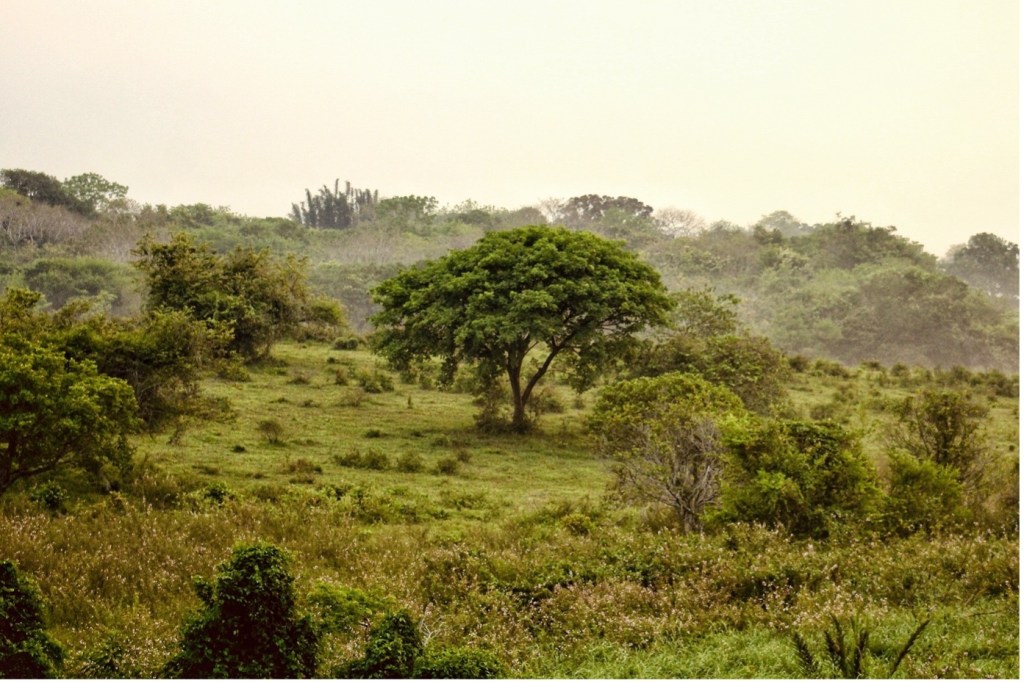
The remnants of a Dry Forest in Veracruz, Mexico.

Motivation behind this paper. This paper derived from my Master’s thesis at INECOL, which came to light when my supervisors and I got interested in describing large scale biodiversity patterns of neglected biomes, such as the Neotropical Seasonally Dry Forests (hereafter NSDFs). For more than two decades, the NSDFs had been described to present an inverse latitudinal diversity gradient, showing higher species richness away from the Equator. Several hypotheses had been posited trying to explain this phenomenon, arguing from different origin and colonization times for this biome to long-term climatic stability facilitating the diversification and expansion of these forests. However, only a few attempts tried to evaluate these hypotheses. By taking advantage of recently developed databases and exploring the climatic dynamics since the Pleistocene, we tested the geographic and evolutionary processes responsible for driving this uncommon distribution of diversity shown by the NSDFs.

Key methodologies. We used available data on woody plants distribution in the NSDFs (http://www.dryflor.info/data) and a recently published phylogeny for seed plants to estimate diversity and relatedness metrics. More than 4000 species and 800 assemblages of woody plants were used to evaluate the latitudinal gradient of the NSDFs and test if climatic stability since the Last Maximum Glacial was driving this pattern. We used different phylogenetic metrics such as phylogenetic diversity, which describes the amount of history contained within an assemblage, and the Net Relatedness Index (NRI) that describes the degree of phylogenetic relatedness (closely, distantly or randomly related) among species within an assemblage. These phylogenetic patterns can infer ecological (environmental filters, local extinction) and evolutionary (phylogenetic niche conservatism, diversification) processes that shaped the distribution and diversity of the NSDFs in the Neotropics. As such, our work was ingenious in the way it approached and evaluated the hypotheses on NSDFs diversity and distribution mainly by using comprehensive databases and state-of-the-art phylogenetic methods to solve a long-standing question on NSDF biodiversity patterns.

Unexpected challenges. Initially, we focused only on phylogenetic diversity measures to understand the latitudinal gradient of the woody plants associated with the NSDFs. However, after analyzing the results, a new question arose about what processes drove the reverse latitudinal gradient in these biomes. We decided to expand our study and test one of the most famous hypotheses explaining this phenomenon: the Pleistocene Arc Hypothesis (PAH). This hypothesis argues that the current disjunct distributions of the NSDFs were once connected during the Pleistocene’s cold and dry periods, which can be tested using climate data and phylogenetic structure metrics. However, a challenge we often face when working with these types of large datasets published by different researchers at different times is to match the taxonomy between both information sources, which might have been the most labor-intense process in this study.

A lonely Huaziche (Vachellia sp.), a common species of dry habitats in a Veracruz NSDF.

Major results. We found that the reverse latitudinal gradient showed by the NSDFs is not a result of the climatic stability since the Last Glacial Maximum, challenging one of the most prominent hypotheses previously suggested (i.e., PAH). Instead, it is likely the outcome of more intricate and deeper-time evolutionary processes. However, the idea of widespread clades in the past that subsequently fragmented into isolated lineages and diversified in situ remained valid by the evidence of several separate and unique regions composed by closely related species. Still, these isolation events and evolutionary processes may have occurred long before the Pleistocene and were perhaps associated with different timings of radiation and adaptations of the woody plants in this biome.

Next steps for this research. As part of an ongoing collaboration, we will evaluate if there’s a differential Diversification Rate at the proposed source areas of the NSDFs to argue that these places are the drivers of NSDF’s current diversity and distribution. We will also calculate measures that assess the species’ influence in ecosystem functioning (i.e., Functional Diversity) of these forests to discern how much they depart from the Phylogenetic Diversity. This approach could give us insights into the biogeographic history in these forests by explaining, for example, if its expansion was either mediated by Phylogenetic Niche Conservatism or ecological convergence.

If you could study any organism on Earth, what would it be? Dinosaurs – other than birds, of course! More specifically, all the extinct clades that inhabited the Earth millions of years ago. Extinct species can provide us with a more robust idea of processes building up biodiversity, and how cool it would be to look at all those different kinds of organisms forgotten by time?

Anything else to add? When I started working on this project, although I had experience in statistics and population ecology, I hadn’t had that much exposure to programming and only had a vague idea about community phylogenetics. Fortunately, with the help of my advisors (Fabricio Villalobos and Roger Guevara), I picked it up and built a robust project that was awarded by the International Biogeography Society at the Humboldt 250 Meeting in 2019. In hindsight, I think this combination of skills helps me better formulate and tackle broad questions about biodiversity.

ECR Feature: Audrey M. Prasetya on environmental correlates of carotenoid plumage colouration in birds

Audrey Miranda Prasetya is a PhD student at the Australian National University. She is a biogeographer interested in studying the evolutionary history of birds. Audrey shares her recent work on environmental factors that potentially drive the distribution of carotenoid-based plumage colouration in Australian passerine birds.

Presenting my honours research at the International Conference for Undergraduate Research 2018. Photo by the International Conference for Undergraduate Research.

Personal links. Twitter | LinkedIn

Institute. The Australian National University

Academic life stage. PhD candidate

Major research interests. Biogeography, Birds

Current study system. The birds found in the Indo-Australian Archipelago make up almost 10% of all bird species found globally – impressive considering the geographic area comprises just 8% of terrestrial land in the world. Many of these bird species are endemic. The unique faunal (and floral!) diversity of the Indo-Australian Archipelago can be attributed to its very dynamic geological and environmental history that resulted from massive continental plate shifts through time. Birds in the area range from beautiful tiny blue-fairy wrens, giant cassowaries, and one of my personal favourites of the region – the famous Greater Bird of Paradise.

Recent paper in JBI. Prasetya, A. M., Peters, A., Delhey K. (2020). Carotenoid-based plumage colour saturation increases with temperature in Australian passerines. Journal of Biogeography,47, 2671-2683. https://doi/10.1111/jbi.13968

Motivation behind this paper. In the early 1800’s, C. L. Gloger described patterns of geographic variation in the colour of birds. He suggested that bird colouration tends to be more intense in warmer climatic regions, particularly the tropics. This pattern has been supported for colour variation due to the deposition of melanin pigments, but, less work has been done on other types of colouration. Here we focused on colouration that depends on carotenoids – plant pigments that cannot be produced by birds themselves and must be obtained through their diet. It is therefore possible that the amount of carotenoids available in the environment determines the intensity of carotenoid-based colouration, and that this explains geographic patterns of variation in bird colour.

Live forms of the specimens showing off their colours! (left) The Scarlet Robin (Petroica boodang), and (right) the Crimson Finch (Neochmia phaeton) and one of my personal favourites. Photos by Kaspar Delhey.

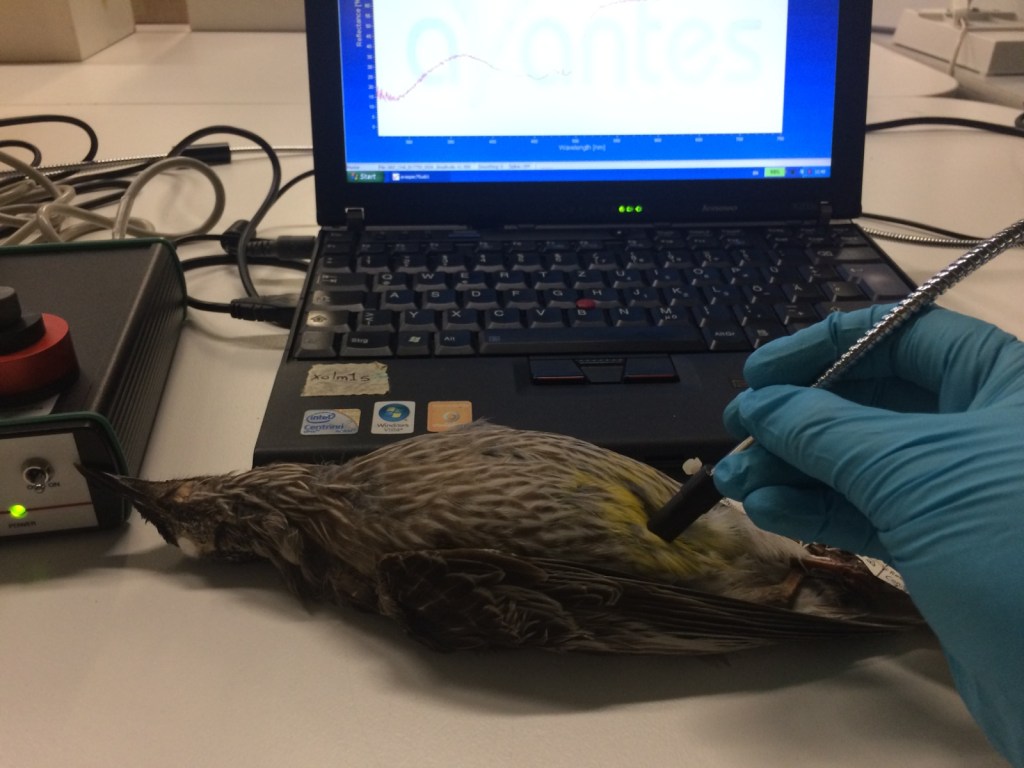
Key methodologies. We systematically tested whether environmental factors correlate to patterns of intraspecific geographic variation in carotenoid-based colouration in a wide range of species. In our study, we measured 2000+ specimens from forty-nine selected species of Australian passerines with carotenoid-based plumage colouration. Unlike previous studies, we attempted to establish consistent patterns of intraspecific geographic variation of carotenoid-based plumage colouration by measuring a wide range of species and randomly selecting them to minimize taxon selection bias. Plumage colouration was measured using reflectance spectrometry and then analysed using linear models to determine whether geographic variation was correlated with latitude, temperature, rainfall, or primary productivity. These environmental variables were selected to include factors identified by Gloger (latitude, temperature) and those that might indicate carotenoid availability in the wild (precipitation, plant productivity). We the used meta-analytical techniques to combine the effects across the different species and test for general patterns.

Museum specimens, lined up for colour measurements.

Major results. Although we did find an overall latitudinal and temperature effect in carotenoid-based colouration (more intense colours at lower latitudes and higher temperatures), we did not detect an effect of precipitation and plant productivity, which we hypothesised to be contributors to spatial variation in carotenoid-based colouration. A possible reason behind this is that perhaps the intensity of carotenoid-based colours is not as limited by carotenoid availability as we first thought but by other factors. Another potential explanation for the correlation with temperature could be the newly discovered close links between carotenoid and cellular metabolism in birds. We also predicted that the effect we found would be stronger in yellow then red carotenoid-based colours due to previous research – but we found the opposite! The spatial variation we found could match latitudinal variation of other selection pressures such as predation risk, sexual selection, and parasite prevalence.

Measuring carotenoid colour patches using a spectrometer in the Melbourne Museum.

Challenges you faced on the way. At the start of the project, we randomly chose fifty passerine species. However, we needed enough specimens per species to get a good enough average of the species’ colour reflectance. I had to check that each species had at least twenty male specimens listed in Museums Victoria and Australian National Wildlife Collection specimen database. Unfortunately, the problem did not end there! It became clear after my first visit that I was unable to obtain decent measurements from some of the specimens from our original list of species. Some specimens had unclear labels without a location, or I could not determine its sex. Some were moulting so the feathers were not showing carotenoid colours. Other birds had missing feathers or no carotenoid patch due to the taxidermy process. In the end, I had to drop one of the species as there were not enough specimens to get a good sample size. Not everything will happen as planned in an initial research proposal!

Next steps? Although we observed a latitudinal gradient in carotenoid colouration, we still do not know what the underlying mechanism for this pattern is. Therefore, the next steps for this research are to test for other possible drivers of geographic variation that may have correlated with the latitudinal effect we found. This may include testing for the effects of predation risk, sexual selection pressure, parasite prevalence or variation in cellular metabolism. Furthermore, it would be interesting to see if the pattern we found holds true to birds in other continents and regions.

If you could study any organism on Earth, what would it be? As an Indonesian I would love to study our amazing Indonesian fauna – which I am technically doing! There is so much amazing wildlife that deserves research love and attention. Other than that, as a self-proclaimed ‘museum nerd’ it would be a great pleasure to work on specimens collected and handled by the great naturalists of our time such as Darwin, Wallace, John Gould, … the list goes on!

Anything else? A lot of people think that I travelled a lot to collect all my data as it had to encompass a large amount of area – both during Honours and now for my PhD. Although I would have loved to go around my study area, I have found an immense passion for natural history collections in museums. Not only is it incredibly surreal to be able to meet all the different species from around the world in a single location, but there is also something really special about reading little handwritten tags of collectors in the past (and present!) and the care put into each specimen during capture, preparation, and conservation. There is so much story behind a single specimen and to be able to be take part in unravelling a portion of this story through research is an incredible honour.

ECR Feature: Evan Whiting on species richness in snakes and lizards

Evan Whiting is a PhD candidate at the University of Minnesota. He is a herpetologist interested in understanding the diversification and biogeography of reptiles. Evan shares his recent work on latitudinal and environmental clines (or lack thereof) across and within different snake and lizard clades in continental North America.

Evan Whiting enjoying a hike in Florida, looking for lizards and other wildlife.

Personal link. Twitter | Webpage | Google Scholar

Institute. University of Minnesota

Academic life stage. PhD candidate

Major research themes. Palaeontology, Herpetology, Ecomorphology, Biogeography, Systematics

Current study system. I’m currently studying squamate reptiles (lizards and snakes), one of the most diverse groups of modern vertebrate animals (>11,000 recognized species). I’ve always been fascinated by squamates and other reptiles, which have an incredible evolutionary history and wide range of different ecologies. Squamates are ectothermic (‘cold-blooded’), so their body temperature and metabolism depend on external conditions in their habitat, like heat from sunlight and shade from trees. Thus, squamates are useful barometers for the climate and environment, so understanding their past and present distributions can tell us a lot about their ecosystems, as well as how they may respond to climate change.

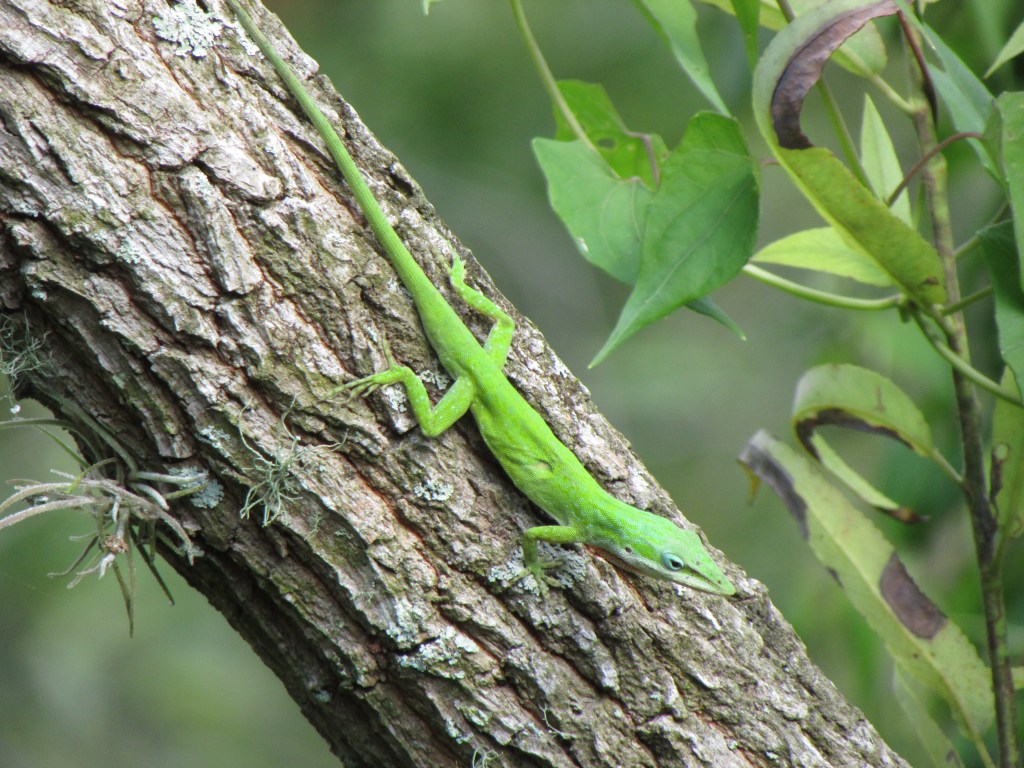
Green Anole (Anolis carolinensis), one of the most widespread species of anoles in continental North America.

Recent paper in JBI. Whiting, E.T. and D.L. Fox. 2020. Latitudinal and environmental patterns of species richness in lizards and snakes across continental North America. Journal of Biogeography. https://onlinelibrary.wiley.com/doi/epdf/10.1111/jbi.13996

Motivation behind this paper. Most modern terrestrial vertebrate animal groups, including squamates, follow a latitudinal diversity gradient, with a greater number of species at lower latitudes. Studies addressing these gradients have typically focused on explaining broader patterns and larger groups, rather than breaking them down into their constituent clades, which might not all follow the same biogeographic and environmental patterns. We wanted to compare the latitudinal gradients of different types of North American lizards and snakes on a clade-by-clade basis. We wanted to determine if they are all driven by the same environmental factors (temperature, moisture/precipitation, topography), and assess how the geographic distributions of different squamate clades relate to the major North American biomes.

Prairie Rattlesnake (Crotalus viridis), a viperid snake widely distributed throughout the Great Plains region of North America.

Key methodologies. To study the latitudinal diversity gradients of lizards and snakes, we first used GIS software to build an equal-area grid system (100 × 100 km cells) spanning all of continental North America, from Canada to Panama. Our grid includes data for 10 climatic and topographic variables, as well as species richness data compiled from the geographic ranges of over 1,000 modern squamate species. Using the data from our new grid, we then constructed latitudinal diversity gradients and multiple linear regression models for each lizard and snake clade in our study to test for potential relationships between species richness and different climatic and topographic variables. We also documented squamate diversity across all major North American biomes and investigated whether species richness is strongly associated with biome area or biome variety, which we used as a proxy for habitat heterogeneity.

Major results. We found that lizards and snakes both exhibited strong latitudinal diversity gradients overall, although the snake gradient was substantially stronger than the lizard gradient. When we broke these larger gradients down, we found that many of the individual clades in our study did not follow strong latitudinal diversity gradients. Additionally, our multiple linear regression models demonstrated that not all the individual lizard and snake clades followed the same environmental patterns as squamates overall, although species richness was strongly positively correlated with temperature variables for most clades. We also found that lizards were generally more strongly associated with habitat heterogeneity than snakes, with a few exceptions. Our statistical results and grid-based species richness maps show that different squamate clades follow different latitudinal and environmental patterns, thereby demonstrating the importance of deconstructing latitudinal diversity gradients to evaluate their underlying structures and environmental drivers.

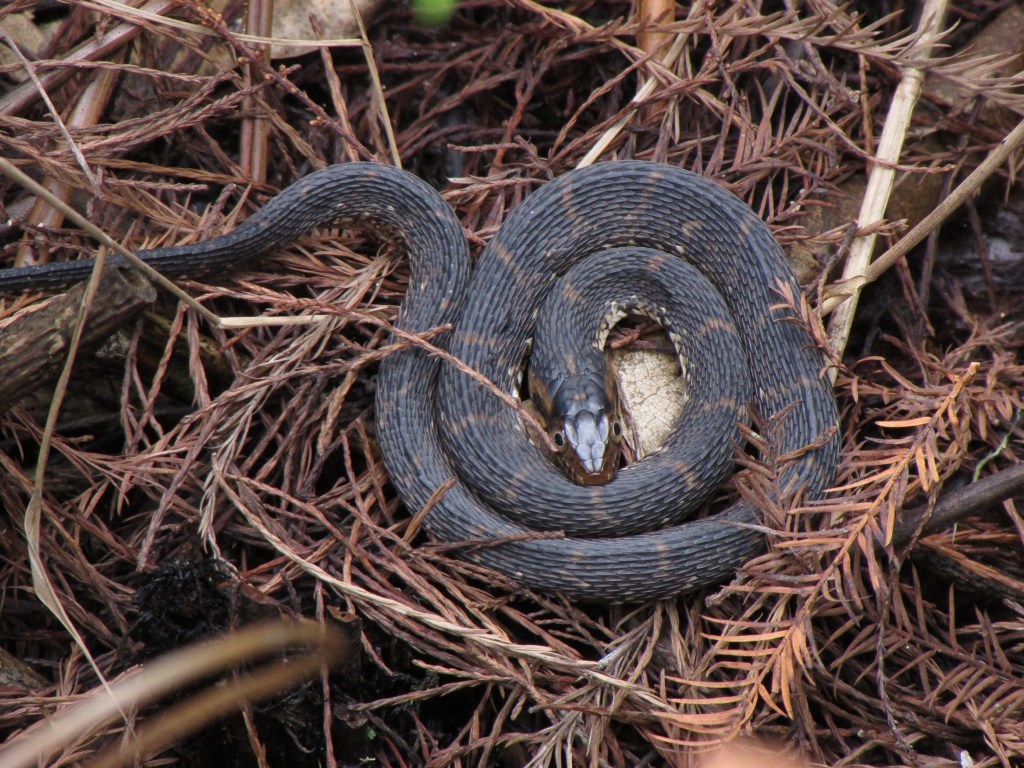
Southern Watersnake (Nerodia fasciata), a natricine colubrid snake native to the southeastern United States.

Challenges and unexpected outcomes. This was a completely new type of research project for me, so learning how to assemble the GIS data and code/conduct all of my analyses in R was admittedly quite challenging and outside of my comfort zone (i.e., bones and fossils). I certainly learned a lot though, particularly during the very helpful and constructive revision process. One of the most unexpected outcomes we found was that our regression models were not heavily influenced by underlying spatial structure in the species richness data, indicating that climate and topography are very strong predictors of squamate species richness. Another somewhat surprising outcome we found was that most of the individual lizard and snake clades in our study did not exhibit particularly strong latitudinal gradients, despite squamates overall displaying a very strong latitudinal diversity gradient.

Next steps? Our research complements and opens the doors for additional questions, such as how quickly different squamate clades respond to environmental perturbations and the geologic antiquity of modern biogeographic patterns. We know from previous studies that many of the modern latitudinal diversity gradients we observe for groups like mammals did not exist in the deep past, but we do not know if this was also the case for ancient lizards and snakes. This necessitates further systematic work on fossils from different regions and time intervals in order to improve our understanding of squamate evolution and distributions, which translates to lots of exciting future research opportunities and discoveries!

If you could study any organism on Earth, what would it be? I would like to continue studying reptiles, as they are my favorite animals and there is still so much that we do not know about them. I’m especially excited about studying fossil reptiles, which offer a unique opportunity to travel back in time and address questions about evolution, ecology, and biogeography in the deep past.

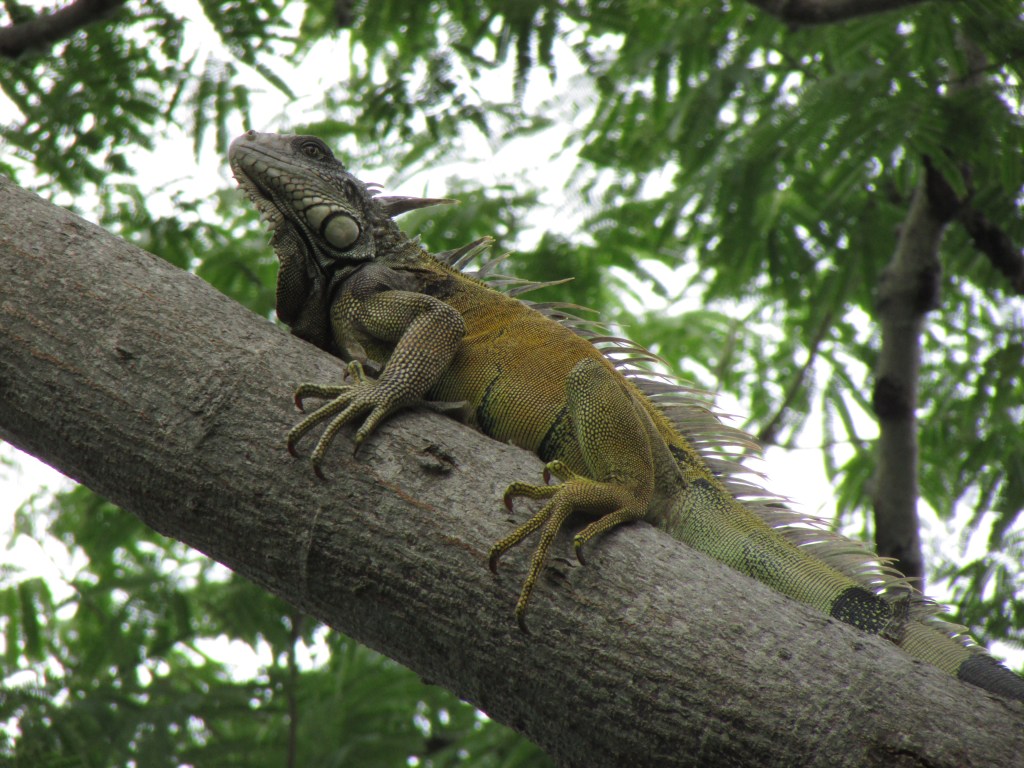
Green Iguana (Iguana iguana), a common iguanian lizard native to the Neotropics.

ECR feature: Victor Noguerales on spatio-temporal dynamics shaping genetic variation

Victor Noguerales is a postdoc at the Instituto de Productos Naturales y Agrobiología in the Canary Islands – Spain. He is a phylogeographer interested in elucidating the mechanisms generating biological diversity, from populations to communities. Here, Victor shares his work on spatial hypotheses testing the processes promoting the genetic structure in a halophilic grasshopper.

Víctor Noguerales after completing a soil sampling campaign in Troodos mountain range, Cyprus (Photo credit: Emmanouil Meramveliotakis).

Personal links. Website | Research Gate | Twitter

Institute. Instituto de Productos Naturales y Agrobiología (IPNA-CSIC) – Tenerife, Canary Islands, Spain.

Academic life stage. Postdoctoral researcher

Major research themes. I am interested in studying the mechanisms shaping spatial patterns of genetic variation at different biological levels of organization, from populations to communities. To deal with this question, I harness the power of genomic data, which I integrate into a multidisciplinary framework. In this sense, my research aims to decipher how geography, landscape structure and climate, along with their spatio-temporal dynamics, determine (i) gene flow patterns among populations (population genetics), (ii) diversification among lineages and species (phylogeography and phylogenetics) and (iii) composition and assembly of ecological communities (metabarcoding and community ecology). Broadly speaking, I am trying to provide some insights into our understanding of how biological diversity arises and responds to changing abiotic and biotic factors over space and time.

Current study system. I am fascinated by arthropods as they are highly diverse, exhibit a tremendous ecological and morphological diversity, and, in general, are poorly known fractions of biodiversity. During recent years, I have been studying grasshoppers with a special emphasis on taxa distributed in montane and halophilic (i.e., environments with high salt concentrations) habitats and whose evolutionary histories are often determined by intricate phenomena of geographic isolation and hybridization. Most recently, I am turning my attention to study soil arthropod communities (e.g., mites, springtails and beetles), which I use as study models to understand processes structuring spatial biodiversity patterns across forest habitats of Mediterranean islands.

Female and male of the saltmarsh band-winged grasshopper (Mioscirtus wagneri) on the typical salt crust covering the hypersaline lagoons during summer period (Photo credit: Pedro J. Cordero).

Recent paper in JBI. Noguerales, V., Cordero, P.J., Knowles, L.L. & Ortego, J. (2020) Genomic insights into the origin of trans-Mediterranean disjunct distributions. J. Biogeogr. 2021;48:440–452. http://dx.doi.org/10.1111/jbi.14011

Motivation behind this paper. Previous research had investigated the factors underlying the phylogeographic structure of the saltmarsh band-winged grasshopper within the Iberian Peninsula. However, the questions concerning (i) the putative relict character of the western European populations and (ii) the tempo and mode of diversification throughout its entire Mediterranean distribution remained unexplored. Dispersal followed by vicariance promoted by the desiccation of the Mediterranean Sea during the Messinian Salinity Crisis (5.93-5.96 Ma) has been traditionally proposed as the driving factor behind the disjunct distribution that this and many other Mediterranean halophilic organisms currently exhibit. However, could more recent landscape change events have shaped similar distributional patterns? Whether to support or reject these hypotheses has long remained unclear given the paucity of empirical studies that have explicitly evaluated the relative importance of ancient versus contemporary landscape dynamics. That is, two motivations triggered the development of this study: we had a highly suitable study system for shedding light into this long-standing biogeographic paradigm, and we hoped to gain novel insights using a spatially-explicit perspective.

Halophilic vegetation in Peñahueca lagoon (Toledo, Spain) which constitutes the habitat of saltmarsh band-winged grasshopper (Mioscirtus wagneri; Photo credit: Pedro J. Cordero).

Key methodologies. This study combined methodological tools from landscape genetics (spatially explicit testing of biogeographical hypothesis) and phylogenomics (genealogical inference and divergence time estimation). Briefly, we constructed alternative scenarios of contemporary and historical population connectivity corresponding to the spatial configuration of emerged landmasses and climatically suitable areas during the present-day, Last Glacial Maximum (21 kya) and Messinian period (5.93-5.96 Ma). Then, we inferred gene flow for each hypothetical scenario by modeling individual movements over the landscape in a similar way to an electric circuit (i.e., circuit theory). Finally, the landscape scenario with the highest statistical support (i.e., the one best explaining the observed population genetic differentiation) was further assessed in the light of coalescent-based inferences of divergence times and phylogenomic relationships among populations. This multidisciplinary perspective combining genome-wide nuclear data and high-resolution spatial information arises as a powerful approach to provide key insights into our understanding of how local landscape dynamics ultimately shape biogeographic patterns.

Unexpected challenges. The saltmarsh band-winged grasshopper only inhabits scattered patches of a particular vegetation type associated with hypersaline lagoons that present a highly fragmented distribution at local and regional scales. Although it has specific ecological requirements, this grasshopper is not narrowly distributed but shows a transcontinental distribution range: from Iberia to northern Africa, the Middle East and beyond. This definitively sounds very appealing from a biogeographic point of view. Yet, sampling individuals and populations of this species across the Mediterranean is like looking for a needle in a haystack. So, probably the most challenging aspect of this study has been to collect enough samples from all the putative subspecies across its entire Mediterranean distribution range. Gathering all the samples took a long time (about seven years), but it was an amazing experience. Those steppe-like halophilic habitats are some of the most beautiful landscapes that I have ever contemplated!

(right) Male saltmarsh band-winged grasshopper (Mioscirtus wagneri); (left) Detail of the leaves of shrubby sea-blite (Suaeda vera), the host plant which the saltmarsh band-winged grasshopper (Mioscirtus wagneri) depends for feeding and shelter (Photos credit: Pedro J. Cordero).

Major results. Our analyses revealed that the genetic variation pattern of the species is the result of a post-Messinian colonization process followed by habitat fragmentation driven by Pleistocene climatic fluctuations. Of particular interest is the result demonstrating the permeability to gene flow of the Strait of Gibraltar, a phenomenon linked to the sea-level drops occurring during the Pleistocene cold stages. Such findings would highlight the capability of the species, despite its limited dispersal ability, to track and colonize suitable habitats during the last thousands of years. These results thus contradict prior hypotheses on the determining role of ancient range expansions during the Messinian Salinity Crisis (5.93-5.96 Ma) and long-term persistence in relict habitats in shaping the disjunct distribution of numerous steppe-like and halophilic Mediterranean organisms. Overall, this study stresses the power of bridging spatially explicit approaches and phylogenetics within the field of evolutionary biogeography to discern the relative role that different historical and contemporary landscape dynamics have played in promoting the observed biogeographic patterns.

A view of the Salicor lagoon (Ciudad Real, Spain) in early summer, showing the typical halophilic vegetation ring (Photo credit: Pedro J. Cordero).

Next steps for this research. The next steps revolve around our unexpected finding of the highly divergent lineages that present a parapatric distribution in Northern Africa. This finding opens the door to investigate the extent to which local adaptation followed by reinforcement and neutral processes linked to long-term isolation in cryptic refugia have synergistically determined that striking genetic differentiation pattern. The answer to this question would require a fine-scale sampling along the potential contact zones in Morocco and Tunisia, so we are planning further fieldwork in northern Africa, which I have wished for a long time!

If you could study any organism on Earth, what would it be? I feel lucky as I am studying the organisms that I most like on Earth. However, a different group of arthropods has lately attracted my attention: pseudoscorpions (Arachnida: Pseudoscorpiones). The first time I saw a pseudoscorpion in nature was just a couple of years ago while collecting soil mesofauna from leaf litter of golden oak forests (Quercus alnifolia) in Cyprus. And, honestly, I got impressed! They look so cool with their tiny pedipalps! Pseudoscorpions are an ancient lineage of arachnids whose origin dates back to the Devonian period. They are very small organisms (< 3-4 mm, at least the species I have spotted), so they easily go unnoticed. Despite their small body size and – apparently – reduced dispersal capability, they can actually move long-distances by attaching to other arthropods like flies and beetles, or even to some mammals, including bats. Amazing, isn’t it? I must admit that my knowledge about this group is still very limited, however, I wonder how much cryptic diversity they might hide and how their particular mode of dispersal affects their biogeographic patterns.