ECR feature: Juan David González-Trujillo on processes shaping beta diversity

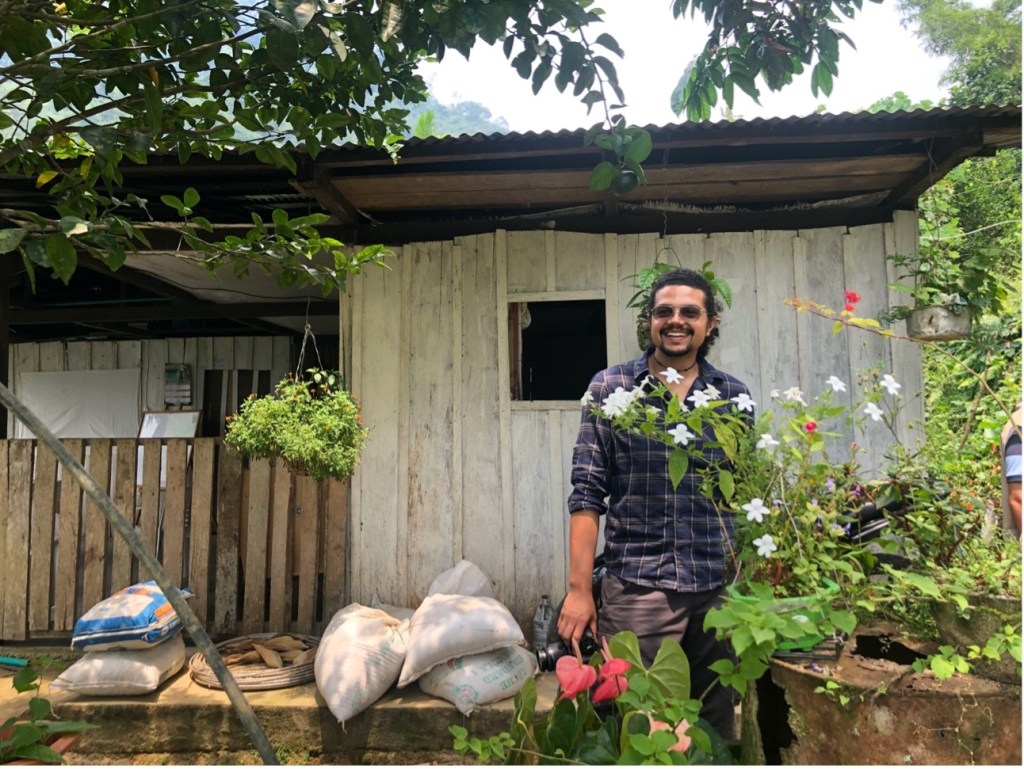
Juan David is a postdoc at the Museo Nacional de Ciencias Naturales in Spain. He is an ecologist interested in explaining how historical events shape current biodiversity patterns. Here, JD shares his recent research on how past and current processes impact beta diversity in Neotropical streams.

Juan David González-Trujillo is a postdoc researcher at the National Museum of Natural Sciences (Madrid, Spain).

Personal links. Research Gate | Twitter

Institute. Museo Nacional de Ciencias Naturales (Madrid, España)

Academic life stage. Postdoctoral researcher

Major research themes. My research interests are in the intersection between community ecology and historical biogeography. I am particularly interested in understanding how historical events have shaped current biodiversity patterns and how they allow us to forecast future changes.

Current study system. I did my master’s and Ph.D. studies on freshwater biodiversity, focusing majorly on disentangling the community assembly process. However, I partially left that field after finishing my doctoral dissertation. The reason? As you may read in our JBI paper, we cannot understand present-day biodiversity without understanding each region’s historical background, ecosystem, or study system. So, I wanted to dig deeper into “the past of the present-day patterns“. That desire comes true as a postdoc researcher since I am currently exploring how climate shaped mammal’s food web structure during the Pleistocene. To do so, I train machine learning algorithms to retrodict paleo-communities’ trophic structures and then check the predictions against the fossil record.

Recent paper in JBI. González‐Trujillo, JD,  Saito, VS,  Petsch, DK,  Muñoz, I,  Sabater, S.  Historical legacies and contemporary processes shape beta diversity in Neotropical montane streams. J. Biogeogr. 2021; 48:101–117. https://onlinelibrary.wiley.com/doi/10.1111/jbi.13986

Motivation behind this paper. Previous studies have revealed that species turnover may be partially or entirely shaped by historical drivers linked to past climatic (e.g., temperature oscillation) and geological (e.g., mountain uplift) events. However, the study of such interplay between ecological and evolutionary processes is biased towards terrestrial communities. In riverine ecosystems, for instance, research has focused on determining the effect of contemporary drivers, such as the network’s dendritic structure or the flow regime. Therefore, we wanted to fill such a gap by testing if past events have contributed to shaping present-day biodiversity in montane rivers. We chose montane rivers as they host high biodiversity and provide essential benefits to human societies, yet still are inadequately studied.

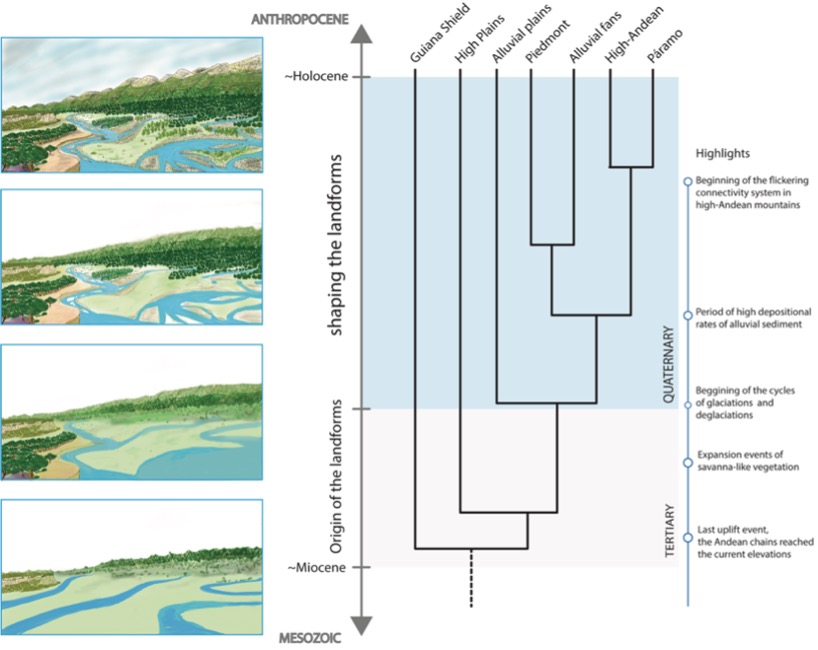
Key methodologies. Modeling the effect of historical legacies among contemporary drivers is quite challenging. Our paper used a path-length matrix, which recreated the basin’s evolutionary history during the Tertiary and Quaternary. To create such a matrix, we should recover information on the geologic and climatic events occurring during the Tertiary and Quaternary that contributed to shaping the current pools of species observed in the basin. We used the occurrence of such events (e.g., uplifts and glaciation events along the Andean chains) to sort study rivers based on their time of appearance and to model their historical relationships (figure below). The path-length matrix was included among other contemporary factors, as descriptors of insect and diatom species turnover among rivers. Additionally, to have a more comprehensive picture of the interplay between historical and contemporary forces, we assessed species turnover by quantifying different facets of beta diversity, such as taxonomic, functional, and phylogenetic. These facets are rather complementary. For example, while the functional facet provides insight into contemporary processes’ effect, the phylogenetic facet can reveal the signature of those processes at the evolutionary scale.

Cladogram representing the path length matrix modeling the evolutionary history of ecoregions in the Orinoco basin (right). On the left, a graphical illustration of the hypothetical reconstruction of the Orinoco basin.

Unexpected challenges. One of the major challenges was to describe the biological traits of insect species. In the Neotropics, such information is scarce and spare. Thus, we had to go through tons of published and unpublished literature, as well as observe the individuals in the field. The latter being the funniest activity, as I spent a lot of time under the water watching invertebrates using my beach googles! A more conceptual challenge was to choose between Balsega’s and Podani’s partitioning frameworks, as the pros and cons of both frameworks have been promoted and criticized in recent years. After going deeper into their computation, we decided to include both since they can be complementary to study the functional turnover causes and consequences. Our results showed that exploring both frameworks was the right choice. While the Baselga’s framework indicated that functional spaces are similar among the Orinoco basin, the Podani’s framework indicated that functional distances are closer between taxa belonging to rivers with similar evolutionary history. Such difference suggests that even if two communities share functional spaces, their functional dissimilarity may depend on which clades belong to each community. The implications of this phylogenetic constraint on functional diversity are worth further study in the future.

Major results. Our paper provides evidence supporting that past historical events have contributed to shaping the present-day diversity and distribution of benthic communities. Specifically, historical events seemed essential in separating lineages (and taxa) in different regions regardless of the long time available for dispersal (thousands or millions of years). Therefore, we stressed that knowing the historical background of a region is essential to better understand the mechanisms supporting (meta)community-level patterns. In the Neotropics, at least, the historical background of the tropical basins seems to be required to explain beta-diversity patterns, even when contrasting disparate communities such as diatoms and insects.

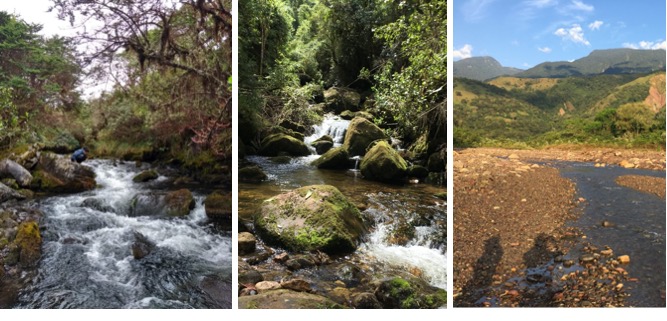
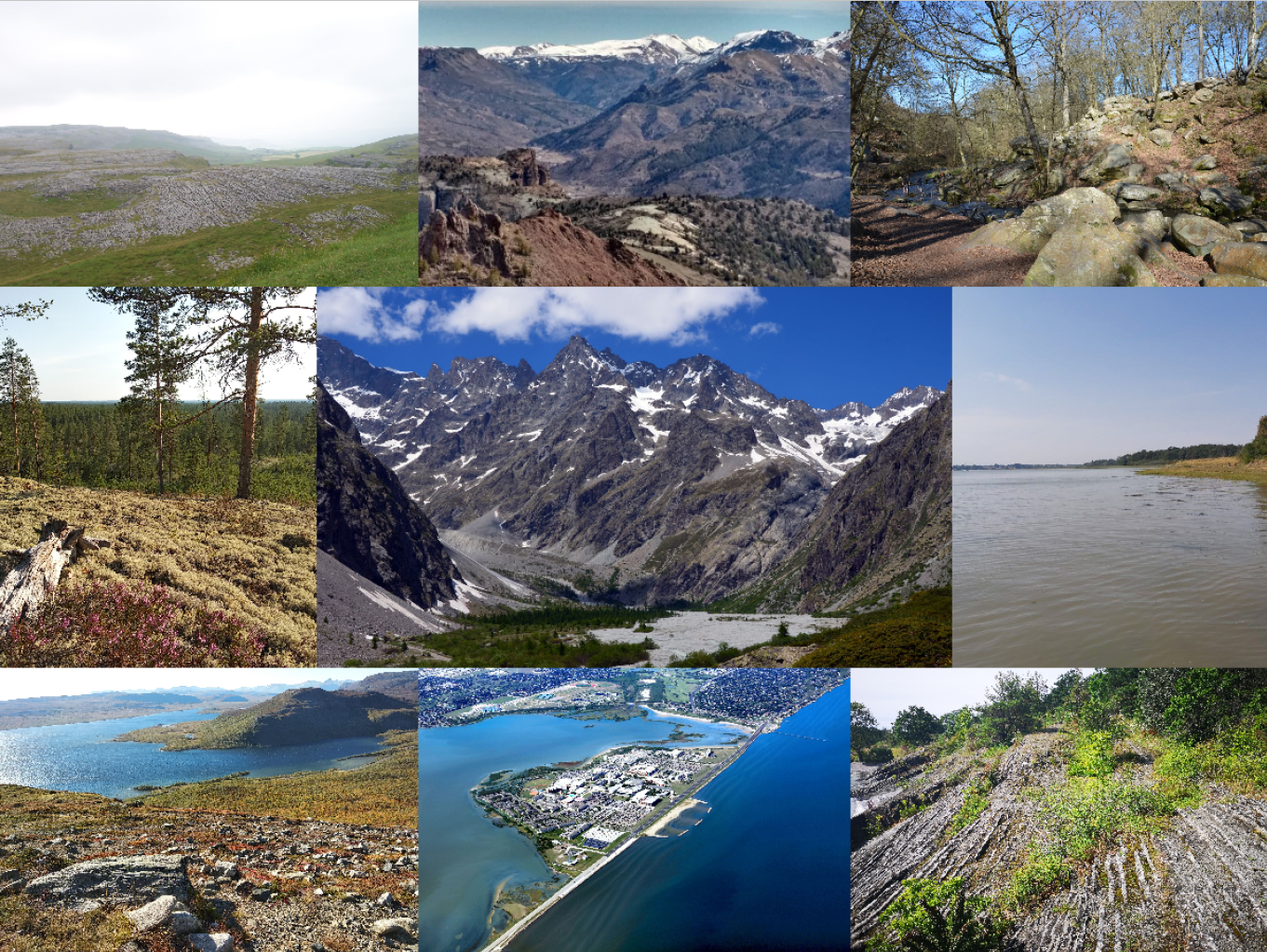
A ‘taster’ of rivers from the Orinoco basin. From left to right: Páramo, high-Andean, Alluvial fans.

Next steps for this research. The Andes are one of the greatest cradles of biodiversity in the world. A significant part of that biodiversity is due to historical events (e.g., historical isolation). Therefore, the next logical step is to expand our study area and explore the extent to which our results are generalizable along the Andean mountain chain. Besides, other tools may complement the assessment of species turnover. Including genetic information and phylogeographic methods, for instance, would be useful to disentangle historical legacies from contemporary processes. In this regard, I am currently exploring the phylogeographic patterns of several invertebrate species in a micro basin that crosses two ecoregions with distinct climatic histories.

If you could study any organism on Earth, what would it be? I want to study the ecology, genetics, and biogeography of non-biting midges (Chironomidae). Chironomidae is a widespread and mega-diverse family inhabiting all freshwater ecosystems. Biogeographers, such as Lars Brundin, have used non-biting midges to uncover dispersal paleo routes. Paleoecologists, such as Ian Walker, have used chironomid heads to reconstruct paleoclimates. Ecologists, such as August Thienneman, have found in Chironomidae a great bioindicator species for environmental pollution. Therefore, it seems to be a perfect group for performing studies in the intersection between community ecology and historical biogeography.

Anything else to add? During fieldwork, I met different people who are extraordinarily committed to nature conservation. It was amazing to talk with them, as they know a lot about nature and biodiversity. I was so surprised – and inspired – to find that they had a unique classification system of rivers and biodiversity. Some were empiric naturalists; they know where to find every fish species, its feeding behavior, preferred microhabitat, and even the mating period. Sadly, some of them are not with us anymore. The avarice for natural and mineral resources is threatening environmental leaders in Colombia. With their loss, cultural and historical legacies are also at risk.

Moving beyond species richness: Ecorichness

A new species-based metric for island biogeography

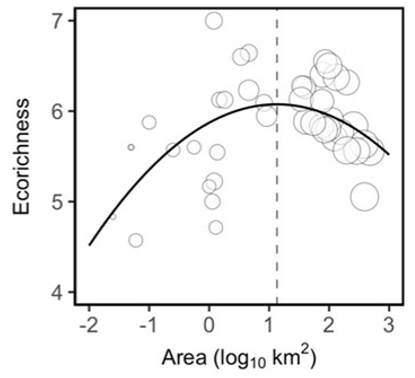
Above: The response of the new metric ‘ecorichness’ to island area for terrestrial isopods of central Aegean islands. Size of dots is proportional to the number of habitats of each island.

Habitat diversity, as an estimate of environmental heterogeneity, has been considered among the main factors shaping patterns of diversity in insular communities but its definition and measurement has not yet found a consensus among researchers. Area is the most commonly used predictor of species richness, in the absence of good information on habitat diversity. Despite controversies on how to best describe and measure habitats, their diversity should be a critical component of any robust theory of island ecology and biogeography, crucial for any synthesis of the factors shaping species diversity for a wide range of study systems. Thus far, most theories consider all species as ecologically equivalent. In real communities, though, each species covers a certain range of habitat specialization, from narrow specialists to wide generalists. The few island biogeography studies that incorporated ecological specialization, mostly used a crude binary classification of species into generalists and specialists. A step forward, therefore, will be to use a finer characterization of species’ position within the generalist-specialist continuum but this assumes a detailed knowledge of species’ habitat preferences and a meaningful classification of habitats in the study area.

In this study, we explored the effects of area and environmental heterogeneity on a metric that substitutes species richness with the standardized sum of species’ specialization range. We follow an approach that corresponds to the ‘fundamental Grinnelian specialization’ by replacing the occurrence of each species in the presence/absence matrix with the number of habitat types it exploits in the study system. Then, for a given island, we estimated the ‘ecorichness’ index by summing specialization range for the species occurring on it and standardizing for species richness.

EDITORS’ CHOICE: (Free to read online for a year.)
Sfenthourakis, S, Triantis, KA, Proios, K, Rigal, F. The role of ecological specialization in shaping patterns of insular communities. J Biogeogr. 2020; 00: 1– 10. https://doi.org/10.1111/jbi.14012

We applied the metric to a real data set with terrestrial isopods from the Aegean islands (Greece), for which we had earlier made a detailed description of species’ habitat ranges. Based on our previous work and theoretical considerations, we expected small island communities to consist mainly of generalists while specialists should be added as area increases. Such an assumption would lead to a decreasing or a unimodal ‘ecorichness’ – area curve. No matter the pattern at the left part of the curve, the right part, corresponding to larger islands, should always show a decreasing trend. Furthermore, according to our predictions, the response of ‘ecorichness’ to area should be affected by the occurrence and strength of a ‘Small Island Effect’ (SIE), and should peak at an area threshold where the contribution of generalists is maximized, decreasing afterwards due to the increasing contribution of specialists with a small additive effect on ‘ecorichness’ values. It should be noted that the predictions of our approach are not based on actual ‘ecorichness’ values but on the pattern of its response to area (or other factors). Therefore, it should work with any measurement of habitat diversity and could be used in comparisons among different systems and taxa.

In agreement with our predictions, the relationship of ‘ecorichness’ with area (on a logarithmic scale) is expressed as a hump-shaped curve, ascending for small values of area and descending for areas larger than the Small Island Effect threshold. The ‘heightening’ of the left part of the ecorichness–area curve (i.e. increase of ‘ecorichness’ values for smaller islands) after the exclusion of the narrow specialist halophilous species, is also in accordance with original predictions that communities of small islands consist mostly, but not exclusively, of generalist species, while the contribution of specialists becomes important above the SIE threshold. Implications of our approach may shed light also on the debate about the presumed possibility of negative effects of very high habitat diversity on species richness. The ‘ecorichness’ approach supports a continuous increase or, at least, a stationary richness with increasing habitat diversity, given that real communities consist of a variable mixture of specialist and generalist species.


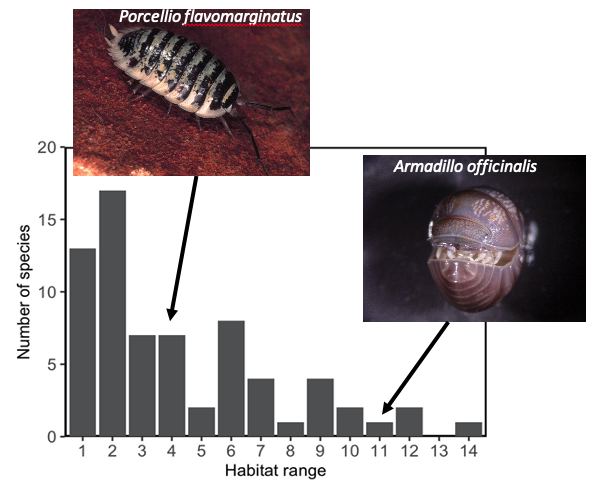
The habitat range distribution of terrestrial isopods on central Aegean islands. Porcellio flavomarginatus is a, not very narrow, specialist that exploits limestone-rich areas and rocky outcrops in dry Mediterranean habitats, while Armadillo officinalis is a generalist exploiting all Mediterranean-type ecosystems.

We believe that the ‘ecorichness’ approach can offer useful insights into processes shaping species−area, and species-habitat diversity relationships, through a quantification of the ‘ecological resource space’ used by species. Our approach falls within the general framework of a species-based theory of (island) biogeography and addresses aspects of community structure implicit in ‘assembly rules’ theory. It is important to explore more case studies since the scarcity of detailed data on species’ habitat ranges does not allow for a generalization of the present results, but we hope that our study will trigger the production of more such data in the near future. Also, we expect that a synthesis of ‘ecorichness’ with functional diversity metrics should offer important insights into processes shaping island communities. Finally, an even finer quantification of species’ habitat ranges should render an ‘ecorichness’ approach even more robust.

Written by:
Spyros Sfenthourakis (1), Kostas A. Triantis (2), Konstantinos Proios (3), and Francois Rigal (4)

(1) Professor, Department of Biological Sciences, University of Cyprus, Lefkosia (Cyprus).
(2) Associate Professor, Department of Biology, University of Athens, Athens (Greece).
(3) PhD Student, Department of Biology, University of Athens, Athens (Greece).
(4) Assistant Professor, Université de Pau et des Pays de l’Adour, Pau (France).

ECR feature: Timothy Perez on plant heat tolerance

Tim is a postdoc at the University of British Columbia, Canada. He is an ecophysiologist interested in how plants respond to differences in climate. Here, he shares his recent research on how phylogeny and climate predict little variation in plant heat tolerance responses.

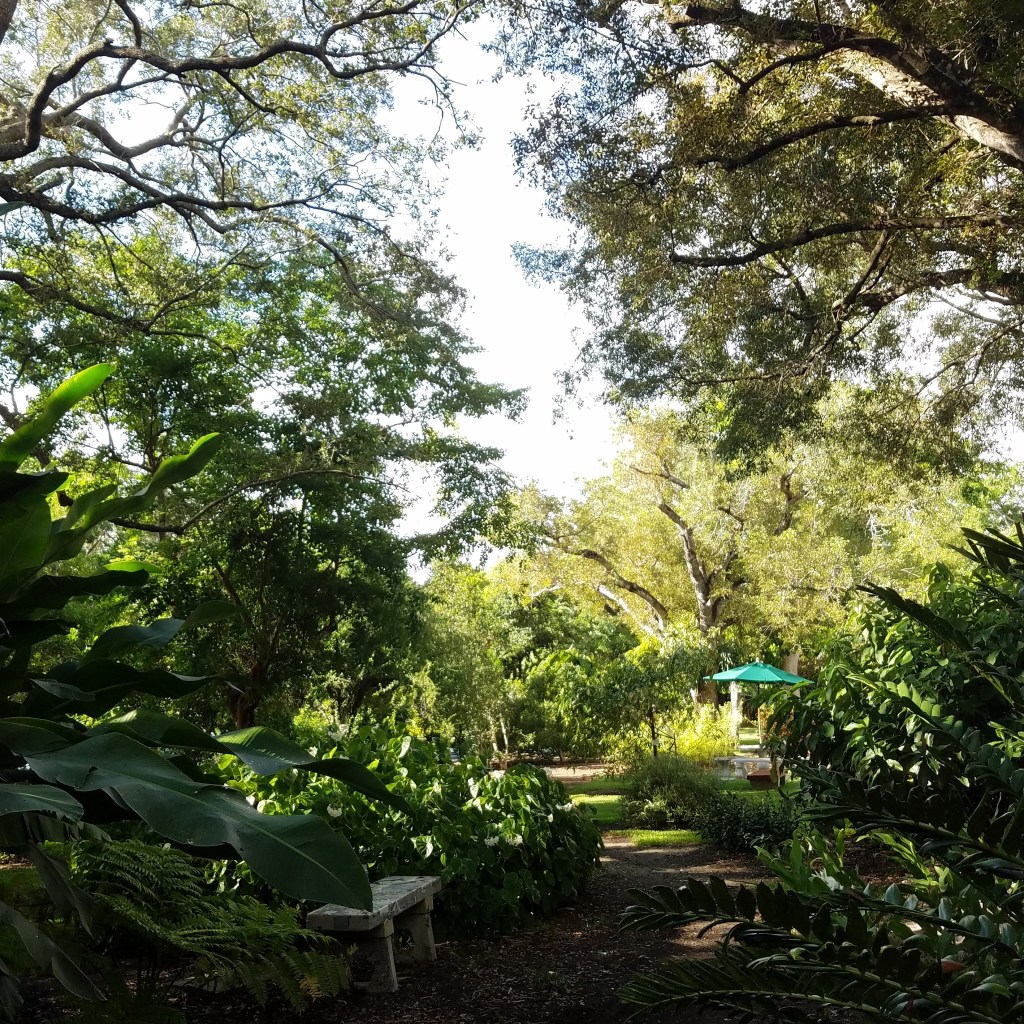
Author Timothy Perez, some bromeliads, aroids, and a rainbow eucalyptus tree at Fairchild Tropical Botanic Garden

Personal links. Website | Twitter

Institute. University of Miami; University of British Columbia

Academic life stage. Postdoc

Major research themes. Plant physiological ecology, thermal ecology, climate change, evolution conservation biology

Recent paper in JBI. Perez, TM, Feeley, KJ. Weak phylogenetic and climatic signals in plant heat tolerance. J. Biogeogr. 2021; 48: 91– 100. https://doi.org/10.1111/jbi.13984

Motivation behind this paper. The motivation behind our paper was trying to understand if physiological tolerances influence patterns in species’ climatic distributions. More specifically, we wanted to know if hot climates act as environmental filters on community assembly. Physiological tolerances, like the heat tolerances of photosystem II (PSII) photochemistry, are thought to exert strong constraints on carbon assimilation, and by extension plant growth, survival and reproduction. Therefore, heat tolerances of PSII (hereafter heat tolerance) may reveal information about the kinds of species that can exist in hot climates. This information could be useful for predicting which species are most vulnerable to climate change and understanding how ecosystem processes may change in future climates.

Key methodologies. In our study, we took advantage of museum collections – specifically, the living plant collections of Fairchild Tropical Botanic Garden. Botanic gardens are great places to conduct ecophysiological research because plants with different ecologies and evolutionary histories are all growing together in a common garden-like environment. In other words, there is a lot of plant diversity, which can be harnessed to investigate different aspects of plant physiology. In our project, this common garden environment allowed us to sample many different species and understand how phylogenetic relatedness may influence variation in plant heat tolerance.

Sunrise over the botanical garden

Any challenges you and your co-authors faced along the way? Since I was working in a botanical garden, my study species were very easy to locate because the location of each plant (within the garden) that I wanted to sample had been mapped by garden curators. This is in contrast to most tropical fieldwork that requires hours of searching for your species of interest. This study was not my first campaign sampling plant traits or heat tolerances, which is another reason why data collection went fairly smoothly for this project. Luckily, there were no hurricanes during the sampling campaign, which have caused interruptions in my previous studies. I’m happy (and lucky!) that the project went as smoothly as it did.

Major results. Two important findings of our study were that species’ climatic distributions and heat tolerances are poorly coordinated, and that phylogeny explains little of the variation in plant heat tolerance. These results mean that hot climates are unlikely to influence patterns of community assembly based on heat tolerance alone, and that closely related species are not expected to exhibit similar tolerances. However, our results do point towards the importance of leaf thermoregulatory traits as a potential way forward for understanding variation in heat tolerance and how it may influence plant ecology. Thermoregulatory traits can cause leaves to experience different temperatures than ambient air temperatures. Therefore, leaf temperatures may be important for explaining variation in thermal tolerance and species’ distributions (see: https://besjournals.onlinelibrary.wiley.com/doi/10.1111/1365-2435.13658).

Species in the study were also sampled from the University of Miami’s Gifford Arboretum

Next steps in this research. Plant heat tolerances have been studied extensively, but we lack a coherent understanding of how variation in heat tolerance is linked to abiotic conditions. It is also unclear how heat tolerance integrates with carbon assimilation or aspects of plant productivity (see: https://onlinelibrary.wiley.com/doi/10.1111/pce.13990). I think these topics are important areas of future plant heat tolerance research.

If you could study any organisms on Earth, what would it be? I study plants because I think they are the coolest organisms on Earth! Plants dominate Earth’s biosphere, provide humans with essential ecosystem services, and are vital for mitigating climate change. There are endless practical reasons for why I study plants, including the fact that they are found just about everywhere, and the opportunities to study them are endless. However, I also just find plants and all of their strange forms and functions marvellously beautiful.

ECR Feature: Gimo Mazembe Daniel on dung beetle diversification

Gimo is a recently appointed research scientist at the National Museum in Bloemfontein, South Africa. He is an entomologist with interests in understanding the systematics and biogeography of dung beetles and related scarab beetles. Gimo shares his recent work on the contributions of different environmental factors in shaping diversity in the dung beetle genus, Sisyphus.

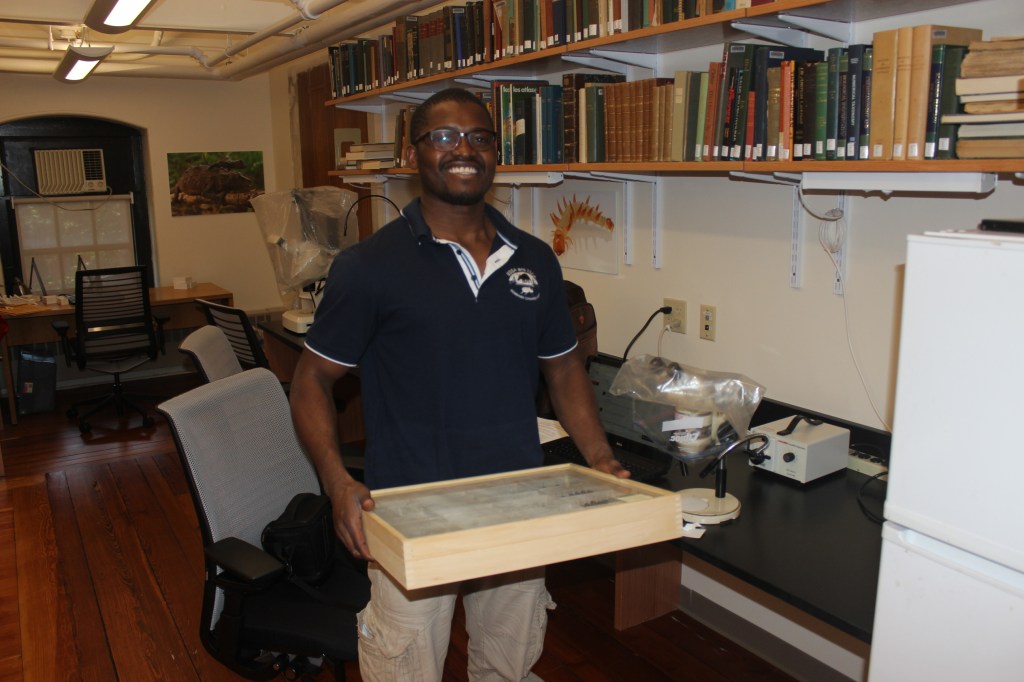
Gimo at the Musem of Comparative Zoology, Harvard University, USA-2017, working on Sisyphini collection (credit to Philip).

Personal links. ResearchGate | Twitter

Institute. National Museum, Bloemfontein, South Africa

Academic life stage. I completed my PhD in Entomology 2019 from the University of Pretoria, South Africa and now hold a research appointment as Principal Museum Scientist at the National Museum, Bloemfontein, South Africa.

Major research themes. I am an entomologist with interests in the systematics and biogeography of dung beetles and related scarab beetles. I am cataloguing and describing the impressive biodiversity of Afrotropical dung beetles to address broader evolutionary questions, such as the role of geological uplift and climatic changes in the late Cenozoic in the diversification and possible extinction of scarab beetles in southern Africa.

Current study system. Dung beetles are a globally distributed insect taxon, but they exhibit their highest diversity in tropical forests and savannas. They feed on the microorganism rich liquid component of mammalian dung (and less commonly that of other vertebrates, as well as rotting fruit, fungi and carrion) and use more fibrous material to brood their larvae. They provide important ecosystem services, such as secondary seed dispersal, control of other insects or parasite suppression, dung and nutrient recycling in ecosystems and subsequent increasing of soil fertility.

Recent paper in JBI. Daniel, GM, Davis, ALV, Sole, CL, Scholtz, CH. Evolutionary history and eco‐climatic diversification in southern African dung beetle SisyphusJ Biogeogr. 2020; 47: 2698– 2713. https://doi.org/10.1111/jbi.13974

(left) Image of habitus of Sisyphus (Sisyphus) oralensis (credit to Christian). (right) Circelium bacchus on the elephant poo at the Addo Elephant National Park, Eastern Cape, South Africa.

Motivation behind this paper. During my PhD studies I was working on the systematics of the southern African dung beetle genus, Sisyphus, which led to a monographic revision of the genus and the first molecular phylogeny of sisyphines. Current biogeographical patterns of dung beetles in southern Africa are thought to have been driven by orogenic, climatic, edaphic and vegetation changes during the late Cenozoic. However, no study has explicitly tested hypotheses on the relative contributions of these factors. Therefore, we used the genus Sisyphus as a model to understand dung beetle evolution in southern Africa.

Key methodologies. A dated molecular phylogeny of southern African Sisyphus was compared with a factor analysis of species distribution data that statistically defined groups of species according to current climatic distribution. We used these climatic clusters to estimate ancestral ranges using BioGeoBEARS. We then used Bayesian diversification models (compound Poisson process on mass extinction times) to test whether late Cenozoic uplift and climatic changes affected speciation and extinction rates of Sisyphus species. Furthermore, we implemented ecological niche modelling in MaxEnt to predict the habitat suitability of species under present climatic conditions.

Major results. Four species groups of Sisyphines (that were defined from factor analysis of current climatic distribution data) were found to be primarily restricted to the moist summer rainfall region in the northeast. Phylogeographic analyses and ecological niche modelling revealed that southern African dung beetle Sisyphus species are not homogenously distributed with respect to geography and climate. The taxonomic and eco-climatic diversification of sisyphines is coincident with geological uplift and changes in climate in east-central southern Africa. Therefore, the combination of phylogenetic methods, climatic data, and ecological niche modelling allowed us to infer that dung beetle evolution in southern Africa is primarily driven by the combination of both orogenic events and climatic shifts in the late Cenozoic.

Unexpected challenges. Sometimes the challenges are not so much to do with the actual research, for instance, when I was writing this paper, I had a problem with my right shoulder, so it was difficult and took me a long time to type, especially coding in R the ecological niche modelling analysis. After several months of physiotherapy my shoulder healed and I was finally able to finish the manuscript.

(left) Gimo in a field work in uMkhuze Game Reserve, KwaZulu-Natal, South Africa-2016, collecting dung beetles (credit to Jorge). (right) Gimo in his lab at the National Museum, working on the revision of Odontoloma (credit to Precious).

Next steps for this research. I would like to carry on with more studies using different diversification methods and other genera of scarabs as study models to test evolutionary hypotheses for the southern African fauna against the current findings. For instance, two projects on Odontoloma and Epirinus are running in my lab, the latter one is currently under review. Furthermore, my collaborators and I are working on a scarab beetle discovery project, in which we are planning to collect in very remote and unsampled areas like those in the Eastern Cape region in South Africa and Mabu forest (Google forest) in northern Mozambique. The aim is to document dung beetle species new to science and provide local ecological data that can be placed in a regional biogeographical context for conservation planning.

If you could study any organism on Earth, what would it be? Dung beetles, of course. I am passionate about these insects because of their great diversity worldwide, and most importantly, they have vital ecosystems functions that provide important and/or economically beneficial ecological services to humans. For example: secondary seed dispersal, biological control of other insects, organic material recycling and consequently increasing of soil fertility.

Anything else to add? My childhood was characterised by interaction with nature, including insect collection, especially beetles while grazing cow and goats on the Save River, Machanga (my homeland), a rural area in Central Mozambique. Although I was always “fighting” with my mother because she believed that I could contract a disease when collecting insects; I never gave up on my passion. I continued collecting beetles but hiding them from my parents. Due to this love for insects, years later, I was enrolled in a BSc degree in Biology back home. Two years later after my BSc, I was awarded a scholarship to pursue an MSc degree in Entomology in Brazil, which was focused on my childhood favourite insects (dung beetles). Afterward, I completed my PhD also working on dung beetles. I am a passionate entomologist intent on spending a lifetime pursuing my interests and inspiring local and disadvantaged communities – where my fierce ambition about a career in insect systematics has originated.

Responses of red deer to climatic oscillations

During the last 54 000 years, the range of red deer in Europe and the Ural Mountains changed in response to climate oscillations, generally decreasing in cooler periods and expanding in warmer periods, largely in agreement with the Expansion-Contraction model. However, these processes were asynchronous and differed in western and central regions when compared to eastern parts of Europe and the Ural Mountains.

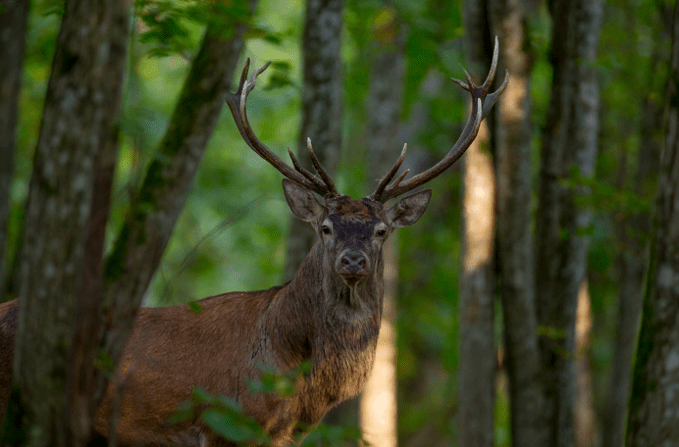
Above: Red deer in the Białowieża Primeval Forest, Poland (Photo: Adam Wajrak)

The impact of climate changes on the distributions of red deer and other temperate mammal species is well recognized for the populations inhabiting western, south-western and southern Europe, but little is known about impacts of climate changes on mammal populations in eastern Europe. Our study, covering the whole continent and the Ural Mountains over 50 000 years, showed that the response of red deer to climate oscillations was different in western than in eastern Europe plus the Urals due to different environmental conditions in these areas. Easternmost Europe and the Urals were not covered by ice sheet during the Last Glacial Maximum (LGM) to such an extent as the western and central part of the continent. Consequently, much larger areas were available to terrestrial mammals, including red deer. Moreover, environmental niche modelling showed that during the LGM there were large areas suitable for red deer not only in western and southern Europe but also in eastern and south-eastern Europe in the vicinity of the Black Sea. We surmise that these areas were an important LGM refugium for temperate species such as red deer and the species recolonized eastern Europe from this region in postglacial times. 

Cover paper: (read for free for a year) Niedziałkowska, M,  Doan, K,  Górny, M, et al. (2021) Winter temperature and forest cover have shaped red deer distribution in Europe and the Ural Mountains since the Late Pleistocene. J. Biogeogr. 48:147–159. https://doi.org/10.1111/jbi.13989

However, some of the results of the environmental niche modelling astonished us as they showed that some areas in the easternmost part of the continent and the Urals were not suitable for red deer during the last 50 000 years, although some red deer fossils dated to this time period were found there. The most probable explanation for this discrepancy is that, according to phylogenetic data, most of these red deer belonged to a more cold adapted red deer species: wapiti deer (Cervus canadensis).

Another interesting process took place during postglacial times. In western and central Europe red deer relatively quickly recolonized the area released by the glacier. However, recolonization was very different in the easternmost part of Europe, where clear disjunction appeared in the species range. Since the middle Holocene, red deer disappeared from the lower and middle Volga River region and later also in the Ufa region, to the west of the Ural Mountains. The last red deer were recorded in the Urals in the 19th century. The disappearance of the species in this part of the continent is probably related to climate and habitat changes. The contemporary easternmost border of red deer range in Europe runs parallel to the isoline of mean January temperature between −10 and −15°C, which is consistent with the 50 000 year-long climatic limits (mean January temperature below −10°C) of red deer found in this study.

Another explanation of the disappearance of red deer from eastern Europe and the Urals during the Holocene is west-east shift in range of wapiti deer, as was shown for other cold-adapted species such as the Siberian roe deer (Capreolus pygargus). Results of our study provide one more example that during at least the last 50 000 years the ranges of different species changed according to climatic oscillations not only in north-south but also west-east directions.

Future studies will enable checking of how other large mammal species have responded to climatic oscillations in eastern Europe during the last 50 000 years and how the geographical range of temperate mammals can change in the future due to present environmental changes.

Written by:
Magdalena Niedziałkowska
Associate Professor, Mammal Research Institute Polish Academy of Sciences in Białowieża, Poland

More information:
https://ibs.bialowieza.pl/pracownicy/magdalena-niedzialkowska/

RFP for Special Issue in Geogenomics

Integrating geology, geography and genomics to study the coupled evolution of life and Earth.

Geogenomics is  an emerging field at the intersection of geology, geobiology, Earth system science, genomics, and higher-level biodiversity studies. Geogenomics employs genomic data to solve geologic problems or constrain geological hypotheses. Conversely, phylogenetics and phylogeography seek to use the geological record for understanding the diversification, spatial distribution, and origins of species and populations and for formulating diversification hypotheses. Progress in either direction relies upon reciprocal illumination between the disciplines.  As is the case in most cross-disciplinary scientific pursuits, each field understands its own nuances and uncertainties but presume  greater certainty in complementary fields, which is exacerbated on deep-time scales when uncertainty is high.  Landscape (and seascape) genomics also integrates genetic and environmental/landscape variation but on finer, more recent timescales when uncertainty is usually lower and more mechanistic integration is possible.  This  presents an interesting conundrum that beckons a truly unified approach at the convergence of these two scales, where strengths of each can be combined to inform the hypothesis-space and leverage a synergistic understanding of the dynamic, sometimes deterministic and sometimes stochastic, world.

We are organising a special issue in Journal of Biogeography to summarize the foundations, current status, and to shape the future of integrative geological, geographic, and genomic research.  We encourage multidisciplinary research teams and new ideas or approaches. This thematic issue intends to publish original and novel papers on the following research topics: geogenomics, geodiversity, biodiversity, geo-bio-informatics, phylogeography, geoecodynamics, biogeomorphology, landscape (& seascape) genetics and papers that intersect these fields in particular.

Contributions may be in any of the usual article formats at JBI.  1) Research Paper, 2) Methods and Tools, 3) Data, 4) Synthesis, 5) Perspective, 6) Commentary and 7) Correspondence.

Manuscripts should be submitted online via the “submit an Article” link on the journal’s homepage https://onlinelibrary.wiley.com/journal/13652699 until 30 September 2021.

Authors should indicate in the Cover Letter that the submission is directed to the Geogenomics Special Issue.

Accepted papers will be published online in Early View and later collated into the Special Issue.

All submissions are subject to peer review.

Papers will be full access for at least 2 months from the date of online publication.

Guest editors

Dr. Sherilyn Fritz – University of Nebraska – Lincoln
Dr. Anna Papadopoulou – University of Cyprus
Dr. Greer Dolby – Arizona State University
Dr. Paul Baker – Duke University
Dr. Camila Ribas – National Institute for Research in Amazonia

Keywords: geogenomics, geodiversity, biodiversity, phylogeography, biogeography, geoecodynamics, biogeomorphology, landscape genetics

ECR Feature: Arya Sidharthan on the cryptic diversity of mountain loaches

Arya Sidharthan is a PhD student at the Kerala University of Fisheries and Ocean Studies, India. She is a freshwater fish biologist, who uses molecular tools to study the ecology and evolution of fishes. Arya shares her recent work on unravelling the evolutionary history and cryptic diversity of mountain loaches in the Western Ghats.

It’s fun to be in the field early in the morning, when the mountain loaches are most active.

Personal links. Personal Instagram | Hosted podcast Instagram | Twitter | Lab webpage

Institute. Kerala University of Fisheries and Ocean Studies (KUFOS), India

Academic life stage. PhD candidate

Major research themes. Molecular Ecology, Biogeography, Freshwater Fish

Current study system. My research focuses on the molecular ecology of hillstream/mountain loaches on the Indian subcontinent. By understanding the phylogenetics and biogeography of this fascinating group of freshwater fishes, my work helps unravel the processes that have led to the amazing biodiversity in the Western Ghats mountain ranges, which is a global hotspot for endemic freshwater fish. Using genetic data, I try to decipher when and where different loach lineages originated, how they diversified, and the physical, geographic and climatic factors that influenced their speciation.

Recent paper in JBI. Sidharthan, A., Raghavan, R., Anoop, V. K., Philip, S., & Dahanukar, N. (2020). Riddle on the riffle: Miocene diversification and biogeography of endemic mountain loaches in the Western Ghats Biodiversity Hotspot. Journal of Biogeography, 47(12), 2741-2754. (Link)

Motivation behind this recent paper. The endemic loaches of genus Bhavania from the Western Ghats are poorly studied with respect to their systematics, evolutionary history and biogeography. Their morphological similarity to sucker-loaches of Indo-China and Sunda Islands has fuelled speculations that this group originated in South East Asia, and colonized the Western Ghats during the Pleistocene – but this has not been tested using molecular techniques. Also, the apparent wide distribution of the genus in Western Ghats from 9° to 13°N latitudes (an approximate south-north distance of 450 km), and the fact that only two species are currently known, encouraged me to investigate the true diversity within this genus.

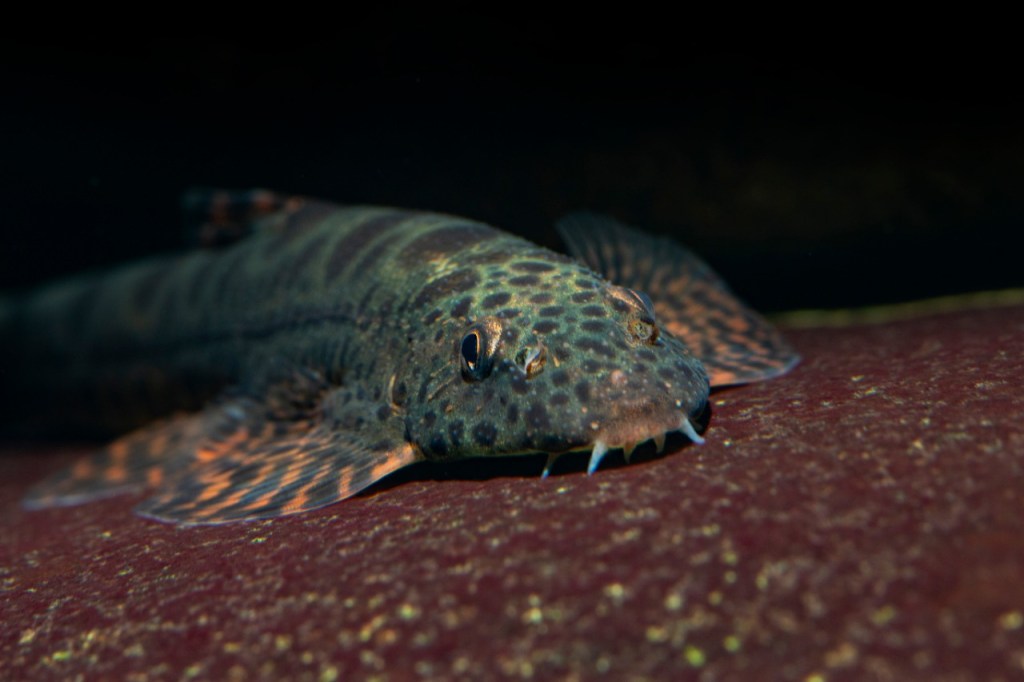
The mountain loach, Bhavania australis is a “cryptic species complex” endemic to the Western Ghats Biodiversity Hotspot in India. Latin Name: Bhavania australis. (Photo credit: Beta Mahatvaraj)

Key methodologies. We carried out a multigene phylogenetic analysis of Bhavania specimens collected throughout their distribution range, using mitochondrial and nuclear markers. Subsequently, several species delimitation methods including the Automated Barcode Gap Analysis, Poisson Tree Process and Generalized Mixed Yule-Coalescent Model were used to understand the actual species diversity within the genus. A Bayesian chronogram was constructed to estimate the time elapsed since the most recent common ancestor of the distinct lineages of Bhavania. Ancestral ranges of distinct lineages of Bhavania were reconstructed using the dispersal–extinction–cladogenesis model to understand the historic factors (physical, geographic and climatic) that led to the current distribution pattern.

Typical mountain loach habitat in the Western Ghats! But finding my “freshwater nemo” is the toughest part of the job.

Major results. Our study suggested that the endemic Western Ghats mountain loach genus Bhavania originated in the early Neogene and diversified/radiated into cryptic lineages during the Miocene. This refuted the previously long-standing theory that the group arrived in India during the Pleistocene. It is likely that the Bhavania loaches dispersed across the Western Ghats mountains, expanding their range, with the help of intensified monsoonal rains during Miocene climatic changes. The current distribution of Bhavania loach lineages has been further shaped by events in the Miocene such as aridification and drying up of riverine connections, formation of land barriers and fragmentation of streams. Our results highlighted the first evidence that Cauvery, one of the largest eastward flowing rivers of Western Ghats, has acted as an east–west pathway for dispersal and diversification of an endemic fish lineage in the Western Ghats.

Unexpected challenges. The southern part of the Western Ghats where I carried out my field work was hit by two extreme climatic events resulting in catastrophic floods for over 4 months in the years 2018 and 2019 (coinciding with my main sampling period) cutting off all my field sites and making them inaccessible for months. Working closely with local fishers, we then managed to collect samples during weeks when there was some respite from the rains, in the most challenging of conditions.

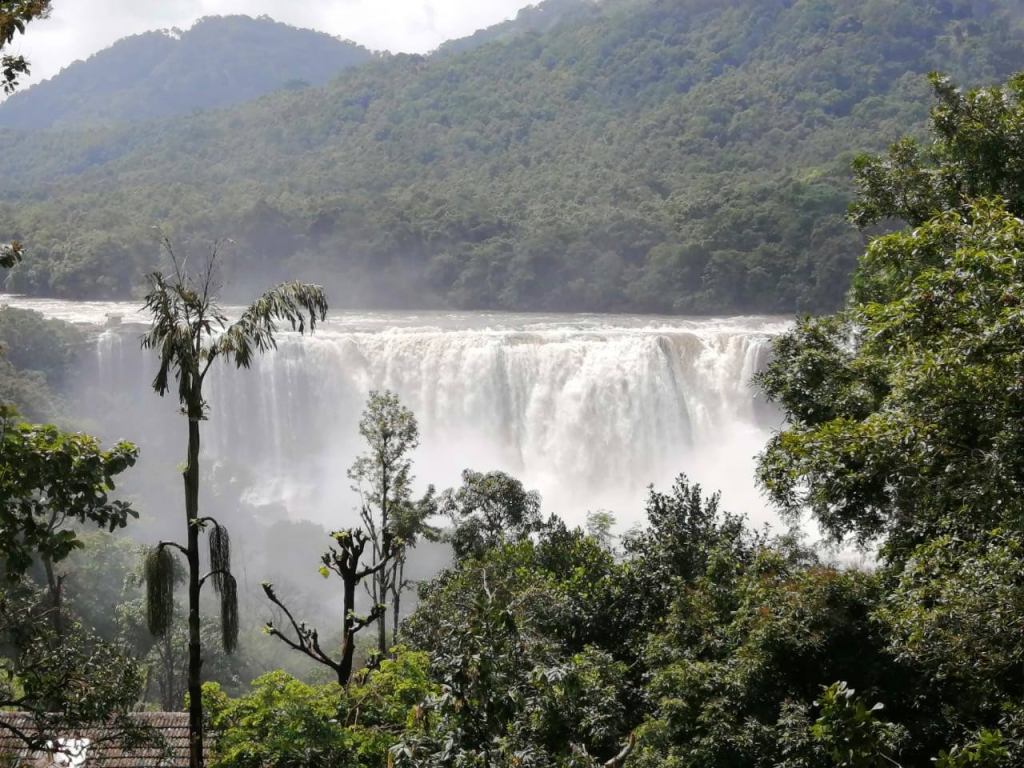
One of my sampling sites is just below these majestic waterfalls.

Next steps? Collaborating with colleagues from across South and South East Asia, we plan to investigate the family-wide (global) phylogeny of mountain loaches. This work will not only improve our understanding of the current-day diversity and distribution patterns of this group of fishes, but also provide broader context of their evolutionary and biogeographical history in Asia.

If you could study any organism on Earth, what would it be? Penguins – because I just love them! Not just because they are adorable, but because they dwell in one of the most extreme climates on the planet, and still manage to be the best swimmers. Ah, and of course there are various misconceptions about their life history too (Happened to read this interesting book “The unexpected truth about animals” by Lucy Cooke. You must read it too!!! One of the interesting penguin facts highlighted in Cooke’s book is that penguins are often regarded as gentle, monogamous birds, when in reality, they are often the complete opposite: aggressive and highly promiscuous!  

Anything else to add? Studying freshwater biodiversity is monsoonal rivers, and particularly in tropical montane streams is challenging irrespective of gender due to the harsh and inaccessible terrain, and encounters with wild animals. But at the end of it, such studies give us a great satisfaction because of the way each study (however small) adds to the growing amount of knowledge required to conserve tropical freshwater biodiversity. In March 2020, I received an opportunity to present our work to the global conservation community at the Student Conference in Conservation Science at Cambridge. But Covid-19 dashed all my hopes. But now I am immensely happy that one of the world’s leading scientific journals has published and highlighted my work on their cover page, and through this blog! 

ECR feature: Alexandre Réjaud on diversification of Amazonian frogs

Alexandre Réjaud is an evolutionary biologist finishing up his Ph.D. at the Université Paul Sabatier in France. He combines distribution and sequencing data to understand the mechanisms leading to amphibians’ diversification. Alexandre shares his recent work on the historical biogeography of Amazonian frogs.

Alexandre Réjaud

Personal links. ResearchGate

Institute. Laboratoire Evolution et Diversité Biologique, Université Paul Sabatier, Toulouse, France

Academic life stage. Last stage of his PhD (defense planned for January 2021!)

Major research themes. Amazonia, Amphibians, Biodiversity, Biogeography, Neotropics, Phylogenetics

Current study system. During my PhD, I have been studying Amazonian amphibians. There are around 600 described species and probably many more that are undescribed. What I find the most interesting about this system is its incredible diversity, where species with very different ecologies can be found in close proximity to each other. For example, ranging from the small and colourful Ranitomeya that live and breed in Bromeliads to the flat Surinam toads (Pipa) that inhabit aquatic ecosystems and carry their eggs under their skin. My research aims at identifying where and when this Amazonian amphibian diversity was formed. To this end, I compared the historical biogeography of six clades of frogs that diversified throughout the Neogene (~23 Mya) within Amazonia.

Recent paper in JBI. Réjaud, A., Rodrigues, M. T., Crawford, A. J., Castroviejo‐Fisher, S., Jaramillo, A. F., Chaparro, J. C., … & Fouquet, A. (2020). Historical biogeography identifies a possible role of Miocene wetlands in the diversification of the Amazonian rocket frogs (Aromobatidae: Allobates). Journal of Biogeography, 47(11), 2472-2482 Accessible here

Motivation behind this paper. Within the Neotropics, Amazonia has been identified as the main source of diversification, meaning that Amazonian lineages dispersed towards the other Neotropical areas and strongly contributed to increasing their diversity. However, we still know little about biogeography and diversification within this area. This is largely because Amazonia is so vast (more than six million km²) and challenging to access that it is difficult to sample thoroughly. Benefiting from the intensive sampling efforts deployed over the past 30 years and from international collaborations, we are only starting to accumulate datasets that span the entire Amazonia distribution. The frog genus, Allobates is one of the first Amazonian frog genera for which we managed to achieve sufficiently extensive geographical and taxonomical sampling, allowing us to reconstruct its historical biogeography. Because Amazonian amphibians are rapidly declining and have much undescribed diversity, the Allobates frogs provide a useful system to study the generation and maintenance of diversity in the Neotropics.

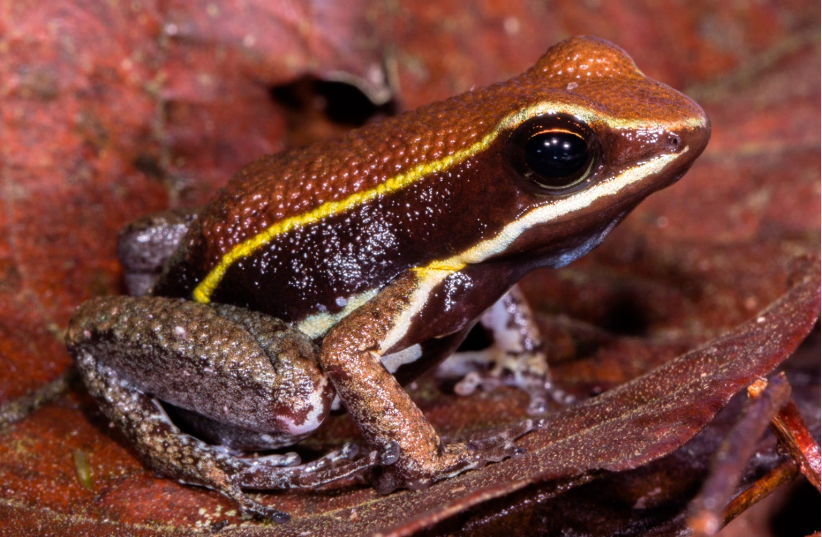
Allobates femoralis, a species broadly distributed across Amazonia (Picture credit: Antoine Fouquet)

Key methodologies. Species diversity is still unknown in Allobates, with discoveries being made frequently (e.g., 14 new species described in the last decade). This undescribed diversity raises the issue of how to deal with species boundaries in an understudied system. We partly addressed this issue by performing a molecular species delimitation analysis. In total, we gathered 932 georeferenced 16S sequences for the whole genus across Amazonia and other Neotropical regions (Atlantic forest, dry diagonal, lesser Antilles, northern Andes, trans-Andean forests); accounting for 41 out of the 55 described species and we identified 50 operational taxonomic units (OTUs). We sequenced complete mitogenomes for 32 out of 50 OTUs and combined it with available GenBank resources, allowing us to reconstruct a time-calibrated phylogeny accounting for all the OTUs found in Allobates. This extensive sampling allowed us to perform tests about the diversification of this group over the entire Amazon, answering questions such as: Did the Allobates western Amazonian diversity originate mainly in situ or through repeated dispersal events? Was the diversification constant through time or can we detect key periods where diversification was greatest?

Any challenges you and your co-authors faced along the way? As briefly explained in the above section, the main challenge when studying tropical diversity is the lack of information on species boundaries and geographic distribution, impacting a more basic metric such as the number of species within a complex. Relying only on our current perception of diversity greatly increases the risk of not sampling a species, which can affect biogeographic inferences. We partially solved this issue by using molecular species delimitation. We suspected that the risks of not sampling species were particularly high within Allobates. Indeed, most species with large distributions were split into several OTUs, with up to four for Allobates olfersioides and A. tapajos. Overall, OTUs were often restricted to one of the three major Amazonian areas we used in the study: Western Amazonia, the Brazilian Shield and the Guiana Shield. Surprisingly, A. femoralis, which was the only species with a pan-Amazonian distribution (i.e., occurring in the three Amazonian areas simultaneously), was delimited as a single OTU.

Major results. We identified Western Amazonia as the principal source of diversification in Allobates. This part of Amazonia currently harbors the most Allobates species, which mostly originated in situ as a result of an intense diversification phase that occurred between 14 and 10 million years ago (Mya). Although it is difficult to determine the mechanisms of this diversification with confidence, this period is concomitant with the Pebas mega-wetland system in Western Amazonia, followed by an expansion of terra firme habitats (i.e., unflooded forest). Furthermore, distribution patterns of closely related species suggest that modern Amazonian river courses shaped species ranges and possibly promoted allopatric speciation over the past 10 million years. So far, most Amazonian biogeography case studies focused on clades that diversified during more recent periods (Plio-Pleistocene), and our study is among the first to investigate early Neogene processes.

Picture of a Bothrops taeniatus spotted during fieldwork around Tarapoto, Peru.

Next steps in this research. Next, we intend to investigate broader and more general patterns of diversification in Amazonia using a comparative biogeography approach by combining the analysis of several species complexes. This approach will determine how Amazonian diversification and dispersal rates varied across groups and through time, emphasizing the effect of ecological adaptiveness. The processes of Amazonian diversification are complex, and this ecological variation should be accounted for to elaborate refined biogeographical hypotheses. However, ecology is rarely considered in comparative studies because of the lack of reliable data at the species level in the tropics, which is not surprising when the species are not even described.

If you could study any organisms on Earth, what would it be? Tough question and many answers come to my mind! If I had to pick one, I would choose the evolution of reproductive modes in the European salamanders (Caudata: Salamandridae). In this family, while most species are semiaquatic oviparous, some salamanders have switched to ovoviviparity or viviparity, which reduces water dependance for reproduction. It gets even crazier in the fire salamander (Salamandra salamandra), in which there are viviparous and ovoviviparous populations!

Anything else to add? I had my first and only Amazonian field trip experience a few months after beginning my PhD. The herping trip lasted about two weeks in central Peru (San Martin province). For those who don’t know what a herping session consists of, it is basically wandering around during a few hours past nightfall with a headlamp, sometimes with no one in sight − which can be disturbing for your first time in such an unknown environment. I won’t lie, I was not confident initially (especially when I slipped and fell several meters on top of a cordillera), but what a life-changing experience! We were lucky enough to spot rare and cool species such as an Atelopus pulcher or a few Bothrops taeniatus (see picture). However, going down the Cordillera Escalera to the Amazonian lowlands, the displeasing sight of endless palm tree fields reminded us how fragile and how fast these fascinating ecosystems are vanishing.

First JBI Global Colloquium: “Towards a comprehensive understanding of biodiversity-geodiversity relationships”

Geodiversity – the abiotic diversity of the Earth’s atmosphere, surface, and sub-surface, comprising geology, soils, hydrology, climate, landforms, and their interaction – is increasingly recognised as a crucial component of the natural world, and a key element of the “conserving nature’s stage” approach to conservation.

Interest in the relationships between biodiversity and geodiversity has grown dramatically in the last decade of biogeographical research, not only from a conservation viewpoint, but also as part of modelling the distribution of alien species, informing management of ecosystem services, and in progressing our understanding of climate change and other anthropogenic impacts on biodiversity.

Yet significant gaps remain in our understanding of biodiversity–geodiversity relationships, and more evidence is required to value geodiversity correctly in policy and conservation efforts. Given the multi-disciplinary interests in geodiversity, a comprehensive and balanced understanding of the relationships between geodiversity and biodiversity is essential as a foundation.

This colloquium will bring together researchers from across the ecology–geography spectrum, to collectively identify the major knowledge gaps in the field of geodiversity–biodiversity relationships, and foster discussion around planning a research agenda and strategic framework to fill these gaps in a systematic way. The event will draw on the expertise of researchers at all career stages, facilitating a new and genuinely cross-disciplinary collaborative network to tackle these fundamental questions.

When, where, who, and how?

The event is planned as an online meeting in Summer 2021. The event will be held over one day, providing ample time for thorough discussions and significantly reducing the financial cost of participation, as well as making in-person attendance more feasible to researchers with caring responsibilities.

Our online format will enhance the accessibility of our event to overseas and/or early-career researchers who may be unable to travel.

There will be a mix of keynote speakers, along with geodiversity-themed lightning talks to encourage networking and disseminating research. The main focus of the event will be on smaller group-based discussions corresponding to five key themes that categorise the knowledge gaps in biodiversity-geodiversity relationships, which are:

  • Building geodiversity-biodiversity knowledge across the tree of life.
  • Evaluating spatio-temporal biases in geodiversity-biodiversity research and how to address them.
  • Evaluating and contrasting observational versus experimental opportunities to address geodiversity-biodiversity research questions, and how anthropogenic influences may shed new light on geodiversity-biodiversity research.
  • Building collaborations between disciplines to benefit geodiversity-biodiversity research.
  • Raising the profile of geodiversity within biodiversity research.

Participants will be encouraged to join ‘breakout’ groups in at least two discussions, with each group ultimately feeding back to the rest of the participants.

Organizers & contacts

The primary organising team consists of Dr Dave Clark (University of Essex, UK), Dr Laura Graham (University of Birmingham, UK), Dr Joseph Bailey (York St John University, UK), Prof. Richard Grenyer (University of Oxford, UK), Dr Barnabas Daru (Texas A&M University-Corpus Christi, USA), Eva Lieungh (Uni. of Oslo NHM, Norway), Dr François Bétard (Université de Paris Diderot University, France), Dr Helena Tukianen (Uni. of Oulu, Finland), and Dr Adrianna Ruggiero (Universidad Nacional del Comahue, Argentina).

Intended outcomes

The primary outcome of the discussions taking place at our event will be for all participants to contribute to a key perspectives paper, in which we will provide a clear roadmap of the knowledge gaps in biodiversity-geodiversity relationships, and some practical suggestions on how to fill them. Following on from this, we foresee a series of more specific forward-looking perspectives and meta-analyses, where appropriate, dealing with each of the five categories outlined above, with more definitive recommendations of how we can build towards a comprehensive understanding of biodiversity-geodiversity relationships.

Of equal importance will be the establishment of a global network of researchers interested in biodiversity-geodiversity relationships. By mass streaming our event, we aim to attract a wide spread of researchers from different backgrounds, resulting in a network that fairly represents global perspectives on biodiversity-geodiversity relationships. We are especially keen to encourage ECRs to attend, as it is they who are likely to adopt and ultimately fulfill the research directions and narratives resulting from this colloquium, and for whom this network will be most beneficial by disseminating and sharing career-development opportunities. Furthermore, certificates of attendance will be offered to all participants as proof of international conference attendance.

We are excited to see what research directions emerge as a result of our event, and look forward to assembling a vibrant and global network of researchers to tackle questions on the horizon of geodiversity and biogeography.

(Prepared by the organizing team.)

ECR feature: Jorge Cruz Nicolás on proxies for genetic diversity

Jorge Cruz Nicolás is an evolutionary ecologist, currently working towards his PhD at the Instituto de Ecología, UNAM. He uses genetic tools to study population genetic processes in tree species. Jorge shares his recent work on identifying proxies for genetic diversity based on expectations of the niche centrality hypothesis.

Jorge Cruz sampling in a forest of Abies religiosa in Mexico state.

Personal links. Twitter

Institution. Instituto de Ecología, UNAM

Academic life stage. PhD

Major research themes. Ecology and evolution of plants, especially of trees, using genomic tools to explore questions about divergence and speciation.

Current study system. I currently study fir trees from the genus Abies. In their subtropical Meso-American range, Abies firs are found in small mountain refuges, for example, in the Mexican Highlands, above 2000 m asl. (N.B. This restricted distribution contrasts with that seen in North American populations, with lower elevations, 700 to 3,600 m asl). Volcanic activity in the recent geological history of the Mexican highlands generated sky-islands and promoted colonization–extinction dynamics. Patterns of population structure, connectivity, and genetic diversity among Abies firs in the Mexican Highlands is complicated, but provides an interesting chance to study how ecological and evolutionary processes shape patterns of diversity.

A panoramic view of Abies religiosa in Mexico state.

Recent paper in JBI. Cruz-Nicolás J, Giles-Pérez GI, Lira-Noriega A, et al. Using niche centrality within the scope of the nearly neutral theory of evolution to predict genetic diversity in a tropical conifer species-pair. J. Biogeogr. 2020; 47:2755–2772. https://doi.org/10.1111/jbi.13979

Motivation behind this recent paper. Because Abies firs are under threat from climate change, it is important to understand the population genetic properties of this species to assess their response to increasingly warmer conditions. Greater genetic diversity is expected to aid in adaptation to climate change, but it can be very hard to measure genetic diversity across a species’ entire range.

We therefore wanted to identify proxies for genetic diversity, using the principles of the niche centrality hypothesis as a guide. The niche centrality hypothesis predicts that population abundances are larger nearest a species’ niche centroid, assuming “optimal environmental conditions”. Because larger populations are expected to harbour greater diversity, it is possible that populations closer to a species’ niche centroid might also have greater genetic diversity. However, this assumption has not been tested well, so we explored whether niche centrality, together with other factors (estimated area, geographic history) could explain patterns of genetic diversity in Abies firs from Mexico.

Key methodologies. We measured genetic diversity with two kinds of markers: nuclear microsatellites and nuclear gene coding sequences in two species of genus Abies in Mexico. We obtained measures of genetic diversity as number of alleles, expected heterozygosity, nucleotide diversity, and a measure of partial deleterious variants (πN/πS). This last measure, πN/πS, is interesting because it describes the ratio of genetic changes that lead to coding (amino acid) differences (πN) to those that do not change coding (πS). We would expect that deleterious mutations are higher in populations with smaller effective population sizes based on the nearly neutral theory of evolution, with the expectation that marginal populations might accumulate more partial deleterious variants (and have higher πN/πS) than stands near the centroid. In other words, purifying selection is weaker in small effective population sizes. Also, we tested the relationship of estimated area and longitude and with measures of genetic diversity to infer possible historical effects in accumulation of genetic diversity.

Major results. We found that associations between genetic diversity measures with niche centrality or other factors were mixed. Most of the measures did not exhibit a clear association with niche centrality. For example, πS and number of alleles were more strongly predicted by longitude, reflecting historical expansion. Heterozygosity was affected by the process of genetic drift, especially in populations which have suffered severe bottlenecks and have remained isolated for long periods of time. However, we did find that the πN/πS ratio was positively correlated with niche centrality. Populations closer to niche optimum therefore have a lower accumulation of deleterious mutations, in other words, this measure was more related to the ecological conditions rather than phylogeographic factors. Higher values of πN/πS indicate that purifying selection in marginal populations has been relaxed, as consequence of reduction in effective population sizes, and might be an indicator of reduced adaptive potential in such population. These results suggest that a good knowledge of both phylogeographic and ecological factors is necessary to understand the accumulation of genetic diversity.

Unexpected outcomes. We had not initially planned to consider the πN/πS ratio and we were just going to focus on genetic variation measures (number of alleles, heterozygosity, nucleotide diversity). But when my supervisor, Ph D. Juan Pablo Jaramillo Correa, came back from sabbatical, he suggested that we consider a measure that reflects changes in the allelic frequency spectrum, which led to us using the πN/πS ratio for the accumulation of deleterious mutations. This turned out to be a great decision because we found that πN/πS is significantly correlated with niche centrality expectations and can provide a good proxy for genetic diversity.

(left) Larger trees of Abies religiosa in Puebla state, México. (right) Ovulated cone of Abies religiosa.

Next steps. The next step would be verifying the results of niche centrality with more populations, using genomic and demographic data in different organisms, to verify whether this trend with niche centrality is maintained. If true, niche centrality could be a good proxy of effective sizes in many species without data of genetic diversity. There are certainly important consequences for conservation and for species management if easy to obtain proxies for genetic diversity can be reliably obtained.

If you could study any organism on Earth, what would it be? I would like to study the mistletoes: these plants have coevolved with many species of trees across very contrasting environments. These interactions could tell us about the historical dispersions, adaptations, and even health of forests, which are very important in the context of global warming. I would love to establish common garden experiments to compare ecological niche modelling with experimental data.

Anything else to add? Currently, I study aspects of speciation in genus Abies in Mexico with their evolutionary implications. I study the phylogenetic relationships of Mexican firs with data derived from genotyping-by-sequencing. The questions are (i) do phylogenetic clades (if present) fit better the taxonomic description of firs or the geographic regions of Mesoamerica; (ii) can we detect more than one fir expansion wave into Mesoamerica; (iii) is there any evidence for a species radiation; and, if so (iv), can adaptive or non-adaptive forces be inferred within the patterns of diversity at candidate genes?