Miocene diversification of mountain loaches

How ancient river systems, geological barriers and climatic changes in the Western Ghats influenced speciation of balitorid loaches

Of the many endemic and evolutionarily distinct freshwater fish lineages of the Western Ghats Biodiversity Hotspot, the mountain loach genus Bhavania comprises a biogeographically fascinating group. Its morphological similarities to the sucker-loaches of Indo-China and Sunda Islands had fuelled speculations that this group originated from South East Asia, and colonized the Western Ghats during the Pleistocene. Despite being known since the 1840s, there were no efforts until this date, to understand the how this group of fishes evolved and diversified in the region.

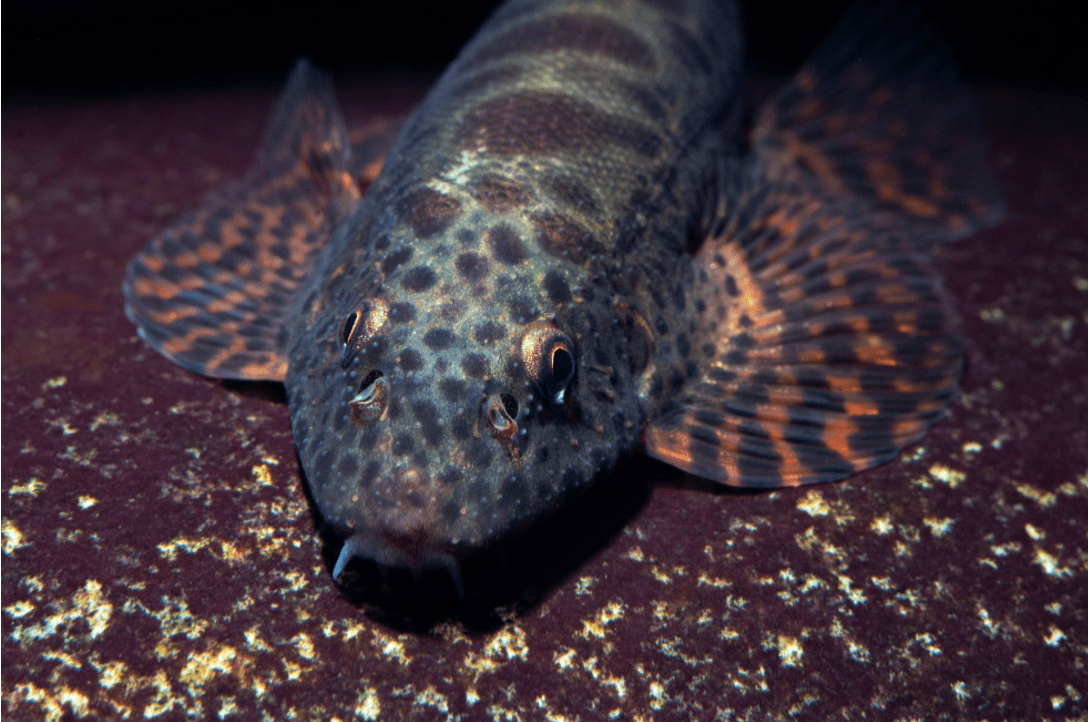
(Above) The mountain loach, Bhavania australis is a ‘cryptic species complex’ endemic to the Western Ghats Biodiversity Hotspot in India. Photo credit: Beta Mahatvaraj. Mexico.

Most importantly, the apparent wide distribution of the genus in the Western Ghats from 9° to 13°N latitudes (an approximate south-north distance of 450 km), and the fact that only two species were known, encouraged us to investigate the true diversity within this genus. After our team carried out extensive sampling in torrential mountain tributaries of 16 river systems of the Western Ghats, collecting specimens which were then subjected to molecular phylogenetic and biogeographical analysis, the results did not surprise us.

COVER ARTICLE:
Sidharthan A, Raghavan R, Anoop VK, Philip S & Dahanukar N (2020) Riddle on the riffle: Miocene diversification and biogeography of endemic mountain loaches in the Western Ghats Biodiversity Hotspot. Journal of Biogeography 47, 2741-2754
. https://doi.org/10.1111/jbi.13972

The genus Bhavania was shown to harbour many more species than previously known. Molecular genetic analysis revealed that the currently known Bhavania australis represented a ‘species complex’ comprising six or seven putative species, with restricted distribution ranges. This has now helped us to better understand their extinction risk, and inform future conservation action.  Unfortunately, naming them has become a challenge, as they are cryptic and hard to tease apart morphologically!


Collecting mountain loach.

We also found that these mountain loaches originated in the early Neogene, and subsequently diversified in the Miocene, and later in the Pliocene and Pleistocene. This laid rest to the speculations of early Indian ichthyologists, and biogeographers that these fishes originated in South East Asia and arrived into India in the Pleistocene. The current distribution pattern of these mountain loach species on the different hill-ranges and its associated drainages in the Western Ghats reflect the climatic (intensification of monsoonal rains) and physiographic (aridification, formation of land barriers, drying up of riverine connections, and fragmentation of streams) changes that could have occurred on this mountain during the Miocene. Together these would have resulted in dispersal of these loaches to new areas, and isolation in others, leading to the current pattern of diversity and distribution. A highlight of our study was what could be the first evidence for a large river system (the Cauvery) facilitating an east-west pathways for dispersal and diversification of endemic fish species of the region.

As a next step, we are embarking on an ambitious project to investigate the global phylogeny and biogeography of balitorid loaches so as to help improve our understanding of the evolution and diversification in this fascinating family of mountain loaches.

Written by:
Arya Sidharthan (1) and Rajeev Raghavan (2)
(1) PhD Candidate, School of Ocean Science and Technology, Kerala University of Fisheries and Ocean Studies, India; Assistant Professor, Department of Fisheries Resource Management, Kerala University of Fisheries and Ocean Studies, India.

Additional information:
@LabRajeev @AryaSidharthannswick
www.fishlab.in

ECR Feature: Maria Sporbert on relating local abundance to broad-scale distributions

Maria has just recently submitted her PhD thesis at Martin-Luther-University Halle-Wittenberg. She is a vascular plant ecologist with an interest in macroecolgoical patterns and processes. Maria shares her recent work of highly debated theories on the relationship between species local abundances and their broad-scale distributions.

Maria Sporbert. (Photo credit: Philipp Schinschke)

Personal links. ResearchGate | Twitter

Institute. Department of Geobotany and Botanical Garden, Martin-Luther-University Halle-Wittenberg, Germany

Academic life stage. PhD student (thesis submitted in November 2020!)

Major research themes. Macroecology, Biogeography, Vegetation science, Spatial scaling

Current study system. I am a plant ecologist. Since my undergraduate studies I have been fascinated by vascular plants. Currently, my main focus is on herbaceous species, but also dwarf shrub and shrub species that have large parts of their distribution, or even their whole distribution, across Europe. About half of the plant species on Earth are herbaceous, contributing substantially to global biodiversity and providing important ecosystem services. I have two major research themes. Firstly, general patterns in species distribution at the broad scale, and secondly, abundance, a measure of individual species performance, at more local scales.

Recent paper in JBI. Sporbert, M. et al. (2020). Testing macroecological abundance patterns: The relationship between local abundance and range size, range position and climatic suitability among European vascular plants. Journal of Biogeography47(10), 2210-2222. doi: 10.1111/jbi.13926.

Motivation behind this paper. Species can be rare or common within a local plant community. Similarly, some species have restricted distribution ranges while other species are widely distributed. Several macroecological theories relate species’ local abundance with their broad-scale distributions in geographic and climatic space. In this paper we focused on three major theories that are highly debated, namely the abundance-range size relationship, the abundance-range centre relationship and the abundance-suitability relationship. So far, the hypothesized relationships have seen mixed empirical support and most studies that have investigated these relationships have focused on (1) popular taxa, or (2) functional species groups like trees or amphibians, or (3) were restricted to specific geographic regions. Therefore, we wanted to investigate support for these theories with reduced bias by sampling many species across their entire range.

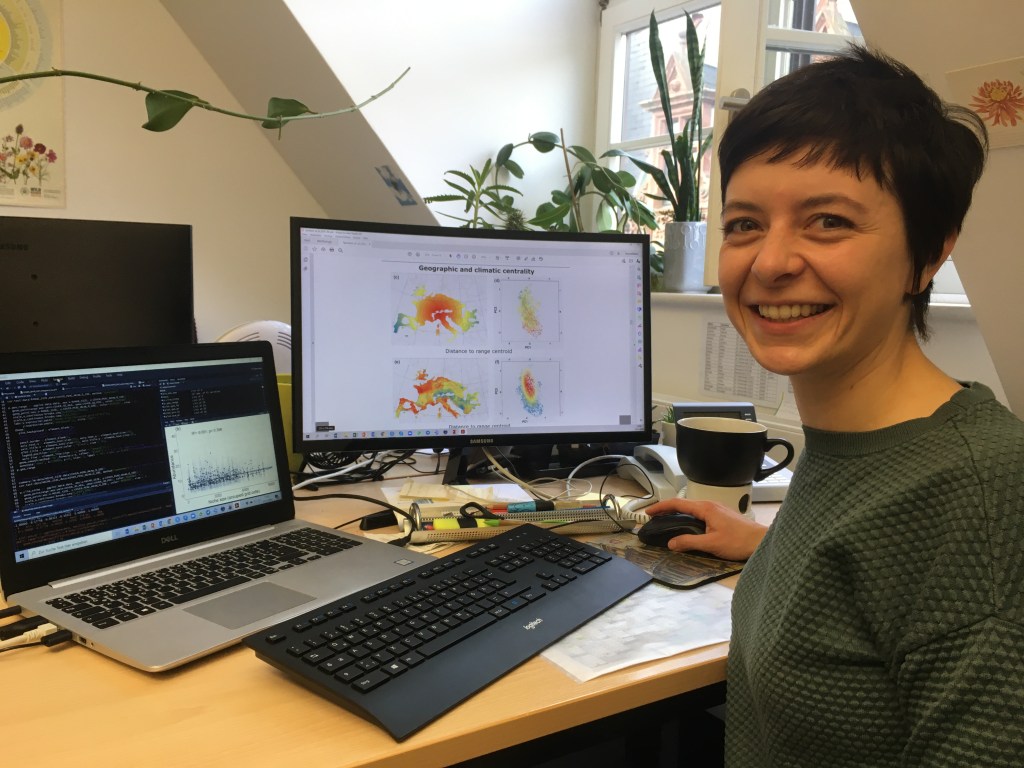
Maria working at her tidied-up desk at the Martin-Luther University Halle, Germany. Typical setting of a macro ecologist: analysing data and creating colourful maps. (Picture credit: Carolin Plos)

Key methodologies. We extracted species distribution maps from the Chorological Database Halle to derive information on the geographic range size for the plant species. The estimated local species abundances were based on about 800,000 vegetation plots from the European Vegetation Archive. We related the species’ broad-scale distribution with species’ mean abundance based on all vegetation plots in which a species occurred, to test for the interspecific abundance-range size relationship We calculated the distance between the vegetation plot locations and the centroid of each species range, which allowed us to test for the abundance-range centre relationship. Furthermore, we applied Species Distribution Models to calculate the climatic suitability of the location of the abundance observation and with this we were able to test for the abundance-suitability relationship. The opportunity to bring two large datasets together enabled us to study macroecological abundance patterns throughout the entire Eurasian distribution ranges of our study species.

A snap shot of the work involved when transferring information on species distribution from maps and notes to a digital format. Work of many years: expert-drawn range maps were compiled for 5,583 taxa national and floristic databases and maps from floristic literature. For 1,200 European vascular plant species, geographical information for the distribution ranges is available in electronic format. (Picture credit: Erik Welk)

Any challenges you and your co-authors faced along the way? One might expect that it’s “low hanging fruits” when you are working with secondary data from biodiversity databases. Nevertheless, bringing together large datasets from different sources can be challenging as it includes carefully matching and synchronizing taxonomy information and coping with spatial uncertainty in the different data sources. Due to spatial uncertainty we decided to raster all of the used data to a 2.5-min cell resolution, which corresponds to grid cells that cover approximately 15 km² across Central Europe, to overcome this potential bias from spatial uncertainty. With this coarsening of resolution, we did also reduce the effect of spatial autocorrelation and pseudo-replication that might arise from very high densities of vegetation plots in highly sampled regions.

Major results. In this study, we found no clear support for any of the three macroecological hypotheses linking local abundance to species’ broad scale distribution. This is an important finding and it highlights the complexity of factors that determine species abundance throughout their geographic range. This complexity can strongly influence predictions about habitat conservation. Most conservation strategies are implemented at the local scale but follow guidelines based on predictions that were made at the global or regional scale. Therefore, it remains crucial to understand whether a species’ local abundance follows the same pattern as the species’ broad-scale distribution. We therefore advocate for including information on microclimatic conditions that are available at fine spatial resolution to improve predictions of species’ local abundance based on broad-scale occurrence data.

An insight into the collection of the Chorological Database Halle that stores information on species distribution ranges for more than 17,000 vascular plant taxa. (Picture credit: Erik Welk)

Next steps in this research. Species’ functional traits are used as proxies for species’ dispersal abilities, tolerance of environmental conditions and competitiveness and have been linked to species’ commonness and rarity on both local and large geographic scale. However, no single trait can completely describe a species’ ecological strategy. Therefore, we are interested to understand whether species’ local abundance and broad-scale distribution can be predicted by single functional traits and sets of traits. The manuscript is on its way so stay tuned for some interesting results in the near future!

If you could study any organisms on Earth, what would it be? I am fascinated by vascular plants which are so manifold in their forms and functions, so I think I am already studying my favourite “species group”. Nevertheless, especially the interaction between plants and their pollinators have raised my interest and I am keen to learn more on these important relationships and the abiotic factors that are influencing them.

Recovering palaeo-distributions from rock art

Corroborating, refining, or refuting species’ modelled historical distributions can require innovation in datatypes and the synthesis of diverse kinds of information from sometimes unexpected sources.

Ecological niche and species distribution models are tools currently applied in several fields of biology and other disciplines. These models use algorithms to correlate species presence data with environmental layers to reconstruct ecological niches. Ecological niches can then be projected into a geographic space and time, which enables us to make a hypothesis about the potential species distribution.

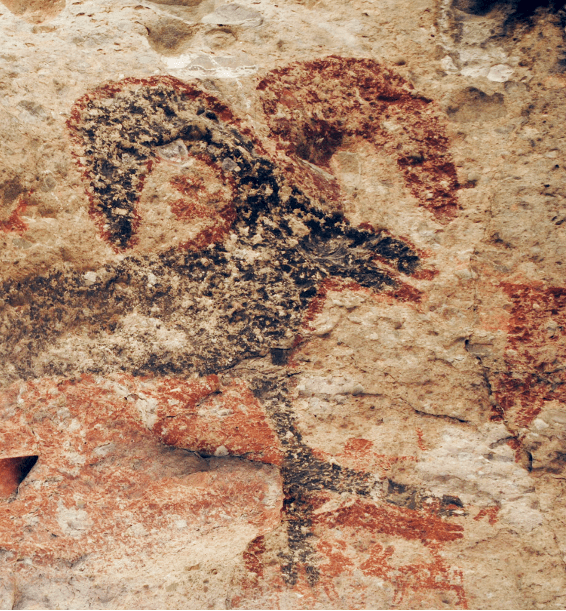
(Above) Rock art depiction of a desert bighorn sheep
from Sierra de San Francisco, Baja California, Mexico.

We have long been interested in the reconstruction of vertebrate distributions at different spatial and temporal scales. Obtaining their current potential distributions is relatively simple since it is the period where we have more data on the species presence. However, when faced with palaeo-distributions, we can only reconstruct the ecological niches of species in the present and project them to past climate scenarios. This has drawbacks, for example we do not know if the reconstruction of the current niches is well represented. Additionally, we must assume those niches did not change over the projected period of time (also known as niche conservatism).

EDITORS‘ CHOICE: (Read for free until Feb 2021):
Gámez‐Brunswick, C, Rojas‐Soto, O. New insights into palaeo‐distributions based on Holocene rock art. J Biogeogr. 2020; 47 (12): 2543–2553. https://doi.org/10.1111/jbi.13975

One day we stumbled upon a magazine that had a piece about rock art and realized that we have had information from the past for a long time. Rock art has been there for thousands of years, talking to us, static, but telling very interesting stories. They tell us about the interaction of those prehistoric humans with species and their environment through incredible paintings and engravings in stone. Therefore, we could use rock art sites as records of the species represented in that time frame, and then model their distribution with modern day tools.

This seemed possible, but we had not yet realized all the difficulties; there is an enormous number of rock art sites in North America, and at each one there are several species depicted with varying degrees of detail. How is it that we could choose our species and reduce the identification error to a minimum? And moreover, how could we set a time range for all of the representations? Then, once inside the wonderful world of rock art, we found drawings of an ungulate that was very meaningful to hunters, with easily identifiable backward-twisted horns and the only species in that range … the bighorn sheep.


Potential distribution of the desert bighorn sheep from Mid-Holocene (red) and present (grey) in two environmental dimensions (PCs) (left) and in a geographic space (right), as reconstructed from rock art (light orange squares) and current records (black points) respectively.

The bighorn sheep has a wide representation in North American rock art; its importance for so many cultures allowed us to obtain records captured in rocks both from northern Mexico and the southwestern United States. The complex task was to assign a date to all these depictions, and it was there that biology, anthropology, and archaeology collided. Thanks to the study of all those prehistoric human settlements, we were able to assign them a space in our timeline, and thus achieve a match with the environmental layers of the Mid Holocene (6,000 years ago). With this, we were able to model the niche of the bighorn sheep in the past and make comparisons with its data from the present, which we already had very well represented.

The importance of this analysis is in the use of records that were illustrated in rock art for so long and had been overlooked. Furthermore, it allowed us to demonstrate for the first time that niche conservatism does exist in time periods such as the one that separates us from the Mid Holocene. With this, we open the opportunity to start a line of study where we can delve more precisely into palaeo-distributions; particularly in the face of an extremely scarce fossil record. The analysis of species niches and their distributions over time gives us the possibility to understand their temporal dynamics and with this, to better understand the environmental changes that we are already beginning to suffer and will only increase in the future with climate change.

Written by:
Carolina Gámez-Brunswick & Octavio Rojas-Soto
Laboratorio de Bioclimatología, Red de Biología Evolutiva, Instituto de Ecología A. C.

Additional information:
@carobrunswick

Satellite images to understand the diversity of minute insects


We use landscape data to understand spatial patterns of diversity of one of the smallest groups of insects: thrips. The study was performed in Reunion island, a small volcanic island of the Indian Ocean. The dramatic changes in elevation, abiotic conditions and anthropisation allowed us to explore multiple variables affecting diversity revealing why, despite more than a century of research, the elevational diversity gradient is far from being fully understood.

How diversity is distributed on our planet is one of the patterns that has been most intensely studied by ecologists. One such pattern is the change in diversity along elevational gradients, which was already noticed by Alexander von Humboldt in the 18th century. Since then many studies have tried to find general rules behind this gradient, but the more the pattern is studied the more complex it seems to be. The reasons are many and include that the elevational diversity gradient depends on both abiotic conditions and biotic interactions, it may change with latitude, taxa or climatic regions, and the relationship is not always linear with diversity being often larger at mid-elevations. In addition, human impacts on ecosystems also co-vary with elevation with concomitant effects on diversity. Early researchers were able to observe this pattern in pristine ecosystems, which are nowadays rare. Human activities are currently the strongest drivers of diversity erosion, and including these activities on the study of diversity gradients can help to better understand spatial patterns of diversity.

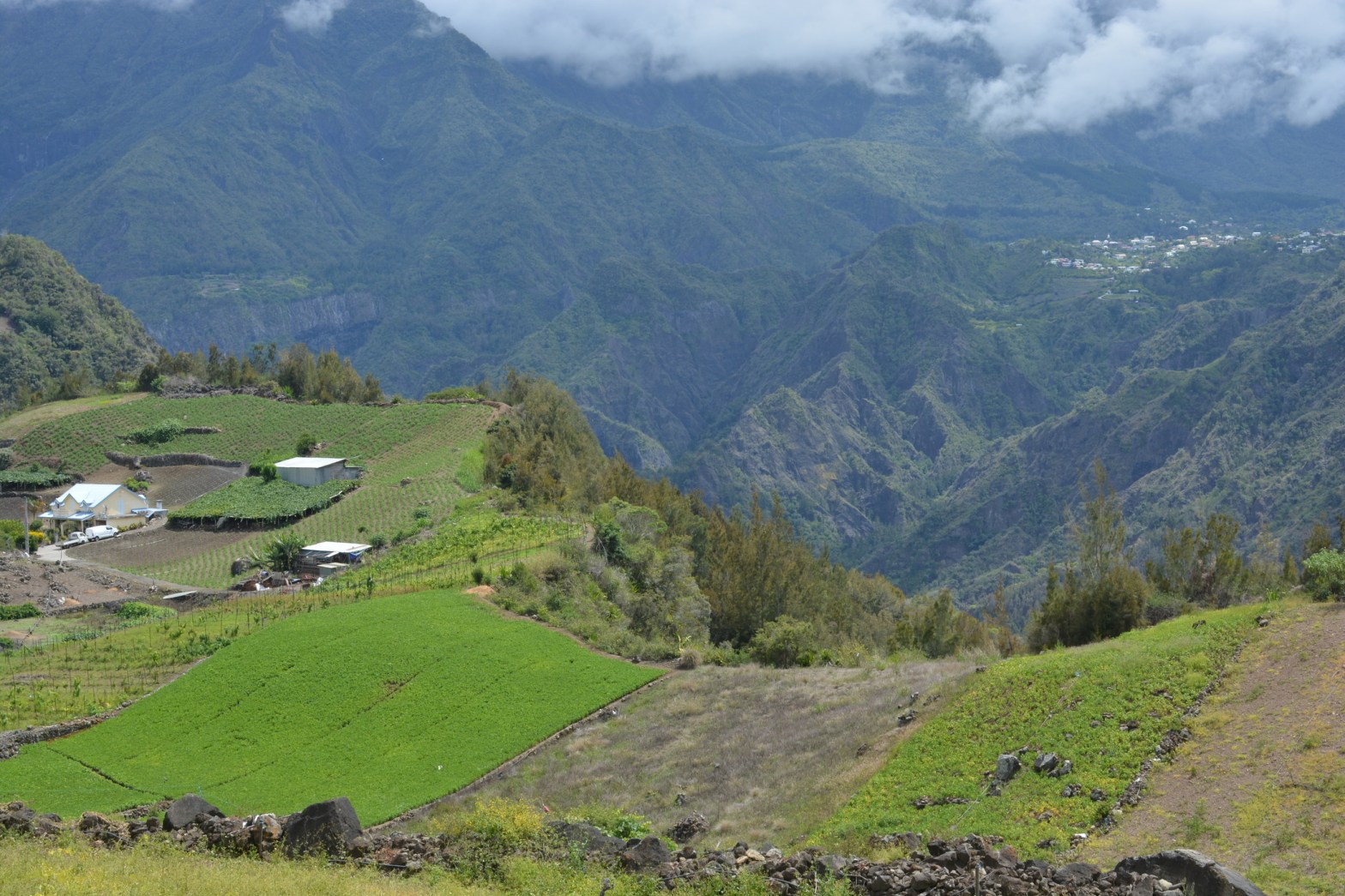
(Above) Lentil crops embedded within the National Park in the Cirque de Cilaos, Reunion island.

Our study aimed to explore whether diversity changes along elevation could be better understood if human impacts on landscape structure were taken into account. We selected three important variables that can be obtained from highly-resolved vector layers: the amount of habitat available, habitat diversity, and fragmentation. The study was performed in Reunion, a small island in the Indian Ocean recognized as a diversity hotspot. This volcanic island offered a unique opportunity to test our hypotheses given its dramatic changes in elevation as well as at the landscape level. Low elevation areas are dominated by human settlements, mid elevation ones are mostly devoted to agriculture (and sugarcane in particular), and higher elevation areas are protected by a National Park. The study was done using as model system a group of minute insects known as thrips (Thysanoptera), and was part of Niry Dianzinga’s PhD, a project that required intense sampling and identification of thrips, with the new species Thrips reunionensis being discovered.

FROM THE COVER:
Dianzinga, N.T., M.-L. Moutoussamy, J. Sadeyen, L.H.R. Ravaomanarivo, & E. Frago (2020) The interacting effect of habitat amount, habitat diversity and fragmentation on insect diversity along elevational gradients.  J. Biogeogr. 47 (11): 2377-2391.  https://doi.org/10.1111/jbi.13959

The model system used in our study imposed an important challenge because, as far as we are aware, we were among the first to use this group of insects in a diversity study. It was rewarding to find out that a large part of the diversity of this group (a total of 40 species) could be obtained by sampling insects from flowers using the beating sheet technique, a simple, cheap, and quick method to sample insects. Despite many previous studies suggesting that these insects mostly disperse passively with wind currents, we found that they establish tight interactions with flowering plants, which may allow us to use this insect group to study insect-plant interaction networks in the future. This model is also interesting given its large functional diversity: most species are herbivorous, but several species feed on fungi, and some species are predators, like the species Franklinothrips vespiformis depicted on the cover of issue 47(11) of the Journal of Biogeography.


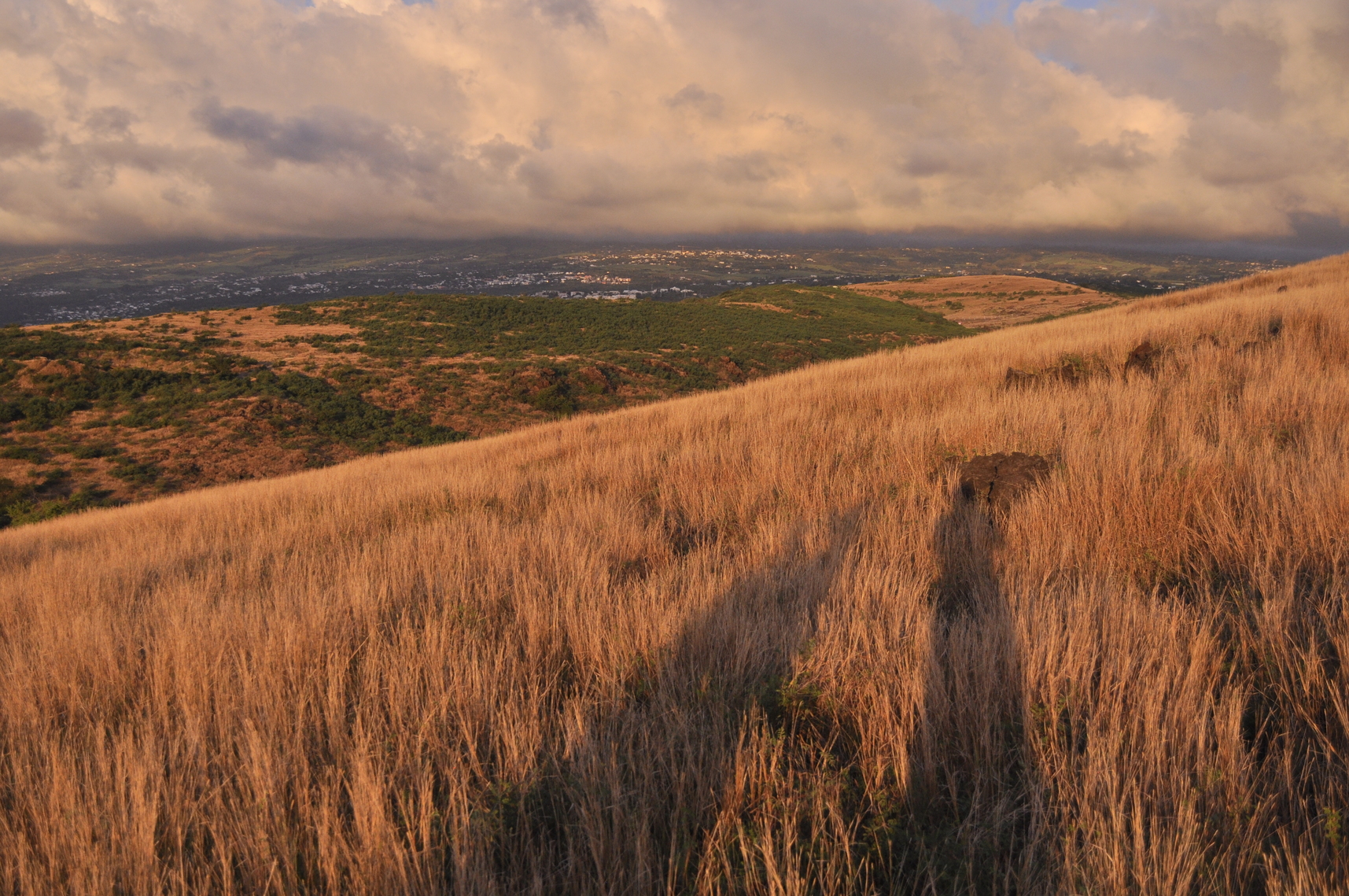
Savannah ecosystem in La Savane, Saint-Paul, Reunion island.

Our results are a good example of the challenges to understand the elevational diversity gradient because variables affecting thrips diversity were multiple, and often interacted in an intricate manner. During the rainy season, rainfall was one of the most important variables affecting insect diversity, but during the dry season elevation dominated. Among landscape variables, the amount of habitat available and its diversity were also important but one variable modulated the effect of the other: insect diversity increased with habitat diversity, but this effect was offset in areas of low habitat amount. Overall our results suggest that landscape effects can help us to better understand the elevational diversity gradient, but also that diversity may change a lot between seasons. Most research on diversity patterns has focused on spatial patterns, and we believe that temporal trends in diversity will provide exciting new knowledge on how diversity is maintained or lost. Temporal diversity trends may be particularly important to explore given the unprecedented loss of insect diversity occurring during the last decades.

Another important challenge for future studies will be to dig deeper into the landscape data that can be obtained from satellite imagery. In our study we obtained data from vector layers that were very accurate in delineating different land uses, but that did not distinguish, for example, vegetation types among the natural forest category, or did not provide any information on plant or soil diversity. It thus remains to be answered whether insect communities are more unique in areas where plant communities are unique too, or whether areas dominated by invasive or agricultural plans, are also dominated by exotic or pest insects. These questions will for sure provide a more detailed understanding of insect diversity patterns, but answering them will require intense field work that is not always possible. As it commonly happens in ecological studies, the balance between the quality of the information obtained, and the human endeavor needed to obtain such data will need to be evaluated depending on access to study sites, the questions asked, the model system and the funding available, among others.

Written by:
Enric Frago and Niry T Dianzinga
CIRAD, CBGP, Montpellier, France, and CIRAD-UMR PVBMT, Saint-Pierre, La Réunion, France.

Additional information:
https://sites.google.com/site/enricfrago/home

@EnricFrago


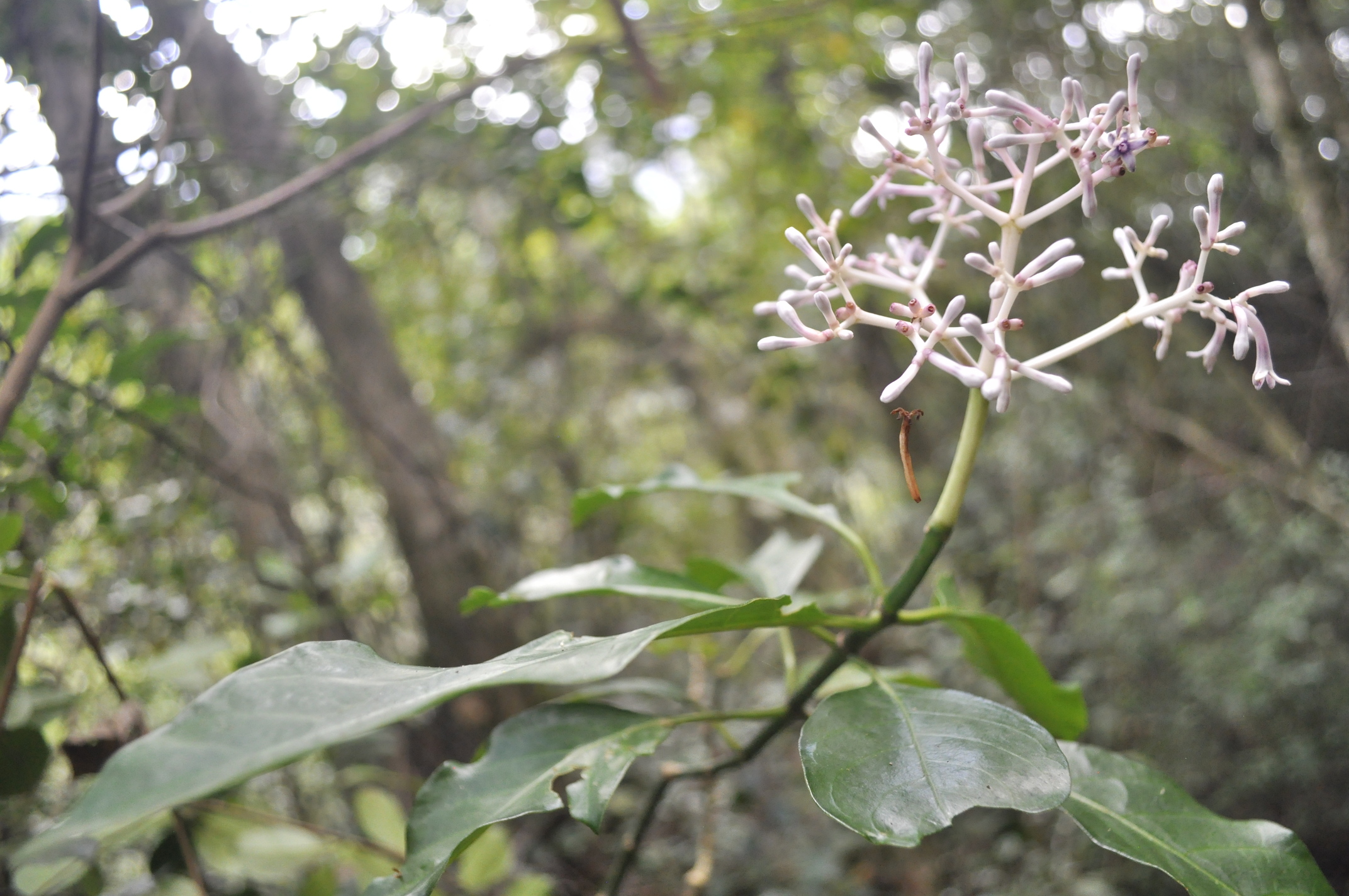
Bois de corail, Chassalia corallioides, a Reunion endemic in the Cirque de Mafate that owes its name to the coral-like structure of the flowers

ECR Feature: Kathryn (Katie) M. Everson on the diversification of Madagascar’s small montane mammals and reptiles

Katie is a postdoc at the University of Kentucky. She combines phylogenetics and phylogeography to understand species diversity and distributions. Katie shares her recent work on patterns of co-distributed genetic structure among 25 small-bodied animals (tenrecs, rodents, and reptiles) from Madagascar’s highland regions.

Name. Kathryn (Katie) M. Everson

Personal website. http://www.kmeverson.org

Institute. University of Kentucky, Department of Biology

Academic life stage. Postdoc

Major research themes. I’m driven by three major questions: how many species exist in a given lineage (species delimitation), how are those species related (phylogenetics), and which landscape features have shaped their evolutionary history (phylogeography)? I think the best avenue for exploring these topics is to blend traditional museum-based systematics with genomic datasets.

Current study system. Most of my research is focused on Madagascar’s mammals. The island of Madagascar is a biodiversity hotspot and 100% of its native terrestrial mammals are found nowhere else on Earth. Even though Madagascar is well known among biologists, many of its species have not been described in the scientific literature, and researchers still don’t fully understand how and why the island’s biodiversity arose. Describing this biodiversity and its evolutionary history is urgently important as Madagascar’s forest habitats are quickly disappearing.

Recent paper in JBI. Everson, KM, Jansa, SA, Goodman, SM, Olson, LE. Montane regions shape patterns of diversification in small mammals and reptiles from Madagascar’s moist evergreen forest. Journal of Biogeography. 2020; 47: 2059– 2072. https://doi.org/10.1111/jbi.13945

Motivation for this work. This paper has been a long time in the making! The original idea came from my PhD advisor Dr. Link Olson (University of Alaska Museum) who studied Madagascar’s tenrecs, and his friend and colleague Dr. Sharon Jansa (University of Minnesota) who studied Madagascar’s native rodents. In the early 2000s, Link and Sharon had each been looking at some mitochondrial data from museum specimens when they realized that many species had very similar phylogeographic patterns. Specifically, when they looked at the eastern humid forest, they saw that many species are co-distributed and have a nearly identical population structure. This made them wonder if the same geological features could be driving population structure across multiple species. They teamed up with Dr. Steve Goodman (Field Museum and Association Vahatra), who brought a wealth of on-the-ground knowledge and experience in the eastern humid forest, and me, who brought the skillset for comparative phylogeographic analyses and a fresh perspective.

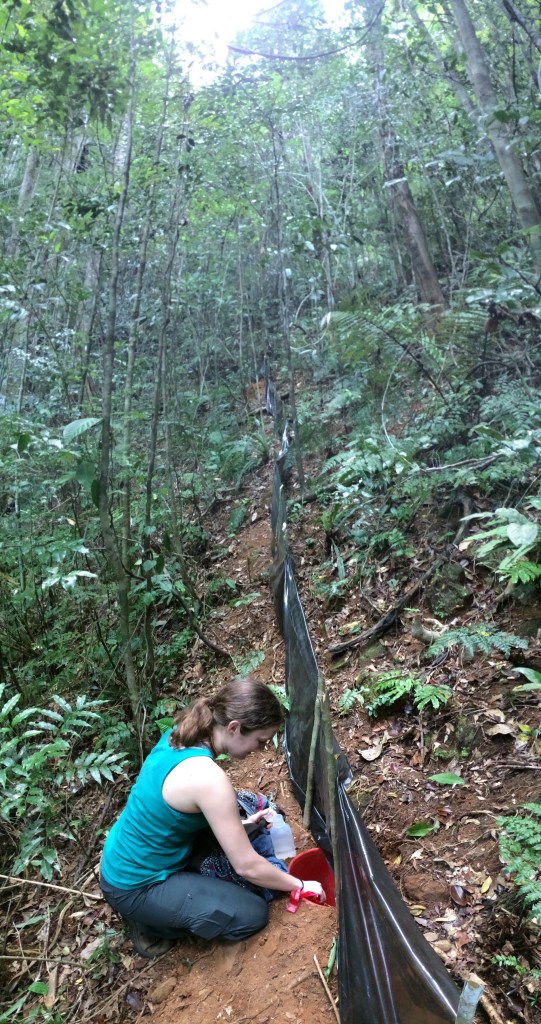
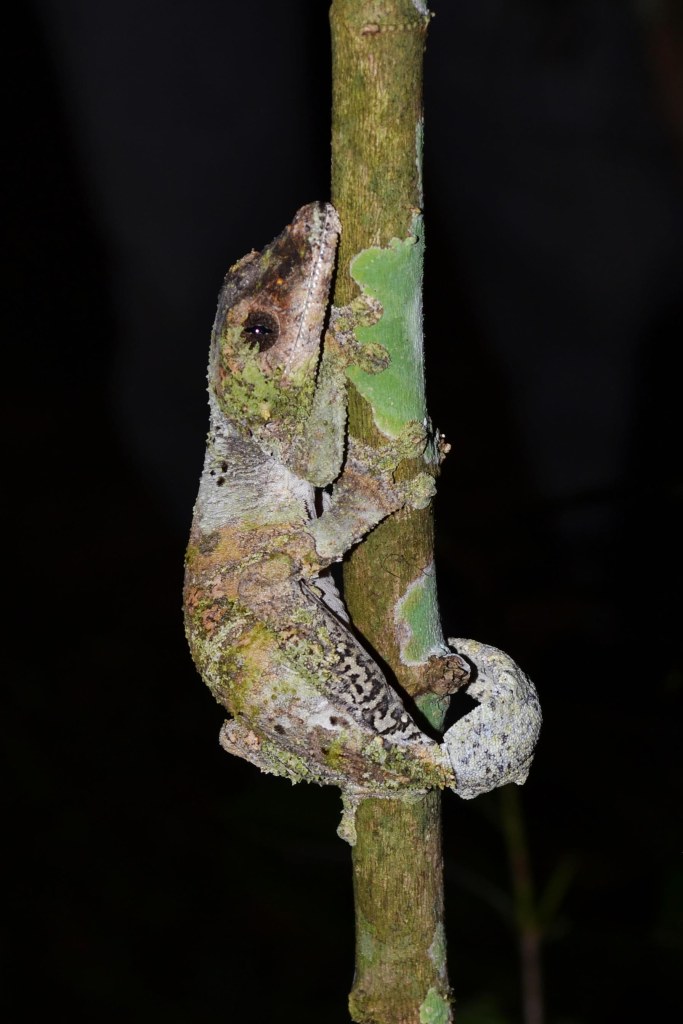
(left) Katie Everson checking pitfall traps in Madagascar’s moist evergreen forest near Betampona Reserve. (Photo credit: Link Olson) (right) Leaf-tailed geckos (genus Uroplatus) are endemic to Madagascar and occur broadly in the moist evergreen forests. (Photo credit: Katie Everson)

Key methodologies. This was a comparative phylogeographic study – we used genetic and geographic data from 25 species (13 tenrecs, 7 rodents, and 5 reptiles) to identify similarities in population structure. This approach assumes that if multiple species share the same phylogeographic break – say, across a river – then that river has probably been an important feature driving diversification. We were surprised to find that 24 out of our 25 species shared phylogeographic breaks between Madagascar’s highland regions, so we concluded that the highlands have played an important role in driving diversification on Madagascar. 

Any challenges? We ran into a few roadblocks while working on this paper, but we’re glad that we were ultimately able to overcome them all! One big challenge was dealing with ever-changing taxonomy in this biodiversity hotspot. While we were working on this research, several papers were published suggesting that at least 6 of our focal species should actually be split into multiple species. We debated whether we needed to remove those groups from our study, but in the end we decided to move forward and treat everything as a “species complex.” We also added a new analysis to test whether any of our other 19 species also contained hidden diversity (spoiler alert: they all did!).

Major results. We found that the Madagascan highlands have played an important role in structuring genetic diversity on Madagascar. This finding represents a new phylogeographic model for Madagascar that we hope will be used by future scientists as a jumping point to explore new hypotheses. We also identified 85 deeply divergent lineages that may represent new (i.e., unrecognized or cryptic) species, which corroborates other findings that Madagascar’s species-level biodiversity is vastly underestimated. On the whole, our work shows that Madagascar’s distinctive fauna is continuing to diversify, and it shows that the highlands might be a key to explaining how Madagascar became one of the world’s foremost biodiversity hotspots.

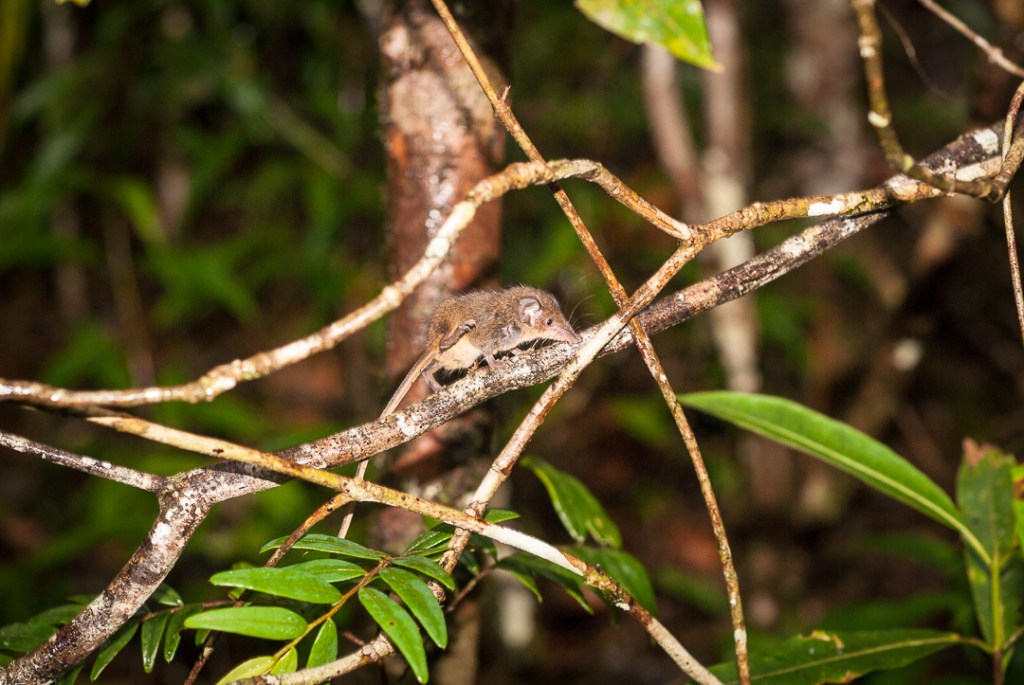
Shrew tenrecs (genus Microgale) are endemic to Madagascar. They featured prominently in this study. (Photo credit: Jonathan Fiely)

Nest steps. It would be interesting to add other species besides small-bodied vertebrates to see whether the Madagascan highlands have played an important role for diversification of other groups like lemurs, plants, or insects. It would also be great to collect a bigger genetic (or maybe even genomic?) dataset. With more data we would have the power to explore divergence times, patterns of gene flow, and other fine-scale aspects of demographic history. Finally, this study illuminated the presence of potential new species and pointed to important, previously unrecognized regions of microendemism. I think it will be important to follow up on these on a case-by-case basis.

If you could study any organism on Earth, what would it be? That’s a hard question! I love studying Madagascar’s mammals, but I know there are a lot of other groups that would be interesting to study too. One that comes to mind are the pangolins. They’re the most trafficked mammals in the world, they carry a coronavirus that is very similar to human COVID-19, and they have a really interesting distribution from Africa to the islands of Southeast Asia. Plus, they look like something from another planet – the way they walk is so funny!

Anything else to add? I want to emphasize that obtaining all of the samples for this research was an enormous collecting effort, both by my coauthors and by numerous Malagasy researchers over the last several decades. I feel very fortunate to have been able to work with these samples!

Dimensions of amphibian alpha diversity in the New World

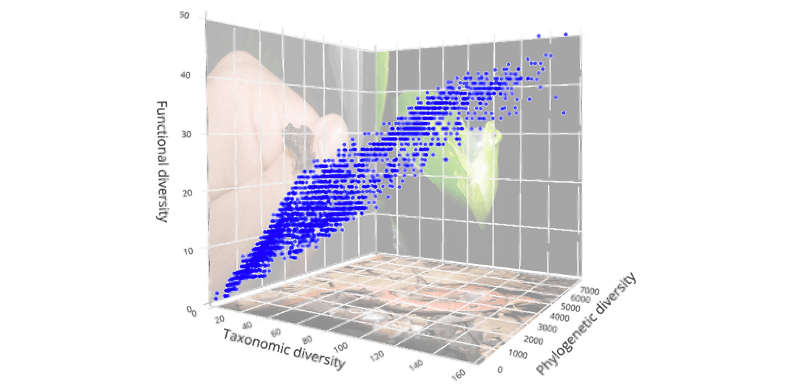
Local biological diversity, also known as alpha diversity, has three different components: the number of species in a given area (taxonomic diversity), the number of distinct traits that these species have (functional diversity) and their evolutionary distinctiveness (phylogenetic diversity). The relationships among these components of diversity vary across geography reflecting the differences in eco-evolutionary processes among distant regions.

(Above) 3D visualization of the empirical relationships between functional diversity, phylogenetic diversity and taxonomic diversity for amphibians in the Continental Americas based on our theoretical framework.

This study was motivated by the fact that different components of biological diversity have been shown to vary slightly in their geographical distribution: while species richness, phylogenetic diversity and functional diversity are broadly correlated, there are some regions where one measure of diversity is higher or lower than expected based on the others.

FROM THE COVER: Ochoa-Ochoa, LM, Mejía-Domínguez, NR, Velasco, JA, Dimitrov, D, Marske, KA. Dimensions of amphibian alpha diversity in the New World. J Biogeogr. 2020; 47: 2293– 2302. https://doi.org/10.1111/jbi.13948

We discussed extensively the possibilities to integrate these three dimensions of biological diversity in a single framework and developed a set of hypotheses about the potential drivers of variability in the relationships among the diversities.  We then mapped the spatial distribution of these diversity measurements and use our theoretical framework to explore the processes that may have generated the spatial patterns of amphibian diversity in the New World as we know it today.

.
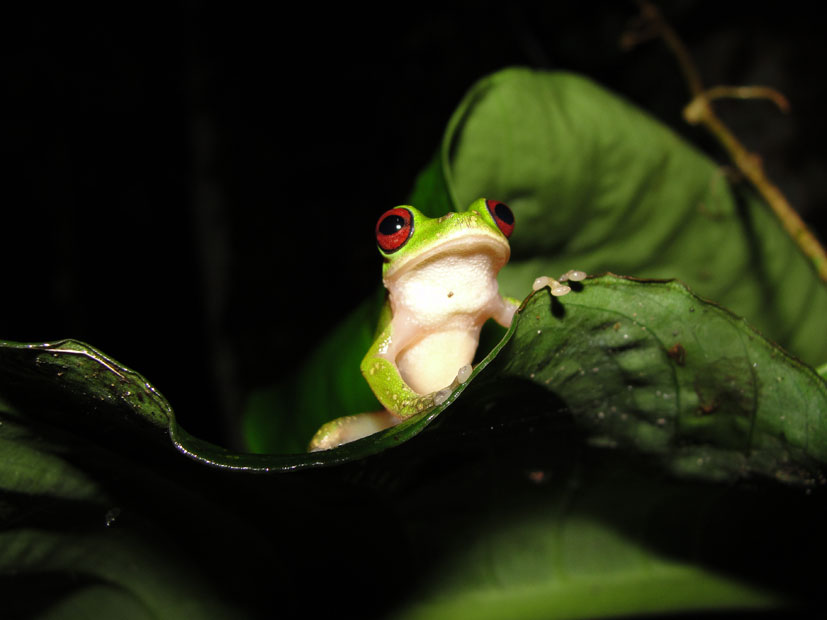
Quilticohyla zoque is a treefrog species from the family Hylidae
from Nahá reserve, Chiapas, Mexico. Photo: LMMO.

We found that although the three aspects of diversity showed similar patterns, the geographical variation in the relationship between diversities suggested that a variety of processes, including ecological opportunity, habitat filtering, competitive interactions, among others have had different impacts on the different components of diversity. We also found regional differences dominant processes shaping diversity patterns.

Finally, we concluded that neither dimension of amphibian alpha diversity is a general predictor for other dimensions. Thus a single explanation about ecological and evolutionary processes underlying geographical variation in amphibian diversity is not possible. Our findings have major implications for conservation because setting conservation priorities may require analyses to determine which is the most important dimension of diversity to be conserved. Thus, the question of whether to give priority to history (e.g., antique lineages, evolutionary uniqueness), to high functional diversity (with rare or unique functions) or to taxonomic diversity (number of species) is critical.

.
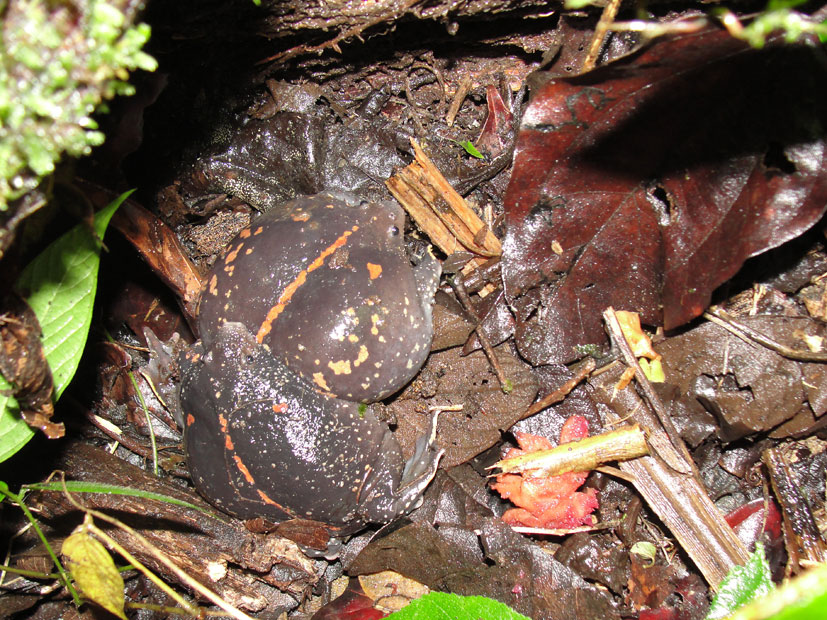
Rhinophrynus dorsalis, is a Mexican burrowing toad from the family Rhinophrynidae
from Nahá reserve, Chiapas, Mexico. Photo: LMMO.

Ideally, if we want to preserve a wider range of the evolutionary spectrum, the aim should be, not only to conserve as many species as possible, but also to conserve a broad selection of different phylogenetic lineages and life history traits (functions). We expect that our findings will stimulate a new generation of local studies aimed at deciphering how diversity in ecological roles, evolutionary heritage and species numbers was assembled by ecological and evolutionary processes at finer spatial scales.

Written by:
Leticia Margarita Ochoa-Ochoa, Full Professor, Evolutionary Biology Department, Museum of Zoology, Faculty of Sciences, UNAM.
Nancy R. Mejía-Domínguez, Associated Researcher, Unidad de Bioinformática, Bioestadística y Biología Computacional, Red de Apoyo a la Investigación (RAI). Coordinación de la Investigación Científica, UNAM.
Julian A. Velasco, Associated Researcher, Centro de Ciencias de la Atmósfera, UNAM.
Dimitar Dimitrov, Associate Professor, Department of Natural History, University Museum of Bergen, University of Bergen, Bergen, Norway.
Katharine A. Marske, Assistant Professor, Geographical Ecology Group, Department of Biology, University of Oklahoma, Norman, Oklahoma, USA

For more information:
@Lety_OchoaOchoa /  http://academicos.fciencias.unam.mx/leticiaochoa/
@MejiaDNancy / https://sites.google.com/view/biostatisticsrai-unam/
@juvelas / https://www.atmosfera.unam.mx/ciencias-atmosfericas/cambio-climatico-y-radiacion-solar/julian-a-velasco-vinasco/
@spidersphylo / http://www.dimitardimitrov.name
@kamarske / Kamarske.org


JBI Annual Report on Equity, Diversity, and Inclusion

An increased awareness of systemic bias in institutions requires that we all examine the practices in which we participate. Around the turn of 2020, the Journal of Biogeography (JBI) began considering initiatives to promote opportunities for researchers currently underrepresented in biogeography, a discussion that continued throughout the year, and will go on for some time yet. A key part of this discussion is transparency in the current state of imbalance, inequity, and exclusion and changes in their status through time to hold ourselves accountable and ensure we are making progress. By way of this post, we begin this process of transparency and accountability, with JBI‘s first Annual Report on Equity, Diversity, and Inclusion.

Approach & results for 2020: There are many dimensions to diversity, and currently we are able to access information on only a subset of these, with some degree of accuracy, for a subset of roles within the publishing ecosystem. These data come from recent investments by Wiley to understand aspects of gender diversity of authors (currently, absent instruments for self-identification, we are restricted to estimates of binary gender diversity afforded by tools that assign female-male gender on the basis of statistical associations between first names and countries), from our abilities to retrieve geographic diversity in author submissions and publications in ScholarOne and the analytics behind this blog, as well as from a small number of public documents on the journal website and a diversity questionnaire completed by authors of blog posts. As a result, we report on aspects currently accessible and commit to improving our information systems in the coming years.

Editorial Board:

Associate Editors:
Current board composition: 15 women, 42 men.
New members added in 2020: 3 women, 2 men.
Total new invitations in 2020: 8 women, 4 men.
Geographic diversity by institutional location: 25 countries (Argentina 1, Australia 4, Austria 2, Belgium 2, Brazil 2, Chile 1, China 3, Cyprus 1, Denmark 1, Finland 2, France 2, Germany 2, Greece 1, Italy 1, Japan 1, Mexico 2, Netherlands 4, New Zealand 1, Northern Ireland 1, Norway 1, Poland 1, South Africa 4, Spain 2, UK 5, USA 9)

Deputy Editors-in-Chief:
Current board composition: 2 women, 3 men.
New members added in 2020: 1 man.
Geographic diversity by institutional location: 5 countries (France, Germany, Portugal, UK, USA)

Editor-in-Chief:
Current board composition: 1, man.
Geographic diversity by institutional location: USA

Social Media Editors:
WeChat: 1, man.
Blog, Facebook, Instagram, Twitter: 1 woman, 1 man.
Geographic diversity by institutional location: 3 countries (Australia, China, Switzerland)
Cultural/national identity: American, Chinese, Chinese-European.

Editorial Academy:  
Current board composition: 3 women, 3 men.
New members added in 2020: 3 women, 3 men.
Total new invitations in 2020: 3 women, 3 men.
Geographic diversity by institutional location: 4 countries (Finland, Germany 2, UK 2, USA)
Cultural/national identity: China, Germany, Portugal (2), New Zealand, United Kingdom.

Reviewers:

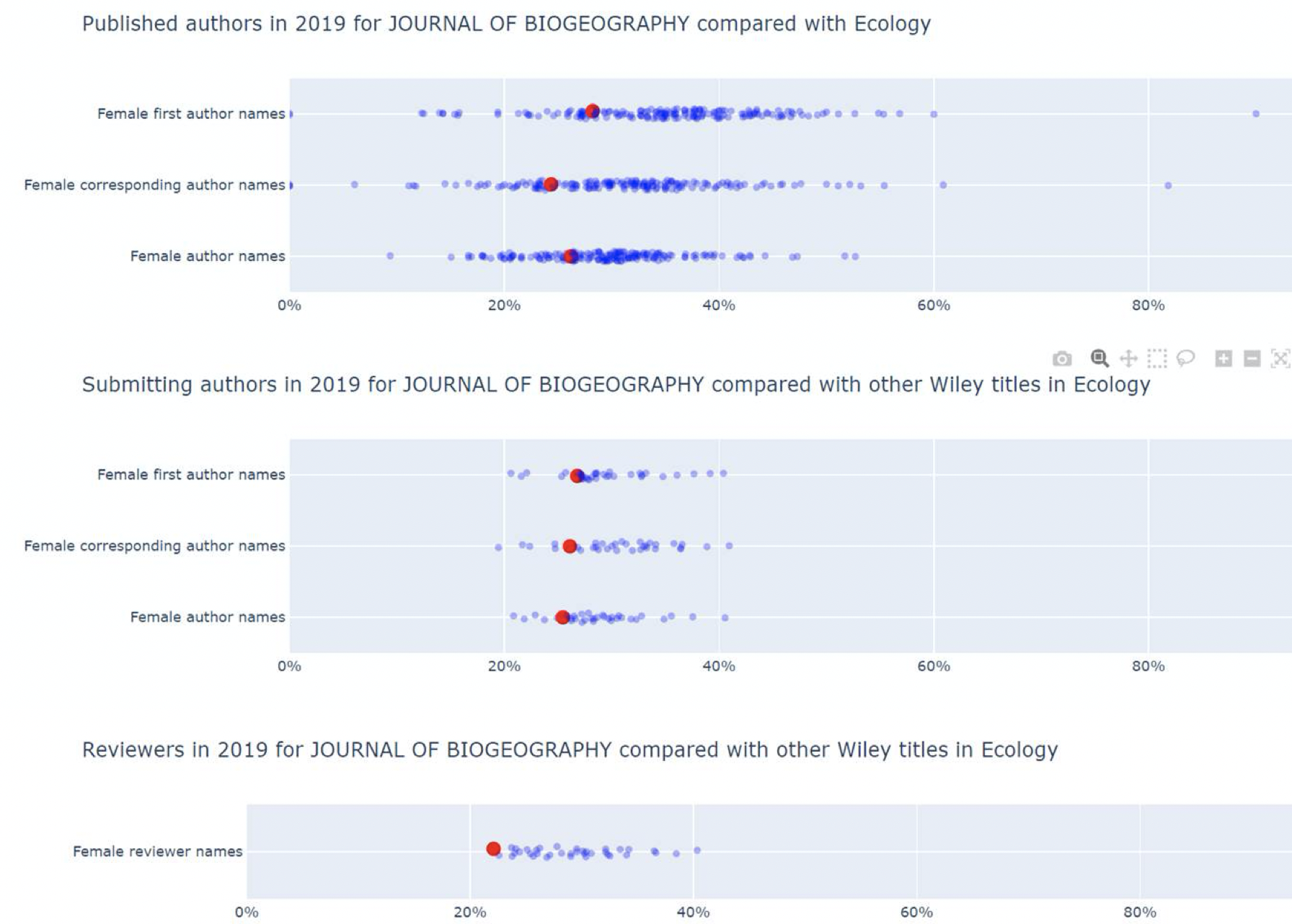
22% women

Authors:

Gender diversity:

Submitting first authors: 27% women
Submitting corresponding authors: 26% women
Submitting authors: 25% women

Published first authors: 28% women
Published corresponding authors: 24% women
Published authors: 26% women

Geographic diversity:

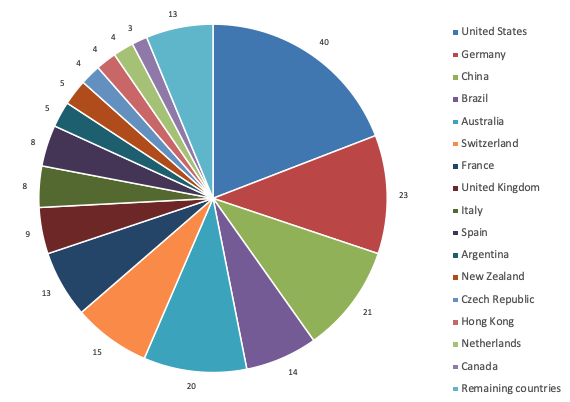
.
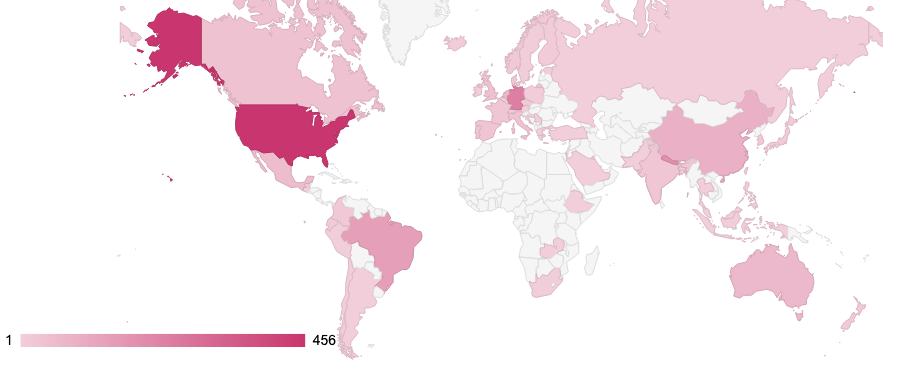
(Above) The geographic sources, by lead author institute, of papers published in JBI

between September 2019-2020 (v.46 issues 9-12 and v.47 issues 1-9).

Initiatives:

In 2020, JBI introduced three initiatives to advance principles consistent with the journal’s Equity, Diversity & Inclusion statement (see “Other” below).

Editorial Academy:
See above.

Small Grants for Global Colloquia in Biogeography:
In progress (to be reported in 2021).

JBI Awards for Innovation:
In progress (to be reported in 2021).

Blog:

Early Career Researcher features (as of 18 Oct 2020):
10 women, 10 men
4 PhD, 15 postdoc, 1 other [postdoc equivalent]

Readership:
153 countries (United States, Brazil, Germany, United Kingdom, India, Australia, Canada, Spain, France, China, Mexico, Netherlands, Italy, Switzerland, New Zealand, Sweden, Norway, Colombia, Japan, South Africa, Portugal, Chile, Austria, Argentina, Denmark, Belgium, Finland, Taiwan, Singapore, South Korea, Poland, Israel, Czech Republic, Nepal, Ireland, Hong Kong SAR China, Greece, Turkey, Peru, Pakistan, Indonesia, Ecuador, Thailand, Costa Rica, Philippines, Romania, Croatia, Nigeria, Russia, Malaysia, Bangladesh, Hungary, Estonia, Saudi Arabia, Benin, Kenya, Uruguay, European Union, Slovenia, Lebanon, Sri Lanka, Guatemala, Venezuela, Algeria, Slovakia, Iceland, Cyprus, Serbia, Egypt, Ghana, Morocco, Panama, Vietnam, Papua New Guinea, Lithuania, Bolivia, Cuba, Bulgaria, Kazakhstan, New Caledonia, Luxembourg, Puerto Rico, Ukraine, Uganda, Mozambique, Paraguay, Sudan, United Arab Emirates, Tanzania, Faroe Islands, Congo – Kinshasa, Gambia, Réunion, Oman, Honduras, Montenegro, Kuwait, Latvia, Bosnia & Herzegovina, Qatar, Namibia, Zimbabwe, American Samoa, Cambodia, Macau SAR China, Myanmar, Tunisia, Côte d’Ivoire, Albania, Madagascar, Zambia, Malta, Iraq, Palestinian Territories, Congo – Brazzaville, Burkina Faso, Burundi, Rwanda, Uzbekistan, El Salvador, Dominican Republic, Nicaragua, Jordan, Mongolia, Curaçao, Belarus, Ethiopia, Syria, Seychelles, Cameroon, Guyana, Monaco, Botswana, Barbados, Azerbaijan, Macedonia, Jamaica, Moldova, Afghanistan, Laos, Martinique, Armenia, Togo, Libya, Bhutan, Bermuda, Senegal, Angola, French Polynesia, Brunei, Maldives, Guam, Equatorial Guinea).


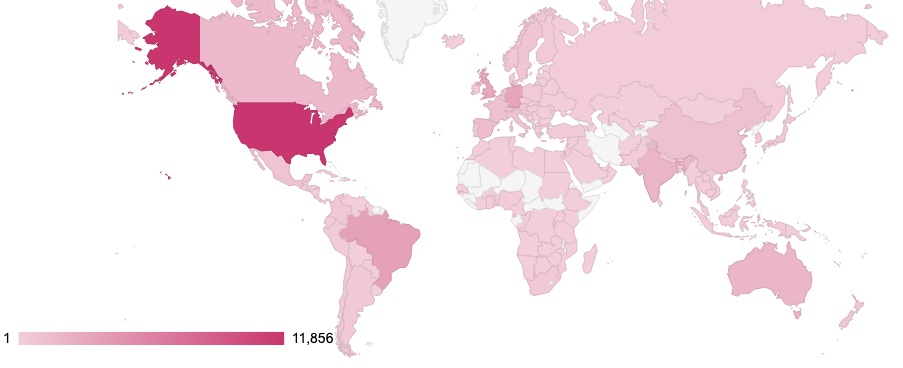
(Left) Number of page views of the JBI blog by country since inception, early January 2020.
(Right) Number of page views of the blog by country for the month ending 18 October 2020 shows potential for individual blog posts to reach audiences in usually underrepresented countries, in this case Nepal.

Other:

Like other journals, including Oikos, we consider diversifying biogeography to be integral with the future of biogeography, so JBI adopted Equity, Diversity & Inclusion statements at the beginning of July 2020. The statements can be found here and here (Section 5, bottom) and are designed specifically to address the need for inclusion to start with the earliest planning stages of research. A version of this statement also is included in JBI‘s initiatives (see above) that are explicitly intended to promote gender and geographic diversity among early career biogeographers.

Wiley is a signatory of the Joint Commitment for Action on Inclusion and Diversity in Publishing. link

Action items for 2021:

Growing from these initial data and experiences over the past year, we identify several goals on which we aim to work in the coming year. We do not consider this a complete list, nor a list of all that needs to be done. Goals for 2021 include:

To partner with other journals and societies on this matter, particularly sponsoring a discussion / session at an upcoming meeting.  Two ideas in this regard are:
– “Women in biogeography”
– “Island biogeography from the perspective of indigenous islanders”  

To increase geographic diversity among all of the journal’s constituencies: authors, editors, readers, reviewers.*

To increase gender diversity in leadership positions while being sensitive to workload.

To achieve gender parity and geographic representation in initiatives.

To increase gender diversity of authors, which in biogeography lags other ‘ecology’ titles (see figure below).

To begin a series of special or virtual issues focusing on diversity in biogeography. The first contribution will be 1 of ≥2 virtual issues on “Women in Biogeography” which we hope to publish later this year.

To implement a framework for better assessing diversity in submission and publication, such as improved analytics of manuscript metadata and post-decision information gathering from all authors.

Likewise, to implement a framework for assessing diversity in invitations to review cf. acceptances and submissions of reviews (see partial data in figure below).

To be responsive to Wiley’s recently formed DE&I advisory board which is creating a framework that could be applied to numerous journals across disciplines. 

*In the current report, geographic location of current institution is used as one dimension of geographic diversity in biogeography for which data currently are accessible. Action items for 2021 (above) include developing infrastructure for understanding ethnicity, nationality, cultural identify, country of origin.

.
(Above) Proportion of women in various roles in JBI relative to other Wiley ecology journals, 2019. While there is no substantial bias in acceptance rates (middle) relative to submission rates (top) at JBI, the journal has a lower proportion of female authors and reviewers than is average across ecology journals in general.

05 November 2020

ECR feature: Raquel Ponti de la Iglesia on shifts in migratory bird behaviour

Raquel is a postdoc at the Museo Nacional de Ciencias Naturales, Spain. She is a biogeographer and macroecologist with an interest in migratory birds. Raquel shares her recent work on historical shifts in the migratory behaviour of bird species that undergo Euro-African migrations.

Personal links. Twitter | ResearchGate

Institute. Museo Nacional de Ciencias Naturales (CSIC)

Academic life stage. Postdoc.

Major research themes. Macroecology, birds, biogeography, migration, islands.

Current study system. I am interested in all groups of birds. During my PhD, I studied birds that migrate from Africa to Eurasia. The fascinating thing about them is that they not only perform journeys of thousands of kilometres but also face extreme conditions during their journey (like crossing the Sahara desert). There is a great diversity of migratory Euro-African species, making them ideal to understand general behavioural patterns in birds. Currently, I am broadening my interests towards island biogeography and diversification in birds.

Recent paper in JBI. Ponti, R, Arcones, A, Ferrer, X, Vieites, DR. Lack of evidence of a Pleistocene migratory switch in current bird long‐distance migrants between Eurasia and Africa. Journal of Biogeography. 2020; 47: 1564– 1573. https://onlinelibrary.wiley.com/share/author/DQGGVVFKZP2YAKYZKUJG?target=10.1111/jbi.13834

Motivation for this paper. Current and past climatic changes have shaped bird distributions and migratory behaviours. Migratory behaviour can shift to sedentary behaviour relatively quickly during the evolutionary history of birds. In this context, some hypotheses suggest that North American birds stopped migrating during glaciations, remaining sedentary in their wintering grounds, and regaining their migratory behaviour in warmer periods. We wanted to test this hypothesis for Euro-African migratory birds, as the geography of both continents are different from the Americas.

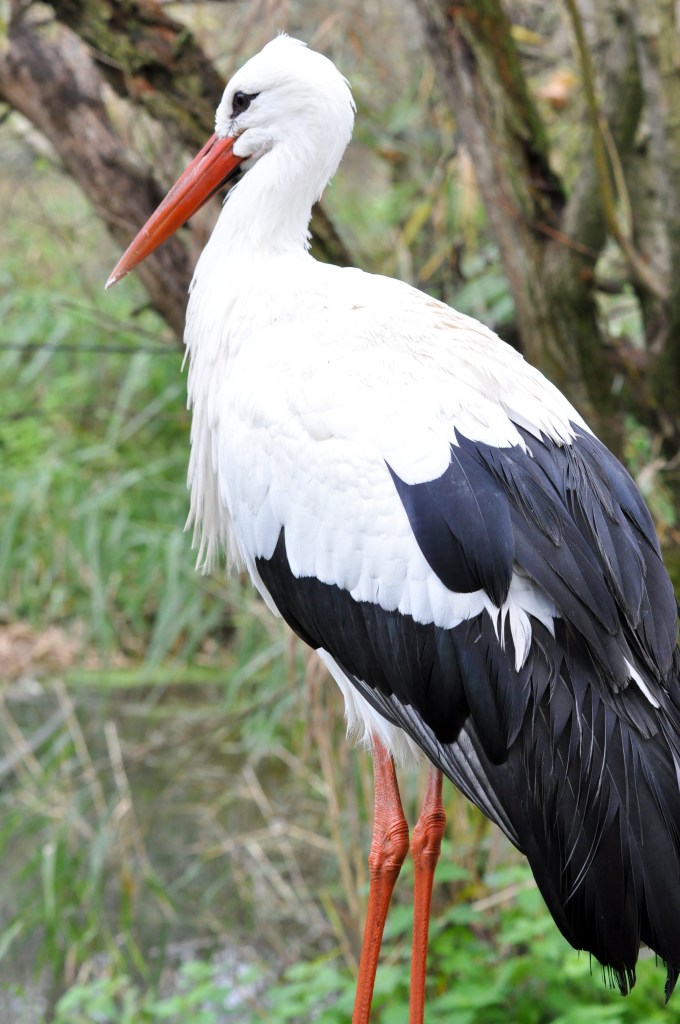
A White stork (Ciconia ciconia)during thebreeding season in Lombardia (Italy). Photo: Marco Sannolo

Key methodologies. In this study, we used species distribution models to infer present and past breeding and wintering distribution of every Euro-African migratory bird species. We created maps of probability of occurrence for the present and the Last Glacial Maximum based on the climate that species currently experience in their breeding and wintering distributions. If we know which climatic conditions birds face in the present, we can infer where in Europe or Africa these conditions might have occurred in the past. We evaluated the differences between present and past distributions and measured the distances between both breeding and wintering ranges. We predicted that breeding and wintering distributions would overlap if there had been a change in migratory behaviour to sedentary status during glaciation events. We also reviewed the bird fossil record from the Plio-Pleistocene covering Europe and Africa. This provided us an independent corroboration of our models.

Major results. We found that bird migratory species did not stop migrating during the glacial periods of the Pleistocene. Euro-African migratory birds reduced their migratory distances, as part of the north Hemisphere were covered by ice. However, unlike American migratory birds, Euro-African birds continued migrating, remaining in the Mediterranean basin during the breeding season and crossing the Sahara belt until their wintering areas. This finding indicates that the geography of the continents may play an important role in the evolution of migratory behaviour, and that current migratory routes probably were established during the Pleistocene or before (at least the Eurasian-African flyways).

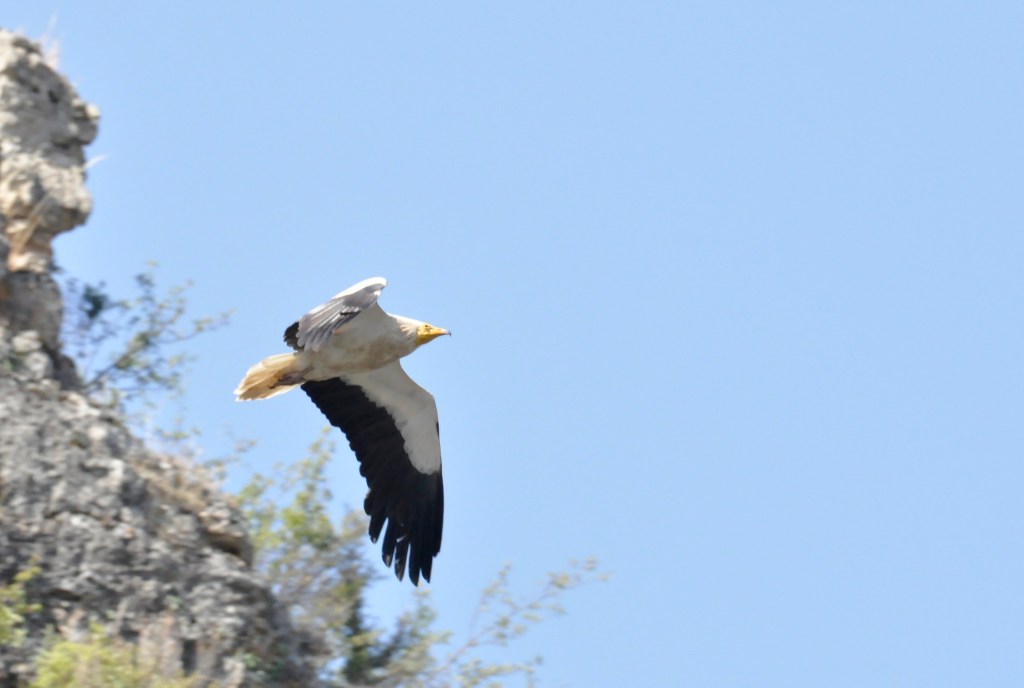
An Egyptian vulture (Neophron percnopterus) during the breeding in August in the “Hoces del Duratón” Natural Park in Segovia (Spain). Photo: Marco Sannolo

Challenges of this research. Making conclusions with climatic based modelling is challenging because the models offer us a view of how species could distribute if they followed the same climatic conditions as in the present time. However, we cannot be sure how conditions were in the past nor how species were distributed. Therefore, to study historical processes we had to make assumptions and provide a plausible explanation considering the reduced evidence of fossils. In our case, we chose to create a climatic envelop considering only the climate of the months of the breeding and wintering season, but we did not know how long breeding and wintering seasons were in the past. Hence, we created plausible average breeding and wintering seasons for all species, assuming that this season would not substantially differ from the actual ones.

Next steps. This study opens further questions about the lability of migratory behaviour under climatic changes. Given the current climate change scenario, we wonder how birds will respond to an increase of temperatures or intermittent droughts. We are interested in determining if migratory birds will change their migratory behaviour and increase their migratory distance. Furthermore, we also want to study the effect of global change in migratory arctic-bird distributions, such as shorebirds, which breed in very high latitudes and could not further change their breeding distributions to northern areas. The first step to answer these questions could be modelling bird distributions under possible global change scenarios and evaluating the distributional changes compared with the present.

If you could study any organism on Earth, what would it be? I would love to expand my research towards endemic birds from islands and their evolution and adaptation to new environments. In one of my studies, I found that almost all migratory species and subspecies that colonize an island remain sedentary and greatly change their morphological features. This opened me a new world that I would like to develop in the future. Although I mostly study bird species, I am also interested in other groups, like reptiles. If I had the opportunity to develop new research focused on biogeography and macroecology I would not say no to include other groups!

Journal of Biogeography Innovation (JBI) Awards

The Journal of Biogeography is pleased to announce the third of three new opportunities for Early Career Researchers: the Journal of Biogeography Innovation Awards.

The Journal of Biogeography invites submissions of manuscript proposals (brief outlines of manuscripts yet to be prepared) by Early Career Researchers for consideration for publication and awards for innovation.  

Proposals will be considered in three categories of article:
     – Perspectives and Syntheses
     – Original research
     – Methods

(For more information, see https://onlinelibrary.wiley.com/page/journal/13652699/homepage/forauthors.html)

Proposals on any subject in biogeography are welcome.  We particularly encourage studies in the following areas: Biodiversity–geodiversity; Comparative phylogeography and geo-genomics; Functional biogeography; Cross-scale biogeography & biodiversity (considering biological, spatial, and/or temporal hierarchies); Marine-terrestrial comparisons and contrasts (also with aerial, freshwater, and subterranean realms); Biogeography in the Anthropocene; New technologies; Interdisciplinary biogeography.

Proposals should be composed of the following and submitted as a single PDF:
     – Title
     – Targeted article type (see above)
     – ≤600 word proposal organized under the following headings:
          .. The gap in knowledge/understanding to be addressed 
          .. The context (incl. a brief review of the relevant literature)
          .. Goal or expected outcomes 
          .. Significance
     – List of authors (indicate the eligible ECR, who must be lead and corresponding author)
     – Contact information for the eligible ECR
     – Date the eligible ECR’s degree was conferred

Early Career Researchers are graduate students and postdocs (and equivalent positions) up to 5-years post award of the PhD (exclusive of career breaks). 

All proposals will be reviewed by an ad hoc committee of JBI academy, associate and chief editors on the following criteria:

  1. Novelty / originality of the idea (30%)
  2. Accuracy of identified problem and context (30%)
  3. Significance / impact (20%)
  4. Quality of preparation (20%)

Up to a dozen proposals in each category will be invited for submission as full articles, which should be submitted within 3 months of receiving the invitation.

Full articles will enter the standard editorial and review procedure of the journal and will be assessed for receipt of the award on the following criteria:

  1. Novelty / originality of the idea
  2. Accuracy of identified problem and context 
  3. Significance / impact of findings
  4. Quality of preparation of the manuscript

Journal of Biogeography will publish all invited articles freely under “full access” (i.e. downloadable from the journal website for one year from the date of publication).  In addition, the lead ECR authors of the three papers ranked most highly by the editorial team will receive a monetary award of $750 each.  

Timeline:
Proposal submission: 13 November 2020
Invite full manuscripts: 04 December 2020
Manuscript submission: 01 March 2021

Upload *proposals* as a single PDF with the filename “LASTNAME_FIRSTNAME_ECRproposal.pdf” only to: https://www.dropbox.com/request/kcjoSxpDrzb569JF2B27 *upload only*

Address enquiries (Subject line: “Enquiry: ECR Innovation Award”) to the Editor-in-Chief at mdawson@ucmerced.edu

JBI aims to foster inclusive science that reflects the disciplinary, human, and geographic diversity of biogeography and biogeographers. Submissions are welcomed from applicants of all ethnicities, races, colors, religions, sexes, sexual orientations, gender identities, national origins, disabilities, ages, or other individual status.

The mystery of ‘low gear’ locomotion

Mouse-goats, ‘demons of the forest’, and other insular bovids have short and robust limbs. Why?  The ‘low gear’ hypothesis had never been tested until we decided to fill this gap with a quantitative investigation of the causal forces influencing the acquisition of this peculiar type of locomotion.

Above: Skulls of a tamaraw (Bubalus mindorensis), a dwarf buffalo endemic to Mindoro island, highlighting different stages of ontogenetic development (Mammal Collection; Field Museum of Natural History, Chicago).

The Dutch palaeontologist P. Y. Sondaar already noticed in the 1970s that many insular ruminants, and to a lesser degree insular elephants and hippopotamuses, exhibited short and robust limbs. He explained this as an adaptation for a peculiar type of gait, that he described and named ‘low gear’ locomotion. Sondaar and other researchers after him mentioned several examples, including the iconic Balearian mouse-goat (Myotragus balearicus). They believed that this stout structure of the limbs would be advantageous, in the absence of predators, for low-speed walking in mountainous environments.

Bovids are intriguing elements of insular faunas and encompass phyletic dwarfs that occurred or are still living on islands located in different regions, from Southeast Asia to the Mediterranean. I have previously investigated their body size evolution on islands, (https://onlinelibrary.wiley.com/doi/full/10.1111/jbi.13197) and we decided to concentrate on the bovid family again in this study. Some of the best-known cases of ‘low gear’ locomotion include the already mentioned Myotragus as well as the tamaraw, a living dwarf buffalo endemic to Mindoro in the Philippines. We focused on the two main morphological traits associated with this peculiar type of gait, that is short and robust metapodials, and we calculated response variables in 21 extinct and living insular bovids. We assembled data on their life history and ecology and on the physiography of 11 islands. We estimated 10 predictors, including 4 topographic indices, and assessed their contextual importance by combining statistical and machine learning methods.

FROM THE COVER: Rozzi, R, Varela, S, Bover, P, Martin, JM. Causal explanations for the evolution of ‘low gear’ locomotion in insular ruminants. J Biogeogr. 2020; 47: 2274– 2285. https://doi.org/10.1111/jbi.13942

We demonstrated that the evolution of ‘low gear’ locomotion in insular ruminants does not result simply from phyletic dwarfing and from the absence or scantiness of predators in the focal communities. Instead, we showed that release from competitors on species-poor islands plays an essential role in prompting adaptations for this peculiar type of gait. While island topography is not as relevant as interspecific dynamics in influencing the evolution of the focal morphological traits, the amount of mountainous terrain occurring on each island seems to significantly affect the evolution of robust metapodials in insular bovids. All in all, our study supports the idea that the evolution of ‘low gear’ locomotion would be the product of a complex interplay of biotic and abiotic factors, and calls for caution in drawing conclusions on this phenomenon on the basis of single, albeit significant cases.


(Left) Roberto measuring a skull of the iconic mouse-goat, Myotragus balearicus, at IMEDEA – Mediterranean Institute for Advanced Studies, Mallorca. M. balearicus was an endemic caprine that lived on Mallorca and Menorca during the Late Pleistocene and Holocene, before becoming extinct following the arrival of humans around 4300 years ago. (Right) Roberto embraced by the horns of a river buffalo, Bubalus bubalis, in the mammal collections at the Smithsonian National Museum of Natural History, Washington DC.

An unexpected outcome of this study was to find out that, even though the most extreme cases of ‘low gear’ locomotion occurred on islands with no mammalian predators, our models did not show a significant relationship with this predictor. To sum up, the a priori hypothesis that this low-speed gait would simply result from predator release on islands needed to be reconsidered. Discussing the role of ecological and topographic traits in influencing the evolution of ‘low gear’ locomotion was challenging, because of their complex interaction and the variation in morphological responses to those factors within insular bovids. In fact, we observed a variety of trait combinations, with species exhibiting different degrees of robustness and shortening of metapodials, and different responses to many of the focal predictors by species belonging to one or the other subfamily of bovids in the study.  Thus, much effort is still needed to verify how robust island syndromes are and to understand their causation. In this vein, I am planning to continue to explore other peculiar traits exhibited by these fascinating animals. In particular, I am looking forward to implementing advanced methodologies in palaeoneurology to investigate patterns of brain size variation and changes in the degree of cortical folding in insular Artiodactyla.

More broadly, my research focuses on the evolution and extinction of mammals on islands. There is some urgency to this.  In response to the special characteristics of island environments, these animals often undergo fascinating evolutionary changes, including changes in body size and in the morphology of their skull, brain, teeth and limbs. My collaborators and I are currently focusing on how the evolutionary changes undergone by insular mammals predispose them to heightened extinction risk. I am investigating the relationship between their peculiarity and their fragility, as many of these evolutionary marvels are often threatened or already extinct. In collaboration with other palaeontologists, mammalogists and biogeographers, we are integrating data on fossil and living insular mammals to document their extinctions across large scales of time and to inform conservation strategies.


Mounted skeleton of the extinct (Middle Pleistocene) Sicilian dwarf elephant
Palaeoloxodon falconeri at Museo Geologico ‘G. G. Gemmellaro’, Palermo, Sicily.

The application of theories and analytical tools of palaeontology to provide valuable information for conservation planning is one of the key drivers of my research. Many threatened island mammals receive scarce conservation action because they are deemed ‘uncharismatic’ and fail to attract funding. Palaeontological studies have the potential to produce detailed information on the evolutionary history and uniqueness of these species and, thus, draw attention to their conservation value. I did my PhD on insular bovids and I was saddened to read that, in a recent study on the full collection of mammals from the Prague Zoo, the lowland anoa (Bubalus depressicornis) was ranked as one of the least attractive species. Sometimes referred to locally as Sulawesi’s ‘demon of the forest’, anoas never cease to inspire my research and, as a member of the IUCN SSC Asian Wild Cattle Specialist Group (https://www.asianwildcattle.org/), I feel it is important to keep highlighting how beautiful and unique these dwarf buffaloes really are.

The evolutionary anomalies of island life are among the most spectacular phenomena in nature, yet islands contain a disproportionately higher amount of threatened and extinct biota compared to continents. I have always found the ecologically naive and fragile nature of these taxa extremely intriguing. Dwarf elephants and hippos, giant rats and shrew-like insectivores larger than a cat, short-legged bovids with stereoscopic vision, deer with bizarre antlers, etc. Both the fossil record and islands today are home to mesmerizing mammal species.

Written by:

Roberto Rozzi

Postdoc, German Centre for Integrative Biodiversity Research (iDiv) Halle-Jena-Leipzig

For more information: https://twitter.com/Rozzi_Roberto | https://scholar.google.it/citations?user=ZTz5g0QAAAAJ&hl=en

.,

(Left) View of Monte Tuttavista, one of the major Sardinian localities yielding Quaternary fossil vertebrates ranging in age from the Early to Late Pleistocene. Bovids of the so-called ‘Nesogoral group’ were also recovered from this site and included in our study. (Centre) Roberto Rozzi at Gásadalur, Vágar, Faroe Islands.
(Right) Crystal clear waters of Caló den Rafelino, Mallorca, where remains of the earliest representative of the Myotragus lineage were found (Myotragus palomboi; Early Pliocene).