ECR feature: Jonathan Sandoval-Castillo on guitarfish speciation

Jonathan Sandoval-Castillo is a postdoc at Flinders University. He is a phylogeographer that integrates molecular and ecological data to study the evolution of elasmobranchs. Jonathan shares his recent work on the cryptic lineages and speciation of guitarfish.

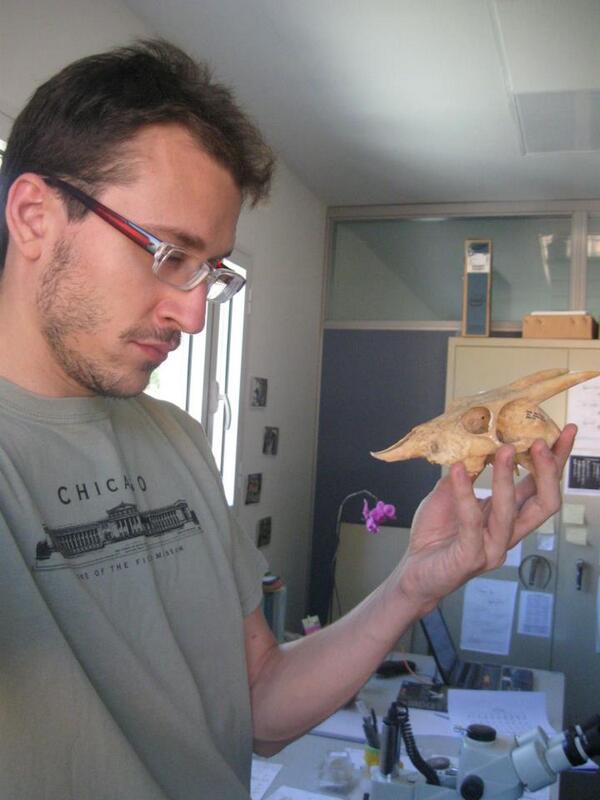
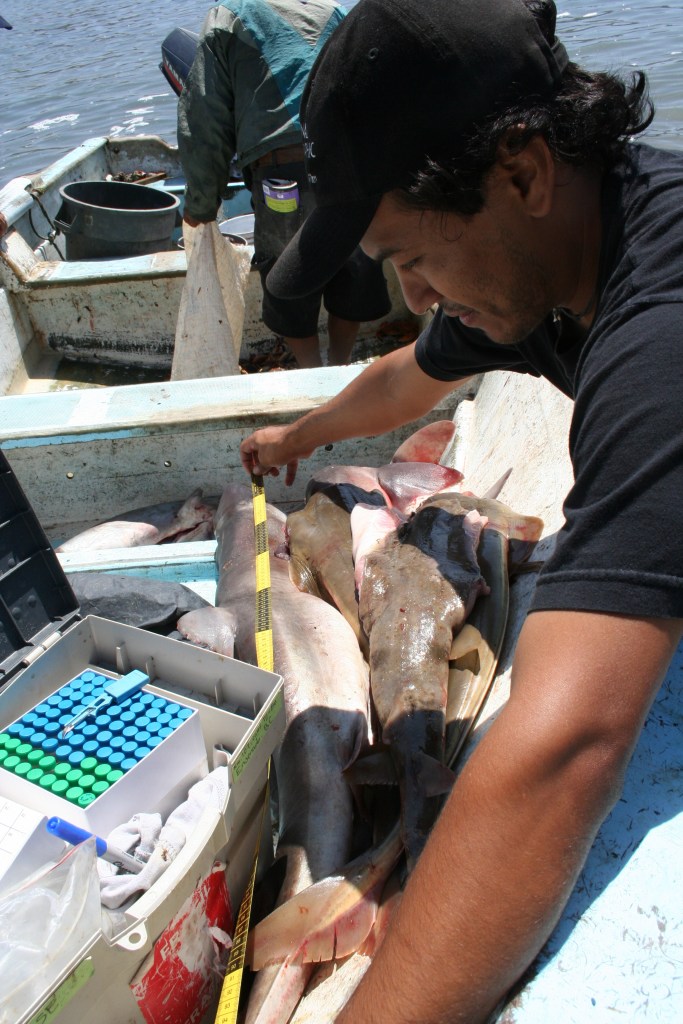
Jonathan sampling elasmobranch tissue from artisanal fisheries. Jonathan visited over 30 artisanal fishery camps around the Gulf of California and the Baja California Peninsula during his PhD fieldwork.

Personal links. Twitter | ResearchGate | Google Scholar | Lab web page

Institute. Flinders University

Academic life stage. Postdoc

Major research themes. I am attracted to the biogeography, phylogeny, and evolution of marine organisms, especially the speciation process in elasmobranchs (sharks and rays). I am interested in the integration of molecular and ecological approaches to elucidate evolutionary histories in aquatic ecosystems.

I study guitarfish. These fish show an intermediate body shape between sharks and rays, and are a diverse group of elasmobranchs with several species living in sympatry. They are highly abundant and, being predators, they are an important component of coastal benthic ecosystems. In addition, some species have high value meat and are the main component of several artisanal fisheries in developing countries. However, guitarfish are also one of the vertebrate groups most vulnerable to overexploitation. Two main factors constrain their effective management and conservation: a lack of basic biological information and numerous difficulties surrounding proper identification of the species.

Current study system. I study guitarfish. These fish show an intermediate body shape between sharks and rays, and are a diverse group of elasmobranchs with several species living in sympatry. They are highly abundant and, being predators, they are an important component of coastal benthic ecosystems. In addition, some species have high value meat and are the main component of several artisanal fisheries in developing countries. However, guitarfish are also one of the vertebrate groups most vulnerable to overexploitation. Two main factors constrain their effective management and conservation: a lack of basic biological information and numerous difficulties surrounding proper identification of the species.

Recent paper in JBI. Sandoval-Castillo J, Beheregaray LB (2020) Oceanographic heterogeneity influences an ecological radiation in elasmobranchs. Journal of Biogeography 47:1599–1611. https://rdcu.be/b4fuY

Motivation for this paper. Speciation is one of the most important and least understood processes in nature. Most biologists agree that species are fundamental biological units for several ecological and evolutionary processes. However, contention still exists about the definition, delimitation, and origin of species. This challenges the study of processes and mechanisms that create and maintain biodiversity. This is especially true for elasmobranchs. Despite elasmobranchs being a charismatic and highly diverse group of vertebrates, they are underrepresented in the scientific literature and very little has been done to decipher the main mechanisms by which new species of sharks and rays originate. However, because of elasmobranchs’ relatively moderate to high mobility, we expect that ecological isolation plays a major role in their diversification. To test this hypothesis, we selected the guitarfish from the Gulf of California because the group has high diversity in the area. In addition, the Gulf of California has both an active geological history and high oceanographic variability, enabling us to test the relative effect of vicariance events and ecological isolation on diversification of the marine populations inhabiting the region.

A Pseudobatos guitarfish.

Key methodologies. We assessed the role of oceanographic variation in the diversification of guitarfishes (genus Pseudobatos) in the Gulf of California by integrating genetic and environmental datasets. We first used the genetic data (mtDNA sequences and AFLP genotypes) to determine the number of guitarfish lineages present in the Gulf of California and elucidate their phylogenetic relationships. We then combined distribution models and seascape genetic analyses to establish the relative importance of six oceanographic variables that might have affected genetic differentiation between lineages. Finally, we used coalescence models to separate the role of historical geological events from the role of modern oceanographic variation on the diversification of these lineages.

Major results. Our work evidences five distinct lineages of Pseudobatos, with geographic distributions overlapping ecologically discrete bioregions in the studied area. Moreover, genetic differences between lineages are correlated with sharp dissolved oxygen and nutrient concentration gradients between these bioregions. We propose that the bioregions present heterogenous habitat opportunities and a source of divergent selective pressures. These promote metabolic specializations associated with differences in oxygen concentration and diet that together triggered a recent adaptive radiation of Pseudobatos. Our work showcases the role of isolation by environment in generating and maintaining diversity in this group and suggests that mobility might not hinder speciation in sharks and rays. Our study likely represents the first assessment of a recent ecological radiation in elasmobranchs. It also offers a new perspective about the application of integrative approaches to study the effect of divergent selection on biological diversification in the ocean.

The Gulf of California is an excellent system to study biogeography: it has an recent active geological history and high temporal and geographic oceanographic variability (Photos: Israel Sanchez Alcantara).

Unexpected results. We found five distinct lineages of Pseudobatos in the Gulf of California and the Baja California Pacific Coast, including four cryptic lineages. At first, we thought this large number of lineages was a mistake since the 210 samples were identified as just two described species. However, we re-sequenced several samples that validated the presence of these apparently cryptic lineages. Moreover, using museum specimens, Kelsi Rutledge from the University of California recently described subtle but significant morphological differences that discriminate at least two of these lineages, corroborating some of our results and highlighting the need for more exhaustive taxonomic work in the region.

Next steps. I would like to do several genomic analyses on the samples. First, to study the genes involved in this ecological radiation, and second, to perform demographic analysis on a more recent temporal scale and explore the effects of past and current climatic changes. This will help to determine more specific biological and oceanographic factors that promote rapid speciation in these organisms, and in the ocean in general.

If you could study any organism on Earth, what would it be? I would study deep water sharks from the family Etmopteridae, because they are very diverse, can produce bioluminescence, and are poorly studied. There are ~45 species recognized, of which several are considered to have broad geographic distributions, but most likely represent complexes of cryptic species. Some of these complexes would be ideal for studying the speciation process in different stages. The Etmopteridae sharks show several adaptations to deepwater habitats, including bioluminescence. Understanding the evolution of the biochemistry and physiology of these adaptations could be the first step to produce bioluminescence in an ecologically sustainable way. Unfortunately, they are recognized as a group highly susceptible to over-exploitation and human derived climatic change. However, due to the relative inaccessibility of their environment, and the logistical difficulties linked to their maintenance in laboratory, Etmopteridae sharks are poorly studied in general.

ECR feature: Amazonian trees with Vitor Gomes

Vitor H. F. Gomes is a postdoc affiliated with the Federal University of Pará, Instituto Tecnológico Vale, and Centro Universitário do Pará. Vitor studies the response of Amazonian tree species to global change, and is particularly interested in the effects of climate change and deforestation on species diversity and distribution. His recent work investigates the diversity and distribution of all known Amazonian tree species — 10,071 in total.

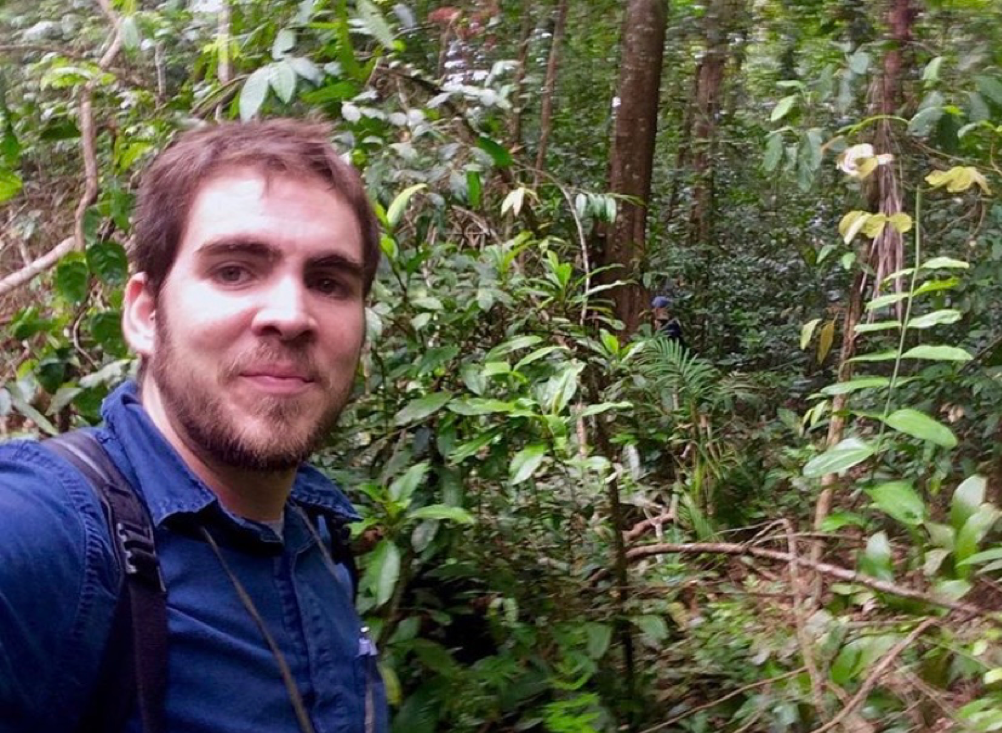
Vitor in Mocambo Forest – Pará Brazil 2017: monitoring and measuring a 60 year old permanent plot in Amazonia.

Links: Personal page | Twitter | Instagram

Institution: Federal University of Pará – UFPA, Instituto Tecnológico Vale – ITV, and Centro Universitário do Pará – CESUPA

Current academic life stage: Postdoc

Research interests: I am interested in understanding how Amazonian tree species respond to global change, focusing on the effects caused by climate change and deforestation on species diversity and distribution.

Current study system: I currently study the diversity and distribution of all known Amazonian tree species, a total of 10,071 according to the most recent list. Half of those species may be threatened with extinction by 2050, since they are continually impacted by global change, especially by deforestation and climate change. Amazonia is the largest single block of rainforest on the planet and holds roughly half of all tree species in tropical areas. Understanding the impacts of global change on Amazonian tree species diversity and distribution is fundamental to predict the future of rainforest under human-induced changes, also to maintain and safeguard Amazonian biodiversity.

(left) Vitor in the National Forest of Caxiuanã – Pará/ Brazil 2016: research trip in Amazonia monitoring 11 ha of permanent plots and collecting samples for DNA Barcoding of over 400 species. Speedboat displacement to the permanent monitoring plots, (right) National Forest of Caxiuanã – Pará/ Brazil 2017.

Recent paper in Journal of Biogeography: Gomes, V. H. F., Mayle, F. E., Gosling, W. D., Vieira, I. C., Salomão, R. P., & ter Steege, H. (2020). Modelling the distribution of Amazonian tree species in response to long‐term climate change during the Mid‐Late Holocene. Journal of Biogeography, 47(7): 1530-1540. https://doi.org/10.1111/jbi.13833

Motivation for the paper: Previously published pollen records of rainforest tree species extracted from lake sediments in the southern margin of Amazonia showed that eastern Bolivia rainforests expanded southward over Cerrado savannas between the Mid and Late Holocene (past 3000 years). The concentration of rainforest tree pollen increased in two lakes (sites), Laguna Bella Vista (northern) and Laguna Chaplin (southern), which are 100 km away from each other. The rainforest communities surrounding Laguna Chaplin are younger than those around Laguna Bella Vista, indicating that species have expanded their distribution southward between those lakes in very recent times. This expansion is attributed to the increased seasonal latitudinal migration of the Inter Tropical Convergence Zone. Based on that, we wondered if species’ climate-based environmental suitability also increased during the Mid-Late Holocene in Amazonia, especially in the southern part, contributing to the rainforest expansion. We also wanted to confirm how pollen records from the topmost sediments (surface) correlate to the relative abundance of current plant species. We can use this information in our future research to simulate the abundance distribution of tree species in the past based on fossil pollen data.

Key methodologies: We used models based on machine learning and inverse distance weighting interpolation to produce maps of environmental suitability and relative abundance for tree species of Moraceae and Urticaceae, based on natural history collections and a large plot dataset. We used environmental suitability to test the response of the Amazonian rainforest to long-term climate change. Then, we quantified the increase in suitable areas for tree species in the past 6,000 years. We also used species relative abundance maps to test the correlation between species abundance in the current vegetation versus modern pollen assemblages. Our methods demonstrate how Amazonian rainforest responds to long-term climate change, and addresses questions about tree species distribution under past climate conditions. Also, our methods clarify the relationship between pollen and plant species abundance, connecting evidence of past rainforests from pollen records to species abundance plot data in the present.

(left) Vitor in the National Forest of Saracá-Taquera – Pará/Brazil 2009: research trip in Amazonia monitoring a permanent plot close to the edge of a 200 meter plateau, (right) National Forest of Saracá-Taquera – Pará/Brazil 2009: research trip in Amazonia monitoring and measuring permanent plots on a reforested area. Rest time. Left to right: Mario Rosa (Goeldi Museum), Mr. Bieco (Coopertec), Nelson Rosa (Goeldi Museum), Vitor Gomes.

Unexpected challenges: We found that the suitable areas and species richness for the species studied were higher in a narrow band in the Guiana Shield. Despite that, the abundance of species was very low in this area. Our understanding was that other factors besides environmental conditions might drive species distribution, such as biotic interactions, dissociating potential species distribution from observed species distribution. This outcome may lead the way to new questions and propositions regarding contrasting north-south patterns between species abundance (lower-north/higher-south) and environmental suitability (higher-north/lower-south). Perhaps we can expect lower plant abundance in areas with higher environmental suitability, since competition between species increases with optimal environmental conditions.

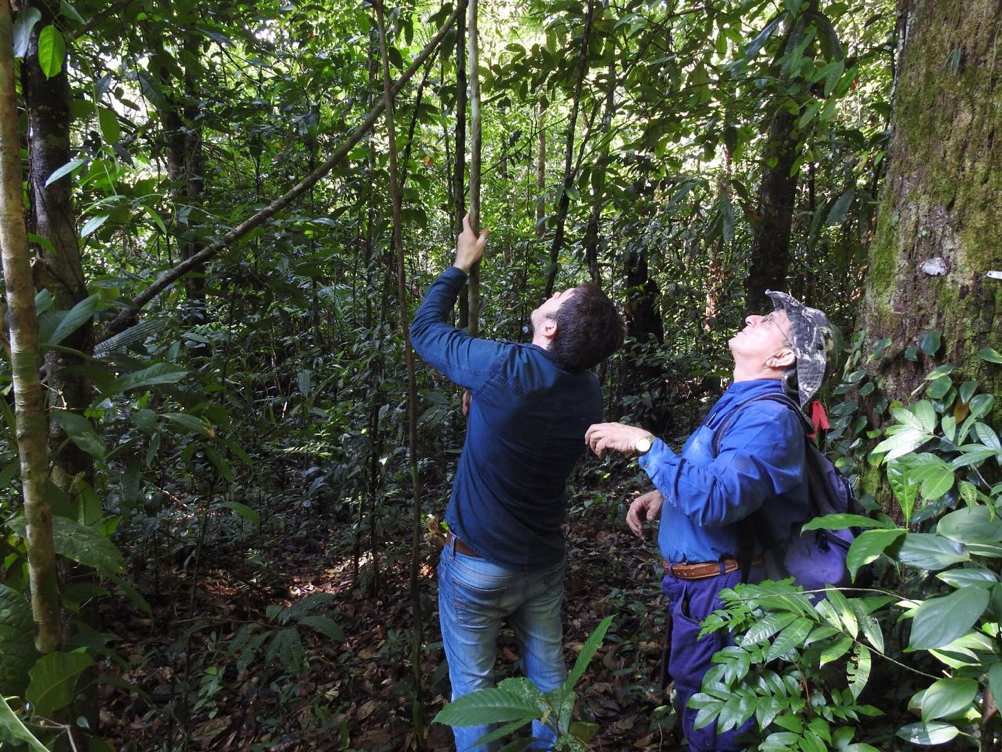
Mocambo Forest – Pará Brazil 2017: Research trip in Amazonia monitoring and measuring a 60 year old permanent plot. Collecting leaves. Vitor Gomes and Nelson Rosa (Goeldi Museum).

Major result and contribution to the field: We found that the mean environmental suitability of Moraceae and Urticaceae increased over the past 6,000 years, with southern ecotonal Amazonia showing the highest increase. The accompanied modelled mean species richness increased by as much as 120% throughout Amazonia. However, we found that under a future warmer and drier Amazonia, it is likely that the Holocene range expansion will be reversed over the 21st century. We predict that increased moisture stress will lead to forest and diversity losses, especially in ecotonal areas of Amazonia. Furthermore, we found that the current mean relative abundance of Moraceae and Urticaceae correlated significantly with the modern pollen assemblages for these families. This correlation implies that pollen records can be used to reconstruct the relative abundance of the species in the past.

What are the next steps? The crossover between pollen records, abundance data and environmental suitability models looks promising. The first step is modelling all Amazonian tree species distributions in the past, and looking deeper into the past, reaching the Last Glacial Maximum (~21 kyr before present) and the Last Interglacial (~100 ky before present). Second, I’ll expand our pollen analysis to all tree species with available records. These analyses may connect many pieces of the Amazonian rainforest history. I’m starting a postdoc focusing on the future of Amazonia based on the Paris Agreement goals, which aim to understand how past changes may help us to figure out the possible outcomes of current and future human-induced changes.

If you could study any organism on Earth, what would it be and why?
I would like to understand the relationship between tree species and their pollinators and dispersers. That would help to understand processes related to tree species distribution. Bees would be a good start, since many tree species in Amazonia are pollinated by them, and bees are as threatened as tree species due to human-induced changes.

Any other little gems you would like to share? Researching is pretty far from easiness; it is about passion, which makes us surpass distance, cultural differences, economic crises, budget issues and many other challenges present in the daily life of researchers. I should say a big thanks to the coauthors Hans ter Steege, Willian Gosling, Frank Mayle, Ima Vieira and Rafael Salomão, who are all passionate about Amazonia and supported this project.

National Forest of Caxiuanã – Pará/ Brazil 2016: monitoring 11 ha of permanent plots and collecting samples for DNA Barcoding of over 400 species. Rest time and lunch. Left to right: Vitor Gomes, Arua ter Steege, Hans ter Steege (Naturalist), Mr. Joca (Ferreira Pena Station), Nelson Rosa (Museum Goeldi).

Introducing the Inaugural Editorial Academy

The new Editorial Academy at Journal of Biogeography is aimed to help early career biogeographers who are interested to learn more about the publishing process to gain experience with the guidance and support of an experienced mentor.

We are delighted to announce the six inaugural members — Drs. Ricardo Correia, Qin Li, Tom Matthews, Filipa Palmeirim, Amanda Taylor, and Alex Zizka — who begin their tenures today and who will be with the journal for the next two years, after which they may be appointed to the full editorial board.

These early career researchers span a diversity of disciplines, career stages and appointments, and beckon from six different countries. All share a deep interest in biogeography, to which they bring new skills and perspectives that will enrich our perspectives at the journal.

Each of the Editorial Academy members will be partnered one-to-one with a chief editor of the journal and will have the same role as a regular member of the Editorial Board, but a reduced load. The editorial academy brings considerable expertise and a new vantage point to the journal, and we all very much look forward to working together.

If this is an opportunity that may interest you in the future, watch out mid-2021 for the next opportunity to join the editorial academy and board at the Journal of Biogeography.

Welcome!

.
Ricardo A. CorreiaHelsinki Lab for Interdisciplinary Conservation Science (HELICS), University of Helsinki. Research interests: Species distributions in space and time for conservation applications; using novel data sources to understand how humans are shaping the natural world and using that knowledge to inform conservation.

.
Qin LiField Museum of Natural History, Chicago, USA. Research interests: Patterns of plant diversity, biogeography of species interactions, and processes of diversification in a changing environment. Especially, floristic structure & environmental, species assembly and co-existence, speciation and adaptation, and ecological niche dynamics in mountainous areas; comparative methods, genetics, and field studies.

.
Tom MatthewsUniversity of Birmingham, UK. Research interests: Assessing issues in global environmental change using macroecological, macroevolutionary and biogeographical approaches. Using a mixture of theoretical and empirical methods to investigate various macroecological topics, including species–area relationships and species abundance distributions; any place and taxon, but especially islands and birds.

.
Ana Filipa PalmeirimUniversity of East Anglia, UK. Research interests: Complex biodiversity responses to habitat loss and fragmentation, and how they affect foodweb structure and overall ecosystem functioning. Her research is focused on both terrestrial and insular forest fragments (reservoir islands) across tropical forests, combining different dimensions of diversity at multiple spatial scales.

.
Amanda TaylorUniversity of Göttingen, Germany. Research interests: Disentangling complex diversity patterns on islands using plants as model organisms. Particularly constraints on the assembly of island floras such as species interactions (e.g. plant-pollinator) or the environment (e.g. climate).
.
Alexander ZizkaGerman Centre for Integrative Biodiversity Research (iDiv). Research interests: Evolution and distribution of tropical plants (especially the pineapple family, Bromeliaceae), and the use of “big data” for biogeography and conservation. Integrating large-scale data sets of species distribution with molecular phylogenies and traits, to understand biodiversity in time and space.

ECR feature: Alpine treelines with Shalik R. Sigdel

Shalik is a postdoc at the Institute of Tibetan Plateau Research. He an ecologist working in the Himalayas to understand how climate change might cause shifts in alpine treelines. Shalik shares his recent work on the combined influence of climate and intraspecific interactions on these treelines.

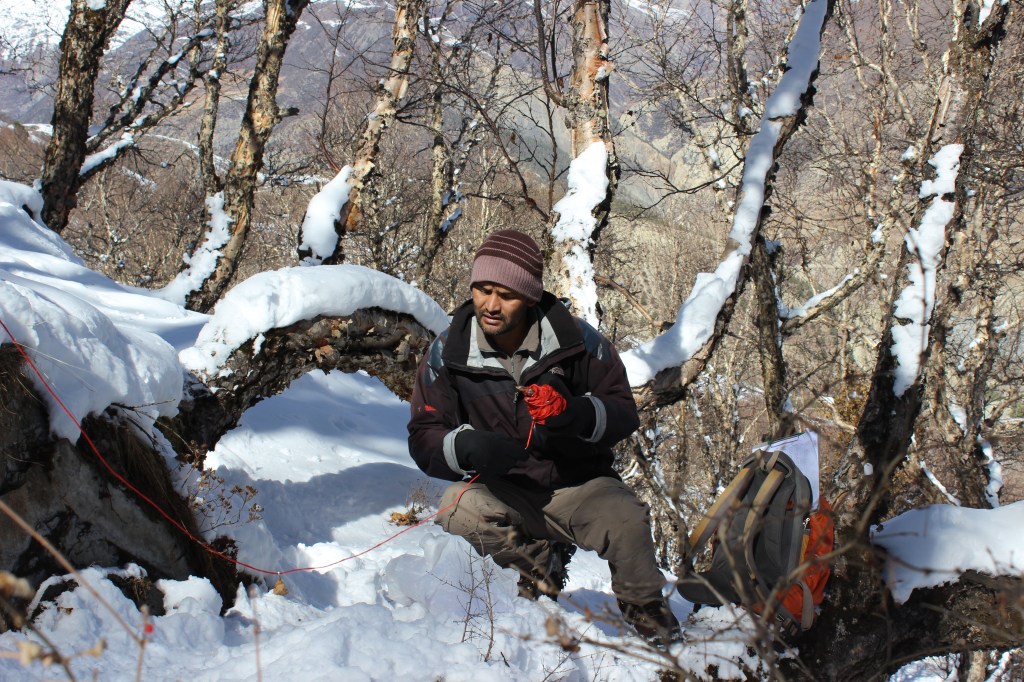
Shalik collecting treeline data in the Manang valley, central Nepal. (Photo credit: Samresh Rai, 2 November 2015)

Personal links. Twitter | ResearchGate | Google Scholar

Institute. Institute of Tibetan Plateau Research, Chinese Academy of Sciences, Beijing China

Academic life stage. Postdoc.

Major research themes. My research focuses on understanding alpine treeline responses to changing climate at multiple spatial scales using dendroecological tools, particularly in the Himalayas. I have a keen interest in the use of spatio-temporal data for understanding how treeline responds to changing climate.

Current study system. Currently, I am working on the treeline ecotone in the central Himalayas. The Himalayas host one of the longest natural treeline ranges, extending from Pakistan to southeast China crossing different climatic zones (westerly- and monsoon-dominated areas). As this area is experiencing a faster warming rate than other areas, the alpine treeline is considered as a potential indicator to track influence of climate warming on alpine ecosystem. In response to climate warming, the treeline is expected to move upslope. However, our early study showed a non-linear relationship between rates of treeline shift and warming climate, raising some questions about the mechanisms affecting the treeline shift.

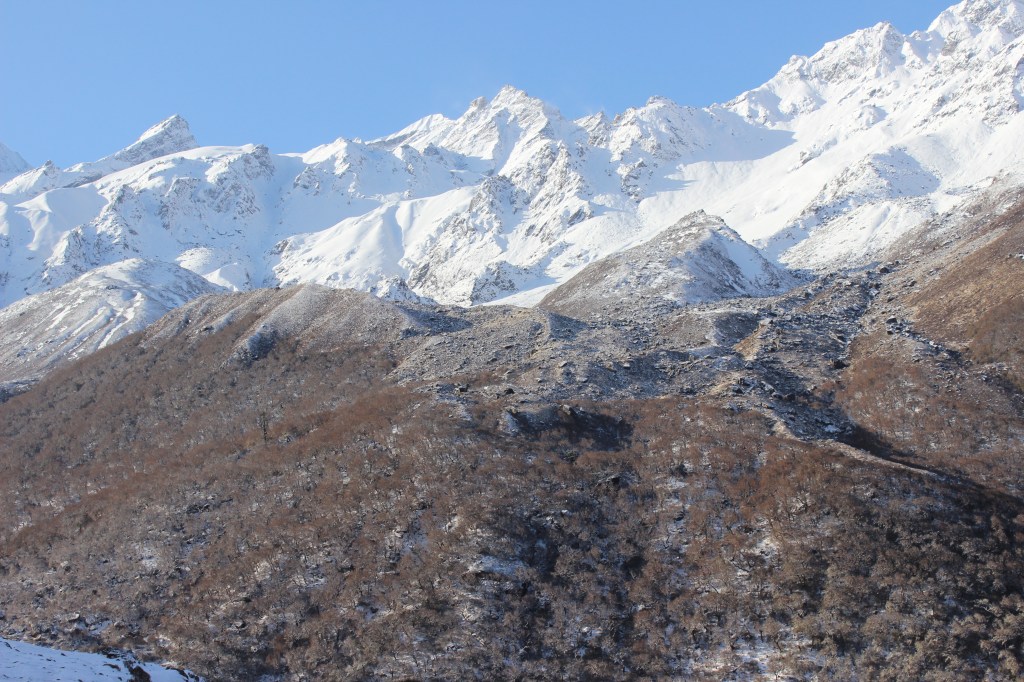
A natural Himalayan birch (Betula utilis) treeline located at ablout 4100 m. a.s.l. in the Langtang valley, central Nepal. (Photo credit: Shalik Ram Sigdel, 17 April 2014)

Recent publication in JBI. Sigdel, S. R., Liang, E., Wang, Y., Dawadi, B., Camarero, J. J. (2020). Tree-to-tree interactions slow down Himalayan treeline shifts as inferred from tree spatial patterns. Journal of Biogeography, 47(8):1816–1826. https://doi.org/10.1111/jbi.13840

Major motivation for this paper. The major motive of this research was to investigate the role of intra-species interactions (spatial patterns) on responsiveness of treelines to climate warming. Mountainous regions across the globe (including the Himalayas) have been experiencing increased recruitment as a result of climatic warming. However, in the Himalayas, the rate of treeline shift has been slower, relative to other parts of the world. Heterogeneous response of Himalayan treeline to a warming climate indicates that rates of treeline shifts may be affected by local-scale interactions (particularly intra-species interactions). However, it is unknown whether Himalayan treeline dynamics show lagged or weak responses to climate warming due to treeline densification and clustering intensity of trees (tree-to-tree-interactions) or not. We expected to discern if tree-to-tree-interactions regulate the pace of treeline shifts, and to determine if those interactions are more important drivers of changes at treelines than climate. We hope this study will help to better understand how local interactions drive large scale pattern formation at treeline and their response to changing climate.

Key methodologies. We established a network of treeline plots across the central Himalayas, encompassing a wide longitudinal gradient characterized by increasing precipitation eastwards. The location of each individual tree within the plot was measured, and their ages were estimated by applying a dendrochronological approach. We used the locations and age of the trees to calculate the changes in tree density, treeline elevation changes, distance between neighbouring trees, and the spatial patterns (clustering intensity) for 50-year age-classes (1-50, 51-100, 101-150 years) of two main tree species at the treeline (Himalayan birch and Himalayan fir). The relationships between these parameters were used to understand the driving mechanism of Himalayan treeline shift.

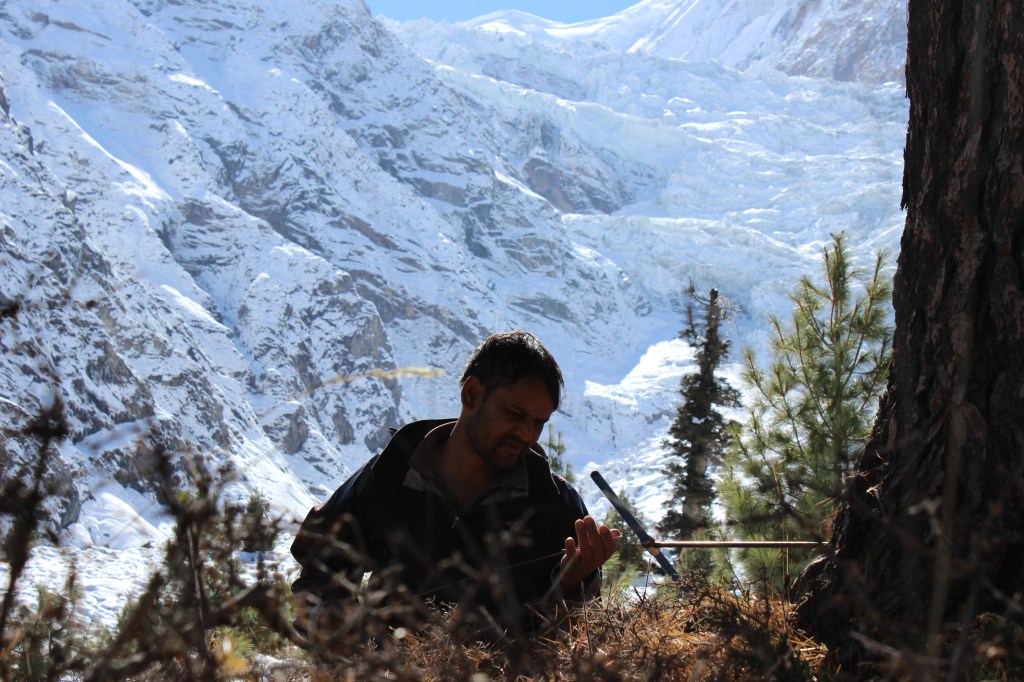
Taking tree-ring sample from Himalayan fir (Abies spectabilis) to get the germination date and age of the trees (Photo credit: Samresh Rai, 31 October 2015)

Major challenges. Our treeline sites were located in remote mountain region of the Himalayas and can be reached after 3-4 days continuous trekking. The Himalayan mountains are characterized by a complex regional climate system. Hostile climatic conditions and the remoteness of treeline sites are big challenges to surveying a large-scale network of treeline plots, which took several months. Even though we had only a very short time window suitable for conducting field surveys, we were able to collect data along the east-west precipitation gradient (more than 800 km) across the central Himalayas after 3 years continuous effort.

Major results. Based on the network of treeline plots across an east-west precipitation gradient in the central Himalayas, our study revealed that treeline shift rates were not only limited by climate but also affected by intra-species relationships. Higher clustering of young trees increased with increasing moisture stress from the eastern to western sites but treeline shifts rates were higher at wet eastern treelines where clustering intensity is lower than at dry western sites. The higher distance between neighboring trees, the faster the shifting rate, and vice-versa. This is an important empirical advance in the study of driving mechanism of alpine treeline shift, showing how climatic and non-climatic factors interact at the local scale to drive treeline patterns. Furthermore, it explains the spatial differences in treeline shifts from the perspective of intraspecific relationships, and quantifies the role of biological factors on treeline shifts. It also underscores the lag effect of treeline shifts in response to climate warming.  

Next steps? In this study, we considered the treeline sites dominated by single species (either Betula utilis or Abies spectabilis). But we found some treelines with both species together. Currently, we are working on such mixed species treelines to determine if species specific spatial patterns shape treeline structure and to examine if those patterns drive the shift rate of particular species.

If you could study any organism on Earth, what wold it be? I am fascinated by alpine grassland ecosystems, which are highly sensitive to global change. Alpine plants are the most interesting organisms to me and I would love to study the impact of climate change on their establishment, survival, reproduction and distribution, particularly in the central Himalayas (which is a global biodiversity hotspot). As one of the most affected terrestrial ecosystems, alpine plant communities in the Himalayas are ideal systems to monitor the impacts of climate warming. Additionally, I feel relaxed while working in the beautiful Himalayan mountains, and enjoy the pristine environment.

Marooned on the Houtman Abrolhos

Within a global biodiversity hotspot, one of the highest latitude true coral reefs in the world, the oldest European structure in Australia, a rich and colourful marine environment, perhaps the most infamous murderous mutiny in marine history, intensive human destruction of habitat and still little known to the most of the world, the Houtman Abrolhos archipelago provides a wonderful setting and a rich resource for biological study. The reptile fauna were once part of the mainland but have been isolated for the last 6 or 7 millennia, allowing us to predict likely changes of the same species in fragmented mainland habitats created over the last century.

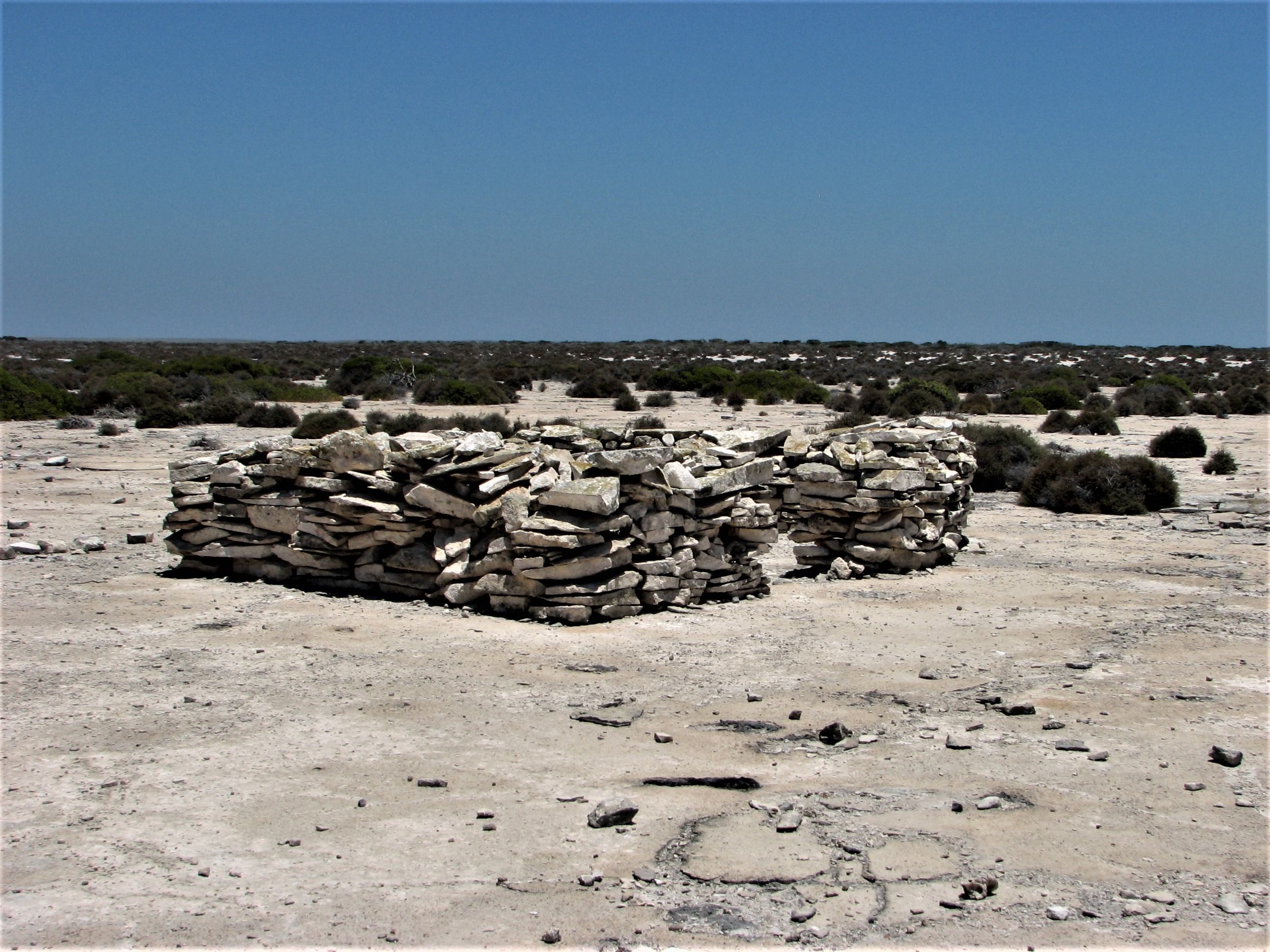
This remote archipelago, 50 km off the coast of Western Australia, contains the oldest European structure in Australia: Wiebbe Hayes Fort. This stone structure was built in 1629 by marooned soldiers who survived the mutiny and massacre that followed the shipwreck of the Dutch vessel, Batavia. The soldiers were indeed fortunate to have fresh water, pooled in limestone solution holes, abundant wildlife and avoid the long, hot and dry summer.


Wiebbe Hayes Fort, constructed in 1629 on West Wallabi Island to protect soldiers from intermittent raids by mutineers from the shipwrecked Dutch merchant vessel, Batavia.

But human destruction on the Abrolhos has not been confined to our own species. During the late 19th century, a guano industry harvested phosphate rich soil, derived from internationally important seabird breeding populations, devastating the soil and vegetation of 16 islands. This was also the catalyst for introducing exotic biota. During the last 70 years, a thriving and lucrative western rock lobster industry developed with fishers’ huts built on 22 islands, and schools and airfields on three. This collage of environmental changes has modified the abundance and challenged the persistence of many species. In dramatic contrast is the sustainable environmental use by Aboriginal Australians that occupied the region for over 50000 years; although they were not resident on the Abrolhos at the time of European arrival.

FROM THE COVER: How, RA, Cowan, MA, Teale, RJ, Schmitt, LH. (2020) Environmental correlates of reptile variation on the Houtman Abrolhos archipelago, eastern Indian Ocean. J Biogeogr. 47: 1– 12. https://doi.org/10.1111/jbi.13881

Insular populations have long fascinated biologists. The faunas of the Galapagos and eastern Indonesian archipelagos led Charles Darwin and Alfred Wallace to their profound insights of fundamental evolutionary principles.

The Abrolhos is our most recent evolutionary palette. It comprises 170 islands that have been isolated from mainland Australia on several occasions during the periodic fluctuations in Pleistocene sea levels; the most recent isolation beginning around 6500 years ago. This disconnect provides the opportunity to examine short-term, fundamental evolutionary changes in biota on islands of different sizes and geomorphology, in three defined groups separated from one another and the mainland.

This study evolved from our multi-decadal research of insular populations in temperate and tropical Australia, and Wallacea. With our colleague Darrell Kitchener, we illustrated the significance of sea barriers to the evolution of mammalian and reptilian taxa across eastern Indonesian. Many fauna show differences between adjacent islands that remained separated throughout the past 2 million years. Others illustrated morphological and genetic divergence of adjacent islands separated for only the past few thousand years.

Our interest in the Abrolhos’ isolated populations was piqued by the recent studies of David Pearson and Zoe Hamilton on the iconic python and spiny-tailed skink that showed inter-island differences in morphology and genetics. The archipelago is also the ‘type’ locality for seven Australian reptile species, making the collection of tissue from these defining populations imperative to understanding the evolutionary relationships of taxa. Our program focused on determining the diversity of reptile assemblages and populations on islands that represented a range of sizes, geomorphologies, habitats and covered all three island groups. Another principal objective has been to compare morphological and genetic variation of island taxa to their mainland counterparts.


(1) Pigeon, Oystercatcher, Tattler and West Wallabi islands in the northern Houtman Abrolhos. (2) Spiny-tailed Skink on West Wallabi 2011. (3) Dwarf Bearded Dragon basking on East Wallabi, 2012. (4) The endemic Abrolhos Dwarf Bearded Dragon (Pogona minor minima) is found on only a few islands of the Houtman Abrolhos archipelago in the eastern Indian Ocean. The Abrolhos is best known for centuries-old Dutch shipwrecks and the location of the massacre of the Batavia survivors, however, it also has a diverse reptile assemblage whose species show marked morphological differences between islands. Photos by Ric How.

Decades of collaborative research with fellow West Australians allowed us to ‘keel-haul’ colleagues into providing their assistance on six field-trips – all for the princely sum of a week or so on a chartered vessel among one of Australia’s most fascinating and beautiful archipelagos! The Indian Ocean surrounding the Abrolhos greatly enhances the rich biodiversity. Small colonies of rare Australian Sea Lions ‘haul-out’ on shorelines of several islands, while turtles and spectacular coral reefs, the world’s southernmost, provide constant distractions during field programs.

The excitement of discovering a new species cannot be overstated but, despite over 100 years of opportunistic reptile collecting, we also documented many new populations on islands and three previously unrecorded species. Remarkably, most populations showed size differences between islands and we await with interest their imminent genetic appraisal. However, none of seven environmental correlates provided a consistent explanation for the observed inter-island differences in morphology. An exceptional behavioural observation was of a mating aggregation of pythons in a limestone solution cavern adjacent to Wiebbe Hayes Fort where a large receptive female was entwined by five attendant males, all with a singular intent. Modified by European occupancy the Abrolhos may be, but the reptile fauna remain steadfastly focused on fundamental evolutionary behavior!


Mating aggregation of Carpet Pythons in a limestone solution cavern on West Wallabi Island, adjacent to Wiebbe Hayes Fort.

Abrolhos reptile assemblages and their richness are significantly correlated with island area, geomorphology and native plant species richness. The proposed development of eco-tourism infrastructure on the Abrolhos requires consideration of conservation measures designed to protect this diversity of islands, assemblages and species. Reptiles isolated on Abrolhos islands also inform the extinction debt inherent in more recently isolated populations on the mainland, a consequence of agricultural and urban development over the past 100 years, and requiring active management for their persistence.

Written by:
Linc Schmitt1 & Ric How2
1 Emeritus Professor, School of Human Science, The University of Western Australia and Research Associate, Department of Terrestrial Zoology, Western Australian Museum
2 Adjunct Professor, School of Human Science, The University of Western Australia and Research Associate, Department of Terrestrial Zoology, Western Australian Museum

We would like to thank Roy Teale, Mark Cowan and Jason How who commented on this blog.

ECR feature: Vicente García-Navas on diversification in dasyurid marsupials

Vicente is an evolutionary ecologist and is currently a postdoc at the University of Zurich. He is largely interested in patterns of lineage diversity and eco-morphologies. Vicente shares his recent work on the interplay between competition, divergence time, and geographic range overlap on the diversification of dasyurid marsupials in Australia.

Name. Vicente García-Navas

Personal links. Twitter | ResearchGate | Website

Institute. University of Zurich, Switzerland (UZH)

Academic life stage. Postdoc

Major research interests. My ongoing research lies at the interface between ecology and evolution, addressing how temporal and spatial patterns of eco-morphological and lineage diversity are influenced by biotic and abiotic factors and their interactions. I try to incorporate contemporary (local) processes into “tree thinking” allowing joint testing of ecological and evolutionary processes. I am interested in how phenotypic traits evolve, how species richness accumulates, how the rate of evolution differs among lineages and over evolutionary time, and the mechanisms driving these varying rates of change.

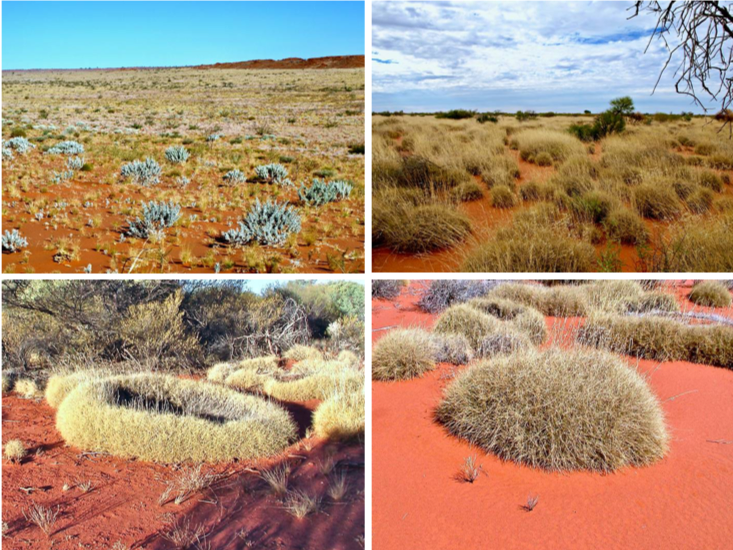
Pictures of Triodia (spinifex) clumps and sandy substrates along the Canning Stock route in Western Australia. Triodia is a large genus of hummock-forming bunchgrass endemic to Australia. Triodia hummocks constitute the main habitat of some Sminthopsis species like the sandhill dunnart S. psammophila (pictures: Mike Westerman).

Current study system. I use vertebrate radiations as model systems with special emphasis on taxonomic groups that diversified in Australia and nearby islands. This island-continent constitutes a very suitable scenario for studying diversification dynamics at a regional scale. Marsupials account for over half of Australia’s land mammals and are well represented in the totality of environments that can be found across this continent. Consequently, this taxonomic group has prompted a large body of research. However, little is known about the role of biotic interactions in shaping coexistence patterns in marsupials. There is paucity of studies focused on interspecific competition among members of this speciose group.

Recent publication in Journal of Biogeography. García-Navas, V., Kear, B.P., Westerman, M. (2020) The geography of speciation in dasyurid marsupials. Journal of Biogeographydoi/abs/10.1111/jbi.13852 [Access here]

Motivation behind this work. Unlike other more striking and iconic Australasian radiations, dasyurid marsupials have received relatively little attention. This lack of research might (at least partially) be due to low morphological specialization in this mammalian taxon, which makes it less intuitively appealing for diversification studies. However, we have previously showed that patterns of both phenotypic disparity and speciation in dasyurids exhibited an early burst followed by a slowdown. It is likely that the extinction of thylacinids and the spread of arid habitats spurred this radiation of insecto-carnivorous mammals giving rise to that early burst signal. In this paper, we were interested in the effects of competition and divergence time on morphological dissimilarity (in terms of body mass and molar row length) and geographic range overlap between species at different scales. Most community phylogenetic studies do not consider biogeographic history and regional-scale processes despite growing recognition that these influence contemporary community patterns. Consequently, incorporating perspectives on clade-level evolution into studies of community assembly constitutes a fundamental challenge for the progress of this field.

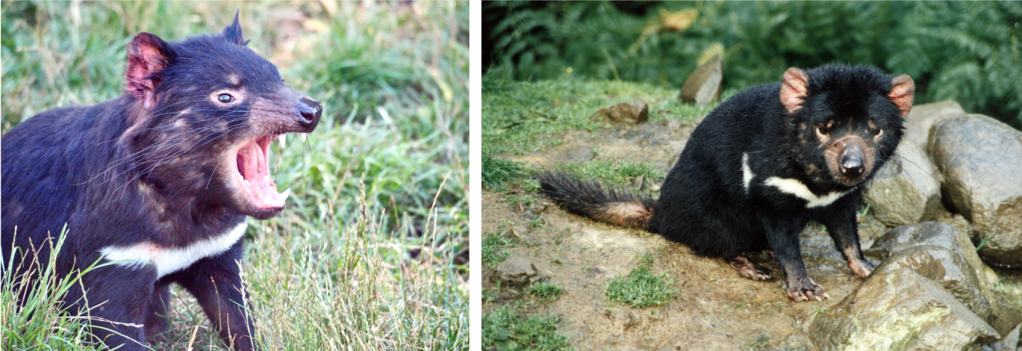
One of the most emblematic Australian species; two Tasmanian devils Sarcophilus harrisii at Traunna Wildlife Park in Tasmania (picture: Mike Westerman).

Key methodologies. We examined the relationship between species co-occurrence patterns and morphological similarity at two spatial scales. Although local and regional scale analyses should ideally be applied in tandem, few studies have addressed both perspectives simultaneously. Specifically, we first tested whether speciation in this group has been largely allopatric at regional scale, as previously shown in other mammalian families. Secondly, where species coexist, we tested whether this sympatry might have been facilitated by morphological divergence at local scale through character displacement. For this purpose, we used a novel approach developed by M. Borregaard, node-based analysis (https://github.com/mkborregaard/nodiv), which quantifies the distributional divergence between daughter lineages descending from the same node and allows obtaining a better insight of the phylogenetic structure of assemblages at large scale. At local scale, we used co-occurrence data from 83 communities in order to test whether co-existing species are more morphologically divergent that those that do not coexist or do so not preferentially. 

Major results. Our study reveals that geographic isolation arising from niche conservatism (as opposed to biotic interactions including competitive exclusion) has played a pivotal role in shaping the speciation patterns of this endemic mammal radiation. The level of sympatry observed in our sample of sister species pairs was slightly higher than that generally reported amongst placental mammals. However, despite moderate levels of sympatry through time, our results indicate low rates of spatial co-occurrence between dasyurids. It supports the idea that, under certain circumstances a high degree of range overlap may not translate into real coexistence at a local scale. That is, in many cases sympatric species (in terms of broad-scale spatial overlap) are not syntopic and do not interact ecologically. By integrating approaches used to infer broad-scale, evolutionary processes and those commonly used to study ecological interactions at fine scales, we show that it is possible to obtain a comprehensive understanding of factors driving species distributions.

Unexpected challenges. I remember writing this paper while recovering from a surgery. So, I have a folder in my laptop devoted to this study called “dasyurid speciation” but, for me, this paper will always be the gallbladder paper. There is no better plan for the summer than to stay at home writing while your scars dry and doctors remove the stitches. Apart from this, the process was quite smooth. What took us the longest was to collect data on length of the lower molar row for all species. In several cases, we had to dig into grey literature to find morphological data for some poorly-known taxa (e.g. Antechinus) or request data from experts, which indicates that even in some charismatic groups like marsupials there is still a need for more natural history studies. We still lack basic information on morphology and ecology for a high percentage of mammalian species. Consequently, there is no doubt that fieldwork is still crucial for science research.  

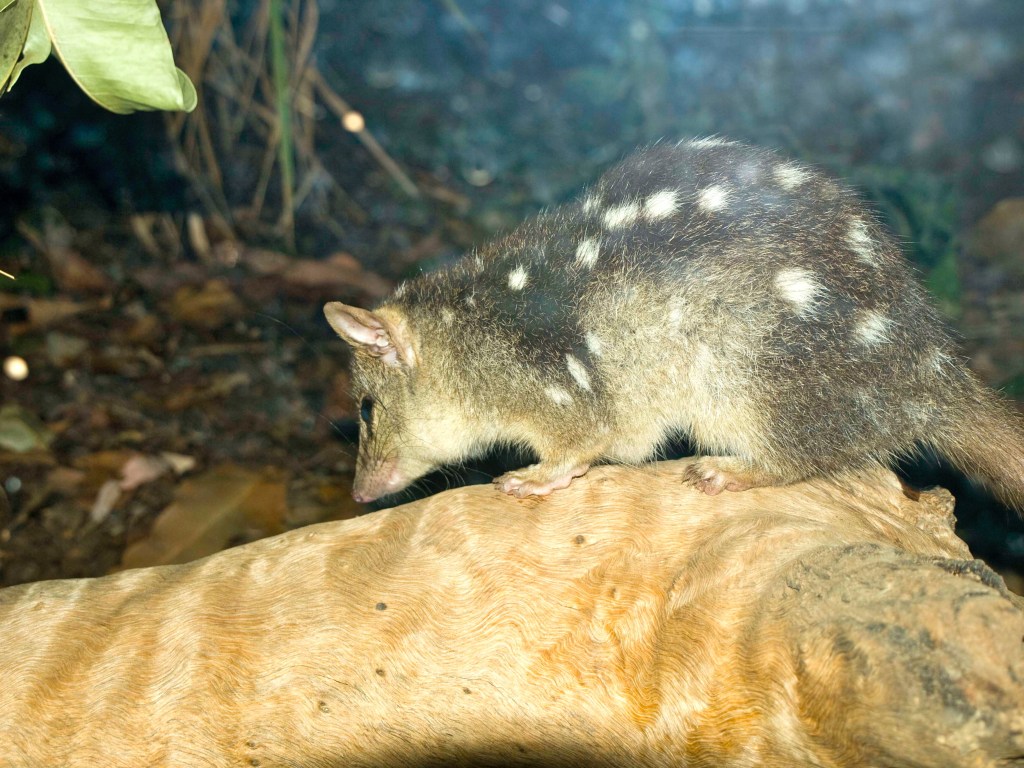
A Northern quoll, Dasyurus hallucatus, also known as the northen native cat, in Darwin (NT). This species was first described in 1842 by the English ornithologist John Gould (picture: Mike Westerman).

Next steps of this research. This study is part of a project on diversification and phenotypic evolution in vertebrate Australasian radiations. One of the main aims of this project is trying to reconcile macroevolutionary processes acting at a continental scale with ecological processes, like competition, that are generally interpreted at smaller spatial scales. We plan to continue interpreting local coexistence patterns in light of historical processes, taking advantage of traditional field surveys and state-of-the-art techniques. We are interested in examining how local assemblages are structured over time by explicitly considering range dynamics, speciation, colonization, and local extinction rates. In this way, we will be able to ask if there is a link between diversification rates and species co-occurrence.  

If you could study any organism on Earth, what would it be? Certainly no one will find me chasing raptors or large ungulates. I don’t know why, but I have a strong preference for rodents (and rodent-like marsupials) and small birds. So, I would definitely continue studying songbirds and small mammals. They are probably easier to study than other organisms, which allows obtaining large sample sizes and even carrying out experiments in the field. In addition, they represent some of the most striking vertebrate radiations and have successfully colonized a great variety of environments exhibiting a high variability in terms of morphological and/or behavioural adaptations. Beyond this, I think it goes without saying that they are amazing creatures and, most of them, overwhelmingly cute.

Anything else you would like to share?

I did my PhD on behaviour in blue tits and then I started to apply molecular tools to address questions at a larger scale (e.g. gene flow and local adaptation between colonies). The need to answer broader questions pushed me to move from working at the individual or population level to adopt a more comprehensive approach, one that considers macroevolution using modern phylogenetic comparative methods. Thus, I have progressively expanded my interests from individual decisions and taxon-specific questions to broad-scale processes that act as biodiversity engines. I think that this winding path has provided me with a background that allows me to approach my research with a broader and more integrative perspective.

Regarding my little obsession with the Australian fauna, I remember that I enjoyed a lot watching “Taz-mania”, an animated sitcom produced by Warner Bros and starring Taz, the Tasmanian Devil, when I was a kid. This “Looney Tunes” character was popular enough for the potential of a spin-off series focused on his adventures and those of other furry creatures including wallabies, koalas and dingoes. I really think cartoons have great potential to convey respect and interest for animals!

ECR feature: Edmund Basham on tree-top frogs

Edmund Basham is a community ecologist and biogeographer who is currently studying toward his PhD at the University of Florida. He has deep love and interest in the frog communities of tropical rainforests. Edmund shares his recent research on the seasonal shifts and vertical stratification of tree-dwelling frog species in Panama.

Personal links. Instagram | Website

Institute. University of Florida

Academic life stage. PhD

Major research themes and interests. Amphibian community ecology, vertical stratification, biogeography, climate change.

Current study system. I am interested in the vast diversity of species that make up the amphibian communities found in the rainforests of Central Panama. Such species include fossorial caecilians that are found below the leaf litter, to the rare frogs that breed in tree holes found high in the canopy. Some of the trees at the site are upward of 50 m tall, and finding frogs at this height always gives a rush of wonder and excitement. Talking to non-ecologists about my research, a regular comment is an incredulous “do frogs really live up in tops of trees?!”. This is partially what I think makes this research so interesting, there is a hidden world above our heads that often goes amiss.

Recent paper in JBI. Basham, E. W. and Scheffers, B. R. 2020. Vertical stratification collapses under seasonal shifts in climate. Journal of Biogeography: 1–11. https://doi.org/10.1111/jbi.13857. [Access here]

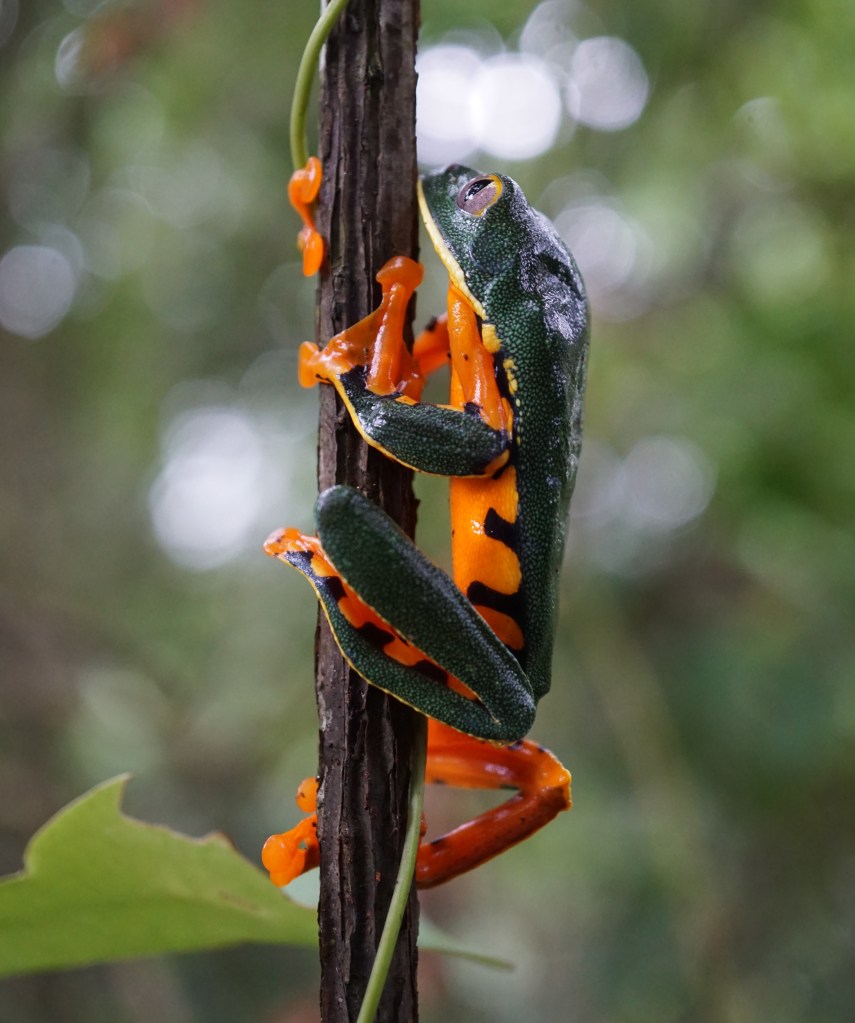
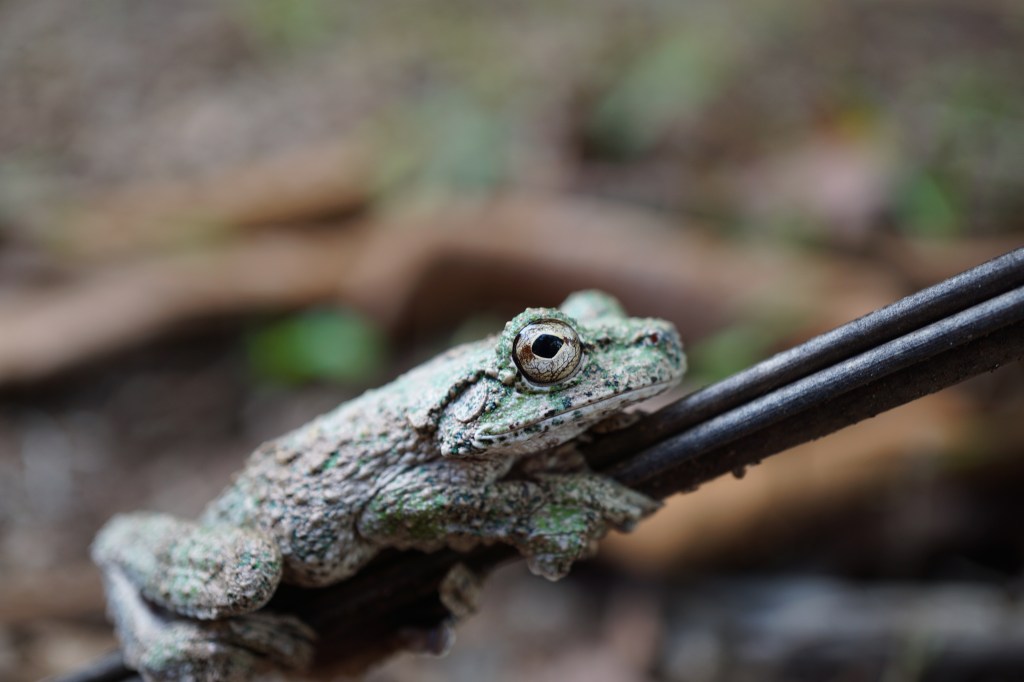
A Sylvias tree frog (Cruziohyla sylviae), found 23 m up sitting close to a tree hole filled with tadpoles and and overhanging eggs ready to drop in.

Study motivation. The canopies of rainforests still hold so many secrets. I wanted to be one of the few researchers who truly sampled across the whole range of habitats within the forest, including across the year to sample seasonal climatic variation. Looking at how animals respond to seasonal climates can also give us information about how climate change could affect them, which was a major motivator of this study. Furthermore, there is scant information on the lives of canopy dwelling frogs, so collecting data on where and how these species live is valuable in its own right.

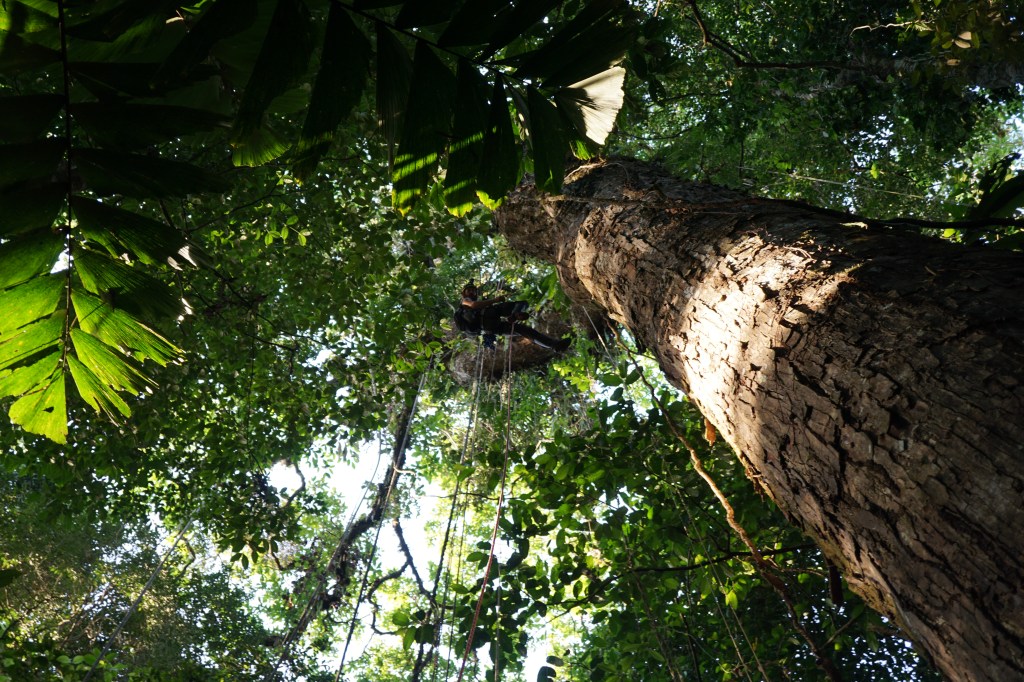
Key methodologies. This paper is one of the very few amphibian focused papers that incorporates arborist tree access. To sample amphibians high in the tree tops, we would shoot a lead weight and line into the canopy, hooking it over a branch so that we could haul up a climbing rope. I would then climb up at night, searching for frogs on the leaves, moss, vines, epiphytes, and all the microhabitats occurring along the vertical transect. This meant that I could find many illusive species that may be missed during ground surveys. Indeed, many of the largest and most beautiful frogs are the rare tree frogs found only in the canopy.

Edmund ascending a huge Espavé (Anacardium excelsum) tree during a daytime survey, on the hunt for frogs.

Major results. We found that the species that normally live up into the canopy, descend towards the ground in the dry season. One striking example was the yellow-bellied poison frog, which shifted some 25 m from its home in the canopy down to the roots at ground level. The overall downward community shift left a canopy depauperate of frogs, where only a small number of individuals from select species are found toughing out the heat in the dry season. With frogs forced to live in a smaller area of habitat near the ground, there may be greater risk of disease, competition, and predation from ground-based hunters such as snakes.

Most importantly, climate change is set to lengthen and strengthen seasonal droughts across the tropics. This research suggests a change is coming in the vertical organisation of frogs in tropical forests, with species that require above-ground habitat to live and reproduce losing out.

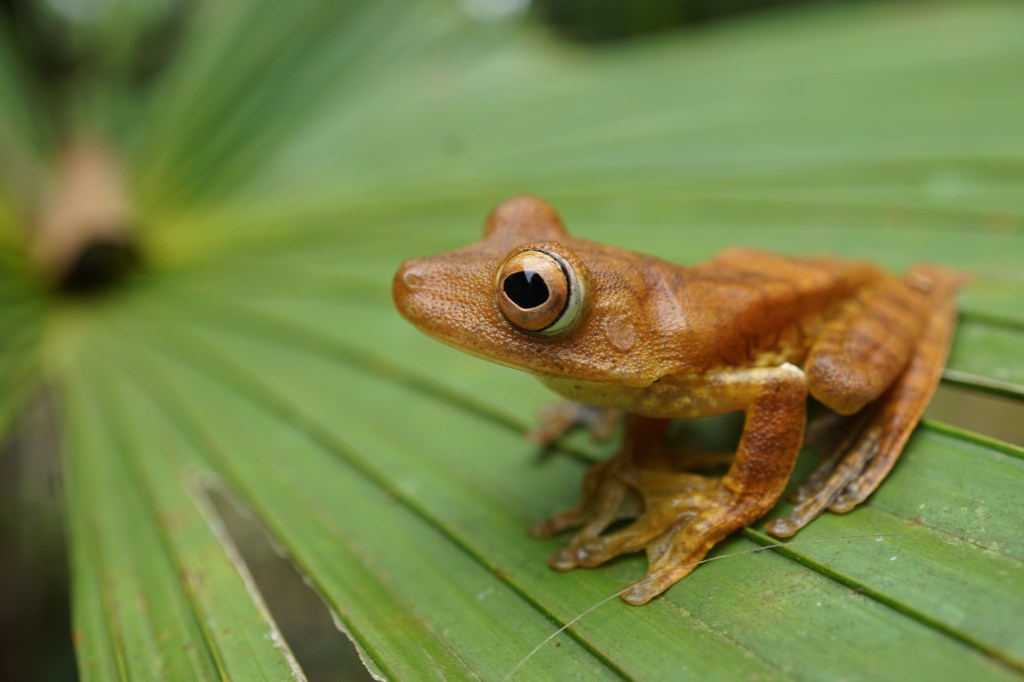
A Rosenberg’s gladiator frog (Hypsiboas rosenbergi), found 12 m up calling from a large palm. 

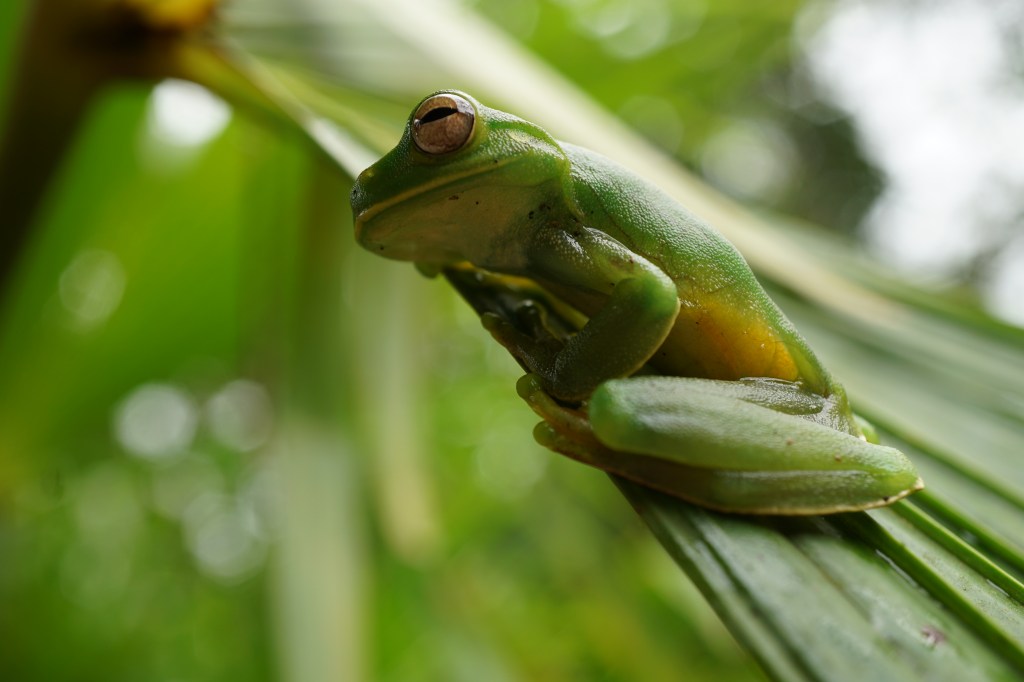
A Palmers tree frog (Hyloscirtus palmeri), found 5 m up calling during a rain storm.

The very illusive tree-hole breeding Ecnomiohyla miliaria, the fringe-limbed treefrog, listed as Vulnerable on the IUCN Redlist. Found near the ground during the dry season in Sierra Llorona, Panama.

Challenges. Conducting field work in mountainous tropical forests is challenging, but when you add a climbing component it can become extra tough. Bullet ants and eyelash pit vipers abound, not to mention the physicality of climbing huge trees. Nonetheless, I wouldn’t have it any other way. The challenging nature of this field work means that there is still so much to explore and learn about these canopy environments. For example, I found that one species of poison frog only lived on the biggest wild cashew trees at the site in Central Panama, which led me to target this interesting relationship for further surveys.

I would implore budding scientists to immerse themselves in nature, because the best inspiration often comes from witnessing something that makes you scratch your head and wonder “what is going on?”.

Next steps. To fully understand the generality of these patterns across the tropics, further field seasons using the same method need to be conducted in forests representative of major ecoregions, for example, South-East Asia, Central Africa, and India. The communities of amphibians in these far-removed forests are only distantly related, for example, frogs in Madagascar have been isolated for ~80 million years. Thus, the processes of evolution and selection may have shaped communities to react to seasonal climate in unique ways. Equally, we may find that a downward descent during dry seasons is a convergent mechanism adopted by all communities. This would then suggest that climate change will affect communities similarly across the tropics. To answer these questions, we must climb more trees and find more frogs.

If you could study any organism on Earth, what would it be? Frogs, especially the colourful tree-frogs. They exist in such incredible variety and beauty, and they have an innocence and charisma which I think is so endearing (for the most part!).

Anything else to share? Only that all are welcome to contact me, whether it be to discuss science, have a friendly chat, or form ideas for future research collaborations.

If you want to see some of this tree climbing/frog catching/fun having field work, check out this short video I made about the research!

Small grants for global colloquia in biogeography

The Journal of Biogeography is pleased to announce the second of three new opportunities.

The Journal of Biogeography invites applications for funding to facilitate one or more global colloquia.  The event may be stand-alone, or may be staged in association with a larger meeting, it may be in-person or virtual. The topic may be on any aspect of biogeography.  A goal of the colloquium should be to publish a synthesis paper and/or a series of papers that represent the range of topics discussed.

The Journal wishes these colloquia to become a regular activity that helps biogeographers develop, exchange, and explore ideas globally that advance biogeography through consolidation of fragmentary knowledge, synthesis across disciplines, and innovation.  Thus, the funds up to $2000 are offered by the journal primarily with the intention of facilitating involvement of people who might not otherwise be able to participate, or to stage an event that, because of its nature, draws in people of diverse backgrounds and with varied perspectives.   

The awardees will take care of all organization and are responsible to the journal only in terms of meeting any prior agreement on publication, promotion, and staging the proposed event.  The journal is responsible to the local committee only in terms of promoting the event via journal social media and providing the funding agreed. 

Proposals should take the following format (as a single PDF):

1. Title and description of the topical focus (e.g., early career conference, a regional focus, or a disciplinary focus). ≤0.5 page.

2. Relevance, context, and how the colloquium and publications therefrom will advance the discipline of biogeography. ≤0.5 page.

3. The target number of attendees, and distribution across career stages, countries of origin/habitation, gender. ≤0.5 page.

4. The proposed format: general organization (e.g. number of keynote speakers in plenary sessions, number of concurrent sessions, talks, posters). ≤0.5 page.

5. The actual dates and details of the colloquium: a) in-person/virtual, b) facilities/technology, c) list of organizers, d) list of committed participants. ≤0.5 page.

6. The uses of and substantial difference that will be made by the support from Journal of Biogeography. ≤0.5 page.

7. Outline of the proposed publications, which will first be submitted for consideration at Journal of Biogeography. ≤0.5 page.

8. Other budgetary considerations, partners, and obligations therein.

We aim to fund 1-2 symposia during the coming year.  Proposals on any subject in biogeography are welcome; in 2020, we encourage, but do not limit responses to this request for proposals, to colloquia exploring the following areas: Biodiversity–geodiversity; Comparative phylogeography and geo-genomics; Functional biogeography; Cross-scale biogeography & biodiversity (considering biological, spatial, and/or temporal hierarchies); Marine-terrestrial comparisons and contrasts (also with aerial, freshwater, and subterranean realms); Biogeography in the Anthropocene.

Submit proposals to: https://www.dropbox.com/request/RqqNgMxBZjb4uy6wRbUK *upload only*

The deadline for submissions is: 01 November 2020.  

Address enquiries (Subject line: “Enquiry: Journal of Biogeography Colloquia sponsorship”) to the Editor-in-Chief at mdawson@ucmerced.edu.

JBI aims to foster inclusive science that reflects the disciplinary, human, and geographic diversity of biogeography and biogeographers. Submissions are welcomed from applicants of all ethnicities, races, colors, religions, sexes, sexual orientations, gender identities, national origins, disabilities, ages, or other individual status.

ECR: Jordan A. Hollarsmith

Jordan is a postdoc at Simon Fraser University. She is an ecologist with an interest in resource management. Jordan shares how she and her colleagues have used a remotely operated vehicle to survey marine biodiversity in the Mexican Pacific.

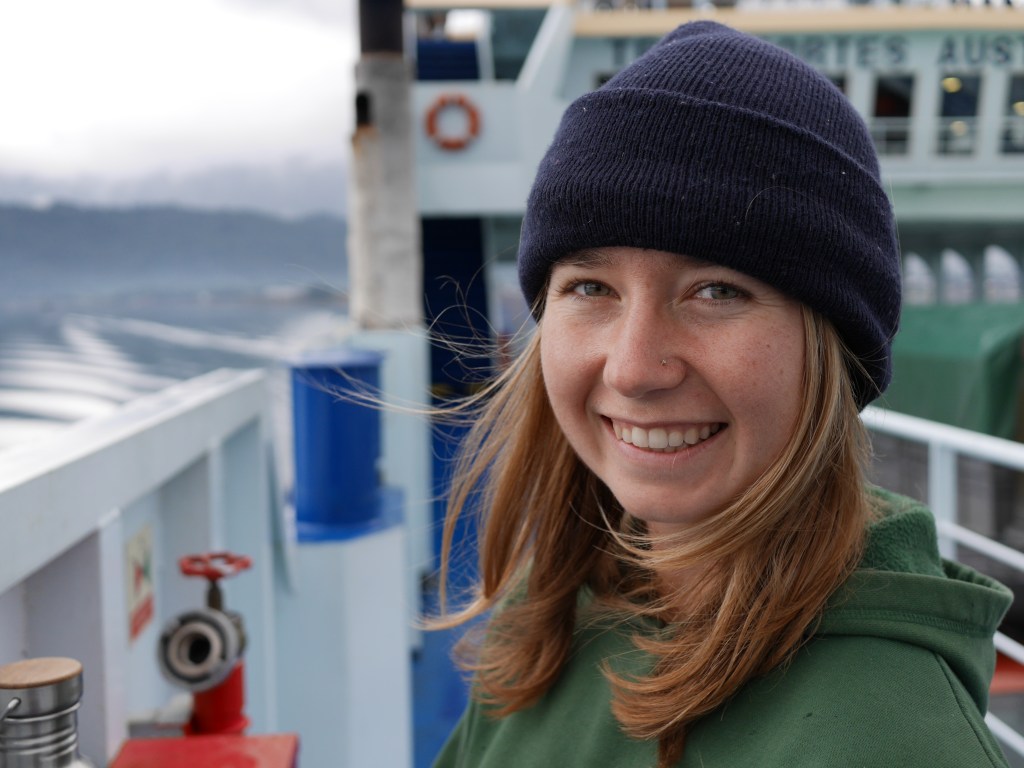
Jordan Hollarsmith.

Personal links. Website | Twitter

Institute. Simon Fraser University

Academic life stage. Postdoc

Major research interests. Resource management and ecology as it relates to multiple stressors.

Current study system. My research currently focuses on how we manage resources given the cocktail of threats facing nearshore marine ecosystems. In addition to comparing decision-making frameworks used across North America, I am using kelp forest ecosystems of the Salish Sea as a case study into modelling threats using expert opinion instead of more traditional data sources. This work is beautifully collaborative and very urgent given the pace of ecosystem decline we are observing in the Salish Sea and around the world.

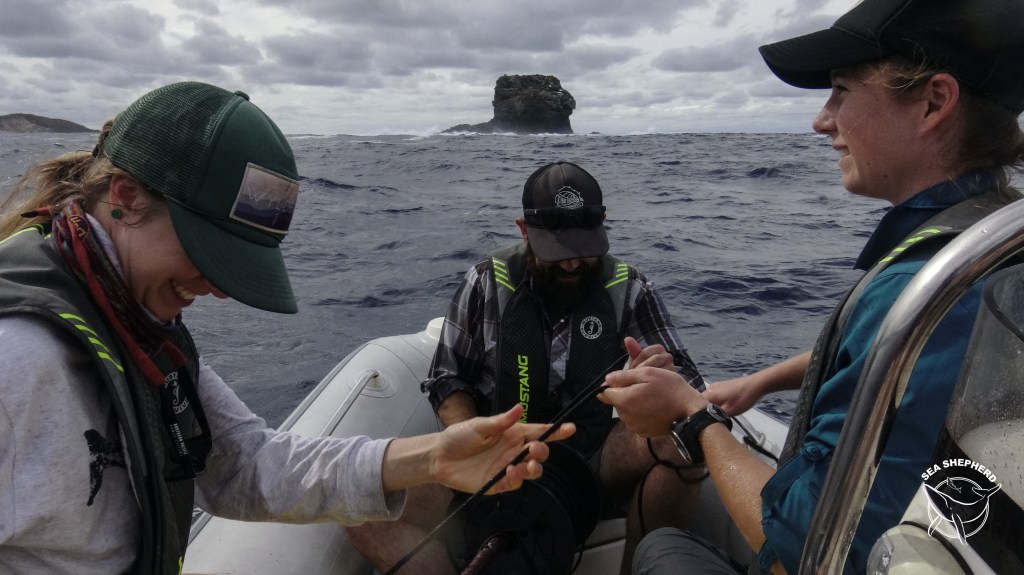
Jordan Hollarsmith, Kyle Neumann, and Tallulah Winquist, prepare for a dive in large swell of the coast of Socorro Island in the Revillagigedo Archipelago. Photo taken by Tamara Arenovich with the Sea Shepherd Conservation Society.

Jordan Hollarsmith and Georgina Ramírez Ortiz with the ROV. The photo was taken by Arturo Bocos at El Bajo in the Bay of La Paz.

Recent paper. Hollarsmith JA, Ramírez-Ortiz G, Winquist T, Velasco-Lozano M, DuBois K, Reyes-Bonilla H, Neumann KC, Grosholz ED. 2020. Habitats and fish communities at mesophotic depths in the Mexican Pacific. Journal of Biogeography 47(7), https://doi.org/10.1111/jbi.13842. [content link here]

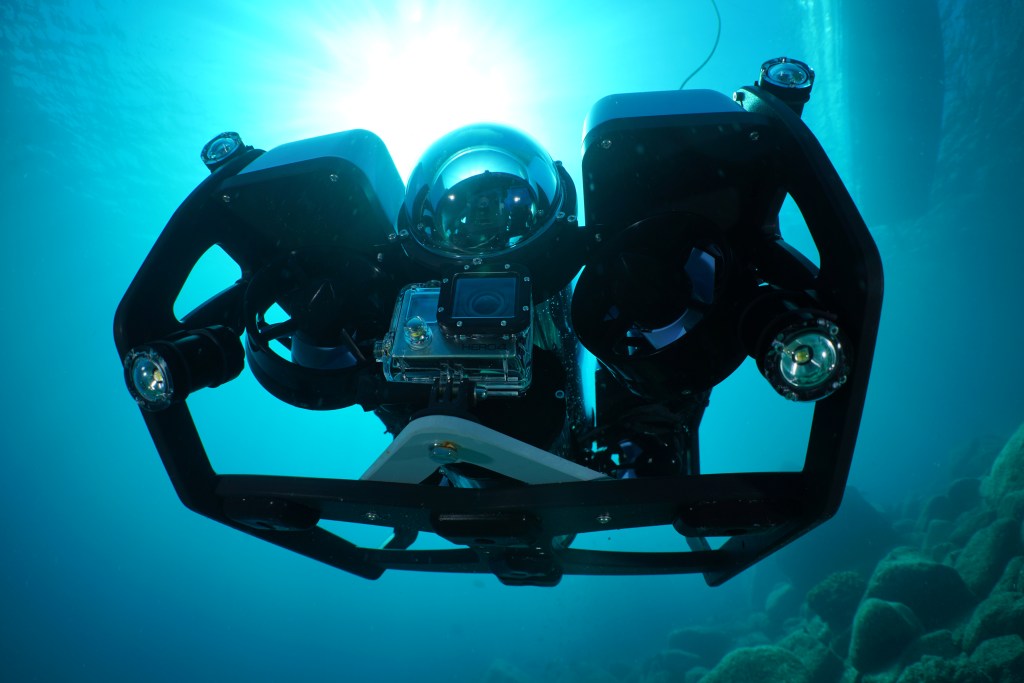
Motivation for this paper? Ecosystems found below 30 m depth in the ocean are some of the least known in the world, in part because it is so difficult to access them. However, advances in ROV (remotely operated vehicle) technology means they are now smaller and cheaper than ever before. Colleagues and I decided to seize this opportunity. With the help of National Geographic, the Explorers’ Club, the Sea Shepherd Conservation Society, and other generous partners, we built our own small ROV to survey continental and oceanic islands in the Mexican Pacific. We chose these locations based on the high biodiversity and endemism found in shallow areas around the islands. Moreover, the complex mixing of water masses in the region provides increased potential for highly diverse habitats and fish communities below 30m.

Key methodologies. This paper is among the first to use small and economic ROV technology to survey fish communities at mesophotic depths. Our approach was highly collaborative, involving early career researchers and students from the United States and Mexico, multiple academic institutions in both countries, non-profits, funding sources, and direct-action environmental organizations. Thanks to the combination of diverse collaborations and affordable technology, we were able survey a wide range of islands, depths, and habitats for very little money.

The ROV.

Unexpected challenges. Driving the ROV from small boats in huge open-ocean swell under a stifling tarp surrounded by curious boobies and sharks was difficult, to say the least! It was hard to see many details when driving the ROV, so often we would only realize what we had surveyed when we reviewed the footage later. Thankfully, despite the difficult field conditions and the constant battle with sea sickness, we were able to identify the majority of fish we observed and elucidate ecological and biogeographical patterns from our data.

A soft coral reef at mesophotic depths around the Revillagigedo Archipelago.

Major results. Out of the 81 species we identified in our surveys, we observed nine fish species deeper than they’ve ever been recorded and one fish species, the Galapagos snake eel, thousands of kilometers away from anywhere it had previously been observed. Our surveys included large undocumented rhodolith beds (free-living coralline algae) and mesophotic algal communities, in addition to diverse communities of soft corals and sponges. These findings increase our knowledge of the natural history of these fish species, and increase our understanding of the ecosystems within the two Mexican National Parks that we surveyed.

A mesmerizing school of hunting jurel (Seriola rivoliana) at Clarion Island.

Next steps for this research. One of the undergraduate students involved in the video analysis is using these data for his senior thesis at the Universidad Autónoma de Baja California Sur. Watch out for his paper on the differences in fish functional diversity at mesophotic depths across continental and oceanic islands, currently in revision at Ciencias Marinas!

If you could study any organism on Earth, what would it be? I would study kelp! Kelp is a beautiful and diverse family of brown algae (Laminariaceae) that forms critical habitat in temperate rocky reefs around the world. Kelp is also found in the mesophotic zone in tropical and subtropical regions where a clear surface layer allows light to penetrate deep into the ocean where it illuminates cold, nutrient-rich water, thus providing the perfect conditions for kelp. These habitats have been observed in the Galapagos, New Zealand, and the Mediterranean. We were hoping to find another one in the Revillagigedo Archipelago, but we will have to save that for another mission!

How did ant communities assemble on reservoir islands?

From curiosity to community assembly: how a birder’s frustration opened the door to a new journey of discovery about taxonomic, functional, and phylogenetic diversity of ants on islands.

When I started my Ph.D. career and went to the Thousand Island Lake (TIL) to do fieldwork for the first time in 2014, I was attracted to the natural landscape immediately. Before then, I had never been to any reservoir islands. TIL was formed by dam construction in 1959, and is one of the largest human-made reservoirs in China. The lake area is approximately 580 km2 and includes more than 1,000 islands (as its name suggests). Each island was previously a hilltop before flooding.

Above. Thousand Island Lake. Photo credit: Wande Li.

EDITORS’ CHOICE (Read for free until Aug 2022): Zhao, Y,  Dunn, RR,  Zhou, H,  Si, X,  Ding, P.  Island area, not isolation, drives taxonomic, phylogenetic and functional diversity of ants on land‐bridge islands. J Biogeogr.  2020; 00: 1– 11. https://doi.org/10.1111/jbi.13860

Since 2003, a research group led by Prof. Ping Ding at Zhejiang University has been conducting bird surveys in TIL. I was trained as a “birder” too. However, I was surveying birds on a tiny island one day, and was frustrated that there seemed to be no birds to watch on that island. As I walked around searching for birds, I noticed that the island was covered by a massive number of black ants (years later I would realize that this black ant was Brachyponera chinensis, known as Asian needle ants), these ants walked all around me, and I stared at them for a long time just like a little child will do. That was the very moment I wondered how many and which ants can be found on each land-bridge island, and why.

I returned home and began to search for articles about ants. The more I learned, the more I was attracted by these little creatures. I realized that many ecologists around the world had used ants as the target taxon. Among them, Edward O. Wilson, who was inspired by his travels and ant collecting in the South Pacific, together with Robert H. MacArthur to develop one of the most iconic theories in ecology: the Theory of Island Biogeography (TIB). TIB predicts that larger and less isolated islands should host a larger number of species than smaller and more isolated islands. However, the classic TIB model does not consider the evolutionary and functional differences among species (i.e., phylogenetic diversity and functional diversity). I began to think that there was a project in the making with ants, maybe even a Ph.D. I could, I began to think, study not only the number of kinds of ants on the different islands, but also their evolutionary and functional diversity.

In 2017, after a discussion with my supervisor Prof. Ping Ding, along with other co-authors, we decided to survey ants on different islands in TIL using different capture methods. Meanwhile, we also planned to sequence the DNA and measure the functional traits of all ant species to infer the phylogenetic and functional diversity of ants.


Different capture methods: Winkler extraction (left), pitfall traps (upper right), and hand collection (lower right). Photo credit: Yuhao Zhao.

After two years of sampling, we captured over 90,000 individual ants across 33 islands, belonging to 97 species in 44 genera and eight subfamilies. The counting process was daunting as sometimes a trap can collect thousands of ant individuals, and we need to count them one by one. However, the results were promising. We found larger islands possessed more species and higher phylogenetic and functional diversity than smaller islands, which is consistent with the prediction from the classic theory of island biogeography. However, isolation did not significantly influence the taxonomic, phylogenetic, and functional diversity of ants.

To move a further step, we wanted to know if the underlying processes of community assembly on different islands are the same or not? Based on previous research of bird studies in the same system (Si et al. 2017, link: https://doi.org/10.1111/1365-2656.12650), we hypothesized that communities on smaller and more remote islands might be highly clustered (with more closely related ant species than expected by chance) because the subset of species either shares similar functional traits or similar evolutionary histories. Conversely, communities on larger and less isolated islands may be overdispersed (with fewer closely related ants than expected by chance) because these islands provide more potential habitats and niches, and closely related species would compete for resources, resulting in close relatives being competitively excluded from the community. Using a null modelling approach, we found that the structure of ant communities shifted from phylogenetic and functional clustering on smaller islands to phylogenetic and functional overdispersion on larger islands. That is to say, environmental filtering is the dominant process structuring ant communities on smaller islands, and that competitive exclusion becomes more important on larger islands.

More interestingly, we also found incongruencies between phylogenetic and functional dispersion patterns. Overall, phylogenetic structure of ant communities tended to be clustered, whereas functional structure of ant communities tended to be overdispersed. These results suggest that distinct mechanisms may influence phylogenetic and functional structure of ant communities, i.e., environmental filtering influences phylogenetic community structure of ants, whereas competitive exclusion influences functional community structure of ants. Our findings, again, highlight the need to examine both phylogenetic and functional diversity to understand the mechanisms that govern the assembly of natural communities on islands.


The Asian needle ants (Brachyponera chinensis) attacking a termite. Photo credit:Benoit Guénard.

During our ant sampling in the field, we inevitably noticed the interaction between ants and termites, as well as ants and aphids, and ants and plants. Although these interactions have been well documented, few works have investigated the variations of these interactions among islands. Based on our knowledge of ants in the TIL region, we now have multiple projects to understand the influence of ant on other species, and the functional roles of ants in the land-bridge island ecosystem.

Written by:
Yuhao Zhao – Postdoctoral fellow, School of Ecological and Environmental Sciences, East China Normal University.

Additional information:
https://faculty.ecnu.edu.cn/_s31/sxf2_en/main.psp ; http://robdunnlab.com/ ; http://antmaps.org/

I would like to thank Xingfeng Si and Rob Dunn, who provided feedback on this blog post, and Wande Li and Benoit Guénard to provide the photos.