Figures: the Art of Science

How to prepare figures to make an impression on editors, reviewers, and readers.

Figures are, perhaps not quite literally, worth a thousand words, but they are invaluable: try explaining in text all the details in anything but the most basic image. Yet a reasonable fraction of manuscripts submitted to Journal of Biogeography (JBI) contain too few or too many figures, figures that are difficult to interpret, figures that are poor quality, incorrectly sized, that don’t conform to JBI’s style requirements, are formulaic, and/or don’t convey the research in a compelling way. These are all things that can slow down review or publication of a manuscript or increase the likelihood it will be rejected, especially if there are also shortcomings in the text, so best to avoid them if at all possible.

By contrast, an appropriate number of nicely prepared, easily interpretable, information rich figures will emphasize the positive and can to some extent compensate for shortcomings elsewhere during review, because a series of good figures can alone tell most of the story in a paper, and reviewers and editors consider manuscripts holistically. (This is not to say other things will be ignored; to ensure the best possible chance of publication, all aspects of a paper should be prepared to publishable standard before submission.)

Moreover, creative and thoughtful illustrations will make your paper stand out from the crowd during review, when being considered for the Editors’ Choice or Cover Article, and when readers browse the journal or find your paper among tens of others in a literature search. As such, consistent with this column’s intention to help authors’ manuscripts be more successful at JBI, we here provide a primer on preparing figures for successful review and publication in JBI. This is intended as a quick reference guide to some key ‘good practices’ in preparing your figures and so it emphasizes aspects of, but does not replace, information provided in the journal’s author guidelines and Wiley instructions. We hope this is helpful!

1. Include a conceptual or synthesizing figure
We are all familiar with using the Introduction of a paper to establish the background for our study, the questions that background raises or leaves unanswered, and so the hypotheses our study is going to test. But far less often do we also present that information in a powerful visual graphic. Yet such graphics can quickly provide readers with an holistic view of your study and a visual expectation of what your data would look like if it was consistent with or refuted your hypotheses, which they can then pattern-match to your actual results. This approach can therefore also guide how you set up your Results and can simplify your Discussion. In a way, it’s really an element of good study design, showing the study has been thought all the way through from the start. An alternative (or addition), if you wish to provide a powerful take-home message that others will use in their talks and redraw in their papers, is to provide an integrative synthetic figure emphasizing the key points in the Discussion. Similarly, it has been noted that if your methods are complex, it can help to have a (numbered) flow-diagram which can both clarify and shorten your textual description..

2. Figure size and proportions
Create your figures at the size and proportions they’ll be printed. Figures are reproduced in the final article in three basic sizes: single column width (79 mm), two-thirds page width (110 mm), and full page width (168 mm). If a figure is designed for one of these sizes it’s usually obvious and the production office will make it look pretty. If it is not designed for one of these sizes, it will be shrunk or expanded leading to images with detail that is hard to read — in production, figures will be smaller than R output, so letters have to be proportionally bigger, lines thicker, and points larger to be read appropriately — or an overly simplistic and large kindergarten book kind of feel.

All graphics software these days allows sizes to be set and/or images scaled, so when designing figures, keep the final sizes in mind, and imagine what they’ll look like on the ‘printed’ page, either one full-page or fit-to-width view online or in a PDF; if you’re relying on people zooming in/out, you probably need another panel or figure. If you’ve multiple panels, consider how to arrange them so they fit down one column, or across the page, or in an # rows x # columns composite figure; if your panels are graphs and they have an axis in common, use that as your guide. Try to avoid arrangements or sizing that will lead to a block of empty ‘white space’ around the figure. Make sure to scale the text on your page to fit the final printed size (ideally use 8 pt after any reduction), don’t have too many different point sizes in one figure, and try to keep text size consistent across figures in your manuscript. N.B. The maximum height of figure is 230mm.

3. Resolution
Use vector graphics, if at all possible, which will ensure your image looks sharp at either one full-page or fit-to-width view on the screen and everything in-between and beyond. Vector graphics should be in .eps or .pdf format. If using photographic images save them in .tif format at 300 d.p.i. If figures combine line art and photographic images and cannot be saved in vector graphics format, use .tif format at high resolution (i.e. 600–800 d.p.i.).

4. Figure captions
Captions, a.k.a. legends, should be concise, comprehensive, and ‘stand-alone’ – i.e. the figure and its caption must be understandable without reference to the text. To this end both the geographical region/s and the taxon/taxa should be mentioned in each caption. Include definitions of any symbols, abbreviations, and units of measurement.

5. Colour
Use colour wisely. As colour images are free in the PDF and online (which is where everyone is going to read them) it may be tempting to use colour often and sometimes a lot of it. But unless colour actively increases readability of your figure (i.e. in figures with many components to be compared, or when >2 dimensions are needed) think twice about using it. Also, avoid heavily coloured base maps (e.g. captured from Google Earth) are a poor background on which to plot important data because they have a lot of superfluous information and don’t allow for sufficient contrast. Often it can be equally or more effective to combine different types of symbols (e.g. solid and dash lines or areas, or round versus square points) than adding many colors. This kind of presentation also works on a grey-scale printed page and for the many people who have different perceptions of colour. Colour figures should be saved in CYMK

6. Maps
(a) Include a map that provides regional context as well as details of your study. JBI has a global readership so many people might not immediately recognize your study area without broader context. Provide details of your study in your main figure and consider also an inset or additional panel(s) showing country-or-higher level context. In each panel include a scale bar in ‘km’ within the figure.
(b) Continental and global maps should usually use an equal area projection. All biogeography addresses life on an approximately spherical planet, but we draw them on a flat page. Much biogeography addresses processes influenced by area and/or distance, so patterns are best represented on a map that reproduces these attributes with as much fidelity as possible. For area, Mollweide or Aitoff’s projections are recommended choices. If distance is more important than area in your study perhaps choose an equidistant map instead (one pertinent to your area of study). If dealing with area and distance, consider different projections for different maps within the same study or a ‘compromise’ map. Regardless, maps based on, e.g. the Mercator projection provide misleading visual cues close-to or far-away from the equator and should not be used. Given the variety of maps and that it can be difficult to distinguish between some visually, it is important to state the projection employed and the reason (e.g. “equidistant” or “equal area”) in the figure caption. Two lists and descriptions of projections are available at https://en.wikipedia.org/wiki/List_of_map_projections and https://lib.bsu.edu/collections/gcmc/tutorials/pdfs/mapscartographymapprojections.pdf.
(c) Show the range of the species with which you’re working as well as the extent sampled if these are not the same. There is good reason to expect that biogeographic processes vary spatially and in regard to the relative position within a species range (e.g. periphery versus center, ‘leading’ versus ‘trailing’ edge), so to the extent it may be relevant to the goals of a study, sampling location(s) should be shown relative to the species’ range.
(d) An additional consideration. It can be more convenient to summarize sample sizes and other relevant background information in a map than in the Methods text; too often papers do neither and bury this important information in supplementary documentation.

7. Phylogenies
Must include edge/node support values. A list of names in the leaves is not always most helpful for readers. Consider complementing the basic tree with clade-level annotation, images, maps, and traits.

8. A few final tips from the Production Office
Ensure (i) all figures are cited, in order, in the main text of your article; (ii) each individual figure file less than 10 MB, and if not then remove excess white space surrounding figures for smaller file sizes; (iii) figure files are named with their figure number. A checklist for basic figure requirements is here for initial peer review as well as production.

A few examples:

Effective single column black and white figures https://onlinelibrary.wiley.com/doi/epdf/10.1111/jbi.13830

Nice map showing global location, regional sampling, and detailed study design https://onlinelibrary.wiley.com/doi/epdf/10.1111/jbi.13801

Good use of a conceptual figure https://onlinelibrary.wiley.com/doi/epdf/10.1111/jbi.13731

Effective arrangement in 1r * 3c to facilitate comparison of species richness; also appropriate use for colour (Fig. 2) https://onlinelibrary.wiley.com/doi/epdf/10.1111/jbi.13753

A variety of stacked, 2/3rds width, and multi-panel figures that also support adjacent placement of captions https://onlinelibrary.wiley.com/doi/epdf/10.1111/jbi.13755

Some additional resources:

McInerny et al. 2014. Information visualisation for science and policy: engaging users and avoiding bias. Trends in Ecology & Evolution29:148-157

ECR feature: Himalayan wolves with Geraldine Werhahn

Geraldine Werhahn is a research associate at Oxford University. She is a conversation biologist who uses a multidisciplinary approach to study the ecology and evolution of carnivores in the Himalayas and the Tibetan Plateau. Geraldine shares her recent work on the taxonomy and adaptive evolution of the Himalayan wolf.

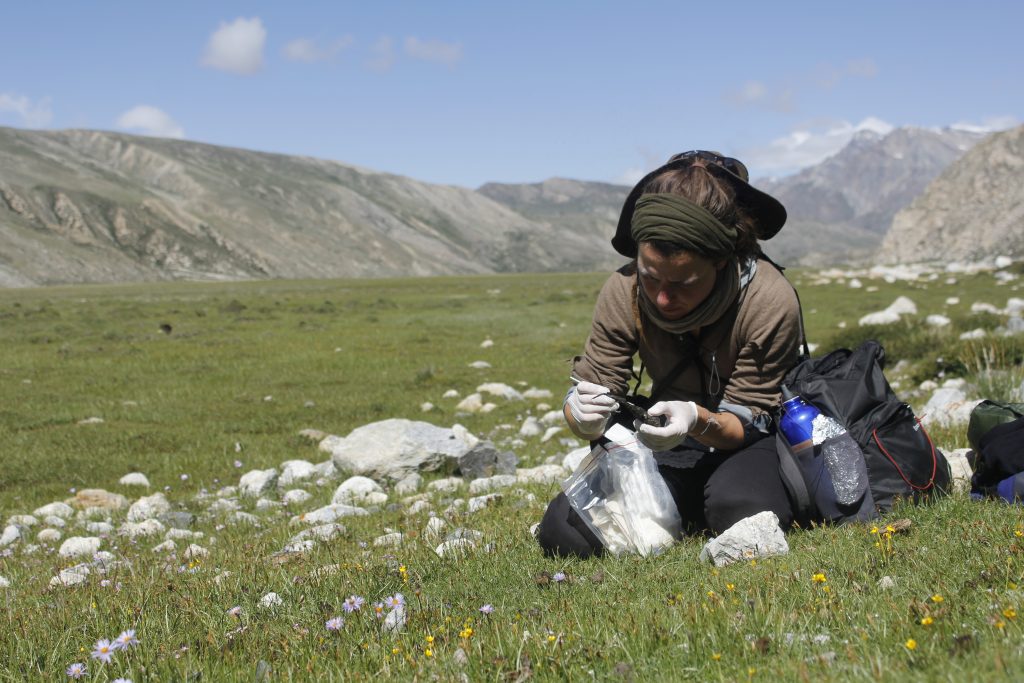
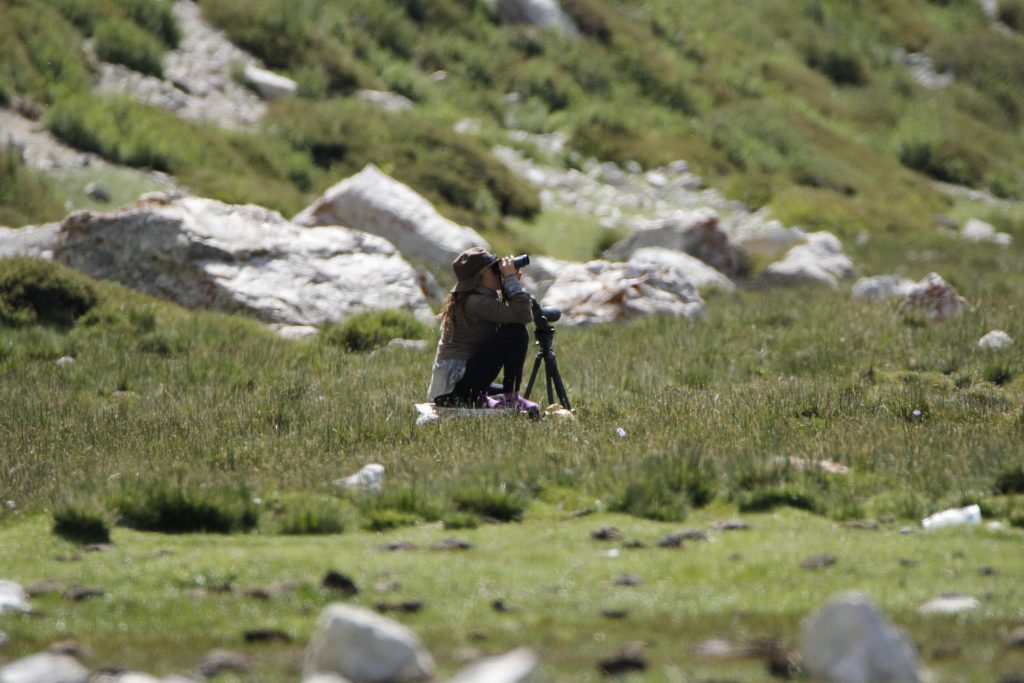
Geraldine in the Himalayas, collecting wolf scat for population genetic analyses (Photo credit: Naresh Kusi).

Personal links. Twitter | Instagram

Institute. Wildlife Conservation Research Unit (WildCRU), Department of Zoology, Oxford University, UK

Academic life stage. Research associate.

Research themes and interests. My research focuses on the conservation and ecology of carnivores in the high-altitude ecosystems of the Himalayas and the Tibetan Plateau of Asia. My work is driven by the need to maintain healthy carnivore populations and conserving ecosystem integrity. I take a multidisciplinary research approach (from genetics, to ecology, to social science) to understand my study system and develop science-based conservation strategies.

Current study system. My current study system is the Himalayan wolves and coexisting carnivores in the high altitudes of Asia. These high-altitude ecosystems are vast wilderness regions, also sometimes called the third pole, where the harsh climate and low oxygen levels shape a unique fauna and flora. The Himalayan wolf is found in habitats above 4000 m elevation and is unique to the Himalayas and the Tibetan Plateau. As a top predator alongside the Snow leopard it plays an important role in ecosystem function, warranting its conservation.

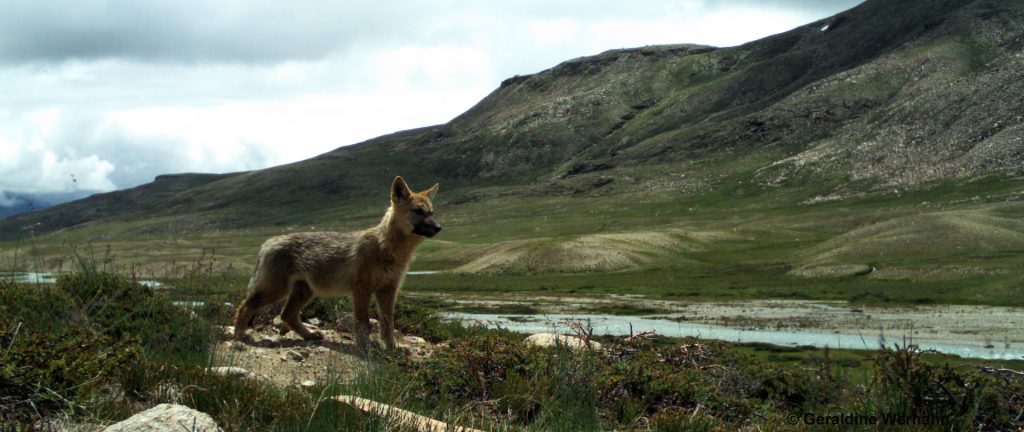
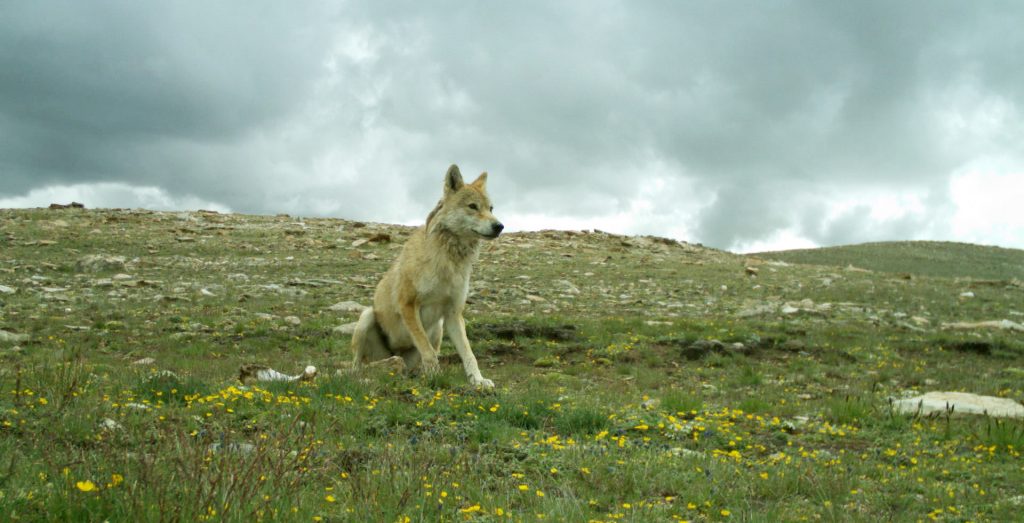
A Himalayan wolf pup in the Transhimalayas of Nepal (Photo credit: Geraldine Werhahn).

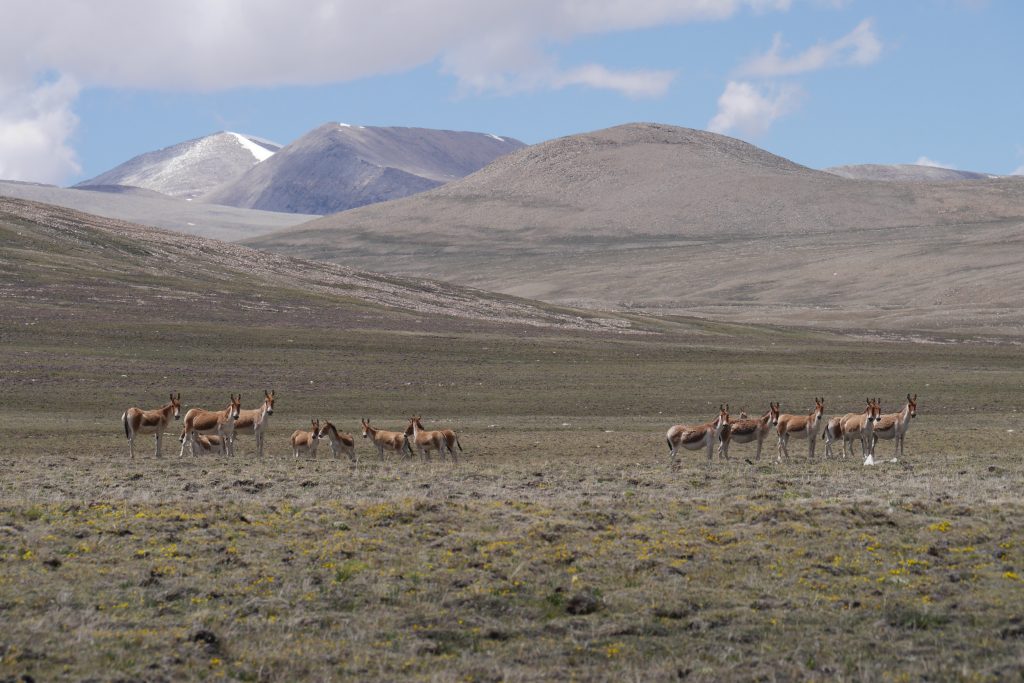
A herd of Kiang (Equus kiang) in the Transhimalayas of Nepal. These wild equines share their habitat with the Himalayan wolf (Photo credit: Geraldine Werhahn).

Recent paper in Journal of Biogeography. Werhahn et al. (2020) Himalayan wolf distribution and admixture based on multiple genetic markers. Journal of Biogeography. 47(6): 1272–1285. https://doi.org/10.1111/jbi.13824

Motivation for this recent paper. The motivation for this research was to investigate the genetics and ecology of the Himalayan wolf to inform its pending taxonomic classification and advance its conservation. Prior to our work, little research had been conducted on the Himalayan wolf. Most data were derived from captive animals at zoological gardens, or from museum collections, and a range of different names were used for this one wolf lineage across different publications. We focused especially on the evolutionary history, foraging ecology, and distribution of the Himalayan wolf. We wanted to determine if the Himalayan wolf was a distinct lineage that occurs alongside the Holarctic grey wolf, and to explore its phylogeny in relation to contemporary canids from around the globe. For conservation purposes, we also investigated whether hybridization occurs between the Himalayan wolf, the grey wolf, and domestic dogs.

Key methodologies. We developed a conservation genetics toolkit specifically tailored for non-invasive scat sampling of the Himalayan wolf. Our work was conducted in close collaboration with our genetics partner, the RZSS WildGenes lab in Edinburgh. We worked with non-invasive samples obtained from scat. Thereby we could cover many packs and individuals without interfering with the animals. Our methods allowed us to identify wolf individuals and determine their phylogenetic relationship with other canids. We also searched for genetic differences at functional genes known to be involved in adaptation to low environmental oxygen levels. Such genetic adaptations to low oxygen have been described for Tibetan mastiff dogs (the typical dog breed of the Tibetan Plateau) and human populations on the Plateau. So, we were interested to investigate if such adaptations might be important in the ecology of the Himalayan wolf. We analysed 280 wolf scat samples collected from the Tibetan Plateau in western China, and the Central Asian mountains in Kyrgyzstan and Tajikistan, and we included canid reference sequences from around the globe to build the phylogenies based on mitochondrial DNA sequences.

Major results. The Himalayan wolf forms a genetic clade that is distinct from other canids based on the tested mitochondrial and nuclear markers. We found consistent differentiation and unique alleles in the Himalayan wolf samples at functional genes known to be involved in adaptation to low oxygen levels (the hypoxia pathway).  

The distinctness of the Himalayan wolf may be related to the uplifting of the Himalayas and the Tibetan Plateau that produced a unique ecological niche in the high altitudes to be filled. Our preliminary research suggests that hybridisation is limited between the Himalayan wolf and the Holarctic grey wolf.

We hypothesise that the Himalayan wolf has a fitness benefit over the Holarctic grey wolf in the high altitudes due to its hypoxia adaptation. Our paper concludes that the Himalayan wolf merits taxonomic recognition and designation as an Evolutionary Significant Unit (ESU). Establishing the Himalayan wolf as an ESU will allow for the much-needed conservation to advance on the ground while the taxonomy is being conclusively decided on.

Geraldine observing a young wolf family from afar (Photo credit: Naresh Kusi).

Major challenges. Finding elusive carnivores like wolves in remote and harsh high-altitude habitats is challenging. Wolves inhabit large territories and leave few signs, usually in form of scats at characteristic landscape features, such as ridgelines and crossing points. Hence as researchers trying to find wolves in such vast landscapes we had to learn to read and navigate the valleys and mountains like a wolf pack does. With enough territory covered our team managed to collect substantial data of multiple wolf packs across the different study regions. We could provide a first estimation of the distribution range based on our landscape scale data and found that the Himalayan wolf is more widely distributed than previously thought: this wolf is found across the Himalayas and the Tibetan Plateau, which present a continuous high-altitude ecosystem. The distribution appears to be influenced by elevation, presumably in connection to its genetic adaptation to cope with the low oxygen levels in these high altitudes.

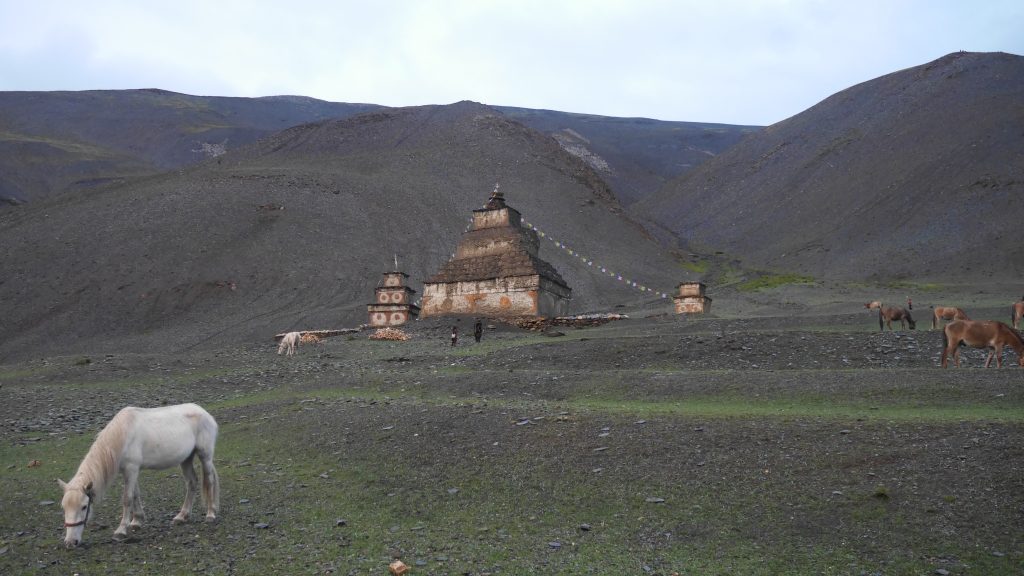
Pack mules, used for transporting scientific gear and equipment, grazing in the evening light on fresh grasses (a welcome nutritious forage for them after the long exhaustive weeks of expedition). Buddhist stupas in the background are characteristic landmarks of worship of the region (Photo credit: Geraldine Werhahn).

Net steps. Our team is now working on piloting conservation action in close collaboration with Himalayan mountain communities to mitigate human-carnivore conflict. The goal is to facilitate a long-term sustainable coexistence of humans and carnivores in these vast, pristine high-altitude habitats. We continue to monitor wolf populations in our study area and are collecting more ecological and behavioural data.

An important question is how many Himalayan wolves exist in wild populations today. Our study provides a first estimate of the population range. But a thorough understanding of their distribution on regional level is required to advance conservation of this species because hunting pressure seems high due to human-wildlife conflict and illegal wildlife trade.

If you could study any organism on Earth, what would it be? It would be canids, especially wolves, followed by snails. I have a profound interest for canids due to their complex social behaviour, their role in trophic cascades and importance in ecosystem functioning, their intelligence, and skilful adaptation to live in remarkably diverse habitats from urban spaces to high mountains and deserts. I would also be interested to study snails, for their immense diversity and occurrence in very diverse habitats and because I find the aesthetics of their “houses” fascinating. They are remarkable in their capability to seemingly disappear when conditions are unfavourable and then reappear in large numbers when conditions improve.

An adult Himalayan wolf watching over the valley below. Looking for his mates or potential prey? (Photo credit: Geraldine Werhahn)

Anything else? This research would not have been possible without a dedicated team that has become my family on the long expeditions. We discovered many new insights around other mammals besides the wolves, birds and plants during these expeditions. For example, my team rediscovered the charismatic wild yak for Nepal during one of our expeditions. This was breaking news for the country of Nepal and eventually our team’s photograph of the wild yak ended up on the Nepalese 5-rupee bill.

Three new initiatives at JBI

In addition to providing a choice venue for publishing the full range of biogeographical research, the Journal of Biogeography (JBI) has also long supported our scientific community in other ways too, e.g. organizing workshops for early career researchers (ECRs) to demistify the publishing process, funding symposia and special issues, providing travel grants to meetings, and supporting conference events. More recently we introduced this Journal of Biogeography blog and more social media to increase the reach of your research. We now add three major new initiatives to support ECRs and beyond, which will be rolled out in the coming six months.

First, we are delighted to announce a new Editorial Academy. The aim of the academy is to help early career biogeographers who are interested in scientific publishing to learn more about the process and to gain experience with the guidance and support of an experienced mentor. There will be multiple positions, each gaining first hand experience as an Associate Editor (with reduced workload) at JBI while working alongside one of the senior editorial team (Michael Dawson, Rosemary Gillespie, Holger Kreft, Richard Ladle, Christine Meynard, Jon Sadler). This partnership will give insight into the way a journal operates, illuminate the sometimes challenging decisions to be made by the editorial team, and allow the academy member to explore their potential to become a full-fledged member of the editorial board. We hope it also provides insight more broadly, beyond the academy, into the qualities of successful publishing as we increasingly build bridges between the editorial team and community of authors; in our view, these are ultimately one and the same. The more transparent and inclusive the process, the more rapid — i.e. fewer rounds of review — and straightforward it will be for all to support publication of creative and high quality biogeographic research. More information on this opportunity and guidelines on how to apply are available on this blog and at the journal’s website.

Second, we will soon open a call for proposals for one or more Global Colloquia.  The event may be stand-alone, or may be staged in association with a larger meeting, it may be in-person or virtual. The topic may be on any aspect of biogeography.  A goal of the colloquium should be to publish a synthesis paper and/or a series of papers that represent the range of topics discussed. We intend these colloquia to become a regular activity that helps biogeographers develop, exchange, and explore ideas that advance biogeography through consolidation of fragmentary knowledge, synthesis across disciplines, and innovation.  This call is not solely for ECRs, but we encourage proposals by and/or including ECRs, as well as biogeographers from our global audience. More information on this opportunity and guidelines on how to apply will be available in a month or two. [UPDATED 15 Aug: see announcements at the blog or the journal].

Third, in October 2020, we will invite submissions of manuscripts by Early Career Researchers for consideration for publication and JBI Awards for Innovation.  This opportunity is modeled after the early career awards first introduced when our current editor-in-chief was on the senior editorial team at Frontiers of Biogeography, and subsequently mirrored by Ecography, and is intended to provide a premium venue for emerging and innovative synthetic biogeography. Our general thinking here is that there is so much good biogeography out there that one award per year is insufficient, and it’s not always well aligned with your publication schedules, so we’ll provide more opportunities at the other end of the year. There will be awards in categories for several article types and all accepted manuscripts will be published free full access for one year. More information on this opportunity and guidelines on how to submit manuscripts will be released in October.

Our goal with each of these three JBI initiatives is to support and provide opportunity for the biogeography community to share the research about which you’re excited and that will advance and shape our discipline in the coming years.

In all these initiatives, following our updated vision and scope, which now includes an equity-diversity-inclusion statement, JBI aims to foster outstanding science that reflects the disciplinary, human, and geographic diversity of biogeography and biogeographers. Submissions will be welcomed from applicants of all ethnicities, races, colors, religions, sexes, sexual orientations, gender identities, national origins, disabilities, ages, or other individual status.

Invitation for applications: JBI Editorial Academy

The Journal of Biogeography is pleased to announce a new opportunity for Early Career Researchers: the Journal of Biogeography’s Editorial Academy.

The Editorial Academy is aimed to help early career biogeographers who are interested to learn more about the publishing process to gain experience with the guidance and support of an experienced mentor.

Editorial Academy members will be partnered one-to-one with a chief editor of the journal.  Academy members will have the same role as a regular member of the Editorial Board, but will work closely with the relevant chief editor throughout the process.  This partnership will illuminate decisions by the editorial team, give insight into the way a journal operation runs, and allow the academy member to explore their potential to become a full-fledged member of the editorial board.  The partnership will convey appropriate procedures and consistent standards of the journal.

Appointments to the Academy are for two years.  The workload will be for 4 manuscripts per year.  Academy members may then be invited to be a continuing member of the editorial board with at least a half-load (6 manuscripts per year) for up to 2 years.  

To be considered for appointment to the Editorial Academy, please submit the following materials as a single PDF:

1. Your CV, including contact information

2. A one page statement explaining:
     – Your interest in and qualifications for the position
               Applicants should have 
                    .. ≥3 years of postdoctoral (or equivalent) experience.
                    .. published ≥6 papers, of which at least half should be as first/corresponding/senior author
     – Your commitment to the discipline of biogeography
     – The role that being an Academy member will play in your development as a biogeographer
   – Your experience reviewing and, if appropriate, editing
   – Your philosophy on publishing, reviewing, and editing
   – Up to 8 keywords describing your disciplinary interests
     – The name of the chief editor(s) with whom you would prefer to be partnered.

Timeline:
Submit application: 01 August 2020
Decisions announced: 01 September 2020
Appointment begins: 01 October 2020 (negotiable)

Upload applications as a single PDF with the filename “LASTNAME_FIRSTNAME_EditorialAcademy.pdf” only to: https://www.dropbox.com/request/GJrhiiDZTpeM0OCtcVn5 *upload only*

Address enquiries (Subject line: “Enquiry: Editorial Academy”) to the Editor-in-Chief at mdawson@ucmerced.edu

JBI aims to foster inclusive science that reflects the disciplinary, human, and geographic diversity of biogeography and biogeographers. Submissions are welcomed from applicants of all ethnicities, races, colors, religions, sexes, sexual orientations, gender identities, national origins, disabilities, ages, or other individual status.

A deep dive on ecoregions

Ecoregions are central to global modeling of earth systems & development of conservation plans. There is great variability across taxonomic groups and regions of the world in how strongly ecoregions described community composition.

Two years ago, a team of us published a study entitled ‘A global test of ecoregions’ (Smith et al., 2018). In that paper, we set out with a relatively simple goal, to test whether or not maps of ecoregions, which are popular with both global modelers and conservation practitioners, are actually reflective of the distribution of unique groups of species around the globe? Or are they artifacts of a bygone era when we lacked the data on both the variability in environmental conditions and the distribution of species to properly assess biogeographic patterns?

Above. Our results show that we should expect ecoregions to be much more dissimilar from one another in the tropics than they are in the temperate zone.

————————
EDITORS’ CHOICE: Smith, JR, Hendershot, JN, Nova, N, Daily, GC. (2020) The biogeography of ecoregions: Descriptive power across regions and taxa. J Biogeogr.; 47: 1413– 1426. https://onlinelibrary.wiley.com/doi/full/10.1111/jbi.13871
————————

Over the course of that project we believed that we would find that ecoregions did not describe communities of species, but instead that species were distributed more or less individualistically across space. We were continually surprised at how wrong we were. We found compelling evidence that ecoregions described clusters of species across space much better than we would expect by chance alone. As we analyzed and discussed our results, we focused on this high level finding that ecoregions did in fact delineate unique communities of species.

It was not until we got comments back from our first round of revisions that we realized that maybe we missed the more interesting story. Our results showed that there was a large amount of variability, both across taxonomic groups and regions of the world, in how strongly ecoregions described community composition. In the short format of that original paper we were unable to dive into the nuance of these environmental and biological mechanisms, but are now thrilled that the Journal of Biogeography has given us the opportunity to do so in our new paper, “The biogeography of ecoregions: Descriptive power across regions and taxa” (Smith et al., 2020).

However, in this expanded format we were able to revisit some of the most famous biogeographers, and test decades or centuries old hypotheses that would never have been possible before the modern data renaissance. We could test if as Humboldt suggested, “associations of the same species of plants [in the tropics] are less consistently extensive, less numerous, than in temperate climates” (Humboldt & Bonpland, 1807). Or if, as Dan Janzen suggested, that “Mountain passes are higher in the tropics” (Janzen, 1967).


A tree line in the Colombian Andes showing sharp transitions between tree and shrub habitats (photo credit Christopher B. Anderson)

What we quickly realized was that climate played a dominant role in shaping how distinct the communities within neighboring ecoregions were from one another. Those ecoregions with higher mean temperatures and more stable temperatures across the year were more distinct from one another. Similarly, steep slopes led ecoregions to be more distinct from one another. Together, this leads us to believe that it is in fact Janzen, and not Humboldt, who was correct in hypothesizing that communities are more distinct from one another in tropical climates.

We were also able to test out more recent theories on how biological traits, such as body size and functional guild, led animals to be more restricted to specific ecoregions. We were able to add evidence to a growing body of literature suggesting that larger species that feed higher on the food chain are more likely to be found across a large number of ecoregions. Sadly, given the state of trait data available today we were only able to do this for four vertebrate taxa: birds, mammals, reptiles, and amphibians.

Despite the fact that we hoped to use this paper to follow up on questions posed by our initial piece, we find ourselves with just as many questions as we started with. How might we extend our findings to other taxonomic groups that we didn’t consider here, such as plant, fungi, and arthropods? How might climate change and land use change affect the robustness of ecoregion classification schemes moving forward? How can we incorporate data on the distribution of species a priori into ecoregional classification schemes (sensu Kreft & Jetz, 2010). We are incredibly excited to continue diving into these topics, along with all the readers of Journal of Biogeography.

Written by:
Jeffrey R. Smith, J. Nicholas Hendershot, Nicole Nova, & Gretchen C. Daily – Stanford University

Additional information:
@JeffreySmithJRS, @Appalachianary, @NicoleNovaBio, @CCBatStanford, @NatCapProject, @StanfordWoods


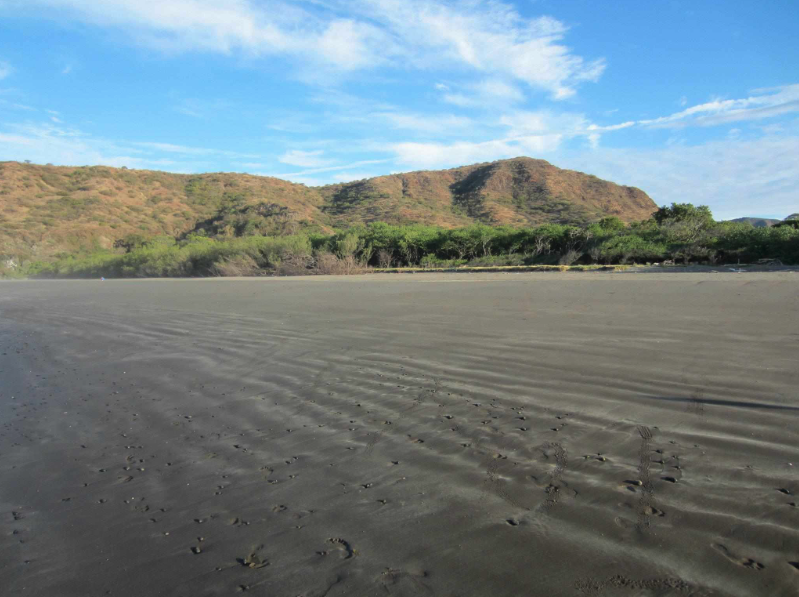
A beach in Northwestern Costa Rica showing sharp transitions between different types of ecosystems, with the beach quickly giving way to mangroves, which give way to upland shrublands (photo credit Jeffrey Smith)

References

Humboldt, A. von, & Bonpland, A. (1807). Essay on the Geography of Plants (S. T. Jackson, Ed.; S. Romanowski, Trans.; Reprint edition). University of Chicago Press.

Janzen, D. H. (1967). Why Mountain Passes are Higher in the Tropics. The American Naturalist, 101(919), 233–249. https://doi.org/10.1086/282487

Kreft, H., & Jetz, W. (2010). A framework for delineating biogeographical regions based on species distributions. Journal of Biogeography, 37(11), 2029–2053. https://doi.org/10.1111/j.1365-2699.2010.02375.x

Smith, J. R., Hendershot, J. N., Nova, N., & Daily, G. C. (2020). The biogeography of ecoregions: Descriptive power across regions and taxa. Journal of Biogeography, 47: 1– 14 https://doi.org/10.1111/jbi.13871

Smith, J. R., Letten, A. D., Ke, P.-J., Anderson, C. B., Hendershot, J. N., Dhami, M. K., Dlott, G. A., Grainger, T. N., Howard, M. E., Morrison, B. M. L., Routh, D., Juan, P. A. S., Mooney, H. A., Mordecai, E. A., Crowther, T. W., & Daily, G. C. (2018). A global test of ecoregions. Nature Ecology & Evolution, 2(12), 1889. https://doi.org/10.1038/s41559-018-0709-x

ECR feature: Chemical variations in fossil pollen with Florian Muthreich

Florian Muthreich is a PhD student in the Department of Biological Sciences at the University of Bergen, focusing on the application of chemical variations in fossil pollen to understand ecosystem dynamics. Florian’s work focuses on identifying Oak (Quercus) pollen in sediment cores – which is particularly difficult to differentiate with a light microscope – at species level.

Florian in the overgrown remains of an old monastery along the coast in Portugal.

Links: Research Gate | Google Scholar | Twitter | Lab Group

Institution: University of Bergen, Department of Biological Sciences

Current academic life stage: PhD

Research interests: I am interested in understanding the application of chemical variations in fossil pollen to understand ecosystem dynamics in sediment cores.

Current study system: I am currently studying the chemistry of pollen grains with the long term goal to use chemical methods to improve identification of pollen grains in sediment records. For most of my PhD I focused on Oak (Quercus) pollen, because oaks are an integral and important part of European and especially Mediterranean forests. One difficulty is that Quercus pollen is quite hard to differentiate using a light microscope. This means that past distributions of oaks are currently only studied on sub-genus or even genus level and chemical methods have the potential to improve our ability to discern Quercus pollen at the species level.

Recent paper in Journal of Biogeography: Muthreich, F., Zimmermann, B., Birks, H.J.B., Vila-Viçosa, C.M. and Seddon, A.W.R. 2020. Chemical variations in Quercus pollen as a tool for taxonomic identification: implications for long-term ecological and biogeographic research. Journal of Biogeography 47: 1298-1309. https://doi.org/10.1111/jbi.13817

Motivation for the paper: We wanted to explore the variability of pollen chemistry in fresh Quercus pollen using a large dataset sampled from a variety of environmental conditions. Other studies have utilised a large number of different species and showed the potential to differentiate pollen using their chemical composition, but often used a limited number of samples. We therefore aimed to collect pollen from a large number of different trees all over Portugal to see how this affects our ability to differentiate the species.

Key methodologies: We used fourier transformed infrared spectroscopy (FTIR) to record the chemical composition of the pollen. This is a fairly new and exciting method to analyse pollen and other studies showed great potential to separate pollen using their chemical composition. Analyses with FTIR produce large multivariate datasets, because FTIR records the absorbance of the sample over the entire infrared region. Different chemical compounds (lipids, protein, etc) have peaks at specific wavelengths and give differences in relative amounts of these compounds in the sample. Spectral datasets require multivariate methods for data analysis and we opted to use a variant of partial least squares regression (PLSR) to test the classification performance.

(left) Cork oak (Quercus suber) tree in a public park in Lisbon. (right) Mixed forest with cork oak (Quercus suber), kermes oak (Quercus coccifera) and Portuguese oak (Quercus faginea).

Unexpected challenges: We were quite surprised how variable the chemical composition of Querucs pollen was. Previous studies had shown that the lipid component was quite variable with climatic conditions (temperature, precipitation, etc), but we also found considerable variation in the composition of the grain wall of pollen. The pollen grain wall consists of sporopollenin, a polymer largely resistant to chemical degradation, which is the reason why pollen can be recovered from lake and bog sediments and used for past reconstructions. The exact structure of sporopollenin is unknown, but our results suggest that there is quite a bit of variability in sporopollenin chemistry within the same genus.

Major result and contribution to the field: We were able to show that identification using FTIR methods had similar performance to scanning electron microscopy (SEM), which is used to identify Quercus pollen into three sub genus sections. We were able to do the same with our FTIR methods and a relatively simple PLS model. At species level we had some success at separating the different Quercus species (~70% recall). Another result from our study was the amount of variability in the spectra we observed, both within and between species. The variability was not just contained to lipid content of the pollen, but also the sporopollenin content. This suggests a difference in grain wall chemistry between the three sub-genus sections of Quercus, and indicates that sporopollenin chemical composition varies between species.

What are the next steps? The next step for this research is to apply our FTIR methods to actual fossil pollen and see how it performs. There are several challenges to be addressed: i.) we aim to extract fossil pollen without any aggressive chemical treatment. ii.) we expect that most of the fresh components in pollen we relied on in our Quercus study (lipids, etc) are not present in fossil pollen. iii.) FTIR may not be ideal to resolve detailed chemical changes in sporopollenin (we are exploring other IR methods, such as Raman). These challenges are a great motivation for my future research.

If you could study any organism on Earth, what would it be and why?
I feel very fortunate to work on such an exciting project that is ambitious and trying to push the boundaries of pollen identification. Pollen are incredibly diverse and I have explored only a tiny fraction of what pollen has to offer. For now I am quite happy with what I am doing and want to apply our methods to additional pollen types, besides oaks.

Any other little gems you would like to share? Most pollen is yellow, but there are some species that have orange, red or even white coloured pollen. Quercus pollen is bright yellow. Most flavonoids absorb UV light and it is believed that flavonoids developed in pollen to protect the genetic material from the mutagenic UV-radiation. John Flenley, who we dedicated our article to, wrote about this in his article “Why is pollen yellow? And why are there so many species in the tropical rain forest?” (2011) in Journal of Biogeography: 38(5).

Valley in north eastern Portugal with olive trees Olea sp., cork oaks (Quercus suber) and Portuguese oaks (Quercus faginea)

Different evolutionary routes to becoming diversity hotspots

How to tease apart the evolutionary mechanisms underlying global biodiversity patterns.

A major question in evolution and ecology is why biodiversity is so unevenly distributed on Earth. This geographic pattern of global diversity has been extensively analyzed in plants and vertebrates, and has been suggested to be attributed to climatic and topographic variables. However, environmental factors can not directly change the regional richness of species in the absence of evolutionary processes such as speciation, extinction and dispersal. From an evolutionary perspective, high regional diversity may be the result of high net diversification (speciation minus extinction) rate, multiple immigration events from adjacent regions, and/or a long time available for the accumulation of species. However, the relative importance of these different evolutionary processes in shaping regional diversity patterns is poorly known.

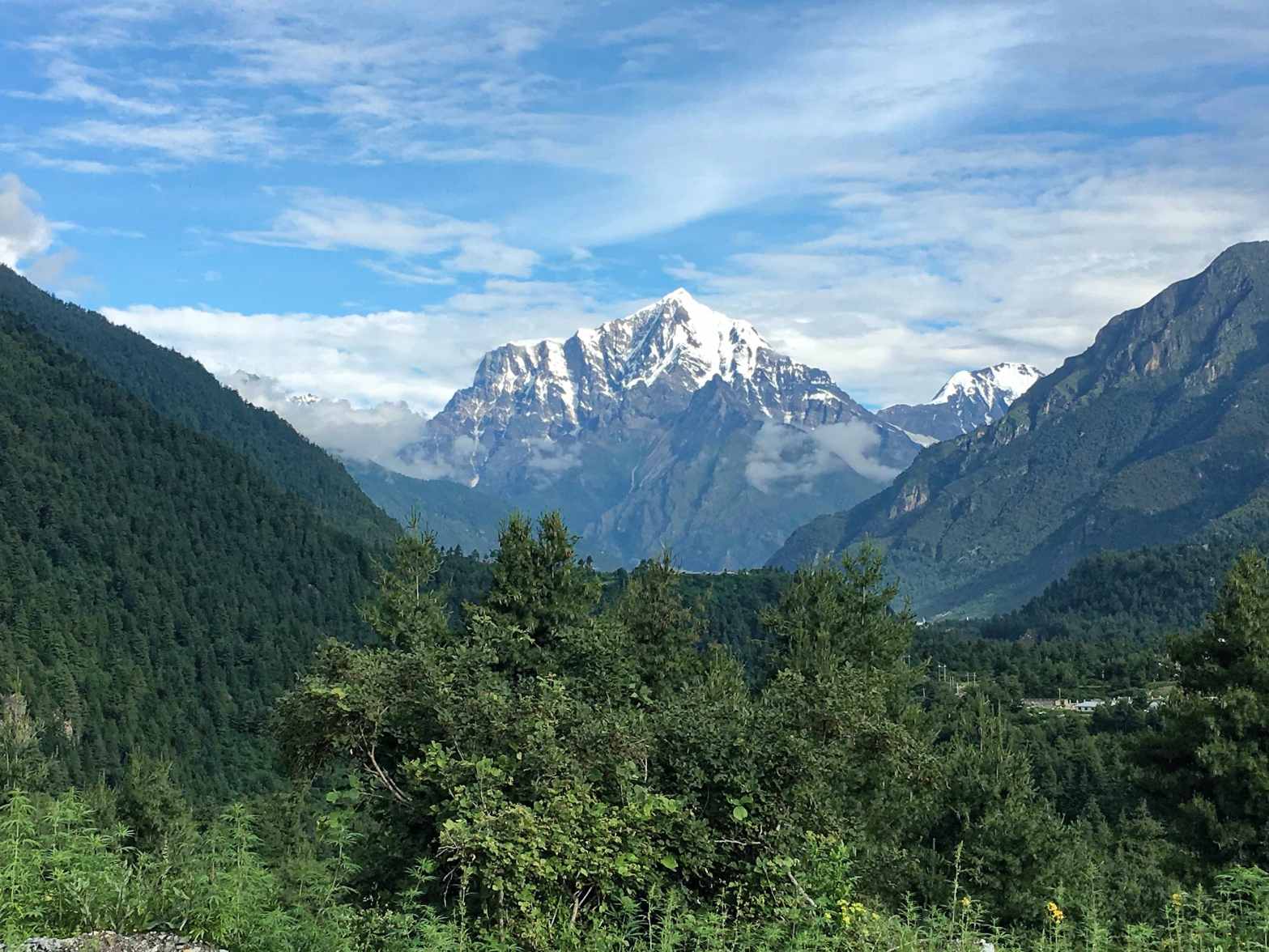
Image: Alpine forest landscape in the Himalayas. Photo: Tianlong Cai.

————————
FROM THE COVER: read the article on which this post is based …
Cai T, Shao S, Kennedy JD, et al. (2020) The role of evolutionary time, diversification rates and dispersal in determining the global diversity of a large radiation of passerine birds. J Biogeogr. 47:1612–1625. https://doi.org/10.1111/jbi.13823.
————————

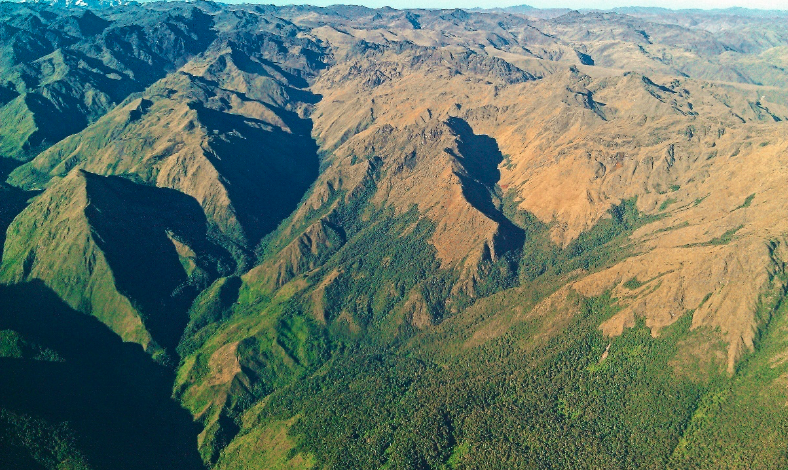
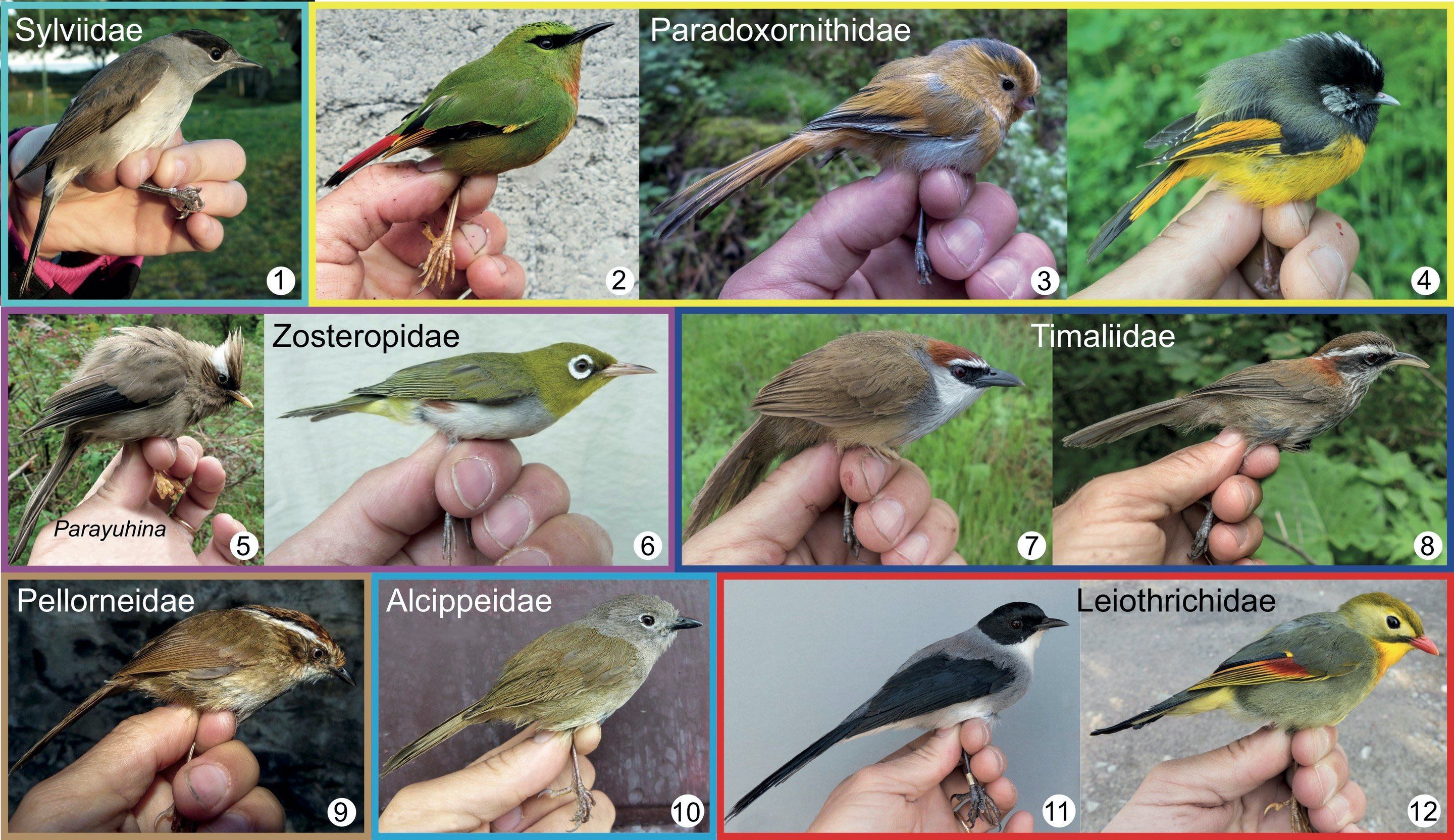
To examine the different routes to the build-up of global diversity patterns, we focused on the biodiversity hotpots in the Sino-Himalayan Mountains (Image 1) and oceanic islands of the Indo-Pacific and Indian Ocean regions using the large avian babbler radiation as a model system. The babblers include more than 450 species belonging to five families, with highly diverse morphological and ecological adaptations (Image 2). The group reaches its highest local diversity in the Sino-Himalayan Mountains, with 87 morphologically diverse species in a grid with the resolution of 0.5 geographical degrees, and in the Indo-Pacific and Indian Ocean islands, with ~100 morphologically similar species in the genus Zosterops. We were intrigued by such a high diversity of babblers in two different settings, i.e. a montane region and oceanic islands, and the underlying mechanisms shaping this pattern. We were interested to unravel the relative roles of diversification rates, evolutionary time and dispersal for the build-up of the babbler diversity.


Image 2: Representatives of the seven babbler families. Family Sylviidae: (1) Blackcap Sylvia atricapilla. Family Paradoxornithidae: (2) Fire-tailed Myzornis Myzornis pyrrhoura, (3) Fulvous Parrotbill Suthora fulvifrons, (4) Golden-breasted Fulvetta Lioparus chrysotis. Family Zosteropidae: (5) White-collared Yuhina Parayuhina diademata, (6) Chestnut-flanked White-eye Zosterops erythropleurus. Family Timaliidae: (7) Chestnut-capped Babbler Timalia pileata, (8) Streak-breasted Scimitar-babbler Pomatorhinus ruficollis. Family Pellorneidae: (9) Rusty-capped Fulvetta Schoeniparus dubius. Family Alcippeidae: (10) David’s Fulvetta Alcippe davidi. Family Leiothrichidae: (11) Black-headed Sibia Heterophasia desgodinsi, (12) Red-billed Leiothrix Leiothrix lutea. All photos: Per Alström..

Based on a near-complete time-calibrated phylogeny and a reconstructed evolutionary history, we found that babblers originated in the Sino-Himalayan Mountains, suggesting a long time for diversification and species accumulation within this region. We concluded that regional diversity of babblers could be well explained by the timing of the first colonization events, while differences in rates of speciation or immigration have had far weaker effects. Nonetheless, the rapid speciation of Zosterops, which we suggested was facilitated by repeated sea level fluctuations during the Pleistocene, has accounted for the babbler diversity on oceanic islands. Our findings support two different evolutionary scenarios: long-time accumulation of species in mainland montane regions and high speciation rate on oceanic islands.

Breeding habitats
Image 3: Views of main breeding habitats of Variegated Laughingthrush (Trochalopteron variegatum) in the Himalayas. ­(A) Rapid changes in vegetation landscapes within a very short geographic distance along elevational gradients. The mist conserves warm and humid climates in the valleys below snow-clad mountains. Three eggs of Variegated Laughingthrush are shown in the left bottom. (B) Alpine forest in the mountains at ~3000 m. Photos: Tianlong Cai.

The question why there are so many babblers in the Sino-Himalayan Mountains was addressed already in the 1980s by the father of Chinese ornithology, Tso-hsin Cheng. After analyzing distributions and morphological variation of the genus Garrulax, he postulated that the Hengduan Mountains in the Sino-Himalayas was the main diversity hotspot for the babblers because this region was the center of origin for the group due to the historically stable climate and long time for accumulation of diversity – in agreement with our findings. The Sino-Himalayan Mountains provide suitable habitats with a stable climate for diversification of babblers, leading to high regional diversity. Many of the deep valleys along the margins of the large highlands of the Sino-Himalayan Mountains would be places of atmospheric inversions, where cold air would sink down into the valleys at night, creating distinct mist zones that would maintain high humidity and cloud forests (see Image 3). In contrast, the Indo-Pacific and Indian Ocean islands underwent repeated contact-isolation circles due to the sea-level fluctuations during the Quaternary glacial cycles, which likely accelerated the speciation rate of the Zosterops group by vicariance, leaving a large number of geographically isolated and morphologically homogeneous descendants. Our study highlights how assessing differences in macroevolutionary history can help explain why biodiversity varies so much worldwide. Further studies based on analyzing functional traits of related species would help us to understand how species can coexist in these hotspots.

Written by:
Tianlong Cai and Shimiao Shao – Key Laboratory of Zoological Systematics and Evolution, Institute of Zoology, Chinese Academy of Sciences, Beijing 100101, China. 

Per Alström – Animal Ecology, Department of Ecology and Genetics, Evolutionary Biology Centre, Uppsala University, Uppsala, Sweden

Additional information:
@TianlongCai; @AlstromPer;  https://katalog.uu.se/profile/?id=N99-636

ECR feature: Stephanie K. Adamczak

Stephanie is a PhD student at the University of California, Santa Cruz. She is a marine mammal ecologist with an interest in quantitative modelling approaches. Stephanie shares her recent work on trait evolution in pilot whales and the contrasts in ecogeographic rules between terrestrial and marine systems.

Stephanie conducting fieldwork off the coast of Long Island preparing to take photographs of humpback whales.

Personal links. Twitter | Webpage

Institute. University of California, Santa Cruz.

Academic life stage. PhD.

Major research themes and interests. I study the ecology and biology of marine mammals using quantitative modelling methods.  

Current study system. My current research examines harbor porpoise behaviour, reproductive success, and conservation using mathematical modelling. This modelling approach determines how human-induced disturbance alters harbor porpoise reproductive decisions, thereby influencing the population’s success. Although my current research differs from the work presented here and published in the Journal of Biogeography, the focus on better understanding the ecology and biology of marine mammals remains.

A pod of short-finned pilot whales travelling along Hudson Canyon in the Northwest Atlantic Ocean near New York. Drone imagery collected by Julia Stepanuk under National Marine Fisheries Service GA 21889 to L. Thorne.

Recent paper in Journal of Biogeography. Adamczak, SK, Pabst, DA, McLellan, WA, Thorne, LH. (2020) Do bigger bodies require bigger radiators? Insights into thermal ecology from closely related marine mammal species and implications for ecogeographic rules. Journal of Biogeography 47(5): 1193–1206. https://doi.org/10.1111/jbi.13796

Motivation for this paper. Ecogeographic rules, such as Bergmann’s rule and Allen’s rule, outline spatial variation in biological traits. Bergmann’s rule indicates that species in temperate climates will have larger bodies when compared to more tropical species. This is driven by thermoregulatory needs, as larger bodies typically have lower surface area to volume ratios which conserves more heat. Alternately, Allen’s rule states that species in temperate climates will have smaller appendages than more tropical species because smaller appendage surface area reduces heat loss. Although these rules have been well studied in terrestrial systems, little is known about how they impact the morphology of marine mammals. As a result, we set out to determine if these rules dictate morphological patterns observed in marine mammals as these animals already have very unique thermoregulatory adaptations. To test this, we compared the tropical short-finned pilot whale and the temperate long-finned pilot whale, two ecologically and phylogenetically similar species that occupy different thermal regimes.

Methodologies. To more accurately estimate surface area and volume of pilot whales, we employed a novel 3D modeling method to better account for the streamlined shape of marine mammals. After modelling surface area and volume for each individual, we compared the relationship of these two metrics between short- and long-finned pilot whales to examine differences in size and shape. We then compared overall surface area to volume ratios to directly test if pilot whales followed Bergmann’s rule. To test Allen’s rule we examined species-level differences in normalized appendage surface area (to account for differences in size between individuals) for the pectoral flippers, dorsal fin, and flukes individually and combined. This allowed us to determine the heat conservation/dissipation capacity of each appendage as well as the total thermoregulatory capacity of the combined appendages.

Example of the 3D model constructed with the program, Blender, used to estimate the surface area and volume of individual pilot whales in these analyses.

Major results. We expected the more temperate long-finned pilot whale to have a larger body size and lower surface to volume ratio when compared to short-finned pilot whales, as per Bergmann’s rule, and lower appendage surface area, as per Allen’s rule. Although Bergmann’s rule was upheld, Allen’s rule was reversed as we observed greater appendage surface area relative to body size in long-finned pilot whales when compared to short-finned pilot whales. This result was primarily driven by the very large pectoral flippers of long-finned pilot whales. My co-authors and I suggest that this reversal of Allen’s rule could be attributed to the use of appendages as heat dissipators in marine mammals. Marine mammal appendages act as thermal windows through which they can control heat loss and dissipate heat in times of thermal stress. It is possible that the large body size and effective insulation of long-finned pilot whales necessitates large thermal windows for effective heat dissipation when compared to short-finned pilot whales.

Unexpected outcomes. Our results suggest that Allen’s rule may not be applicable to marine mammals. We hypothesise that this may be a result of the different environmental pressures faced by marine mammals when compared to terrestrial mammals. Marine mammals are endotherms living in a highly conductive medium, and as such they are equipped with unique thermoregulatory adaptations such as thick blubber layers and large body size. These adaptations that offset the energetic costs of thermoregulation in the water may necessitate a greater need for rapid heat dissipation in times of thermoregulatory stress. Marine mammals have incredible control of the heat dissipated or conserved via their thermal windows, so we surmise that the improved capability to shut off or turn on thermal windows provides a unique advantage over terrestrial endotherms. We feel this research demonstrates that larger marine mammals inhabiting cold thermal regimes may need greater appendage surface area over which to rapidly dump heat, which contrasts the patterns seen in terrestrial species where larger, cold-climate species have small appendages to conserve heat.

Next steps? The next step in this research would definitely be to keep exploring biogeographical patterns in marine mammal species! Studies of Bergmann’s rule and Allen’s rule highlight the different evolutionary and environmental pressures faced by marine mammals when compared to terrestrial species, specifically when discussing thermoregulatory adaptations. Marine mammal thermoregulation is a fascinating field of study due to the unique adaptations of these animals, and as such, further analysis of Bergmann’s rule and Allen’s rule would highlight how these adaptations may lead to reversals or alterations to long-held ecological rules. Personally, I would love to see similar comparisons carried out in much larger marine mammal species occupying Arctic or Antarctic environments, as the patterns seen here may be even more prevalent in animals adapted for harsher environments.

If you could study any organism, what would it be? I find marine mammal species living in extreme, cold environments like Antarctica or the Arctic really interesting. The physiological adaptations that enable species like the Weddell seal or bowhead whale to persist in these environments fascinates me and I’d love to have the opportunity to study them some day.

Anything else you’d life to share? When I started this work as part of my Master’s thesis my intention was to examine the morphology of short- and long-finned pilot whales. It wasn’t until about half-way through my research that I realized I could apply my work to something broader and more interesting, such as biogeography. Thinking outside of the box can be extremely beneficial and lead you to some very interesting discoveries!

ECR feature: Jéssica Fenker

Jéssica Fenker is a PhD candidate at Australia National University. She is a herpetologist with a particular interest in adaptive radiations, species diversification, and savanna ecosystems. Jéssica shares her recent work, a multidisciplinary study, on characterising the biodiversity of lizards in the Cerrado, South America.

Jéssica Feneker posing with a goanna in Australia (left), and a false coral snake (Oxyrhopus trigeminus) during her fieldwork expedition in the Cerrado (right).

Personal link. Twitter | Website

Institution. Australian National University (ANU)

Academic life stage. PhD (finishing up)

Research themes and interests. Adaptation and
diversification of lizards (and sometimes snakes and amphisbaenians),
particularly savanna ecosystems, combining morphological, ecological and
genomic data across different geographic scales (from local communities to
intercontinental studies).

Current study system. Currently, I’m concluding my PhD
comparing patterns and processes of savanna reptile diversity across two
biogeographic realms – the Cerrado biome from South America and the Australian
Monsoonal Tropics of Australia. Cerrado is the most continuous and most diverse
savanna in South America, considered the second largest biome in the continent.
The also vast Australian Monsoonal Tropics has low population density and is
considered the most well conserved savanna in the world. Comparing these two
similar but evolutionarily independent systems, I expected to identify common
processes underpinning the high diversity of tropical savanna systems on
convergence and disparity in morphological traits, but also looking for region
specific spatial patterns of species richness, phylogeographic diversity and
endemism. I am also interested in how dispersal limitation, environment and
geographic barriers at the landscape scale can predict differences in
phylogeographic structure across co-distributed taxa.

Recent paper in Journal of Biogeography. Fenker J, Domingos
FMCB, Tedeschi LG, et al. (2020) Evolutionary history of Neotropical savannas
geographically concentrates species, phylogenetic and functional diversity of
lizards. Journal of Biogeography. 47(5): 1130–1142. https://doi.org/10.1111/jbi.13800

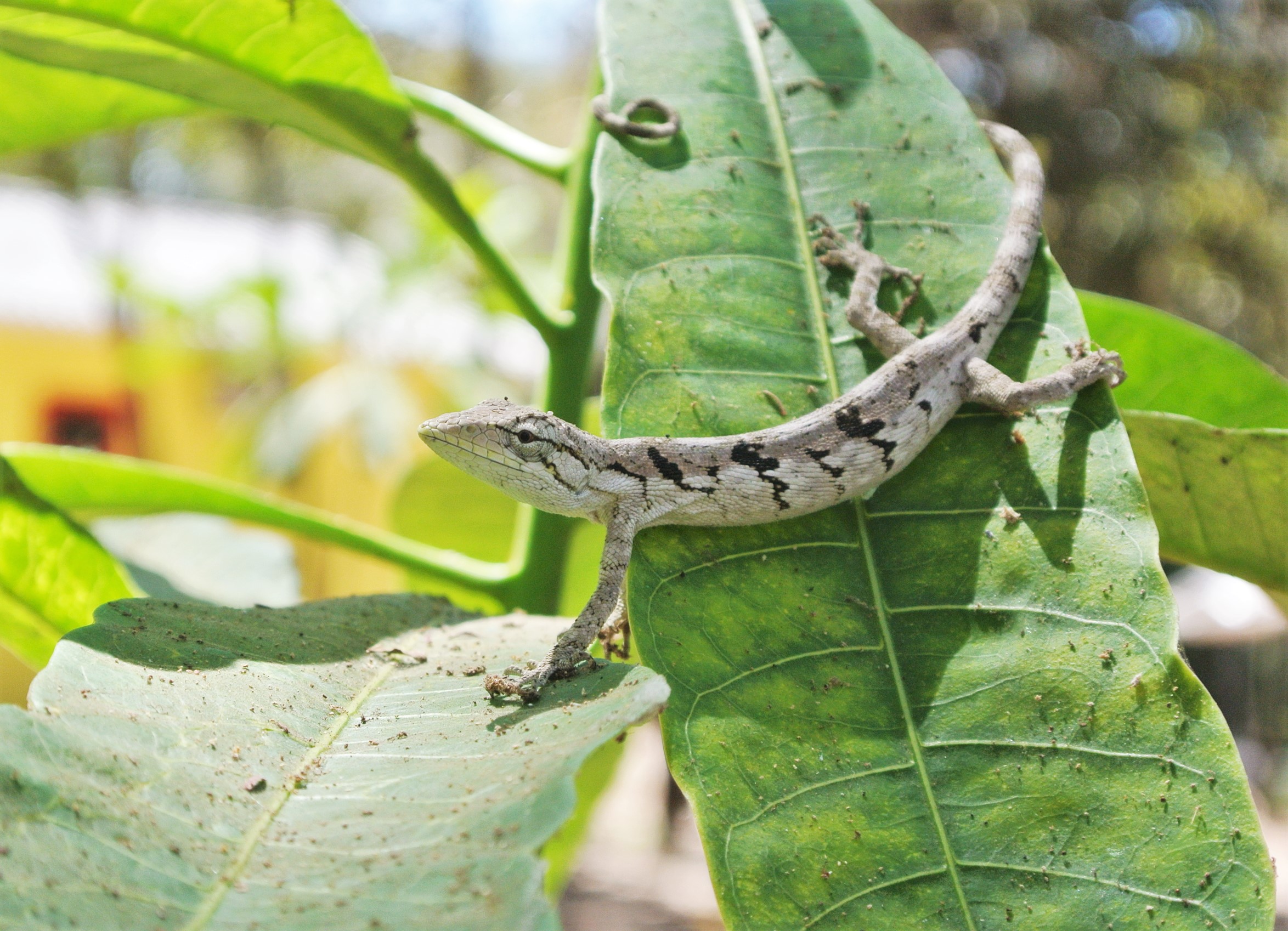
(left) The lizard, Norops (Anolis) meridionalis, one of the species featured in our analysis and present across Cerrado’s distribution (Photo: Jessica Fenker). (right) The lizard, Polychrus acutirostris, one of the species featured in our analysis and present across Cerrado’s distribution (Photo: Jessica Fenker).

Motivation for recent paper. Our motivation for this study was to map spatial patterns of diversity and endemism using an integrative approach, to highlight key areas for the past and future maintenance of biodiversity in the Cerrado. Previous studies have focused on a single metric (species composition), neglecting the fact that “species” within are often composed of multiple cryptic taxa that can co-occur and might be associated with different habitats. The Cerrado is a continent-size biome, with a complex landscape of alternating ancient plateaus and younger inter-plateau depressions. Still, studies debate its origin and process that affect the spatial distribution of species diversity, making our study pertinent for the region. The Cerrado is also a highly threatened savanna ecosystem, so understanding processes that shape diversity will help provide management tools and priorities for conservation.

A series of vistas from the Cerrado (Photos: Jéssica Fenker)

Key methodologies. In order to identify biodiversity
hotspots more robustly while integrating multiple factors, we used a
multi-dimensional approach, combining taxonomic, phylogenetic and functional
data to identify unique areas of richness and endemism within Cerrado. We
generated species distribution models using distribution records for all
Cerrado lizard species. These, combined with mitochondrial DNA phylogenies and
natural history data allowed us to map species richness, phylogenetic and
functional diversity, and phylogenetic and weighted endemism. Phylogenetic
endemism maps were then cross-referenced against protected areas to calculate the
amount of evolutionary history preserved within these areas. For me, the most
interesting aspect of this paper was the co-opting of previously published
phylogeographic studies to help refine species limits and prioritise regions
for conservation in Cerrado.

/* Style Definitions */ table.MsoNormalTable {mso-style-name:”Table Normal”; mso-tstyle-rowband-size:0; mso-tstyle-colband-size:0; mso-style-noshow:yes; mso-style-priority:99; mso-style-parent:””; mso-padding-alt:0in 5.4pt 0in 5.4pt; mso-para-margin-top:0in; mso-para-margin-right:0in; mso-para-margin-bottom:8.0pt; mso-para-margin-left:0in; line-height:107%; mso-pagination:widow-orphan; font-size:12.0pt; font-family:”Calibri”,sans-serif; mso-ascii-font-family:Calibri; mso-ascii-theme-font:minor-latin; mso-hansi-font-family:Calibri; mso-hansi-theme-font:minor-latin; mso-bidi-font-family:Arial; mso-bidi-theme-font:minor-bidi; mso-fareast-language:EN-US;}

Major challenges. The biggest challenge was to gather and
synthethise all the relevant available information, especially with the
different genes, and the challenges of deciding how to delimit species. The
availability of sequencing data for Brazilian species has grown, although
characterising genetic variation within and among different taxa is still not a
common component of much biodiversity research. Nonetheless, we need more
genetic sequencing to improve diversity estimates, as many reptile groups are
known to actually belong to species complexes, and there is a need to surpass
the inadequate taxonomy.

Major results. We highlighted both climatically stable
plateau regions and environmentally heterogenous (less stable) valley areas as
hotspots of evolutionary diversity, being higher in taxonomic, phylogenetic,
and functional diversity. The central region of the Cerrado, a vast and
climatically stable plateau, stands out as important under all biodiversity
metrics. With the inclusion of evolutionary relationships in biodiversity
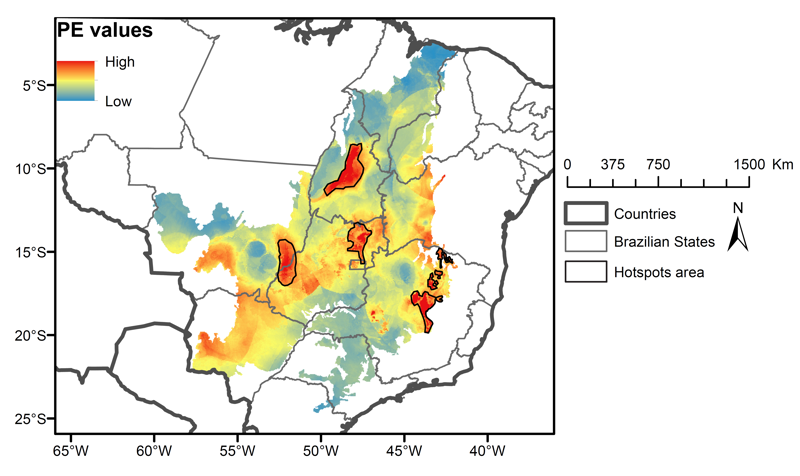
assessment, we detected four regional hotspots with high concentration of
spatially restricted evolutionary diversity. Protected areas cover only 10% of
the Cerrado area and hold only 11.64% of the summed phylogenetic endemism of
all lizards in the biome.

Hotspot areas for conservation based on their high levels of phylogenetic endemism (PE). Heat colours represent priority areas.

Next steps. Creating new protected areas based on our identified regional hotspots will be important for future conservation. Ideally, this will combine sustainable land use and management with cultural and economic benefits to local communities. The challenge is to overcome Brazilian conservation policies, that often neglect non-forest ecosystems, and to conciliate conservation with human goals, as Cerrado has been dramatically converted to soy monoculture and cattle raising.

If you could study any organism on Earth, what would it be and why? I would definitely continue with squamate reptiles–they are not only the coolest organisms on Earth, but they are also excellent models to study biogeography, ecology and evolution. First, they use they habitat in a huge variety of ways, with different species being fossorial, terrestrial, aquatic and arboreal (and anything in between!). Second, as ectotherms they are particularly sensitive to climate variation in space and time. Finally, lizards in particular are relatively easy to sample in the wild, with high diversity and comparatively well-established knowledge of species’ distributions. I also love to do fieldwork, during day or night, and spot these amazing creatures.

Anything else you’d like the share? I’m a Brazilian student and have had the opportunity to develop my PhD in one of the best Australian universities with a supportive advisor (Professor Craig Moritz), and I consider myself really lucky to have this opportunity. Starting in June, I will join Professor Lacey Knowles’ laboratory at the University of Michigan, United States, as a post-doc working on conceptual issues related to the species delimitation process – an issue that was pertinent in all my PhD chapters. As a female and first-generation PhD candidate, I am involved in projects that promote equal gender opportunities in science, especially in South America where culturally ingrained masculine pride is normalised, and I aim to continue participating in projects that benefit Brazilian biodiversity.

The forgotten giants of the Western Indian Ocean reefs

Giant clams have long fascinated adventurers and naturalists. These large shallow-water molluscs certainly are among the most colourful, conspicuous and emblematic species of the Indo-Pacific coral reefs. They have been exploited for thousands of years for their flesh and shell. Giant clam conservation is also an increasingly concerning issue because of the vulnerability of giant clams to overharvesting. Surprisingly, up to recent years, giant clams have remained incompletely known and described, and their evolutionary history was poorly understood.

Image: C. Fauvelot (IRD) is doing a biopsy on a giant clam in Juan de Nova. Photo credit: T.B. Hoareau / TAAF-Iles Eparses research consortium.

————————
FROM THE COVER: read the article on which this post is based …
Fauvelot, C, Zuccon, D, Borsa, P, et al. 2020. Phylogeographical patterns and a cryptic species provide new insights into Western Indian Ocean giant clams phylogenetic relationships and colonization history. J Biogeogr. 47:1086– 1105. https://doi.org/10.1111/jbi.13797
————————

As Tridacna giant clams exclusively occur in coral reefs of the Indo-West Pacific (IWP), we believed that studying the mode and tempo of their speciation would provide us with clues on the evolutionary history of modern coral reef communities in the IWP. We addressed this objective by combining molecular phylogenies with the geographic distribution of Tridacna lineages across the IWP. With well-dated, albeit rare fossil records, we had a model of choice to link phylogenetic patterns to past geological events.

When we started our phylogeographic research in the late 2000s, little was known from the Indian Ocean although a robust phylogeography of Coral-Triangle and Pacific Tridacna lineages was already partly available. A distinctive T. maxima lineage and a newly rediscovered species (T. squamosina) had been reported from the Red Sea, but no phylogeographic information was then available from the western Indian Ocean (WIO). Hence our focus on Tridacna giant clams from that part of the tropical IWP.

During field work, several participants in this study – then working as separate teams – independently noticed giant clams initially identified as T. maxima but presenting somewhat distinctive features.

We noticed the sharply pointed triangular interstices between folds, and the remarkable emerald-green colour of the mantle edge.

undefined
Tridacna elongatissima from Etang Salé at Reunion Island. Photo credit: L. Bigot / Université de La Réunion.

Nucleotide sequences at the COI locus confirmed this giant clam was distinct from T. maxima, and from all other known Tridacna spp. then documented in public sequence databases. With an endemic species in the Red Sea (T. squamosina), two unverified rare species endemic to the Mascarene Basin (T. rosewateri and T. lorenzi), and now a new cryptic lineage in the WIO, we felt that we had an increasingly interesting subject to investigate. Our different teams merged efforts and datasets and pursued the phylogeographic work all together.

We managed to extract DNA from dried muscle tissue and ligament from the type material of T. rosewateri and from other specimens from the WIO region preserved in museum collections. Morphological and molecular analyses enabled us to identify the distinct Tridacna lineage present in the WIO as T. elongatissima, a long- forgotten species from Mozambique then synonymised with T. maxima, thereby adding a taxonomic hue to our primarily phylogeographic study. Meanwhile, T. lorenzi and T. rosewateri were found to be a single and same, distinct species. 

This newly resurrected WIO-endemic Tridacna elongatissima turned out to be the sister species of T. squamosina! These two species had evolved independently in, respectively, the WIO and the Red Sea (or perhaps an adjacent northwestern Indian Ocean refuge), revealing a geographic barrier between the two regions. The T. elongatissimaT. squamosina pair was itself sister to T. rosewateri, highlighting this part of the world as an hotspot of endemism for giant clams. Lineage diversification patterns within the widespread T. maxima mirrored those of T. elongatissima, T. rosewateri and T. squamosina with two unrelated lineages in the WIO, one of which was sister to a third lineage endemic to the Red Sea. Thus, the same geographic barriers and speciation processes may have acted repeatedly at different periods in the Pleistocene. 

We are aware, though, that no uniform explanation holds for the evolutionary history of species in the tropical IWP. At least we were able to refine our understanding of lineage diversification and endemism of Tridacna giant clams in the WIO and Red Sea region. Beyond the specific case of giant clams, our results emphasize the interest of sampling understudied regions of the tropical IWP, such as the WIO, to refine the evolutionary puzzle of this vast and complex geographic ensemble. Further investigations in the future may add to the story.

Written by:
Philippe Borsa and Cécile Fauvelot – Researchers – Institut de recherche pour le développement (IRD), UMR ENTROPIE, France.

Additional information:
http://umr-entropie.ird.nc/index.php/home
https://cecilefauvelotird.wordpress.com/