#AssociateEditors #WorkStoppage @jbiogeography continues

Wiley’s responses over the past month have continued to dismiss the long-standing concerns of the editorial board. Their most recent response to the board is paraphrased and interpreted below.


Statement by the Group Vice President, Publishing, Wiley: I was on holiday, hence the belated response.  Interpretation / response: We don’t begrudge anyone vacation, but four staff at Wiley are on communications with the JBI editorial team. Resolving this issue constructively is such low priority for Wiley that they prefer any excuse to procrastinate.  

Statement by the Group Vice President, Publishing, Wiley: thank you for sharing the ideas, which provide much to consider. We care about research and access, and we are actively working to address your concerns. However, our immediate priority is to put a new editorial leadership and structure in place who will work with us to take the journal forward.   Interpretation / response: On the contrary, Wiley’s lack of meaningful response to the editorial board’s concerns is evidence that Wiley doesn’t care about research and access or the editorial boards’ concerns. They would like to replace the editorial board as fast as possible with a board that is compliant in prioritizing Wiley’s profits over access, affordability, equity, and editorial independence.    

Statement by the Group Vice President, Publishing, Wiley: We would like to work side by side with the editorial team; it is part of our job to listen and have regular, two-way conversations with editorial boards. Once we have the new team in place, we will commit to hosting a meeting (virtual or otherwise) to get some of these issues out on the table and explore them further.  Interpretation / response: There is an editorial team in place that is interested in discussing solutions. The past month is evidence that Wiley is not interested in working with the editorial team, hearing concerns, or acting upon them.    

Statement by the Group Vice President, Publishing, Wiley: We’d welcome having a proper discussion about JBI or the state of biogeography in general with any associate editors who happen to be at the ESA meeting in Portland. Interpretation / response: Wiley is refusing all invitations to discuss with the editorial board our most immediate and pressing concerns about the long-term success of the journal. They would prefer to delay and distract while they find editors who will be complicit with the publishing industry’s exploitation of the scientific community.  


As such, reaching the board’s target date of 31 July for a resolution, with no meaningful response from Wiley, the Associate Editors have decided to continue their work stoppage. The board’s communication of this to Wiley is provided below.


To [Wiley]:

Thank you for your recent message. Unfortunately, your reply continues to fail to respond directly to any of the concerns we raised. We disagree with your contention that these are matters for new editorial leadership operating within a new editorial structure. These are concerns of the current editorial board. By claiming otherwise, you simply emphasize that (1) Wiley continues to ignore the concerns of the current editorial board, as it has now done for 7 months, and that (2) Wiley seeks to encroach further on editorial independence, with inevitable negative consequences for the quality and standing of the journal.

Despite no meeting being scheduled by 31 July as requested, the remaining editorial team is still willing to meet with Wiley to discuss the grievances and to jointly explore solutions. However, before any meeting occurs (virtual or otherwise) we need to be provided with a clear idea of what Wiley is considering beyond leadership change. Time is of the essence for authors, as well as for the journal’s reputation, and we urge you to immediately make concrete proposals on the twelve issues we have raised. 


Your clear written response must deal with our grievances rather than discount them. As written in our original statement, “we are willing to reconsider our position at such time that Wiley takes on board the grievances listed … and we come to a compromise.” Failing a meaningful response by the deadline of July 31, the Associate Editors work stoppage will continue into August and beyond, as necessary. Already, many of us are committed to resigning; others are waiting to make up their minds depending on your responses. 

As such, the Associate Editors have decided upon four actions:

  1. some AEs will resign immediately in protest of the lack of response, a decision solidified for many by last week’s unwarranted termination of the Editor-in-Chief,
  2. some AEs will resign effective 28 Aug unless Wiley makes immediate concessions, establishes formal negotiations, and sets up an Editorial Advisory Board for the biogeography journals,
  3. some AEs reserve the right to resign depending on your responses, and 
  4. those AEs in (b) and (c) will continue the work stoppage pending a satisfactory response from Wiley.

Each AE will let you know of their individual decision. 


We repeat that immediate action is needed by Wiley to resolve the current dispute, and the need for candid discussion and policy changes on the following topics:   
1. As one of a variety of possible futures, a model must be developed for the possible case of fully flipping JBI to Gold OA — irrespective of whether there is or is not currently an explicit plan. In this, Wiley must guarantee a full or partial waiver (as needed) to any author whose manuscript is accepted but who does not have the funds to pay the regular APC. 

2. Irrespective of the publication model, OA fees for JBI must be more affordable, reflecting the actual cost of publication, which will help reduce inequity globally.

3. Irrespective of the publication model, there must be a meaningful waiver program so that researchers with insufficient funds are not disadvantaged.

4. In addition to the above, other elements supporting the journal’s stated ‘Global Biogeography Initiative’ should be enacted: 

  • free language support for non-English-as-a-first-language author teams during editorial and peer review
  • the Judith Masters Memorial Fund, while appreciated, is insufficient to cover all costs of attendance at an international meeting. The fund should be increased so that it would cover all expenses of attendance at an international conference/lab, for multiple eligible researchers.

5. Revise the ScholarOne interface and transfer scheme to facilitate JBI’s editorial policy on decisions, including transfers, encouraging sharing of decisions and reviews with any journal. 

6. Goals around growth must not come at the expense of the quality of the journal. The former should be driven by improvements in the latter. Therefore, goals to grow the journal must be accompanied with matching additional investment. At this point in time, the senior editorial team is against increasing the number of accepted papers. Rather, Wiley must invest in strategies that will increase the standing of JBI in comparison to other journals of comparable scope. 

7. Rewards for AEs must be reinstated to prior levels, i.e. at least one OA article per year in JBI (as first or senior author) or equivalent value (depending on the editors’ circumstances).

8. dEiC honoraria should be returned to pre-2019 levels. All honoraria should be automatically annually adjusted for Inflation. If more work is shifted to people receiving honoraria, the honoraria should increase accordingly; criteria for calculating honoraria should be transparent. 

9. More investment must be made in the scientific (Biogeography) community. We suggest levels akin to those returned to societies as a benchmark, as they are analogs for the biogeographic community that supports Wiley’s business model for JBI. Also see above re. APC waivers, Judith Masters Memorial Fund, honoraria, recompense for AEs.  In addition, this means increases in support for global colloquia. And it necessitates annual inflation-adjustment for all such investments; anything less is an effective disinvestment.

10. Non-Disclosure clauses must be removed from editor contracts.

11. Independence of the Editorial Board must be reified, and also clarified through contracts (e.g. exclusion of growth targets, transfer targets, NDAs, etc). 

12. Reinvestment in Production, revision of workflows, and returning oversight to the Editor-in-Chief. 


There are of course important points for discussion within many of these issues, for example:

  • What is the actual cost of publishing against which to benchmark APCs?
  • How to best determine the availability of funds to pay for APCs or to receive waivers/discounts?
  • What percentage of gross company profit should be re-invested in the community/journal?

The JBI editorial board is willing to begin these discussions immediately — we also recommend establishment of an Editorial Advisory Board for the Wiley Biogeography journals — which will be supported by Wiley staff, and provided with necessary information, independence, and standing to help Wiley make better informed decisions that support long term sustainability of the journals.


Furthermore, these revisions and commitments must be made publicly. It will be particularly important for Wiley to demonstrate its re-investment in the journal, in the biogeography community, and in the future. Wiley must similarly demonstrate it actually does respect editors, value the journal and the community it serves, and is committed to equitable access. Such measures will reassure the community that JBI (and Wiley in general) is a reliable partner for our work and service. 

Sincerely, and with best regards, 
The editors

Journal of Biogeography


ECR feature: Jacqueline Mattos

Jacqueline Mattos is a PhD candidate at the University of Campinas – UNICAMP. She is a genome scientist and bioinformatician with special focus on the evolutionary and adaptive processes of natural plant populations. Here, Jacqueline shares her recent work on the climate and biotic drivers of range limits in a neotropical orchid.

Personal links. GoogleScholar | Researchgate | Twitter

Institute. UNICAMP (University of Campinas – Brazil).

Academic life stage. PhD Candidate.

Major research themes. Evolutionary ecology; evolutionary genomics; neotropical plants; conservation biology.

Current study system. Our current species of interest is the neotropical orchid Epidendrum fulgens – a terrestrial perennial found mostly on sand dune vegetation, in the south and southeastern coastal areas of Brazil. It belongs to the subgenus Amphyglottium, a group of species with ecological preferences for harsh environments. This species is a cool study system because it has a wide geographical distribution and interesting ecological preferences, being able to grow in both sand dunes and rocky outcrops in different locations of its range.

Recent JBI paper. De Mattos, J. S., Pinheiro, F., Luize, B. G., Chaves, C. J. N., de Lima, T. M., Palma da Silva, C., & Leal, B. S. S. (2023). The relative role of climate and biotic interactions in shaping the range limits of a neotropical orchid. Journal of Biogeography, 50(7): 1315–1328. https://doi.org/10.1111/jbi.14629

Motivation behind this paper. Despite we had already studied the genetic diversity and population genetic structure of E. fulgens across its geographical range, we never addressed any biogeographical hypothesis. In this paper, we evaluated the centre-periphery hypothesis (CPH), a major biogeographic paradigm, using the highly narrow and linear distribution of E. fulgens as a system to understand the different factors (biotic and abiotic) underlying species persistence in geographical extremes/margins. Thus, our main motivation was to understand the patterns generated by the CPH in E. fulgens, while improving our understanding of the biogeography of the species.

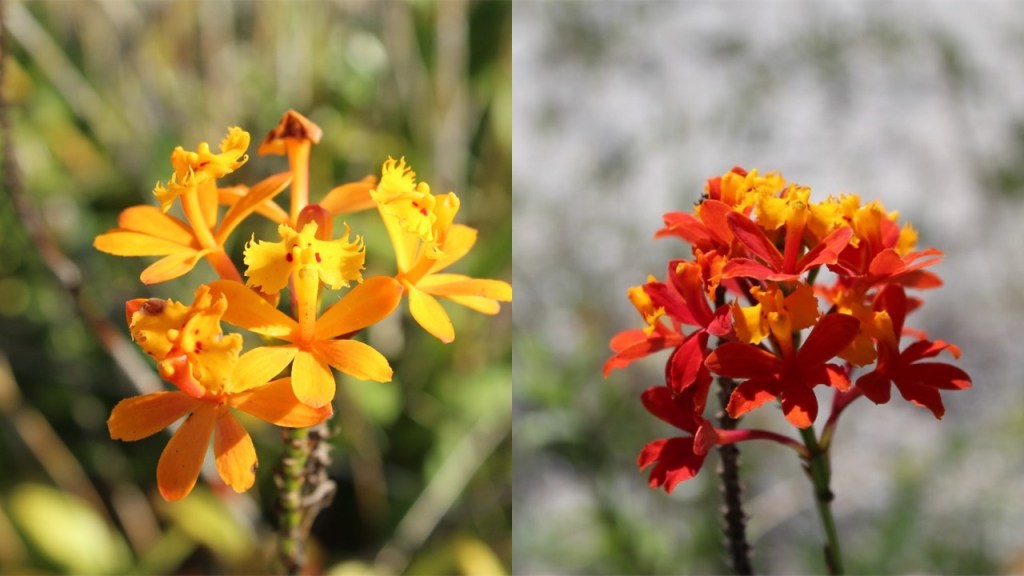
Left: Epidendrum fulgens population in southeastern Brazil (Florianópolis, Santa Catarina state). Right: Sand dunes with restinga vegetation, the main kind of habitat for E. fulgens, at Florianópolis site.

Key methodologies. Our work was based on three main methodological components: geographical distribution, ecological niche modelling and genetic diversity patterns. Basically, we integrated empirical data on geographical distribution, pollinator richness and genetic diversity along the entire range of the species. We performed niche models to predict niche limits, and polynomial and linear regression models to investigate the associations between ecological niche and species range, as well as to test the relationship between genetic-derived metrics and geographical and ecological distances. Especially, what provided the newest insights was the addition of pollinator richness into one of our niche models.

Unexpected challenges. Our main challenge was to integrate the great amount of data that we wanted to include in the study. Another challenge was to differentiate the geographical component from the ecological/niche component. Adding the biotic interactions component was definitely an important decision, considering that many papers on CPH still do not account for the biotic processes affecting species ranges.

Major results. We found that ecological conditions become more marginal towards the edges of E. fulgens range, and that both low-latitude and high-latitude margins have different patterns and shape the species distribution differently. We also found that genetic diversity is mostly decreasing, while genetic differentiation is mostly increasing towards both margins. Our study corroborated the CPH regarding ecological and genetic patterns of variation in space, and highlighted distinct factors limiting geographical distribution at the opposite margins of E. fulgens’ range. Our work helps understanding the roles of both biotic and abiotic factors affecting plant distribution ranges in a latitudinal gradient. This could potentially aid in conservation practices in vulnerable and disturbed ecosystems.

The yellow flowers (left) are only one of the morphotypes for E. fulgens, that can be also orange and red (right), in the different locations of its range.

Next steps for this research. I am currently working on the generation of the first chromosome-scale genome assembly for E. fulgens, which will also be the first one for the whole Epidendrum genus. We are also using RNA-seq data to understand the main evolutionary mechanisms (natural selection; genetic drift) that are happening in range margins. This is all part of my doctorate thesis.

If you could study any organism on Earth, what would it be? To me, fungi are exceptionally interesting! I would love to study fungi alongside with plants in the next stages of my academic career.

ECR feature: Chase Doran Brownstein

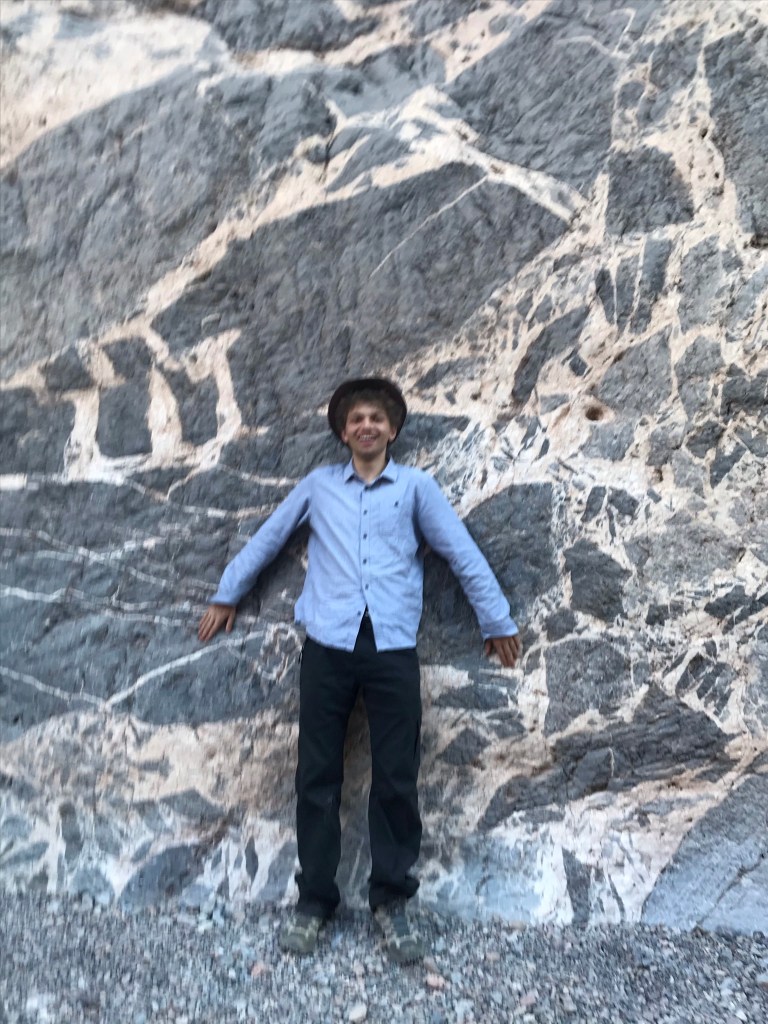
Chase Brownstein is an incoming graduate student at Yale University. He is a evolutionary biologist and paleontologist primarily interested on how the biogeography of extinct species can inform ideas about contingency and determinism in evolutionary theory. Here, Chase shares his recent work on the biogeography of extant lungfishes.

Personal links. Twitter | GoogleScholar

Institute. Yale University, USA.

Academic life stage. Incoming graduate student (just graduated college).

Major research themes. Biogeography; ancient vicariance; phylogenetics.

Current study system. I study members of so-called living fossil lineages, which are ancient, species-poor clades of living things! What makes these so interesting? A) They can potentially store information about ancient biogeographic events in their evolutionary history, B) they might show distinctive patterns of speciation and rates of evolution, and C) occasionally so-called living fossil species provide a window into past diversity and disparity. Think the coelacanth for helping us understand early lobe-finned fish evolution.

Recent JBI paper. Brownstein, C.D., Harrington, R.C., and Near, T.J. (2023). The biogeography of extant lungfishes traces the breakup of Gondwana. Journal of Biogeography, 50(7): 1191-1198. https://doi.org/10.1111/jbi.14609

Motivation behind this paper. When my advisor (Thomas Near) was in graduate school, he and his colleagues often discussed the need for a strong test of the biogeography of lungfishes, a clade of sarcopterygians consisting of six living species. Lungfishes are cool for being the closest relatives to Tetrapoda, which consists of the four-limbed vertebrates (like you and me)! The living species are distributed across the southern hemisphere, with the South American and African species more closely related to each other than either is to the Australian form. So, the question was, do these splits among lungfishes track the breakup of the southern continents?

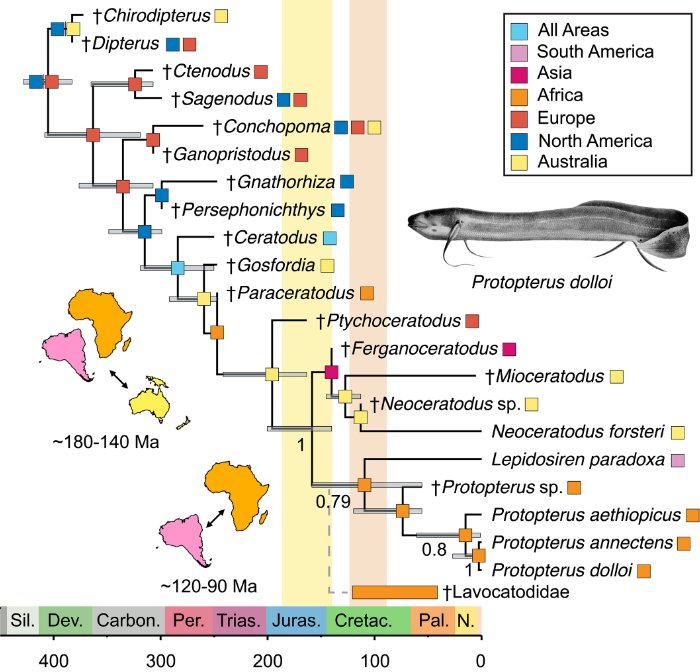
Key methodologies. We used Bayesian methods to make time-calibrated trees (phylogenies) of lungfishes based on data from both living species and fossils, which allowed us to provide what I think is the strongest hypothesis yet of the age of living lungfish clades and the timescale of their origination.

Bayesian tip-dated phylogeny and historical biogeography of extant lungfishes, using mitogenomic and nuclear gene sequence data with 16 fossil taxa. Bars indicate 95% CI intervals for divergence times, boxes at nodes indicate inferred ancestral ranges, and continent silhouettes and shaded regions indicate timing of major Gondwanan fragmentation events (yellow shaded region indicates the isolation of eastern Gondwana, including southeastern Asia, and the orange shaded region indicates the separation of Africa and South America). The position of the pan-lepidosireniform clade †Lavocatodidae is indicated following Longrich (2017), as fossils of this clade are too fragmentary for inclusion in the morphological phylogenetic analyses conducted in this paper. Numbers indicate posterior support values at nodes; note that only nodes subtending extant clades are shown, as posterior values on this tree are affected by the use of tip-dating to constrain monophyly.

Unexpected challenges. This one was pretty straightforward!

Major results. In contrast to other studies that did not use the fossil record in conjunction with mitochondrial and nuclear gene data, we found that lungfish phylogeny shows a clear pattern of vicariance across continents (Australasia-South America + Africa, followed by South America-Africa) that is the age when the corresponding splits happened among the continents of the southern hemisphere! So, lungfish phylogeny apparently tracks Gondwanan breakup.

Next steps for this research. We are continuing to study the biogeography, phylogeny, and ecology of living fossil species! Stay tuned!

If you could study any organism on Earth, what would it be? I started out working on dinosaur fossils from eastern North America, and still have soft spots for squamates (lizards and snakes), early birds, and of course tyrannosaurs. So, it really depends on the questions I am interested in exploring!

ECR feature: João Marcos Guimarães Capurucho

João Capurucho is a postdoc at the Instituto Nacional de Pesquisas da Amazônia – INPA. He is a biogeographer and ecologist with a strong focus on Amazonian birds. Here, João shares his recent work on the evolutionary history of white-sand ecosystem birds.

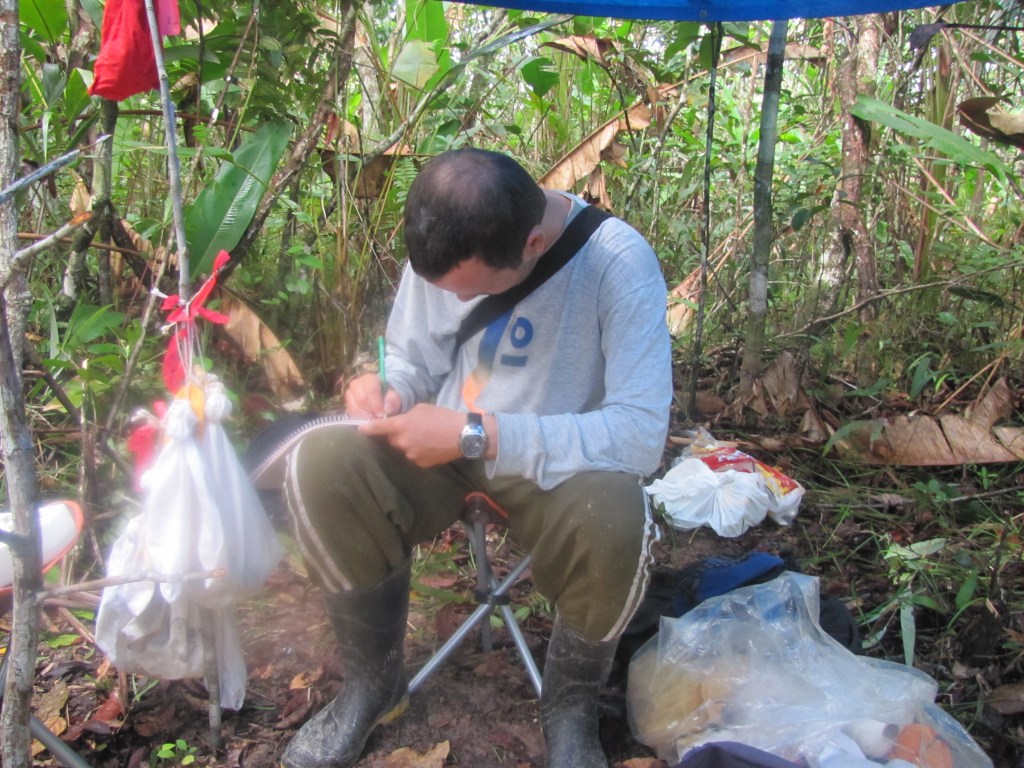
João Capurucho during field work in Amazonia in 2022.

Personal links. Twitter | Researchgate.

Institute. Instituto Nacional de Pesquisas da Amazônia – INPA.

Academic life stage. Postdoc.

Major research themes. I am interested in biogeography and ecology, with a strong focus on Amazonian birds. My main research questions involve how landscape and climatic history since the Pleistocene (last 2.6 million years) shaped current species’ distribution and genetic diversity, and the existing threats to Amazonian biodiversity. Therefore, I am always looking into different ways to combine museum research, species’ distribution and genetic data, and information from other fields, like climatology and geology, to reconstruct the biogeographic history of bird species/populations.

Current study system. Currently, I am working as a postdoc in a different project from the one related to our recently published paper. We are studying the impact of anthropogenic fire on the bird communities of fragile seasonally flooded forests (igapós) from the Negro River basin. With this purpose, we are deploying autonomous recorders and using passive acoustic monitoring (PAM) methods in several sites that were impacted by fire in different years. Yet, I remain interested in understanding the biogeography and evolution of Amazonian birds, and thus I am pursuing different questions related to their current distribution and diversity patterns in white-sand ecosystems.

Recent JBI paper. Capurucho, J. M. G., Ashley, M. V., Cornelius, C., Borges, S. H., Ribas, C. C., & Bates, J. M. (2023). Phylogeographic and demographic patterns reveal congruent histories in seven Amazonian White-Sand ecosystems birds. Journal of Biogeography, 50, 1221– 1233. https://doi.org/10.1111/jbi.14611.

Motivation behind this paper. I have been interested in the birds inhabiting white-sand ecosystems (WSE) since I started my Master’s studies, advised by Dr. Camila Ribas and Dr. Cintia Cornelius at INPA (Manaus, Brazil). The advance of next generation DNA sequencing and new comparative phylogeographic methods stimulated us to pursue a more comprehensive analysis of species histories and diversity using these new tools. WSE are unique environments that harbor a characteristic avifauna, which we hypothesized would present a distinct biogeographic history when compared to other Amazonian birds from more well-studied habitats (e.g., terra-firme forests). We also thought that, by studying the birds and their molecules, we would improve our understanding of the Amazonian climatic and landscape histories and their impact on fragile WSE.

Field work in the Amazonian white-sand ecosystems back in 2012, to collect data that was later used in our study published at Journal of Biogeography.

Key methodologies. We studied seven species of birds that are characteristic of WSE using a DNA target-capture approach to sequence ultraconserved-elements (UCEs). We performed population structure, demographic modelling and migration surface analyses, among others, to explore genetic diversity and phylogeographic patterns within each species. Then, using a relatively recently developed method deployed in ecoevolity (http://phyletica.org/ecoevolity/), we evaluated the occurrence of shared demographic patterns among the populations of WSE birds.

Unexpected challenges. This publication was part of my PhD thesis, which I developed at University of Illinois in collaboration with the Field Museum of Natural History (Chicago, USA). There were two big challenges during these times: one was pursuing a PhD in a different country and culture, and the other was raising our daughter that was born two years before I finished Grad school. Anyway, I would do it all over again if necessary!

The sun rising at a white-sand ecosystem. We used bikes to access field sites close to the Viruá National Park, in Roraima, Brazil.

Major results. The most striking result was that, virtually, all populations that showed signals of population expansion in the recent past shared the timing of when this event happened. We show that all studied WSE birds, despite their relatively old origins (see our other publication for more details), present shallow population structure, with evidence of gene flow among populations. Similar patterns are observed in other dynamic Amazonian systems (e.g., seasonally flooded forests), but not in more stable environments (e.g., terra-firme). The oldest population split occurred 450,000 years ago, which is quite recent compared to many studied Amazonian birds from other ecosystems. We found that nine populations of WSE birds expanded demographically in the last 100,000 years, with eight of them distributed north of the Amazon River. This huge congruence in phylogeographic patterns and history shows that recent climatic and landscape history strongly affected the distribution and genetic diversity of birds inhabiting WSE.

Next steps for this research. We are currently combining ecological niche models and phylogeographic approaches to better understand the processes driving distribution and diversity patterns of WSE birds. However, the strong association of birds to WSE and their sandy soils make it hard to develop robust ENMs for these birds, due to the lack of reliable and high-quality soil data for Amazonia. We are looking into ways to overcome this issue and improve our analyses.

Typical physiognomy of a white-sand ecosystem in Central Amazonia (RDS Uatumã, Amazonas, Brazil).

If you could study any organism on Earth, what would it be? Birds, birds, birds! Isn’t it obvious?!

#BetterPublishing @jbiogeography: I

In response to the #Workstoppage by #AssociateEditors of @jbiogeography, the journal’s management at Wiley rapidly issued a largely dismissive reply that resulted in the resignation of deputy editor-in-chief Ceridwen Fraser. We invited Wiley to provide a revised response, but received none. As a consequence, the editorial board has compiled our concerns and called for a dozen issues to be addressed, as described in our answer to Wiley, below.

=-=-=-=-=-=-=

We particularly found several aspects of Wiley’s initial reply troubling, as follows.

Wiley’s claim: There are no plans to flip Journal of Biogeography (JBI) to open access (OA).
Response: The claim is contrary to the overall trajectory expressed by Wiley that flipping to OA is imminent (e.g. https://doi.org/10.1111/mec.16815Wiley Q2 2023 Earnings Call Transcript) and statements to this effect about JBI on a 2-4 year horizon. In such circumstances, whether or not there is an explicit timeline, there does need to be an explicit plan for how the inequities that currently are being introduced by Wiley’s (and other journals’) appropriation of Open Access will be addressed. These inequities are already a critical issue and will be exacerbated by a full flip of JBI to OA; therefore, the community needs that plan for addressing inequities and the reassurance it will provide now.  

Wiley’s claim: Authors can leverage the benefits of OA without having to worry about the costs … due to e.g. recent agreements in South Africa, Mexico, Thailand, and India.
Response: This avoids the facts, as have been raised by JBI AEs & CEs (including who are residents of these countries), in meetings with Wiley, that these agreements have unclear implications and/or are limited to a small number of prestigious institutions and exclude the vast majority of researchers. As such, they decrease relative visibility of research by the large majority of researchers who cannot afford to publish OA. Thus, Wiley’s actual stance on these issues damages the journal goals, as explained briefly here: https://onlinelibrary.wiley.com/doi/10.1111/jbi.14680.  

Wiley’s claim: They greatly value the work of Associate Editors … and their goal is to ensure that journals are competitive, attract authors, and to grow journals sustainably … which allows them to reinvest in journals, infrastructure, editorial boards, scientific communities, and programs.
Response: Our experience feels very different. Wiley has in the past 4 years asked CEs to accept reduced honoraria, depreciated honoraria by failing to offer adjustments for inflation, reduced the value of rewards given to AEs, failed to deliver promised marketing, disrespected the editorial board, and disinvested in production thus decreasing the quality of manuscripts and shifting workload to the editorial team. Long before this Wiley chose to monetize language support. The miniscule number of OA waivers offered (estimated mean <1 per journal per year) to a small minority does not offset the inequalities introduced for the large majority. Wiley has failed to invest sufficiently in JBI to maintain, let alone increase, its standing in the field; the evidence is clear, in a wide suite of metrics and the average quality of submitted manuscripts. Wiley offers minimal promotion of the journal, again asking the editorial team to do more while Wiley itself does less. These are issues at other journals too. This disinvestment stands in stark contrast to record revenues of over $2B reported by Wiley for 2022 and large profit margins, with academic publishing being a particularly profitable asset.   

Wiley’s claim: they are very open to a discussion to see how they can make things better
Response: The Editorial Board is optimistic about discussions — though our optimism is tempered because our concerns have now been dismissed at four levels within Wiley (by the Journals Publisher for JBI, the Associate Editorial Director for Life Sciences, the Senior Editorial Director for Life Sciences, and the Group Vice President for Publishing), leading to the situation in which we now find ourselves. 

As such, we want to be clear about twelve actions needed to resolve the current dispute, which we expect these to be the topics for candid discussion and policy changes.    

1. As one of a variety of possible futures, a model must be developed for the possible case of fully flipping JBI to gold OA — irrespective of whether there is or is not currently an explicit plan. In this, Wiley must guarantee a full or partial waiver (as needed) to any author whose manuscript is accepted but who does not have the funds to pay the regular APC.  

2. Irrespective of the publication model, OA fees for JBI must be more affordable, reflecting the cost of publication, which will help reduce inequity. 

3. Irrespective of the publication model, there must be a meaningful waiver program so that researchers with insufficient funds are not disadvantaged. 

4. In addition to the above, other elements supporting the journal’s stated ‘Global Biogeography Initiative’ should be enacted: 
·         free language support for non-English-as-a-first-language author teams during editorial and peer review
·         the Judith Masters Memorial Fund, while appreciated, is insufficient to cover all costs of attendance at an international meeting. The fund should be increased so that it would cover all expenses of attendance at an international conference/lab, for multiple eligible researchers. 

5. Revise the ScholarOne interface and transfer scheme to facilitate JBI’s editorial policy on decisions, including transfers, encouraging sharing of decisions and reviews with any journal.  

6. Goals to grow must not come at the expense of the quality of the journal. The former should be driven by improvements in the latter. Therefore, goals to grow the journal must be accompanied with matching additional investment. At this point in time, the senior editorial team is against increasing the number of accepted papers. Rather, Wiley must invest in strategies that will increase the standing of JBI in comparison to other journals of comparable scope.  

7. Rewards for AEs must be reinstated to prior levels, i.e. at least one OA article per year in JBI (as first or senior author) or equivalent value (depending on the editors’ circumstances) 

8. deputy Editor-in-Chief honoraria should be returned to pre-2019 levels. All honoraria should be automatically annually adjusted for Inflation. If more work is shifted to people receiving honoraria, the honoraria should increase accordingly; criteria for calculating honoraria should be transparent.  

9. More investment must be made in the scientific (Biogeography) community. We suggest levels akin to those returned to societies as a benchmark, as they are analogs for the biogeographic community that supports Wiley’s business model for JBI. Also see above re. APC waivers, Judith Masters Memorial Fund, honoraria, recompense for AEs.  In addition, this means increases in support for global colloquia. And it necessitates annual inflation-adjustment for all such investments; anything less is an effective disinvestment. 

10. Non-Disclosure clauses must be removed from editor contracts 

11. Independence of the Editorial Board must be reified, and also clarified through contracts (e.g. exclusion of growth targets, transfer targets, NDAs, etc)  

12. Reinvestment in Production, revision of workflows, and returning oversight to the Editor-in-Chief.  

There are of course important discussions to be held within many of these issues, for example:
– What is the actual cost of publishing against which to benchmark APCs?
– How to determine the availability of funds to pay for OA?
– What percentage of profit should be re-invested in the community/journal?
The JBI editorial board is willing to begin these discussions immediately — we also recommend establishment of an Editorial Advisory Board for the Wiley Biogeography journals — which will be supported by Wiley staff, and provided with necessary information, independence, and standing to help Wiley make better informed decisions that support long term sustainability of the journals.  Furthermore, these revisions and commitments must be made publicly. It will be particularly important for Wiley to show its re-investment in the journal, in the biogeography community, and in the future; to demonstrate that Wiley actually does respect editors, reinvest in the journal, and is committed to equitable access. All of which is currently unapparent. Such will reassure the community that JBI (and Wiley in general) is a reliable partner for our work and service.   


Vertical stratification of ant assemblages in Brazilian savanna

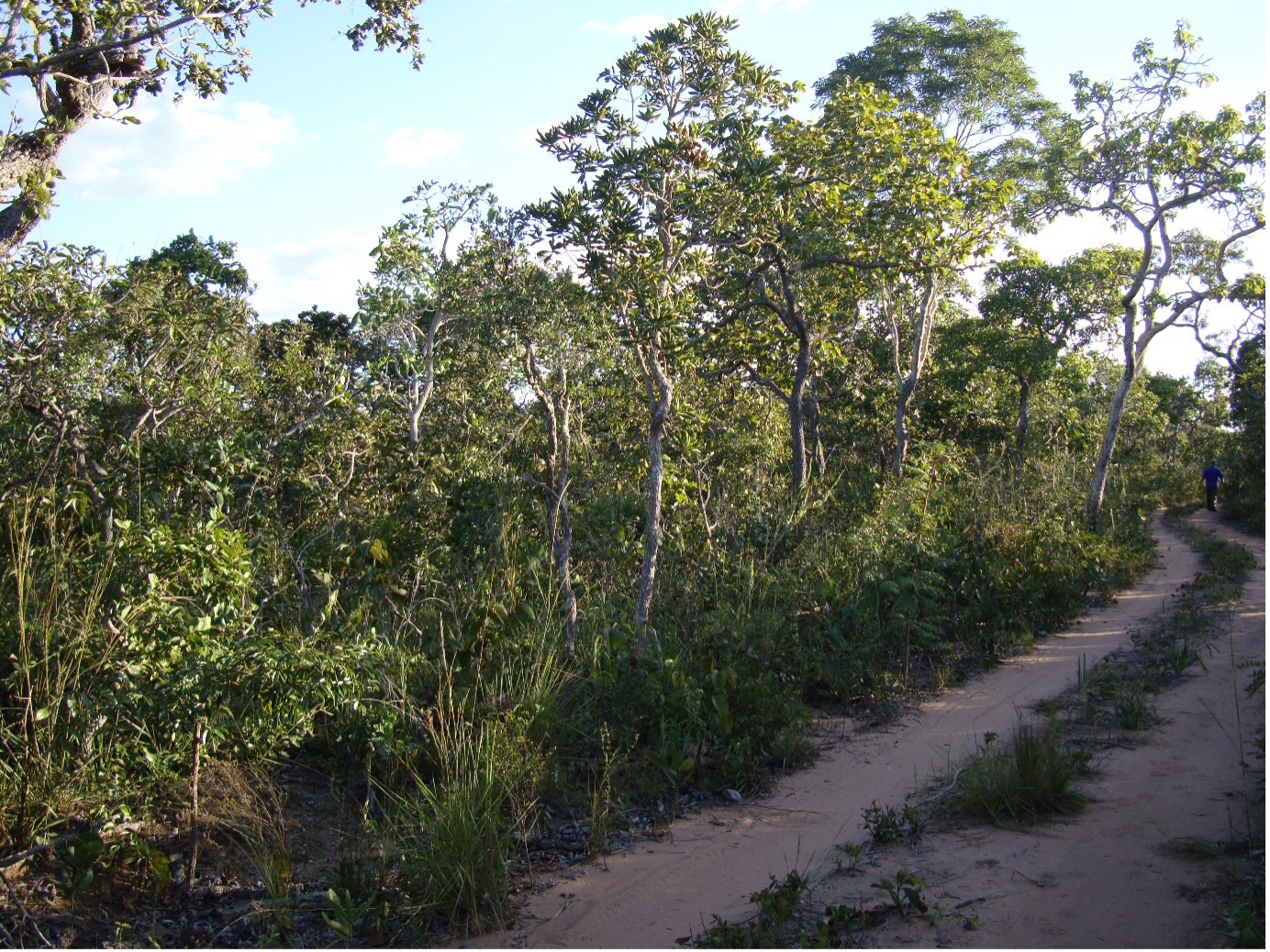
Tropical terrestrial habitats are renowned for their exceptional biodiversity, and one contributing factor is vertical stratification.  Differences in abiotic and biotic conditions from the ground to the top of trees favour the occurrence of distinct species assemblages on the ground and on trees. Our study shows that the degree of this distinction increases with increasing latitude in Brazilian savannas.

Above: General of a Brazilian savanna (cerrado) area. (Novo São Joaquim, MT, Brazil).
Photo: Heraldo Vasconcelos.

The study was motivated by our interest in understanding how ant diversity and community structure varies along climatic gradients within Brazilian Cerrado, the world’s richest and most threatened tropical savanna. The cerrado ant fauna includes an unusually high diversity of specialist arboreal species, reflecting its relatively recent origin from tropical forest.

We sampled ants from 32 savanna sites along a latitudinal gradient of decreasing temperatures and increasing rainfall during the warmest quarter.  We used a standardized sampling protocol on both the ground or in trees, allowing us to evaluate how ant species richness and composition varies both vertically (ground vs arboreal) and horizontally (across a climatic gradient). The fieldwork took several years to complete.

Editors’ choice: (Free to read online for two years.)
Vasconcelos, H. L., Neves, K. C., & Andersen, A. N. (2023). Vertical stratification of ant assemblages varies along a latitudinal gradient in Brazilian savanna. Journal of Biogeography, 50, 1331– 1340. https://doi.org/10.1111/jbi.14628 

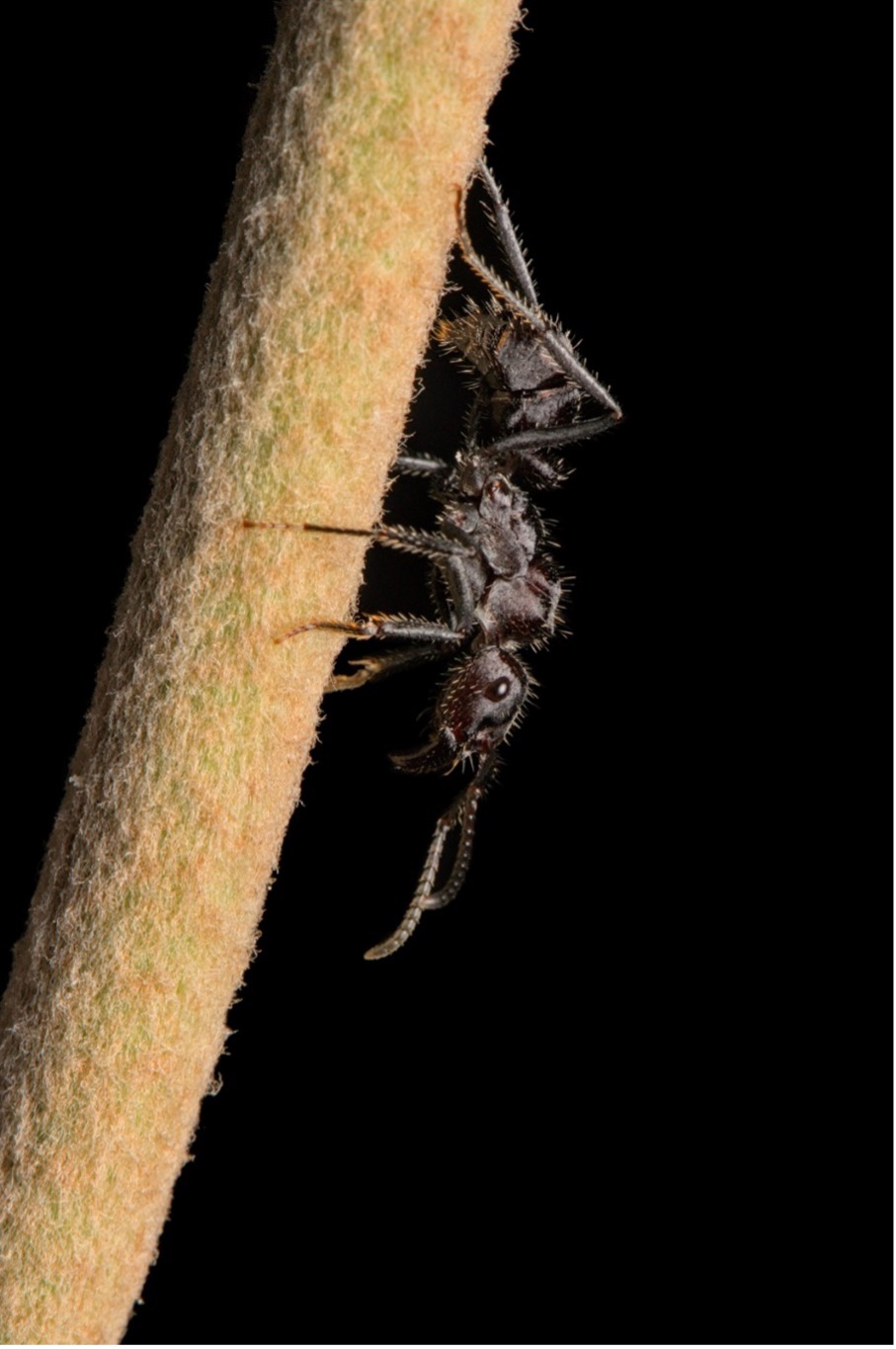
Ground-foraging ants have lower thermal tolerances than those in trees and so we expected them to be more sensitive to climatic variation. This proved to be the case, such that species richness differences between vertical strata were much greater at the wetter and colder (higher latitude) than at the drier and hotter (lower latitude) sites. Furthermore, the turnover of species between vertical strata also decreased with latitude, due to a sharp increase in the proportion of ground-dwelling species that foraged in trees at lower latitudes. We also expected that the differences in species composition would be greater horizontally than vertically. To our surprise we found the opposite! The mean composition dissimilarity between ant assemblages from different strata was greater than the dissimilarity between assemblages from the same stratum for horizontal distances up to 1,500 km.


Ectatomma brunneum, a ground-dwelling ant species foraging in the arboreal stratum of a savanna area (Brasilia, DF, Brazil). Photo: Alexandre Ariel.

Our study is important for showing that local (vertical) variation in microclimate is an important driver of geographical variation in community structure. It is also important for understanding stratum-specific responses to climate change. In particular, a predicted hotter and drier climate in our study region can be expected to have a greater impact on ground than on arboreal ants, and ground and arboreal assemblages are likely to become less distinct from each other.

As part of our continued interest in the biogeography of ant diversity, we are pursuing the stratum-specific macroecology of Neotropical ant communities by investigating how the relationships between functional, phylogenetic, and taxonomic diversity vary between habitat strata along geographical climate gradients.


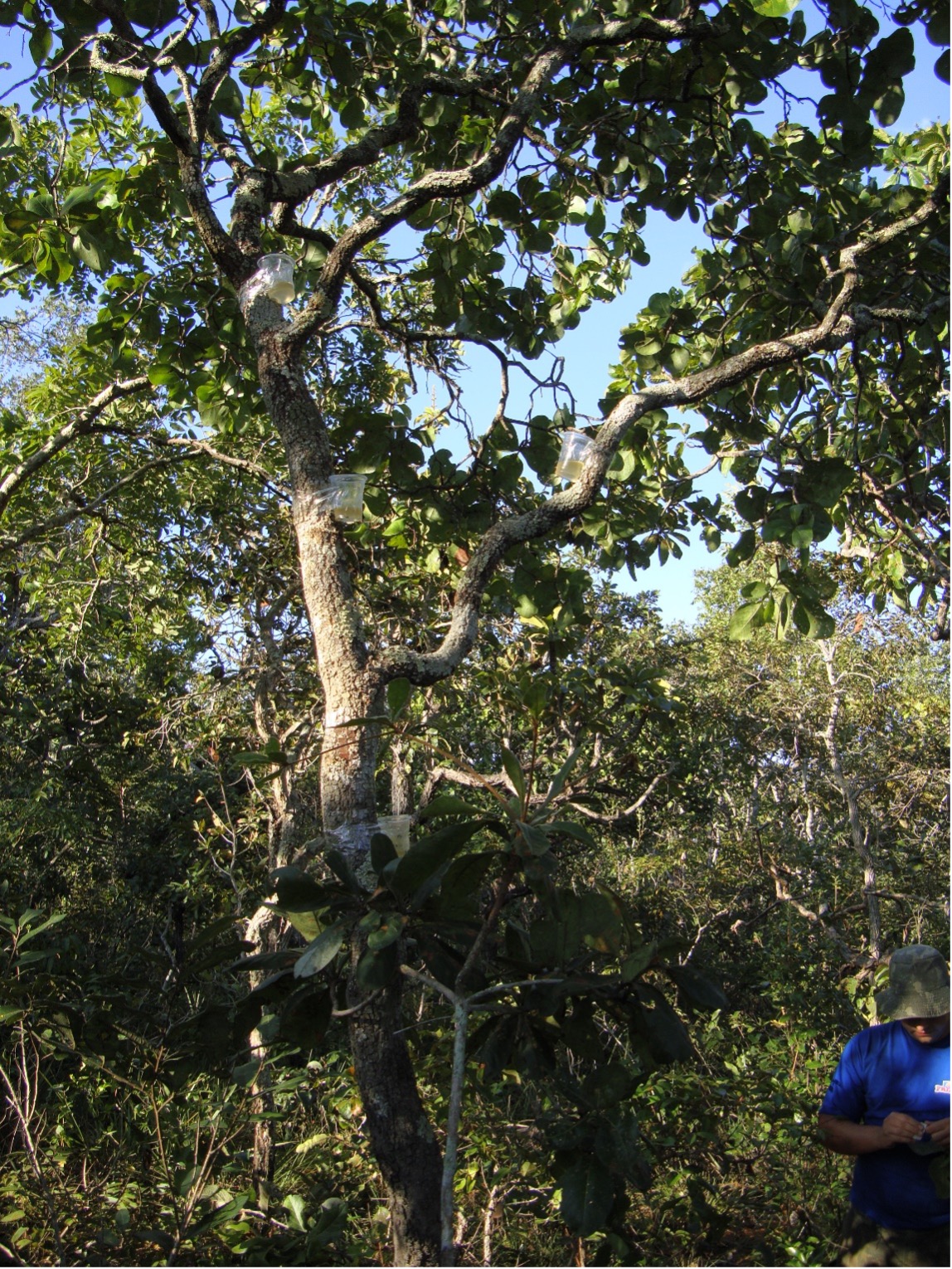
Arboreal pitfall traps installed onto the branches of a savanna tree.
Photo: Heraldo Vasconcelos.

Written by:
Heraldo L. Vasconcelos and Karen C. Neves, Institute of Biology, Federal University of Uberlândia (UFU), Brazil
Alan N. Andersen, Darwin University, Darwin, Northern Territory, Australia

#AssociateEditors #WorkStoppage @jbiogeography

A large majority (~85%) of the Associate Editors at the Journal of Biogeography (JBI) is participating in a work stoppage, beginning immediately (29th June 2023) because of an unresolved dispute with the journal’s publisher, Wiley.

Their concerns center on inequity in Open Access publication models, unrealistic targets for growth, increasing emphasis on transferring rejected manuscripts to ‘cascade’ journals, and related matters. Their statement is provided in full below.

The Associate Editors’ action amplifies issues raised recently by the Editor-in-Chief, who has resigned because Wiley refused to discuss the editorial board’s concerns.

The concerns raised by the Associate Editors affect all publishing scientists, and have outsized impacts on the least resourced. The senior editorial team of JBI respects the individual circumstances of all Associate Editors at the journal — who have worked diligently without recompense for the benefit of the scientific community — and their decisions to participate or not in the work stoppage. They do not take this action lightly.

We apologize that authors submitting new manuscripts to the journal during the work stoppage should anticipate delays in handling of their submissions.

===-===-===

Michael Dawson
Chief Editor, Journal of Biogeography
University of California-Merced

Margaret Donnelly
Journal Manager, Journal of Biogeography
Wiley Publishers

28 June 2023

Dear Dr. Dawson and Ms. Donnelly:

We are writing to inform you that we, as Associate Editors of the Journal of Biogeography (JBI), are currently unwilling to handle any new JBI manuscripts, due to a difference of opinion on the following issues:

  1. The full Open Access model: We do not support the switch to fully open access, because this disadvantages researchers that are unable to afford to publish their work using the pay-to-publish business model. This publishing model severely hampers the research visibility of early career researchers and those in countries with low to middle economies who cannot afford the OA fees. At the same time, this system promotes the visibility of those researchers with ample funds to pay to publish and allows unfair free access to their content. This creates a system where those that have funds will always become more cited than those that do not have funds to pay for their work to be visible.
  2. The proposed increase in throughput for the journal: This proposed change appears to be an attempt at maximising business profits, at the expense of AE’s time spent processing additional outputs and with a potential negative impact to real or perceived article quality. As Associate Editors, we would like to remind the publisher that we work gratis, for the good of the community. Our free time spent in professional service through editing for JBI is not intended to be used to maximise profit.
  3. Automatic referral to other Wiley journals: We are firmly against this option, because it takes away author choice and editorial discretion. The authors are providing their content for free to Wiley, and therefore the choice is entirely theirs as to which outlet they prefer their work to be published in. As editors, we are often able to suggest more appropriate journal outlets for particular manuscripts, and these outlets may or may not be in the Wiley family of journals. Again, our service is given to the field of biogeography, and not to Wiley itself.

We are aware that Wiley has not been willing to compromise on any of these topics, and therefore we are currently under a work stoppage as AEs. From June 28, we will not accept any editorial duties for new manuscripts. So that this action does not impede our colleagues with submitted manuscripts, we will continue to handle manuscripts that are already out for review or in revision.

We are willing to reconsider our position at such time that Wiley takes on board the grievances listed above, and we come to a compromise. We propose a deadline of July 31 for resolution of these matters, after which time we will be willing to resume AE duties. We are also ready to resign our positions if no compromise can be reached. Please note that as Associate Editors, we work without any remuneration or compensation, and our ultimate goal is to advance the field of biogeography by supporting high-quality, peer-reviewed, cutting-edge research. The Journal of Biogeography has a proud history as a thought leader in our discipline, and we are firmly against any development of a business model that maximises profit but places in jeopardy the academic quality of the Journal of Biogeography.


ECR feature: Arlo Hinckley

Arlo Hinckley is a postdoctoral researcher at the Smithsonian National Museum of Natural History and Universidad de Sevilla. He is an evolutionary biologist with a focus on the origin, maintenance, and distribution of mammalian diversity. Here, Arlo shares his recent work on the evolutionary history and divergence patterns of Asian squirrels.

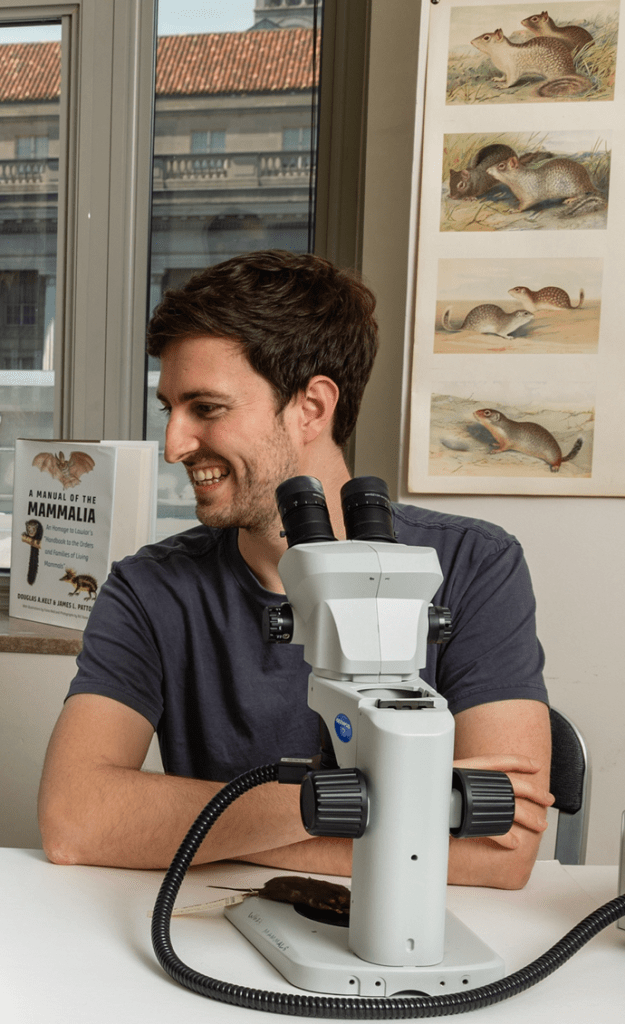
Picture of Arlo Hinckley taken at his office, at the Mammals Division of the National Museum of Natural History.

Personal links. Twitter 1 | Twitter 2 | Facebook

Institute. Smithsonian National Museum of Natural History & Universidad de Sevilla

Academic life stage. Postdoc

Major research themes. I am primarily interested in the study of the evolutionary origin, maintenance, and distribution of mammalian diversity in Tropical East Asia (TEA).

Current study system. TEA is a major biodiversity hotspot with a complex geography, and geological and climatic history, providing an excellent system to study evolution. Despite recent advances, the underlying evolutionary mechanisms driving this region’s high levels of biodiversity are still poorly understood. To gain insights into such drivers, I reconstruct the evolutionary history of small mammals (rodents, eulipotyphlans, and treeshrews). These taxa can be locally abundant, highly diverse, have short generation times and are frequently habitat specialists with low dispersal abilities. Their sensitivity to environmental change and low dispersal abilities makes them great models to evaluate how past and present climatic and geological events shape speciation processes and biogeographic patterns, while their fast generation times generally makes these inferences informative even at short timescales. I however do not consider small mammals’ mere models, I am genuinely interested in their systematics, ecology, and conservation, and love sampling them in the field.

Recent JBI paper. Hinckley, A., Hawkins, M. T., Maldonado, J. E., & Leonard, J. A. (2023). Evolutionary history and patterns of divergence in three tropical east Asian squirrels across the Isthmus of Kra. Journal of Biogeography, 50(6), 1090-1102. https://doi.org/10.1111/jbi.14598

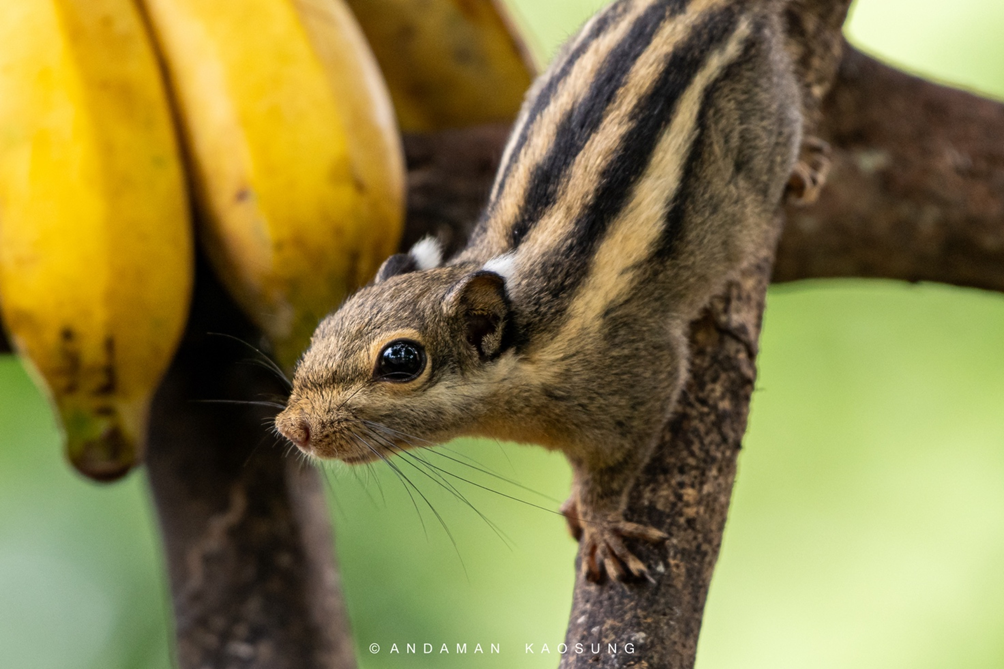
The Himalayan Striped Squirrel (Tamiops mcclellandii) is a largely insectivorous and strictly arboreal squirrel lives on the trunks and main branches of tall trees and has a wide distribution range that spans the Isthmus of Kra biogeographic transition. Photo Credit: Andaman Kaosung. Location: Kaeng Krachan District, Thailand.

Motivation behind this paper. Understanding the biotic and abiotic mechanisms underlying the generation and maintenance of biogeographic transitions represents a long-standing topic in evolutionary biology. Biogeographic transition is the gradual change in species distribution due to climate, geology, and even human activities, resulting in ecosystem and biodiversity shifts. The Isthmus of Kra (IOK) is a terrestrial biogeographic transition in the Thai-Malay peninsula, which divides Sundaland and Indochina. Despite intriguing biogeographers since Alfred R. Wallace first noted it in 1876, the IOK still constitutes a poorly characterized biogeographic transition. This is possibly due to challenges associated with sampling across such a large and geographically (and politically) complex region as TEA, but also due to a scarcity of species with distributions spanning this region, and a lack of appropriate molecular markers and/or fossil calibrations for divergence dating. This is why my co-authors and I decided to focus on three squirrel species that are distributed across the IOK, belonging to a subfamily for which we had already developed a panel of genetic markers and that has several fossils. This allowed us to look at population structure across the IOK and the drivers that have shaped this transition and regional diversification patterns by integrating divergence dating analyses with geological and paleoclimatic evidence.

Key methodologies. We generated complete mitochondrial genomes and sequences of eleven nuclear genes fragments from museum specimen samples. We studied how different populations are connected by looking at their genetic information from mitochondrial DNA and other molecular markers. We used advanced methods to estimate when these populations started to evolve separately, considering the influence of climate and geological changes over time. This research was possible thanks to the work of historical naturalists, in combination with the recent advances in high throughput sequencing, which allowed us to yield the molecular data this study was based on. I expect museum genomics to revolutionize the field of historical biogeography, since researchers can now sample very large/remote regions with much less time/funding investment. Still, field surveys and specimen collection will remain pivotal to fill geographical gaps, complement museum-based data, and to support future research with new methodological approaches that still do not exist. Just as the historical collectors I mentioned did not collect our study specimens for the purpose of this research, who knows what information researchers will extract from museum specimens in 50 years!

The Gray-bellied Squirrel (Callosciurus caniceps) is an omnivorous, mostly arboreal species that lives in the understory and has a wide distribution range that spans the Isthmus of Kra biogeographic transition. Photo Credit: Jan Ebr. Location: Pahang, Malaysia.

Unexpected challenges. Working with highly degraded DNA from historic museum specimens can be challenging. Requesting destructive sampling tissue loans to 17 museums, along with marker development (intron multiplexes), was highly time-consuming. Furthermore, the lab work had a high degree of uncertainty, as 45% of the samples did not work (possibly due to exposure to formalin or other chemicals). Consequently, we ended up requesting and processing many more samples than what we initially planned to fill certain geographic gaps. Our observations suggest that specimen preparation and storage by the historic collectors might have a greater impact on DNA quality than either their age or the museum where they have been curated. Based on our experience, I would suggest researchers planning a project involving historic DNA to perform target capture (if they can afford it) and target study taxa that have specimens stored in a handful of museums to reduce delays and third-party dependency. If possible, they should also sample specimens collected in expeditions which have yielded molecular data in previous studies on other taxa.

Major results. Populations distributed across the IOK diverged during the Early Pleistocene in all three species, but the precise location of lineage turnovers varied among species. Sundaic and Indochinese populations possibly diverged in allopatric habitat refugia in or around mountains during periods of increased aridity and evergreen forest contraction. Ecological differences and/or topography might have influenced genetic differentiation during periods of rainforest expansion. However, alternative hypotheses remain to be tested with more informative nuclear markers and additional geographic sampling. Finally, two of the study species were paraphyletic and showed ancient Miocene-Pliocene divergences across Indochina. Overall, this research contributes to a better understanding of the evolutionary processes shaping Southeast Asia’s biodiversity, given the robustness and precision that mitochondrial genome and/or nuclear multi-locus datasets provide, its broad geographic scope, and the current shortfall regarding divergence dating studies in this area.

Montane forest of Tropical East Asia. Photo Credit: Daniel Hinckley. Location: Mount Trus Madi, Sabah, Malaysia.

Next steps for this research. We are currently reassessing the taxonomy of these three squirrels through an integrative approach, which includes additional lines of evidence such as morphology. We also look forward to addressing this research hypothesis with phylogenomic evidence and the inclusion of additional taxa with diverse ecological requirements. The combination of improved sampling around the Isthmus of Kra, requiring additional fieldwork, and population genomic approaches, will open the door to exploring potential hybrid/introgression zones in this transition zone. Niche modelling, in combination with population genetic studies, including historic and modern populations, will be pivotal to predicting and tracking potential climate change-driven shifts in the distribution of mammals in this biogeographic transition.

If you could study any organism on Earth, what would it be? One of the best things about working in the largest mammal collection in the world is that you can study almost any species you are interested in, which can sometimes be problematic, since you end up starting too many projects that you must finish. I am currently studying Oriental Giant Squirrels (Ratufa) which I had been longing to work with since I saw them in the field eight years ago. They are highly elusive and understudied taxa due to their canopy-dwelling nature, which makes field sampling highly challenging. The NMNH collection holds specimens from all recognized species and most subspecies of Ratufa, providing a unique opportunity to reconstruct its historical biogeography, integratively review taxonomy, and test the hypothesis that differences in the resilience to forest seasonality of two of its species will be reflected in contrasting evolutionary histories.

Anything else to add? Our research highlights the important role that Tropical East Asian mountains play as forest refugia during the current and future climate-change driven aridification and the necessity to conserve them for the generation and maintenance of this region’s biodiversity in the long term.

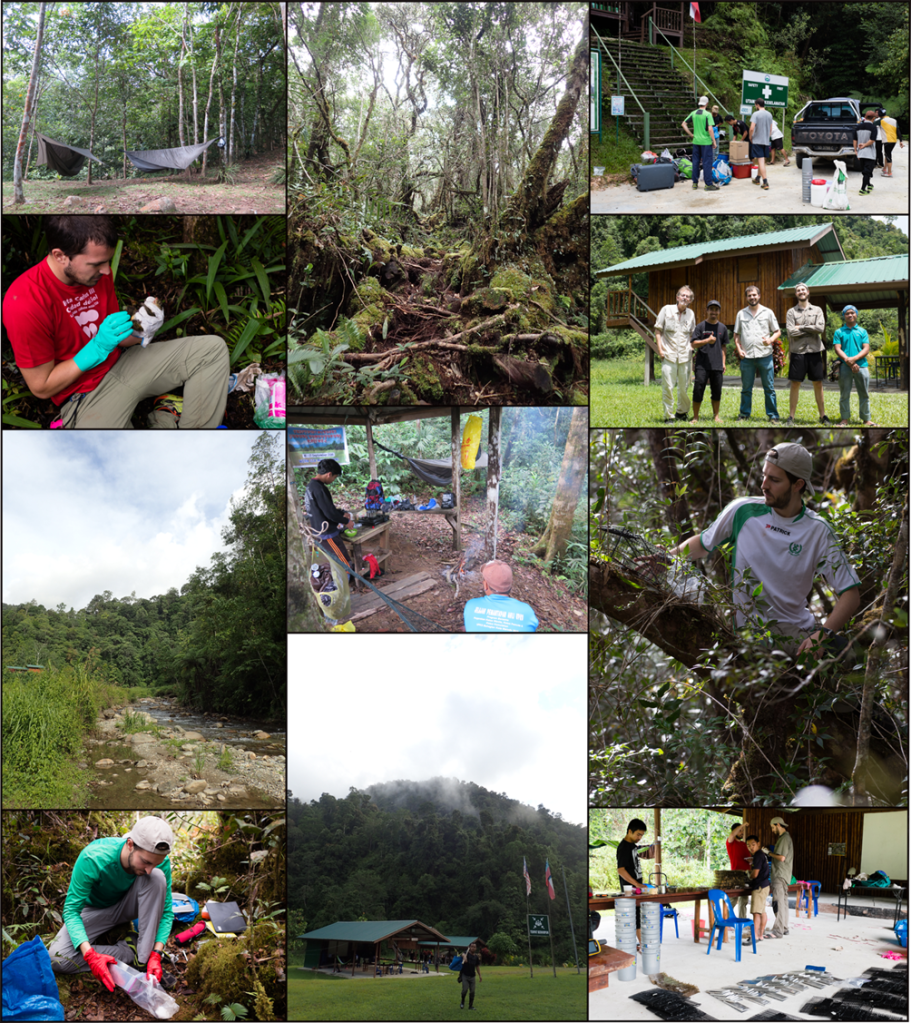
Pictures highlighting the logistics, camp/sampling sites, live traps, small mammal sampling, and participants of a biological survey in northern Borneo. Photo Credit: Daniel Hinckley and Arlo Hinckley.

#ChiefEditor #Resign @jbiogeography

After almost four years as Editor-in-Chief with the Journal of Biogeography, I have decided to step down. For the most part, these have been four productive years. We did a lot (see “accomplishments” below), working with a truly tremendous team of editors, and good support at the time from our colleagues at Wiley. But there is still much more to do. The challenge (see “challenge” below) — and ultimately the reason why I decided to step down — has been that changes at Wiley mean it is becoming harder to do the new stuff we felt as an editorial team that we needed to do, to support authors, to help effect real change and make step advances in the discipline. But it is becoming increasingly hard to stave off the undesirable consequences of the primary motivations of the the for-profit scientific publishing industry.

Our accomplishments since fall 2019. In no particular order, we:
– introduced a new article type (Letters) for short influential reports
– introduced ‘fast-track’ review, i.e. considering reviews and editorial decisions from prior journals to speed decisions and reduce editor and reviewer burden
– likewise made permission for sharing Journal of Biogeography‘s editorial decisions and reviews with other journals the default if authors wished to try fast-track submission elsewhere
– published special issues on Macroecology in the Age of Big Data and on Geogenomics
– published a virtual issue on Women in Biogeography and on Global Biogeography
– kicked off the 50th Anniversary year with virtual collections of the most cited articles of the past 50 years (vol_1, vol_2)
– established the Journal of Biogeography Innovation Awards, winners of which can be read at https://onlinelibrary.wiley.com/doi/toc/10.1111/(ISSN)1365-2699.Innovation-Awards

We also invested in our community. We:
– started the Editorial Academy (2020, 2021),
– began reporting on our diversity achievements and goals,
– started a fund for biogeographers from under-represented regions in honor of the late Judith Masters, and
– introduced small grants for global colloquia, of which we have funded two so far: one on Rethinking Dispersal-related Traits and another on The Biogeography of the Carpathians.

And we tried to be more connected, doing a better job of communicating biogeography, and providing a little added value:
– re-introduced author’s imagery on the front cover to highlight intriguing articles in each issue, these cover articles were made free to read (for two years),
– all Editors’ Choice articles also were made free to read (for two years),
– started this blog, and facebook and instagram accounts, and grew our presence on twitter, all run by our new and very capable social media editors and featuring primarily early career researchers.

In the next issue, we look forward to building on these accomplishments, introducing two new special sections
Reshaping Biogeography, a suite of papers reflecting on the advances in and the future of biogeography, and
Global Biogeography, to begin to address global issues of inclusion that will improve the discipline.

In addition, we kept the fundamentals going: we published over 200 articles per year, solicited high quality reviews, updated our scope, and increased the journal’s impact factor. We completed the transition started years before that every article required data to be deposited in an open repository before publication. And we also required every article to make a statement about permits in a more explicit attempt to support the Nagoya protocol.

Challenges ahead

In light of all those achievements, it might seem odd that I have decided to step down from the Journal of Biogeography (JBI). Why the change of mind?

I joined JBI after a long stint as deputy editor-in-chief at Frontiers of Biogeography, a society journal published by eScholarship with very low article processing charges. In many ways, it represents the best of scientific publishing. Coming from that background, the challenge joining Journal of Biogeography was, in part, to see whether we could work with new partners in Wiley to make big publishing a better place for biogeographers. Remember, the furore at Diversity and Distributions was still fresh in everyone’s minds. Perhaps I was naïve, but as mentioned above, we have done some good things at the journal over the years. However, recently, the orientation of Wiley to the journal became less collaborative and seemed to emphasize cost-cutting and margins over good editorial practice, a robustly supported journal, and accessibility for all biogeographers.

My main concerns were (and are) that Wiley is no longer willing to even try to explore productive solutions to a suite of current or upcoming challenges facing the journal (quoting from my resignation letter):
“- limitations of proposed targets for growth of the journal, transfer pathways, etc
– strategy for maintaining/increasing the quality and reach of the journal,
– strategy for supporting an effective ‘global biogeography’ initiative,
– concerns about equity and inclusion around flipping the journal to OA
– appropriate recompense for AEs, dEiCs, EiC,
– approaches to the journal that can support and enhance scientific community and thus improve the journal’s long-term prospects.”

In trying to initiate discussions with Wiley about these issues, and being rebuffed multiple times, I came to the conclusion that the opportunities for improvement at the journal that appeared available until late-2022, had receded. What Wiley has failed to understand is that our interests are their interests. These issues seemed symptomatic of larger problems with the for-profit scientific publishing industry. I concluded I could do more by leaving than by staying.

If you’d like to make positive change, here are some ideas.

McGill, B., M.B. Araújo, J. Franklin, H.P. Linder & M.N Dawson. (2018) Writing the future of Biogeography. Frontiers of Biogeography 10:e41964.  https://doi.org/10.21425/F5FBG41964

Peterson, A., R. E. Glor, & J. Soberón (2019). More on the future of publishing in biogeography. Frontiers of Biogeography, 11(1). http://dx.doi.org/10.21425/F5FBG42880 Retrieved from https://escholarship.org/uc/item/9vx8m3qf

If you’d like to learn a little more about some of these issues, here are a selection of additional editorials we’ve published over the years that address some of these topics.

Dawson, M.N., T. Gillespie, V.V. Robin, K.A. Tolley, & T. Vasconcelos. (in press) The Global Biogeography Initiative. Journal of Biogeography 50:xxxx-xxxx.

Dawson, M.N. Celebrating Judith Masters and introducing a memorial fund to support scholars underrepresented in biogeography. (in press) Journal of Biogeography 50:xxxx-xxxx.

Dawson, M.N. (2023) Our debt to reviewers. Journal of Biogeography 50:41-42.

Dawson, M.N, R.A. Correia, & R.J. Ladle. (2023) Five decades of biogeography: a view from the Journal of Biogeography. Journal of Biogeography 50:1-7.

Meynard, C.N., G. Bernardi, C. Fraser, J. Masters, C. Riginos, I. Sanmartin, K.A. Tolley, & M.N Dawson. (2021) Women in Biogeography. Journal of Biogeography 48:2117–2120. https://doi.org/10.1111/jbi.14223

Hortal, J., C. Meyer, D. Bourguet, & M.N Dawson. (2019) Slow publishing in the age of ‘fast food’.  Frontiers of Biogeography 11.2, e42697. doi:10.21425/F5FBG42697

And there is a burgeoning literature — and media coverage — on challenges to and disruption in scientific publishing. Their effects are far reaching.

Look around, get informed, and form your own appraisal. #BetterPublishing #JBI


ECR feature: André Luís Luza

André Luís Luza is a postdoc at Universidade Federal de Santa Maria, Brazil. He is an ecologist with special focus on community ecology, macroecology, and macroevolution. Here, André shares his recent work on functional diversity patterns of reef fish, corals and algae.

André Luís Luza is currently a post-doctoral researcher at the Universidade Federal de Santa Maria – Rio Grande do Sul/Brazil.

Personal links. Twitter | Personal Website

Institute. Department of Ecology and Evolution, Universidade Federal de Santa Maria, Brazil

Academic life stage. Postdoc

Major research themes. I study community ecology, macroecology, and macroevolution, with a strong focus on integrating theoretical frameworks and methodological approaches from these fields. My primary interest lies in investigating how past and present dynamics shape current biodiversity patterns.

Current study system. Shallow-water reefs occur along the coastal tropical and subtropical areas of the global ocean and support a multitude of unique interactions among organisms and between organisms and their environment. Brazilian shallow-water reefs form an interesting and often intriguing study system, especially due to their unique evolutionary history. Isolated from the Indo-Pacific and Caribbean reef biodiversity hotspots for over 3 million years, these reefs have evolved distinct patterns of endemism, species richness, and trait diversity. The influence of freshwater and sediment discharge from the continent’s large rivers adds further complexity. Despite their remarkable characteristics, the geographical patterns of reef diversity in the Brazilian Biogeographical Province and the underlying driving factors are yet to be fully understood.

Recent JBI paper. Luza, A. L., Aued, A. W., Barneche, D. R., Dias, M. S., Ferreira, C. E. L., Floeter, S. R., Francini-Filho, R. B., Longo, G. O., Quimbayo, J. P., & Bender, M. G. (2023). Functional diversity patterns of reef fish, corals and algae in the Brazilian biogeographical province. Journal of Biogeography, 50, 1163– 1176. https://doi.org/10.1111/jbi.14599

Motivation behind this paper. Our recent paper was motivated by two main factors. Firstly, while interactions between organisms and environmental gradients can generate spatially congruent patterns of diversity across reef ecosystems, this aspect had not been evaluated for fish, corals, and algae in the Brazilian reefs. Secondly, we aimed to address a gap in the understanding of functional diversity patterns by assessing spatial congruence among distantly related groups. Traits such as size, morphology, feeding behavior, and mobility play a vital role in how organisms associate and respond to the environment. Thus, our study aimed to fill this knowledge gap in this extensive biogeographical province using a trait-based approach.

Reef fish, including endemic parrotfishes (Labridae family), sharing the seascape and interacting with algae and endemic corals in the Abrolhos Bank, northeast Brazil. Reefs in Brazil develop under turbid and nutrient-rich waters, producing unique assemblages of species. Photo credit: João Paulo Krajewski

Key methodologies. Our recent paper was developed as part of an ecological synthesis working group called ‘ReefSYN’ (SinBiose, CNPq). The ReefSYN collaborators collected and compiled occurrence data and functional traits of fish and benthic reef organisms along the Brazilian coast and oceanic islands. This unprecedented effort in building comprehensive databases and conducting cross-taxon analyses enabled us to assess diversity patterns in Brazilian reefs using spatially replicated local data.

To assess spatial congruence, we employed Bayesian multivariate linear models, which are particularly suitable and innovative. These models allowed us to simultaneously evaluate: i) the spatial correlation between the functional diversity of reef fish, corals, and algae; ii) the influence of various factors (such as sea surface temperature and species richness) on the functional diversity of each group; and iii) the residual spatial correlation after accounting for these factors.

This approach enabled us to determine whether the existing congruence was driven by the modeled factors or by unaccounted variables. By leveraging these methodologies, our study provided new insights into the patterns of spatial congruence and the underlying drivers of functional diversity in Brazilian reefs.

Feeding aggregation of coney (Cephalopholis fulva, Epinephelidae family) in tropical rocky reefs of Fernando de Noronha Archipelago, northeast Brazil. Photo credit: João Paulo Krajewski.

Unexpected challenges. During our research journey, we encountered unexpected outcomes and challenges that enhanced the depth of our scientific inquiry. Matching occurrence and trait data for different organisms and conducting analyses across distantly related groups proved to be challenging. The sampling of reef fish and benthic organisms was carried out by separate teams, using different methods, which resulted in data being organized in various formats. Standardizing these datasets for interoperability required a collaborative effort and an exploration of the field of data science. Analyzing the functional diversity of distantly related groups presented another challenge, as organisms separated by significant phylogenetic distances share few common traits. Furthermore, the resolution of traits was higher for fish compared to corals and algae. To overcome these challenges, we delved into trait-based approaches, leveraging available traits to facilitate meaningful comparisons of functional diversity patterns across groups. These unexpected outcomes and challenges enriched our research journey, compelling us to employ innovative solutions and embrace interdisciplinary approaches to unravel the complexities of the Brazilian reef ecosystems.

Major results. The major finding of our recent paper reveals the spatial correlations in functional diversity among reef fish, corals, and algae in the Brazilian Province. Interestingly, we discovered weak to intermediate correlations in the patterns of functional diversity across these groups. Additionally, these patterns deviated from the classic latitudinal diversity gradient observed in other regions. Sea surface temperature (SST), species richness, and regional factors were identified as key determinants that influence the spatial correlations in functional diversity. Our study contributes to the field by shedding light on the factors that underlie the spatial congruence between groups of organisms. We demonstrate that both present factors (SST and species richness) and past factors (region) play crucial roles in shaping the observed spatial patterns. Importantly, we highlight the vulnerability of reef functional structure to cumulative anthropogenic impacts, such as climate change, pollution, and overfishing. These impacts have the potential to disrupt species composition, alter environmental gradients, and affect functional redundancy, posing a threat to the overall resilience of reef ecosystems.

The fire coral Millepora alcicornis and the Queen angelfish (Holacanthus ciliaris) in Abrolhos reefs (Brazil). Photo credit: João Paulo Krajewski.

Next steps for this research. The discovery of an overall low to intermediate correlation in functional diversity among reef fish, corals, and algae opens up intriguing avenues for future research. We aim to delve deeper into understanding the factors that have shaped this congruence and explore the functioning of these ecosystems, despite the weak relationships between organisms. Our next steps involve investigating the presence of ecological engineers or keystone species that drive crucial ecological fluxes and nutrient cycling, as well as their spatial distribution within the reefs. Additionally, we aim to assess the vulnerability of these key species to the impacts of climate change. Can Brazilian reefs simultaneously provide multiple ecosystem functions and services, despite low ecological congruence? These questions remain open and will guide our future investigations.

If you could study any organism on Earth, what would it be? If I were given the opportunity to study any organism on Earth, I would choose to concentrate on extinct organisms, specifically fossils of vertebrates. Fossils offer invaluable insights into the ecological and evolutionary processes that have shaped the patterns of biodiversity we currently observe. For instance, through the examination of fish fossils in conjunction with phylogenetic analyses, we can enhance our understanding of the mechanisms that underlie the weak association between reef fish and benthic organisms in the Brazilian province. This multidimensional approach would enable us to uncover the ecological and evolutionary dynamics that have influenced present-day reef ecosystems.

Anything else to add? In my journey as a biologist, I initially focused on studying non-volant small mammals in grassland and forest ecosystems, starting from my undergraduate years in Biology back in 2010. While collaborating on various research projects involving birds, amphibians, and mosquitoes, I had never worked with marine organisms before joining ReefSYN as a postdoctoral researcher in 2020. This presented an exciting challenge for me as I delved into the fascinating field of reef ecology. It wasn’t until March 2023, three years after becoming part of the ReefSYN working group, that I had my first diving experience. Currently, my research is centered around a project that combines macreecology, macroevolution, and paleontology. The project aims to unravel the mechanisms driving the emergence of the first mammals and understand the consequences of the Triassic-Jurassic extinction event. By bridging these disciplines, we hope to shed light on key evolutionary processes and their impact on the diversification of life.