Tracing plant dispersal into the Pacific

Of fruits, seeds, and vectors – biogeographic processes and the impact of long-distance dispersal.

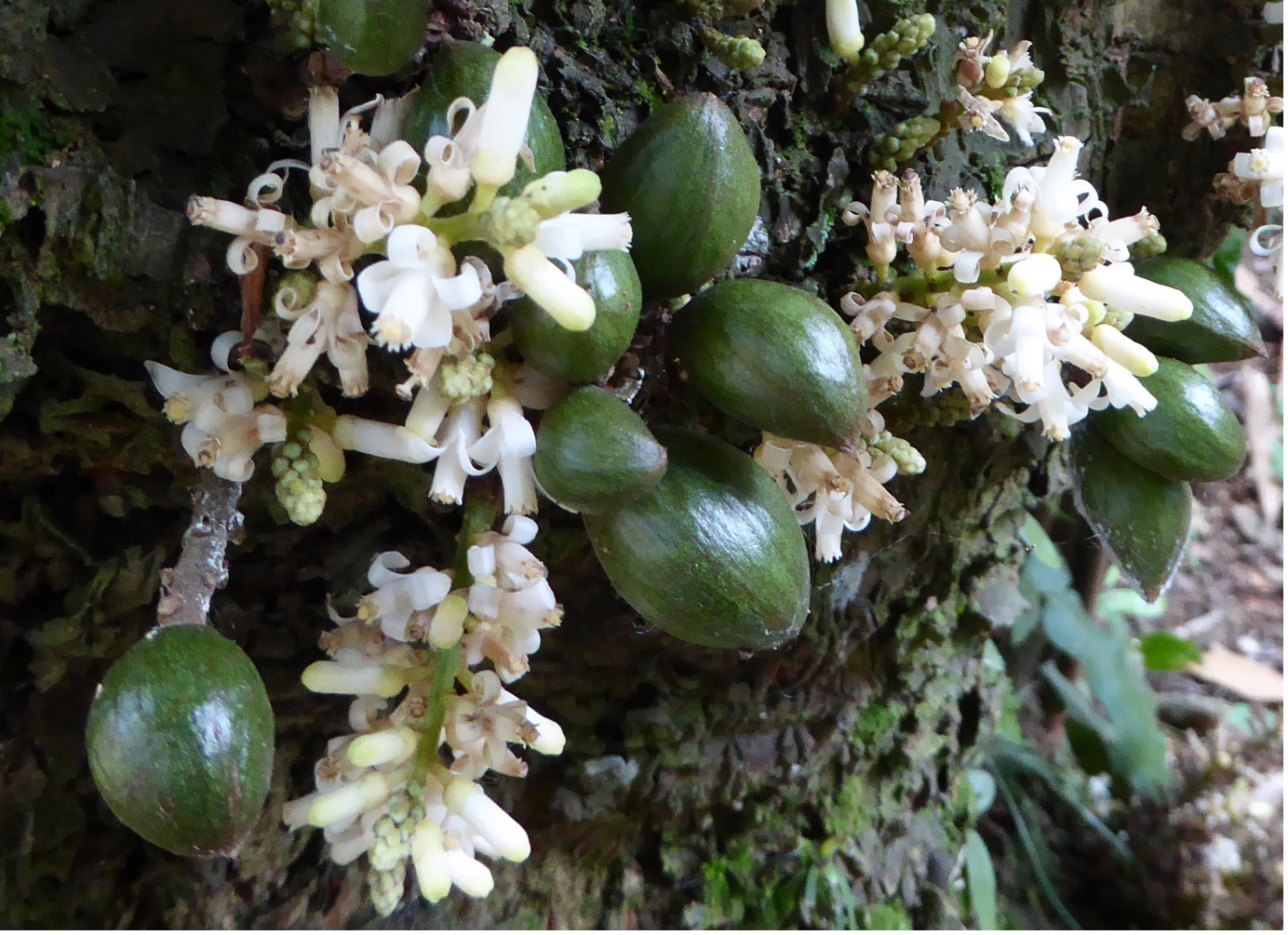
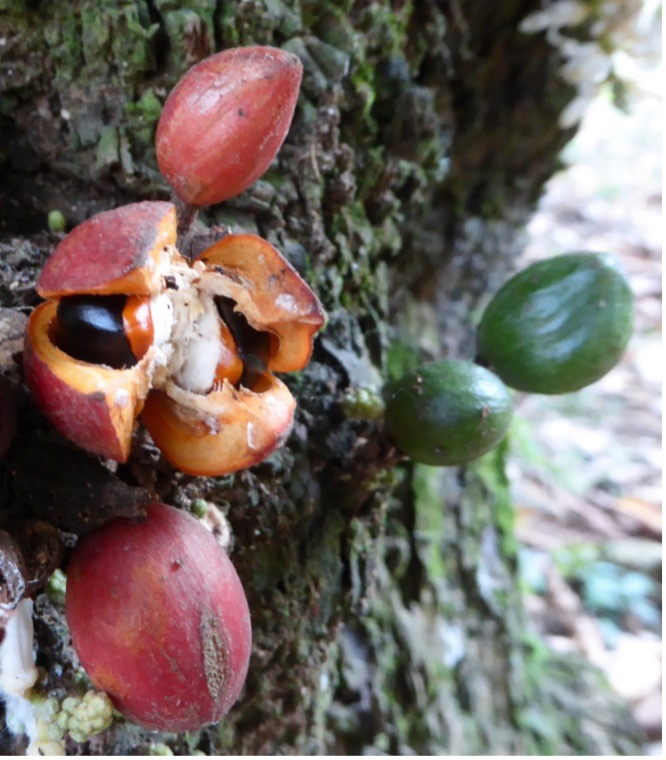
Above: Fruits and flowers of Epicharis cuneata (Hiern) Harms, which is a rainforest tree species from the Meliaceae. Photo credit: Alexandra N. Muellner-Riehl.

This study started with the aim to investigate the biogeographic history of Dysoxylum s.l., a polyphyletic group of rainforest trees in the Meliaceae. The distribution of genera lent itself for two main investigations: (1) whether Dysoxylum s.l. follows the known directional bias (West to East) of the Sunda-Sahul floristic exchange, and (2) by which means Didymocheton achieved its current distribution in the Southwest Pacific. As for the Sunda-Sahul floristic exchange, this study greatly profited from previous research, while plant dispersal in the Southwest Pacific is still insufficiently known. From this starting point, our focus also extended to the underlying biogeographic processes and testing the impact of long-distance dispersal.

Cover article: (open access)
Holzmeyer, L., Hauenschild, F., & Muellner-Riehl, A. N. (2023) Sunda–Sahul floristic exchange and pathways into the Southwest Pacific: New insights from wet tropical forest trees. Journal of Biogeography 50(7), 1257-1270. https://doi.org/10.1111/jbi.14606.

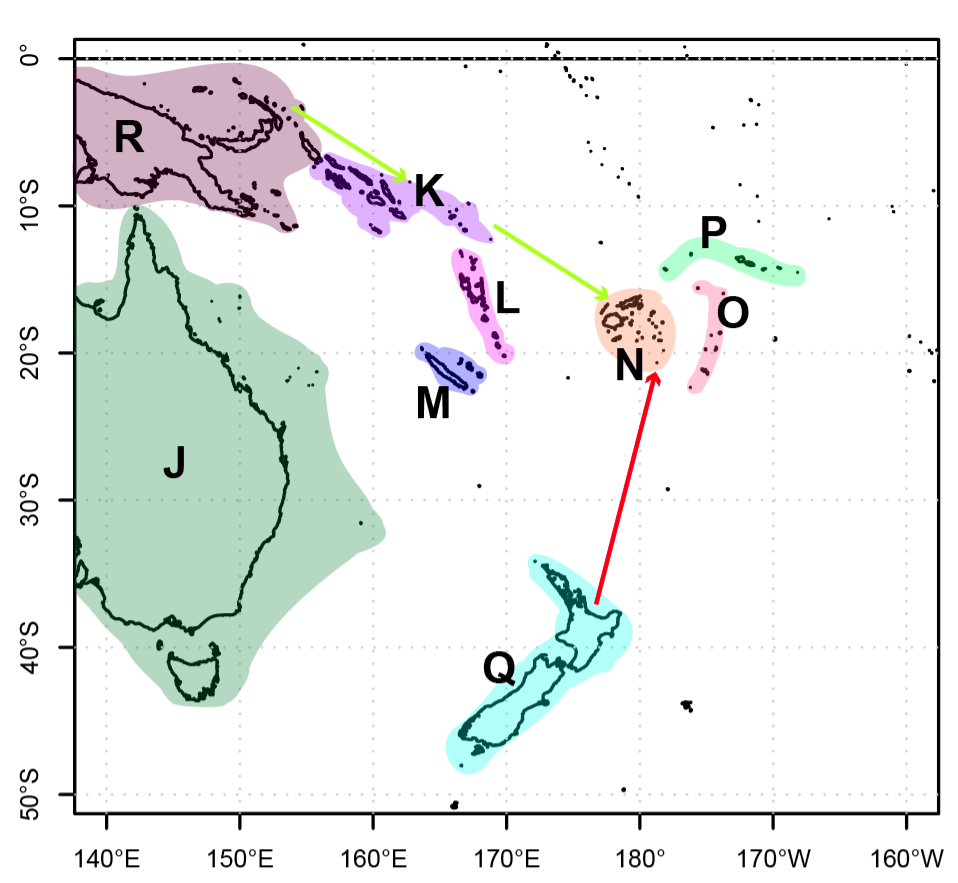
Two dispersal routes were identified into the Southwest Pacific, from New Guinea through the Solomon Islands to Fiji, and from New Zealand directly to Fiji. While dispersal out of New Guinea is rather frequent, dispersal out of New Zealand was observed only once. Our insights on dispersal routes supported the impactful position Fiji holds as a secondary source for dispersal events in this region.


Area map displayed in Mercator projection. J: Australia, Asia, Africa, South America (non-Pacific); K: Solomon Islands; L: Vanuatu; M: New Caledonia; N: Fiji; O: Tonga; P: Samoa and Wallis et Futuna; Q: New Zealand; R: New Guinea. Arrows indicating the two dispersal routes identified by AAR.

While looking for information on dispersal vectors, I was astonished by the scarcity of species information on bird dispersers of Dysoxylum s.l. In order to better understand Pacific plant dispersal processes and routes, the relationship between fruits and seeds and their dispersal vectors needs to be studied in the future.


Fruits of Epicharis cuneata (Hiern) Harms. Photo credit: Alexandra N. Muellner-Riehl.

Written by:
Laura Holzmeyer
Department of Molecular Evolution and Plant Systematics & Herbarium (LZ), Institute of Biology, Leipzig University, D-04103 Leipzig, Germany

ECR feature: Anne Thomas

Anne is a postdoc at the Laboratoire d’Ecologie Alpine, CNRS, France. She is an ecologist studying at the intersection of phylogenetics, biogeography, and climate change. Both in prose and verse, Anne shares the history of New Zealand’s largest plant radiation.

Anne hugging a hebe in the subalpine tussock grassland of the Rock and Pillar range in Otago, NZ.

Personal links. Twitter | Substack

Institute. Laboratoire d’Ecologie Alpine, CNRS, France.

Academic life stage. Postdoc.

Recent JBI paper. Thomas, A., Meudt, H. M., Larcombe, M. J., Igea, J., Lee, W. G., Antonelli, A., & Tanentzap, A. J. (2023). Multiple origins of mountain biodiversity in New Zealand’s largest plant radiation. Journal of Biogeography, 50(5), 947–960. https://doi.org/10.1111/jbi.14589

Uplifting Plants: How Mountains Generate Plant Diversity.

Mountains all over the world are known as biodiversity hotspots. New Zealand’s largest group of endemic plants, flowering shrubs called hebes (genus Veronica), has over 120 species, most of which live in mountain habitats in New Zealand’s Southern Alps. DNA evidence suggests the group is only around 6 million years old—relatively young on an evolutionary timescale—but hebes have surprisingly diverse forms. They range from small trees with long, narrow leaves, to dense shrubs, to cushion plants that only grow in the high alpine zone. Can their preferred mountain habitats explain how hebes evolved so much diversity in so little time?

I explored this question in my PhD research, but also through poetry. Before delving further into the scientific take on mountain diversity, here’s a poem to give us a look at the diversity of hebes in situ.

Field Guide to New Zealand Veronica

Hunting hebes,
you climb east-facing cliffs
scramble rocky river gorge
hike to treeline through sparse mountain scrub.

Phyllotaxis: decussate
that is, look for
leaf pair
rotate right angle
leaf pair
again, again, again,
squared-off spiral up the stem
jazzy ladder
to diamond leaf bud
waiting to spring and spread
into more rungs.

Find rock shelf, crevice, seepage
pick your way up scree slope
look for limestone outcrop
or margins of ephemeral alpine pool.

Inflorescence: simple lateral raceme of
crowded, spiralled,
pedicellate flowers

that is, find
fountain and froth of flowers
four white lobes
framing demurely the shock
of hot pink anthers
where the pollen calls
and the green-nestled ovules
waiting to swell
into capsuled fruit.

Range through fellfield, herbfield
streamside, rockslide
tussock grassland, cloud forest
coastal bluff, bare greywacke
road cutting, bog, sand, beech shade, snowbank—

Take the leaf-ladders
and the froth-flowers
and the rock-hound roots
shrink them to cushions
spin them out to long-leafed trees
round them down to springy shrubs
press them into rawhide whipcords
spread them through golden grass
tuck them into cracks—

huddle in the cold, reach for the light
wander alone between rock walls

for six million years
and find
one-hundred-and-more
variations on a theme.

If you loved rock and light like a hebe
with all New Zealand to hide in,
where would you go?
What would you be?

Phyllotaxis: decussate

Some of the hypothesized reasons for high mountain diversity in places like the Andes and Himalayas are centred on the habitat: high heterogeneity, barriers to gene flow between populations, and novel, harsh conditions that allow suitably adapted plants to escape competition. These conditions could encourage speciation within mountains. However, the diversity could also come from surrounding areas, transferring to the mountains through colonization. In New Zealand, the estimated origin of the Southern Alps is several million years after that of the hebes, with relief beginning to form around 4 million years ago and a persistent alpine zone around 1.9 million years ago. When the possible ancestor of the hebes arrived in New Zealand, the land was most likely still very flat (a “peneplain”). This makes the hebes a useful case study for teasing apart in situ diversification and colonization as drivers of mountain diversity.

To do this, I first inferred the evolutionary relationships of hebe species with a time-calibrated phylogeny estimated from dozens of genes. This poem gives an idea of what that process is like:

Phylogeny, or A Leaf Has a Long Memory

Look at this leaf
   firm on its springy stem
      squeezed where a seed lodged
         in a limestone crack after a capsule 
             popped on the plant rooted in rock above
                 where a bee brought pollen from over the cliff
and the chromosomes found each other.

Pluck this leaf
   to harvest chromosomes coiled with
      leaf-code, stem-code, rock-rooting code
         an inheritance latticed with accidents: 
            A flipped to T, G slipped to C, refolded proteins 
               or silent jots-become-tittles tell the story
to be laid open in the leaf.

Look at this leaf
   crushed to dust in the test tube
      ready for the chemical alchemy
         of centrifuge and pipette, enzyme and heat:
             essence unfurled, swirled, chopped and copied
               until a mountain is made of a molehill
of leaf-letters.

Trace the branches
   spun from crushed leaves and leaf-letters
      and mathematical model ticking back time
         pressing into lines the slow drama of glaciers
            calving and halving ranges, the bee-flow of pollen,
               chromosomes doubling, leaves finding new shapes
and new branches on the family tree.

Look at the letters
   aligned and inscrutable on the screen
      pieced together by computer algorithm
         sleuthing the deep-buried footnotes of leaf—
            ribosome, hormone, the space between—
               leaf-cousin by leaf-cousin, their cascade of edits
sifted side-by-side into snippets of sense.

A leaf has a long memory.
We do our best to tease it free.

After estimating when species formed, the next step is to reconstruct where they might have formed. With the phylogeny telling us about the past and a map of species telling us about the present, we can do some math to predict the most likely path the ancestral species would have taken through the landscape to arrive at their present distributions. This is historical biogeographical modelling.

My models showed that the core group of hebes, to which most of the species belong, didn’t arise until their common ancestor colonized the newly rising mountains, followed by a surge of speciation. Their evolution was indeed linked to the new mountain habitat.  The surprising thing was that even though the mountains kept rising, the rate of new species didn’t. When the mountains rose high enough for there to be a treeless high alpine zone, most species successfully expanded their range to live in that new habitat. However, only a few species split off into new specialist alpine species, and the rest were happy continuing to live in both the subalpine and the alpine zones without forming many new species. This could indicate that the first successful species outcompeted any new species that tried to form.

This pattern could also have implications for the future. I’ve been talking about broad evolutionary time: millions of years. There was a lot of change in this time—not only the mountains rising but also fluctuations in climate. There were warm and cold periods and glacial advance and retreat, which created extra challenges and opportunities for hebes in the mountains. Clearly, a lot of them were able to survive, but there were likely others that didn’t. Now we’re facing a period of unprecedented climate change. In another few million years, the New Zealand flora will inevitably look different. But the question for the immediate future is, how much evolutionary potential in the diversity we have now might be lost to the speed of environmental change? The generalists with wide ranges might survive, but they also might push out the species specially adapted to the coldest zones, the cushion plants and whipcords. Or they might be pushed out themselves by plants from even warmer areas.

I’ll leave you with a poem that imagines the perspective of one of those alpine plants.

Alpine Elegy

I am alpine.
I hunch and hug the ground
where the wind sears
and summer is too cold for trees.
I like it here.
I’m found nowhere else.

My ten-millionth-great grandparents
clung to coastal rocks
when the land was low and warm
blanketed in beech shade.
Lifting land meant shifting luck
for their children:
new rocks, wind, and light.
They climbed.

After mountains rose, 
glaciers descended.
My ancestors were ice-dodgers
as the crush heaved down and up
their home-slopes.
They sent out seeds
with luck and pluck.
Some survived.

It’s been quieter.
For ten thousand generations
my kin and I have calibrated
to this high band of land,
its stable chill, its harsh peace.
The alpine made us.
We made it our own.

But I sense change in the wind—
winter losing its edge
snow blanket growing bare
shady strangers creeping in
no longer kept at bay by freeze.
I will my children upslope.
I hope I gift them lucky genes.

And when they find only sky?

Hebes, Veronica section Hebe species. Flowers (top left), showcases fruits after seeds have been released (bottom left), species with a whipcord habit (centre), apical leaf bud (top right) and tree habit and unripe fruit (bottom right).

Do bats follow the ‘island rule’?

The search for a yardstick to gauge geographic variation in a taxonomic context yielded answers to broader biogeographical questions

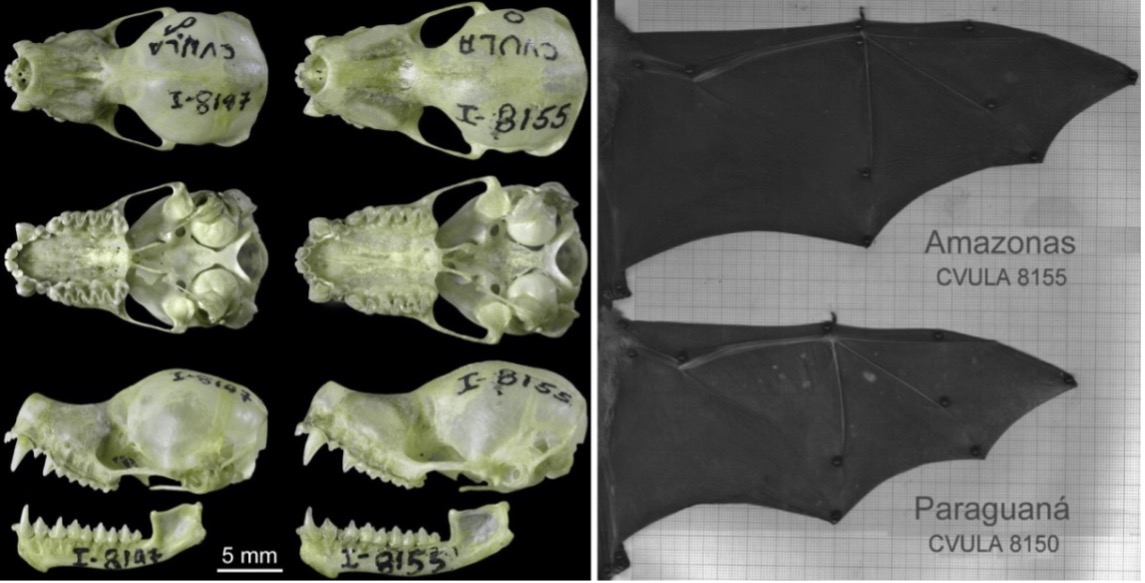
Above: Geographic variants in the Allen’s common moustached (Pteronotus fuscus). Left, cranium and mandible of a specimen from Paraguaná Peninsula (CVULA 8197). Center, cranium and mandible of a specimen from Venezuela south of the Orinoco River (CVULA 8155). Right above, wing of CVULA 8155. Right below, wing of another specimen from Paraguaná Peninsula (CVULA 8150).

Islands come in many sizes, ages, and kinds: from small to large; old to recent; isolated or part of archipelagos; continental or oceanic; and combinations thereof. On continents, there are also the so-called ecological islands—e.g. unconnected habitat patches, caves, and lakes—including ‘sky’ islands (mountainous areas surrounded by drastically different lowland environments) that also vary in size, age, and degree of isolation. Marine organisms, particularly those inhabiting isolated benthonic patches, have been postulated to be insular. The barriers that separate islands hamper gene flow thus are a major cause of speciation worldwide.

Since Darwin’s time, botanists and zoologist have been busy describing and cataloguing insular biodiversity, and islands have been fundamental as natural laboratories to study evolution. In the 1960’s, these efforts flourished in the form of the MacArthur-Wilson Equilibrium Theory of Island Biogeography, which postulated that the number of species on an island is related to its area, its distance from the mainland, and its balance between immigration and extinction. In the 1970’s, the ‘island rule’ was formulated, postulating that after colonizing islands animals become smaller if they were large and larger if they were small on the mainland; that is, it is predicted that they will converge to ‘optimal’ intermediate sizes thanks to the release from mainland predators and competitors failing to colonize the same islands.

I am a zoologist from Venezuela, a megadiverse country in northern South America. My interests include the taxonomy of Neotropical mammals, especially bats. In this and other animal groups, the degree of continuity and magnitude of geographic variation are of paramount importance to decide how many species and subspecies need to be recognized, or be included in conservation plans. One of the greatest complexities of taxonomic work involves deciding consistently how much geographic variation is sufficient to be formally reflected in scientific nomenclature. Thus taxonomists can be characterized as individuals who are perpetually searching for, refining, and applying morphological yardsticks to gauge geographic variation in their study organisms. I became interested in the island rule as part of this search.


Geographic variants in the Allen’s common moustached (Pteronotus fuscus). Above, typical specimen from the Venezuelan mainland. Below, specimen from Paraguaná Peninsula, in northwestern Venezuela.

Island rule studies caught my attention not only because they deal with geographic variation, but also because their fundamental metric, namely the size ratio between the members of the allopatric populations being compared, could be the yardstick that I needed. As I familiarized myself with the theme, I met a number of problems. First and foremost, despite the availability of information, no comprehensive study of the island rule existed for bats. Second, most island rule research was devoted to the comparison of island organisms with their mainland relatives, thus largely ignored within-mainland and inter-island size variation, which are relevant not only to taxonomy, but also as a frame of reference for the island rule itself. Third, bat taxonomists do not generally use body mass as a character to differentiate species; instead they use cranial and wing measurements because they are more constant. Body mass—in order to increase sample size, often inferred from diverse linear measurements—is the dependent variable generally used in island rule research. Thus most information found in island rule literature was inapplicable to taxonomy. To fill these gaps, I initiated the study on bats that has just been published in the Journal of Biogeography.

Editors’ choice / Cover article: (Free to read online for two years.)
Molinari, J. (2023). A global assessment of the ‘island rule’ in bats based on functionally distinct measures of body size. Journal of Biogeography, 50. https://doi.org/10.1111/jbi.14624 

The search for a morphological yardstick was successful. This is exemplified by the Allen’s common moustached bat (Pteronotus fuscus). Although allopatric populations of this species—or species complex—were known to differ substantially in cranial and wing dimensions (see figures above), now we can affirm that such morphometric variation is unusual, overall the greatest of the 251 bat species included in the study.

The results of the study transcended the initial goal of finding a yardstick to gauge geographic variation, and were amenable to address broader biogeographic questions. Thus I tested:

1) Whether bats follow the island rule, which has previously been concluded to be pervasive in mammals and other vertebrates. I found this not to be the case. The most likely explanation for this exception is that bats do not follow this rule owing to limitations imposed by flight and echolocation.

2) Whether on islands bat body sizes converge to intermediate supraspecific optima, as predicted by theoretical studies. I concluded that this is not the case and that instead sizes converge to species-specific optima, as the general pattern of geographic variation in bats—which appears to be dependent on ecological niches rather than on adaptive zones—would suggest.

3) Whether bats would be ranked in a similar order by skull size, by wing dimensions, and by body mass. Again, I also found this not to be the case. The most likely reason is that the three size measures are functionally distinct—being respectively most relevant to the feeding, movement, and physiological ecology of bats)—thus are subjected to different selective forces.

4) Whether a bias has existed to give formal taxonomic recognition with greater frequency to bats distributed across mainland-to-island ranges than to those distributed across island-to-island or within-mainland ranges. I concluded that this is the case. The explanation is that, owing to the long-standing fascination exerted by islands on evolutionary biologists, there has been a high level of interest in describing morphological differences between island species and their mainland counterparts.

Where do we go from here? In 2006, Mark Lomolino, a pioneer of island rule studies, and his collaborators, proposed a research agenda calling for the use of a comparative approach expanded to include a greater diversity of species, to test the island rule and other ecogeographic patterns and their exceptions. This agenda remains fully valid today. More ecogeographic studies of all kinds of organisms are needed that address ordinal and familial level variation across different kinds of geographic range.

Written by:
Jesús Molinari
Zoologist and ecologist at the Universidad de Los Andes, Venezuela

Additional information:
Twitter: https://www.researchgate.net/profile/Jesus-Molinari

A glimpse into the past: complementary evidence for deciphering the history of an emblematic tree species

Long-term demographic processes of species leave behind traces in various forms, such as spatial genetic structure in extant populations and fossil remains in the ground. Combining these complementary sources of evidence from a dense sampling across the entire natural range of Swiss stone pine helped us to unravel the glacial history of this timberline species.

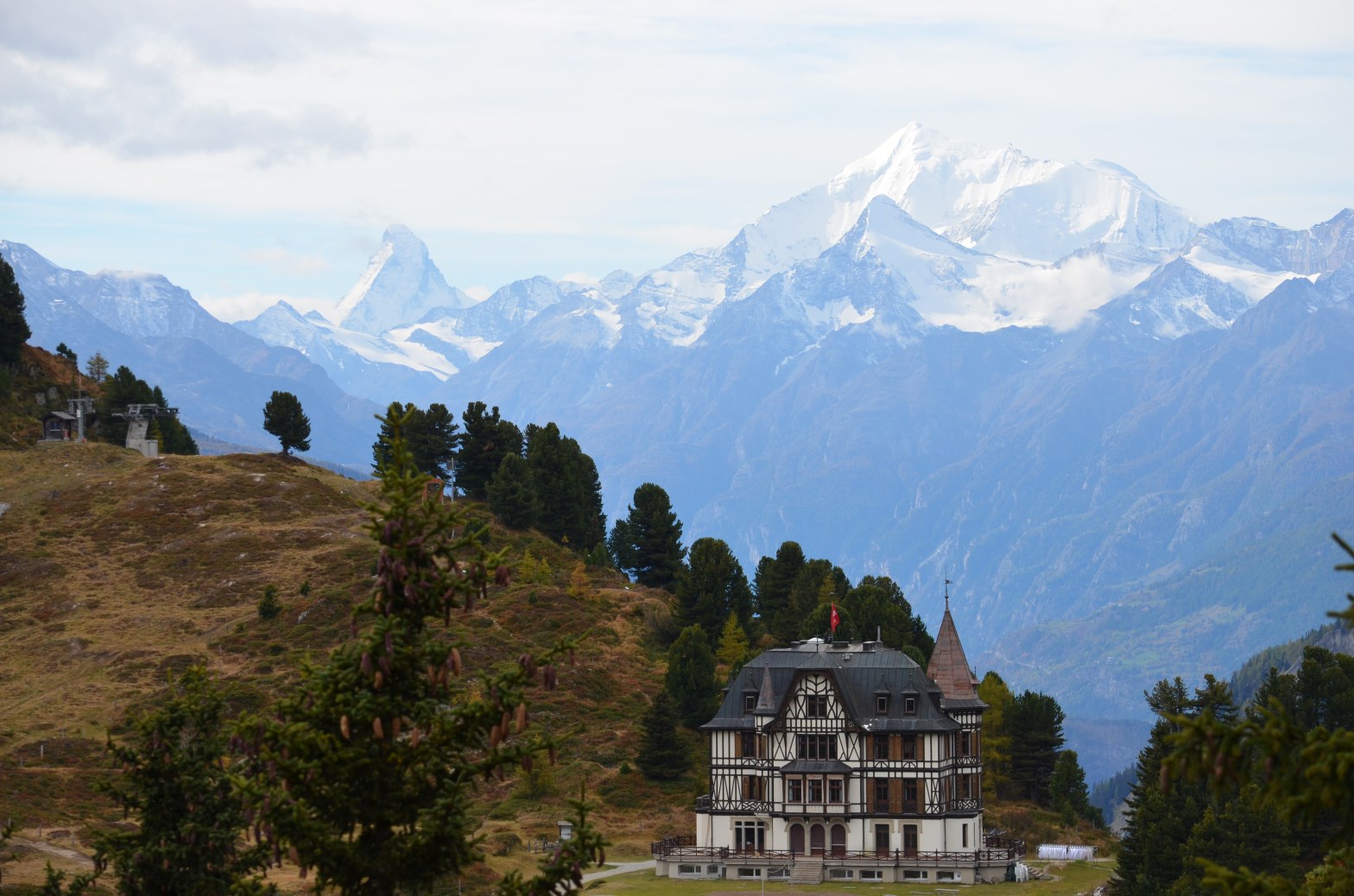
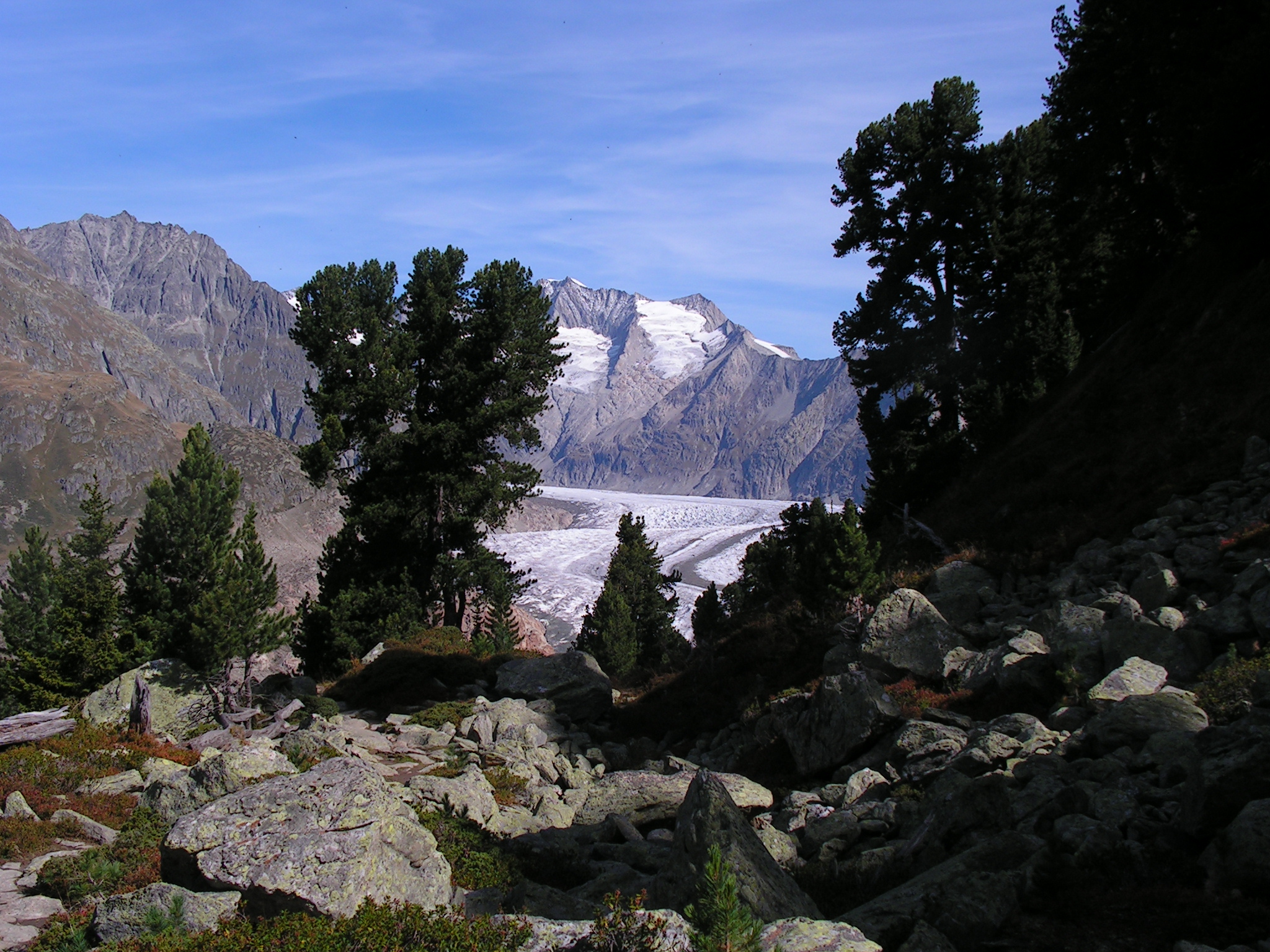
Above: Field site with a view: Swiss stone pine forest on Riederfurka above Aletsch glacier, with a historic monument in the foreground and geological monuments in the distance (photo: Felix Gugerli).

Imagine walking along the upper end of forest occurrence in the Alps or a similar high-elevation mountain system. Looking around, you will likely recognize certain imprints of former glacial activity, visible as remnant moraines and rocks showing glacier polish. These typical features of today’s alpine landscape remind us that this habitat was formerly ice-covered but has since been (re-)colonized by forest trees and their associated plants, fungi and animals. You might wonder how slow-growing, long-lived trees could swiftly cope with the long-term dynamics of past glacial–interglacial cycles by shifting their range to benign habitats outside their alpine terrain—and back again following the retreating ice cover.


Swiss stone pine (Pinus cembra), the emblematic tree species of the timberline ecotone, on the verge of the Aletsch glacier (Switzerland)—yet the largest, but also quickly melting body of ice in the European Alps (photo: César Morales-Molino).

Swiss stone pine (Pinus cembra) is an emblematic tree species with diverse and fascinating growth forms that reflect long-lasting endurance of extreme alpine weather conditions. This species occurs in a beautiful, almost mystical alpine landscape in the European Alps and in scattered places in the Carpathian Mountains, and it displays an intriguing interaction with nutcrackers that hoard its seed for winter food. How could such a species cope with moving to and fro its current habitat in response to shifting climates and glaciers? And how could we best decipher this demographic history using the material at hand? The extant trees reveal their population history through their genealogy: It is common routine to unveil demographic processes using genetic markers (phylogeography, demographic modelling). Similarly hidden information can be retrieved from remains of former occurrences, e.g., in lake sediments or even buried underneath now retreating glaciers: Here, we find fossil pollen deposits, or occasional macrofossils that provide evidence of immediate presence of a given species near the place of discovery. However, both approaches have their limitations: Genetic inference lacks precise dating or localization of the migration routes and of refugial areas, and palaeoecology does not disclose intraspecific differentiation to inform about which genetic lineage occurred at a given site in the past.

Cover article: (Open Access)
Gugerli, F., Brodbeck, S., Lendvay, B., Dauphin, B., Bagnoli, F., Tinner, W., Van Der Knaap, W.O., Höhn, M., Vendramin, G.G., Morales-Molino, C. & Schwörer, C. (2023) A range-wide postglacial history of Swiss stone pine based on molecular markers and palaeoecologicalevidence. Journal of Biogeography, 50, 1049–1062. https://doi.org/10.1111/jbi.14586

There are clear benefits if geneticists and palaeoecologists are teaming up. Both disciplines contribute their relevant share when it comes to deciphering the history of a species in a spatio-temporal context and provide complementary insights into the past. Doing this in a wonderful study system such as Swiss stone pine forest makes the (field)work even more appealing. However, sampling often comes with strenuous ascents to high-elevation forests, possibly hauling coring equipment to picturesque mountain lakes. But efforts are well compensated once floating on a coring platform or strolling among bizarre trees to collect needle samples for DNA extractions, with nervous nutcrackers croaking above your head fearing food theft. Not to mention the beautiful view to high-elevation, still glacier-covered mountains nearby. Such work resembles forensics: digging in the “dirt” to uncover the past through palaeoecological evidence in the ground, while conducting molecular-genetic lab work to derive testimonies left behind on the “crime scene”.


The European nutcracker (Nucifraga caryocatactes) is the predominant seed disperser of P. cembra. Cached seed that are not recovered and remain in the ground may subsequently germinate and establish to form the new Swiss stone pine generation (photo: Eike Lena Neuschulz).

Admittedly, the fun part stops once back in the labs—seemingly endless hours of identifying and counting pollen or macrofossils, thousands of pipette tips wasted. But the reward comes back once analyses shape the data piles into meaningful heaps and structures. In the case of Swiss stone pine: We found a remarkably distinct spatial structure of two lineages comprising five genetic clusters, but rather evenly distributed genetic diversity, implying that demographic changes over long periods did not have a marked (negative) effect on genetic diversity. To our surprise, the separation of the two main lineages did not coincide with the pronounced geographical disjunction between the Alps and the Carpathian Mountains, but it appeared in the Central Alps, in an area previously recognized as a bio- and phylogeographic contact zone. This finding suggests a more ancient split of these lineages, and indeed, demographic inference estimated the divergence back to more than 200,000 years ago. This period coincides with a particularly long warm stage (MIS7 interglacial). Such warm periods, but also the very cold phases in-between (glacial stadials), led to geographical isolation, whereas the largest range expansions occurred in the course of cool transitional periods (interstadials) like the Bølling/Allerød during the last deglaciation. While fossil evidence does not reach as far back in time to document the ancient split of lineages, the palaeoecological records compiled allowed us to narrow down refugial areas occupied by Swiss stone pine during the Last Glacial Maximum (LGM) to the Po plain of northern Italy and expanding into Friuli and Slovenia, another area in the Carpathian forelands, in the Hungarian plain, and possibly in the Bohemian massif. The footprints of respective re-colonization routes, inferred from dated palaeoecological findings, match well with the genetic structure identified in extant Swiss stone pine populations—evidence of the added value when combining datasets and looking across disciplinary boundaries.

While these outcomes are interesting per se, they are not the end of the story yet. Is it possible to obtain a refined picture of palaeoecological records? What was the genetic make-up of the refugial populations? Can we track the evolution of genetic clusters along their migration routes? Are there changes in allele frequencies at adaptive loci? Further research avenues consist of coring sediments in places where it has not been done, but where LGM or even older occurrences may be possible, and if not done so, distinguishing Pinus pollen in existing and new samples to the species level to separate P. cembra from P. sylvestris/uncinata. Analyses of DNA retrieved from macrofossils may shed light onto the genetic composition of ancient populations, including environmentally driven changes in adaptive genetic variation.


Coring platform on an alpine lake (Lai da Vons, Switzerland), with Swiss stone pine overseeing that sediment coring is done accurately (photo: Christoph Schwörer).

But the most pressing question remains yet unanswered: What is the fate of Swiss stone pine in view of a seemingly super interglacial as a consequence of anthropogenic climate warming? These trees are among the oldest in European mountain forests, as such reflecting demographic stasis, but they are deemed to respond quickly to rapidly changing climate by moving uphill. Unless demographic (dispersal) or adaptive processes keep up the pace of climate warming, we anticipate a gradual decline through competitive exclusion and possibly local extinction of Swiss stone pine—a worrying perspective for this magnificent timberline forest ecosystem and the species it is composed of.

Written by:

Felix Gugerli, Senior Scientist, Biodiversity & Conservation Biology, Swiss Federal Research Institute WSL, Birmensdorf, Switzerland

César Morales-Molino, Postdoctoral researcher, Grupo de Ecología y Restauración Forestal, Departamento de Ciencias de la Vida, Facultad de Ciencias, Universidad de Alcalá, Alcalá de Henares, Spain

Christoph Schwörer, Group leader, Institute of Plant Sciences and Oeschger Centre for Climate Change Research, University of Bern, Bern, Switzerland

Additional information:
https://www.wsl.ch/en/biodiversity/adaptation-and-evolution/ecological-genetics-of-swiss-stone-pine.html

ECR feature: Sandra Hernández Arenas

Sandra H. Arenas is a PhD student at Rey Juan Carlos University, Spain. She is a marine biologist with a special focus on seaweeds ecophysiology and distribution. Here, Sandra shares her recent work on adaptation of seaweeds to climate change.

The marine biologist Sandra Hernández Arenas

Personal links. ResearchGate | University Homepage

Institute. Rey Juan Carlos University, Spain.

Academic life stage. PhD student

Recent JBI paper. Hernández, S., García, A. G., Arenas, F., Escribano, M. P., Jueterbock, A., De Clerck, O., Maggs, C. A., Franco, J. N., & Martínez, B. D. C. (2023). Range-edge populations of seaweeds show niche unfilling and poor adaptation to increased temperatures. Journal of Biogeography, 50, 780-791. https://doi.org/10.1111/jbi.14572

Video abstract. Since global warming is affecting the distribution of species worldwide and the degree of adaptation to high temperatures is still unknown in most cases, this study aims to study whether the European populations of two macroalgae species differ in their thermal tolerance ranges. To do this, we selected European populations from 8 different localities of the brown alga Ascophyllum nodosum (Linnaeus) Le Jolis and 6 of the red alga Chondrus crispus Stackhouse. These populations underwent a thermal gradient experiment ranging from 12º – 30ºC to determine their upper survival temperatures (USTs). Those USTs, approximately 24°C, were used as thresholds to assess the existence of safety margins and thermal niche unfilling states by comparing then with the maximum seawater surface temperature. Both species had thermal safety margins over the last few decades. However, these safety margins are projected to disappear in the Bay of Biscay (Spain) under RCP4.5 and RCP6.0 2090–2100 IPCC scenarios for C. crispus and under RCP8.5 for both species, since those southern marginal populations are not better adapted to global warming, as revealed by the USTs.

Biography. I’m Sandra Hernández Arenas, a pre-doctoral researcher in the Biodiversity Area at Rey Juan Carlos University in Madrid, Spain. I obtained my Biology Degree from the same university in 2011-2015. Subsequently, I pursued a Marine Biology Master’s at Vigo University in Galicia, Spain from 2015-2017. Additionally, I completed an Education Master’s at Rey Juan Carlos University from 2018-2019 to become a secondary teacher.

My passion for the underwater world has led me to acquire various dive qualifications in recreational diving. I am also deeply interested in the field of education, and I fill my time by teaching laboratory classes at the university. However, I do not rule out dedicating myself fully to teaching in the future if my time through the world of research cannot continue.

My recently published paper in the Journal of Biogeography is a part of my Ph.D. thesis focused on marine macroalgae. My research primarily revolves around ecophysiology, species distribution models, niche changes, and alien species. The overarching goal of my work is conservation, specifically investigating how climate change might impact macroalgae populations along our coastlines.

ECR feature: Victoria Glynn

Victoria Glynn is a PhD candidate at McGill University, Canada. She is an ecologist & science educator with a special focus on coral adaptation to environmental stressors. Here, Victoria shares her recent work on the factors structuring coral-algal symbioses.

The PhD candidate Victoria Glynn

Personal links. Personal Site | Instagram

Institute. McGill University, Montréal, Canada

Academic life stage. PhD candidate

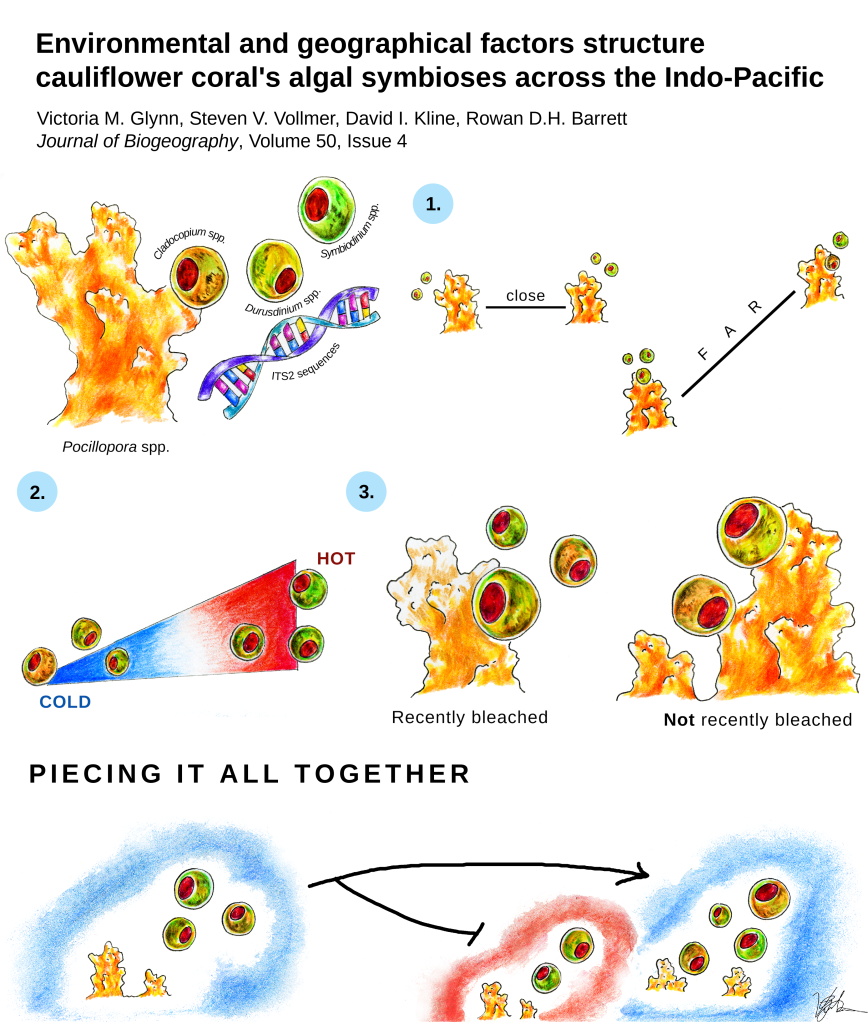
Recent JBI paper. Glynn, V. M., Vollmer, S. V., Kline, D. I., & Barrett, R. D. H. (2023) . Environmental and geographical factors structure cauliflower coral’s algal symbioses across the Indo-Pacific. Journal of Biogeography, 50(4), 669–684. https://doi.org/10.1111/jbi.14560

Caption. There is a complex interplay between thermal history and geographic isolation in structuring the symbioses of cauliflower corals (Pocillopora spp.) and their dinoflagellates (family Symbiodiniaceae). When analyzing publicly available dinoflagellate marker-gene data from the nuclear ribosomal DNA internal transcribed spacer 2 (ITS2), cauliflower corals across the Indo-Pacific were found to associate with three different dinoflagellate genera: Cladocopium spp., Durusdinium spp., and Symbiodinium spp.

(1) We found some evidence that geographic isolation could explain dinoflagellate community differences, but the effect was relatively weak.

(2) Sea surface temperature was the factor that most strongly affected community composition, such that corals from locations most similar in temperature had more similar dinoflagellate communities.

(3) Additionally, when considering time since the last mass bleaching event, corals that had more recently bleached (within the last 5 years) had similar proportions of Cladocopium spp. and Durusdinium spp. Meanwhile, corals that had not recently bleached were additionally associated with Symbiodinium spp. Together, our findings highlight how local environmental conditions and bleaching history can impact coral-dinoflagellate symbioses, even in a coral genus with a widespread distribution.

Biography. Victoria Marie Glynn is a PhD candidate at McGill University (Montréal, Québec) and a Fellow at the Smithsonian Tropical Research Institute (STRI) in Panama. She is broadly interested in how corals and their microorganisms (microbiome) implement a diversity of strategies to cope with environmental stress. Victoria implements cutting-edge molecular techniques to answer the overarching question: who is there, and what are they doing? As a STRI Fellow, she leverages the unique conditions of Panama’s Tropical Eastern Pacific, where upwelling occurs on a seasonal basis and El Niño events are common, to study the mechanisms underlying coral bleaching. Outside research, Victoria is involved in various science outreach and equity, diversity, and inclusion projects as a Science Education Fellow in the Office of Science Education at McGill and the Redpath Museum’s graduate public programming representative. She also creates scientific illustrations to add a storytelling element to her practice, so that fellow researchers and the general public alike can better understand the various scales and dynamics she is investigating.

ECR feature: Ella Martin and studying global biodiversity patterns during pandemics

Ella is a PhD student at the University of Toronto, Canada. She is broadly interested in species interactions and plant ecology and evolution, and is currently studying urban eco-evolutionary dynamics. Here, Ella shares her perspective about the study of global patterns while living a global pandemic.

Ella, at her desk at home in April 2020.

Institute. University of Toronto.

Academic life stage. PhD.

Recent JBI paper. Martin, E., & Hargreaves, A. L. (2023). Gradients in the time seeds take to germinate could alter global patterns in predation strength. Journal of Biogeography, 50(5), 884–896. https://doi.org/10.1111/jbi.14582

Big questions, small world: studying global patterns while living a global pandemic. I began this project in March 2020. I was three months into my Master’s degree at McGill University and was stuck at home learning to accept the growing likelihood that my plans for fieldwork in the Galapagos islands were not going to happen any time soon. While awaiting news of university verdicts on international fieldwork, one of my co-supervisors, Dr. Anna Hargreaves pitched me the idea: a synthesis study exploring latitudinal gradients in the time seeds take to germinate. The idea came out of her work on latitudinal gradients in the strength of species interactions, especially her recent-at-the-time “B.I.G. Experiment”, a large-scale standardized seed predation experiment. This project, and several others like it were testing the hypothesis that species interactions should be stronger (and therefore more ecologically and evolutionarily important) at lower latitudes and elevations, originally proposed by Charles Darwin nearly two hundred years before.

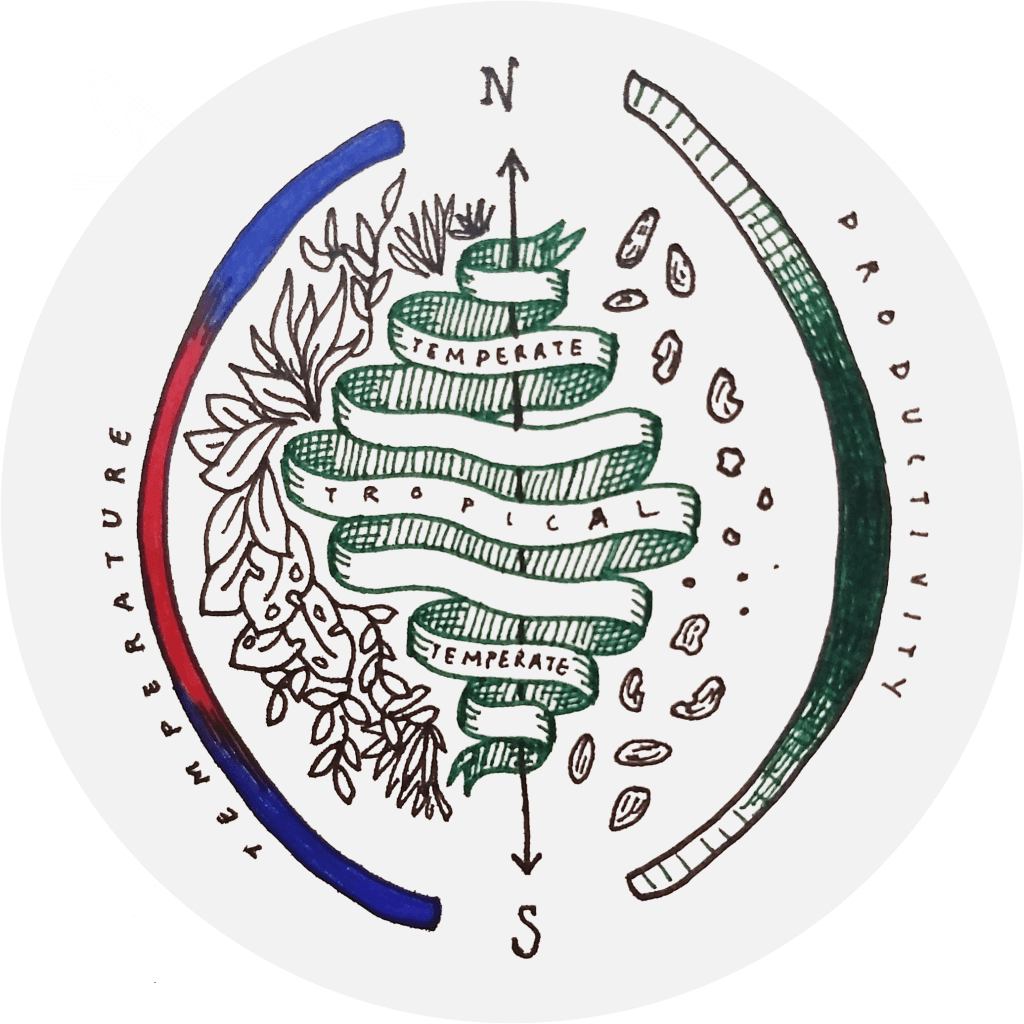
An illustration of the biotic interactions hypothesis. Tropical latitudes are usually warmer, more biodiverse, and have higher productivity. In these more climatically favourable environments, species interactions are expected to be stronger, in this case: higher rates of daily seed predation.

To test this hypothesis, researchers used standardized prey: artificial or commercial versions of early life stages that don’t belong to any particular environment, and so avoid any cases of local adaptation. This method allows researchers to set out prey, and return at a later time to count how many had been eaten, obtaining comparable measures of daily predation rates at locations around the world. What it ignores, however, is exposure time: the duration of time a prey is exposed to predators which determines its risk of being predated over its lifetime, and thus the actual ecological or evolutionary importance of predation. This is where I came in. Using seeds as our study system and published literature as our data source, we set out to try to answer whether seeds’ exposure time (the length of time between dispersal and germination) varied geographically, potentially altering the predicted global patterns of seed predation strength. To do so, I set out to collect as much data on germination times from as many species and locations as I could, in hopes of revealing large-scale patterns.

I adapted to the work of conducting a synthesis project at the same time as I adapted to the work-from-home lifestyle. Rather than spending my summer working outdoors in an exotic location, I spent it at home, travelling the world from the couch, the back porch, the kitchen table, or my bed, through the papers I was reading and extracting data from. I filled spreadsheets with germination times as I spent time watching the plants grow back in my garden and on my walks around the neighbourhood. By the end of the summer, I had filtered through thousands and read over a hundred papers on germination times (often in the middle of the night as I had also lost all concept of time and become semi-nocturnal).

We had realized that compiling data on germination times was not so straightforward due to the large variability in methods. Some studies tested germination timing in the natural field conditions, some in outdoor pots, some in greenhouses, and some in growth chambers under a variety of conditions. Some studies pretreated seeds to induce germination, whereas others did not. Some studies reported time to germination as a mean, or a time to 50% germination, or a maximum or a minimum. I spent the next year doing analyses: excluding some data, adding new data, adding and removing model terms, trying different modelling approaches, looking at relationships between time to germination and latitude, elevation, temperature, precipitation, seed size, and phylogeny. I began to realize and use the wealth of data that exists online free for public use. I could instantly download climate data from all over the world, I could find databases of seed sizes, and plant phylogenies that could help me answer global-scale questions spanning over a thousand species.

An example of a seed depot used in standardized seed predation experiments, this one in my backyard with sunflower seeds, for a different project.

Across all of our analyses, the results remained consistent, if somewhat difficult to explain. We observed that, in natural environments, seeds germinated faster at high latitudes, but low elevations, despite our expectations that these two gradients would be analogous. In terms of climate, seeds in nature germinated faster in warmer, drier environments with high temperature seasonality. What this tells us is that it is unlikely that seeds in high predation (low latitude, low elevation, warm, wet, consistent) environments are unlikely to have universally evolved faster germination to escape predation. In fact, tropical seeds tended to have longer germination times, meaning that they not only have a higher daily risk of predation, but they are exposed to predators over a longer period, resulting in a much greater lifetime risk of predation than seeds at high latitudes, which appear to experience low predation rates over short time periods. For elevational gradients, however, faster exposure times in low predation environments (low elevations), means that seeds would experience similar predation risks across elevations.

Clearly, there is still much to learn about how seeds respond to predation. Syntheses projects have their limits, but being able to take on this type of large-scale biogeographic question, to try to inform our understanding of global patterns in species traits, without leaving the house in the midst of a pandemic, was still a fascinating experience. My perception of the world simultaneously condensed to my home and immediate surroundings, and expanded as I learned about species from around the world and thought about these global patterns, with only a laptop and an internet connection.

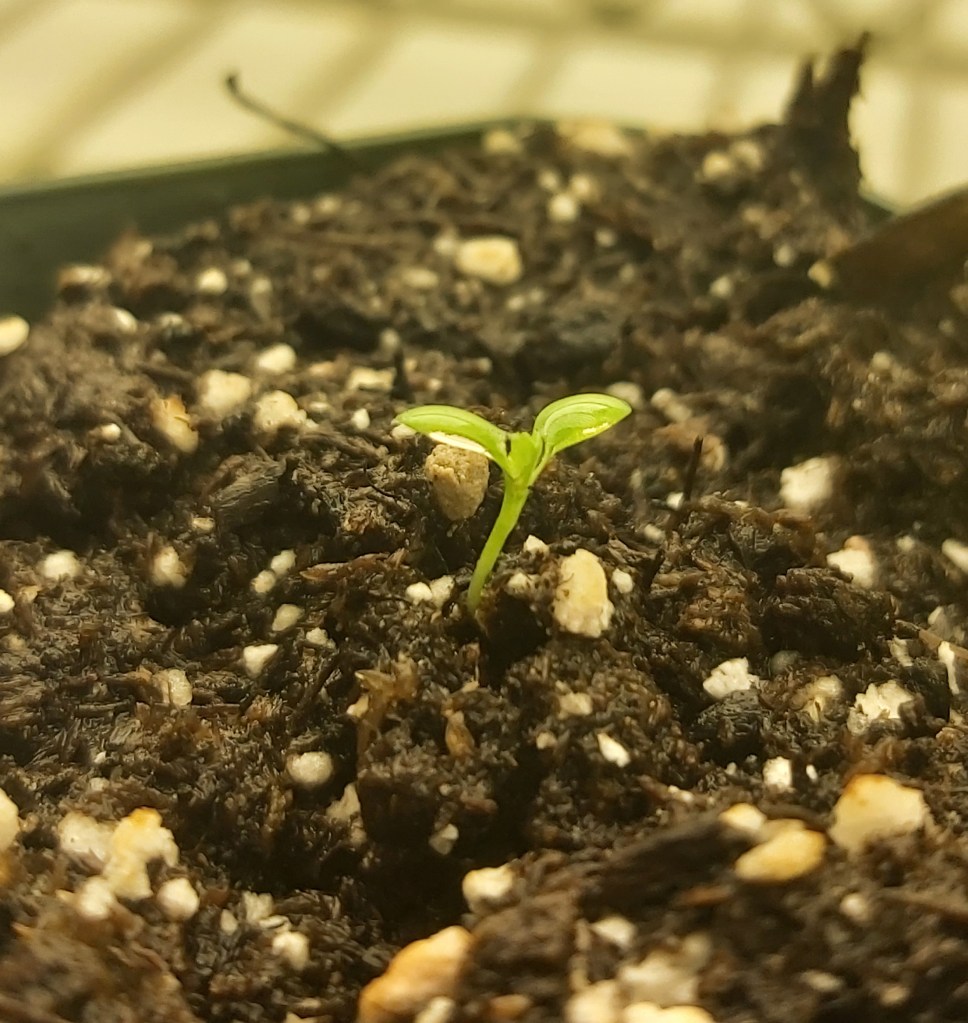
An emerging white clover (Trifolium repens) in a growth chamber.

Why species are common or rare depends on spatial scale

A species that is locally common can be globally rare and vice versa. But why? Turns out that tolerance of climatic conditions drives plant species commonness towards global spatial scales, while at finer local scales, competitive ability is relatively more decisive. Accounting for this scale dependence in species occupancy is important when anticipating the effects of climate change or invasive species at local vs. broader scales.

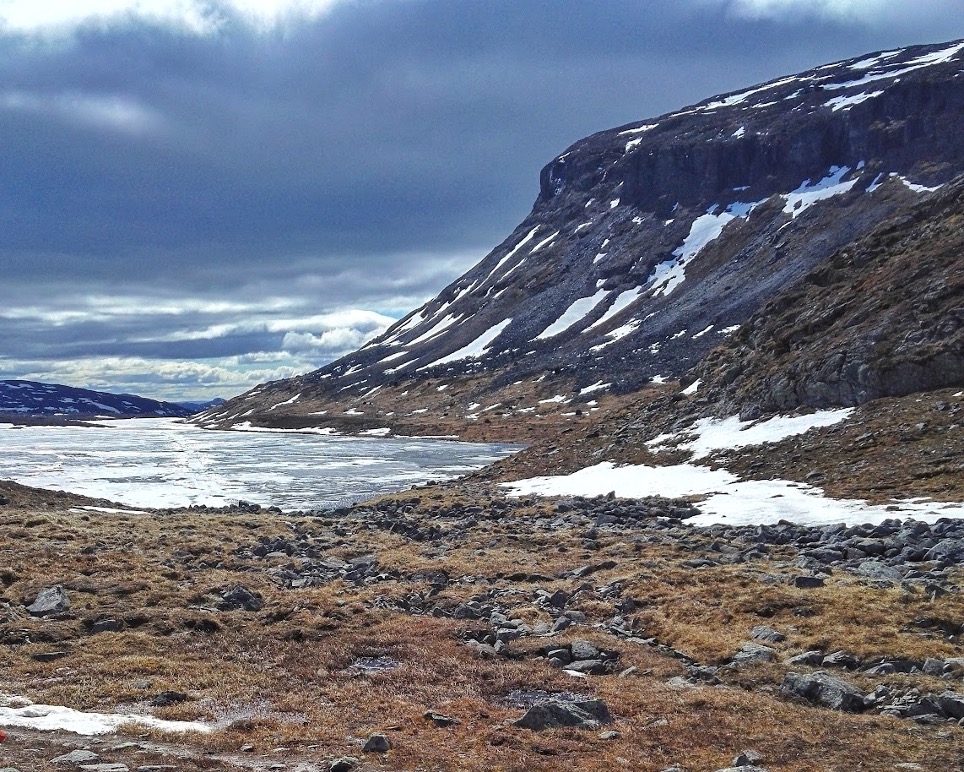
Above: Arctic vegetation, like on the slopes of this mount Saana in North-Finland, is threatened by climate change. Species that are specialized to cold environments are directly affected by warming climate, while those not being strong in competition with other species are threatened also locally by the spread of boreal species northwards. Photo by Miska Luoto.

Why are some species common while others are rare? Trying to answer this question has a long history in biogeography, but despite the decades of studies and suggested and supported reasons, there is no ultimate answer. The quest for the answer is even more topical now, when climate change and invasive species together with other human related actions alter the environment. Indeed, maybe one should rather ask why and which species will become more common or rarer in the future?

While reading through examples of studies investigating the reasons behind species commonness vs. rarity – a feature called ‘occupancy’ in ecology – I stumbled on a study by Heino and Tolonen (2018). They made a short note that the used spatial scale might have affected the outcome of their study, where they found that habitat availability was the most important driver of occupancy while species’ traits or taxonomy played only minor role.

Editors’ choice / Cover article: (Free to read online for two years.)
Mod, H. K., Rissanen, T., Niittynen, P., Soininen, J., & Luoto, M. (2023). The relationships of plant species occupancy to niches and traits vary with spatial scale. Journal of Biogeography, 00, 1– 13. https://doi.org/10.1111/jbi.14608 

Having studied spatial scale and its effect on decisiveness of different drivers behind ecological phenomena, our immediate thought then was that habitat availability, as representing species preferences of environmental conditions, could be more decisive at broader spatial scales where environmental conditions are thought to determine species growth and survival. Instead, at more local scales, where organisms are close enough to each other to compete, biotic interactions would dictate which species get along in a specific location. As species’ ability to compete can be deduced from some of its traits (such as size, effectiveness of resource usage, reproductive capacity), what the species is like, in comparison to other species, would appear important for occupancy only at very fine spatial scales. Species preference and tolerance of environmental conditions are called abiotic ‘niche marginality’ and ‘niche breadth’, respectively, describing how specialist or generalist a species is in terms of environmental conditions, while from species traits one can derive a measure of how varying the species itself can be, i.e., ‘intraspecific trait variability’ (ITV), and a measure of how much its traits deviates from the traits of other species (‘trait distinctiveness’). High niche breadth and low niche marginality should thus lead to high occupancy through availability of potential habitats, while high ITV and trait distinctiveness would lead to high occupancy due to being assets in competition with other species.

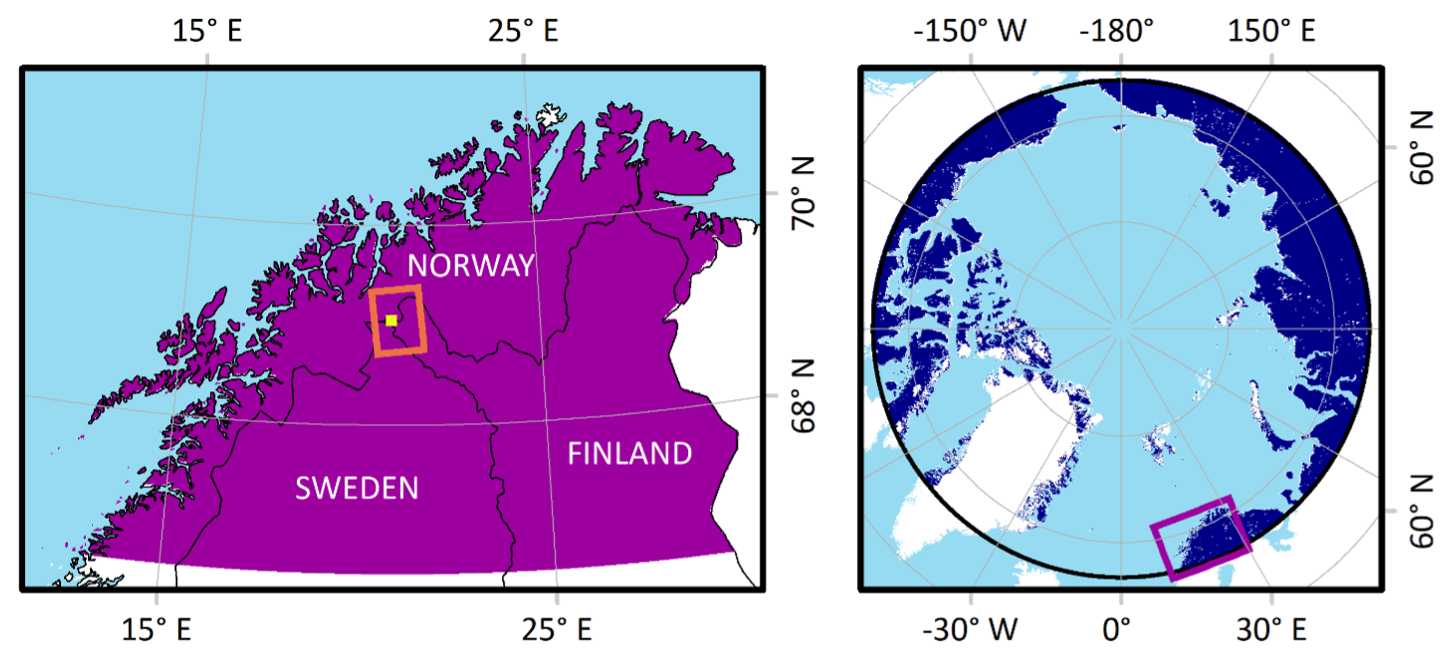
In our study we thus wanted to investigate whether spatial scale affects the role of these niche and trait measures in driving species occupancy. For this we needed information on how often a species is encountered at study areas of different scales and information of niches and traits of these species. For this we chose four arctic study areas that varied in size from a few square kilometers to all of terrestrial non-glaciated area north of Arctic Circle and in studied plot sizes from 0.04 m2 to 4 km2. The analyses were done for 106 plant species occurring in the study areas with varying occupancies and niche and trait metrics.


The four study areas of different scales are located north of the Arctic Circle. From each study area we mapped in the field or derived from open databases species occurrences to calculate occupancy, i.e., how often species are encountered, per spatial scale. The location of the study area at the finest scale and the extent of the study area at the next finest scale are marked with yellow and orange squares, respectively. The study area at the second coarsest scale covers mainland Finland, Sweden, and Norway north of Arctic Circle (in purple) and the study area at the coarsest scale covers all terrestrial non-glaciated area north of Arctic Circle (in blue).

The results supported our hypothesis. At the two largest study areas species occupancy was most related to their niche breadth: the species that tolerate range of climatic conditions are more common than those that can only stand certain type of conditions. In contrast, at the more local and finer scales, species that are strong competitors, such as those that can adjust their resource use effectiveness, were found to be more common than those that have traits indicating lower competitive ability.

So, coming back to the burning question: ‘why and which species will become more common or rarer in the future?’, the answer according to our results is that it depends on the spatial scale. Towards the global scale, the species that tolerate varying environmental conditions are likely to remain as common as they are now under a changing climate, while those specializing to certain environmental conditions are at risk of becoming even rarer. On a local scale, in turn, tolerating varying climatic conditions is not much of an asset in being or becoming common, whereas a good ability to compete with other species drives commonness and those that don’t have the properties to compete with other species are at risk to become even locally extent. This can mean that the Arctic is in double jeopardy: cold-adapted arctic vegetation as a whole is under the threat of warming climate while the spread of competitive boreal species northwards threatens the arctic plants also locally.

However, our study do not provide the ultimate answers to the question of underlying mechanisms of species occupancy nor to the question of the future of the Arctic. It still remains to be tested if our findings hold for other species groups than plants and for other niche and trait metrics than those we used. Also, there are additional factors influencing the future of Arctic environment and vegetation than those included in our study. Thus, the quest continues!

Written by:
Heidi Mod, university lecturer, Department of Geosciences and Geography, University of Helsinki, Finland

Tuuli Rissanen, PhD candidate, Department of Geosciences and Geography, University of Helsinki, Finland

Pekka Niittynen, Post doc, Department of Geosciences and Geography, University of Helsinki, Finland & Department of Biological and Environmental Science, University of Jyväskylä, Jyväskylä, Finland

Janne Soininen, professor, Department of Geosciences and Geography, University of Helsinki, Finland Miska Luoto, professor, Department of Geosciences and Geography, University of Helsinki, Finland

Additional information:
https://www.helsinki.fi/en/researchgroups/biogeoclimate-modelling-lab

ECR feature: Daubian Santos

Daubian Santos is a postdoc at the Universidade Federal do ABC, Brazil. He is a evolutionary biologist with special focus on biogeography of craneflies. Here, Daubian presents SAMBA, a method for revealing shared patterns of biotic distribution.

Dr. Daubian Santos, postdoc at Universidade Federal do ABC, Brazil

Personal links. Twitter | Instagram | Personal Site

Institute. Universidade Federal do ABC, Brazil, Institute of Systematics and Evolution of Animals

Academic life stage. Postdoc

Major research themes. Biogeography and Palaeontology

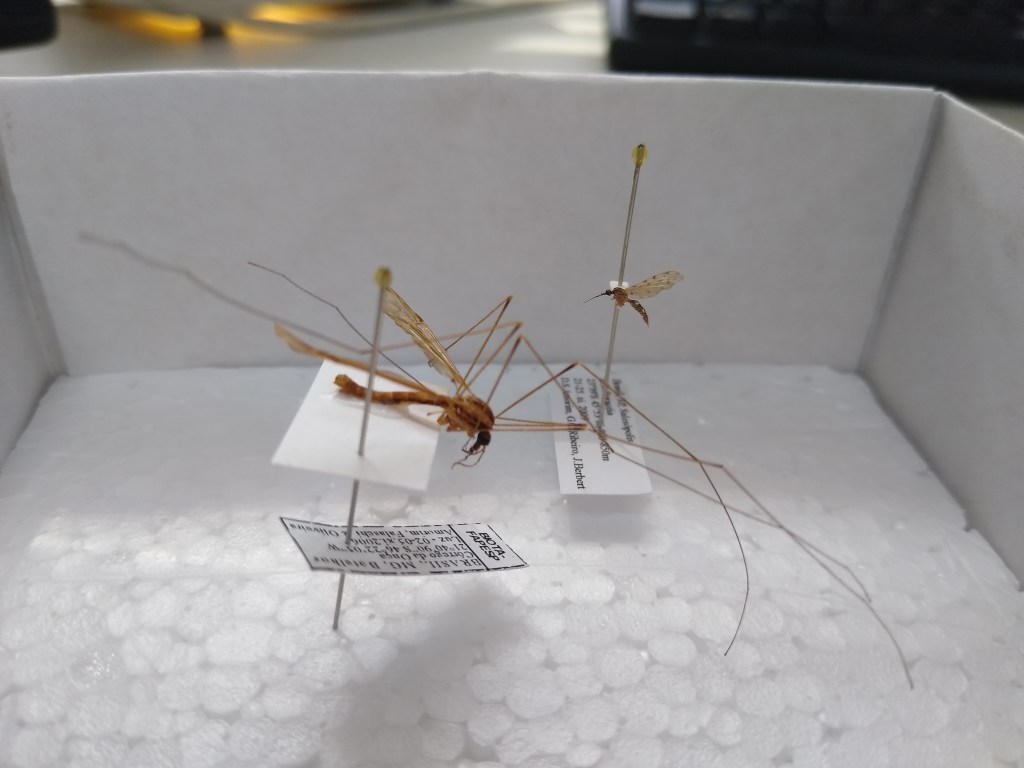
Current study system. I study craneflies. Craneflies are mosquitoes with long legs that may reach impressive sizes. This infraorder is ancient, highly endemic, and widely distributed throughout the world. They inhabit a range of environments, from glaciers to deserts, from urban areas to the canopy of tropical forests. Interestingly, the number of species within this group exceeds the combined number of mammals and birds. Despite the large number of known species, there are still many yet to be discovered, including some of the larger size ones. Therefore, studying craneflies presents an excellent opportunity to explore biodiversity.

Recent JBI paper. Santos, D., Sampronha, S., Hammoud, M., Gois, J. P., & Santos, C. M. D. (2023). SAMBA: Super area‐cladogram after resolving multiple biogeographical ambiguities. Journal of Biogeography, 50(4), 816–825. https://doi.org/10.1111/jbi.14569

A piece of Baltic amber containing a specimen of Eloeophila eocenica, the newest described species

Motivation behind this paper. Historical biogeography has been a relevant field for a considerable period, providing insights into species evolution and dispersal over time. However, with the discovery of more complex species distributions, more efficient methods are required to tackle these challenges. Unfortunately, there are not many new and effective methods available, and most of them do not have online software, which makes it difficult for researchers to access them. In response, we became very motivated to develop a new methodology based on simple theoretical principles, providing reliable results to overcome the lack of consensus in area cladograms. Improving methods in historical biogeography will provide a better understanding of life’s evolution and distribution on Earth.

Key methodologies. The main key methodology of SAMBA is to avoid using assumptions. By avoiding the use of assumptions, SAMBA aims to reduce the amount of noise in the analysis, resulting in more accurate and reliable findings. It is crucial in the field of historical biogeography to see the individual complexity of the distributions and identify the recurrent pattern accurately. As a novel approach, we adapted the method of super-trees that allows an efficient summarization of information from area cladograms. The innovative approach of SAMBA, and its online implementation, is a new way to analyse the data and may provide new insights into the distribution of life on Earth. More and more studies with new methods may bring a lot of new information.

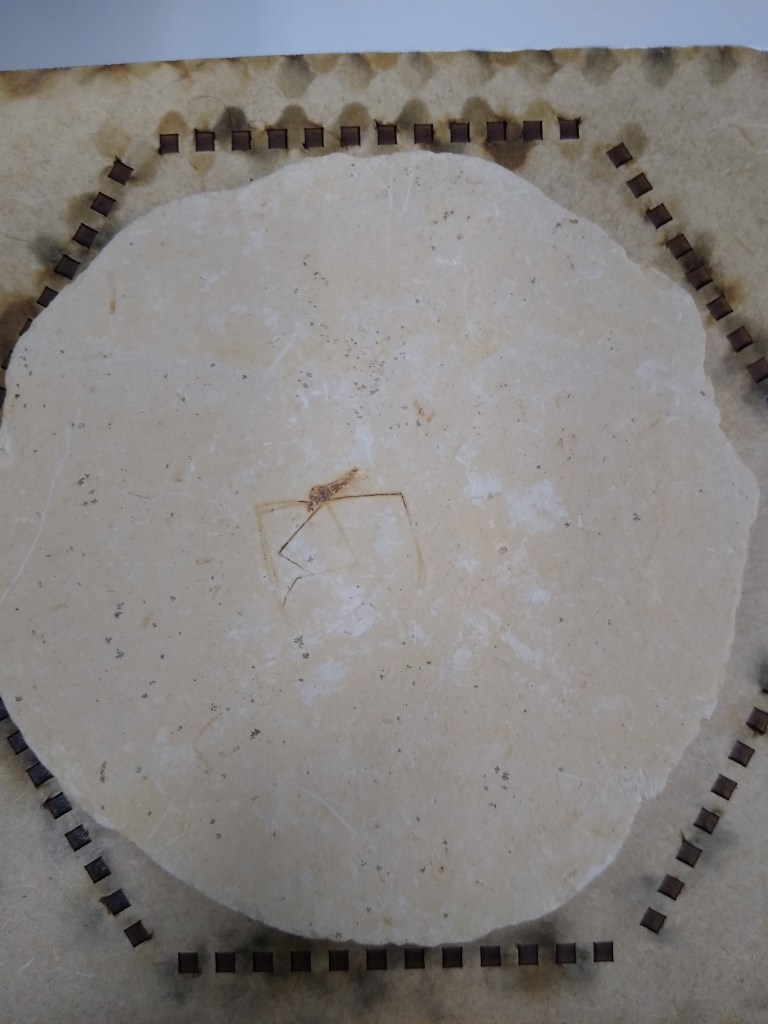
Fossil of the family Limoniidae from the Brazilian Cretaceous period

Unexpected challenges. Proposing and developing something new is never an easy task. After establishing the theoretical framework of the methodology, the further step was to test it. However, since the computational implementation was developed later, we had to conduct many (and many) tests before arriving at the final SAMBA protocol. This testing period provided us valuable time to rethink certain aspects of the methodology. The adaptation of the super-tree concept came later, but it was essential in refining the SAMBA method. The implementation of the super-tree concept allowed us to summarise information from area cladograms and achieve a more consensus-based approach. Although the development process was challenging, the final product is a robust and reliable methodology. The thinking-and-rethinking process is necessary to make any method useful.

Major results. My work formalized the new method of historical biogeography called SAMBA. This methodology avoids using assumptions and aims to summarise information with minimal noise. In addition to the methodology, we tried to provide a computational implementation to increase the method’s applicability and efficiency. This method was tested under real examples and theoretical models and compared with other previous methodologies. This new method is efficient to summarise the area cladogram information. We believe that the SAMBA methodology and its computational implementation can provide a valuable tool for researchers in the field of historical biogeography with a simplified theoretical basis.

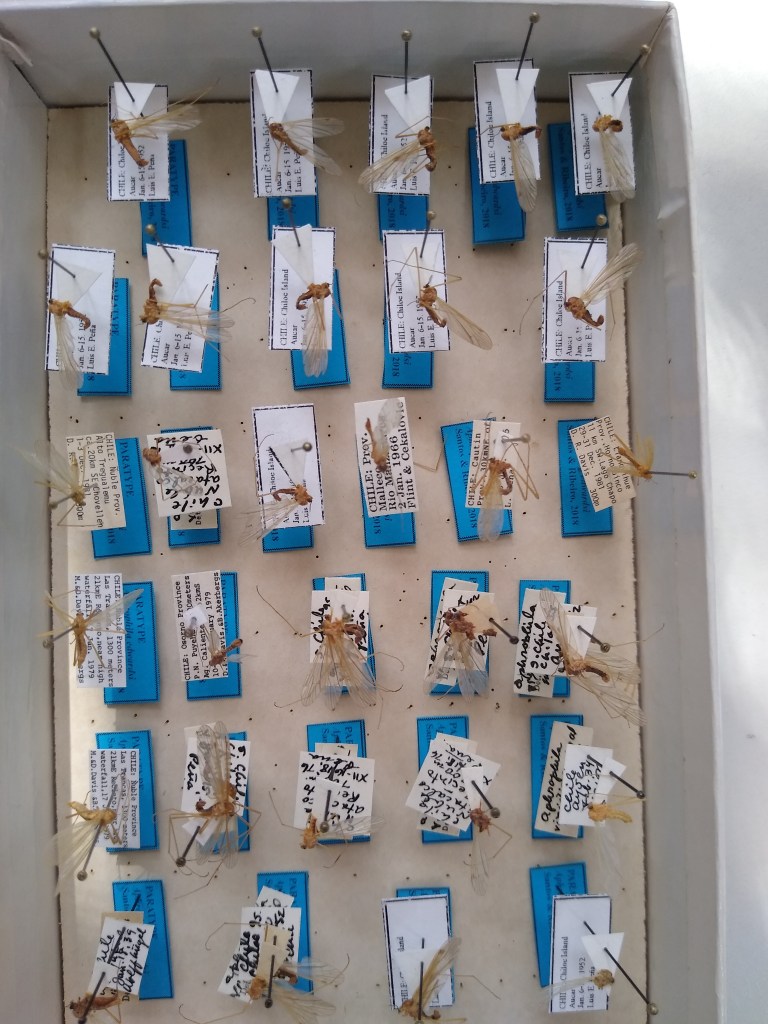
Described paratypes of Aphrophila edwardsi

Next steps for this research. I will start a post-doctoral research project focusing on mosquitoes preserved in Baltic amber. This project is particularly interesting because it will provide insights into the composition of Eocene ecosystems, in which craneflies played an essential role. During this period, Europe was characterized by subtropical forests, and the insect fauna that followed was more similar to the modern pattern. However, the shift of biotas during this time is not yet fully understood. Craneflies are the most commonly found Diptera in the paleontological record, and studying these species is crucial to unravelling this fascinating period of evolution.

If you could study any organism on Earth, what would it be? I would like to study the first winged insect. The evolution of wings is still one the greatest mysteries in Entomology.

Anything else to add? When I started college, I had a strong desire to study any animal, except mosquitoes. However, it was precisely them that I ended up studying! I was both surprised and fascinated by its enormous diversity. It is incredible how much we can learn from these small, but enchanting beings.

Difference of size of two Brazilian craneflies

A Tale of Two Types of Landscape Heterogeneity

The geographic ranges of mammals in Africa are limited in size by the variation in habitats across space (habitat heterogeneity), but surprisingly not by the variation in elevations (topographic heterogeneity). Mammalian ranges will be sensitive to future habitat destruction and alteration, as climate change and human impacts continue to intensify.

Above: The cheetah (Acinonyx jubatus) is one of many African mammals whose range size may be constrained by the variation in habitats across landscapes, i.e., habitat heterogeneity (picture taken by Michael S. Lauer).

In the summer of 2019, I attended the Ecological Society of America’s annual conference in Louisville, Kentucky. I remember walking around a massive room with hundreds of posters, and as I made my rounds, I couldn’t help but notice that many of the posters had the word “heterogeneity” in their title. Fast forward a few months to the fall of 2019, when my co-author and aca-brother (Dr. Benjamin Shipley) introduced me to some of the aspects of mammalian biogeography that were still unknown. Fast forward again to the spring of 2020, when I took a course titled “Biodiversity on a Changing Planet” taught by my co-author and graduate advisor Dr. Jenny McGuire. Why am I listing three seemingly unrelated experiences? As it turns out, all three together served as the foundation of our recent paper. Had I not gone to the conference, I would not have internalized how important landscape heterogeneity (i.e., the variation in environmental conditions across space) is to ecology and biogeography. Had I not conversed with Ben, I would not have been initially enticed to study mammalian geographic ranges and the associated knowledge gaps. And had I not taken the course, I would have not been assigned the project that morphed into the initial draft of this paper. All of this is to say that sometimes the most exciting ideas come from a “heterogeneity” of experiences and perspectives.

Cover article: (Free to read online for two years.)
Lauer, D. A., Shipley, B. R., & McGuire, J. L. (2023). Habitat and not topographic heterogeneity constrains the range sizes of African mammals. Journal of Biogeography, 50, 846 – 857. https://doi.org/10.1111/jbi.14576  

Ultimately, it was the combined perspectives of myself, Ben, and Jenny that led us to ask the following question: are mammalian geographic range sizes in Africa more constrained by the variation in habitats (habitat heterogeneity) or the variation in physical elevations (topographic heterogeneity) across space? We knew from prior research that species ranges are constrained in heterogeneous landscapes because to co-exist, each species adapts to the specific environmental conditions of specific areas. But we wanted to take this idea a step further. We were motivated to compare the effects of habitat and topographic heterogeneity specifically because they represent two fundamentally different things about landscapes. Habitat heterogeneity is fluid, as habitats come and go rapidly depending on how climates change and how humans behave. Consider, for example, a landscape that is heterogeneous because it possesses small patches of intertwined forest and grassland habitats. Such a landscape could become rapidly homogeneous if its trees are cut down and it transforms into an extensive grassland. Contrast that to topographic heterogeneity, which is much more set in stone. A landscape that is heterogeneous because it is hilly is likely to remain hilly for a long time. Hills and mountains don’t disappear overnight.


The landscape on the left has low habitat but high topographic heterogeneity, as it exhibits only forest habitat but is hilly. The landscape on the left is the opposite, as it exhibits forest, grassland, and aquatic habitats but is flat (pictures taken by Daniel A. Lauer).

At first, we were thinking that both habitat and topographic heterogeneity would at least have some constraining effect on species range sizes. But in a fashion that often makes science so exciting, we were surprised to arrive at an unexpected result. While we found evidence that habitat heterogeneity had a strong limiting effect on range size, our analyses suggested that topographic heterogeneity had no effect at all! This contrast became particularly interesting and important to us as we thought about its implications. Essentially the contrast suggests that when landscape heterogeneity limits mammalian ranges, it does so via its fluid, subject-to-change habitats, and not via its rigid physical structure. Consequently, the persistence and geographic occurrences of mammals may be highly susceptible to habitat change, destruction, and alteration by climate change and human land use. We channeled these ideas to think about how our results could be meaningful for both ecological theory and environmental conservation. Regarding the former – we were able to add a new layer of nuance to the theory of how landscape heterogeneity constrains ranges. And regarding the latter – we would suggest that conservation efforts should focus on the small-ranged mammals that occur in regions of high habitat heterogeneity, particularly considering that a small range can often mean a higher extinction risk.

Along our collaborative journey I learned many things, and together we opened some avenues for future researchers to explore. I internalized the power that many experiences, as well as ideas from other scientists, can have in forming a meaningful scientific question. I learned how cool it can be to answer such a question by collecting data from many sources and combining that data into a single analytical pipeline. And I learned that the most exciting science can emerge from the results that were wildly unexpected. Our work calls for an enhanced understanding of the specific species that live in regions of high habitat heterogeneity in Africa. What are these species? What are their functional traits and evolutionary histories? How do they compare to species that occur in more homogeneous environments? What would be the most effective conservation strategies to prevent their extinction? Time will tell, but for now we can say that the sky (or the heterogeneity of the landscape?) is the limit.

Written by:

Daniel A. Lauer (Ph.D. Candidate)1,2, Benjamin R. Shipley (Ph.D.)2, Jenny L. McGuire (Assistant Professor)1-3

1Interdisciplinary Graduate Program in Quantitative Biosciences, Georgia Institute of Technology, Atlanta, GA, USA

2School of Biological Sciences, Georgia Institute of Technology, Atlanta, GA, USA3School of Earth and Atmospheric Sciences, Georgia Institute of Technology, Atlanta, GA, USA

Additional information:
LinkedIn (Daniel Lauer): https://www.linkedin.com/in/daniel-lauer/
ResearchGate (Daniel Lauer): https://www.researchgate.net/profile/Daniel-Lauer-2
Twitter (Daniel Lauer): @DannyLauer

ResearchGate (Benjamin Shipley): https://www.researchgate.net/profile/Benjamin-Shipley

Instagram (Jenny McGuire): mapsnbones
Twitter (Jenny McGuire): @JennyMcGPhD
Webpage (Jenny McGuire): https://www.mcguire.gatech.edu