ECR feature: Julia de Aledo

Julian G. de Aledo is a PhD candidate at the Universidad Autónoma de Madrid, Spain. She is a ecologist with special focus on biodiversity of tropical plants. Here, Julia shares her recent work on plant diversity and distribution in the western Amazonia.

PhD candidate Julia G. de Aledo

Personal links. Twitter | GitHub

Institute. Universidad Autónoma de Madrid and Universidad Rey Juan Carlos, Spain

Academic life stage. PhD candidate

Major research themes. My major research interests revolve around plant diversity, distribution, and uses in western Amazonia, particularly focusing on how plants and people interact in tropical ecosystems across gradients.

Current study system. I am currently studying the woody plants of western Amazonia, which include approximately 110 different families with distinct growth forms, from large trees, to palms, ferns, small bushes, lianas and hemiepiphytes. Despite an estimated 50,000 plant species in the Amazon basin, only 14,000 tree species have been described, which highlights the vast amount of work still to be done.

Recent JBI paper. de Aledo, J. G., Paneghel, M., Cayuela, L., Matas-Granados, L., Ben Saadi, C., Salinas, N., La Torre-Cuadros, M. d. l. Á., García-Villacorta, R., & Macía, M. J. (2023). Floristic diversity, composition and dominance across Amazonian forest types respond differently to latitude. Journal of Biogeography, 50, 673–698. https://doi.org/10.1111/jbi.14561

Motivation behind this paper. During fieldwork, we have observed distinct variations in species diversity and composition across different forest types. We noticed that floodplain forests appeared to have a lower diversity of species compared to the well-drained forests yet filled with species with different physiological adaptations to the seasonal flood pulse. On the other hand, in submontane forests, diversity seemed to peak at higher elevations (500 m). These observations led us to question whether there was a discernible pattern in how plant species respond to latitude in each forest type to ultimately understand the causes of the vast diversity of the Amazonian ecosystem.

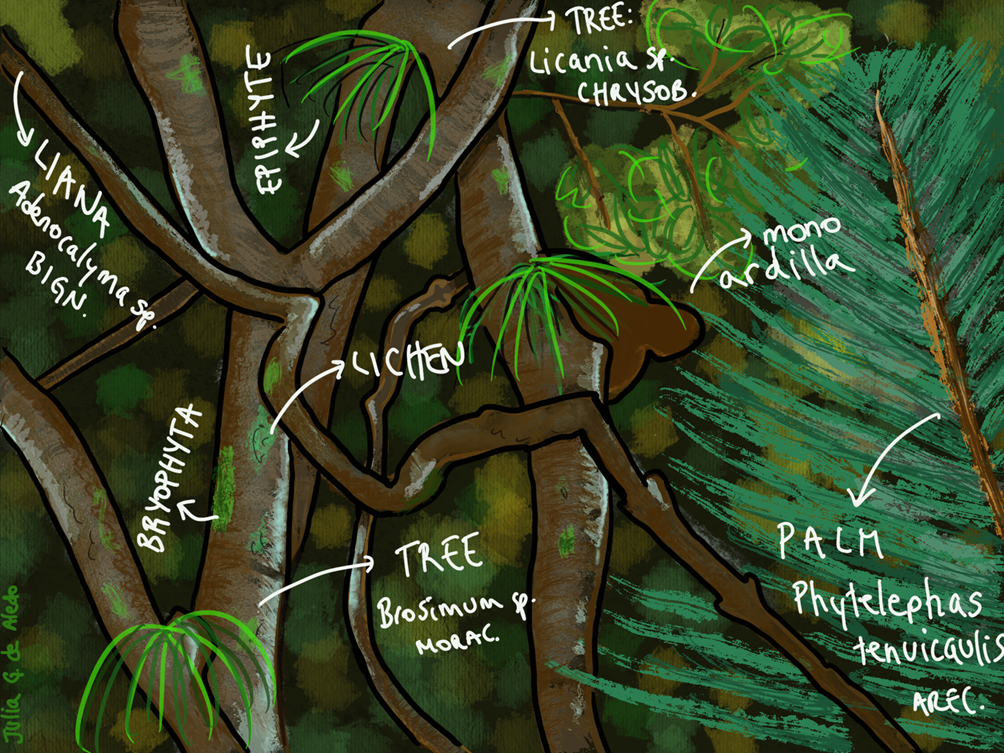
Drawing of the diversity of species and life forms in western Amazon.

Key methodologies. In the fieldwork, we gathered information from unexplored areas using 10 temporary plots per region located 300 meters apart. This approach allowed us to obtain maximum floristic variability within an area, which is crucial when studying diverse ecosystems. Moreover, all data were gathered by the authors themselves, and no data from existing databases were used.

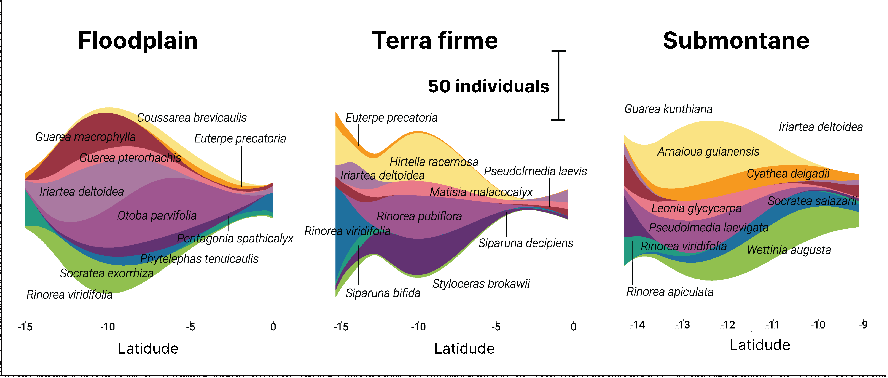
In terms of the analysis, we made a plot called non-metric multidimensional scaling (NMDS) and used a smooth line to show how latitude affects the changes in species composition across plots . This helped us see if there was a trend or pattern in how each forest type responds to latitude. Additionally, we explored dominant species through their changes in abundance, which helped us understand how these species adapt and dominate over large areas. We used a novel stream graph approach to better illustrate these changes, providing new insights into their distribution and dispersion peaks.

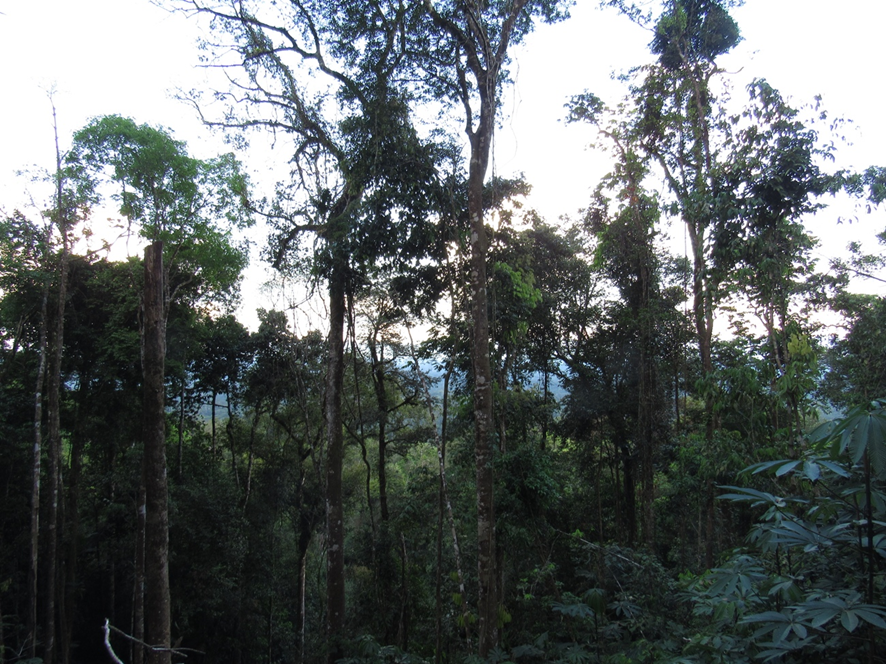
Forest vertical structure of woody plants in Reserva Yanesha, Peru.

Unexpected challenges. In this type of field campaign, nothing can be predicted in advance. Nonetheless, we encountered some outcomes and challenges even beyond our imagination. For example, we ended up collecting more species than we had expected. This led to difficulties in transporting the collected material, as well as troubles in the final identification of some of the specimens, mostly the ones without fertile material. Another important challenge was reaching high trees (over 20 meters) for collection, which required specialized equipment and climbing expertise. Finally, the flooding of the rivers due to heavy rains made the fieldwork complicated, leaving us confined to the campsite for several days. Despite this, the team was able to ultimately export 5000 vouchers and identifying 1300 species for future research.

Major results. Our recent work confirms the latitudinal diversity gradient towards the equator both for alpha and beta diversity. This provides further evidence for the importance of tropical forests in maintaining global biodiversity. However, the finding that floodplain forests did not increase their diversity towards the equator as much as other forest types did, highlights the need for further research on these forests and their species performance. Despite this, the number of species found was still very high, with 100 species per 0.1 ha.

Concerning species dominance, this study also reveals different responses to latitude. Floodplain forests harbored more homogenous dominant species abundances, while well-drained forests had dominant species that peaked heterogeneously along the gradient, giving insights of differences in dispersion strategies.

An additional important contribution is that the field team have generated a comprehensive database of almost 30,000 individuals that is available for use by other researchers in the field of tropical community ecology of tropical forests (https://datadryad.org/stash/dataset/doi:10.5061/dryad.jm63xsjcc). Botanical vouchers obtained in this research were deposited in different herbariums in Ecuador (QCA, QCNE), Bolivia (LPB), Peru (USM, MOL) and Spain (MA).

Left: aerial image of Amazonian forest surrounding the Tambopata River in the Tambopata National Reserve (Madre de Dios, Peru). Right: photo of Coussapoa ovalifolia tree with aerial roots in Amazonian flooded forest.

Next steps for this research. Further investigation can be done to understand the underlying mechanisms driving the observed latitudinal diversity gradient in our study. This can involve exploring in depth floodplain forests to highlight its importance, promote their conservation and to understand its species adaptations. Also, including in situ mechanistic factors as temperature, precipitation, and soil nutrients in the analysis could improve the latitudinal model. Incorporating phylogenetic information can also provide insights into the evolutionary history of tropical plant communities and their responses to environmental change. By studying functional attributes of the species, we can understand the adaptation of species to seasonally harsh conditions. Finally, efforts can be made to expand this investigation to other regions and biomes to compare the latitudinal patterns observed in our study in other environments.

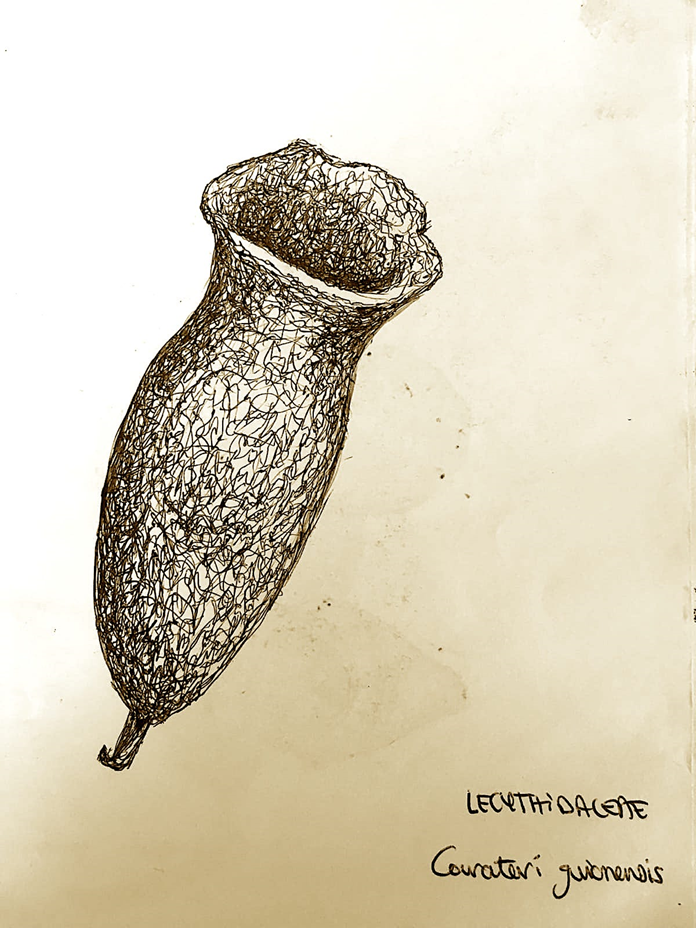
If you could study any organism on Earth, what would it be? Tropical woody plants are fascinating. In particular, I like lianas, which are a unique group of plants with unique growth form which allows them to climb up trees and compete for resources, affecting the structure and dynamics of the forest community. The Lecythidaceae family is also an interesting group to study because of their large flowers and fruits, which are important food sources for many animals and humans.

Drawing of Couratari guianensis (Lecythidaceae) fruit by Julia G. de Aledo

Anything else to add? In addition to my work on tropical woody plants, I also conduct research on ethnobotany, ecosystem services, and the cultural diversity of indigenous communities in tropical forests in western Amazonia. I believe that including people in ecology research is essential for understanding how species respond to changes in their environment, and for developing effective conservation and management strategies. Additionally, I am interested in using visual data analysis techniques, including bioinformatics, modelling, statistics, and data visualization, to better understand complex ecological systems.

Changes in the abundance of each dominant species by forest type in western Amazonia.

Plant reproductive mode: inherited or influenced by environments?

Plants can reproduce clonally or by seeds. What are the circumstances that clonal reproduction is favoured, and which type of species are most likely to be clonal?

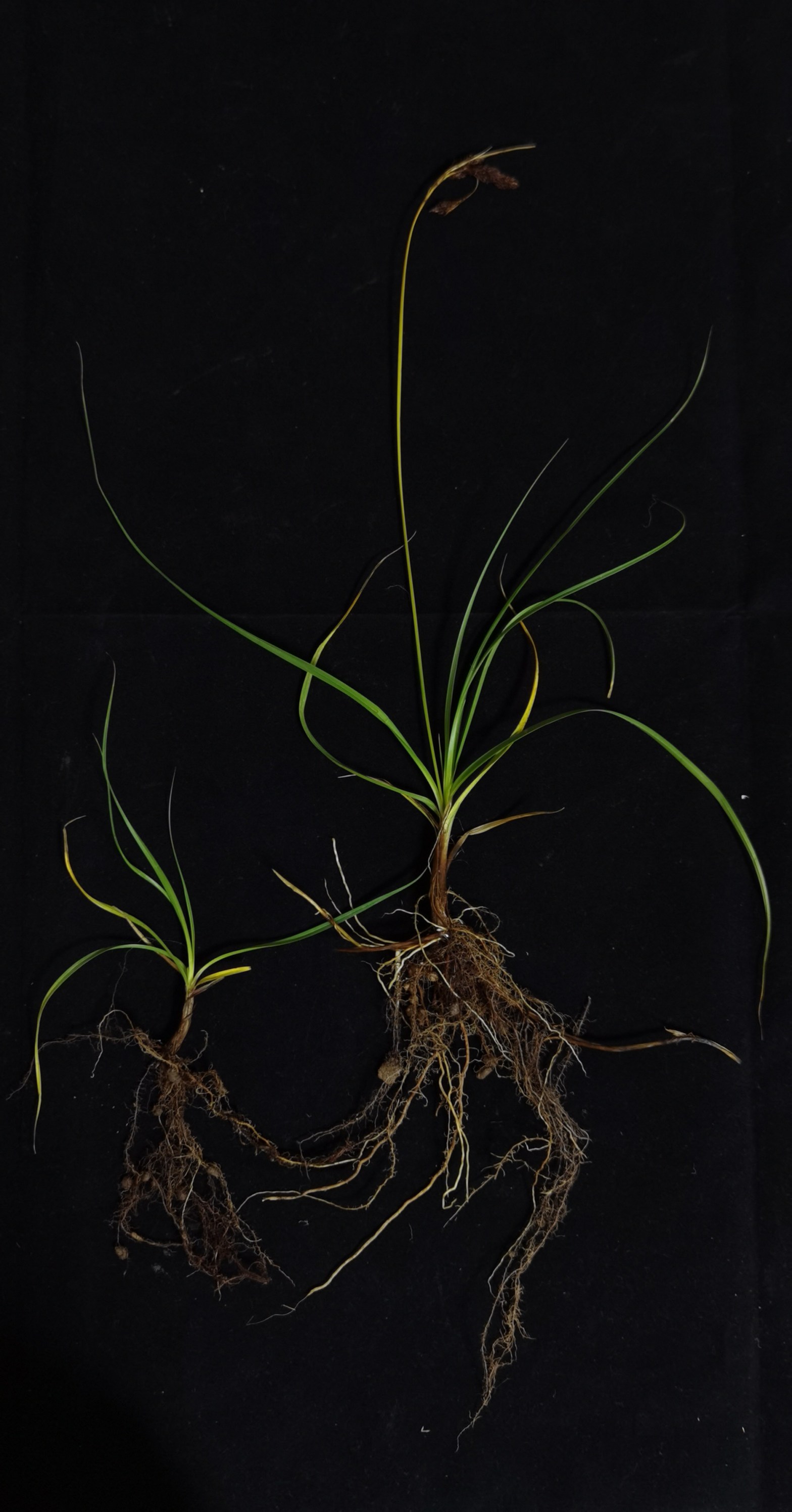
Above: Plants reproduce asexually via rhizomes.

Sexual reproduction from seeds is common in the plant kingdom. However, many plants reproduce through vegetative propagation or clonal growth such as sprouting from rhizomes, thus they are called clonal plants. Back in 2018, we studied the Australian flora and found that the proportion of clonal species increases with latitudes across the whole continent. Thereafter, we asked why — we would like to know the underlying mechanisms for this geographic pattern. Despite having many studies on the prevalence of sexual versus clonal reproduction and its associations with abiotic conditions at smaller scales, we still have much to learn about the circumstances under which sexual versus clonal reproduction are favoured, and which type of species are most likely to be clonal or sexual at the continental scale.

Editors’ choice / Cover article: (Open access)
Zhang, H., Chen, S.-C., Bonser, S. P., Hitchcock, T., & Moles, A. T. (2023). Factors that shape large-scale gradients in clonality. Journal of Biogeography, 50, https://doi.org/10.1111/jbi.14577

To better understand the ecological and evolutionary significance of reproductive mode, we studied 4116 seed species and their 914456 occurrence records in the Australia flora, together with a series of factors that might influence plant clonality. In this way, we could directly compare the effects of the four plant characteristics and sixteen environmental variables on determining the likelihood of a species to exhibit clonal reproduction or not.


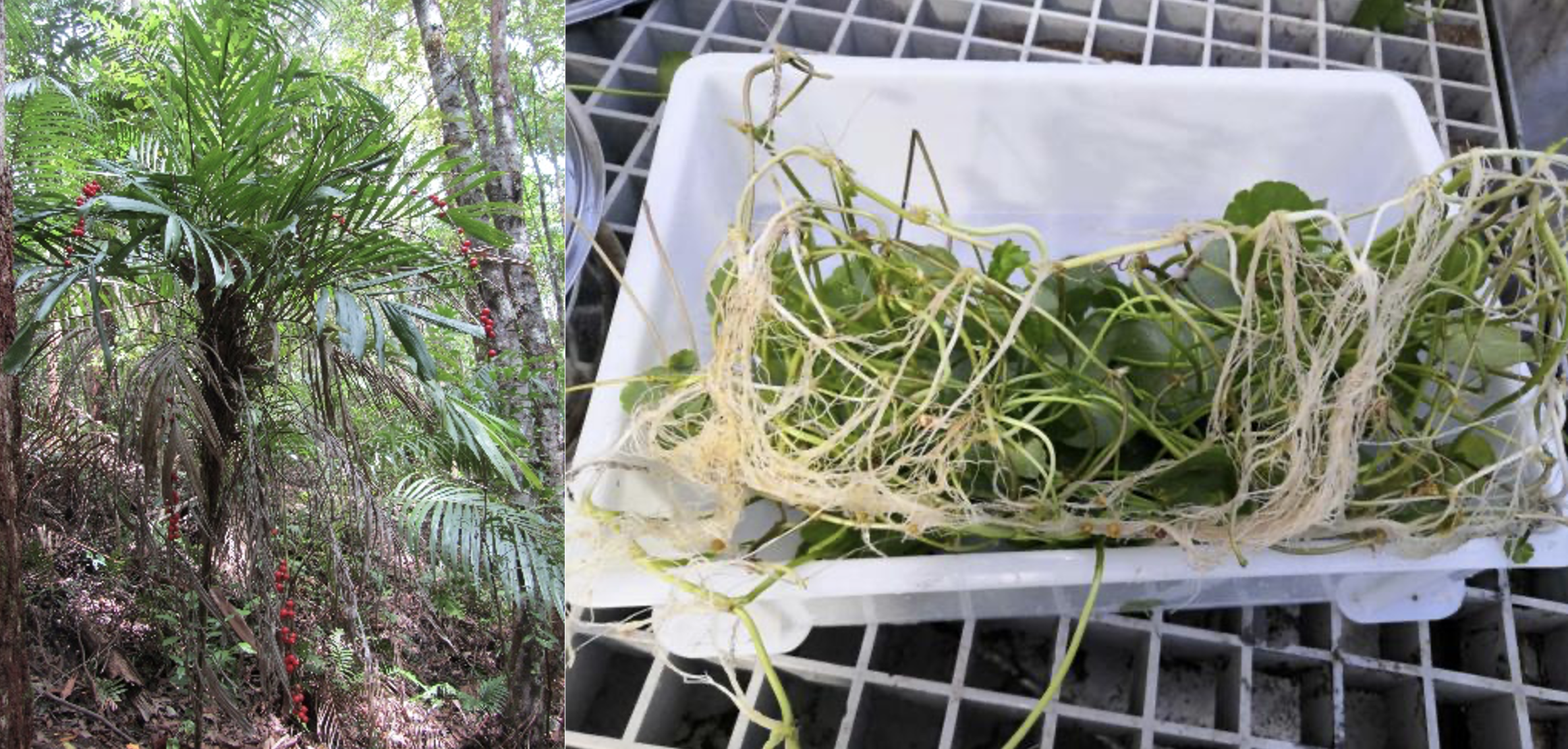
Plants reproduce by seeds (left panel; sexual reproduction organ of the walking stick palm Linospadix monostachya; Photo: Si-Chong Chen) and by rhizomes (right panel; clonal reproduction organ of Hydrocotyle sibthorpioides; Photo: Hongxiang Zhang).

We found that plant characteristics explained more than two times the variation in the probability of species having clonal reproduction than did environmental variables. Our findings suggest that we may need to consider species’ traits as a coordinated suite that respond to environmental conditions, rather than studying them one at a time in the future. For example, one potential direction for future research is whether big plants (e.g. trees and tall plants) tend to sexual reproduction and have greater seed dispersal ability and distances to counterbalance the longer time to first reproduction, while small plants (e.g. herbs and shorter plants) tend to be clonal reproduction and have higher seed dormancy and seed persistence in the soil. A hot topic about relationships between environmental conditions and sexual vs clonal reproduction is whether stress conditions favour sexual or clonal reproduction. Sexual reproduction is found to be predominant in stress conditions such as drought and low fertility, while clonal reproduction is common in harsh conditions, e.g. low temperature and high altitudes. Our results showed that clonality tended to be favoured when environmental resource availability was high, like high water availability and high soil nutrient conditions. Therefore, we suggest clonal reproduction may be a ‘weapon’ of plants for population expansion in resource-abundant sites, rather than as a reproductive assurance under environmental stress. This would be an interesting and important direction for future research at multiple geographical regions and scales

Our study is the first continental-scale cross-species analysis to date of plant characteristics and environmental factors in shaping plant clonality. The findings advance understanding of broad patterns in reproductive strategies and help improve understanding of species’ capacity to adapt and migrate in response to future climate change.

Written by:
Hongxiang Zhang, Full Professor, Northeast Institute of Geography and Agroecology, Chinese Academy of Sciences.
Si-Chong Chen, Full Professor, Wuhan Botanic Garden, Chinese Academy of Sciences.

Additional information:
https://scholar.google.com/citations?hl=en&user=lWQ3WBEAAAAJ&view_op=list_works&sortby=pubdate
https://scholar.google.com/citations?user=BcKbEYsAAAAJ&hl=en

Twitter: @SichongChen, @AngelaMoles

ECR feature: Yago Barros-Souza

Yago Barros-Souza is a PhD candidate at the the Universidade de São Paulo, Brazil. He is a evolutionary biologist with special focus on biogeography and diversification of neotropical plants. Here, Yago shares his recent work on spatial and evolutionary processes that drive plant community assembly.

The PhD candidate Yago Barros-Souza

Personal links. Twitter

Institute. Universidade de São Paulo, Brazil

Academic life stage. PhD candidate

Major research themes. My main research interest is the biogeography of neotropical plants and the role of morphological traits in plant evolution.

Current study system. The ancient eastern South American mountains (campos rupestres) harbor high levels of plant diversity and endemism. In an area smaller than Ireland, the campos rupestres contain more than 5000 plant species, most of them narrowly distributed. Therefore, the campos rupestres are considered one of the richest and most endemic floras in the tropics. This astonishingplant diversity brought forth a number of questions about the underlying cause of diversity patterns in this vegetation and other similar systems (e.g., fynbos). However, these questions remain largely unanswered, thus posing an exciting opportunity for research in this field.

Recent JBI paper. Barros-Souza, Y., & Borges, L. M. (2022). Spatial-and lineage-dependent processes underpin floristic assembly in the megadiverse Eastern South American mountains. Journal of Biogeography, 50, 302–315. https://doi.org/10.1111/jbi.14527

Motivation behind this paper. The campos rupestres have a very complex evolutionary history that fuels an interesting ongoing debate. For example, there are multiple lines of evidence suggesting that recent and fast diversification likely shaped the vegetation, leading to a flora mainly composed by young lineages. On the other hand, the long-term climatic and topographic stability of the campos rupestres could have facilitated the persistence of old lineages. Therefore, multiple, and sometimes competing hypotheses have been proposed to describe the evolutionary processes that shaped this vegetation diversity. Nonetheless, the spatial component of the campos rupestres history is often neglected. In our study, we wanted to investigate the evolutionary history of the campos rupestres from an innovative angle, by explicitly placing evolution into a spatial perspective.

Key methodologies. We used metrics of biodiversity to assess phylogenetic diversity, phylogenetic endemism, and beta phylogenetic and taxonomic diversity. As we were particularly interested in identifying general and lineage-specific patterns, we inferred spatial diversity and endemism for all model groups combined, but also for each model group individually. We consider this our most insightful approach, as we found results that wielded interesting conclusions about the idiosyncratic nature of the flora assemblage process.

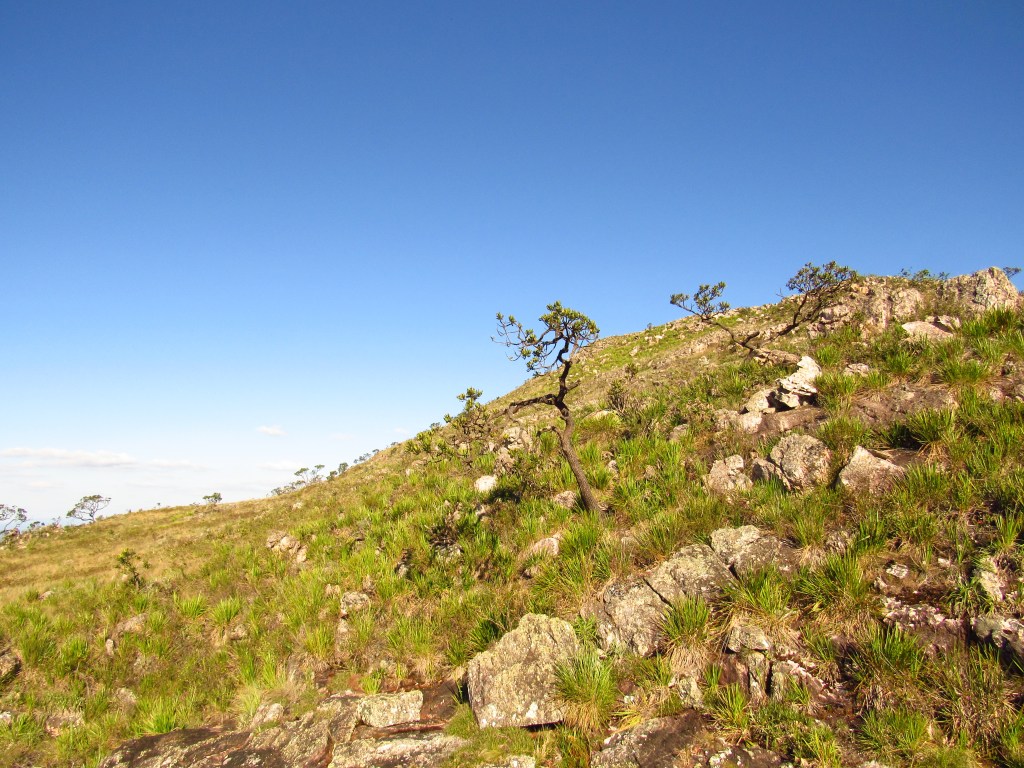
Campos rupestres at the Serra da Canastra, Minas Gerais, Brazil. (Author: Yago Barros-Souza)

Unexpected challenges. The greatest challenge was to select groups that would function as models for the entire flora. We tried to select both monocots and eudicots that are well represented in the campos rupestres and occur in multiple life forms so we could assess both general and lineage-dependent processes. Initially, we were not focused on lineage-specific patterns, but those turned out to be a central character of the story we told in this recent paper.

Major results. This recent paper conciliates competing hypotheses, showing that multiple processes, such as the persistence of old lineages and recent and fast diversification, have shaped the astonishing diversity of the campos rupestres in different ways. We also show that those processes are both space- and lineage-dependent. Thus, we highlight the importance of considering not only the spatial component of evolutionary processes, but also the unique evolutionary history of each lineage.

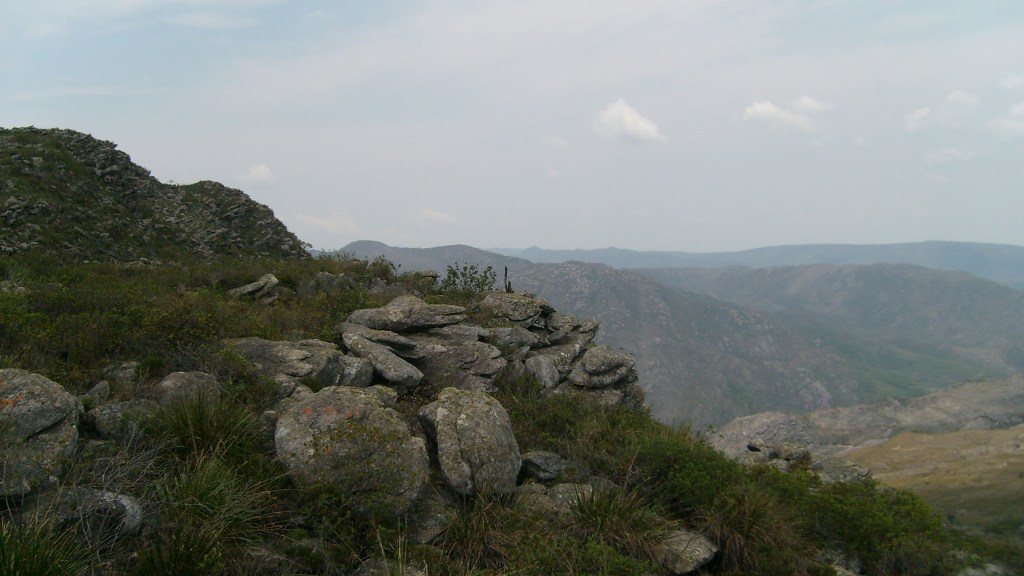
Campos rupestres at the Serra do Cipó, Minas Gerais, Brazil. (Author: Leonardo Borges)

Next steps for this research. We are currently work on a project that integrates multiple data types to assess lineage and morphological composition of the campos rupestres and the surrounding vegetation, as well as identifywhich factor(s) mostly influenced shifts in diversification rates in the campos rupestres. Also, we want to understand the role those morphological traits and the surrounding vegetation played on the processes that shaped the campos rupestres astonishing diversity.

If you could study any organism on Earth, what would it be? I’ve never thought of studying any organism in particular. My main interest is to investigate the history of neotropical plants in general,especially those that dwell in mountainous habitats, like the campos rupestres. The campos rupestres is only recently receiving global attention. Considering that, I’m happy with my choice of studying one of the most diverse tropical floras and contribute towards the understanding of the fundamental evolutionary processes that shaped the campos rupestres and other similar systems.

Island theory is still relevant to alpine biogeography

Area, environmental heterogeneity, scale and the conservation of alpine diversity.

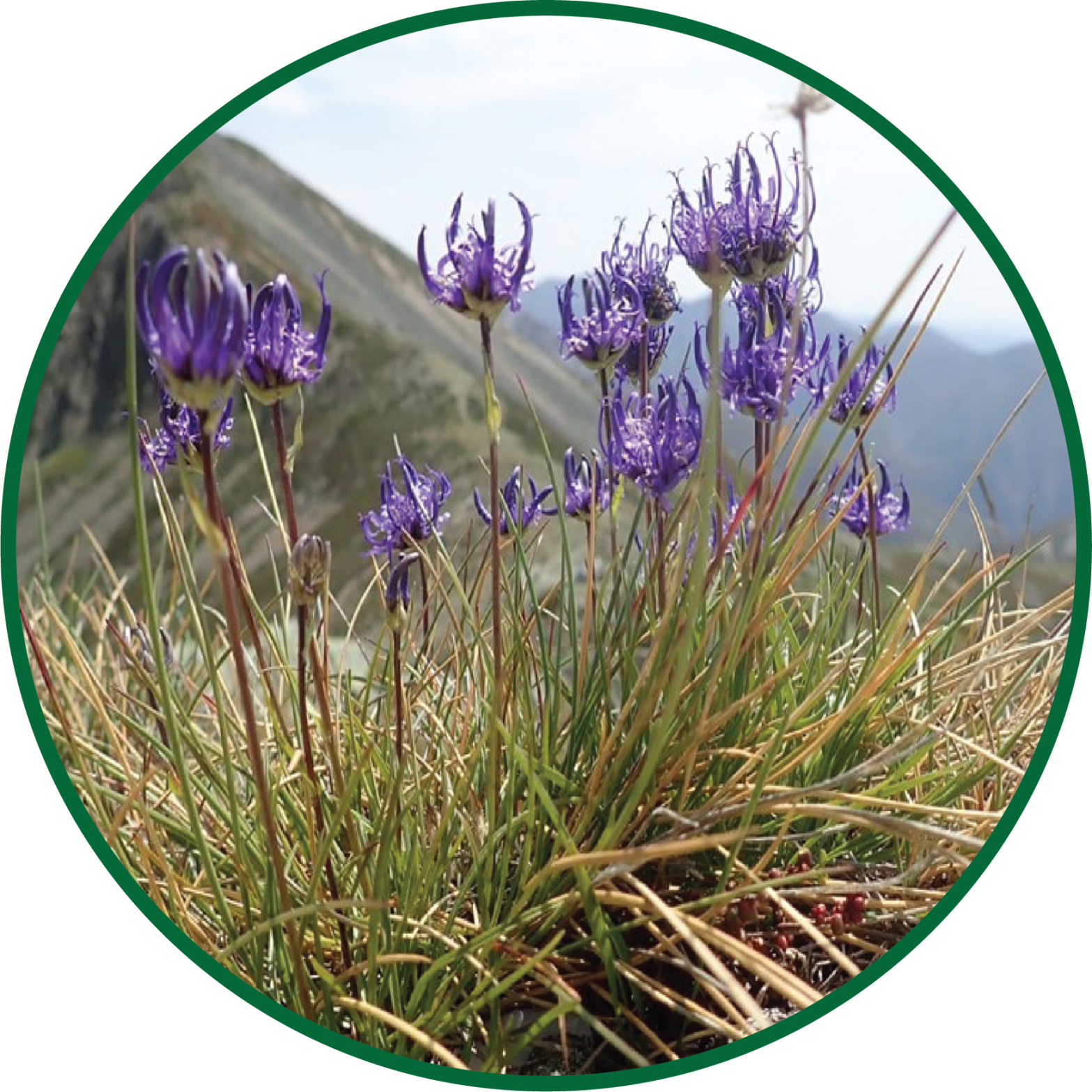
Above: Phyteuma hemisphericum from the Sierra de Villabandín, Cantabrian Mountains, Spain;
photograph by Borja Jiménez-Alfaro

This project was an extension of our work on the relative importance of geographic distance and environmental difference to the beta diversity of alpine plant communities (Malanson et al. 2022). We developed a simulation of all 23 of the mountain ranges in southern and central Europe based on data from 18,000 plot surveys. However, we decided that we could learn more by simulating each range independently. Further, we recognized that additional quantification of environmental heterogeneity within ranges could complement our earlier work (Jimenez-Alfaro et al. 2021). This concurrence led us to the key problem description by Udy et al. (2021) and the simulation model by Ben-Hur (2020) that was similar to what we had developed. Together, these reinvigorated our longstanding interest in the current relevance of island theory to alpine biogeography and the combination of field data and simulation results allowed us to assess the types of environments in which area per se becomes important in the maintenance of species diversity.


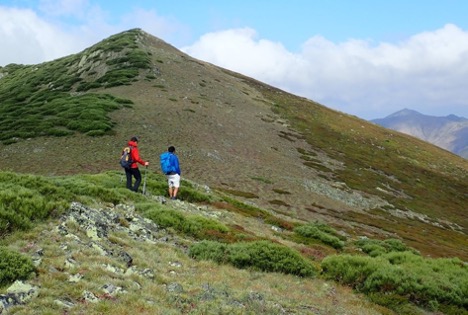
Areas of alpine vegetation are found in 23 mountain ranges in southern and central Europe from the Baetic System in the southwest, in an arc through the central Alps, shown here, to the Hellenides in the southeast (photograph courtesy of Harald Pauli).

Cover article: (Open Access)
Malanson, G. P., Testolin, R., Pansing, E. R., & Jiménez-Alfaro, B. (2023). Area, environmental heterogeneity, scale and the conservation of alpine diversity. Journal of Biogeography, 50, 743– 754. https://doi.org/10.1111/jbi.14573

Beyond the interest to reread MacArthur and Wilson and realize how blithely they dealt with heterogeneity, thinking about the relevance of area per se was motivating. The degree to which the complex topography, and thus heterogeneity, of mountains will provide microrefugia for current alpine species depends on that effect. While our empirical analysis of the 23 ranges is too coarse to address microrefugia, our virtual microcosms show that area per se will, indeed, be important – and this can be seen intuitively in the basic species-area curve upon which MacArthur and Wilson built their theory. The conservation of heterogeneity in microrefugia is no panacea for the impacts of climate change on alpine species diversity.


In local areas, extents can be quite small, as here in the Sierra de Villabandín, Cantabrian Mountains Spain. Fragmentation within the 23 ranges was included in the simulations (photo: Borja Jiménez-Alfaro).

In the process of developing the simulation, the question of the Heterogeneity – Effective-Area Tradeoff (HEAT) emerged. Its significance was driven home in conversation with Kostas Triantis at the International Biogeography Society meeting in Vancouver. Our simulation did not produce this pattern in our basic runs, but additional modifications allowed HEAT to evolve more often when our simulation grid had greater discrete steps of environment in space. While this indicated that HEAT could be induced as a model artifact, it also tells that real landscapes, which often are not continuous, could generate HEAT.

Teaming with others in AlpVeg (https://www.alpveg.com/), next we will pursue questions of microrefugia using finer scale data. These studies may extend globally and would use the GLOBALP database (https://www.givd.info/index.xhtml).


Extension to finer scale analyses will rely in part on legacy data from worldwide plots (here, Glacier National Park, USA) in the GLOBALP database (photo: Calypso Ecological LLC, used by contract).

Written by:
George P Malanson
Coleman-Miller Professor Emeritus, The University of Iowa

Additional information:
https://clas.uiowa.edu/geography/people/george-malanson

References:
Ben-Hur, E. & Kadmon, R. 2020. Heterogeneity–diversity relationships in sessile organisms: A unified framework. Ecology Letters 23, 193–207
Jiménez-Alfaro, B., Abdulhak S, Attorre, Bergamini A, Carranza ML, Chiarucci, A., Ćušterevska R, Dullinger S, Gavilán RG, Giusso del Galdo G, Kuzmanov N, Laiolo P, Loidi J, Malanson GP, Marcenó C, Milanović D, Pansing ER, Roces-Díaz JV, Ruprecht E, Šibik J, Stanisci A, Testolin R, Theurillat J-P, Vassilev K, Willner W, Winkler M. 2021. Postglacial determinants of regional species pools in alpine grasslands. Global Ecology & Biogeography 30, 1101-1115.
Malanson, G. P., Pansing, E. R., Testolin, R., Abdulhak, S., Bergamini, A., Ćušterevska, R., Marcenò, C., Kuzmanović, N., Milanović, Đ., Ruprecht, E., Šibík, J., Vassilev, K., Willner, W., & Jiménez-Alfaro, B. 2022. Explanation of beta-diversity in European alpine grasslands changes with scale. Ecosphere 13, e4066
Udy, K., Fritsch, M., Meyer, K. M., Grass, I., Hanß, S., Hartig, F., Kneib, T., Kreft, H., Kukunda, C. B., Pe’er, G., & Reininghaus, H. 2021. Environmental heterogeneity predicts global species richness patterns better than area. Global Ecology & Biogeography 30, 842–851

Elucidating river history through population genetics of an aquatic organism

Rivers sometimes change their way, caused by geological events. During such river rearrangement, what happened to the inhabitants? We investigated the genetic traces remaining in genomes of the descendants and look for a way to find unidentified geological events.

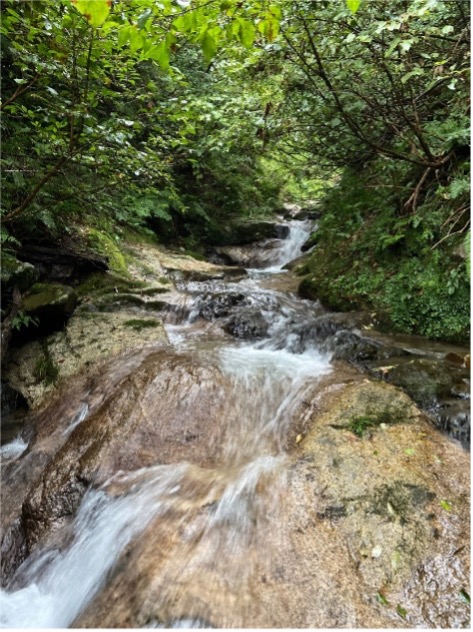
Above: An upper reach of mountain stream on Honshu Island, Japan.

Honshu Island, the main island of the Japan archipelago, has a mountainous landscape with a complex array of strike-slip and thrust faults. Numerous streams rise from the mountain ranges called the Central Divide of Japan, where two major watersheds are divided (The Sea of Japan and the Pacific watersheds). However, the drainage divide is not always apparent, and headwaters of different drainages are close to each other in some locations. As a regional angler, I was wondering if these rivers were connected or disconnected easily by heavy rainfalls, general climate change or geomorphological movement. If so, what happened in aquatic organisms, particularly to their genetic structures and distributions, when their habitats were drastically changed? Accordingly, thinking that stream capture, in which an upper stream of a river is captured by and displaced to another adjacent river, should have a prominent impact on the gene flow of stream fishes, then the history of the landscape should have synchronized the ecology of aquatic organisms. Thus, population genetics should be a good candidate as a witness of the geological events.

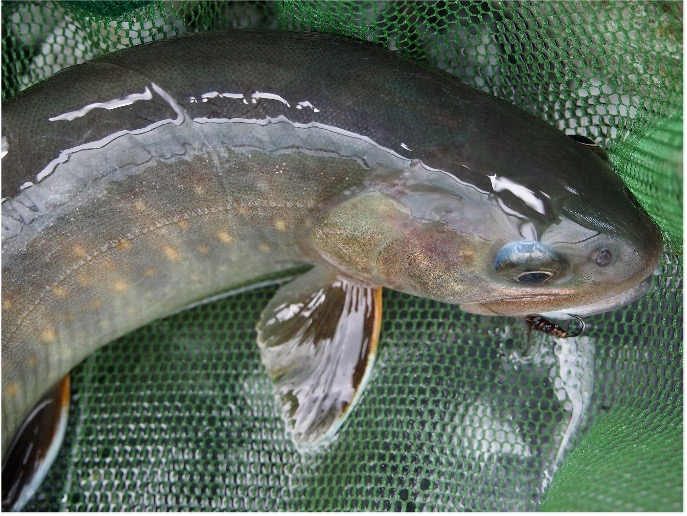
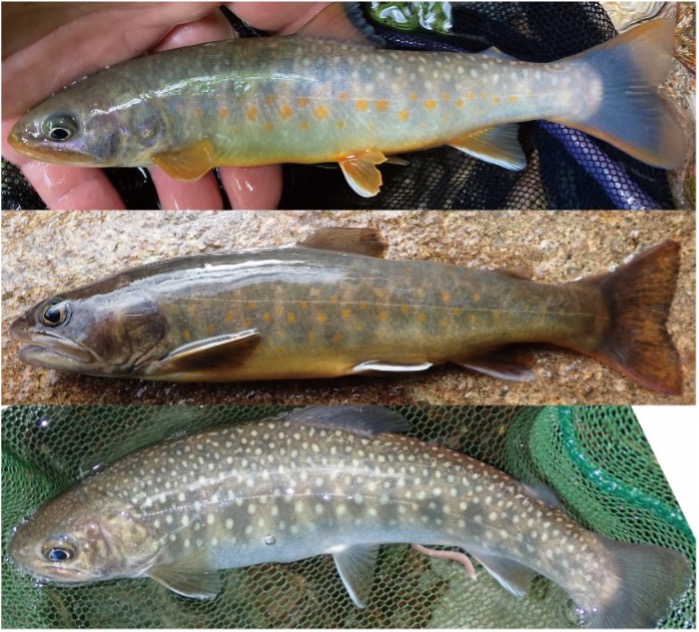
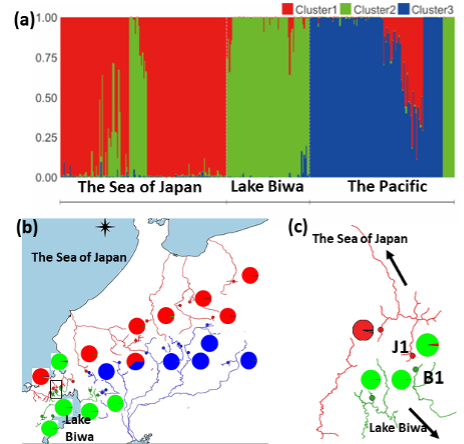
White-spotted charr is a stenothermal cold-water adopted salmonid distribute in North-eastern Pacific, including the Japan archipelago. This species is generally landlocked in the upper streams in Honshu Island, the edge of their distribution. These characteristics would meet requirements bearing witness to geological events (unless there had been human mediated translocation). First, we investigated the genetic structure of white-spotted charr from three major watersheds, the Sea of Japan, the Pacific and Lake Biwa. Samples were collected from the upper reaches close to the divides to avoid the bias of artificial stockings. As a result, fish from three major watersheds were clearly classified into three distinctive genetic structures (Fig. 2).

Editors’ choice article: (Free to read online for two years.)
Masuda, T., Shimono, Y., Kishi, D., & Koizumi, I. (2023). Systematic headwater sampling of white-spotted charr reveals stream capture events across dynamic topography. Journal of Biogeography, 50, 453– 466. https://doi.org/10.1111/jbi.14553

However, we found several exceptions in which genetic structure of charr was inconsistent with the current watershed group. One such exception was seen at a site known to have experienced stream capture (Fig. 3). Although site J1 belongs to the Sea of Japan watershed now, fish from the site were perfectly classified to the Lake Biwa genetic cluster. This result is completely consistent with the history of the river capture, in which site J1 used to be upstream of site B1, and subsequently, the catchment including J1 was captured by the river flowing north to the Sea of Japan, resulting in isolation from B1. In accordance with the geological history, the genetic structure of J1 charr was completely assigned to the Lake Biwa genetic group almost without contamination with genes from the Sea of Japan group. Thus, the population at J1 is a subdivision of the Lake Biwa genetic group, and designated as an ‘exclave case’. It would have been impossible for downstream fish (the Sea of Japan group) to move up into J1 territory because of some intervening gorges and steep waterfalls. The exclave case would be a typical consequence of river capture events. We found another example of an exclave in which the Pacific and Lake Biwa genetic group were related, indicating the unidentified broad area drainage rearrangement.


Typical individuals of white-spotted charr from the Sea of Japan (upper), the Pacific (middle) and Lake Biwa (bottom).

We also observed other genetic and regional inconsistencies that produced genetic admixture in some locations near the divides. This pattern could be a trace of the transient river connections by natural phenomena, although some of such cases might be attributed to human mediated translocation.


(a) Population genetic structure of white-spotted charr from the sample sites. (b) Genetic structure of some populations from the three major watersheds.(c) An example of a population illustrating the “exclave” pattern.

Thus, we proposed the possibility to discover the geological history of drainage rearrangement from the genetic aspects of aquatic organisms. Verification with other aquatic species including invertebrates would further support the hypotheses. We are investigating the genetic structure of Rhynchocypris oxycephalus and Cottus pollux from the locations with probable stream capture history in addition to sites of the current research.

Written by:
Taro Masuda1, Yoshiko Shimono2, Daisuke Kishi3 and Itsuro Koizumi4
1Laboratory of Marine Biology, Faculty of Agriculture, Setsunan University, 45-1 Nagaotoge-cho, Hirakata, Osaka, 573-0101, Japan
2 Laboratory of Weed Science, Division of Agronomy and Horticultural Science, Graduate School of Agriculture, Kyoto University, Kitashirakawa-Oiwake Cho, Kyoto
3 Gero Branch, Gifu Prefectural Research Institute for Fisheries and Aquatic Environments, 2605-1 Hane, Hagiwara, Gero, Gifu, 509-2592, Japan
4 Faculty of Environmental Earth Science, Hokkaido University, N10W5 Sapporo, Hokkaido 060-0810, Japan

ECR feature: Marco Camaiti

Marco is a PhD student at the Monash University, Australia. He is a evolutionary biologist with special focus on biogeography and ecomorphological evolution of lizards. Here, Marco shares his recent work on biogeographic patterns of limb reduction in skinks.

The evolutionary biologist Marco Camaiti

Personal links. Twitter

Institute. Monash University

Academic life stage. PhD student

Major research themes. Evolution, ecomorphology, biogeography, lizards, osteology

Current study system. Currently, I am studying skinks (a group of lizards), specifically forms with reduced or absent legs. These animals are fascinating because of their incredible variety of body shapes, which include a series of intermediates between lizard-like and long-limbed, and snake-like and limbless. Limb reduction also tends to be coupled with the elongation of the trunk and an increase in the number of presacral vertebrae. Skinks also make a great model system to study phenotypic evolution and adaptations because they independently evolved these body shapes multiple times (more than fifty, in fact) and are widespread on almost all continents and through a variety of environments.

Recent JBI paper. Camaiti, M., Evans, A. R., Hipsley, C. A., Hutchinson, M. N., Meiri, S., Anderson, R. O., Slavenk, A., & Chapple, D. G. (2023). Macroecological and biogeographical patterns of limb reduction in the world’s skinks. Journal of Biogeography, 50(2), 428-440. https://doi.org/10.1111/jbi.14547

Motivation behind this paper. The evolution of limb-reduced forms in squamates has been variously investigated; however, the environmental drivers that gave rise to the existing variability of limb-reduced shapes have so far remained unexplored beyond the simple distinction between fossorial and above-ground ecomorphs. For example, different groups of skinks have reduced or lost their legs in different ways, some reducing their forelimbs faster, others their hindlimbs, and in some groups, both are reduced at the same rate. Moreover, skinks have evolved limb reduction and loss in different continents and environmental contexts, ranging from arid desert sands to humid forest floors. In our recent paper, we aimed to investigate the link between these morphologies and their environments and whether similar, if independently evolved morphologies correspond to similar environmental conditions.

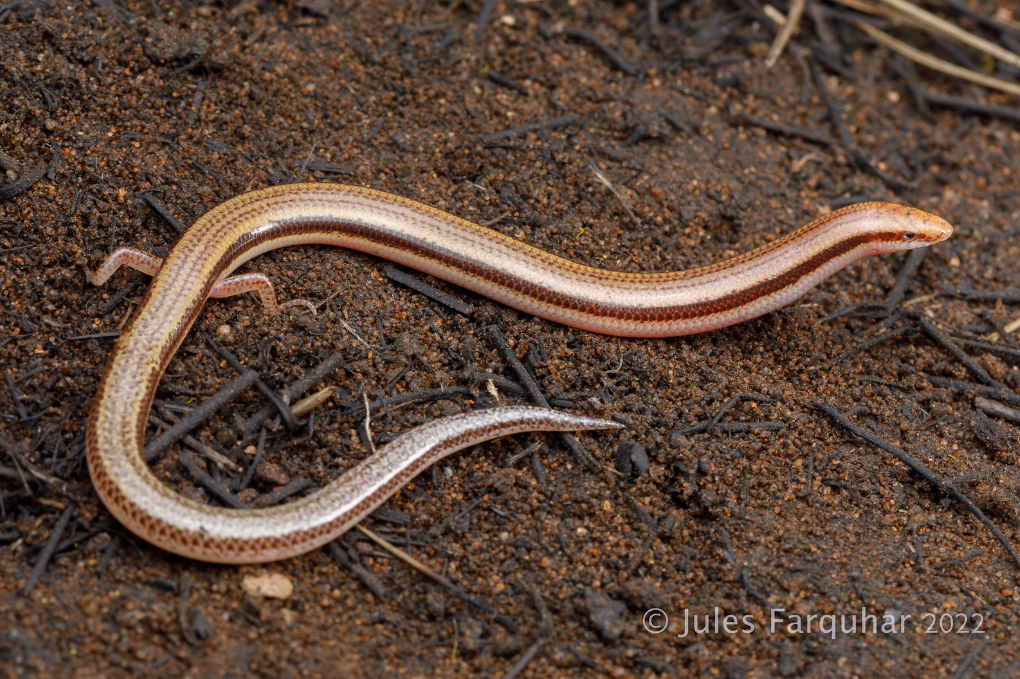
Fitzroy Sandslider (Lerista simillima), a limb-reduced skink without forelimbs.

Key methodologies. We first quantified morphological variation in skinks by regressing measurements of body proportions to identify divergent evolutionary trajectories of limb reduction across subfamilies and focal clades. One of the innovative aspects of this approach was to use limb disparity as a new metric to quantify variations in limb proportions, which tends to 1 for species with longer hindlimbs than forelimbs and to -1 for species with longer forelimbs than hindlimbs. Secondly, we investigated whether aspects of the skink’s morphologies (i.e., limb proportions and elongation of the body) were associated with specific substrate categories for our global dataset of limb-reduced skinks. To investigate ecomorphological associations beyond simple categories, we conducted a parallel analysis using ecological data extracted from the distributions of a large subclade of limb-reduced skinks, the Australian sphenomorphines.

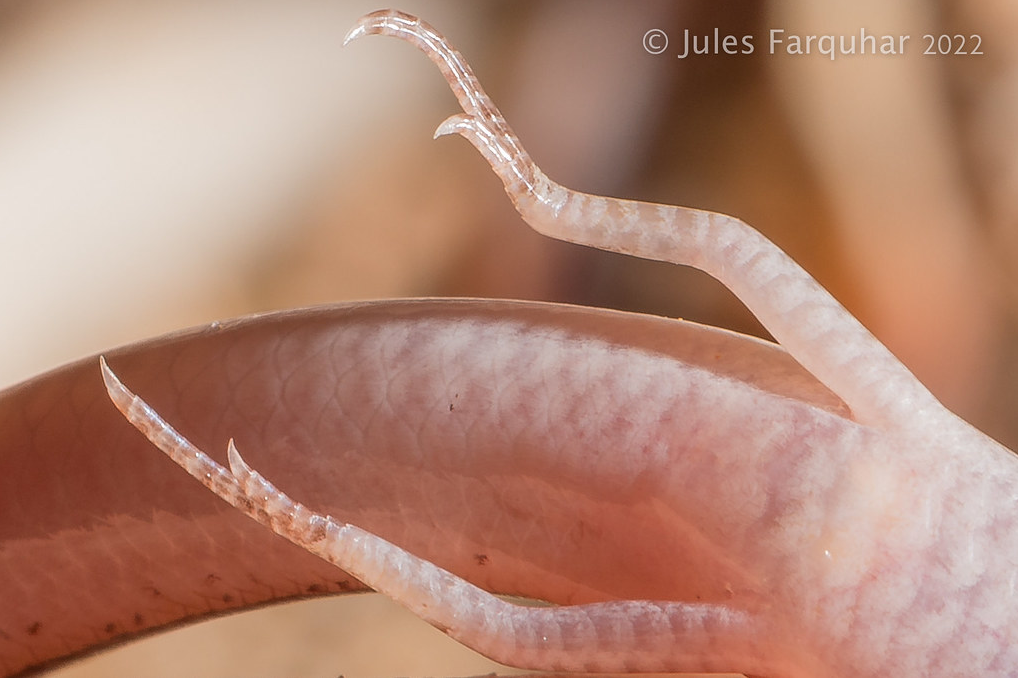
North-western Sandslider (Lerista bipes), a limb-reduced skink without forelimbs. Detail of the foot.

Unexpected challenges. It was certainly challenging to conduct comparative analyses of the relations between all possible combinations of body measurements across clades for almost 300 species. One unexpected result from these analyses was that some clades really have unique ways of becoming limb-reduced and elongating their bodies. In particular, we were surprised to find that one clade, the skink genus Glaphyromorphus, had evolved elongated bodies by increasing the length of its vertebrae instead of their number. Another significant hurdle we encountered was obtaining precise microhabitat data across the distribution of Australian species for our downscaled analyses, given that each had to be extracted and averaged across thousands of data points. Surprisingly, ecomorphological analyses conducted on these data found that more dramatically limb-reduced forms associate with humid, cool, and carbon-rich microhabitats as opposed to dry, arid environments, challenging the assumption that limb reduction is necessarily an adaptation to desert conditions.

Major results. Different clades of skinks evolved limb reduction following different trajectories. Contrary to what previously thought, we found that the shortening of limbs does not correspond to the elongation of the trunk in all clades, and that trunk elongation is not always achieved via an increase in the number of presacral vertebrae. Beyond that, our global ecomorphological investigation found that skinks with longer hindlimbs than forelimbs (positive limb disparity) associate with poor, sandy substrates, as opposed to skinks with equal or shorter hindlimbs, which associate with richer substrates. In other words, more penetrable substrates like humus and sand are generally associated with smaller body sizes. The smaller-scale investigation of the Australian sphenomorphines found a similar result, showing that positive limb disparity is associated with drier, poorer substrates with higher sand percentages. Contrary to previous assumptions, both limb reduction and body elongation are associated with rich, more humid substrates instead.

Dampier Land Limbless Slider (Lerista apoda), a limbless skink.

Next steps for this research. We are interested in investigating other aspects of the morphology of skinks with limb-reduced forms, specifically the internal changes that accompany the evolutionary transitions to limb reduction. We also would like to investigate aspects sensorial adaptations that make fossorial forms so efficient at navigating subterranean environments. Currently, we are working on examining the morphology of the internal bone structures of these animals using computerized tomography (CT) scanning techniques.

If you could study any organism on Earth, what would it be? A squamate, no doubt. They are critically understudied, but they deserve way more attention than they’re currently getting! The extent to which they can change according to different environments is almost unparalleled among tetrapods, making them a unique model system to study evolution.

Anything else to add? I find that the most impressive forms are the ones where a pair of legs is completely gone or vestigial, while the other pair still remains and can actually be quite well-developed. Interestingly, hindlimb-only forms seem to have independently evolved across continents and islands, being found in different lineages across Australia, Madagascar, Africa and Asia, always in association with sand and sandy soil. While forelimb-only forms are rarer, they do exist, and appear to associate with rich substrates like humus.

Jackson’s Three-toed Slider (Lerista jacksoni), a limb-reduced skink with three fingers and toes.

Explaining global body size variation in dragonflies and damselflies: temperature or predators?

Global body size distributions in dragonflies and damselflies are shaped by temperature and predators

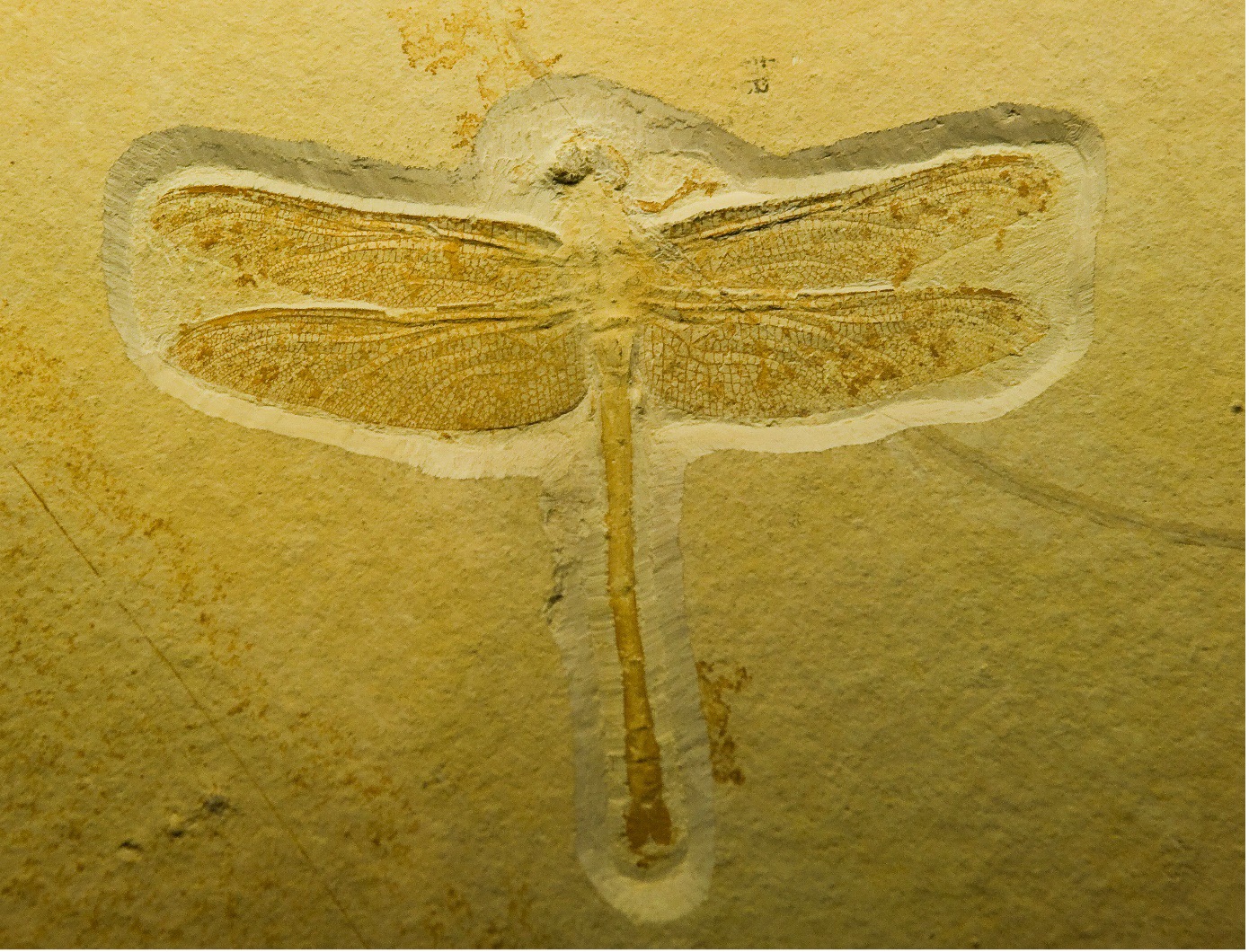
Above: A model replica of a fossil dragonfly (Urogomphus giganteus) in Museum für Naturkunde (Berlin) that lived about 140 million years ago. Dragonflies and damselflies have an unusually rich fossil record, compared to other insect groups. Photo: Erik Svensson.

Dragonflies and damselflies (Odonata) is an old and fascinating insect order, comprising about 6400 species globally. Although not one of the most diverse insect orders, these insects are wellknown to layperson and increasingly popular among amateur naturalists and photographers, due to their interesting behaviours and rich diversity in size, shape and colouration. It is also an insect group with a dramatic macroevolutionary history and a rich fossil record. The ancestors  of Odonata that existed about 300 million years before present, included the now extinct genus Meganeura, where some individuals had a wing span of about 70 cm, the largest flying insects that ever have existed on Earth (Clapham and Karr 2012; Waller and Svensson 2017). The large sizes of these now extinct insects have been explained as being a result of the higher atmospheric oxygen levels during the Carboniferous period, which were over 30 %, compared to the situation today (about 20 %), as flying insects are dependent on high oxygen levels as they breathe through trachea, small openings in the cuticle (Grimaldi and Engel 2005).

Cover article: (open access)
Svensson, E. I., Gómez-Llano, M., & Waller, J. T. (2023). Out of the tropics: Macroevolutionary size trends in an old insect order are shaped by temperature and predators. Journal of Biogeography, 50, 489–502. https://doi.org/10.1111/jbi.14544 

However, even among today’s surviving species of dragonflies and damselflies there is considerable variation in size that remains to be explained. Consider, for instance, the large  Helicopter Damselflies (Megaloprepus caerulatus) in Central and South America with a wing span of about  190 mm vs. the smallest Wisp damselflies of the genus Agriocnemis with wing spans  less than 20 mm. How can we explain this large variation in size today across the globe and which ecological and environmental factors were important in shaping today’s geographic variation in size in Odonata?


A Helicopter Damselfly (Megaloprepus caerulatus), photographed during a night walk in the rainforest reserve La Selva in Costa Rica in February 2020. This is the world’s largest damselfly, where some males can have wing spans of 190 mm. Photo: Erik Svensson.

To answer this question, we compiled size data of dragonflies and damselflies from field guides, scientific articles and internet sources with the aim to create a global database of phenotypic traits of this enigmatic insect order. The first result of this work – to which we owe a great debt to the many students who helped us out – was published in the journal Scientific Data (Waller et al. 2019) and as an open trait database: The Odonate Phenotypic Database (http://www.odonatephenotypicdatabase.org/shiny/odonates/?).

Armed with this database and size information for 775 species of Odonata ranging from the tropics to the temperate zone, we first investigated if there was any latitudinal size gradient. In other words; do dragonflies and damselflies become consistently smaller or larger in size as we moved away from the species-rich tropics where most lineages have their evolutionary origin? It turned out that there was indeed a systematic pattern: at higher latitudes in the temperate zone, dragonflies (suborder Anisoptera), but notably not damselflies (suborder Zygoptera), are larger than in the tropics. This geographic pattern, which is known as the classical “Bergmann’s Rule”, is wellknown among endothermic animals like birds and mammals, but has also been documented among some ectothermic animal groups, including dragonflies and damselflies, and some other insect groups. How can we explain this latitudinal size gradient, then?

The most obvious explanation is temperature. Insects are known to develop faster and reach a smaller size when ambient temperatures are high, like in the tropics. Indeed, we found a significant effect of temperature when analyzing global size variation in Odonata, taking in to account phylogenetic relatedness and by using modern comparative methods. However, temperature is not the sole answer. Two intriguing pieces of data reveal a more complex explanation for these latitudinal size gradients.

First, when taking in to account other environmental factors, such as bird species diversity (a proxy of predation risk on Odonata, as we know that birds are important predators on these large insects), we found that the effect of bird diversity was three times stronger in explaining size variation than the effect of temperature. Moreover, the effect of bird diversity was unlikely to solely be a general diversity effect, unrelated to predation, as mammal diversity (which served as an independent control variable) did not show such a strong effect. This strongly suggests that the diversity of avian predators has a negative effect on the average size of dragonflies and damselflies across the globe.

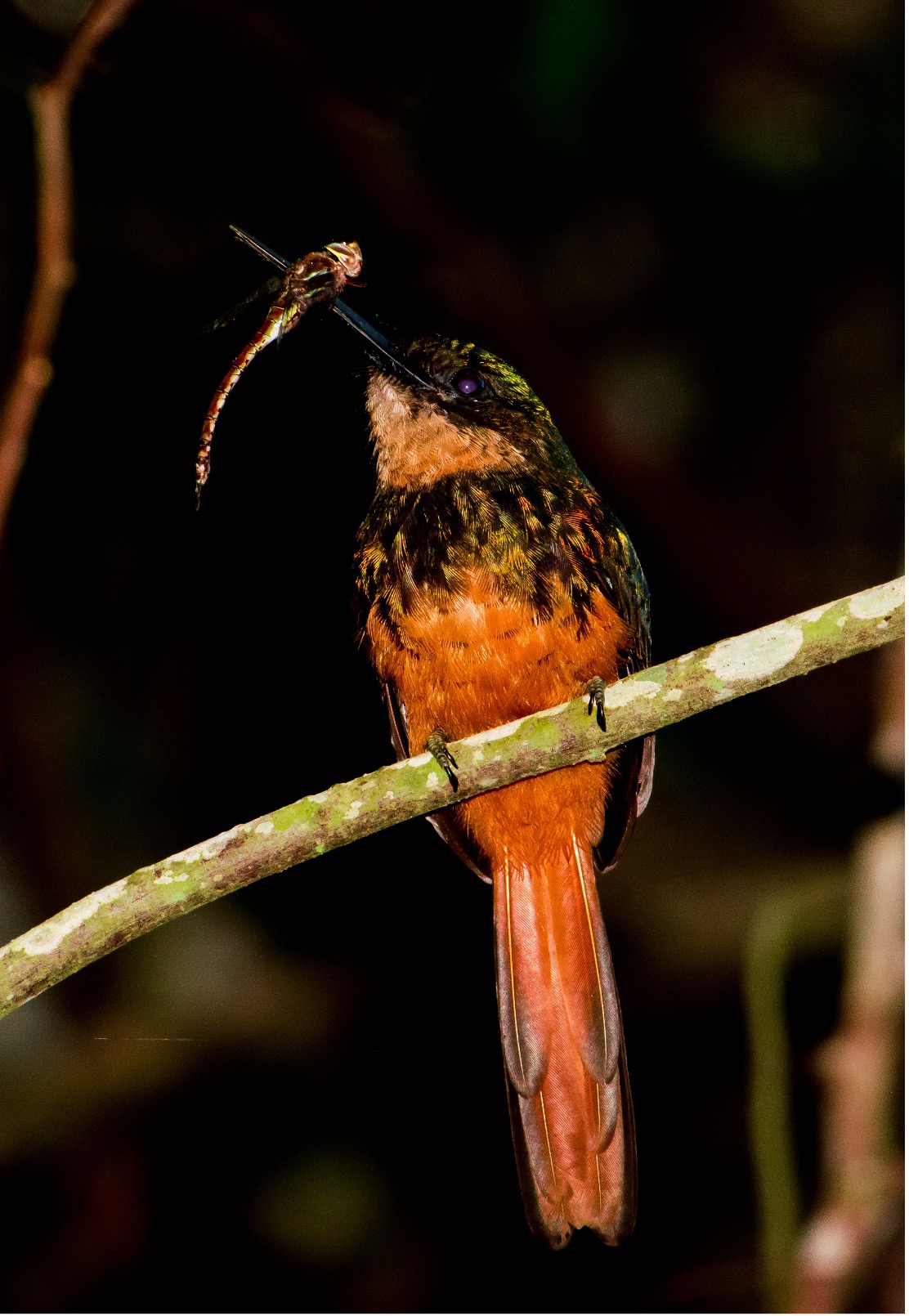
An additional piece of evidence in this puzzle comes from how the latitudinal size gradient in Odonata has changed over macroevolutionary time, during the last 210 million years.  To investigate this, we used data on extinct species of Odonata from the Paleobiology Database (https://paleobiodb.org/#/). By combining size and age information and information about the paleo-latitude of different-sized fossils, we found that the latitudinal size gradient has changed over macroevolutionary time. The recent latitudinal size gradient where the largest species are found at the highest latitudes is actually of recent origin. In the past the latitudinal size gradient had a different sign, and the largest species were found at low latitudes in the tropics. These findings from the fossil record decisively show that a simple explanation based on temperature cannot fully explain why the largest species are found at the highest latitudes as there is no reason to think that they should respond differently to temperature now than they did in past geological times. Instead, we interpret these changing latitudinal size gradients as a result of the evolutionary radiation of birds, that emerged on the geological scene about 150 million years ago. Birds then diversified rapidly after the most recent mass extinction at the end of the Cretaceous Period, 65 million years ago.


In the tropics, bird predation on Odonata is high, as illustrated by this Rufous-tailed Jacamar (Galbula ruficauda) that has caught a Buenos Aires Darner (Aeshnidae: Rhionaeschna bonariensis) in REGUA wetland reserve in the Atlantic Forest of Brazil in January 2018. Photograph by E.I. Svensson.

As birds are major predators on Odonata, we suggest that as they started to diversify at lower latitudes, their increased presence selected against larger sized species that could, due to their higher dispersal capacity, subsequently escape predation by invading the temperate region with lower predation pressure. Thus, increased pressure from birds in combination with higher dispersal capacity of large-bodied species of Odonata partly shaped the current latitudinal size gradient, alongside with temperature.

Our study therefore illustrate that both temperature and birds were responsible for creating the current latitudinal size gradient and a single explanatory factor is thus insufficient to fully explain today’s global size distribution. We hope that our work will stimulate research on other organismal groups and that researchers will consider both abiotic factors like temperature but also biotic factors like predator pressure when seeking to explain latitudinal size gradients. However, research on both Odonata and other insects is limited by lack of body size and ecological information, particularly for tropical taxa. In the present study, for instance, we only had access to size data for 775 out of the total of 6400 species of Odonata that are known, or about 12 %. This mainly reflects the lack of field guides and data from the tropics. Clearly, our study has only laid the foundation for future work in this area and there is an urgent need for more data from the tropics for this and other insect groups.

References:
Clapham, M. E., and J. A. Karr. 2012. Environmental and biotic controls on the evolutionary history of insect body size. Proceedings of the National Academy of Sciences of the United States of America 109:10927–10930.
Grimaldi, D., and M. S. Engel. 2005. Evolution of the insects. Cambridge University Press, New York.
Waller, J. T., and E. I. Svensson. 2017. Body size evolution in an old insect order: No evidence for Cope’s Rule in spite of fitness benefits of large size. Evolution 71:2178–2193.
Waller, J. T., B. Willink, M. Tschol, and E. I. Svensson. 2019. The odonate phenotypic database, a new open data resource for comparative studies of an old insect order. Sci. Data 6:1–6.

Written by:
Erik Svensson
Professor, Department of Biology, Lund University, SE-223 62 Lund, SWEDEN

Additional information:
Website: https://portal.research.lu.se/en/persons/erik-svensson
Twitter: https://twitter.com/EvolOdonata
Mastodon: https://ecoevo.social/@EvolOdonata

ECR feature: Kyle William Gray

Kyle is a PhD candidate at the Arizona State University, U.S.A. He is a evolutionary biologist with special focus on natural history, biogeography and evolution of ants. Here, Kyle shares his recent work on global biogeography of ant social parasites.

Kyle enjoys collecting ants in beautiful places such as Bishop, California, U.S.A.

Personal links. Website

Institute. Arizona State University, U.S.A. & University of Hohenheim, Germany.

Academic life stage. PhD candidate

Major research themes. Biodiversity, biogeography, and evolution of ants.

Current study system. My doctoral dissertation focuses on the biodiversity, biogeography and evolution of socially parasitic ants and ants in the South Pacific. Ant social parasites are a diverse set of species that exploit the parental caring behaviour of other ant species and do so in a variety of ways. Ants in the South Pacific are equally interesting to me because there have been numerous radiations of endemic species across different archipelagos that exhibit a fascinating diversity of morphologies, and there are still under-sampled archipelagos that offer much room for novel discoveries.

Recent JBI paper. Gray, K. W., & Rabeling, C. (2022). Global biogeography of ant social parasites: Exploring patterns and mechanisms of an inverse latitudinal diversity gradient. Journal of Biogeography, 50(2), 316-329. https://doi.org/10.1111/jbi.14528

Motivation behind this paper. The motivation for this paper was to use distribution data and our current understanding of the ant tree of life to test the historical biogeographic hypothesis that ant social parasites are most species-rich in the northern hemisphere where the fewest free-living ant species exist, i.e., that ant social parasites are distributed along an inverse latitudinal diversity gradient. Although previous works have discussed this pattern, these were either qualitative or focused on a few species. Given the significant increase in our understanding of ant biodiversity around the globe, especially in tropical regions, the time was ripe to look closely at the current global biogeography of ant social parasites. Furthermore, we hoped our research would serve as a basis for future works that aim to answer how abiotic and biotic factors possibly shape the geographic distribution of socially parasitic Hymenoptera.

Key methodologies. We assembled a comprehensive biogeographic and life history dataset of all 371 described socially parasitic ant species using published data sources. We then used phylogenetic and taxonomic studies to estimate independent evolutionary origins of ant social parasitism to compare species richness with the number of species representing independent evolutionary origins of social parasitism across a latitudinal gradient. This corrects for phylogenetic non-independence caused by species radiations in some clades of ant social parasites. In addition, we compared ant social parasite diversity across biogeographic regions using rarefaction to account for different sampling efforts and data availability – which is important given the historic sampling bias for ant social parasites in the northern hemisphere. Finally, we tested for a correlation between latitude and the proportion of ant social parasite species within regional ant faunae.

Workers of the dulotic ant social parasite species Polyergus mexicanus taking a stolen pupa back to its nest. Bishop, California, U.S.A.

Unexpected challenges. I think the primary challenge was the breadth of the study both in terms of the history of ant social parasite research (at least since the days of Darwin) and that these species span numerous genera and subfamilies. I ended up reading over seven hundred papers to extract all the data used in this study, which included a significant portion of papers written in 19th or early 20th century German, French, and Italian. Reading through these historic papers was a struggle sometimes, but I began to enjoy the historical aspect of this. I was not only learning about the biology of these fascinating ants, but also learning about ant biology history. In addition, given that the study was on a global scale, I learned about different places across the globe. Overall, this project ended up being a scientific, historical, linguistic, and geographical endeavour.

Major results. Ant social parasites peak in both species richness and in the number of evolutionary origins of parasitism in the northern hemisphere where the least free-living ant diversity exists. Thus, ant social parasites exhibit an inverse latitudinal diversity gradient by peaking in diversity outside the equatorial tropics. The dulotic social parasites, which refers to species that perform interspecific brood raids to capture workers for colony maintenance tasks, contribute significantly to the pattern because they are still only found in the northern hemisphere mostly within temperate regions. It also appears that this inverse latitudinal diversity gradient is driven by large species radiations in the northern hemisphere. Additionally, the proportion of ant parasite species increases significantly with latitude only in the northern hemisphere, which resembles a pattern reported in parasitic bees. Overall, the biogeography of ant social parasites provides another interesting example of how specialized life histories shape global biodiversity patterns.

Exploring a vast landscape in southern Arizona, U.S.A. for the ant social parasite species Pogonomyrmex anergismus.

Next steps for this research. We hope this work reinforces the need for continued sampling and in-depth natural history studies for ant social parasites, especially in under-sampled tropical regions of Africa and Asia where exciting discoveries undoubtedly wait to be revealed. For example, one of the most puzzling observations in ant social parasite research is that dulotic species are still only found in the northern hemisphere. Is this due to some special aspect of the northern hemispheric ant fauna facilitating the evolution of dulosis? Possibly. Or do dulotics occur in the southern hemisphere but we just have not found them yet? One can only speculate. The answer will come with more field work!

If you could study any organism on Earth, what would it be? I am happy to say that I would keep studying ants! There are enough interesting phenomena in the ants to keep me busy for multiple lifetimes. Plus, I just love the way ants look. I can watch ant colonies do their thing for hours or look at images and illustrations of ants all day. They are beautiful, savage little beasts.

Anything else to add? This study would not have been possible without the efforts of other ant biologists as well as AntMaps (antmaps.org), AntWeb (antweb.org) and AntWiki (antwiki.org). The fact that we have these wonderful resources is truly a blessing and I cannot express my gratitude enough for the people that made these resources happen.

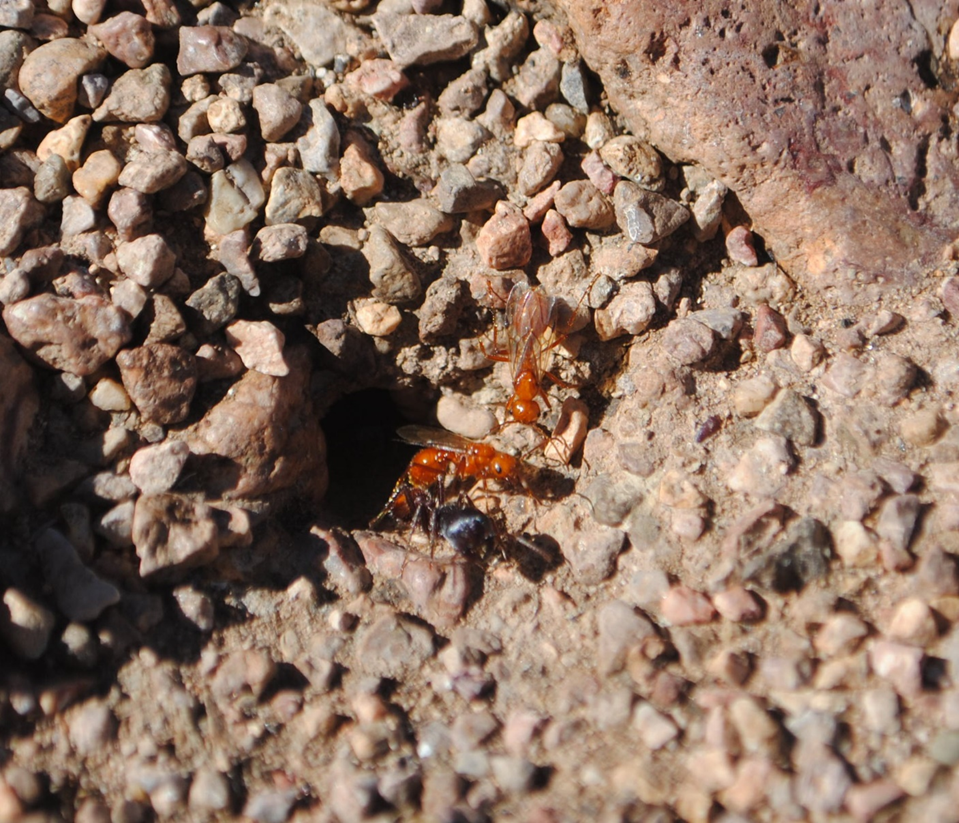
Two males of the ant social parasite species Pogonomyrmex anergismus at the nest of its host species Pogonomyrmex rugosus in southern Arizona, U.S.A.

ECR feature: André Vicente Liz on lizard diversity across the hyper-arid Sahara Desert.

André is a PhD student at the Research Centre in Biodiversity and Genetic Resources, Portugal. He is an ecologist with special focus on biogeography, for which he combines historical and conservation perspectives. Here, André shares his recent work on the evolution of lizards inhabiting the most arid habitats of the Sahara Desert.

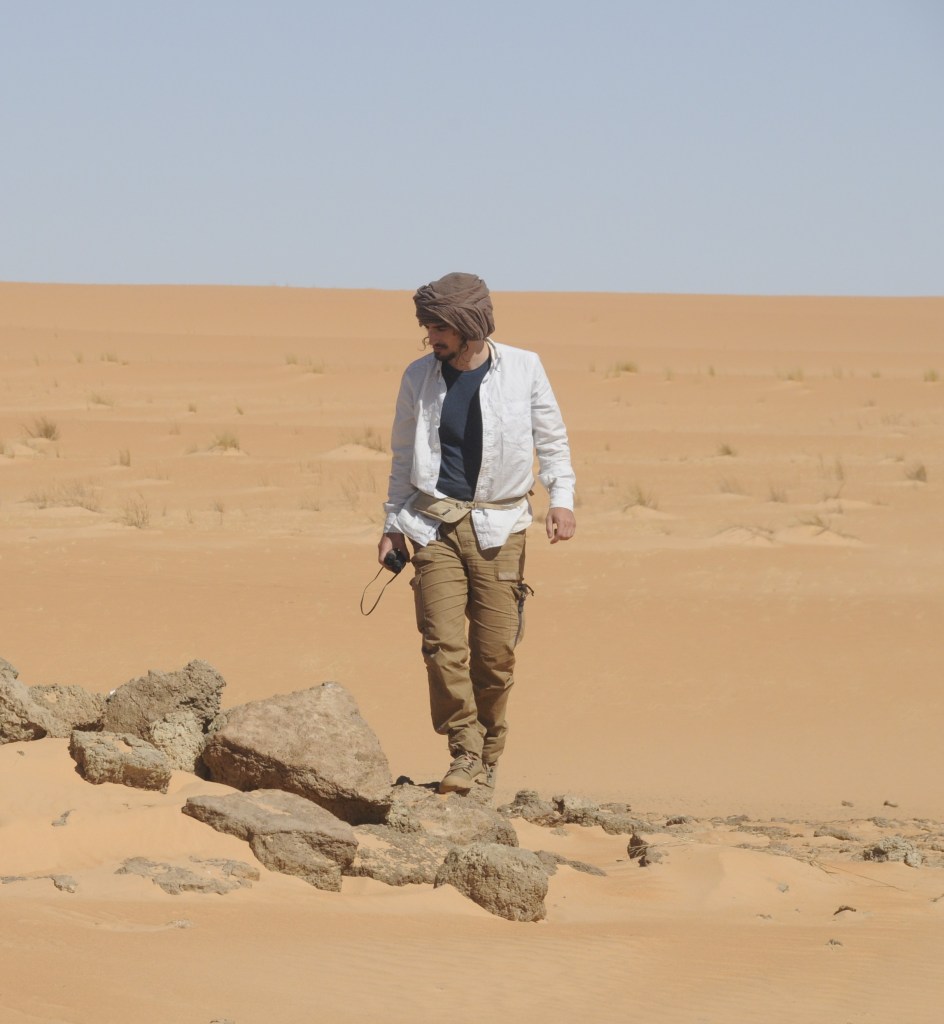
André during his Ph.D. sampling in the ergs (sand dune fields) of Ouarane, Mauritania.

Personal links. Researchgate | GoogleScholar | Institution | Facebook

Institute. CIBIO/InBIO, ​Research Centre in Biodiversity and Genetic Resources, University of Porto.

Academic life stage. PhD student.

Major research themes. Biogeography and phylogeography interface between comparative and conservation approaches. During my Ph.D. (ongoing), I investigate spatial biodiversity patterns in the Sahara Desert, aiming at (1) understanding the origin of the desert’s unique fauna and (2) synthesizing knowledge that can be used to minimize the impacts of the unprecedented climatic emergency on species’ persistence.

Current study system. Because they are intensely arid and bare, Saharan hyper-arid habitats (like the dune “erg” fields) appear to be virtually devoid of life, but such empty-desert rule is to some extent misleading given that some organisms successfully persist within these habitats. Beyond desert-flagship invertebrates (such as scorpions and beetles), the best example are spiny-footed lizards, Acanthodactylus scutellatus complex. These are conspicuous and widespread dwellers of sandy fields, wherein they have thrived for millions of years under extreme dryness thanks to their remarkable tolerance towards aridity constraints. These singularities make spiny-footed lizards unique pieces to understand the Sahara puzzle.

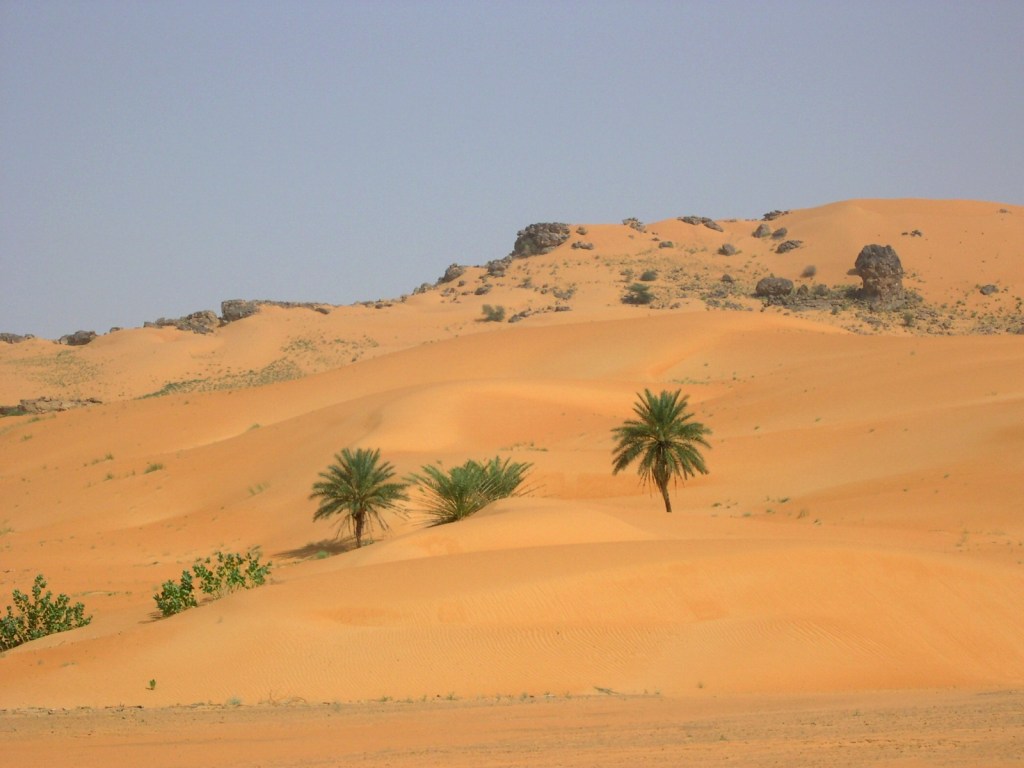
Vegetated patches and rocky outcrops contrast with the endless desert sand. Photo Credits: José Carlos Brito.

Recent JBI paper. Liz, A. V., Rödder, D., Gonçalves, D. V., Velo‐Antón, G., Tarroso, P., Geniez, P., Crochet, P.-A., Carvalho, S. B., & Brito, J. C. (2022). Overlooked species diversity in the hyper‐arid Sahara Desert unveiled by dryland‐adapted lizards. Journal of Biogeography 23(1), 101–115. https://doi.org/10.1111/jbi.14510

Motivation behind this paper. We know very little about hyper-arid habitats in the Sahara Desert, despite the area’s vastness (it is larger than the whole Australian continent!) and key role in global dynamics (like dust exportation to feed the Amazon rainforest). Indeed, filling existing knowledge gaps is important from both a natural-history and conservation perspective; first, because the paleoclimatic cycles that affected the desert’s extent make it a unique natural system to understand biodiversity responses to steep environmental shifts; and second, because the expected drastic impact of global warming in the region urges efficient measures to protect its unique wildlife. These reasons led us to study the biogeography of spiny-footed lizards, bearing in mind that, through the analysis of present-day species’ distribution and evolutionary patterns, we could infer historical landscape dynamics (such as shifts in sandy habitats and surface humidity) and verify the magnitude of regional biodiversity shortfalls (how many species have not been properly described?).

Key methodologies. One strength of this paper was the integration of different methodologies, namely ecological modelling, phylogeography and population genetics, to obtain a rather complete picture of the evolutionary history of spiny-footed lizards across the Sahara, and partially overcome sampling biases towards the more accessible areas. For instance, through ecological modelling and spatial interpolations of genetic data, we were able to obtain information from unexplored areas – which species are likely to occur therein? where should we expect higher diversity?

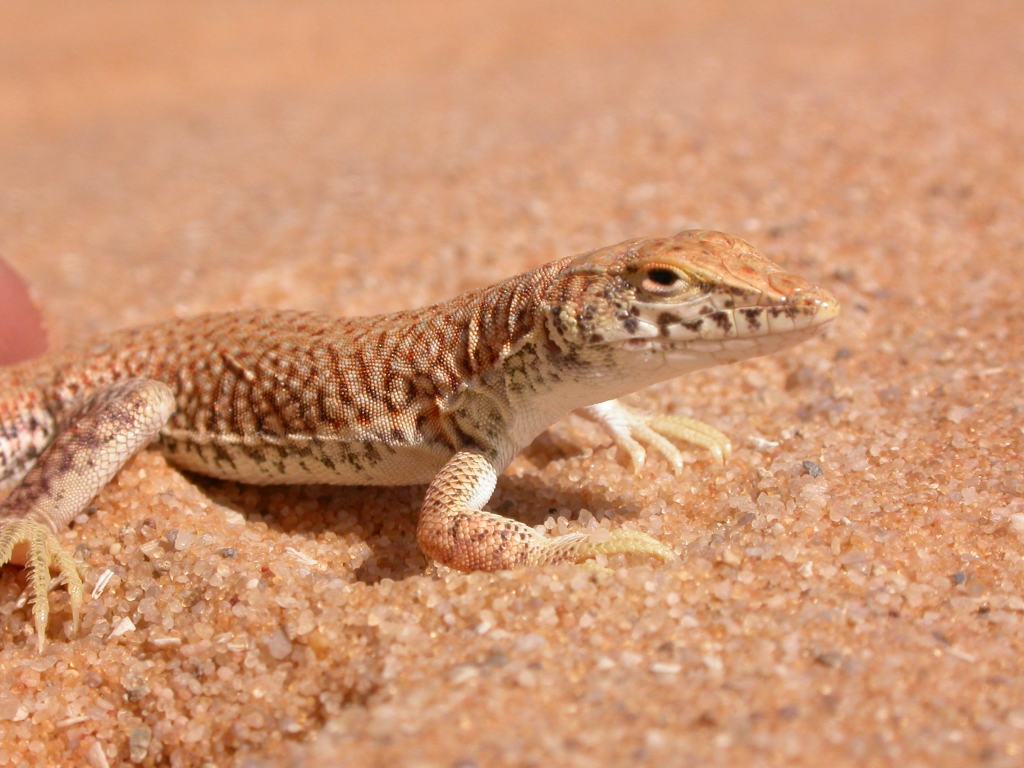
Specimen of Long Fringe-fingered Lizard, Acanthodactylus longipes, a conspicuous dweller of Saharan ergs. Photo Credits: José Carlos Brito.

Unexpected challenges. Certainly, the main challenge was to compile a representative set of samples that were relatively well distributed across the Sahara, considering that it would take us ages to survey the whole region or reach remote areas far from the main human settlements. The Sahara spans over 10 countries, some of them affected by long-lasting armed conflicts and political instability, which adds another layer of difficulty to field campaigns. To solve these issues, we focused sampling on the most accessible hyper-arid habitats, which could be reached in “only” a few days of driving, and by complementing it with natural-history collection samples. Finally, after over a decade of intermittent fieldwork and countless car breakdowns, we were able to build a rich dataset of ~700 samples to start the analyses.

Major results. The most exciting result was the amount of diversity still to be described from the group, which we had far underestimated. Even for taxa that are linked to habitats that are super common in the Sahara, most widespread “species” are in fact a collection of range-restricted species. You take sand specialists, there is sand everywhere and they are present everywhere, yet they have diverged (mostly until speciation) to a level totally crazy! And yet some candidate species are going from the Red Sea to nearly the Atlantic coast… This is very interesting both in terms of natural history (which environmental/geological mechanisms are responsible for such great diversity and connectivity?) and conservation (because the hyper-arid Sahara harbours many more species than what is often realised).

Next steps for this research. I would like to dig more into the biogeographic role of hyper-arid habitats in shaping local species structure, especially during “Green Sahara” phases – did sandy/gravel lowlands become the single pockets of suitable habitats for dryland specialists? were mountains more efficient shelters instead? or was it a mix between these two scenarios, where species persisted in the edge of hyper-arid habitats? are there differences according to functional groups (for instance, would reptiles and arthropods show the same trend)? Understanding these issues would help clarify the ecological value of these historically neglected habitats in the origin of the desert’s unique diversity.

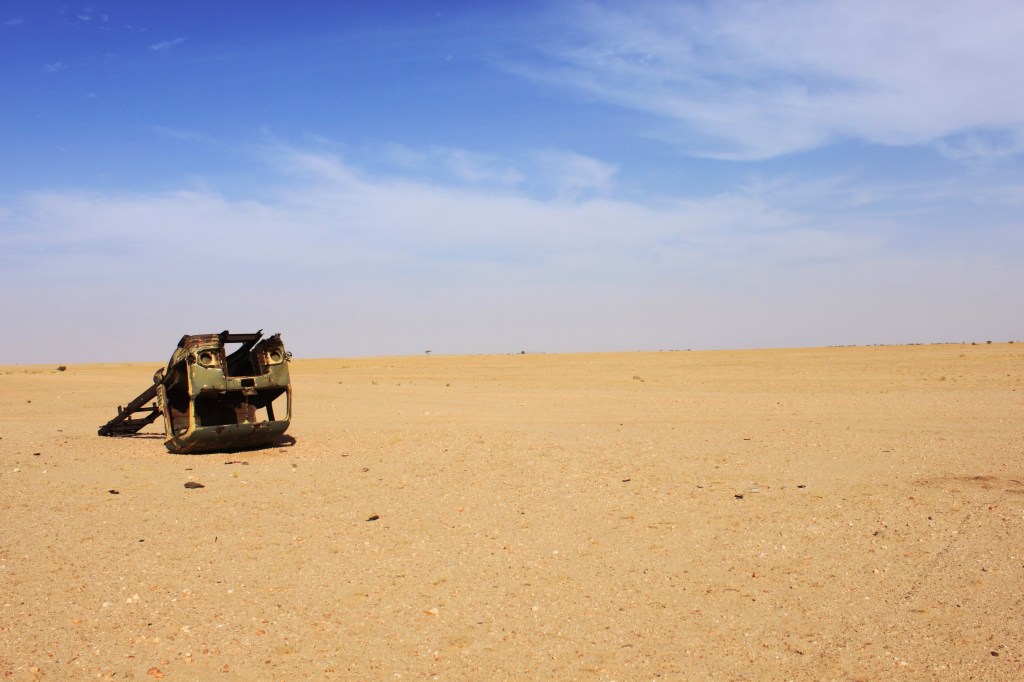
An old truck near Bir Moghrein, which could not make it through the harsh desert conditions. Photo Credits: José Carlos Brito.

If you could study any organism on Earth, what would it be? I am fascinated by tropical habitats and the explosion of life present therein. Prior to my Ph.D., I spent two years in southern Brazil; this experience really marked me both at the professional and personal level. There, I learned to appreciate the symphonic communities of the Atlantic Forest, but also became aware of the conflicting context of dramatic environmental destruction that imperils their perpetuation. I would love to move back there one day and contribute to the conservation of these habitats.

Poor flyers in the sky (-islands)

“As with mariners shipwrecked near a coast, it would have been better for the good swimmers if they had been able to swim still further, whereas it would have been better for the bad swimmers if they had not been able to swim at all and had stuck to the wreck.” (Darwin 1859)

Above: Chorthippus cazurroi (Bolívar, 1898) is a grasshopper that inhabits the summits of the eastern Cantabrian Mountains (Spain); photograph by Eva de Mas.

This metaphor, although in quite a different context, nicely introduces our paper on mountain organisms (Laiolo et al. 2023). In mountaintops, local conditions — strong winds, chilling temperatures — are hardly suitable for flying, especially for small ectotherms. Given that resources are limited, it would be more advantageous to invest in other traits and process rather than in wings and dispersal. In our study we have found that grasshoppers and bumblebees have progressively shorter wing span from lowlands to mountaintops. This reduction is especially marked in grasshoppers, with many flightless species inhabiting high elevations (Fig. 1). The resources saved from wings are partly invested in other life-history traits: eggs get larger, at the advantage of offspring survival.


The grasshopper Podisma carpetana is endemic to Central and Northern Spain and only inhabits mountainous areas. The male (in this picture) and the female have vestigial wings and do not fly. Photo by Eva de Mas.

This result illustrates the adaptations that two phylogenetically distant insect groups (Orthoptera and Hymenoptera) have evolved. Nonetheless, wings serve to disperse, and the dispersal limitations of highland insects have consequences for populations and communities. This limitation affects alpha and beta diversity, and reduces the interchange of species between peaks but not that from lowlands to peaks. As the climate warms, mountain habitats could rescue species from lower elevations, as these species are like Darwin’s “good swimmers”. A nearby mountain, however, cannot rescue a mountaintop species, since peak-to-peak rescues assume that the species can get there, and these are “stuck to the wreck”. Therefore, the fate of these species depends on other mechanisms, such as persistence in climatic refugia or evolution.

Editors’ choice article: (Free to read online for two years.)
Laiolo, P., Illera, J. C., & Obeso, J. R. (2022). Stuck on top of a mountain: Consequences of dispersal limitations for alpine diversity. Journal of Biogeography 50:282-290. https://onlinelibrary.wiley.com/doi/10.1111/jbi.14513

Our main aim was to determine to what extent mountains are true islands for the organisms that inhabit them. We highlighted a powerful influence of the elevation gradient in individual wing variation, and in the strength of environmental filters. We linked trait-based processes at the species level to emergent features of communities, such as alpha and beta diversity, and their spatial patterns, connecting evolutionary, ecological and biogeographic theory.


A view of Cantabrian Mountain peaks emerging from a sea of clouds. Photo by Paola Laiolo.).

In the end, at least for these insects, are the tops of mountains true islands? We cannot say they are, as they receive immigrants from the sea (the valleys). However, insect populations up there do live isolated by a sea of air … or of water vapor.

Written by:
Paola Laiolo
Biodiversity Research Institute (Spanish National Research Council, University of Oviedo, Principality of Asturias), Spain

Additional information:
paola.laiolo@csic.es
https://www.unioviedo.es/IMIB/laiolo-paola/