Arlo Hinckley is a postdoctoral researcher at the Smithsonian National Museum of Natural History and Universidad de Sevilla. He is an evolutionary biologist with a focus on the origin, maintenance, and distribution of mammalian diversity. Here, Arlo shares his recent work on the evolutionary history and divergence patterns of Asian squirrels. Picture of Arlo HinckleyContinue reading “ECR feature: Arlo Hinckley”
Author Archives: BiogeographyNews
#ChiefEditor #Resign @jbiogeography
After almost four years as Editor-in-Chief with the Journal of Biogeography, I have decided to step down. For the most part, these have been four productive years. We did a lot (see “accomplishments” below), working with a truly tremendous team of editors, and good support at the time from our colleagues at Wiley. But thereContinue reading “#ChiefEditor #Resign @jbiogeography”
ECR feature: André Luís Luza
André Luís Luza is a postdoc at Universidade Federal de Santa Maria, Brazil. He is an ecologist with special focus on community ecology, macroecology, and macroevolution. Here, André shares his recent work on functional diversity patterns of reef fish, corals and algae. André Luís Luza is currently a post-doctoral researcher at the Universidade Federal deContinue reading “ECR feature: André Luís Luza”
Tracing plant dispersal into the Pacific
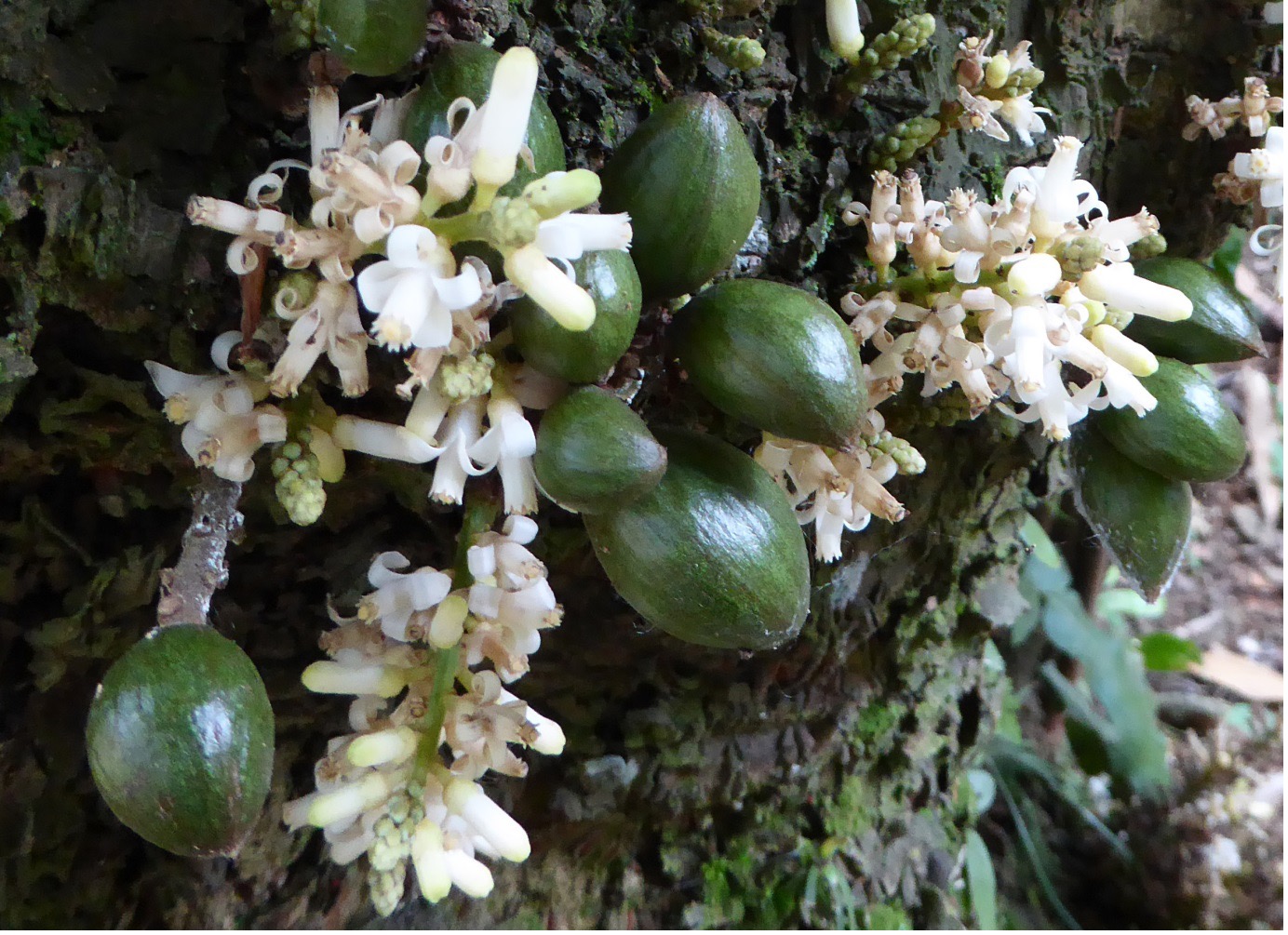
Of fruits, seeds, and vectors – biogeographic processes and the impact of long-distance dispersal. Above: Fruits and flowers of Epicharis cuneata (Hiern) Harms, which is a rainforest tree species from the Meliaceae. Photo credit: Alexandra N. Muellner-Riehl. This study started with the aim to investigate the biogeographic history of Dysoxylum s.l., a polyphyletic group ofContinue reading “Tracing plant dispersal into the Pacific”
ECR feature: Anne Thomas
Anne is a postdoc at the Laboratoire d’Ecologie Alpine, CNRS, France. She is an ecologist studying at the intersection of phylogenetics, biogeography, and climate change. Both in prose and verse, Anne shares the history of New Zealand’s largest plant radiation. Anne hugging a hebe in the subalpine tussock grassland of the Rock and Pillar rangeContinue reading “ECR feature: Anne Thomas”
Do bats follow the ‘island rule’?
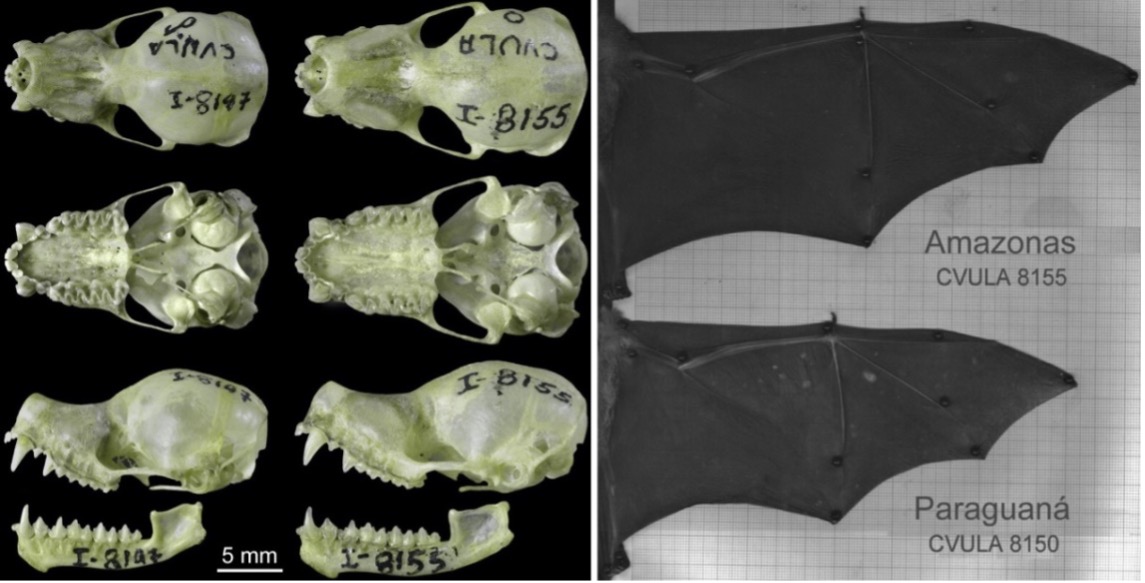
The search for a yardstick to gauge geographic variation in a taxonomic context yielded answers to broader biogeographical questions Above: Geographic variants in the Allen’s common moustached (Pteronotus fuscus). Left, cranium and mandible of a specimen from Paraguaná Peninsula (CVULA 8197). Center, cranium and mandible of a specimen from Venezuela south of the Orinoco RiverContinue reading “Do bats follow the ‘island rule’?”
A glimpse into the past: complementary evidence for deciphering the history of an emblematic tree species
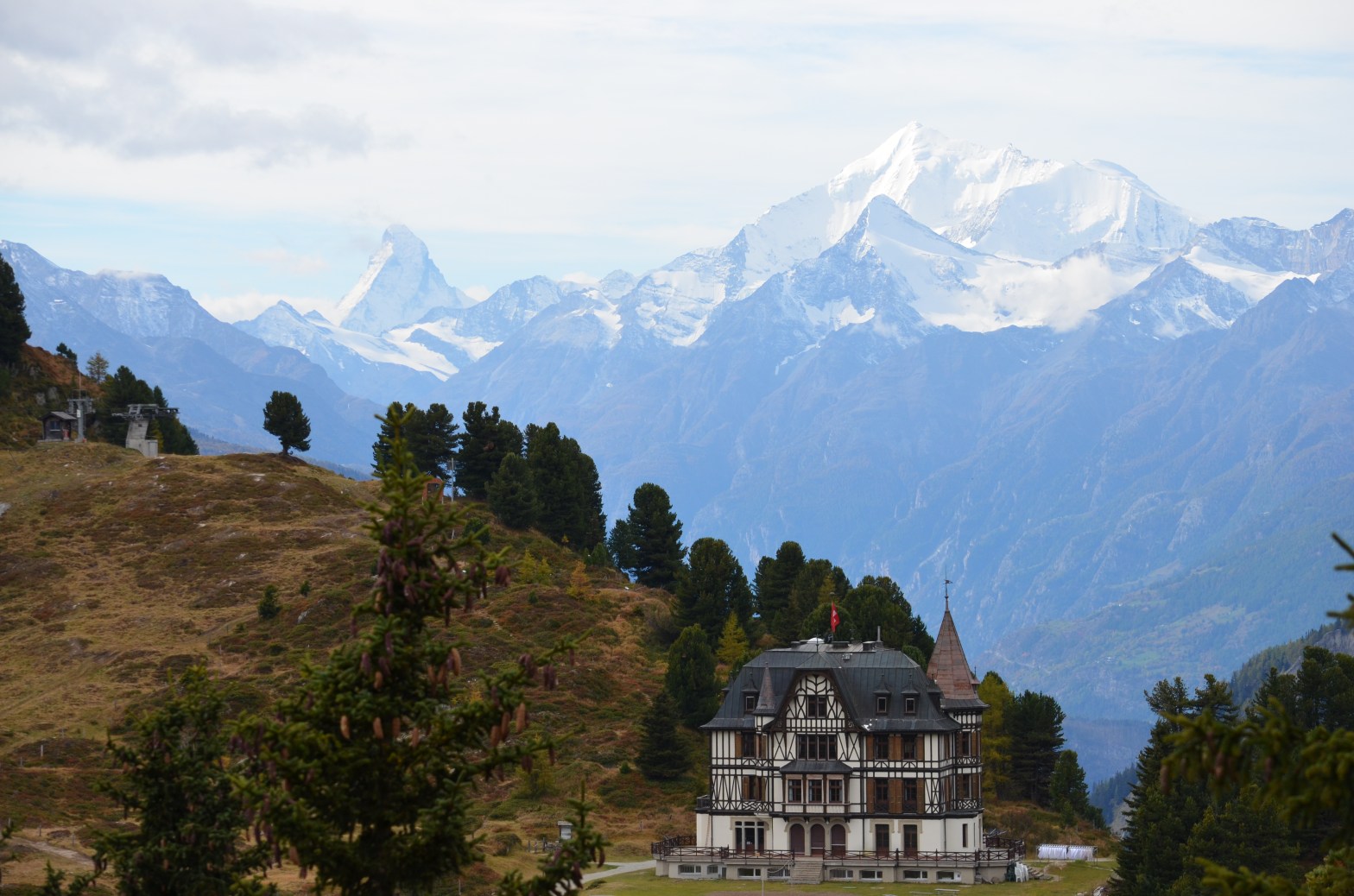
Long-term demographic processes of species leave behind traces in various forms, such as spatial genetic structure in extant populations and fossil remains in the ground. Combining these complementary sources of evidence from a dense sampling across the entire natural range of Swiss stone pine helped us to unravel the glacial history of this timberline species.Continue reading “A glimpse into the past: complementary evidence for deciphering the history of an emblematic tree species”
ECR feature: Sandra Hernández Arenas
Sandra H. Arenas is a PhD student at Rey Juan Carlos University, Spain. She is a marine biologist with a special focus on seaweeds ecophysiology and distribution. Here, Sandra shares her recent work on adaptation of seaweeds to climate change. The marine biologist Sandra Hernández Arenas Personal links. ResearchGate | University Homepage Institute. Rey JuanContinue reading “ECR feature: Sandra Hernández Arenas”
ECR feature: Victoria Glynn
Victoria Glynn is a PhD candidate at McGill University, Canada. She is an ecologist & science educator with a special focus on coral adaptation to environmental stressors. Here, Victoria shares her recent work on the factors structuring coral-algal symbioses. The PhD candidate Victoria Glynn Personal links. Personal Site | Instagram Institute. McGill University, Montréal, CanadaContinue reading “ECR feature: Victoria Glynn”
ECR feature: Ella Martin and studying global biodiversity patterns during pandemics
Ella is a PhD student at the University of Toronto, Canada. She is broadly interested in species interactions and plant ecology and evolution, and is currently studying urban eco-evolutionary dynamics. Here, Ella shares her perspective about the study of global patterns while living a global pandemic. Ella, at her desk at home in April 2020.Continue reading “ECR feature: Ella Martin and studying global biodiversity patterns during pandemics”

