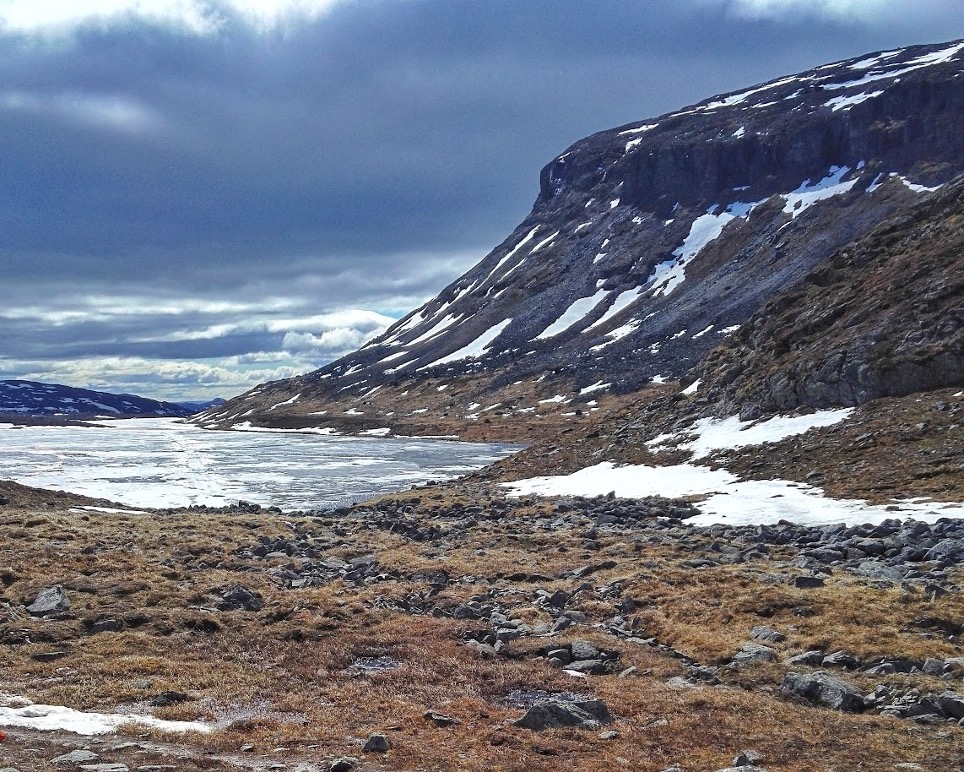
A species that is locally common can be globally rare and vice versa. But why? Turns out that tolerance of climatic conditions drives plant species commonness towards global spatial scales, while at finer local scales, competitive ability is relatively more decisive. Accounting for this scale dependence in species occupancy is important when anticipating the effectsContinue reading “Why species are common or rare depends on spatial scale”
Author Archives: BiogeographyNews
ECR feature: Daubian Santos
Daubian Santos is a postdoc at the Universidade Federal do ABC, Brazil. He is a evolutionary biologist with special focus on biogeography of craneflies. Here, Daubian presents SAMBA, a method for revealing shared patterns of biotic distribution. Dr. Daubian Santos, postdoc at Universidade Federal do ABC, Brazil Personal links. Twitter | Instagram | Personal SiteContinue reading “ECR feature: Daubian Santos”
A Tale of Two Types of Landscape Heterogeneity
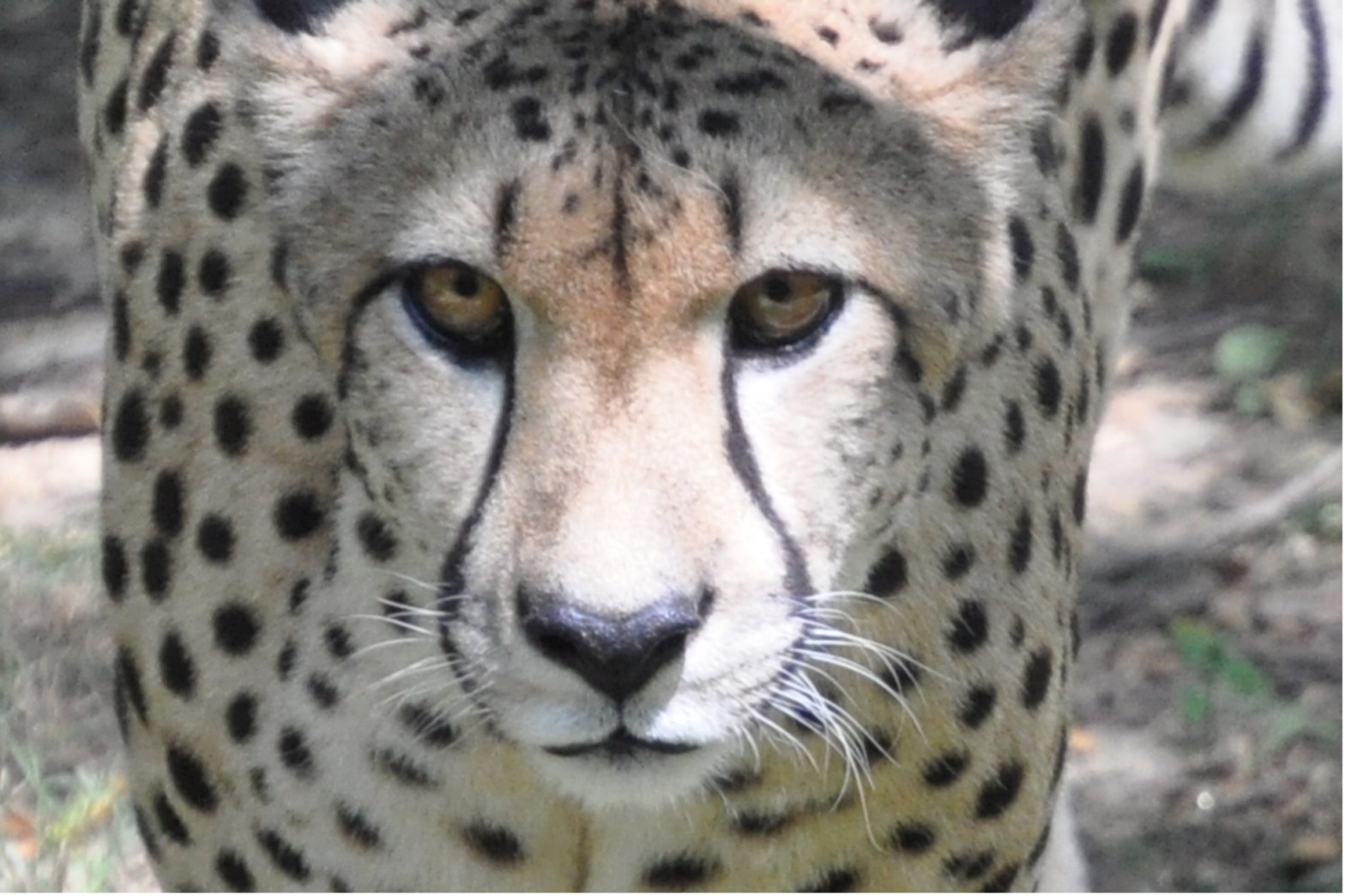
The geographic ranges of mammals in Africa are limited in size by the variation in habitats across space (habitat heterogeneity), but surprisingly not by the variation in elevations (topographic heterogeneity). Mammalian ranges will be sensitive to future habitat destruction and alteration, as climate change and human impacts continue to intensify. Above: The cheetah (Acinonyx jubatus)Continue reading “A Tale of Two Types of Landscape Heterogeneity”
ECR feature: Julia de Aledo
Julian G. de Aledo is a PhD candidate at the Universidad Autónoma de Madrid, Spain. She is a ecologist with special focus on biodiversity of tropical plants. Here, Julia shares her recent work on plant diversity and distribution in the western Amazonia. PhD candidate Julia G. de Aledo Personal links. Twitter | GitHub Institute. UniversidadContinue reading “ECR feature: Julia de Aledo”
Plant reproductive mode: inherited or influenced by environments?
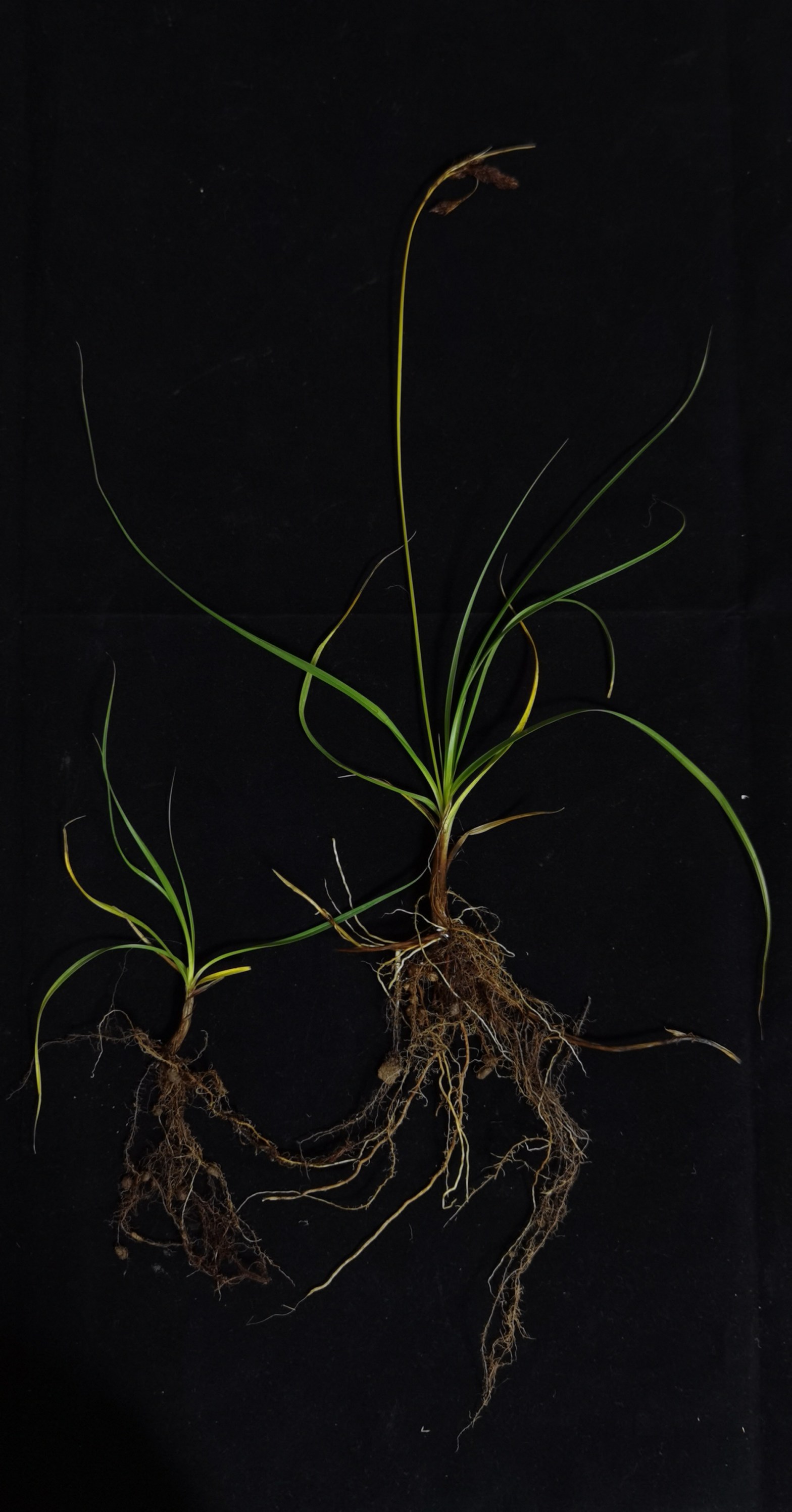
Plants can reproduce clonally or by seeds. What are the circumstances that clonal reproduction is favoured, and which type of species are most likely to be clonal? Above: Plants reproduce asexually via rhizomes. Sexual reproduction from seeds is common in the plant kingdom. However, many plants reproduce through vegetative propagation or clonal growth such asContinue reading “Plant reproductive mode: inherited or influenced by environments?”
ECR feature: Yago Barros-Souza
Yago Barros-Souza is a PhD candidate at the the Universidade de São Paulo, Brazil. He is a evolutionary biologist with special focus on biogeography and diversification of neotropical plants. Here, Yago shares his recent work on spatial and evolutionary processes that drive plant community assembly. The PhD candidate Yago Barros-Souza Personal links. Twitter Institute. UniversidadeContinue reading “ECR feature: Yago Barros-Souza”
Island theory is still relevant to alpine biogeography
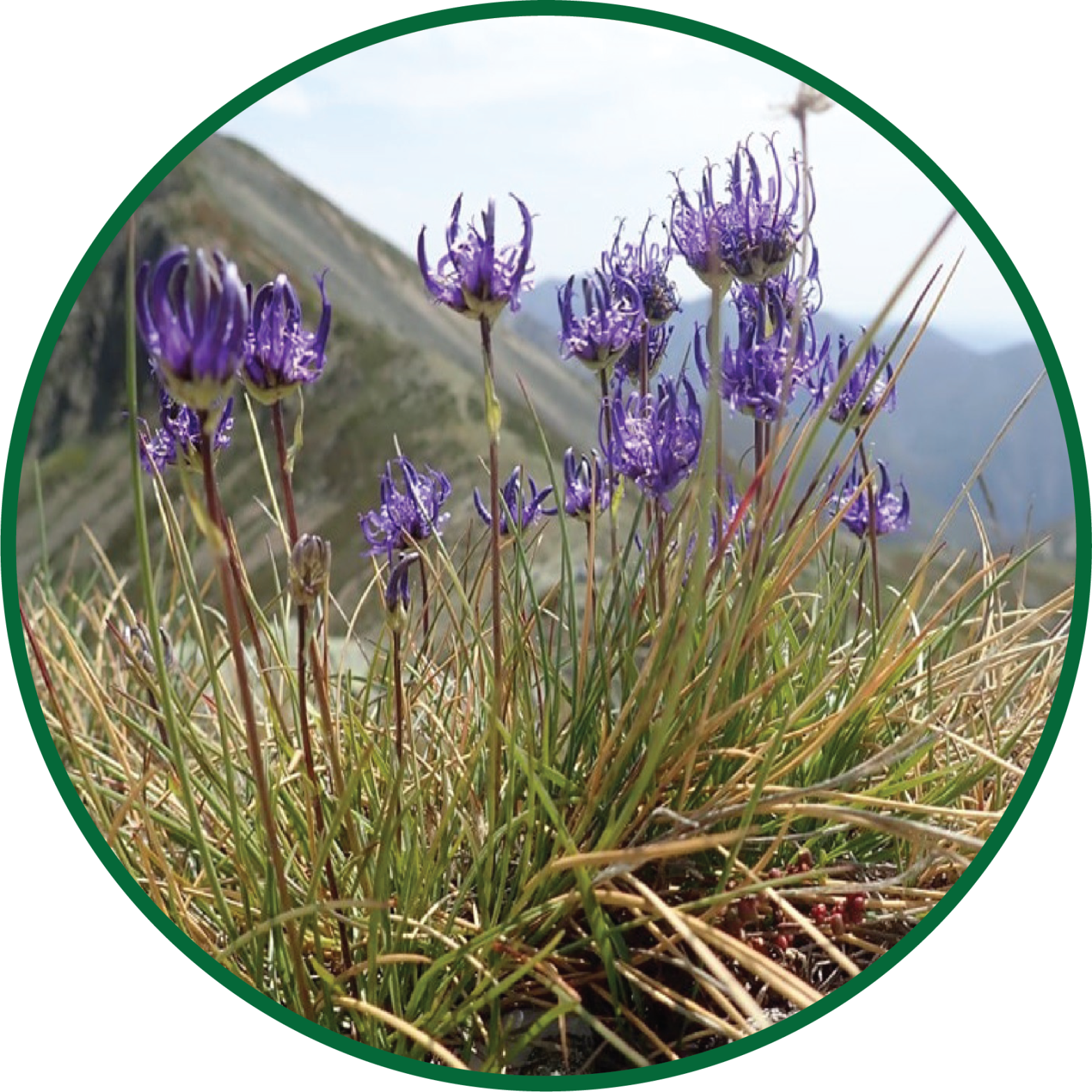
Area, environmental heterogeneity, scale and the conservation of alpine diversity. Above: Phyteuma hemisphericum from the Sierra de Villabandín, Cantabrian Mountains, Spain; photograph by Borja Jiménez-Alfaro This project was an extension of our work on the relative importance of geographic distance and environmental difference to the beta diversity of alpine plant communities (Malanson et al. 2022).Continue reading “Island theory is still relevant to alpine biogeography”
Elucidating river history through population genetics of an aquatic organism
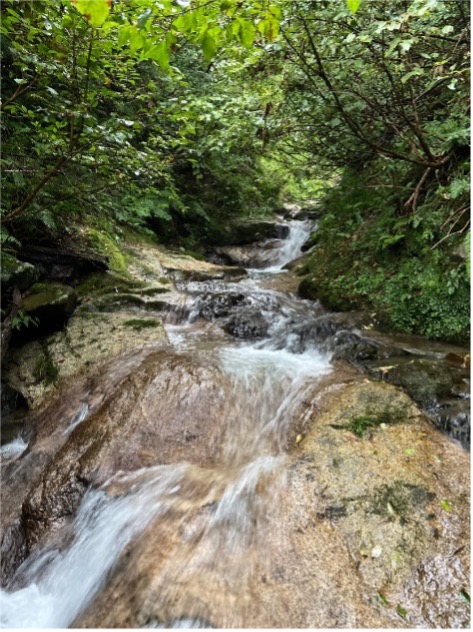
Rivers sometimes change their way, caused by geological events. During such river rearrangement, what happened to the inhabitants? We investigated the genetic traces remaining in genomes of the descendants and look for a way to find unidentified geological events. Above: An upper reach of mountain stream on Honshu Island, Japan. Honshu Island, the main islandContinue reading “Elucidating river history through population genetics of an aquatic organism”
ECR feature: Marco Camaiti
Marco is a PhD student at the Monash University, Australia. He is a evolutionary biologist with special focus on biogeography and ecomorphological evolution of lizards. Here, Marco shares his recent work on biogeographic patterns of limb reduction in skinks. The evolutionary biologist Marco Camaiti Personal links. Twitter Institute. Monash University Academic life stage. PhD studentContinue reading “ECR feature: Marco Camaiti”
Explaining global body size variation in dragonflies and damselflies: temperature or predators?
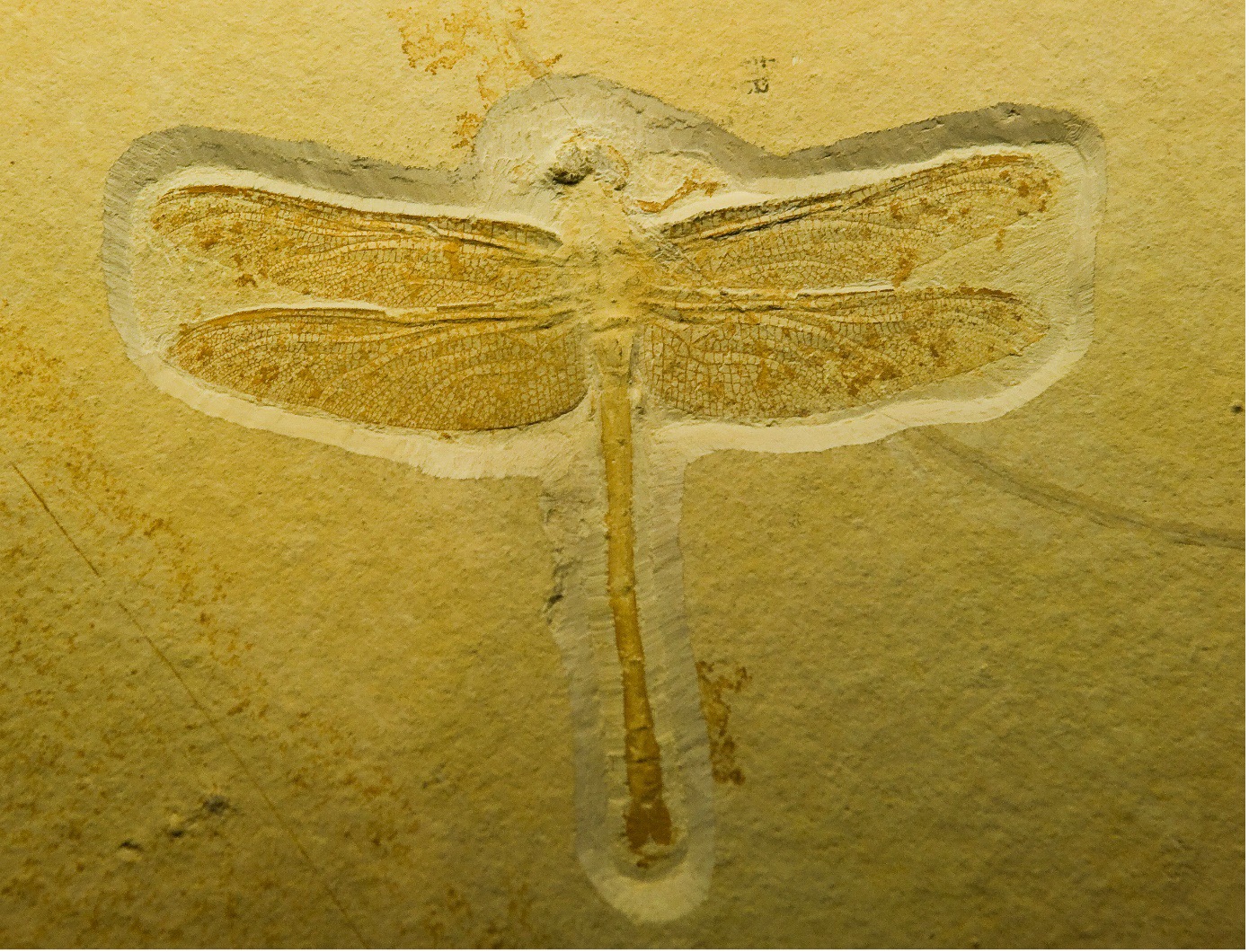
Global body size distributions in dragonflies and damselflies are shaped by temperature and predators Above: A model replica of a fossil dragonfly (Urogomphus giganteus) in Museum für Naturkunde (Berlin) that lived about 140 million years ago. Dragonflies and damselflies have an unusually rich fossil record, compared to other insect groups. Photo: Erik Svensson. Dragonflies andContinue reading “Explaining global body size variation in dragonflies and damselflies: temperature or predators?”

