ECR Feature: Yun Liu on the influence of elevation on bioregionalisation

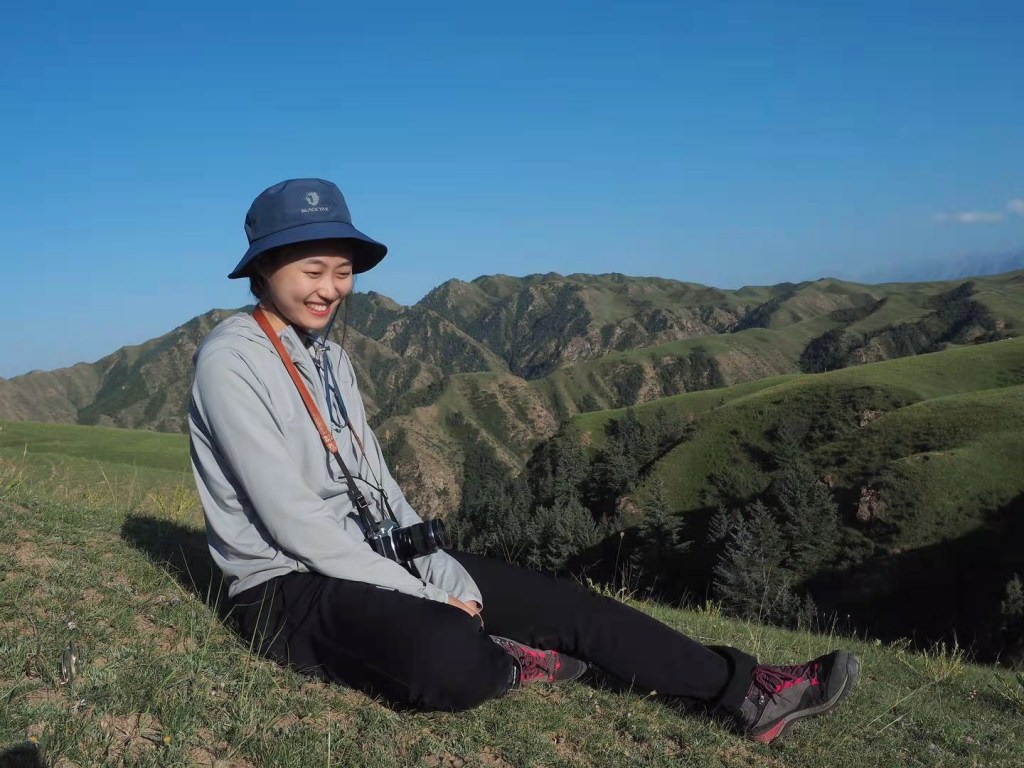
Yun Liu is a PhD student at the Chinese Academy of Science’s Institute of Botany. She has a keen interest in phylogeography, specifically in plants. Yun shares her recent work on the incorporation of elevation into bioregionalisation classifications of the Sino-Himalaya flora.

Yun Liu

Name. Yun Liu

Personal links. ResearchGate

Institute. Institute of Botany, Chinese Academy of Sciences

Academic life stage. PhD student

Major research themes. Phylogeny, bioregionalisation, phylofloristics, biogeography

Current study system. Currently, my major research focus is on the spatial and temporal evolution of the Sino-Himalayan flora. The Sino-Himalaya is one of the most biodiverse mountain regions on Earth, harbouring a complex diversity of floristic elements and various endemic and endangered species. The biodiversity of the Sino-Himalaya bears the signature of deep-time evolutionary and ecological processes, a history well worth preserving, especially against habitat destruction and climate change. However, the origin and evolution of the unique biota is poorly understood, even though this information is crucial to enhance our understanding of the evolution of mountain biodiversity. Exploring the evolutionary history of the Sino-Himalayan flora is a cool but challenging task.

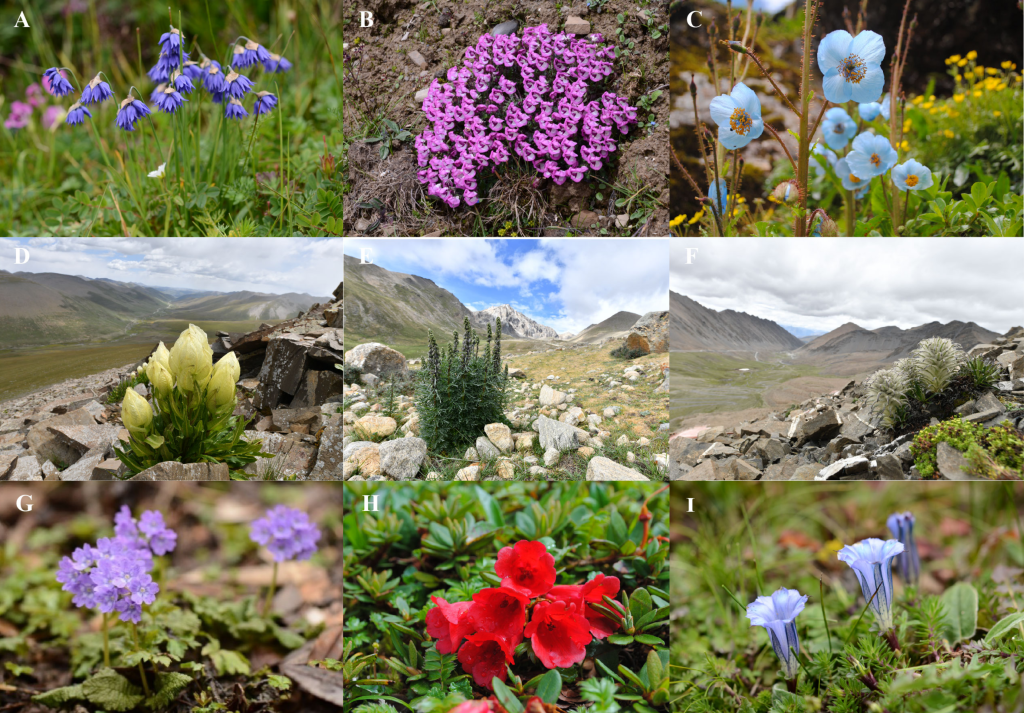
Representative plant groups in the Sino-Himalayan flora. (A) Allium yuanum (B) Pedicularis mussoti (C) Meconopsis speciosa (D) Saussurea obvallata (E) Aconitum flavum (F) Saussurea inversa (G) Primula sinensis (H) Rhododendron chamaethomsonii (I) Gentiana arethusae var. delicatula. The photos of A, B, C, G, H, and I were taken by Jianfei Ye; the photos of D, E, F were taken by Ze Wei.

Recent publication in JBI. Liu, Y., Ye, J. F., Hu, H. H., Peng, D. X., Zhao, L. N., Lu, L. M., … & Chen, Z. D. Influence of elevation on bioregionalisation: A case study of the Sino-Himalayan flora. Journal of Biogeography. (Link here)

Motivation behind this work. Our work on the Sino-Himalayan flora focuses on its bioregionalisation, that is the classification of biota into hierarchical biogeographical areas (e.g. kingdoms, regions, subregions) according to the spatial distribution of taxa (e.g. families, genera, species). In recent years, significant progress has been made in the field of bioregionalisation by incorporating evolutionary information from phylogenetic trees, instead of solely emphasising the importance of endemic taxa or using taxonomic dissimilarity. However, only a few studies have considered the effect of vertical gradients (elevation) on the bioregionalisation of montane regions. The complex topography and large elevational gradients in the Sino-Himalayan area provide an ideal system to test the influence of elevation on bioregionalisation.

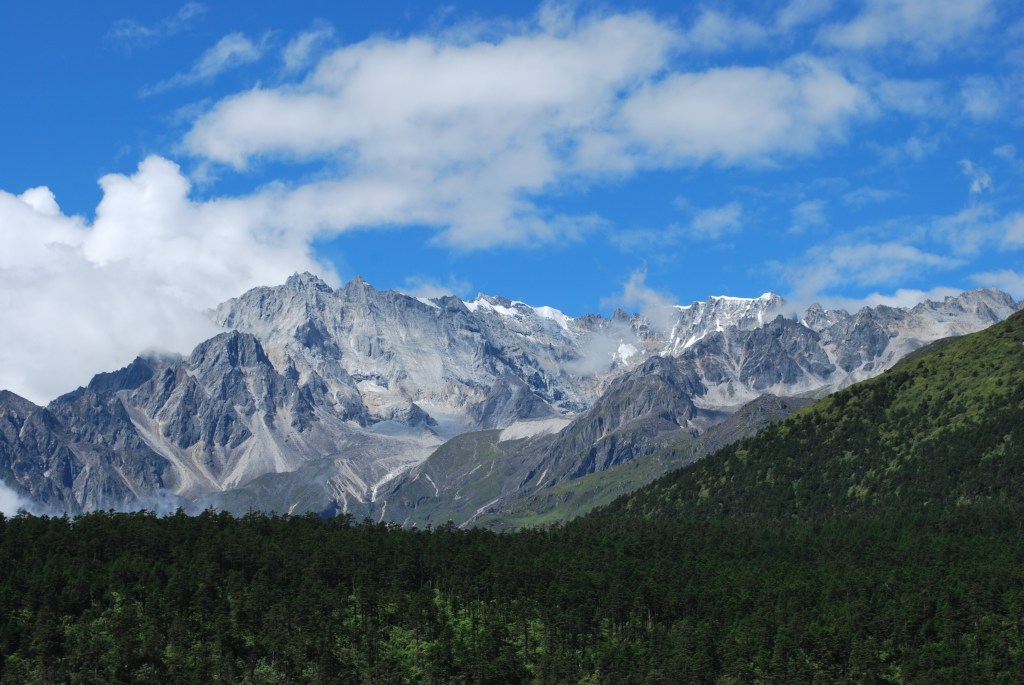
The Hengduan Mountains with a broad elevational range and Faxon fir, Abies fargesii var. faxoniana (Rehder & E. H. Wilson) Tang S. Liu, forest in the Kangding county, western Sichuan, China. Photograph by Jianfei Ye.

Methods. We compiled distribution data and elevation ranges of angiosperms in the Sino-Himalaya and adjacent areas and reconstructed a species-level phylogenetic tree of 19,313 angiosperm species. The area was divided into 398 grid cells, each 1×1°. Nine datasets of different elevation ranges were then used to delineate the flora of the Sino-Himalaya and adjacent areas using the phylogenetic dissimilarity approach.
Although several studies have considered the effect of elevation on the bioregionalisation of montane regions, no study has provided adequate methodological detail to incorporate elevation data into the bioregionalisation of areas with broad elevational gradients. In this study, we built a regionalisation scheme of the Sino-Himalayan flora by combining phylogenetic and elevation data.

Major results. Our study of bioregionalisation in montane regions has moved from a two-dimensional (latitude and longitude) to a three-dimensional (latitude, longitude, and elevation) perspective. It provides novel insights into the regionalisation of the Sino-Himalayan flora and highlights the importance of incorporating elevation data in the bioregionalisation of mountainous areas. The integration of elevation helped to identify boundaries of finer biogeographical units (regions and/or subregions) within the flora. By incorporating both elevational and phylogenetic information, we were able to identify eight distinct subregions nested within the Yunnan Plateau, Hengduan Mountains, and East Himalaya regions in the Sino-Himalaya area. The bioregionalisation scheme helps us to understand the origin and evolution of the Sino-Himalayan flora and explore the spatial and temporal distribution patterns of biodiversity. It provides basic units for broad-scale ecological and evolutionary studies and spatially explicit frameworks for making conservation planning.

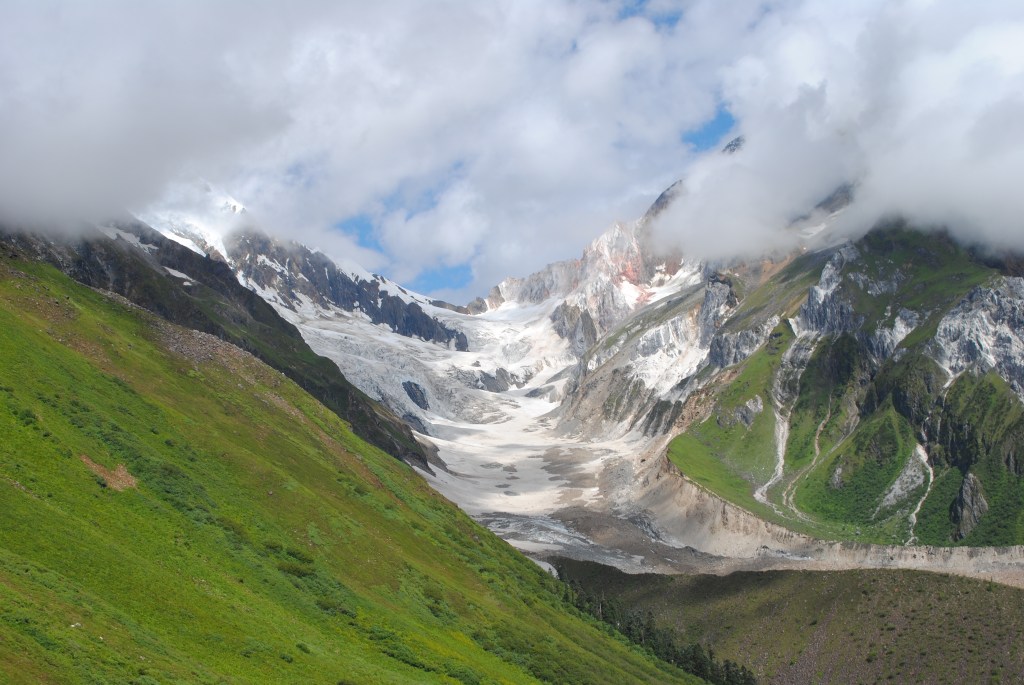
Complex topography of the giant Galongla Mountain in Bomê County, Xizang. Photograph by Jianfei Ye.

Unexpected challenges. One challenge was the reconstruction of a species-level phylogenetic tree of 19,313 angiosperm species. We had to align sequences and then manually adjust them to fit homology criteria. This process was very time consuming and required a lot of patience. To study the effects of elevation on bioregionalisation, we used segmentation analysis to obtain sub-datasets of different elevation gradients. We divided the elevation range of species, extracted species from each elevation range, and then compared regionalisation results based on datasets of different elevation ranges to reveal the influence of elevation on bioregionalisation.

Next steps. Our regionalisation scheme of the Sino-Himalayan flora revealed the distribution patterns of biodiversity and provided us a spatially explicit framework for the future research. Therefore, the next step is to focus on the evolutionary history of the Sino-Himalayan flora. The Sino-Himalayan flora is composed of complex floristic elements from various floras and harbours many endemic and endangered species. It is fascinating for us to explore when and how the exceptionally species-rich and unique flora formed over geological time.

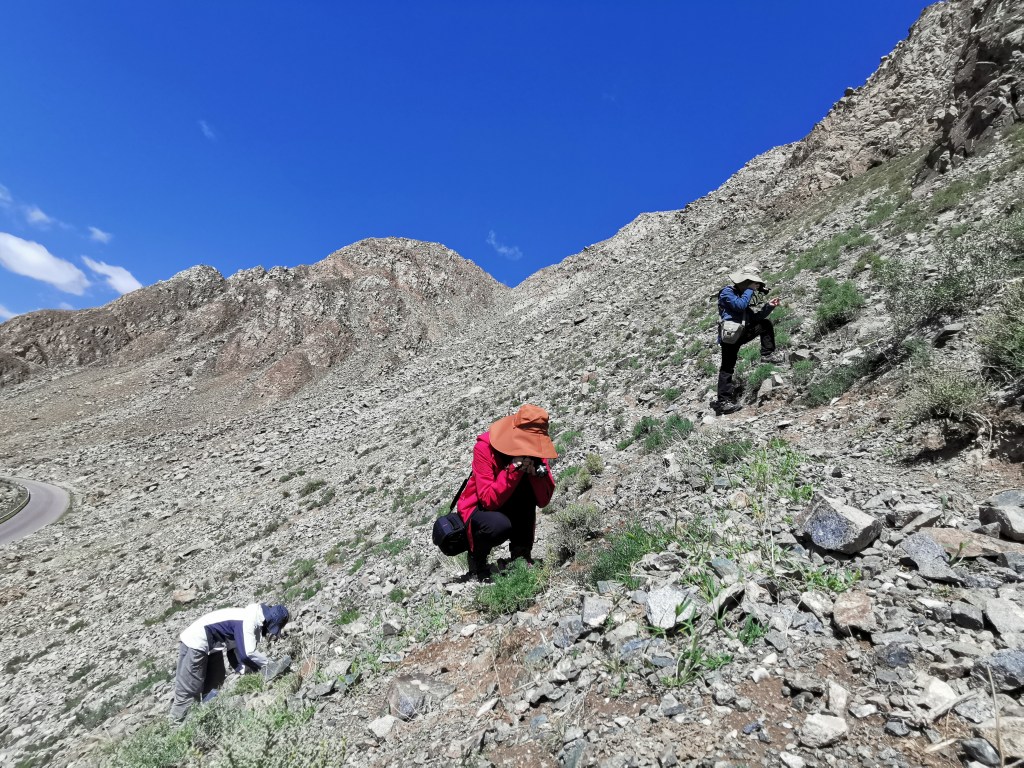
Yun (pictured in center) out in the field with her colleagues in the Gansu province, China.

If you could study any organism on Earth, what would it be? Plants are my passion. Plants make our living world colourful and form the backbone of terrestrial ecosystems and the base of food chains. They also serve as the material basis for human survival by providing oxygen, food, medicines, biofuels, building materials and other products. We can’t live without plants. But aside from their importance to ecosystem function, I find plants so incredibly beautiful, and they harbour so much diversity that I could spend a lifetime studying.

Anything else to share? Fieldwork is an interesting thing. When you are not in a state to write your paper or come up with a new idea to study, take a walk in the wild and enjoy the beauty and mystery of nature.

RFP: Journal of Biogeography Innovation (JBI) Awards, 2022

The Journal of Biogeography invites submissions of manuscript proposals (brief outlines of manuscripts yet to be prepared) by Early Career Researchers for consideration for publication and awards for innovation.  

Proposals will be considered in three categories of article:
     – Perspectives and Syntheses
     – Original research
     – Methods

(For more information, see https://onlinelibrary.wiley.com/page/journal/13652699/homepage/forauthors.html)

Proposals on any subject in biogeography are welcome. 

Proposals should be composed of the following and submitted as a single PDF:
     – Title
     – Targeted article type (see above)
     – ≤600 word proposal organized under the following headings:
          .. The gap in knowledge/understanding to be addressed 
          .. The context (incl. a brief review of the relevant literature)
          .. Goal or expected outcomes 
          .. Significance
     – List of authors (indicate the eligible ECR, who must be lead and corresponding author)
     – Contact information for the eligible ECR
     – Date the eligible ECR’s degree was conferred

Early Career Researchers are graduate students and postdocs (and equivalent positions) up to 5-years post award of the PhD (exclusive of career breaks). 

All proposals will be reviewed by an ad hoc committee of JBI academy, associate and chief editors on the following criteria:

  1. Novelty / originality of the idea (30%)
  2. Accuracy of identified problem and context (30%)
  3. Significance / impact (20%)
  4. Quality of preparation (20%)

Up to a dozen proposals in each category will be invited for submission as full articles, which should be submitted within 3 months of receiving the invitation.

Full articles will enter the standard editorial and review procedure of the journal and will be assessed for receipt of the award on the following criteria:

  1. Novelty / originality of the idea
  2. Accuracy of identified problem and context 
  3. Significance / impact of findings
  4. Quality of preparation of the manuscript

Journal of Biogeography will publish all invited articles freely under “full access” (i.e. downloadable from the journal website for one year from the date of publication).  In addition, the lead ECR authors of the three papers ranked most highly by the editorial team will receive a monetary award of $750 each.  

Timeline:
Proposal submission: 01 March 2022
Invite full manuscripts: 01 April 2022
Manuscript submission: 01 September 2022

Upload *proposals* as a single PDF with the filename “LASTNAME_FIRSTNAME_ECRproposal.pdf” only to: https://www.dropbox.com/request/kcjoSxpDrzb569JF2B27 *upload only*

Address enquiries (Subject line: “Enquiry: ECR Innovation Award”) to the Editor-in-Chief at mdawson@ucmerced.edu

JBI aims to foster inclusive science that reflects the disciplinary, human, and geographic diversity of biogeography and biogeographers. Submissions are welcomed from applicants of all ethnicities, races, colors, religions, sexes, sexual orientations, gender identities, national origins, disabilities, ages, or other individual status.

RFP: Small grants for global colloquia in biogeography, 2022

The Journal of Biogeography invites applications for funding to facilitate one or more global colloquia.  The event may be stand-alone, or may be staged in association with a larger meeting, it may be in-person or virtual. The topic may be on any aspect of biogeography.  A goal of the colloquium should be to publish a synthesis paper and/or a series of papers that represent the range of topics discussed.

The Journal wishes these colloquia to become a regular activity that helps biogeographers develop, exchange, and explore ideas globally that advance biogeography through consolidation of fragmentary knowledge, synthesis across disciplines, and innovation.  Thus, the funds up to $4000 are offered by the journal primarily with the intention of facilitating involvement of people who might not otherwise be able to participate, or to stage an event that, because of its nature, draws in people of diverse backgrounds and with varied perspectives.   

The awardees will take care of all organization and are responsible to the journal only in terms of meeting any prior agreement on publication, promotion, and staging the proposed event.  The journal is responsible to the local committee only in terms of promoting the event via journal social media and providing the funding agreed. 

Proposals should take the following format (as a single PDF):

1. Title and description of the topical focus (e.g., early career conference, a regional focus, or a disciplinary focus). ≤0.5 page.

2. Relevance, context, and how the colloquium and publications therefrom will advance the discipline of biogeography. ≤0.5 page.

3. The target number of attendees, and distribution across career stages, countries of origin/habitation, gender. ≤0.5 page.

4. The proposed format: general organization (e.g. number of keynote speakers in plenary sessions, number of concurrent sessions, talks, posters). ≤0.5 page.

5. The actual dates and details of the colloquium: a) in-person/virtual, b) facilities/technology, c) list of organizers, d) list of committed participants. ≤0.5 page.

6. The uses of and substantial difference that will be made by the support from Journal of Biogeography. ≤0.5 page.

7. Outline of the proposed publications, which will first be submitted for consideration at Journal of Biogeography. ≤0.5 page.

8. Other budgetary considerations, partners, and obligations therein.

We aim to fund 1-2 symposia during the coming year.  Proposals on any subject in biogeography are welcome; in 2022, we encourage, but do not limit responses to this request for proposals, to colloquia exploring the following areas: Functional biogeography; Cross-scale biogeography & biodiversity (considering biological, spatial, and/or temporal hierarchies); Marine-terrestrial comparisons and contrasts (also with aerial, freshwater, and subterranean realms); Biogeography in the Anthropocene.

Submit proposals to: https://www.dropbox.com/request/RqqNgMxBZjb4uy6wRbUK *upload only*

The deadline for submissions is: 01 March 2022.  

Address enquiries (Subject line: “Enquiry: Journal of Biogeography Colloquia sponsorship”) to the Editor-in-Chief at mdawson@ucmerced.edu.

JBI aims to foster inclusive science that reflects the disciplinary, human, and geographic diversity of biogeography and biogeographers. Submissions are welcomed from applicants of all ethnicities, races, colors, religions, sexes, sexual orientations, gender identities, national origins, disabilities, ages, or other individual status.

Island birds

Bird diversity on shelf islands does not benefit from recent land-bridge connections.

Above: Brown-throated Sunbird Anthreptes malacensis, a species very commonly found on islands in Sundaland.

When studying biogeography, I make a constant effort to tell myself that what I am witnessing today is just a mere snapshot in time. I’m still in my 20s, while the planet is quite a number of times older than me. Seemingly strange observations hence make much more sense once I consider various historical influences of Earth’s climatic variations and land movements. When I first started this project, I fully expected the data to tell such a story: that species distribution and composition of birds on islands in Sundaland are primarily determined by historical factors too.

Cover image article: (Free to read online for a year.)
Sin, Y. C. K., Kristensen, N. P., Gwee, C. Y., Chisholm, R. A., & Rheindt, F. E. (2022). Bird diversity on shelf islands does not benefit from recent land-bridge connections. Journal of Biogeography, 49, 189-200. https://doi.org/10.1111/jbi.14293 

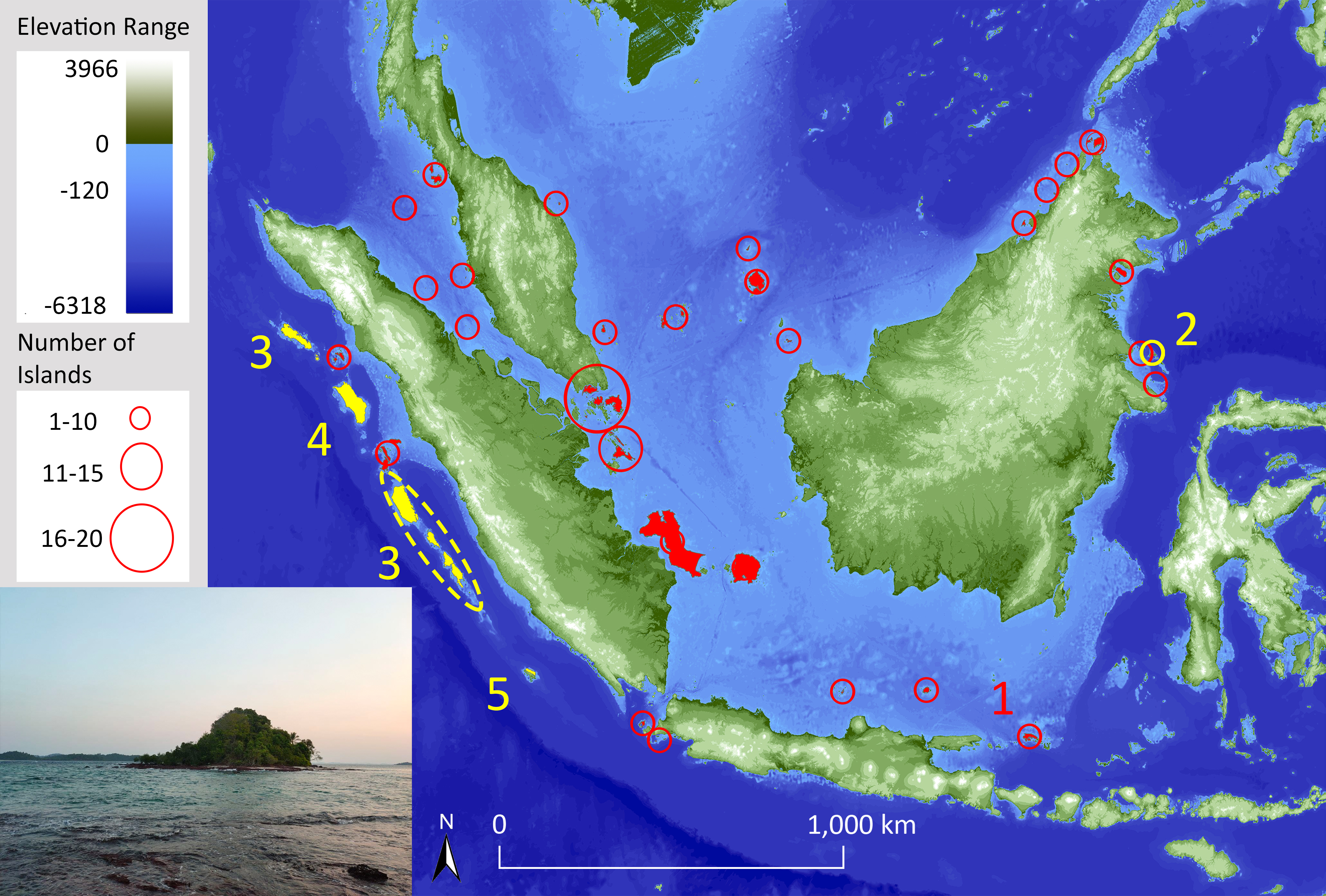
Satellite images of Sundaic Southeast Asia show that the region comprises many islands today – roughly 17,000 of varying shapes and sizes. Had such technology (and us) existed half a million years ago, we would have witnessed a completely different landscape: no islands scattered across the region, and the whole of Sundaland completely exposed as land instead. It was only ~400,000 years ago that consistent subsidence of the entire shelf led to its partial drowning, and since then, sea level fluctuations have been constantly changing the land configuration. During interglacials, high sea level causes land to be broken up into islands, while during glacial periods, the sea level is ~120 metres lower than it is today and Sundaland gets “reunited” by land-bridges. While we live in a period of interglacial, the last glacial maximum occurred only as recently as ~20,000 years ago. Furthermore, during the Holocene sea level peak ~7,000 years ago, the sea level was 3-5 metres higher than it is today. This rise causing low-lying islands to be completely submerged before they re-emerged again when the sea level returned to its current form. The configuration of Sundaland we see is truly ephemeral: a majority of the islands are shelf islands that get connected to the mainland by land-bridges during glacial periods, while a small subset are deep-sea islands that have no historic connection to the mainland.

As a consequence of the Sundaland’s complex geologic chronicles, we would expect biodiversity patterns on its islands to be heavily influenced by the past: an island that enjoyed more land-bridge connection to the mainland and used to be bigger throughout evolutionary history should harbour more species. This phenomenon where species richness in an area exceeds the expected value given its size is called supersaturation and is observed in lizard diversity on land-bridge islands in Baja California and birds on some satellite islands of New Guinea. In addition to supersaturation, recently submerged islands that just had terrestrial biodiversity obliterated should be expected to have species composition differing from similar-sized islands that did not drown.


Map of Sundaland delineated by the Sunda shelf in light blue. Study islands (n=94) are highlighted, with deep-sea islands in yellow and shelf islands in red. Many small islands are not visible at this scale and circle sizes indicate the number of study islands within a 50 km radius. The number of endemic species-level bird taxa, if any, is indicated adjacent to islands following the same colour scheme (only one shelf island—Kangean, in the extreme southeast of the shelf— has an endemic species-level taxon). In the case of the Mentawai islands (dotted yellow ellipse), three taxa are endemic to the whole island group which forms one connected paleo-island.

We investigated these hypotheses by analysing the effects of various past and present geographical variables on diversity patterns of birds on islands distributed across Sundaland. We found evidence that bird endemicity was mainly restricted to deep-sea islands. The lack of any historical land-bridge precluded gene flow between the bird populations and gave rise to endemic species. This initial result provided a strong clue that historical processes shaped diversity. However, contrary to our expectation, neither the duration of mainland connection in the past 20,000 years nor the average change in island area in recent geologic history was shown to influence the number of species breeding on the shelf-islands. Instead, the classic Island Biogeography parameters of island area and distance from mainland predominantly explained species richness. Our unexpected results suggest that once a landmass is disconnected from the mainland due to rising sea levels – effectively becoming an island – extinction kicks in rapidly, leaving no room for “excess” species as the island shrinks. We also found that in addition to island area and distance from mainland, the proportion of landmass surrounding an island played an important role in maintaining species richness. For example, a solitary island that is 50 kilometres from the mainland would have lower species richness than a similar sized island, also 50 kilometres away, but clustered together with a group of other islands. In Sundaland, avian species richness of an island equilibrates quickly based on extinction-immigration processes, which are in turn influenced by the island’s present-day geographical parameters.

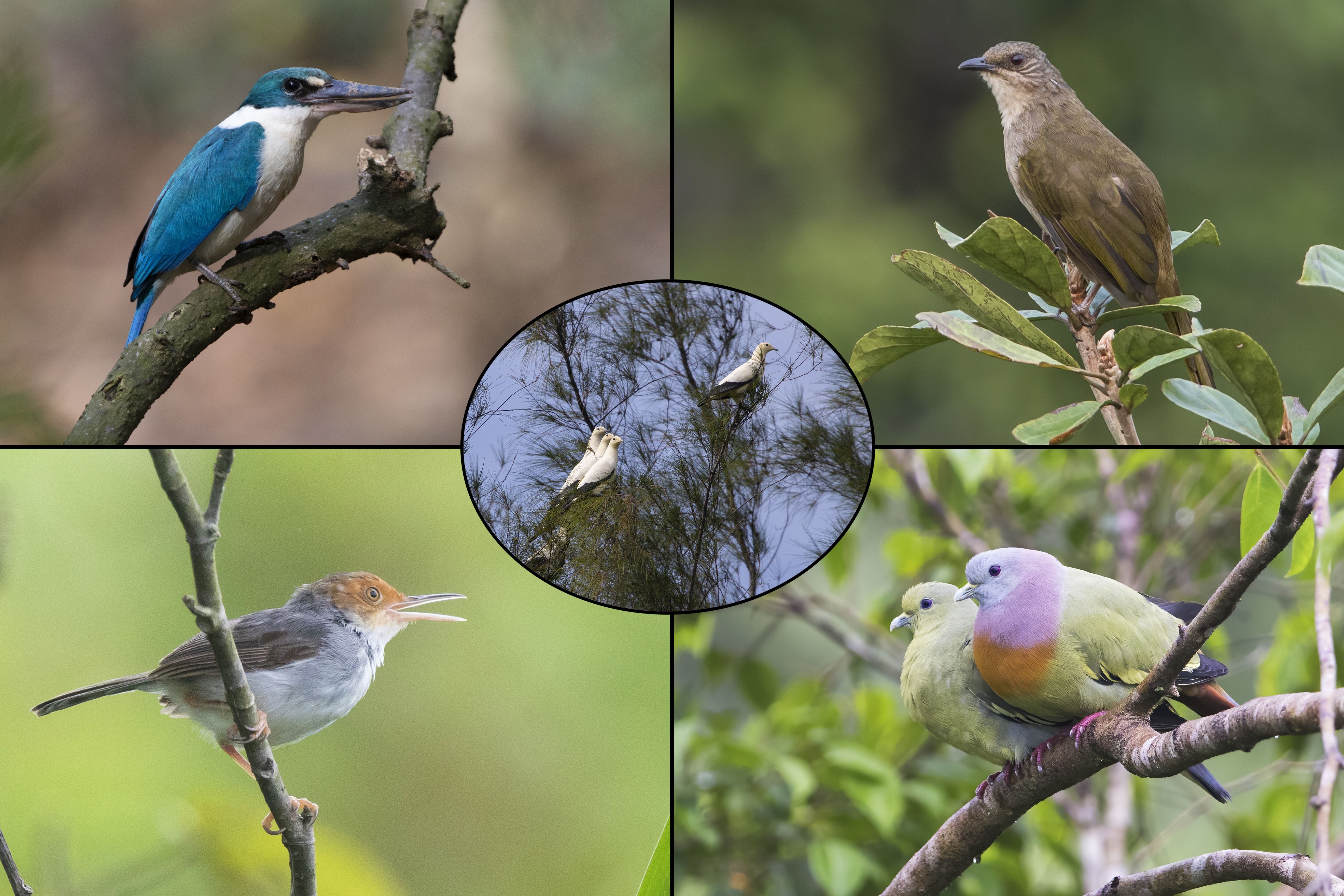
We additionally discovered that species composition on similar-sized islands did not differ across recently submerged and unsubmerged islands. On recently submerged islands, the bird population present today could only have arisen from entirely new colonisers since the island was wiped clean when it drowned. These birds, by their capability of occupying brand-new islands, can be said to have high dispersal and colonising ability. On the contrary, islands that were never submerged should technically be able to host both colonisers and surviving populations from before the islands shrank. Yet our results showed that the two island classes had species composition unaffected by their history of submergence. This observation implies that only a subset of species is capable of persisting on the tiniest islands in Sundaland: the strongly dispersive birds. Our result makes sense when we think about the biology of these animals – their population density is generally low, hence, once an island shrinks below a certain size, an isolated island population is unable to sustain itself. Resultantly, small islands become home only to the most dispersive species as these birds are able to fly around and find partners in nearby islands. Having said that, a majority of these species were intriguingly not island specialists – they were also birds that do well on the mainland too, but all on edge habitats; forest dependent species are the first to disappear once an island shrinks.


Examples of non-island specialists that are commonly found on small Sundaic islands: top left – Collared Kingfisher Todiramphus chloris; top right – Olive-winged Bulbul Pycnonotus plumosus; bottom left – Ashy Tailorbird Orthotomus ruficeps; bottom right – Pink-necked Green Pigeon Treron vernans. Example of an island specialist that is found across islands in Sundaland: middle – Pied Imperial Pigeon Ducula bicolor.

Birds are known for their flight ability, and it might be a counterintuitive idea that endemicity and species composition is shaped due to their reluctance to fly to other islands. However, flying across water is actually a behaviour that many tropical birds generally avoid due to the high risks involved, and this is why only the most adventurous of species do well on tiny islands.

Our work shows that species richness of birds on shelf islands in Sundaland is predominantly determined by present-day geographical parameters. It turns out that, at least for birds, Sundaic islands themselves are also only witnessing a snapshot in time.

Written by:
Yong Chee Keita Sin
Research Assistant, Avian Evolution Lab, National University of Singapore

Additional information:
Instagram @okamoto_keita_sin

Acknowledgements:
I am greatly indebted to the co-authors of our manuscript Nadiah (Twitter @NadiahKrist; nadiah.org) , Chyi Yin, Ryan (ryanchisholm.com) and Frank (Twitter @avianevo; avianevonus.com) for the support and mentorship offered throughout the work. I would also like to thank everyone who helped out in the fieldwork and analyses of our manuscript and Geraldine Lee for comments on this blog post.

Towering trees and flying dragons

Canopy physiognomy governs the distribution of peninsular Indian flying lizards in regions of climatic suitability.

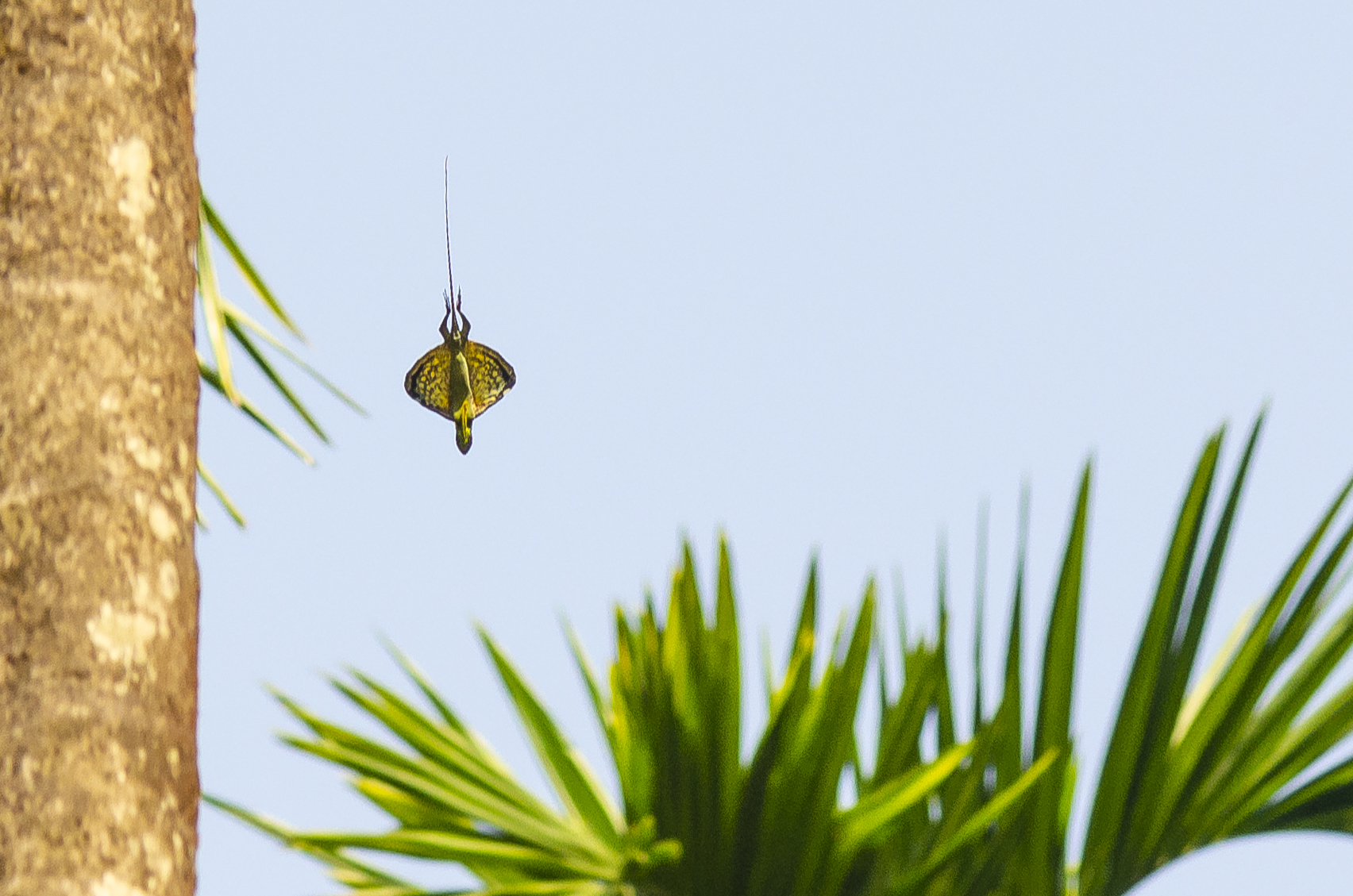
Above: Silhouette of an Indian Flying Lizard in its arboreal habitat.

I have always been intrigued by organismal distributions. Why do certain species occur in certain regions? Why do they stop, sometimes abruptly, at certain latitudes where there aren’t any physical barriers to dispersal? So, when I decided to work on peninsular Indian Flying dragons (Draco dussumieri) for my PhD, it was quite natural to ask why Dracos do not cross the Goa gap (15.8° N) in the Western Ghats mountains of peninsular India.

The Western Ghats is a great laboratory to study various aspects of organismal biology. Life here comprises of organisms with remarkably distinct evolutionary histories that have colonized these mountains at different periods in geological time. The distribution of a species in the Western Ghats is largely a factor of when its ancestor first colonized these mountains and its ecological ability to disperse and adapt to a constantly changing environment.

Cover image article: (Free to read online for two years.)
Chaitanya, R, & Meiri, S. (2021). Can’t see the wood for the trees? Canopy physiognomy influences the distribution of peninsular Indian flying lizards. Journal of Biogeography, 49, 1– 13. https://doi.org/10.1111/jbi.14298 

This mountain range is characterized by three prominent biogeographic breaks, the Shencottah pass, the Palghat gap and the Goa gap. While the former two are physical barriers – deep valleys that cut across the mountains horizontally, the Goa gap is not a physical barrier but an invisible boundary that certain organisms have failed to span. Naturally, biogeographers have long been flummoxed by the absence of certain organisms north of this ‘hypothetical’ barrier. What exactly is going on north of the Goa gap that has prevented otherwise vagile organisms such as Flying dragons from crossing over?

Studies in the past have suggested that the Goa gap may be a boundary that demarcates two different climatic regimes in the Western Ghats, the northern region being warmer and drier. While this is true, certain organisms that are dependent on high rainfall such as the Roux’s lizard (Monilesaurus rouxii) have successfully crossed the gap and colonized regions north of it, but not certain others like Draco that could easily persist in dry forests. So, why have the wet-adapted, arboreal Roux’s lizards been able to colonize the drier regions north of the Goa gap when the more climatically pliant Dracos have not?


.

To solve this riddle, Shai and I compared the ecological niches of the Roux’s lizard and Draco to try and decode the environmental variables that govern their distributions. We expected a complex concoction of reasons for Draco absence, but to our surprise we received a very simple answer: tree heights! Draco could not traverse the Goa gap because trees north of this barrier were not tall enough to support them. Simple statistical analyses of canopy physiognomy in regions of Draco presence (south of the gap) versus absence (north of the gap) revealed great disparity in canopy height and coverage. Further, niche models built based only on climatic variables revealed vast expanses of suitable habitats for Draco north of the Goa gap. This indicated that in regions of climatic suitability, the height of canopies influences the presence of these exclusively arboreal lizards.

During fieldwork, my colleagues and I have noticed that Draco occupy the upper reaches of trees closer to the canopy and only descend about midway through the tree trunk during courtship or to forage for ants. The females come down to the ground only once, when they have to lay eggs. The males never do! Roux’s lizards on the other hand, are often found mid-trunk, often even lower near the base of the tree. They are regularly seen sleeping on low shrubs too. So, despite requiring more rainfall for their persistence, Roux’s lizards have been able to disperse across the Goa gap chiefly because they are not dependent on tall canopies.

Our study belabours the point that in the absence of topographic barriers to dispersal, the environmental regime an organism occupies governs its spatial boundaries. It proposes a new, canopy physiognomy based biogeographic hypothesis for the Western Ghats region that can be tested against other model organisms.

Curiously, King Cobras, Slender Lorises and Hump nosed pit-vipers reach the Goa gap from the south but do not pass over. So, what stops these animals from spanning the Goa gap?


The Peninsular Indian Flying lizard, Draco dussumieri, takes flight. Location: Agumbe, India.
Photographed by Vinod Venugopal.

Written by:
R. Chaitanya; School of Zoology, Tel Aviv University, Tel Aviv, Israel

JBI Annual Report on Equity, Diversity, and Inclusion: 2021

An increased awareness of systemic bias in institutions requires that we all examine the practices in which we participate. Around the turn of 2020, the Journal of Biogeography (JBI) began considering initiatives to promote opportunities for researchers currently underrepresented in biogeography, a discussion that continues today, and will go on for some time yet. A key part of this discussion is transparency in the current state of imbalance, inequity, and exclusion and changes in their status through time to hold ourselves accountable and ensure we are making progress. In November 2020, therefore, we began this process of transparency and accountability, with JBI‘s first Annual Report on Equity, Diversity, and Inclusion. Here, we present the second Annual Report on Equity, Diversity, and Inclusion.

Approach & results for 2021: There are many dimensions to diversity, and currently we are able to access information on only a subset of these, with some degree of accuracy, for a subset of roles within the publishing ecosystem. These data come from recent efforts by Wiley to understand aspects of gender diversity of authors and reviewers and editors that are still in flux (additional instruments for this including options for self-identification are in development), from our abilities to retrieve geographic diversity in author submissions and publications in ScholarOne and the analytics behind this blog, as well as from a small number of public documents on the journal website and a diversity questionnaire completed by authors of blog posts. Wiley are currently investigating new ways to more accurately collect and report on gender diversity. As a result, we report on aspects currently accessible and commit to continuing to improving our information systems in the coming years.

Editorial Board:

Associate Editors:
Current board composition: 17 women, 38 men. (Self-reported preferred pronouns: 65% he/him, 30% she/her, 6% other [31% reporting])
New members added in 2020: 3 women, 3 men.
Total new invitations in 2020: 8 women, 5 men.
Geographic diversity by institutional location: 26 countries (Australia 4, Austria 2, Belgium 2, Brazil 2, Chile 1, China 3, Cyprus 1, Denmark 1, Finland 1, France 3, Germany 2, Greece 1, India 1, Israel 1, Italy 1, Japan 2, Mexico 2, Netherlands 2, New Zealand 1, Northern Ireland 1, Norway 1, Poland 1, South Africa 3, Spain 3, UK 5, USA 8)

Deputy Editors-in-Chief:
Current board composition: 3 women, 3 men. (Self-reported preferred pronouns: 33% he/him, 67% she/her [50% reporting])
New members added in 2020: 2 women (1 woman completed her tenure).
Geographic diversity by institutional location: 6 countries (France, Germany, Portugal, New Zealand, UK, USA)

Editor-in-Chief:
Current board composition: 1, man.
Geographic diversity by institutional location: USA

Social Media Editors:
WeChat: 1, man.
Blog, Facebook, Instagram, Twitter: 1 woman, 1 man.
Geographic diversity by institutional location: 3 countries (Australia, Canada, China)
Cultural/national identity: Chinese, Chinese-European, South American.

Editorial Academy:  
Current board composition: 6 women, 6 men.
New members added in 2021: 3 women, 3 men.
Total new invitations in 2021: 3 women, 3 men.
Geographic diversity by institutional location: 7 countries (Australia, Estonia, Finland 2, Germany 2, Sweden, UK 2, USA 3)
Cultural/national identity: Brazil, China, Finland, Germany (2), Italy, Mozambique, Portugal (2), Russia, New Zealand, United Kingdom.

Guest Editors (2 special issues):
Current composition: 6 women, 3 men.
Geographic diversity by institutional location: 5 countries (Brazil, Canada, Cyprus, Mexico, USA 7)

Reviewers:

Wiley are currently investigating new ways to more accurately collect and report on gender diversity. As such, these data are currently unavailable for 2020-2021, but will be updated when available.

Authors:

Gender diversity:

Wiley are currently investigating new ways to more accurately collect and report on gender diversity. As such, this data is currently unavailable for 2020-2021, but will be updated when available.

Geographic diversity:

.
(Above) The geographic sources, by lead author institute, of papers published in JBI

between October 2020 – September 2021 (Vol 47 Issues 10-12 and Vol 48 Issues 1-9). Countries at frequencies lower than Norway include Poland, Cyprus, Netherlands, Israel, Indonesia, India, Slovenia, Taiwan, Denmark, Portugal, Croatia, Serbia, and Sweden.*

Initiatives:

In 2021, JBI continued three initiatives to advance principles consistent with the journal’s Equity, Diversity & Inclusion statement (see “Other” below).

Editorial Academy:
See above.

Small Grants for Global Colloquia in Biogeography:
One awarded. The composition of the organizing team is as follows: 5 women, 5 men
Career stages: 1 PhD student, 2 post-doctoral researchers, 2 independent research fellows, 2 assistant profs, 1 associate prof, and 1 full prof
Geographic diversity by institutional location: Argentina, Finland, France, Norway, UK 5, USA.

JBI Awards for Innovation:
In progress (to be reported in 2022).

In addition, Journal of Biogeography published a virtual issue: Women in Biogeography.

Blog:

Early Career Researcher features (as of mid-October 2020 to end-September 2021):
25 women, 33 men
19 PhD, 36 postdoc, 3 other [industry, masters, postdoc equivalent]

Readership (year ending 02 October 2021, ordered by decreasing number of views):
135 countries (United States, Brazil, Australia, China, Spain, Germany, Mexico, United Kingdom, India, France, Canada, Colombia, Belgium, Italy, Japan, South Africa, Netherlands, Czech Republic, Switzerland, Sweden, Indonesia, Portugal, Finland, Ireland, Austria, Chile, New Zealand, Ecuador, Argentina, Poland, Denmark, Taiwan, Norway, Thailand, Hong Kong SAR China, Estonia, Réunion, Peru, Singapore, Turkey, South Korea, Philippines, Mozambique, Greece, Uruguay, Nepal, Israel, Russia, Saudi Arabia, United Arab Emirates, Costa Rica, Malaysia, Sri Lanka, Venezuela, Cyprus, Romania, Guatemala, Algeria, Ukraine, Luxembourg, Nigeria, Pakistan, Hungary, Bangladesh, Andorra, Slovenia, Vietnam, Sudan, Iceland, Benin, Panama, Kenya, Croatia, Madagascar, Bolivia, Ethiopia, Puerto Rico, European Union, Lithuania, Morocco, Myanmar (Burma), Cameroon, Slovakia, Dominican Republic, Egypt, Zimbabwe, Oman, Ghana, Mauritius, Congo – Brazzaville, Honduras, Paraguay, Guam, Fiji, Côte d’Ivoire, Serbia, Kuwait, Bulgaria, Tanzania, Latvia, Laos, Papua New Guinea, Seychelles, Macau SAR China, Trinidad & Tobago, Armenia, Montenegro, Belarus, Angola, Bahrain, Swaziland, Jordan, New Caledonia, Uganda, Malawi, Senegal, Macedonia, Botswana, El Salvador, Brunei, Namibia, Cuba, Burkina Faso, Gabon, Rwanda, Qatar, Jamaica, Antarctica, Syria, American Samoa, U.S. Virgin Islands, Congo – Kinshasa, Togo, Tunisia, Bermuda).


Number of page views of the JBI blog by country (year ending 02 October 2021).

Other:

JBI‘s Equity, Diversity & Inclusion statements can be found here and here (Section 5, bottom) and are designed specifically to address the need for inclusion to start with the earliest planning stages of research. A version of this statement also is included in JBI‘s initiatives (see above) that are explicitly intended to promote gender and geographic diversity among early career biogeographers.

Wiley is a signatory of the Joint Commitment for Action on Inclusion and Diversity in Publishing. link

Action items for 2022:

Growing from these initial data and experiences over the past year, we identify several goals on which we aim to work in the coming year. We do not consider this a complete list, nor a list of all that needs to be done. Goals for 2022 include:

To increase geographic diversity among all of the journal’s constituencies: authors, editors, readers, reviewers.*

To increase gender diversity among all of the journal’s constituencies.

To increase gender diversity in leadership positions.

To be sensitive to workload.

To achieve gender and geographic representation in initiatives.

To continue special or virtual issues focusing on diversity in biogeography.

With Wiley, to implement a framework for better assessing diversity in submission and publication, such as improved analytics of manuscript metadata and post-decision information gathering from all authors.

Likewise, to implement a framework for assessing diversity in invitations to review cf. acceptances and submissions of reviews.

To be responsive to Wiley’s recently formed DE&I advisory board which is creating a framework that could be applied to numerous journals across disciplines. 

*In the current report, geographic location of current institution is used as one dimension of geographic diversity in biogeography for which data currently are accessible. Action items for 2021 (above) include developing infrastructure for understanding ethnicity, nationality, cultural identify, country of origin.

15 December 2021

ECR feature: Tatiana A. Shestakova on unveiling if global forests are performing in sync.

Tatiana A. Shestakova is a postdoc at the Woodwell Climate Research Center in the USA. She is an ecologist interested in understanding the reaction of trees to environmental change. Here, Tatiana shares her recent work on evaluating time series analysis on tree growth to evaluate synchrony in spatially segregated forests.

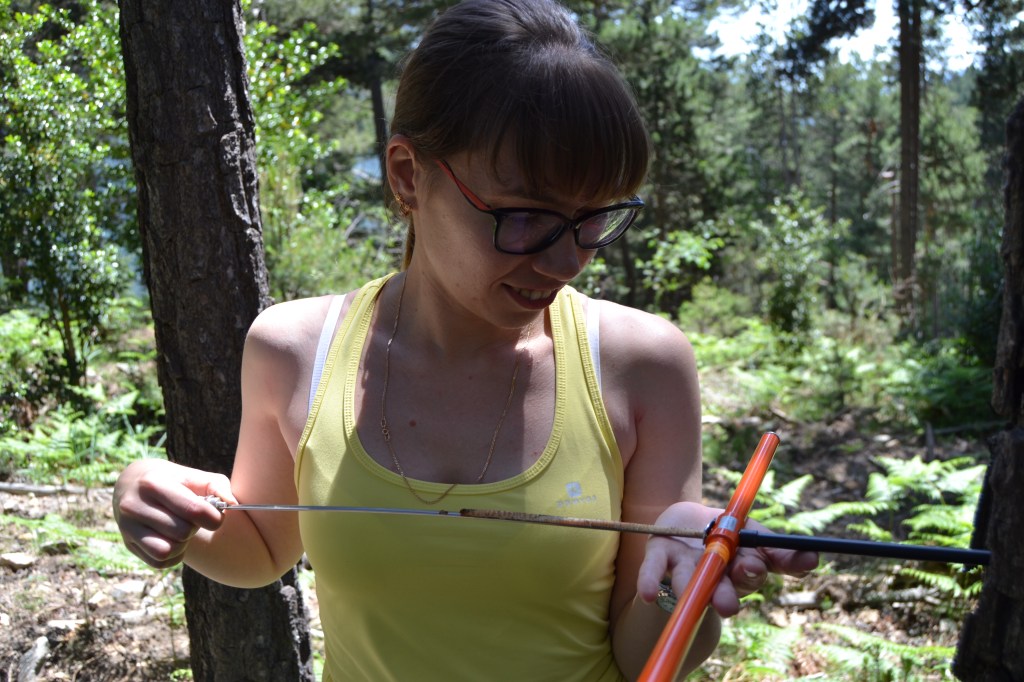
Tatiana Shestakova extracting a tree-ring core of Pinus sylvestris near the southern edge of its distribution range (Seira, north-eastern Spain).

Personal links. Personal site | Google Scholar | Research Gate

Institute. Woodwell Climate Research Center, USA

Academic life stage. Postdoctoral researcher

Major research themes. Dendroecology, Forest ecosystems, Global warming, Spatial synchrony, Remote sensing, Forest-based mitigation policies

Current study system. Trees play a major role in many terrestrial ecosystems, including those in tropical, temperate and boreal biomes. The wide geographic distribution of tree species coupled with their longevity makes them a primary source of long-term information on physiological and environmental processes across large biogeographical gradients. Notably, data from contemporary populations of trees can be extended by combining records from living and subfossil assemblages to provide continuous sequences at centennial or even millennial time scales. In a rapidly changing world, this wealth of information is very useful to retrospectively study the impacts of climate on forest ecosystems. In turn, our improved understanding of past tree reactions to variable environmental conditions is key to forecasting whether forest trees will be capable of evolving and adapting to global warming, which is fundamental to tackle the climate crisis.

Recent JBI paper. Shestakova, T. A., Camarero, J. J., & Voltas, J. (2021). Are global forests performing in sync? The need to account for spatiotemporal biases in tree-ring records. Journal of Biogeography, 48(11), 2961–2965. DOI: https://doi.org/10.1111/jbi.14249.

Motivation behind this paper. In ecology, synchrony refers to parallel changes in time-varying features of geographically disjunct populations. The question of whether global forests are performing in sync has lately engrossed the minds of scientists working in the field of forest ecology and climate change. Indeed, climate has changed markedly over the last decades, prompting an array of physiological reactions in tree species that could strengthen growth–climate relationships. For example, in dry environments, warming-induced drought stress often makes trees gradually limited by water shortage which overrides local drivers of growth (e.g., topography, soil nutrients), resulting in enhanced common tree-ring signals regionally (i.e., more synchronous growth). Although this idea is simple and therefore attractive, real world systems are much more complicated than that. Despite current evidence of increased growth synchrony across local and regional forests, a systematic rise in common variability of annual tree growth globally, driven solely by climate warming, is unlikely. While relevant patterns may emerge from global analyses, our work challenges simplistic approaches to evaluate synchrony patterns in tree rings. It stresses the need for a comprehensive assessment of tree growth variability at appropriate biogeographical scales (i.e., from local to continental) as an effective tool to interpret current forest dynamics.

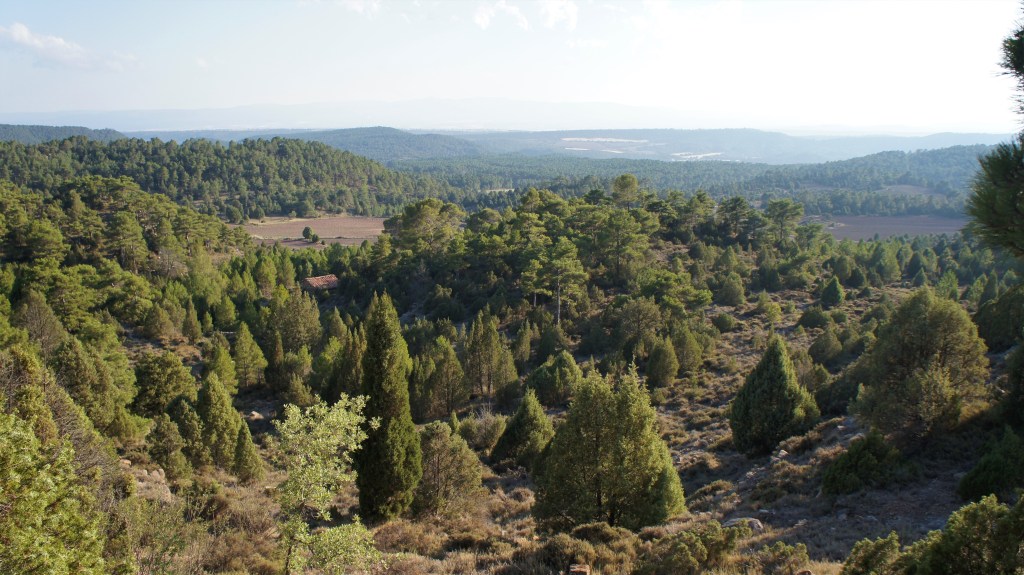
Gúdar mountain range dominated by Pinus halepensis. This conifer is one of the most drought-tolerant of all pine species thriving at low altitudes in the Mediterranean region (Gúdar, eastern Spain).

Key methodologies. Measurements of secondary growth patterns in trees – the ‘tree rings’ – are increasingly used to study the impacts of global change on forest ecosystems. Nowadays, thousands of tree-ring records are collected from forested areas across the globe and are often freely available (e.g., the International Tree-Ring Data Bank), allowing large-scale assessments of spatiotemporal changes in tree growth synchrony. However, the increasing biogeographical complexity of tree-ring patterns at progressively large scales of analysis requires advanced statistical approaches, as opposed to local studies. Here, we compare several methods for assessing synchrony patterns in tree-ring chronologies, including simple and variance-based correlations, which provide metrics for characterizing the strength and nature of the signal shared among time series. In addition, we critically review the utility of the mean absolute correlation between pairs of chronologies, which has been proposed as a metric of synchrony.

Unexpected challenges. Despite the existence of global dendrochronological databases, tree-ring data remain a local product resulting from internal tree processes modulated by a tree’s immediate biotic and abiotic environment, species’ life histories, and their complex interactions. Thus, large-scale comparisons and predictions based on tree rings are challenging and introduce uncertainty that researchers need to consider. Another complication is the lack of environmental data with high spatial resolution and temporal continuity for evaluating exogenous growth drivers. In global studies, all this information requires critical examination, careful interpretation, and stimulating synthesis. While robust analyses facilitate our understanding of a phenomenon or process, methodologies that do not consider spatial and temporal biases in data might detract from knowledge. Also, dealing with large datasets is computationally demanding and methodologically challenging. Luckily, some recently developed R packages, like ‘DendroSync’ (Alday et al., 2018; Dendrochronologia 47, 17–22), allow unravelling common growth patterns in tree-ring networks in a relatively pain-free way, making such analyses accessible to a wide audience.

Major results. By comparing synchrony trends in tree growth using alternative approaches, our work demonstrates that a rise in growth synchrony estimated from absolute correlations mostly vanishes once the dataset is filtered from spurious associations. Such a seemingly steady increase in synchrony coincides with a recent acute decrease in tree-ring chronology length, the distance between sampling sites, and the number of available chronologies. Thus, our results highlight the absence of a global trend towards rising temporal coherence of tree growth. We further discuss the importance of a carefully performed and interpreted attribution analysis of synchronous tree growth dynamics considering exogenous factors. Particularly, we highlight two issues that require extra caution: an imperfect availability of spatially-explicit environmental data with sufficient resolution and the spurious regression problem that often arises in longitudinal studies. Ultimately, proper identification of environmental controls of forest dynamics is highly relevant to forecast potential ecological consequences of global change on forests and their implications for terrestrial carbon sinks.

Next steps for this research. The use of flawed methods and inappropriate data can affect the entirety of our knowledge of a phenomenon. Previous evidence collected so far at local and regional scales points towards disparate changes in growth synchrony driven by certain climatic constraints and related global change impacts occurring at each location. Thus, a major extension of this study could be to systematically assess growth synchrony and its temporal trends at appropriate spatiotemporal scales and summarize them globally, enabling ecologically meaningful interpretations of synchrony changes for their respective forests.

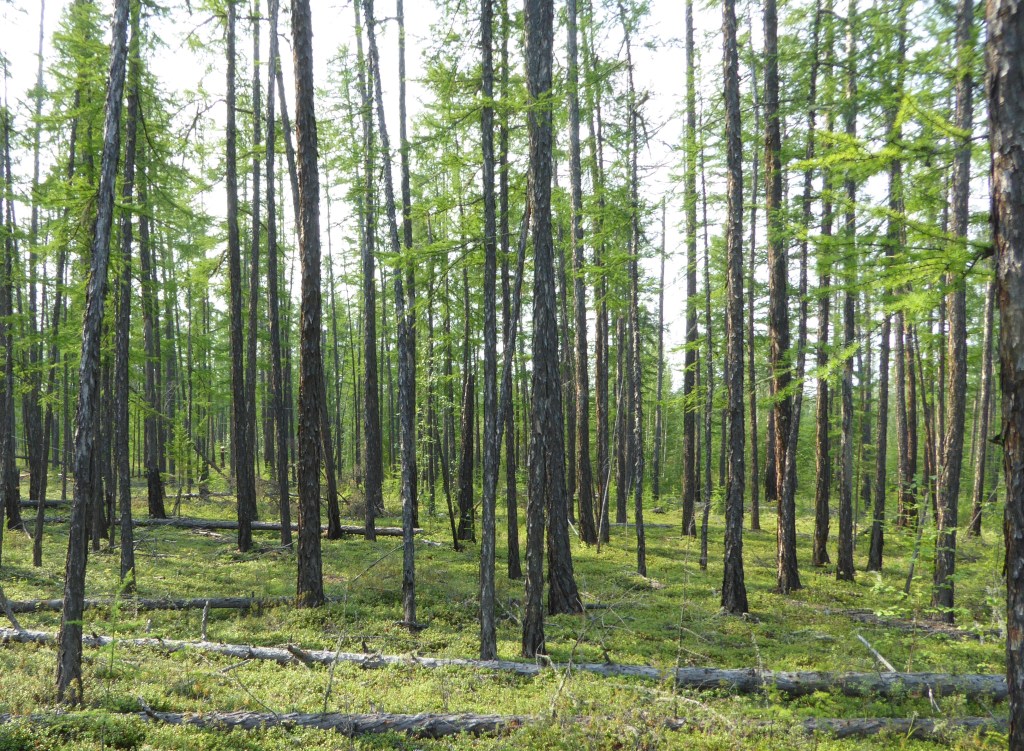
A forest stand of Larix gmelinii growing on continuous permafrost. It is the northernmost and most cold-resistant tree species on the planet (Eastern Siberia, Russia).

If you could study any organism on Earth, what would it be? I am fascinated by forest ecosystems, especially those composed by trees living at their range margins. Tree species growing under extreme conditions are particularly sensitive to global warming and can help us to understand forest vulnerability to a rapidly changing environment. While there is general agreement on tree growth constrained by water availability as being negatively impacted by climate change, the fate of cold-limited ecosystems is debatable. These forests often exhibit divergent tree responses to changing climate mediated by environmental heterogeneity, and also by species’ discrepancies and their adaptive capacity. In addition, global warming is most pronounced at high latitudes. I am, therefore, keen to comprehend the complexity of spatiotemporal dynamics of tree growth in these extreme systems.

Anything else to add? Dendrochronological field campaigns are time-consuming and labour-intensive work. Although collecting tree-ring samples is usually fun and joy, it may not be a trivial task at times. This is especially true in remote areas such as Siberia, where fieldwork is often associated with complex logistics, difficult working conditions, and no connection to the outer world for weeks. On the other hand, it is a rewarding experience, both personally (discovering unique landscapes) and professionally (gaining a grounded understanding of forest ecology and on-going ecosystem processes). As much as I enjoy sampling tree cores myself, my work would not have been possible without freely available tree-ring data, which scientists from all over the world deposit in global repositories such as the International Tree-Ring Data Bank (ITRDB). Thus, I would like to acknowledge the hard work of all the data contributors that inspire large-scale studies of forest ecosystems in a variety of research contexts. They undoubtedly play an increasingly important role in shaping our understanding of current patterns and trends of global forests.

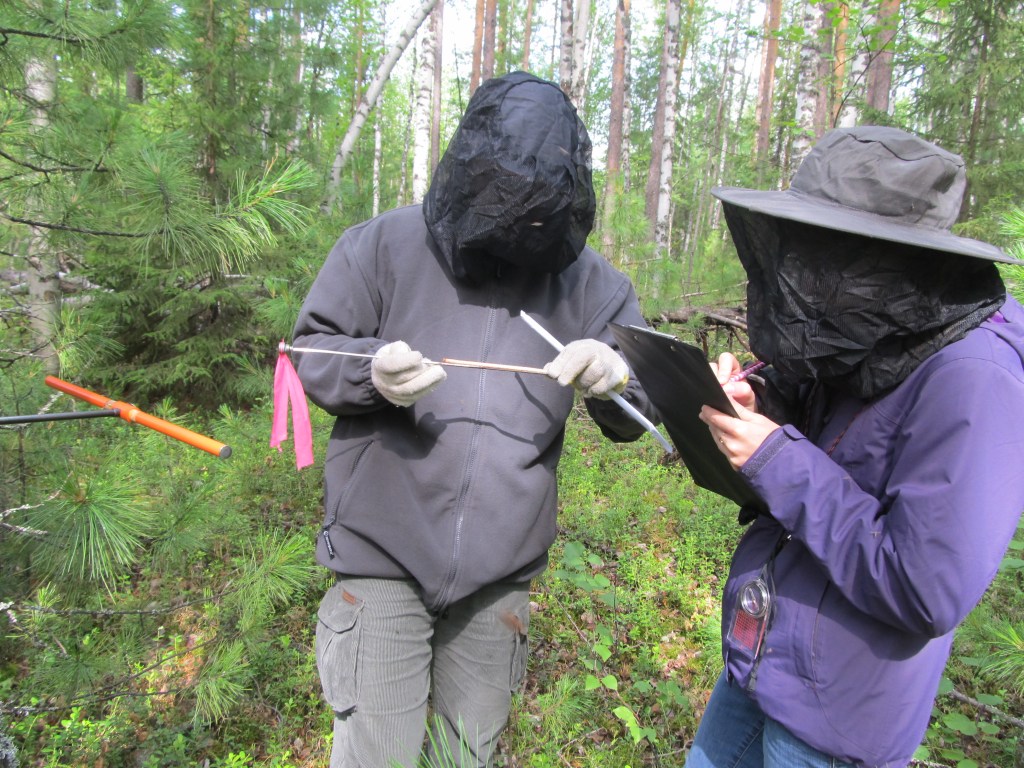
Tree-ring sampling at the margin of the Mukhrino mire complex surrounded by mosquitoes (Western Siberia, Russia).

ECR feature: Sarah-Sophie Weil on plant-soil linkages along elevational gradients

Sarah-Sophie Weil is a PhD student at the Université Grenoble Alpes in France. She is a biogeographer interested in macroecological patterns at different time scales. Here, Sarah shares her recent work on how plant-soil interactions impact environmental changes in terrestrial ecosystems.

After climbing up many mountains in the French Alps during fieldwork, time for a change: Sarah, nearly on top of Mount Snowdon, Snowdonia National Park, Wales, UK.

Personal links. Research Gate | Google Scholar

Institute. Department of Biosciences, Swansea University, Wales, UK | Laboratoire d’Ecologie Alpine, Université Grenoble Alpes, Grenoble, France.

Academic life stage. PhD student.

Major research themes. Biogeography, macroecology, movement ecology and dispersal.

Fieldwork in the Chartreuse Mountains, showcasing one of the difficulties of this project: defining 30 x 30m plots on a very steep slope.

Current study system. In the context of my PhD, I am currently working on the role of traits in dispersal across different timescales (in biogeographic histories of clades, present-day invasions and under future climate change scenarios). My recently published paper in JBI developed from my Master’s dissertation in which I analysed the relationships between plant traits, e.g., height or leaf dry matter content, soil microbial activities and environmental conditions in the French Alps. Plant-soil relationships are intricate, and it is difficult to say who is influencing who or if it’s reciprocal. That’s why it was so fascinating (and challenging) to work on these relationships!

Recent JBI paper. Weil SS, Martinez-Almoyna C, Piton G, Renaud J, Boulangeat L, Foulquier A, Saillard A, Choler P, Poulenard J, ORCHAMP Consortium, Münkemüller T, Thuiller W (2021). Strong links between plant traits and microbial activities but different abiotic drivers in mountain grasslands. Journal of Biogeography, 48(11), 2755-2770 https://doi.org/10.1111/jbi.14235.

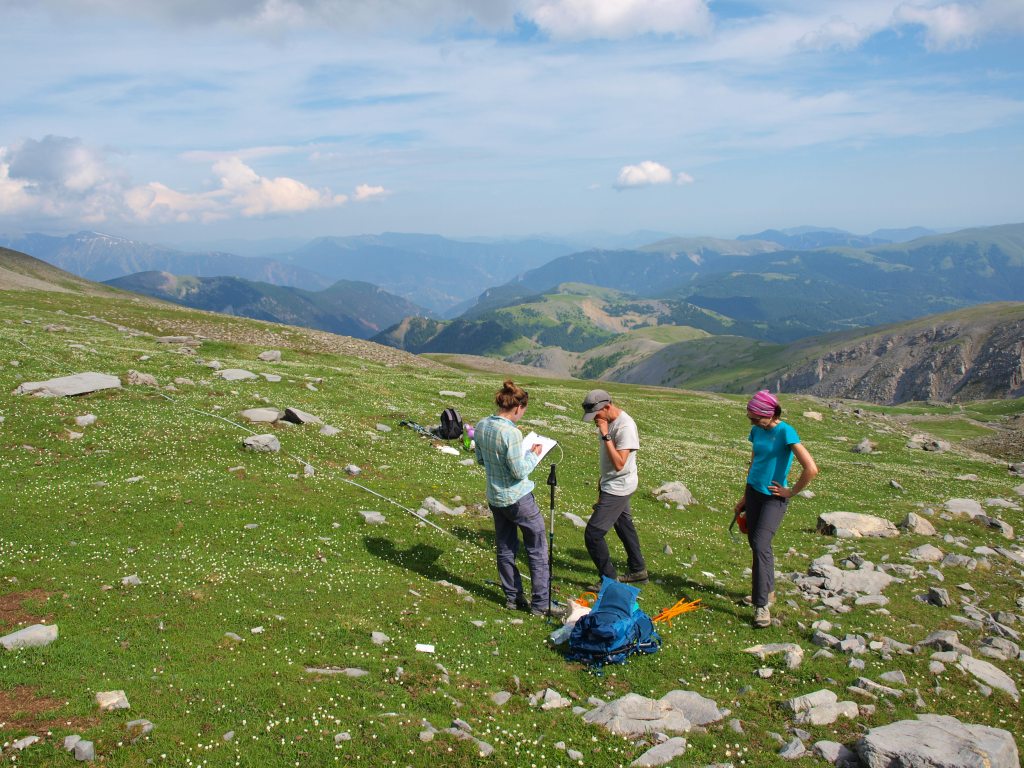
Fieldwork in the Mercantour (France), halfway up the mountain.

Motivation behind this paper. The plant and soil communities in an ecosystem are interdependent, with their interactions being fundamental elements of ecosystem functioning. However, we know relatively little about how plant-soil linkages vary in response to environmental conditions at large scales. Considering future environmental changes, we wanted to fill this knowledge gap. In addition, the soil microbial community is often assumed to be responding to the plant community. Still, the soil microbial community can also influence the plant community because it determines nutrient availability. That’s why we employed a novel method, called graphical lasso, to tease apart direct and indirect influences in plant-soil linkages without defining the direction of these influences beforehand. Altogether, we wanted to develop a comprehensive picture of plant-soil linkages and abiotic influences on a large scale that covers many climatic and edaphic conditions.

Fieldwork in the Mercantour (France), close to the top of Mont Mounier. How do you plant beacons with 30cm steel rods into the soil when there is barely any soil to work with?

Key methodologies. Our goal was to develop a network including variables related to plant-soil linkages (e.g., plant functional traits like plant height or leaf nitrogen content, soil enzymatic activities, which indicates nutrient availability) and abiotic conditions (e.g., temperature, pH, soil organic matter, etc.). To do so, we used a novel approach by employing graphical lasso, a model that can infer partial correlations between all included variables. Partial correlations are a way to identify connections between a pair of variables while controlling for possible confounding variables. This approach allowed us to identify direct and indirect relationships between plants, belowground microbial community, and abiotic soil and climatic variables without imposing a directional structure. To cover a large range of climatic and edaphic conditions, we used data from 41 plots situated between 1500 and 2800 m of elevation in the French Alps.

Unexpected challenges. There were numerous challenges during fieldwork. Hiking up mountains with heavy equipment to install the plots, finding the plots later on to perform measurements, the species identification work performed by botanists, and the lab work done for the enzymatic activities was a huge undertaking collectively performed by all the authors involved and many interns. Because I was not present for most of the fieldwork, a personal challenge for me was to dive into the research of plant-soil linkages. It is an interdisciplinary research area, and it requires knowledge about all components. Not only did I learn many things about plant communities, but I also had to integrate knowledge about the soil microbial community. On top of that, of course, were the abiotic influences – how do plant and soil microbial communities vary with temperature? Which influence do precipitation and solar radiation have? And an additional challenge was that this work was carried out under time pressure, having only four months to produce the results for my Master’s thesis.

Botanical rélevés in Chamechaude (France): identifying all plants (presence/absence) in a 3m-wide transect across the plot (photo credit: Wilfried Thuiller).

Major results. We found that abiotic drivers are key elements in plant-soil linkages in the French Alps. Plant traits were strongly linked to climate, and soil enzymatic activities (indicating investment in soil microbial nutrient acquisition) were associated with soil properties. Climate only influenced the biotic and abiotic soil compartments through cascading effects via plant traits linked to the soil carbon/nitrogen ratio. This relationship highlights the role of plant-soil interactions in ecosystem responses to abiotic changes. In these plant–soil linkages, specific plant traits were more important than their diversity. In sites with conservative plant traits, such as high leaf mass per area and reduced organic matter quality, soil microbes invested more strongly in nutrient acquisition.

Next steps for this research. The data for this study comes from the long-term observation network ORCHAMP (https://orchamp.osug.fr/home), which consists of ca. 30 elevational gradients that have each 3-7 plots every 200m of altitude. The study featured here is just a small part of the effort to better understand biodiversity patterns and ecosystems functioning in mountain regions. On-going and future works focus on deciphering environmental predictors (e.g., climate, soil, human use, vegetation) of the multiple trophic groups occurring in the soil, understanding the spatial turnover of soil interaction networks, and producing predictive models of soil biodiversity in space and time.

Botanical rélevés in Anterne (France): the pin-point method. Along a transect in the middle of the plot, two measurements were taken every 20cm: one 25cm upslope, the other 25cm downslope from the transect. All individuals touching the poles per 20cm increment were identified and counted (photo credit: Carole Birck).

If you could study any organism on Earth, what would it be? I admit, I am more interested in general patterns and understanding the processes and mechanisms that drive them. That being said, I’ve always been fascinated by trees because some species can have such long lifespans. To think about what these trees must have experienced and survived – natural disasters like fires and storms, changes in climate, etc. – is just mind-boggling!

New insights into the history of Central European steppe grasslands

Spatial patterns of species and haplotypes suggest long-term continuity of steppes in eastern Central Europe.

Above: A species-rich meadow steppe near Cristuru Secuiesc (Hungarian: Székelykeresztúr), Harghita County, Transylvania, Romania. Photographed on 29 May 2017 by Wolfgang Willner..

The steppe grasslands of eastern Central Europe have attracted botanists and vegetation scientists for more than two centuries. Not only are they exceptionally species rich, but they also show a great regional diversity. I have been working on these steppe grasslands for many years, and I’m still amazed by the geographical variability of their species composition. However, this variability seems at odds with the often heard opinion that the Central European steppes are, for the most part, human-made habitats created by extensive land-use after clearing the original forests. If that was true, where did all the species come from? And why are the steppes not uniform across large areas, like other anthropogenic vegetation types? Recent paleobotanical studies provide evidence for at least local persistence of steppe-like vegetation in eastern Central Europe throughout the Holocene. Perhaps, the steppe communities of this region are not so anthropic after all?

Cover image article: (Free to read online for two years.)
Willner, W., Moser, D., Plenk, K., Aćić, S., Demina, O. N., Höhn, M., Kuzemko, A., Roleček, J., Vassilev, K., Vynokurov, D., & Kropf, M. (2021). Long-term continuity of steppe grasslands in eastern Central Europe: Evidence from species distribution patterns and chloroplast haplotypes. Journal of Biogeography, 48, 3104–3117. https://doi.org/10.1111/jbi.14269 

We know that large parts of Europe were covered by steppes during the last glacial period. Unfortunately, paleobotanical studies don’t tell us anything about the species composition of the glacial steppes. In any case, the last glacial maximum was not the main problem for the steppe grasslands in eastern Central Europe. The main problem was the mid-Holocene forest optimum. Forests are the natural enemies of steppes, and the period just before the arrival of neolithic farmers offered optimal climatic conditions for forest growth all over Central Europe. However, as mentioned above, steppes might have been able to survive the ‘mid-Holocene bottleneck’ in some refugia. That’s where our current study steps in.

In a previous paper, I showed that the number of European beech forest specialists is inversely correlated with the distance from the glacial refugia of beech. The best explanation for this finding is that many species do not fill their potential geographical range due to a migration lag, that is, they are still expanding from their glacial refugia. I wondered if the same method could be used to shed light on the history of Central European steppe grasslands. However, there were several problems with this idea: First, the mid-Holocene bottleneck might have erased signals of earlier migrations. Second, there was no agreement on the position of potential refugia for European steppe species. One region that had frequently been suggested as a refugial area for the more thermophilous steppe species is the Black Sea coast, in particular the Dobruja region. Other potential refugia mentioned in the literature were the Vojvodina region in Serbia, Transylvania in Romania, western Podolia in Ukraine, and the lower mountain ranges in Hungary. Finally, one of our own studies suggested the northwestern Pannonian region, including the eastern margin of the Alps, as a potential refugium. All these areas are characterised by a high topographic heterogeneity and mostly calcareous substrates, providing potentially suitable habitats for steppe species throughout the whole glacial-interglacial cycle.

The third problem was the ecological heterogeneity of steppe grasslands. The term “steppe” denotes a variety of grassland types, which are quite distinct in their habitat, physiognomy and floristic composition. In our study area, three main types can be distinguished: meadow steppes (which are dominated by broad-leaved grasses and mesophilous herbs, often occurring in a mosaic with forest patches), grass steppes (representing the typical steppe grasslands) and rocky steppes (relatively open grasslands on shallow rocky soils, often with a high portion of dwarf shrubs). As each steppe type might have responded differently to past climatic oscillations, we studied them separately. We tested all combinations of potential refugia and found that, in addition to the current climate and topographic heterogeneity, geographical distance to the Hungarian Central Range is the most important factor in explaining the number of habitat specialists in a region, followed by the northwestern margin of the Pannonian Basin, western Podolia and Transylvania.

To get deeper insights into the history of steppe species, we sampled 3–4 habitat specialists of each steppe type and investigated their intraspecific genetic diversity, using chloroplast DNA. Several species showed a strong geographical differentiation, suggesting migration waves from multiple refugia with only limited subsequent genetic intermixture. The degree of genetic differentiation is clearly inconsistent with the scenario of a late-Holocene immigration of steppe species from areas outside the Pannonian Basin. Most species must have been present in the region since at least the early Holocene, probably much longer, highlighting the importance of the lower mountain ranges surrounding the Pannonian Basin as long-term refugia for European steppe species.

On the basis of these findings, we can confidently say that the steppes of eastern Central Europe are not man-made habitats, although millennia of extensive land-use (mainly grazing) have certainly increased their geographical range. However, land-use has drastically changed since the 19th century. Many steppe grasslands have been converted into arable land or otherwise destroyed. With the large herbivores of the early Holocene extinct, the remaining steppes are dependent on human management. Our study will provide conservationists with additional arguments why these species-rich and unique ecosystems should be preserved.

Written by:
Wolfgang Willner, PhD, Department of Botany and Biodiversity Research, University of Vienna, Austria

Additional information:
https://cvl.univie.ac.at/people/Wolfgang-Willner/

Functional redundancy increases in human-modified habitats

Different species do similar things in anthropic environments.

Above: Two examples of small mammals with very distinct biologies. The Brazilian gracile opossum Gracilinanus microtarsus (left) is a generalist that forages in the ground and inhabits a broad range of habitat types — from primary to secondary forests and forest edges. Such generalists usually profit from human habitat modifications. On the other side, the ihering’s hocicudo Brucepattersonius iheringi (right) is more specialized and spends the majority of its life digging and foraging in forest undergrounds. Pictures taken by Leonardo Crestani in the Aparados da Serra National Park, Rio Grande do Sul, Brazil.

Small mammals are practically everywhere. In fact, they are so successful that they can be found in almost all kinds of habitats. A popular saying states that “if you kick a stone, a mouse appears”. The truth might be not as extreme, but we are often not aware of how many of these often shy and elusive species are actually living around us. Sometimes we can get a glimpse at their abundance and diversity, when we see large numbers of them scurrying around after crop harvests or logging in forests. If they thrive so abundantly in frequently disturbed habitats, should we actually expect differences in species richness and ecological functions between human-modified and undisturbed, natural habitats?

Editors’ choice article: (Free to read online for two years.)
Luza, A. L., Graham, C. H., Hartz, S. M., & Karger, D. N. (2021). Functional redundancy of non-volant small mammals increases in human-modified habitats. Journal of Biogeography, 48, 2967– 2980. https://doi.org/10.1111/jbi.14264 

Ecological theory and empirical data already provide evidence that small mammals are quick in recolonizing habitats after disturbances took place, cancelling out the local extinctions that happened. But simply replacing a locally extinct population with that of another species is just one side of a coin. It might keep the number of species constant, but it will not tell us much about the structural changes within these small mammal communities. A functionally unique species might simply be replaced by a generalist that does not add anything ecologically new to an ecosystem, or replaces a function that has been lost (Figure 1). To understand the structural dynamics of small mammal communities in modified habitats (Figure 2), we therefore need metrics that are sensitive to changes in species composition and ecological functions, like functional diversity, which measures the range of functional traits found into local communities.

Bearing the apparent success of small mammals in human-modified habitats in mind, I went to the literature. I searched for global, geographically replicated data on small mammal communities to understand if the ‘success’ of small mammals in human modified habitats generally translates into more or fewer ecological functions. These data already gave a good overview on the status quo of small mammal diversity in a wide variety of habitats. However, a major hurdle needed to be overcome to draw global, and general conclusions from these data. The diversity of small mammals is geographically very heterogeneous, with for example many more species in the tropics than in the subtropics. These global patterns in species richness are the effect of millions of years of biogeographic and evolutionary processes that created a geographically very distinct biodiversity of small mammals. While a success story for small mammals, it became apparent that these biogeographical differences actually pose a scientific problem in better understanding species richness and functional changes in human-modified habitats at a specific location. How could we be sure that functional diversity at one location is lower than at another, if one of them has a smaller species pool, i.e. less species around that can colonize a habitat due to different biogeographical histories? Equipped with this question I went over to the Swiss Federal Research Institute to work with Dirk Karger and Catherine Graham, to include a framework that explicitly considers the size and structure of the species pool while measuring small mammal community responses to human influence.


Human modified (top) and natural grasslands (bottom) in the municipality of Palmas, Paraná, southern Brazil. Cattle raising has been a predominant economic activity in the region for at least three centuries. Currently, these grasslands have been afforested with exotic pine or converted into crop fields, resulting in dramatic alterations in the landscape and in the economy of the region. Elusive to the human eye, these natural habitats are filled with a large number of small mammal species with a set of unique traits that provide many important ecosystem functions. Pictures taken by A.L. Luza.

The framework we used basically involved creating a spatially explicit potential species pool for all locations globally. Now we were able to see the ‘potential’ species richness and ‘potential’ functional diversity of a locality, and could compare it to the richness and functional diversity we actually observed. The first thing we saw was that most human-modified habitats are actually quite close to what they are able to achieve in terms of species numbers. While this sounded like good news in the beginning, a second pattern quickly emerged. A higher species richness in human-modified habitats comes with an increase in functional redundancy, as those species which profit from human-modification do not add new functional traits into modified habitats. This means that practically, the species profiting from human habitat modifications all do the same when it comes to their functional role in an ecosystem.

So what exactly should we take from these results? Mainly that human modifications are changing the functional roles of small mammal communities by making generalists the winners, and severely penalizing functionally distinct species. Humans are homogenizing the functions in ecosystems, which could lead to severe changes in ecosystem services and nature’s contribution to people.

Written by:
André Luza; Institution: Universidade Federal do Rio Grande do Sul

Additional information:
https://luzaandre.weebly.com/

Acknowledgements:
I would like to thank Dirk N. Karger for helping me write this blog, as well as Catherine H. Graham, and Sandra Maria Hartz for many fruitful discussions on these topics during the course of my PhD.