Introducing the Members of the New (2nd) Editorial Academy

The Editorial Academy at Journal of Biogeography aims to help early career biogeographers learn more about publishing with the guidance and support of an experienced mentor. Each of the Editorial Academy members is partnered one-to-one with one of the journal’s chief or associate editors with relevant disciplinary expertise. The academy members have the same role as a regular member of the Editorial Board, but a reduced workload.

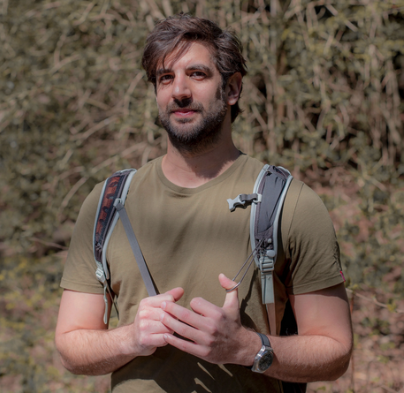
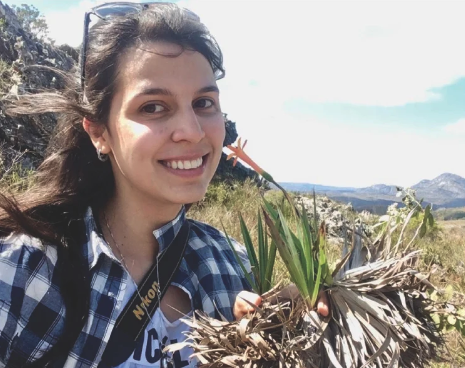
We are delighted to announce the six newest members — Drs. Harith Farooq, Giacomo Puglielli, Julian Schrader, Tatiana Shestakova, Helena Tukiainen, and Thais Vasconcelos — who begin will begin their two-year tenures in January 2022, after which they may be appointed to the full editorial board.

These early career researchers span a diversity of disciplines, career stages and appointments, and beckon from six different countries. All share a deep interest in biogeography, to which they bring new skills and perspectives that will enrich and broaden our vantage point at the journal. We all very much look forward to working together.

If this is an opportunity that may interest you in the future, watch out mid-2022 for the next opportunity to join the editorial academy and board at the Journal of Biogeography.

Welcome!

.
Harith FarooqPostdoctoral researcher; Gothenburg University, Sweden. Research interests: Using species extinction risk and phylogenetic endemism to map important areas for biodiversity conservation. Sampling biases, herpetology and IUCN and KBA assessments. Devoted to document data-deficient species in his home country, for which he founded the project Extinct or Shy (www.extinctorshy.org).

.
Giacomo PuglielliResearcher; Estonian University of Life Sciences, Estonia. Research interests: Defining general patterns of woody plants’ adaptations and acclimation responses to tolerate multiple abiotic stresses, from the leaf to the global scale. Testing ecophysiological theories using functional traits and functional biogeography.

.
Julian SchraderResearch fellow; Macquarie University, Australia. Research interests: Island biogeography, functional ecology, community assembly and nature conservation. Understanding the mechanisms and factors shaping biodiversity at different spatial scales, particularly in island systems and functional trait–environmental relationships. His research focuses on plants, but also includes other taxa such as birds.

.
Tatiana ShestakovaPostdoctoral researcher; Woodwell Climate Research Center, USA. Research interests: Understanding the processes underlying the complexity and diversity in ecosystem response patterns to environmental forcing and how these patterns are spatially structured across biogeographical gradients. Unravelling spatiotemporal patterns of forest reactions to global warming across biomes, with the ultimate objective of foreseeing tree growth and physiological responses at large scales.

.
Helena TukiainenPostdoctoral researcher; Geography Research Unit of the University of Oulu, Finland. Research interests: Exploring the relationships between biodiversity and geodiversity (the abiotic richness of the Earth surface and sub-surface) across scales and areas. To find new advantages for nature conservation.

.
Thais VasconcelosPostdoctoral fellow; University of Arkansas, USA. Research interests: Integrating biogeography and evolutionary biology to understand general patterns of biodiversity distribution in time and space, with a special focus on flowering plants. Development of biologically realistic methods in macroevolution to address questions such as why some areas are more diverse than others and how plants adapt to environmental changes over time.

ECR feature: Adriana Uscanga on the origins of tropical sky-islands arthropod communities

Adriana Uscanga is a PhD candidate at the University of Oregon in the US. She is an ecologist interested in unveiling the evolutionary drivers shaping biodiversity distribution in tropical mountains. Here, Adriana shares her recent work on evaluating colonization routes of newly emerged high-elevation habitats.

Adriana Uscanga is a PhD candidate at the University of Oregon.

Personal links. Twitter | GitHub | Orcid

Institute. University of Oregon

Academic life stage. PhD candidate

Major research themes. Tropical Mountain Ecosystems; Landscape Ecology; Geospatial Science; Agroecology; Climate Change; Cartography and Data Visualization

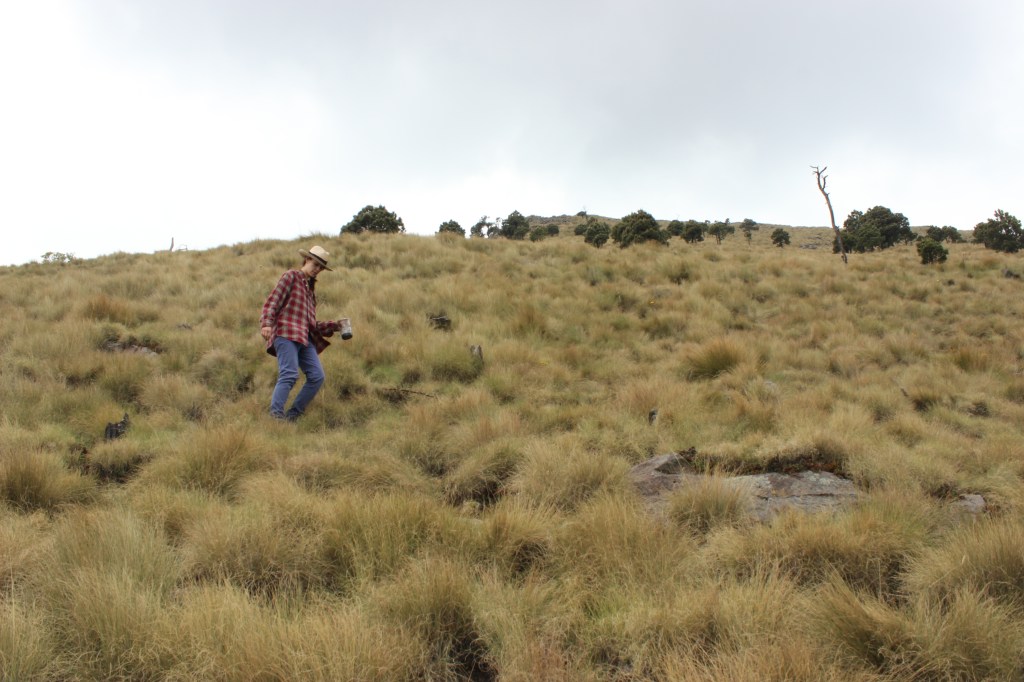
Here, I am collecting pitfall traps in an alpine grassland at the top of the mountain Ajusco, Mexico.

Current study system. My research focuses on the study of tropical landscapes, especially mountains. Tropical mountains exhibit outstanding climatic and ecosystem diversity in short distances, making them fascinating study systems. I am interested in understanding what shapes biodiversity and ecosystem functions in these landscapes. Currently, I am studying the ecological and socioeconomic processes and consequences of agriculture expansion and intensification in Mexican tropical montane forests. In so doing, I use theories and methods from Landscape and Forest Ecology, Geospatial Science, and Political Ecology to understand the complex relationships between forest ecosystem functions and services, food production, and climate change in these beautiful landscapes.

Recent JBI paper. Uscanga, A., López, H., Piñero, D., Emerson, B.C., Mastretta-Yanes, A. (2021) Evaluating species origins within tropical sky-islands arthropod communities. Journal of Biogeography, 48(9): 2199-2210 https://doi.org/10.1111/jbi.14144

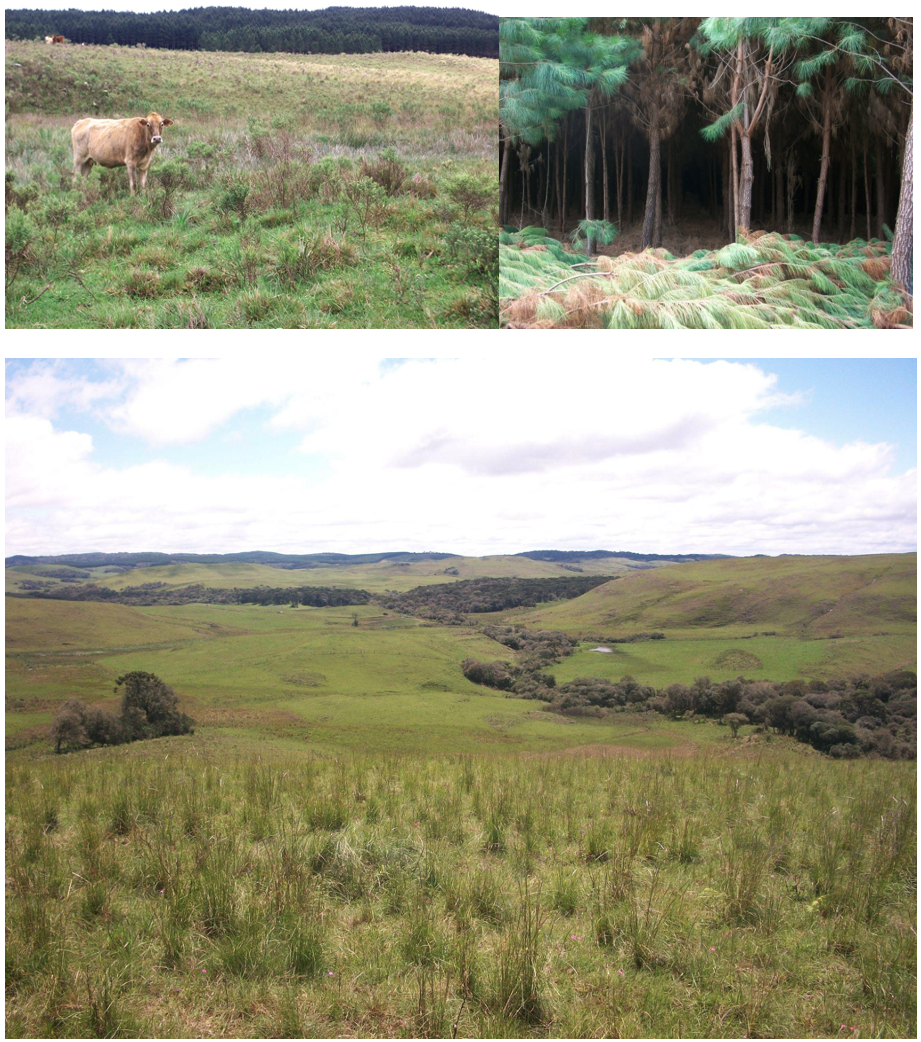
Alpine grasslands at sunset. Fir forest is visible further below. The difference in elevation between these two ecosystems in the Transmexican Volcanic Belt ranges between 600 to 800 m.

Motivation behind this paper. This study sought to understand how biodiversity is structured along the Transmexican Volcanic Belt, a long tropical mountain range that crosses Mexico from West to East. Previous studies had suggested that animal and plant communities in the Eastern (E) mountains differed from those distributed in the Western (W) mountains, as if biodiversity was structured in two groups, divided in the middle of the mountain range. Although this pattern came repeatedly in the literature, studies that would explicitly test it were lacking. Our main motivation was to test this pattern with a spatially explicit study and to assess whether this pattern varied in ecosystems at different elevations. This last objective would provide information about how new habitats are colonized.
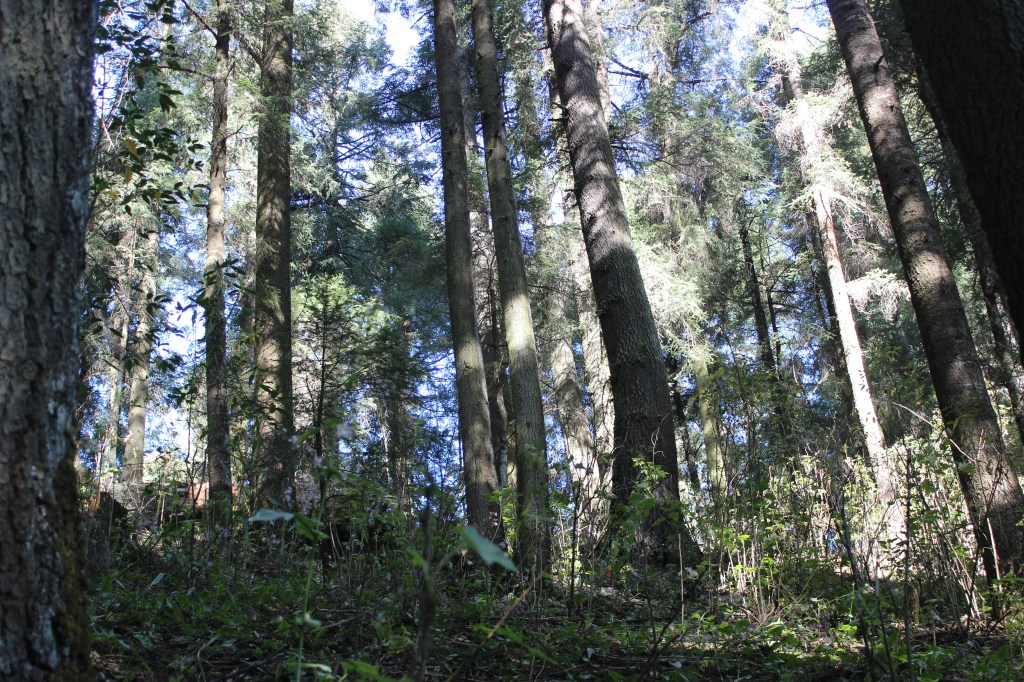
Fir forest viewed from the understory.

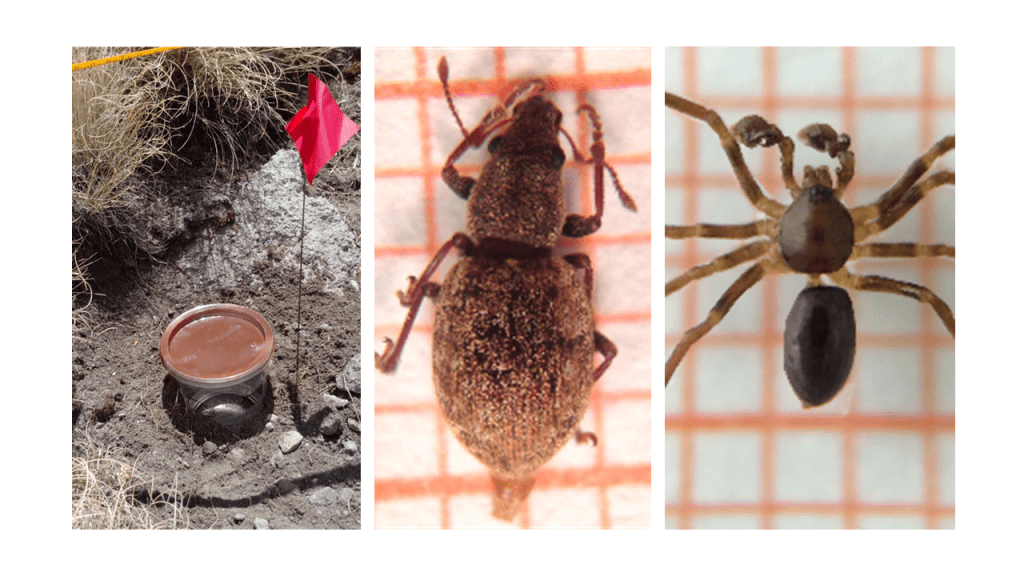
Key methodologies. To test whether biodiversity along the Transmexican Volcanic Belt is structured in two groups (a Western and an Eastern group), we sampled arthropods in two ecosystems, alpine grasslands (at around 3,900 m in elevation) and fir forests (at around 3,200 m in elevation), at seven mountains using pitfall traps. We selected all spiders and beetles we found in the traps, classified them in morphotypes, and sequenced a region of the mtDNA COI gene from each individual. In this way, we were able to use classic population genetics methods for studying whole communities. Besides assessing richness and diversity within and among mountains, we used a neutral model to test the W-E groupings. We were also interested in addressing whether the W-E spatial pattern was present in different ecosystems. Thus, we compared grassland and forest communities.  

Unexpected challenges. We faced several challenges in this research. First, we realized that lists or inventories of arthropod communities at these sites are rare. In many cases, species have not been described yet. Because of this, we had to use morphotypes and operational taxonomic units instead of species. Second, doing fieldwork was fun but very challenging. Alpine grasslands are at very high elevations, and we had to hike all the way up the top of these mountains to set up the traps and then again to collect them a week after (no wonder why so many species have not been described yet!). An unexpected outcome was the striking difference we found between grasslands and forests communities within single mountains. Throughout the project, we were mainly focused on the W-E structure story, and the difference between ecosystems turned up to be just as − or even more − interesting in the end.

Alpine grassland and fir forest in the Western mountains of the Transmexican Volcanic Belt.

Major results. Two main results were drawn from this research. First, the difference between W and E communities is larger than expected if only present-day distance among mountains is considered. This pattern is probably related to the geologic history of this mountain range. Second, we found that communities from different mountains, but the same ecosystem, share more species among them than those within a single mountain but different ecosystems. This pattern was more common among lower elevation ecosystems (forests) than higher elevations (grasslands). Our results suggest that the long-distance colonization from similar ecosystems may be a more common pattern than the colonization of new habitats from lower elevations within the same mountain. Also, geologic history and ancient communities leave a strong trace on diversity structure despite recent processes of migration and connectivity. Our results contribute to broadening the understanding of how different factors like geology and climate shape biodiversity.

Next steps for this research. The next step in this research, led by Dr. Mastretta-Yanes, is to explore entire arthropod communities using metabarcoding data to sequence thousands of specimens from hundreds of pitfall traps and examine diversity patterns in multiple hierarchical levels (haplotype, putative species and supra-specific levels). With this high-resolution data, we are examining the role of neutral processes in promoting differentiation not only among mountains but also within a single mountain. With this analytical framework, we will assess if dispersal limitations within and between mountains can act as a source of local-scale genetic differentiation in tropical mountains, which may translate to species-level diversification over time.

Pitfall trap in alpine grassland (left), specimen from the family Curculionidae (middle) and specimen from the family Linyphiidae (right). We made our own traps using plastic cups, brown paint, alcohol, and glycerine. We selected all beetles and spiders that fell in the traps and took photos of every specimen we classified and sequenced. Sequences and photos are available through BoldSystems.

If you could study any organism on Earth, what would it be? I love elephants, octopuses, ferns, and magnolia trees. Actually, I’m fascinated by many organisms, but I always find myself studying processes and interactions more than single units or organisms. I really feel passionate about studying interactions among living beings and between these and their environment.

Anything else to add? I was first involved in this research because of my interest in learning population genetics and phylogeography. Tropical mountains happened to be the system model, but they were not my main focus. With time, as I developed my research further, I got more interested in tropical mountains as a study system. They are so fascinating! They are also under a lot of stress due to deforestation and climate change. Now, I keep working on tropical mountains but with a different focus. I study patterns of forest loss, their effects on ecosystems and people, and their interactions with climate change. Science and curiosity can take you on so many different paths!

Call for papers: Emerging Techniques and the Future of Biogeography

Biogeography advances when new concepts, methodologies and tools allow us to see the world in different ways: plate tectonics reshaped the study of distributions, deep sea submersibles revealed life at hydrothermal vents, phylogeography was born through advances in sequencing, and macroecology originated in a novel top-down statistical view, to name but a few. We are in a new age of innovation wherein the rapid emergence of new technologies can provide unparalleled information from the smallest to the largest spatial scales, from individuals to communities, and from seconds to millennia. Integrating the data created by these technologies will require new analytical tools and ways of thinking and possibly new ways of doing biogeography. Success will be measured in our ability to reshape the frontiers of human knowledge and to gain deeper insight into fundamental biogeographic processes, and in predictive analytics that can address the current existential crises in biodiversity and climate. But challenges to attaining those goals include:

  • How to collect and access data that permit modelling of processes in near-real-time in a rapidly changing world.
  • How to accurately map distributions at all geographic scales across time
  • How to move beyond mainstream statistical approaches (both frequentist and Bayesian) to more data-driven approaches (e.g. leveraging Artificial Intelligence) that reveal mechanisms and processes
  • How to validate/advance models and to develop new theory

Meeting these challenges is a pursuit in many domains of knowledge, and we are interested explicitly in their application in, and how they will (or are) transform(ing) biogeography through integration across fields and scales to develop a truly holistic and responsive discipline.

We are organising a special issue in Journal of Biogeography to explore the contributions of technological innovations in tools, data and models, their application, and their potential to shape the future of biogeographical research. We encourage multidisciplinary research teams and new ideas or approaches. In this thematic issue we will publish original novel papers in the following broad areas and, particularly, their integration:
(1) DNA-based technologies: e.g. ancient DNA, environmental DNA, metabarcoding, metagenomics
(2) Remote sensing: e.g. recent innovations in data including hyperspectral imageries, radar, new data access platforms, loggers & trackers, UAVs & robots, sound ecology & acoustics, analyses of imagery from public domains such as flickr, and culturomics/‘iBiogeography’.
(3) Analyses: Machine learning and artificial intelligence application for species recognition, species distribution modeling, land-cover and -use mapping, other ecological and biogeographic models, new mathematics for new problems, and genetics and genome skimming.
(4) Integration and syntheses: e.g. connections, movement, networks, across scales and through time; conceptual benefits from technological development; including critiques.

Contributions may be in any of the usual original research formats at JBI: 1) Letter, 2) Research Article, 3) Methods and Tools, 4) Data, 5) Synthesis, and 6) Perspective. For more information, please see our author guidelines.

Manuscripts should be submitted online at https://submission.wiley.com/journal/jbi until 30 April 2022 for priority consideration for the special issue; manuscripts may continue to be submitted through 30 June 2022 for consideration for additional special sections. Authors should indicate in the Cover Letter that the submission is directed to the ‘ET&FB Special Issue’.

  • Accepted papers will be published online in Early View with the plan to be later collated into a Special Issue / Sections to celebrate the 50th anniversary of the journal in January 2023.
  • All submissions are subject to peer review.
  • Papers will be free to read for at least 2 months from the date of online publication.

Special issue editors
Kumar Mainali – https://www.linkedin.com/in/kumar-mainali-7594357a
Rachel Meyer – https://www.themeyerlabs.com/rachelmeyer
Michael Noonan – https://biology.ok.ubc.ca/about/contact/michael-j-noonan/
Monica Papes – https://monapapes.wixsite.com/biodivmatters
Lynne Parenti – https://naturalhistory.si.edu/staff/lynne-parenti
Fabricio Villalobos – https://maevolab.mx/

Life-form diversity across temperate deciduous forests of Western Eurasia: A different story in the understory

Deconstructing the forest community into three structural components — tree, shrub, ground floor – reveals different origins.

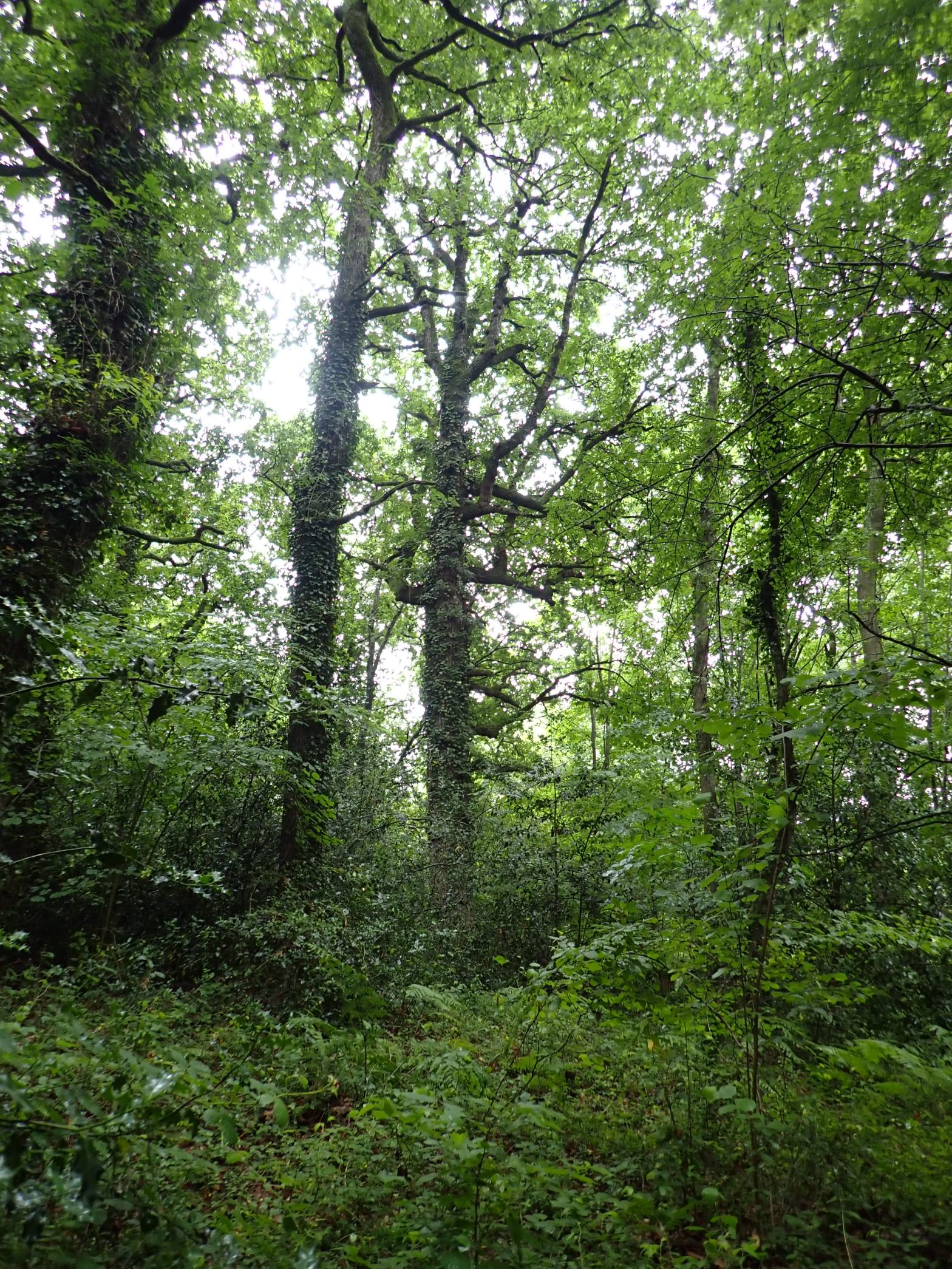
Above: Forest in the lowlands of Asturias, Spain (August 2021 by Javier Loidi).

Forests have always had a special appeal to ecologists, as they represent the most complex and developed type of terrestrial ecosystem. They are composed of many interacting organisms but traditionally they have been studied preferentially from the point of view of trees, which make up most of their biomass and determine their physiognomy. However, forests are not just trees. The arboreal component has been studied extensively in forests, but the rest of the plants have been relatively neglected until now. We wondered if the different elements that make up the forest depend on the same ecological drivers and have a parallel history in terms of their origin, evolutionary and migratory past.

Cover image article: (Free to read online for a year.)
Loidi, J., Chytrý, M., Jiménez-Alfaro, B., Alessi, N., Biurrun, I., Campos, J.A., Čarni, A., Fernández-Pascual, E., Font Castell, X., Gholizadeh, H., Indreica, A., Kavgacı, A., Knollová, I., Naqinezhad, A., Novák, P., Nowak, A., Škvorc, Ž., Tsiripidis, I., Vassilev, K., & Marcenò, C. (2021). Life-form diversity across temperate deciduous forests of Western Eurasia: A different story in the understory. Journal of Biogeography, 48, 2932–2945. https://doi.org/10.1111/jbi.14254 

We decided to deconstruct the forest community into three structural components: tree, shrub and ground floor layers to survey the patterns of variation in floristic richness and proportion of the different plant life-forms. We focused on Western Eurasia, i.e. Europe and some areas in the Black and Caspian seas coastal areas where deciduous temperate forests have a relevant role as Potential Natural Vegetation.

For analyzing the different floristic components of the forest, we used plots in which all the vascular plant species were recorded and their abundance estimated. In Europe, thanks to the Braun-Blanquet tradition in Vegetation Science, there are large amounts of data collected in a relatively consistent way. These data were extracted from the large datasets of vegetation plots currently available (EVA and some others) and we selected 9000 plots occurring in nine European areas (1000 plots in each) covering the geographic and climatic variability of Western Eurasia.

We found that three main drivers are controlling the broad-scale distribution patterns of plant life forms and vegetation layers: current climate, topographic conditions and past climate. Considering the number of species per region in the different layers, the general trends show that the lowest richness is in the oceanic northwest and the highest in southern central Europe, where the climate has a higher annual temperature range (continentality). Southern European regions are much richer in species, as expected from their warmer climate, their abundance of mountains and the presence of Pleistocene refugia for many tree species.

Considering the most significant life-forms, we can focus on evergreen broadleaf woody plants (trees and shrubs), which are more represented in the southern regions: Italy, Balkans and Euxinian, reaching their maximal number in the Iberian Peninsula. This group is present in oceanic and warm areas with lower summer precipitation regimes, which have changed little since glacial times. This could be related to the refugial role of Mediterranean mountains during the Pleistocene which allowed the survival of elements from the ancient evergreen laurophyllous forests occupied large areas of Europe in the Tertiary and were later replaced by the current deciduous forests. Their presence could be interpreted as a heritage from the remote past, surviving in a higher proportion in areas with relatively warmer and less severe climate in the Quaternary.

While the diversity of trees is mainly linked to current climatic conditions, the shrub layer is also driven by postglacial-glacial climatic stability, measured by temperature differences between the LGM and current climate, suggesting a different origin from forest trees. Likely, the deciduous shrubs, due to their higher fitness and ecologic plasticity, survived better than trees during the dramatic climatic variations of the Pleistocene. Shrublands probably replaced the forests during the coldest periods offering, at the end of the LGM, a sort of natural ‘nursery’ for the tree recovery during the recolonization. A complementary explanation for this point is that many of the shrubs can be regarded as initially external elements to the forests. Some of them are actually heliophilous species that are non-dependent on the shady forest ecosystems but survive under the shade due to the regular seed input commonly caused by birds. Many of these under-canopy shrubs constitute sink populations of individuals of low vitality, which are maintained thanks to the constant import of propagules from external populations that receive enough light to vigorously flower and form fruits. Actually, many shrub species live currently outside forests. Likely, many shrub populations were separated from the surviving forests during the LGM, and only during the Holocene the expansion of the forests resulted in the co-occurrence with shrublands.

We have observed that deconstructing forest communities into life-forms and vegetation layers and their separate analysis can help to characterize the relationships of vegetation to current environmental conditions and history by examining whether species in these groups follow similar or different patterns.

Written by:
Javier Loidi

The ecology of reef fishes explains latitudinal gradients of diversity, but how much?

Stochasticity is largely understood as ‘unpredictability’; but for reef fishes, demographic stochasticity is contingent on species ecological traits, including body size and trophic identity, which may subsequently be selected by humans.

Above: Reef fish assemblages censused in the remote, understudied, Principe Island (Gulf of Guinea) in the Tropical Eastern Atlantic (photo by @Aketza Herrero).

As every ecologist, I have been fascinated by the array of different organisms I used to encounter from an early age whilst wandering the rocky tidal pools of the oceanic archipelago I was luckily born in (the Canary Islands, Spain). However, it was not until several years later when I started to ask deeper questions on the ‘why’ of this pattern: e.g. why were fewer species farther away from the regular influx of the tide and the splash of the oceanic Atlantic swells? And, why did species living there seem to closely resemble one another in some attributes compared to the variety of different forms living further down?

Editors’ choice: (Free to read online for a year.)
Bosch, N. E., Wernberg, T., Langlois, T. J., Smale, D. A., Moore, P. J., Franco, J. N., Thiriet, P., Feunteun, E., Ribeiro, C., Neves, P., Freitas, R., Filbee-Dexter, K., Norderhaug, K. M., Garcıa, A., Otero-Ferrer, F., Espino, F., Haroun, R., Lazzari, N., & Tuya, F. (2021). Niche and neutral assembly mechanisms contribute to latitudinal diversity gradients in reef fishes. Journal of Biogeography, 48, 2683–2698. https://doi.org/10.1111/jbi.14237 

Considering a much larger spatial scale, these same questions have intrigued ecologists for centuries, aimed at untangling the ecological mechanisms that have contributed to the origination and mantainance of arguably the most universal pattern on Earth – the latitudinal gradient of species diversity (LDG). This is the focus of our recent paper in the Journal of Biogeography (see above), an idea that saw birth at an international symposium. Together with some brilliant colleagues, we came to the realisation that the role of species ecological differences in explaining LDG of reef fishes had mostly been based on high diversity ocean basins (Indo-Pacific Ocean). The few existing global data synthesis that incorporated information, not only on the number of species, but also on their relative abundances, a key property mediating how species coexist in local communities, presented large gaps across impoverished eastern Atlantic regions (e.g. the Tropical eastern Atlantic).


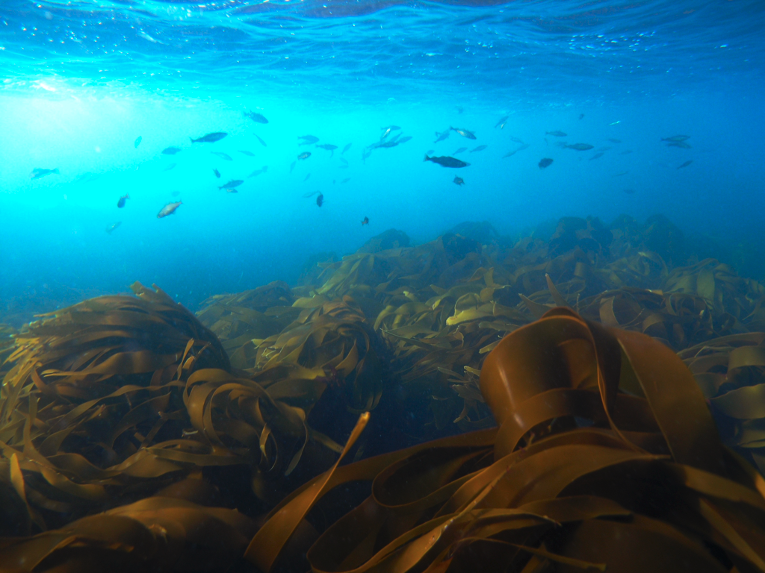
School of gadids hovering over frondose kelp forests ecosystems in the cool-waters of the North Sea (Photo by @Kjell Magnus Norderhaug).

Understanding the role of ecological processes in determining spatial patterns of biodiversity, and whether these can be generalized across geographies with markedly different evolutionary histories, forms the basis to predict and adapt to rapidly changing environments as we ‘submerge’ deeply into the Anthropocene. By quantifying niche differences – via species evolutionary histories and ecological strategies – we lend support to the role of temperature and resources availability on setting constraints on the number of coexisting species. Over human timescales, these boundaries set by the environment have major implications for ecosystem functioning, as warming oceans open up ecological opportunities for fishes expanding into new uncharted regions.

Changes in ocean climate, however, is just one part of the story, as these are often accompanied by profound alterations to the biotic environment. Loss of habitat structure and replacement of foundation species can also set important niche constraints on reef fishes, but these often remain ‘out of sight’. Limited funding of research groups challenges comprehensive sampling of marine biodiversity across the spatial and temporal scales that are relevant to the changes we are seeing in the global oceans. An important lesson from this study is the value of expanding scientific diving programs based on the robust training of citizen scientists for the systematic collection of marine biodiversity data in this ocean basin (both mobile and sedentary taxa, e.g. Reef Life Survey Program). Lessons from other regions (e.g. Australia) provide an excellent example on their value to inform management and conservation of changing marine ecosystems (Edgar et al. 2020).


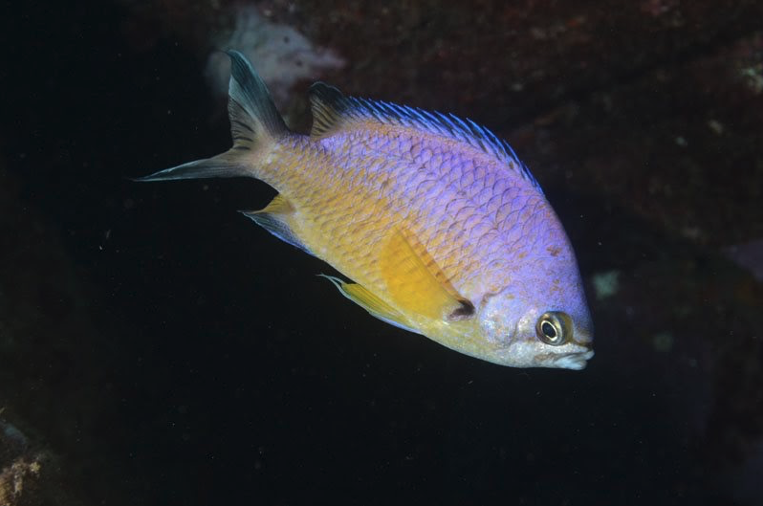
Small-bodied reef planktivore, the Azores chromis (Chromis limbata) at the Webbnesia archipelago (Photo by @Jose Miguel Bosch Benitez).

Science is a cumulative learning process, and we take value on alternative explanations that can arise during the peer review process. This was exemplified in an early version of our manuscript, where we attributed the latitudinal peak of diversity at ~15-20°N solely to higher niche specialization among reef fishes. A closer examination of the pattern revealed a remarkable resemblance between the latitudinal peak of diversity and the variability in the number of individuals encountered across reefs (a process termed demographic stochasticity) for small-bodied planktivorous fishes. As scientific divers, we are often amazed by the abundance of these fishes, which can in some reefs be so high they ‘cloud’ our view. Across global coral reefs, the remarkable diversity of this group of fishes has recently been shown to disproportionately contribute to the bullseye pattern of fish diversity (centered around the Indo-Australian Archipelago). Our results suggest that not only niche partitioning enables the coexistence of species within this trophic guild, but also the highly temporally and spatially variable planktonic production found around oceanic islands, likely enhancing the coexistence of these functionally similar species at regional scales (what is referred as metacommunity dynamics).

Stochasticity is largely understood as ‘unpredictability’. However, we showed that, for reef fishes, demographic stochasticity is contingent on species ecological traits – here body size and trophic identity. Human activities can selectively alter these important traits (e.g. by removing large-bodied individuals; Bosch et al. 2021), with largely unknown consequences for community dynamics. Given the increasing spatial footprint of fishing and habitat loss, understanding the interactions between deterministic and stochastic factors driving community structure is key to forecast and adapt to the future configuration of reefs in the ‘Anthropocene’.

Written by:
Nestor E. Bosch, PhD Candidate, The University of Western Australia

Additional information:
@bosch_nestor (Twitter)
@Nestor Echedey Bosch Guerra (Facebook)
@basanbri (Instagram)

References
– Bosch, N. E., Monk, J., Goetze, J., Wilson, S., Babcock, R. C., Barrett, N., … & Langlois, T. J. (2021). Effects of human footprint and biophysical factors on the body‐size structure of fished marine species. Conservation Biology.
– Edgar, G. J., Cooper, A., Baker, S. C., Barker, W., Barrett, N. S., Becerro, M. A., … & Stuart-Smith, R. D. (2020). Reef life survey: establishing the ecological basis for conservation of shallow marine life. Biological Conservation252, 108855.

ECR feature: Cindy Paquette on geographical gradients shaping zooplankton distribution

Cindy Paquette is a PhD student at the University of Quebec in Canada. She is an aquatic ecologist interested in the impact of climate change and human activities on lake aquatic environments. Here, Cindy shares her recent work on how zooplankton are structured at different spatial scales.

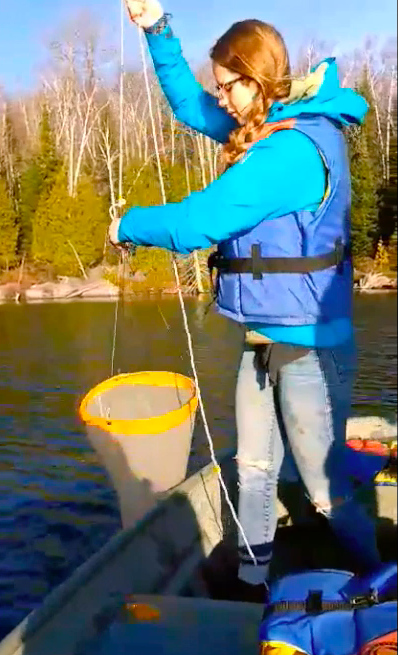
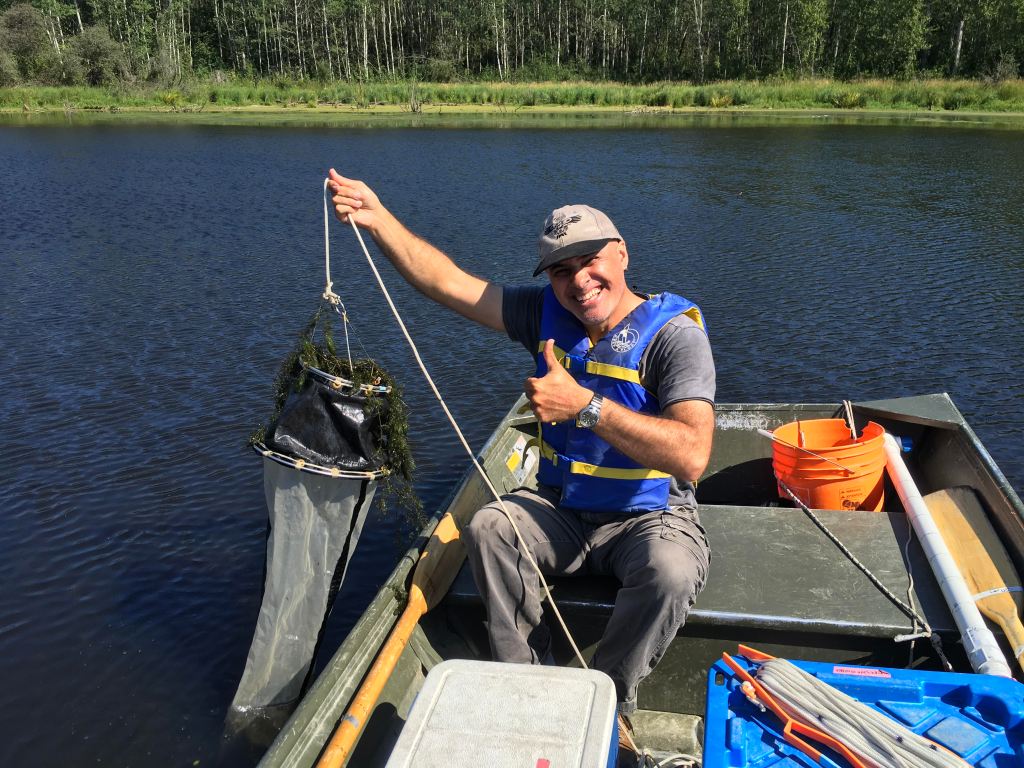
Cindy Paquette collecting zooplankton in Lac Croche (Station de Biologie des Laurentides, University of Montreal), QC – Canada.

Personal links. Research Gate

Institute. University of Quebec at Montreal, Department of Biological Sciences; McGill University, Department of Biology

Academic life stage. PhD student

Major research themes. I am a Biology student specializing in aquatic ecology, more specifically at the level of planktonic communities. I am interested in the consequences of climate change and human activities in the Anthropocene on lake aquatic environments. Currently, I am working on a project to evaluate how zooplankton communities relate to overall lake health as well as watershed factors like land use and cover type.

Current study system. I work on freshwater zooplankton. Zooplankton compose the heterotrophic planktonic group that feeds on the main energy mobilizers (phytoplankton and bacteria) in pelagic lake food webs. As primary consumers, zooplankton are in turn, the food supply for macroinvertebrate and fish predators, and thus a critical trophic link in the upward transfer of energy. Changes in zooplankton communities can thus be essential to lake ecosystem functioning given their central food web position, mediating bottom-up and top-down energy transfers. Moreover, zooplankton are also sensitive to anthropogenic impacts, being good integrators and indicators of water quality.

Recent JBI paper. Paquette, C., Gregory-Eaves, I. and Beisner, B.E. (2021), Multi-scale biodiversity analyses identify the importance of continental watersheds in shaping lake zooplankton biogeography. Journal of Biogeography, 48(9): 2298-2311. https://doi.org/10.1111/jbi.14153

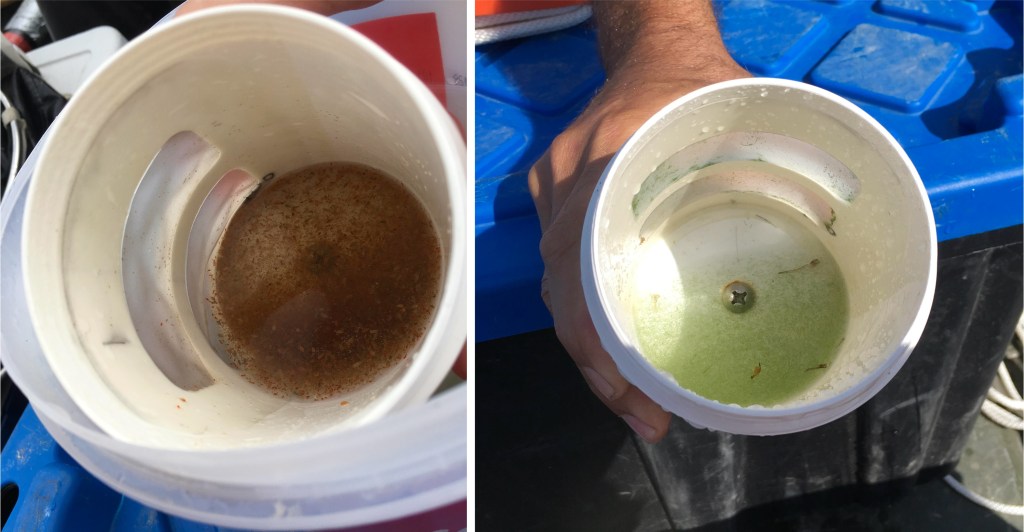
Zooplankton collected in Fox Valley (SK) showed red pigmentation (left) while specimens from Lac Augustin (Qc) had green pigmentation (right).

Motivation behind this paper. Worldwide, Canada has the greatest number of and surface area covered by lakes. Lakes are thus an integral part of Canadian culture and global water sustainability. However, we do not have a complete picture of Canadian lakes’ health because evaluation of lakes is handled differently by each province, including to what degree they are affected by human activities. Nor do we know how they are likely to change with future climate change, again because the evaluation of lakes is handled regionally by provinces. My research was part of a network called LakePulse (LakePulse.ca), created to answer these questions by evaluating over 650 lakes across Canada in a consistent way with a wide variety of ecological parameters. My main motivation behind this paper was to explore dispersal-related processes behind zooplankton biogeographical patterns, with the objective to determine how zooplankton taxonomic and functional composition are structured at different spatial scales (e.g. Canadian ecozones or continental drainage basins) across one of the largest and freshwater-rich countries in the world.

Key methodologies. As part of the LakePulse network, we sampled 664 lakes across Canada over the course of three years, covering 12 ecozones and six continental drainage basins. For the first time, taxonomic and functional zooplankton biogeographical patterns were analysed at the pan-Canadian scale. Using the lens of traits (e.g. body size, feeding mode, habitat) permitted a common currency across a wide range of community taxonomic lists, by which to examine how Canadian lake plankton communities respond to and influence their environment and its functioning. We explored the role of spatial extent using a combination of zooplankton composition and diversity, including spatial or β-diversity. β-diversity compares species composition among lakes or regions and is a useful tool in conservation and biodiversity management as it enables identifying species or lakes critical for regional diversity maintenance. The combination of metrics and diversity dimensions we used revealed novel spatial patterns across Canadian lakes, especially at the continental drainage basin spatial scale.

Unexpected challenges. Sampling 664 lakes over the course of three summers was a great challenge. I participated in all three field campaigns (2017-2018-2019) and thus had the opportunity to sample personally over one hundred lakes across Canada. Field teams faced multiple challenges, from difficult lake access to bear encounters. More than 100 different variables were sampled at each lake, with many samples having to remain sufficiently cold or frozen while the field crews travelled to a new lake each day. We are very grateful to the landowners, including several First Nations, who made this sampling possible. This intensive field campaign taught me many skills and allowed me to meet incredible people across the country, all connected by the desire to protect Canada’s freshwaters and especially its lakes.

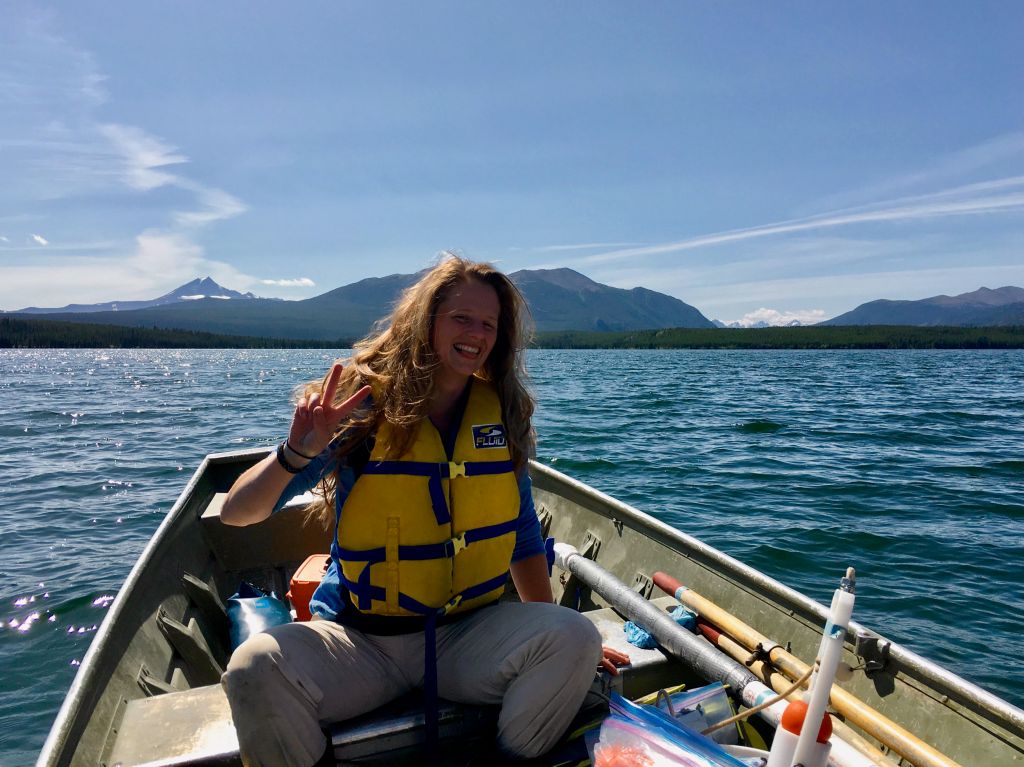
Mauro de Toledo performing zooplankton sampling in Alberta (Canada).

Major results. Our major finding was that zooplankton species and trait composition were best structured at the larger scale defined by continental watershed basins than at the regional scale of Canadian ecozones. We were expecting to find a latitudinal pattern in zooplankton diversity, with greater diversity in the south because of higher solar radiation levels, as had been observed in at least one other study. Surprisingly, we found an overall longitudinal pattern in local diversity, with eastern Canada showing greater diversity, and little latitudinal pattern. Our results pointed to the importance of physical barriers in species dispersal as the main diversity turnover seemed to occur at the Rocky Mountains, with diversity increasing when moving to the east as species accumulated across the country. Our results also showed that country-wide taxonomic β-diversity varied more than functional β-diversity, indicating real compositional shifts in species.

Next steps for this research. Our next step is to relate the spatial biogeographical patterns observed in this study to environmental factors in and around each lake. In addition to zooplankton community data, we also collected data on water quality (physical, chemical and biological variables), lake morphometry, human land use, and land cover type in each lake’s watershed. By relating these data, our goal will be to determine which local lake variables are most critical for zooplankton diversity across Canada. Going even further, we will also compare our contemporary crustacean zooplankton assemblages collected from the top sediments in each lake to pre-industrial assemblages that have accumulated in the sediments by analysing sub-fossil zooplankton remains from sediment cores. This will allow us to evaluate to what degree zooplankton communities have changed during the course of the Anthropocene.

Some lakes were particularly scenic to sample, like Chaunigan Lake, BC (Canada).

If you could study any organism on Earth, what would it be? I really enjoy working with plankton as they are plentiful and relatively easily studied as well as being charismatic in their own way. However, I also really enjoy being in the mountains. I would love to combine these passions and study zooplankton communities in alpine regions. Alpine lakes are unique in that they are particularly vulnerable to climate change, and are thus great systems to estimate how freshwater lakes will continue to change in the future.

Anything else to add? Plankton are great indicators of lake food web functioning, but they are also great because there are so many little-known fun facts about them to share at parties (post-pandemic, of course). In addition to zooplankton, one of my main passions is rock climbing. Rock can be formed in many ways, including by accumulating sediments containing the bodies of dead plankton throughout millions of years. Thus, in some places like the Sister Cliffs (UK) or Saint-Alban (Canada), the sedimentary rock forms cliffs where climbers can explore this unique rock type. I love the fun fact that it is possible to climb on plankton! 

ECR feature: Marcos Vinicius Dantas-Queiroz on the diversification in ancient neotropical mountains

Marcos Vinicius Dantas-Queiroz is a PhD from the São Paulo State University in Brazil. He is a botanist interested in linking microevolutionary processes to macroevolutionary patterns. Here, Marcos shares his recent work on the phylogeography of ancient neotropical mountains.

Personal links. Personal website | Twitter

Marcos Vinicius Dantas-Queiroz during lab work.

Institute. São Paulo State University (Rio Claro campus), Department of Ecology

Academic life stage. PhD

Major research themes. Plant Evolution | Phylogeography | Bioinformatics | Biogeography | Ecology

Current study system. I’m currently studying one of the most biodiverse ecosystems of the world: the campos rupestres, a unique vegetation with more than 2,000 endemic plant species mainly found in Eastern Brazil. The campos rupestres is composed of xerophytic vegetation, dominated by herbaceous and shrubby species well-adapted to harsh conditions since most of the soils in the area are shallow and well-drained with intense solar radiation and a striking daily temperature variation. Under a phylogeographic approach, I’m trying to unveil the evolutionary dynamics that generated such an amazing biota.

Recent JBI paper. Dantas-Queiroz, M.V.; Cacossi, T.C.; Leal, B.S.S.; Chaves, C.J.N.; Vasconcelos, T.N.; Versieux, L.M. & Palma-Silva, C. 2021. Underlying microevolutionary processes parallel macroevolutionary patterns in ancient neotropical mountains. Journal of Biogeography, 48(9): 2312-2327 doi.org/10.1111/jbi.14154

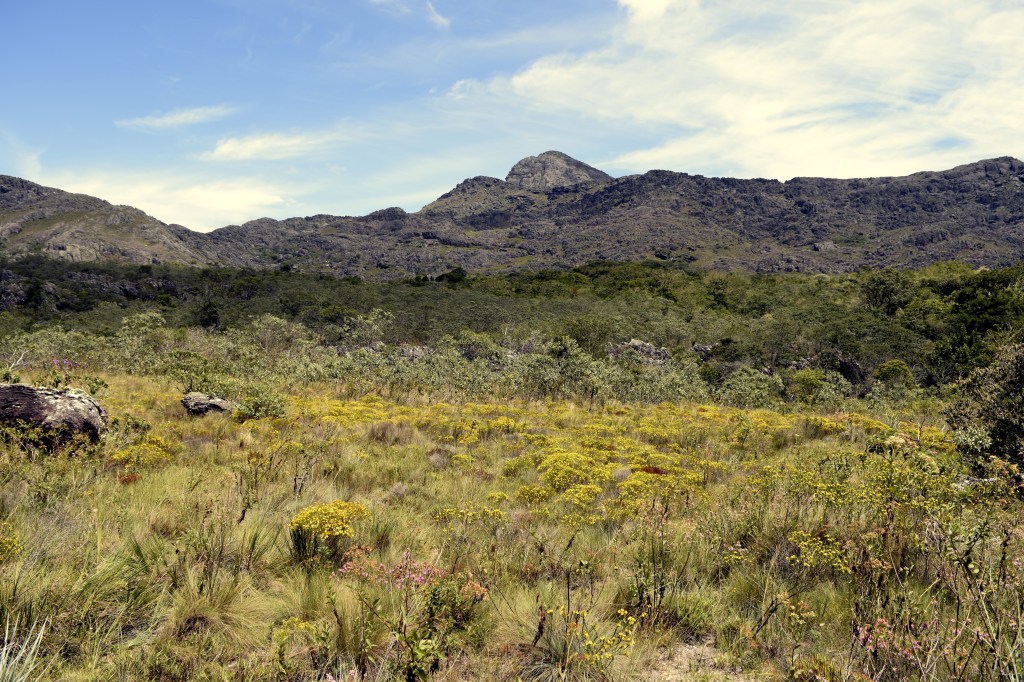
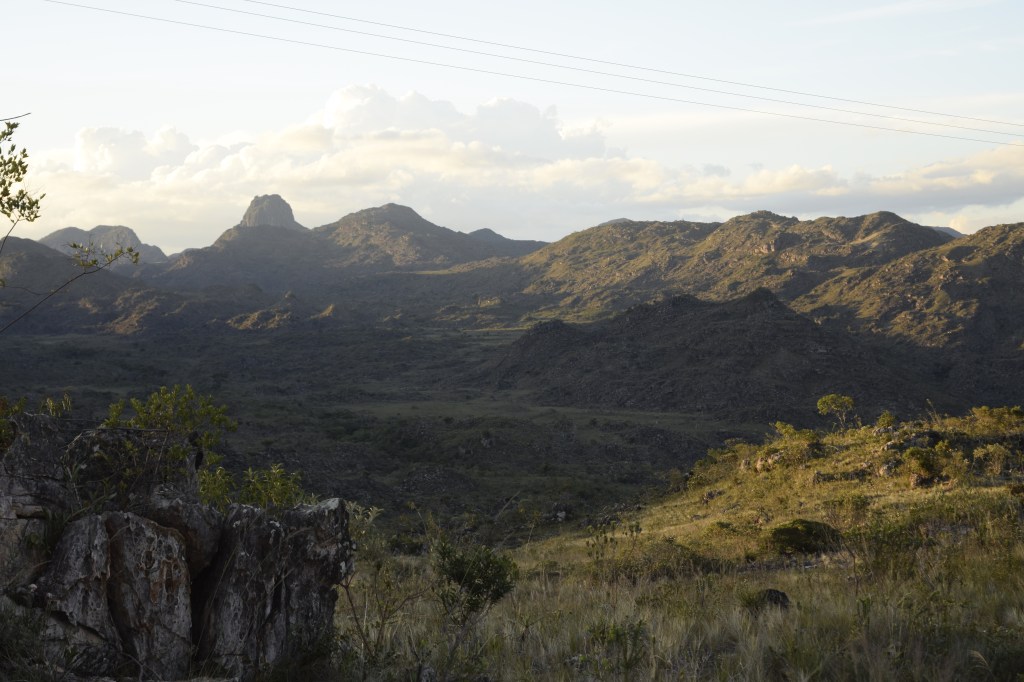
The vegetation known as campos rupestres is mainly found in Eastern Brazil. This picture is from Rio de Contas, in Chapada Diamantina, Bahia, Brazil.

Motivation behind this paper. How can one link the microevolutionary processes that generate macroevolutionary patterns? Visualizing the effects of microevolutionary processes in already diverged lineages may be challenging. Still, it might be possible to observe these first steps of speciation in extant species with structured populations. Thus, we selected a species widely distributed but endemic to the campos rupestres, the bromeliad Vriesea oligantha, as a model system to investigate how its populations are structured and which factors probably generated this pattern. With this approach, we provided insights into how the macroevolutionary patterns of this vegetation originated.

Key methodologies. Our paper relies mainly on two analyses: ecological niche modeling and population genetic simulation models using Approximate Bayesian Computing (ABC). We hypothesized that past climatic fluctuations strongly interfered with the population dynamics of this bromeliad. We tested for demographic expansion with genetic markers and, with niche modeling, for suitable areas over time. By uniting the two approaches, we found that both corroborate an expansion scenario in the past. We were able to demonstrate that, in fact, the climatic fluctuations of the last thousands of years, mainly during the Last Glacial Maximum, had a great role in the population dynamics of this species and is possibly a strong evolutionary driver for the entire community.

The bromeliad Vriesea oligantha, the model of my study. This species is endemic but widespread in the Espinhaço, an Eastern South American mountain range.

Unexpected challenges. An inherent problem of bromeliads is the low level of polymorphism in their genetic markers. So, revealing the genetic structure and demographic patterns of V. oligantha was challenging. Using “classical” demographic analyses (e.g., Tajimas’s D, Fu’s F), we could not get much information. Fortunately, with more robust and computationally more intensive analyses, such as the ABC simulations we performed, we untangled the population history of V. oligantha, demonstrating that even with Sanger sequencing technology, it is possible to have positive insights when elucidating the natural history of tropical species.

Major results. We showed that microevolutionary processes are a proxy for understanding macroevolutionary patterns. In our paper, we suggest that continuous cycles of climate changes in the Pleistocene might be key factors for understanding evolutionary responses (speciation, extinction, migration and adaptation) due to the continuous cycles of connectivity and disconnection amongst populations. Considering the assumption that population differentiation is the primary mechanism of speciation, the concordant pattern between V. oligantha population divergence and the biogeography of the Eastern Brazilian mountains generated powerful insights into how climatic variables and limited gene flow might have shaped early stages of macroevolutionary patterns in the region.

An overview of the Espinhaço Range. The peak on the left is known as Pico das Almas (Bahia), one of the highest points of the Espinhaço (1958 m).

Next steps for this research. Our next step is to incorporate more organisms into a comparative phylogeographic approach. Thus, additional evidence using distinct organisms with independent evolutionary histories and divergent ecological traits could provide contrasting examples of how microevolutionary processes act and translate into the current biogeographic patterns of tropical montane biotas.

If you could study any organism on Earth, what would it be? I’m a Brazilian botanist, so I am privileged to have been born and grew up in a tropical country. However, In 2018 I had the opportunity to visit the Pacific West Coast, where I fell in love with the Sequoia forests, a sacred place for any biophile. Thus, if I could study a single organism, that would be the amazing Sequoia trees! I would like to understand its complete evolutionary history while also working with conservation policies and strategies to save this species and the astonishing landscapes where it lives.

ECR Feature: Kevin Ma on the abundance and distribution of invasive mussels

Kevin Ma is a postdoc at Rhodes University. He is a biogeographer with an interest in marine organisms and their spatial structure. Kevin shares his recent work on the distribution of the invasive mussel, Mytilus galloprovincialis, in South Africa.

Kevin, sampling mussels during low tide.

Links. Twitter | GoogleScholar | Webpage

Institute. Rhodes University, South Africa

Academic life stage. Postdoc

Research themes. Spatial scales; Range shifts; Larval Ecology; Biological invasions; Early detection; Monitoring

Current study system. Native to the Mediterranean Sea, the mussel Mytilus galloprovincialis has been introduced to every continent except Antarctica. This highly invasive species has massive ecological consequences in southern Africa that range from outcompeting other species for space to driving increased abundances of endangered African oystercatchers. Its invasion of southern Africa continues to be one of our focal model systems to understanding marine biogeography, species interactions, and invasions. Moreover, as a relatively well-studied species, it is an ideal model species to look at long-term changes to better understand patterns of biological invasions, especially as it spreads from one biogeographic region to another.

Recent paper in JBI. Ma KCK, Gusha MNC, Zardi GI, Nicastro KR, Monsinjon JR, McQuaid CD. 2021. Biogeographic drivers of distribution and abundance in an alien ecosystem engineer: Transboundary range expansion, barriers to spread, and spatial structure. Journal of Biogeography. https://doi.org/10.1111/jbi.14124​

Motivation behind this paper. We were initially motivated to identify the contemporary warm range-edge of Mytilus galloprovincialis in southern Africa that might have shifted since their original invasion. Unexpectedly, our surveys revealed that its distributional limits had not changed substantially for the past decade or so. In fact, the warm range-edge has remained relatively stable at the transitional zone between two bioregions. We then wanted to know how this invader had interacted with biogeographic boundaries over the course of its invasion history in southern Africa. Consequently, the geographic scope of the study expanded by 1000s of km to encompass much of the southern African coastline that have been invaded by this mussel. Opportunistically, we were on the lookout for any new alien species (for early detection purposes) and any significant distributional changes of other established invasive species. In particular, we noted that another invasive mussel, Semimytilus algosus, an invader from Chile, has been spreading in the region, so this was reported in another study (Ma et al. 2020, in African Journal of Marine Science).

A patch of mussels, which consisted of both the invasive and native species

Methodologies. In addition to extracting occurrence records from the literature, we sampled an invasive mussel across 1000s of kilometres of the South African coastline to understand how its range had shifted over decadal timescales and assess spatial structure in abundance. Determining whether there are patterns in abundance across space can be challenging, because it depends on the scale of observation and the ecological processes operating at those scales. For example, the importance of wave action may be obvious at small scales, but hidden by biogeographic effects at larger scales. This can lead to contrasting patterns of deterministic versus stochastic abundance depending on the spatial scale sampled. We borrowed a technique that is commonly used on temporal datasets to examine heterogeneity in mussel abundance across space: wavelet analysis. By decomposing abundance values into different scales, wavelet analysis helped us identify the scales that exhibited significant structure in abundance, allowing us to speculate on the ecological processes most likely to explain these scale-dependent patterns.

Unexpected outcomes. Although the dominant mussels on rocky intertidal shores of southern Africa are the invasive Mytilus galloprovincialis and the native Perna perna, we also encountered another invasive mussel, Semimytilus algosus. Right away, we realised that S. algosus has extended its range since its distribution South Africa was last surveyed in 2010. In light of this unexpected information, we compiled all available historic and contemporary records of S. algosus to reconstruct its invasion history, first, for its invasion of South Africa (Ma et al. 2020 in African Journal of Marine Science) and, later, of Namibia and Angola (Ma et al. 2020 in PLoS ONE).

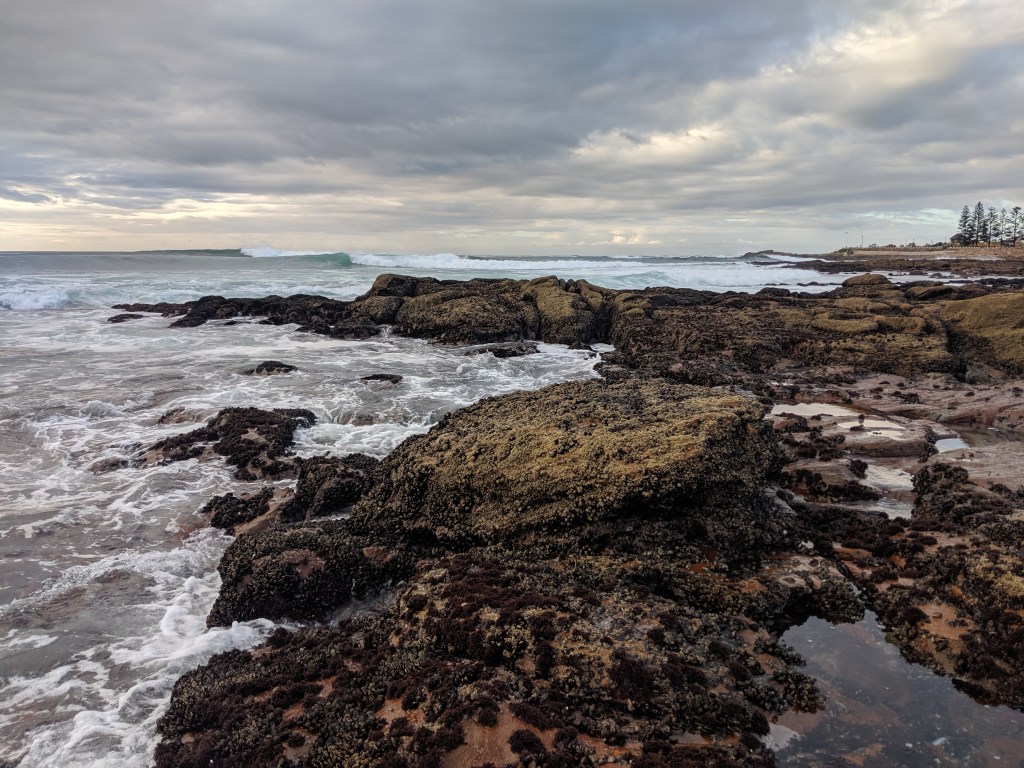
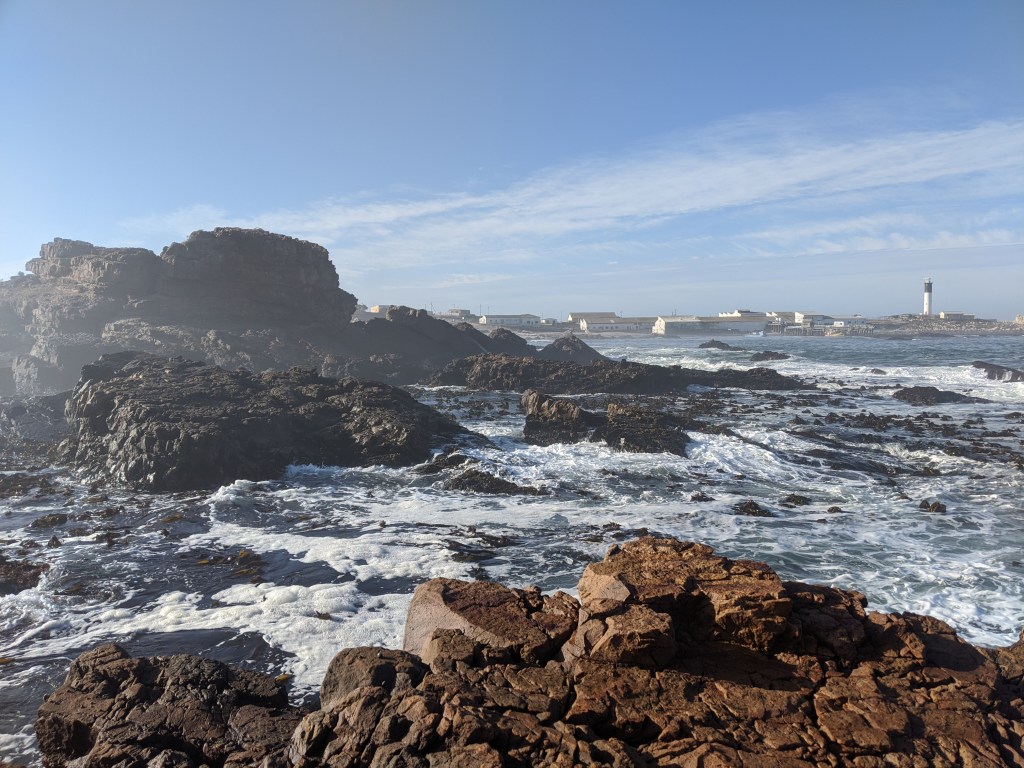
Exposed rocky shore at low tide.

Major results. Our recent paper clearly demonstrates that marine invasions along the South African coastline do not spread constantly over time and that biogeographic boundaries influence the rate of colonisation over decadal timescales. We hope that this contribution will help us better understand how marine biogeography drives (and hinders) the spread of biological invasions, especially the saltatory spread of alien ecosystem engineers. In addition, structure in the abundance of an invasive mussel was detected at multiple ranges of spatial scales, namely, scales of 120­–160 kilometres and of 400–990 kilometres. By identifying these dominant spatial scales, we hope that this will bring us one step closer to understanding large-scale ecological processes that together determine mussel abundance. Although the processes themselves are not exactly known to us, detecting structure at these two ranges of scales indicate that such processes are operating on mussel abundance at both intra-bioregional (scales of 120–160 km) and inter-biogeographical scales (scales of 400–900 km).

Next steps. At present, we would like to take a closer look at the range-edge dynamics of mussels by examining long-term changes in abundance and variation in endolithic infestation between range edge to centre populations.

If you could study any organism on Earth, what would it be? In addition to studying intertidal species, I also have a life-long fascination with ascidians (Tunicata: Ascidiacea). And, if I could, I would certainly like to study deep sea ascidians, especially macrophagous/carnivorous species. I imagine that there is more to know about their ecology, biogeography, taxonomy, and physiology. With the advent of ROVs, new records of deep-sea ascidians are being collected and documented, probably because specimens were damaged in the past when they were collected via dredging. Excitingly, new species are still being described in infrequently sampled regions of the world.

Anything else to add? It would be remiss not to mention the wealth of ecological data (in this case records of Mytilus galloprovincialis) that can be found in student theses. These records accounted for a substantial proportion of the historical dataset we used to reconstruct the geographic spread of this invader. Often student theses contain valuable details (e.g., dates, localities) that were not necessarily mentioned in the corresponding journal articles.

Morning view of rocky shores after a very early rise

ECR feature: Joshua Hallas on the influence of historical biogeography and current environmental variation on patterns of genetic diversity.

Joshua Hallas is a PhD student at the University of Nevada in the USA. He is an evolutionary biologist interested in how environmental variation and natural histories mediate population structure, local adaptation, and genetic differentiation through time. Here, Joshua shares his recent work on the population genetics of the Western terrestrial garter snake.

Joshua Hallas during field collecting in Namibia, Africa.

Personal links. Personal website | Twitter

Institute. University of Nevada, Reno; Department of Biology and Graduate Program in Ecology, Evolution, and Conservation Biology

Academic life stage. PhD student

Major research themes. My research interests mainly focus on incorporating phylogenomic and population genomic techniques to understand how environmental variation and natural histories mediate population structure, local adaptation, and genetic differentiation through time.

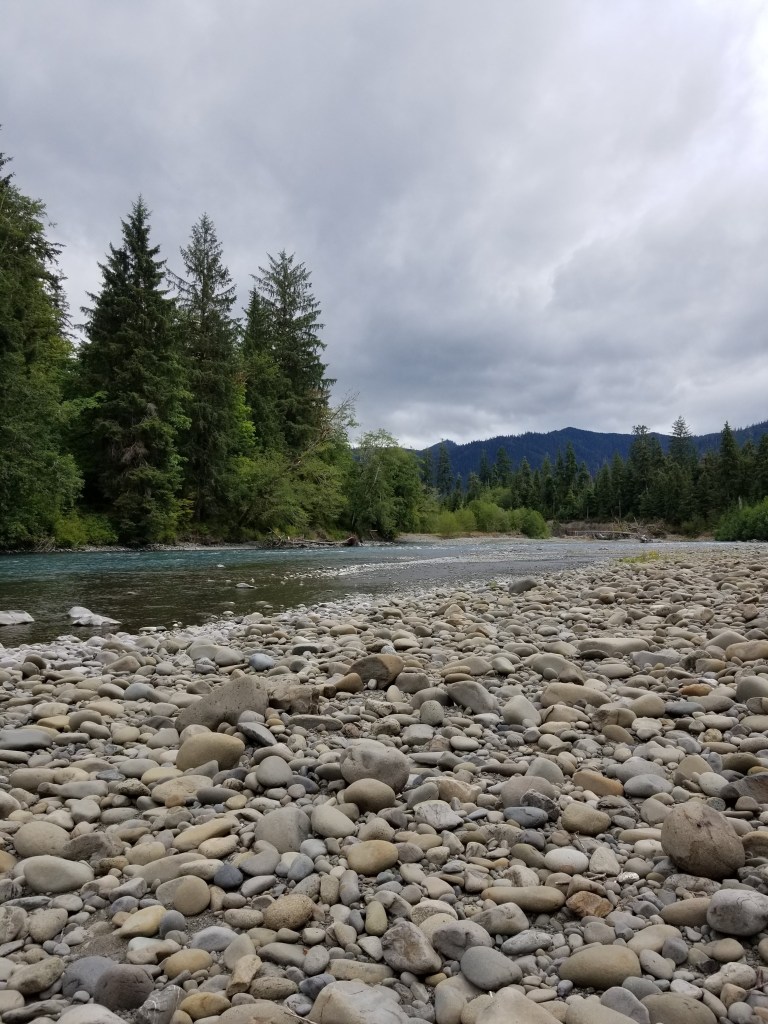
Queets River at Olympic National Park.

Current study system. Thamnophis (garter snakes) are an ecologically and morphologically diverse group of North American colubrids (“harmless snakes”). For decades, this group has been used as a model to better understand numerous ecological and evolutionary processes (e.g., behaviour, coevolution, feeding ecology). Among Thamnophis, the western terrestrial garter snake (T. elegans) is one of the most ecologically variable and well-studied species in the genus whose range encompasses much of western North American. Even though T. elegans is primarily associated with aquatic habitat types, the species occupies a broad array of environments that include coastal rainforests, alpine communities, and high deserts, which makes it ideal to examine the influence of landscapes on genetic differentiation.

Recent JBI paper. Hallas, J.M., Parchman, T.L. and Feldman, C.R., 2021. The influence of history, geography and environment on patterns of diversification in the western terrestrial garter snake. Journal of Biogeography, 48(9): 2226-2245 https://doi.org/10.1111/jbi.14146

Thamnophis sirtalis at Olympic National Park – Queets River.

Motivation behind this paper. I have always been captivated by the landscapes and species richness of western North America. The region, which includes the California Floristic Province (a biodiversity hotspot), has a complex geological history that includes ancient marine embayments, multiple mountain ranges, volcanic activity, and has been repeatedly subjected to glacial cycles. Moreover, it comprises a variety of environments that may also play a role in patterns of differentiation. Biogeographic studies of herpetofauna throughout this region have recovered highly congruent patterns of differentiation associated with these features (e.g., Central Valley and Sacramento – San Joaquin River Delta). We decided to take advantage of the vast distribution and pronounced ecological diversity of T. elegans to test previous biogeographic hypotheses focused on western North America. We also took this opportunity to re-examine phylogenetic estimates surrounding the subspecies that comprise T. elegans.

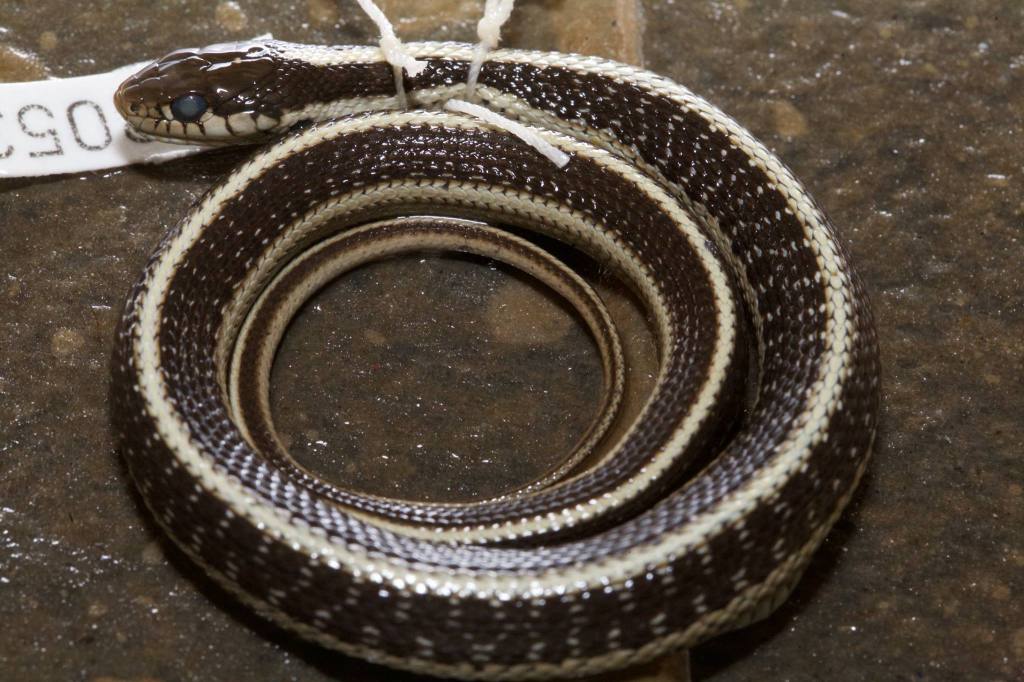
Preserved specimen of Thamnophis elegans from the Herpetology collection at the California Academy of Sciences.

Key methodologies. We used a reduced representation double-digest RADseq (ddRADseq) approach. This technique allowed us to generate copious amounts of sequence data needed to characterize fine-scale spatial structure among and within each subspecies.  Employing both population genetic and phylogenetic methods, we were able to investigate patterns of variation at multiple spatial scales and levels of differentiation. In conjunction with phylogenetic and ancestral area reconstruction analyses, we used EEMS (estimated effective migration surface) and genetic-environment association analyses (GEA). The EEMS analysis allowed us to test if geological features coincided with estimated areas of low migration, and the GEA was used to identify signatures of natural selection to environmental variables.

Prepping Namanazours jordani for following graduate student Jonathan Deboer – Namibia, Africa.

Unexpected challenges. An unexpected challenged that we encountered was incorporating multiple complex stories into a single cohesive biogeographic conclusion. This was mainly a result of having among and within subspecies datasets. Our analyses among subspecies gave great insight into dispersal and patterns of diversification. Unfortunately, we were only able to conduct within subspecies analyses for T. e. elegans and T. e. terrestris because we lacked the sampling for T. e. vagrans. Nevertheless, our population genetic analyses of T. e. elegans and T. e. terrestris allowed us to better understand the roles of both isolation-by-distance and population fragmentation driving genetic differentiation. This also meant we had differing explanations for the biogeographic patterns we observed in these two subspecies. Even though this complicated the writing process, I think it made our study more fulfilling and impactful.

Canopy from Redwood State and National Parks.

Major results. We recovered both broad and fine-scale geographic patterns in T. elegans associated with biogeographic features across western North America. For example, Central Valley, marine embayments, and Sacramento – San Joaquin River Delta, and possibly the Snake River Plain or Wyoming Basin are breaks and potential barriers to gene flow. We also detected non-neutral patterns of genetic variation associated with environmental variation (especially mean annual temperature, isothermality, total annual precipitation) in our GEA analyses for T. e. elegans and T. e. terrestris. This suggests that differentiation of these subspecies is jointly shaped by landscape features and environmental variables. Surprisingly, we also recovered signatures of possible admixture between T. e. elegans and T. e. terrestris where their ranges intersect in northwestern California. Conversely, we found no evidence between T. e. elegans and T. e. vagrans, even though their ranges intersect along northeastern California and southern Oregon. Our findings greatly improve the understanding of diversification across multiple spatial scales throughout western North America.

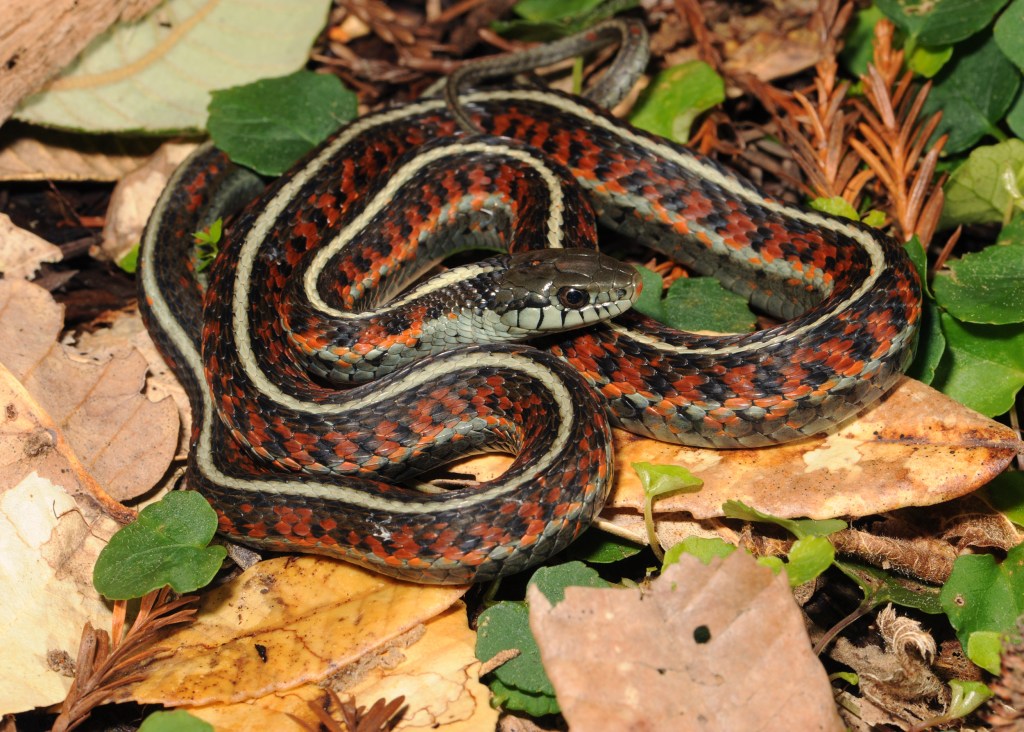
Photo of Thamnophis elegans terrestris from San Mateo county California (photo by Robert Hansen).

Next steps for this research. Some questions I would like to explore further would focus on the biogeographic patterns in T. e. vagrans, which has the largest range of the three subspecies. Our current analyses suggest some interesting patterns that divide the subspecies into two clades that represent the Pacific Northwest and the arid Southwest. Finer-scale work on T. e. vagrans would also fill in a knowledge gap regarding the influence of features like the Rocky Mountains, Colorado Plateau, and Columbia Plateau on patterns of diversification. The admixture we recovered between T. e. elegans and T. e. terrestris also warrants further investigation. However, increased genomic and specimen sampling would be needed to understand the genomic consequences of admixture.

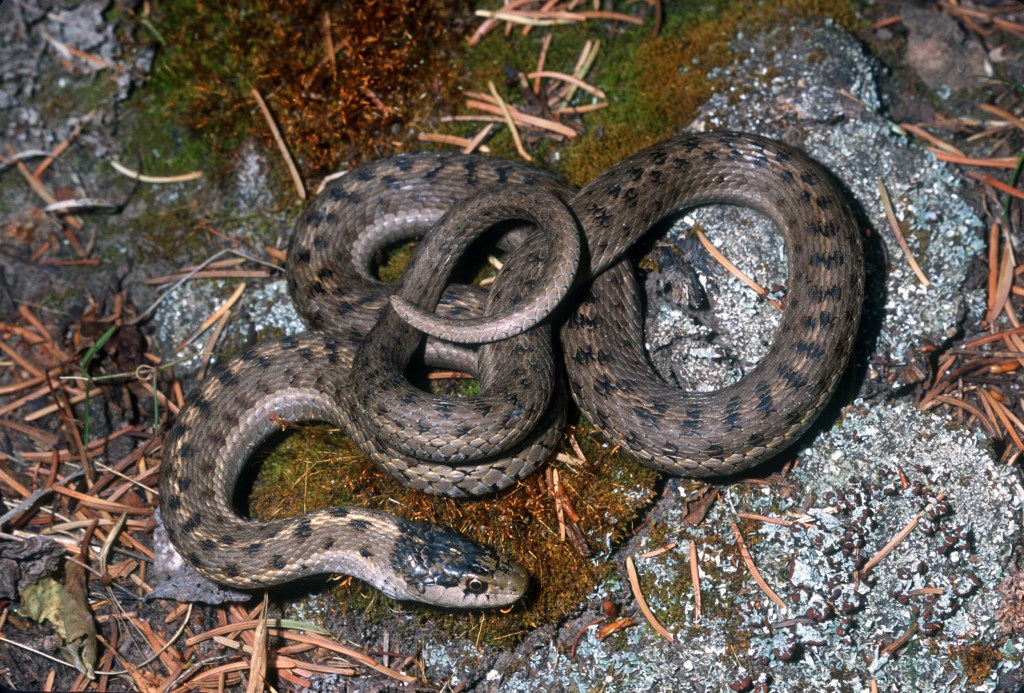
Photo of Thamnophis elegans vagrans (photo by Robert Hansen).

If you could study any organism on Earth, what would it be? I thoroughly enjoy using garter snakes (Thamnophis) to investigate evolutionary questions. This group of organisms has been very influential in my research career and my interest in reptiles. They were one of the most common species I would catch in my youth, and it’s been a joy to work with them in a more academic and professional setting.

Educational outreach event at the University of Nevada Reno Natural History Museum.  Showing the arboreal ability of my Morelia spilota.

Anything else to add? Much of my enthusiasm for the natural world was fostered during family trips to California National Parks. Also, probably why I started collecting Junior Ranger badges. However, during these trips, my father would encourage my siblings and I to explore the outdoors. I was not only captivated by the overwhelming landscapes but also the ecological and evolutionary patterns I would observe. These experiences helped me develop my aspirations of conducting scientific research and learned the value of asking questions. This is why I am very passionate about scientific outreach and hands-on learning. I believe curiosity can’t be taught, and that it could only be nurtured. It is up to current researchers to help encourage future generations to continue to ask questions.

Latitudinal gradient of host breadths in herbivorous butterflies

The combination of accumulated occurrence data and host use records across Japan revealed that the fundamental resource specialization of butterfly communities becomes more specialized toward higher latitudes.

Above: Japonica lutea is a butterfly species widely distributed in Japan. Photograph by Ryosuke Nakadai.

Are host breadths of herbivorous insects more specialized in the tropics compared to higher latitudes? This question is based on MacArthur’s (1972) latitude–niche breadth hypothesis, in which niche breadth is positively associated with latitude. To answer the long-standing question, many previous studies have compared host breadth patterns between temperate regions and the tropics but the results have been mixed and gradually the hypothesis has become highly controversial. The original hypothesis and following empirical studies have targeted “realized” host breadths, although processes constructing realized patterns in nature can be very complex due to local interspecific interactions. Here, we aimed to focus on the underlying “fundamental” host breadth, hoping it could facilitate our understanding of the processes driving variation in the degree of resource specialization without considering the complicated effects of local interspecific interactions.

Cover image article: (Free to read online for a year.)
Nakadai, R., Nyman, T., Hashimoto, K., Iwasaki, T., & Valtonen, A. (2021). Fundamental resource specialization of herbivorous butterflies decreases towards lower latitudes. Journal of Biogeography, 48, 2524–2537. https://doi.org/10.1111/jbi.14218

To evaluate the fundamental host breadth, we used two types of accumulated datasets across Japan; occurrence data and host use records. Based on those datasets, the fundamental host breadth was calculated in each grid cell (about 10 km × 10 km). In addition, we considered several factors which potentially affect the host breadth pattern, specifically climate, geography, and butterfly body size. To our surprise, we found that the fundamental host breadths of butterflies increase toward lower latitudes, which is opposed to the classical prediction based on the latitudinal gradient of realized host breadths. Also, the pattern seems to be mainly driven by climate, especially annual mean temperature.

In the article, we only focused on the fundamental host breadths as the pattern of realized host breadths were unknown in this region. The pattern of realized host breadth could correlate positively, negatively, or it could not correlate with the latitude. In theory, the patterns of realized host breadth could simply reflect the pattern observed in the fundamental host breadths, or the local processes could construct a ­reverse latitudinal trend against fundamental host breadth. To test these possible outcomes is one of the missing pieces in this article. Furthermore, we emphasize that the approach used in the evaluation of fundamental host breadth is applicable to many other areas and taxa for which reliable information on species occurrences and niches is available. The continuous improvement in open-access databases on species distributions and host use will hopefully eventually allow the testing of patterns of fundamental resource specialization on a global scale.

Reference
MacArthur, R. H. (1972). Geographical ecology: Patterns in the distribution of species. Princeton University Press.

Written by:
Ryosuke Nakadai (1), Anu Valtonen (2)
(1) Research Associate, Biodiversity Division, National Institute for Environmental Studies
(2) Senior Researcher, Faculty of Science and Forestry, Department of Environmental and Biological Sciences, University of Eastern Finland

Additional information:
https://sites.google.com/site/nakadairyosuke/english
https://uefconnect.uef.fi/en/person/anu.valtonen/