ECR feature: Andrea Paz on environmental predictors for Atlantic Forest diversity

Andrea Paz recent started her postdoc at ETH Zürich in Switzerland. She is an evolutionary biologist interested in unveiling the processes generating the patterns of species distributions. Here, Andrea shares her recent work investigating the environmental correlates of diversity for multiple clades and diversity measures in the Atlantic Forest.

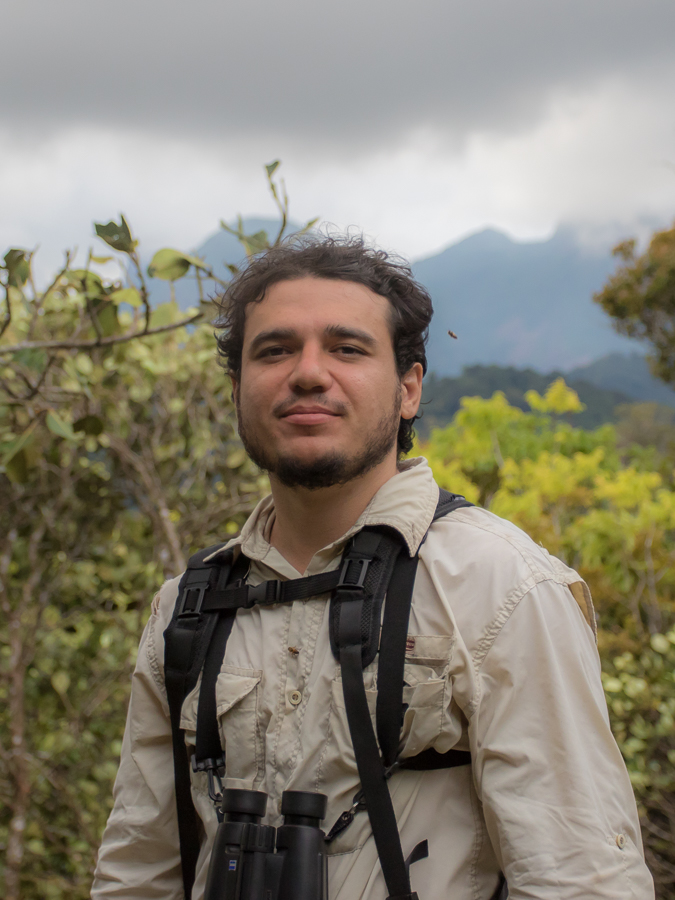
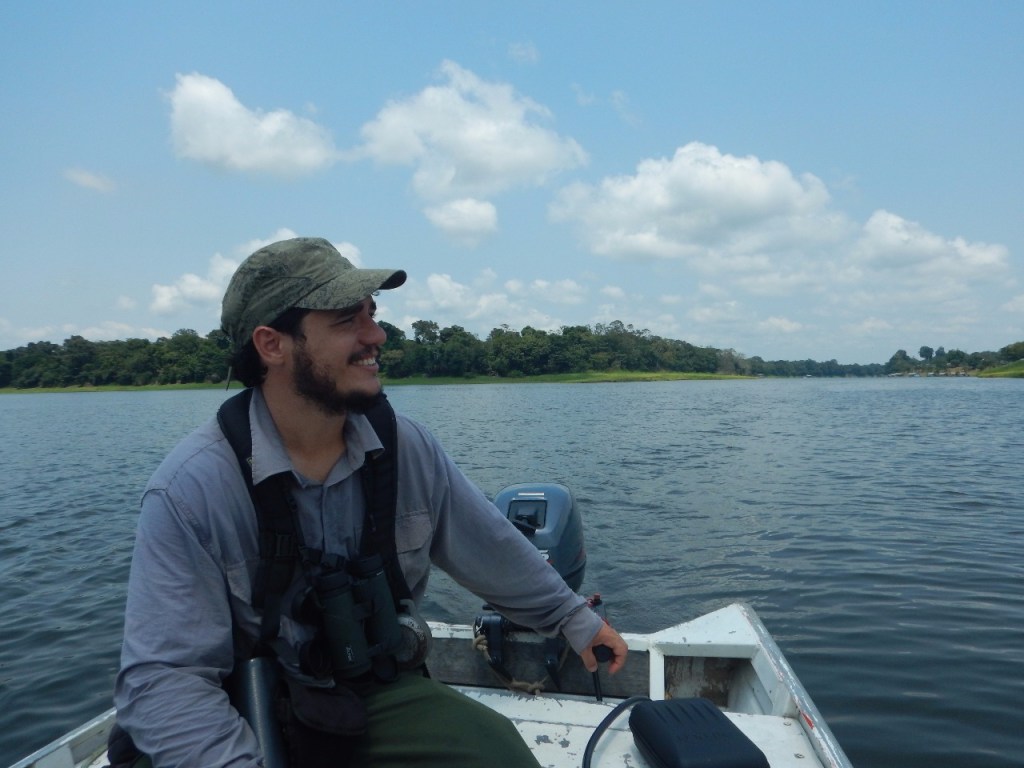
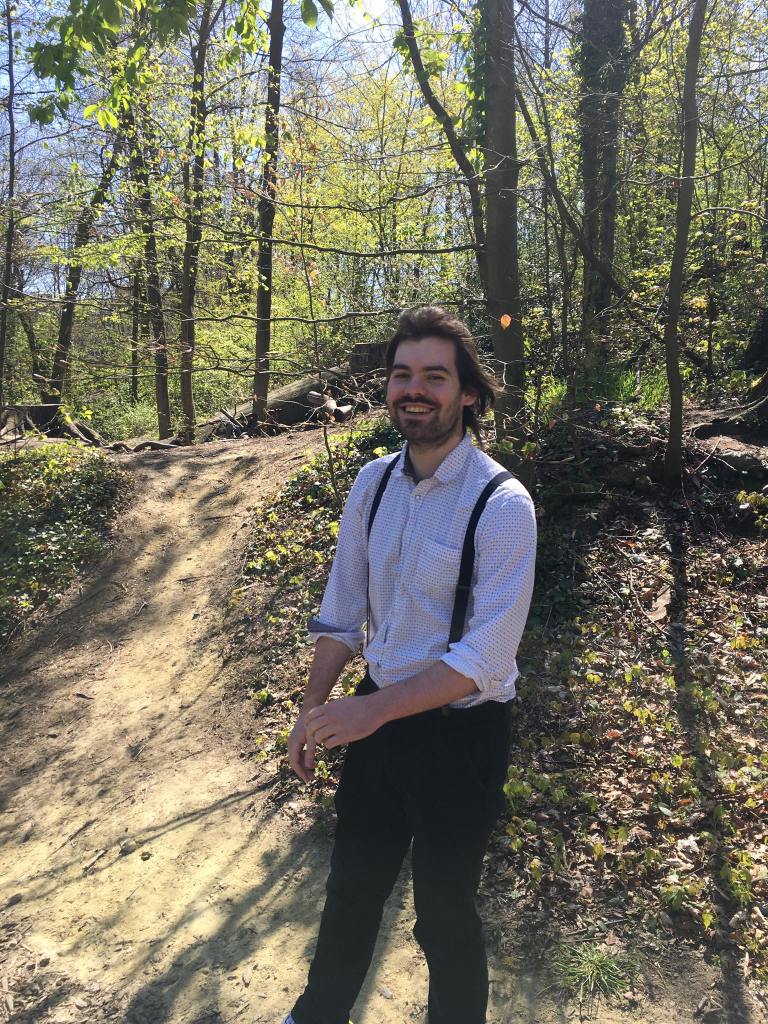
Andrea visiting the Atlantic Forest during a trip she had with part of the US and Brazil team. The photo is in Boracéia Biological Station – a field station from the Universidade de São Paulo.

Personal links. Personal website | Twitter

Institute. Research conducted as a PhD student at the Graduate Center, City University of New York | Currently a postdoc at ETH Zürich.

Academic life stage. Starting a postdoc.

Major research themes. Biogeography, species distributions, amphibians, environmental drivers of species and community distributions.

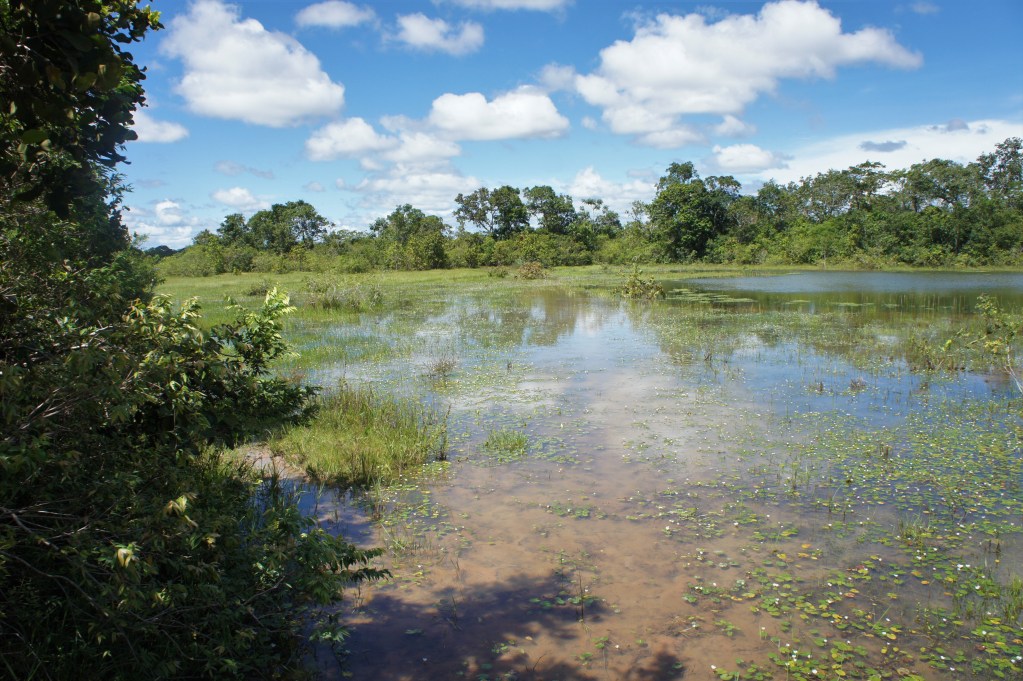
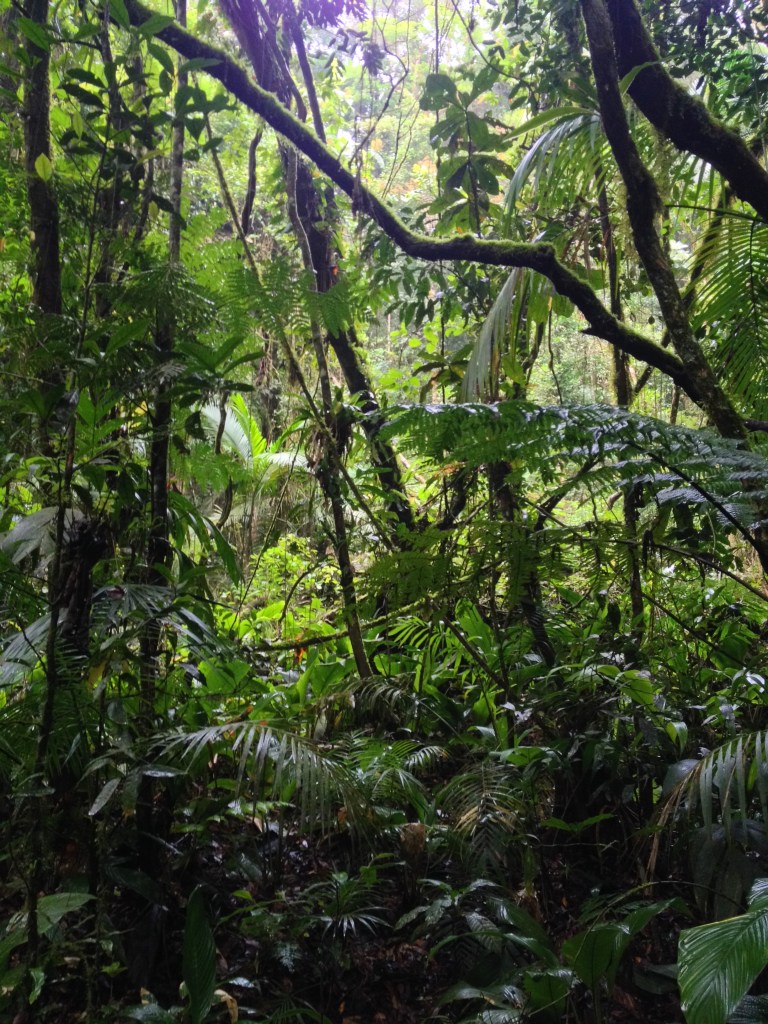
Current study system. I just finished my PhD studying several taxa in the Atlantic Forest of Brazil. The Atlantic Forest is considered a biodiversity hotspot because of its high diversity and endemism levels and its high level of threat (less than 10% of the original forest persists). This forest is a super interesting system that includes broad latitudinal and altitudinal gradients (not a very usual combination) and thus has huge environmental variation and heterogeneity. All this variation makes this system perfect for testing many ecological and evolutionary questions related to the effect of environmental differences in biodiversity.

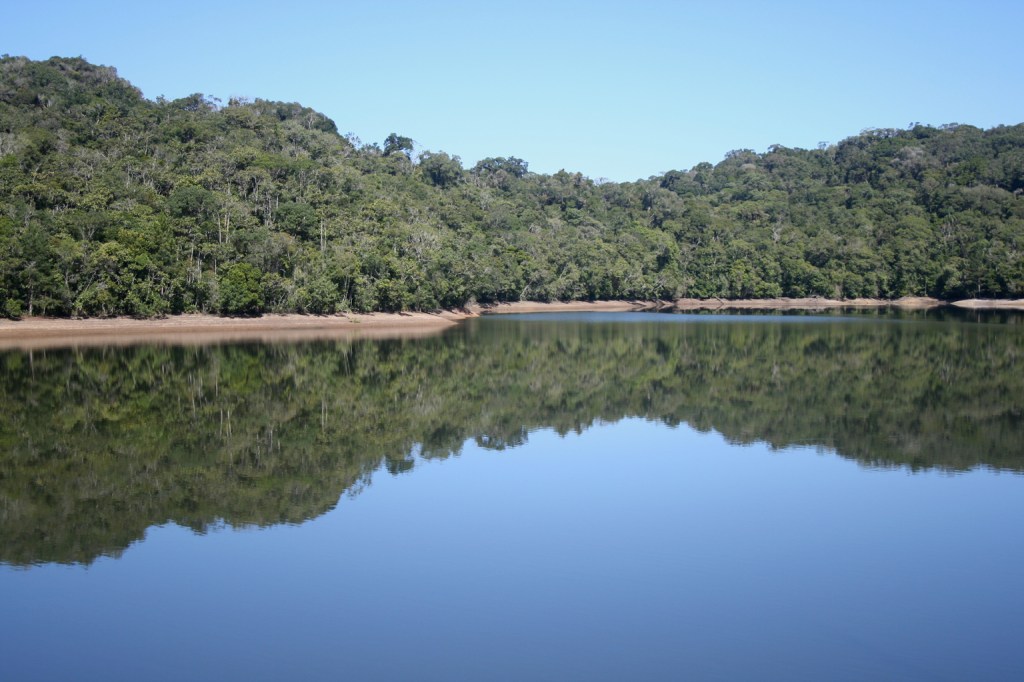
Boracéia Biological Station – field station from the Universidade de São Paulo.

Recent JBI paper. Paz, A., Brown, J.L., Cordeiro, C.L.O., Aguirre-Santoro, J., Assis, C., Amaro, R.C., Raposo do Amaral, F., Bochorny, T., Bacci, L.F., Caddah, M.K., d’Horta, F., Kaehler, M., Lyra, M., Grohmann, C.H., Reginato, M., Silva-Brandão, K.L., Freitas, A.V.L., Goldenberg, R., Lohmann, L.G., Michelangeli, F.A., Miyaki, C., Rodrigues, M.T., Silva, T.S. and Carnaval, A.C. (2021). Environmental correlates of taxonomic and phylogenetic diversity in the Atlantic Forest. Journal of Biogeography, 48(6), 1377-1391 https://doi.org/10.1111/jbi.14083

Motivation behind this paper. This study results from a huge collaborative effort between scientists in several countries, including the USA and Brazil. The Atlantic Forest is a big and diverse place in terms of its biology but also by the heterogeneity of landscapes it presents. For these reasons, it is  hard to monitor and study this hotspot of diversity everywhere, because many factors may play a role in explaining its diversity patterns. We wanted to have a better understanding of what are the environmental correlates of different diversity dimensions in the Atlantic Forest and test whether those could apply to several taxonomic groups, including both plants and animals.

Key methodologies. Here, we used a machine learning approach where an ensemble of models (including random forest, neural networks among others) was created to better predict observed patterns of biodiversity based on abiotic variables. This allowed us to understand the correlates of diversity in the forest for several taxonomic groups. The literature shows incongruent results between different taxa, but using multiple taxa in a single biome helped us find some more general conclusions about the organisms in the forest, including how precipitation is a main predictor of diversity. In contrast, topography had a very small contribution.

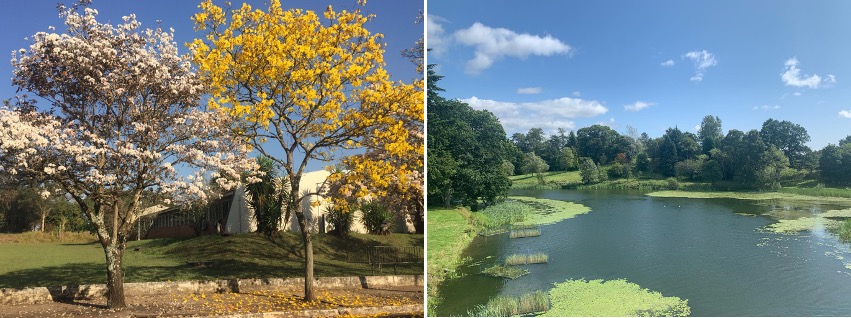
A lot of the work for this publication was computer based and I did much of it working with Dr. Thiago Silva at UNESP Rio Claro in Brazil (left) and at University of Stirling in Scotland (right).

Unexpected challenges. It was very interesting getting data together from different research groups, universities and taxonomic groups. Standardizing it was definitely a challenge. For example, everyone has a different way of identifying their specimens, some use numbers from fieldwork, others use numbers from laboratory work and others from the museums. Also, the precision in naming taxa is different, with some specialties using just binomials (genus & species) and others an extra layer of clustering, such as tribes, subfamilies, etc. For the molecular portion, scientists in different disciplines also use different genes to understand the evolutionary history of their groups of interest and even different techniques to reconstruct those histories. On the other hand, bringing diverse perspectives together helped us better understand the potential processes driving diversity in this forest. 

Major results. The major result is that even though the Atlantic Forest is huge and heterogeneous, we can indeed use environments to predict diversity patterns (at least for phylogenetic and taxonomic diversity) irrespective of the taxonomic group. Even more surprising is that a single driver – precipitation – was of particular importance to all groups and different measures of diversity. The model applied in our study shows a lot of promise to predict changes in diversity with a changing climate.

Next steps for this research. We are building a model that allows for predicting trends in biodiversity change in near real-time for the forest. This tool will allow us to flag areas that are either gaining or losing diversity for different groups of plants and animals because of environmental change. We hope this will become a tool easily applied in conservation actions in the near future.

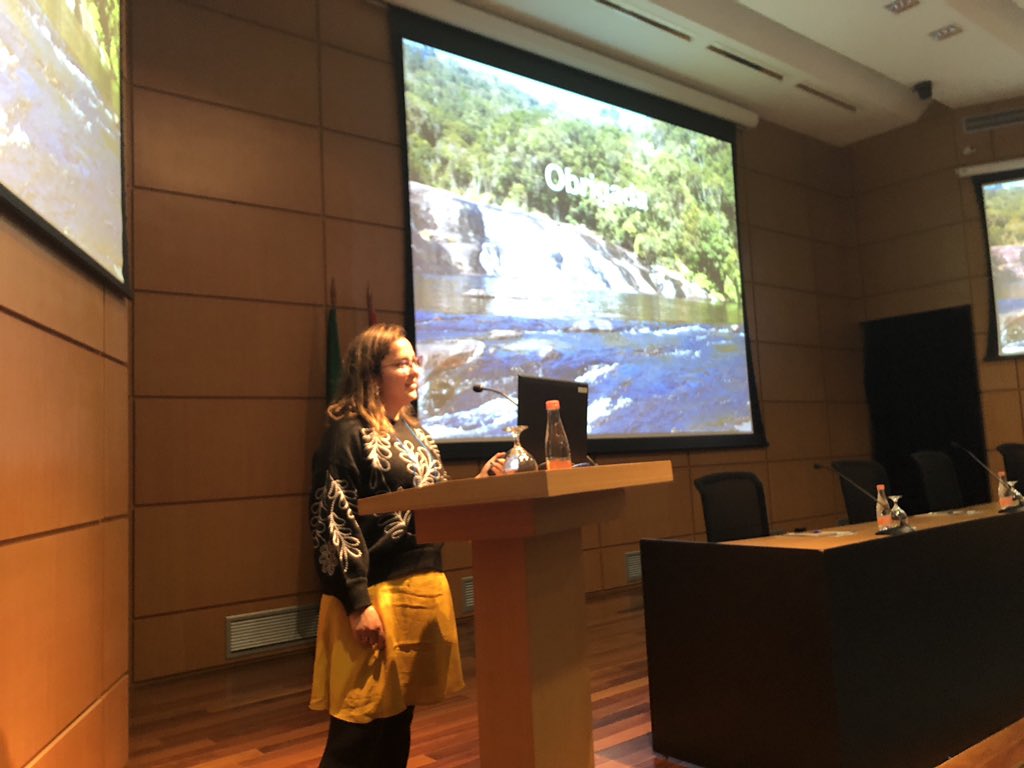
Presenting the results of this work in São Paulo (Brazil), at the FAPESP International Symposium: Dimensions US and Biota São Paulo in 2019.

If you could study any organism on Earth, what would it be? I started my career studying amphibians and hope to keep going back to them :). They are amazing models to study environmental impacts at the population, species, and community levels. Also, they are beautiful!!

Anything else to add? This was the first chapter of my PhD and the first time I led a paper with so many collaborators. It was a really amazing experience getting to work with so many cool scientists!

The elusiveness of biotic interactions in spatial data

Joint species distribution models may not yet be able to detect the signal of biotic interactions from empirical community data … due to the lack of sufficiently dense ecological datasets and fast-and-accurate algorithms.

Above: Eurasian nuthatch (Sitta europaea) at its nesting site in a former woodpecker cavity.
(Photo by Josefine S. / CC BY-NC-ND 2.0 / flickr.com)

Every passionate naturalist knows how ecological communities are shaped by biotic interactions. Predators control the abundance of prey populations. Species at the same trophic level compete fiercely for resources. Other seemingly unrelated species form tight relationships of mutual benefit. Yet, when we describe ecological systems at scales above the very local, we usually neglect the effects of these interactions and assume that the environment is the prime determinant of ecological variation. But how much of an oversimplification is this? Theoretical consideration and simulation studies indeed suggest that the signal of biotic interactions should vanish at coarser spatial resolutions, but few studies have tested this proposition empirically. Thus, the aim of our paper “Scale dependency of joint species distribution models challenges interpretation of biotic interactions” was to fill this gap.

Editors’ Choice article: (Free to read online for a year.)
König, C., Wüest, R.O., Graham, C.H., Karger, D.N., Sattler, T., Zimmermann, N.E. and Zurell, D. (2021), Scale dependency of joint species distribution models challenges interpretation of biotic interactions. J Biogeogr. 48:1541–1551. https://doi.org/10.1111/jbi.14106

The main idea originated at least six years ago, when the question of how to account for biotic interactions in species range predictions took up more and more pace. Joint species distribution models (JSDMs) had just come up as a new tool in spatial ecology and the prospect of disentangling the environmental and biotic drivers of species’ ranges was quite exciting. In contrast to classical single-species distribution models, JSDMs simultaneously model the environmental response of multiple species in a community. This joint approach allows us to look not only at species-environment relationships, but also at the residual structure in their (co-)occurrences that is not accounted for by the environment. The general idea underlying JSDMs is to statistically describe this residual structure and derive coefficients for pairwise species associations from it. These species associations (sometimes also called residual correlations) should then tell us whether a given pair of species co-occurs more or less often than expected by their environmental responses, and thus might be indicative of a positive or negative biotic relationship between those species.


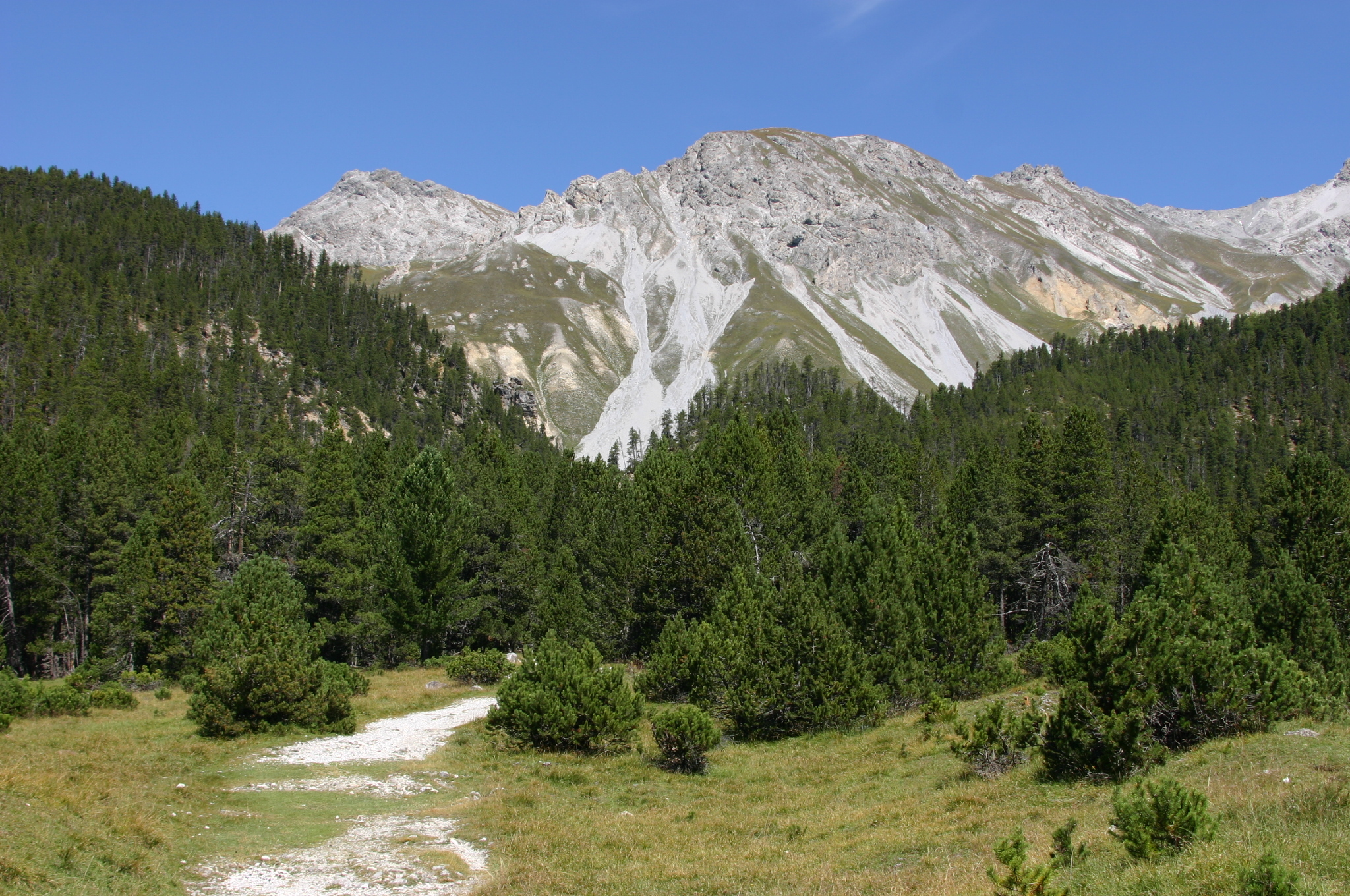
High elevation forest habitat in the Swiss Alps.

However, already in very early discussions with collaborators from the fields of macroecology, statistics and ornithology, we were wondering about potential mismatches between the local scale at which interactions take place and the (often coarser) scale at which species occurrence data are available. If JSDMs were indeed able to separate biotic from abiotic signals in occurrence data, we hypothesized, scale mismatches should lead to a systematic change in JSDM estimates across different spatial resolutions. For example, two species might compete for nesting sites at the local scale while still preferring the same habitat overall, which should lead to a negative association at fine resolutions and a positive one at coarse resolutions. Initial simulation studies supported this intuition.

We used a very rich, long-term dataset of Swiss breeding birds from our collaborators at the Swiss Ornithological Institute Sempach. In this dataset, every breeding territory across a grid of more than 250 survey sites is marked during three visits per year, allowing us to define bird communities at varying spatial resolutions within a survey site. We benchmarked a few different JSDM implementations on the dataset and eventually settled for the one with the best balance between statistical flexibility and runtime efficiency. Nonetheless, the combination of multivariate, multi-level Bayesian models and large, long-term data turned out to be  computationally quite challenging. The models at the finest spatial resolutions had a runtime of almost two weeks on a high-performance cluster, and every change in the methodology or model specification would require another two weeks of data wrangling.

However, once we had set up the models correctly and the MCMC algorithm did its magic, we were excited to analyse the results. To our surprise, they were not exactly as expected. Although we did find a moderate shift towards higher estimates of pairwise associations at coarser spatial resolutions, the majority of values were well above zero, indicating a positive spatial relationship among most species at most observational scales. Moreover, the estimates for a given species pair changed rather erratically from one resolution to another, so how exactly would you pinpoint the scale, at which estimates of species association accurately reflect a biotic interaction? We tried to do that by comparing the JSDM estimates to an independently derived matrix of pairwise functional similarity, assuming that functionally similar species should compete more strongly for resources and, thus, tend to have more negative values of species associations. Once again, our results surprised us by showing the exact opposite pattern: species with similar traits tended to have more positive species associations, especially at finer grain sizes. Overall, these results strongly suggested that JSDMs were not able to detect pairwise interactions among Swiss breeding birds in the analysed dataset, but rather that estimated species associations reflected common responses to unmeasured environmental gradients.

Although our findings challenge the notion that JSDMs can detect the signal of biotic interactions from empirical community data, we still think the underlying statistical reasoning is solid and, in principle, would be up for the task. The challenges seem to lie more in the collection of sufficiently dense ecological datasets and the implementation of sufficiently fast and accurate algorithms to deal with them. The ecological community is working hard to make progress on these fronts and we are thus hopeful that the JSDM approach will eventually help solving the elusiveness of biotic interactions in spatial data.


Written by:
Christian König & Damaris Zurell
Institute for Biochemistry and Biology, University of Potsdam, Potsdam, Germany


History and genetic diversity of the most common Antarctic Lichens

Antarctic lichens with different population history show grossly diverging genetic patterns.

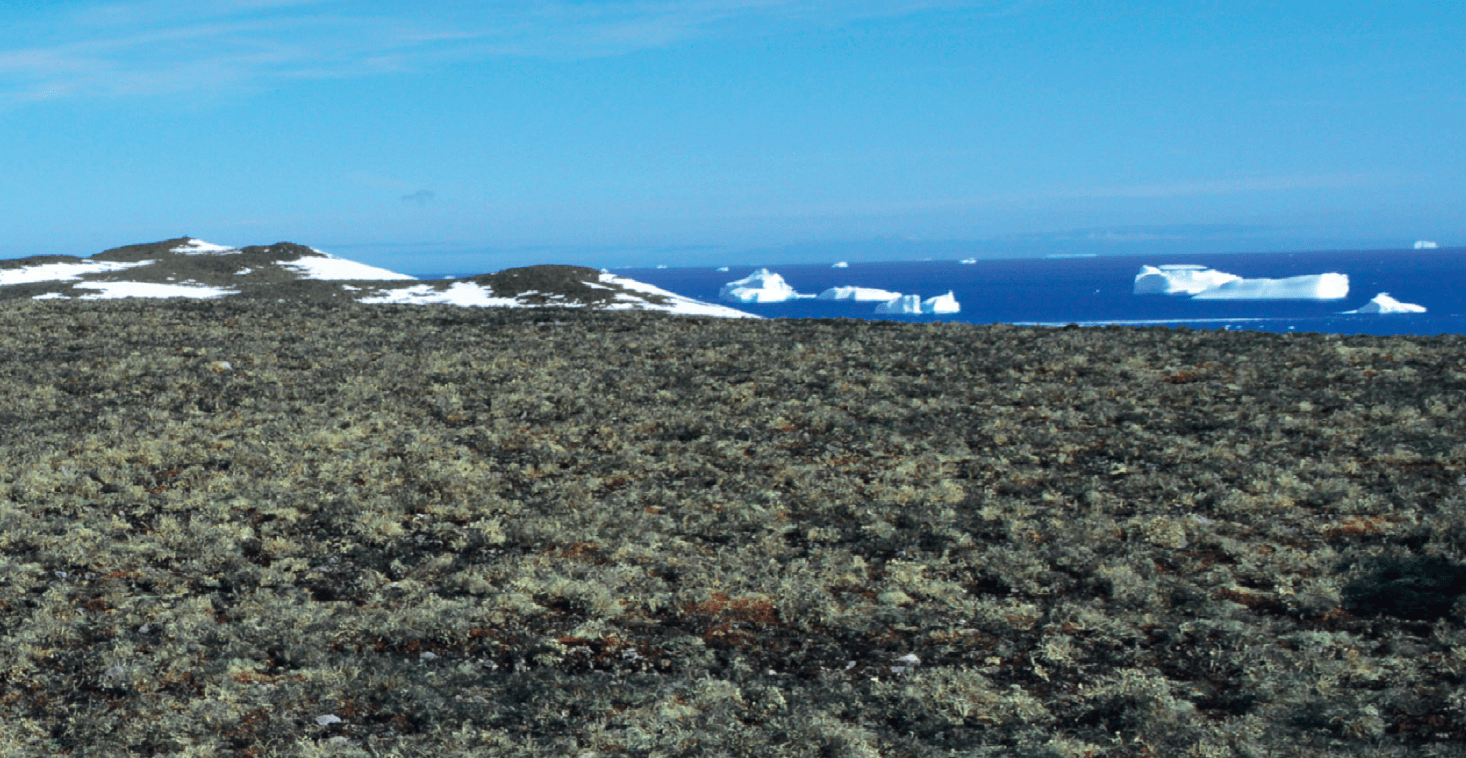
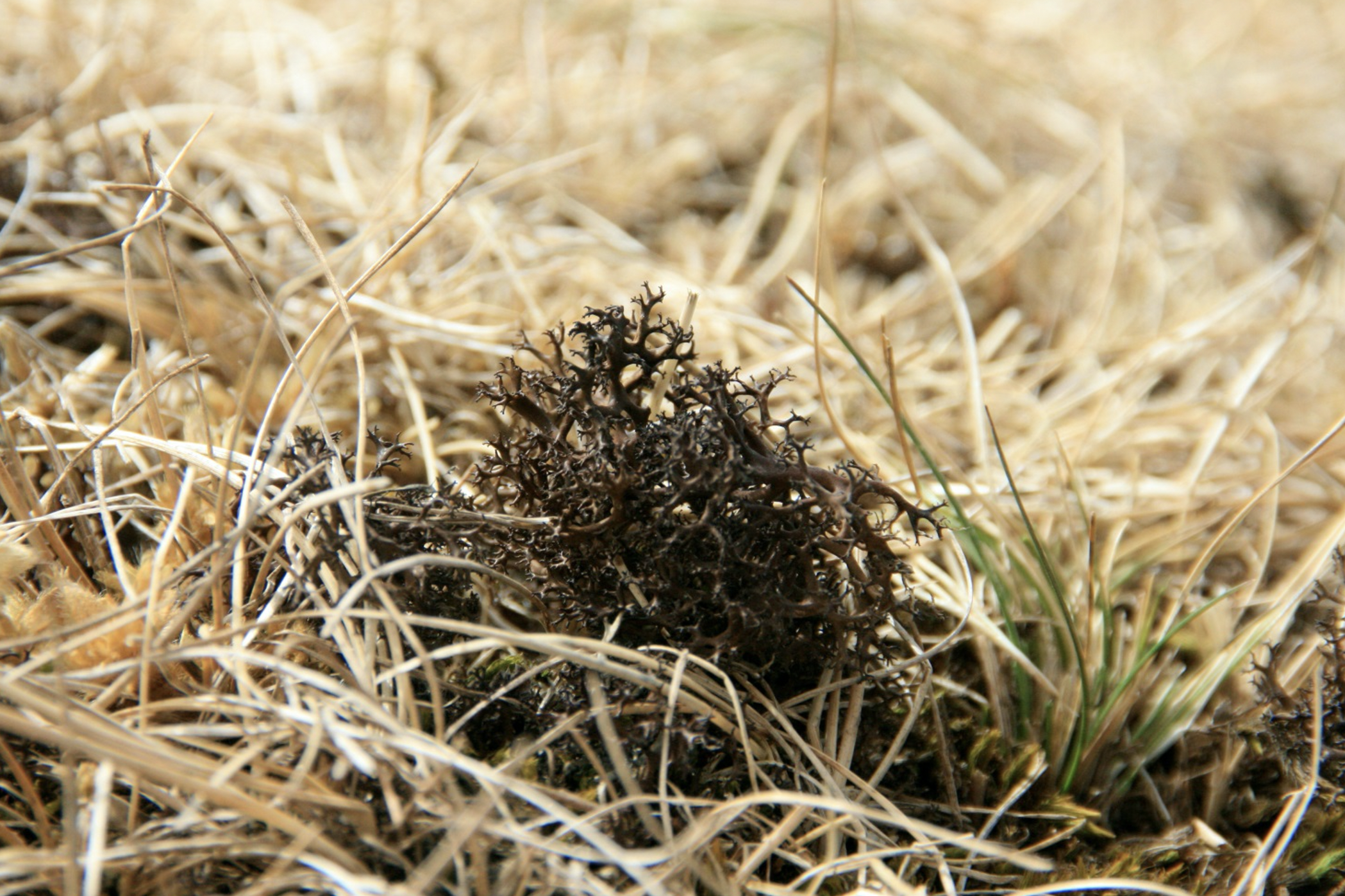
Above: Antarctic lichens (Usnea) near Carlini station on King George Island, January 2016 (Elisa Lagostina).

The Antarctic is arguably the most remote place on Earth and difficult to reach for scientists and other organisms. In many people’s imagination it may just be a vast ice dome with scattered penguins along its margins. But in fact, it harbours isolated pockets of seasonally ice-free terrain with an amazing diversity of life. For lichenologists like us, Antarctica is a special place, because for once our favourites are not marginalized by vascular plants. They absolutely dominate the terrestrial landscape, as the photo above illustrates. This is of course due to the extreme environmental conditions, most of all low temperatures and a short vegetation period, which affect lichens to a much lesser degree than flowering plants. Lichens are symbioses between fungi and photosynthetic organisms. Most species can photosynthesize without liquid water when air humidity is high enough, some even at sub-zero temperatures. And when conditions get really tough, they can dry out completely and persist in a state of latent life.

Cover image article: (Free to read online for a year.)
Lagostina, E., Andreev, M., Dal Grande, F., Grewe, F., Lorenz, A., Lumbsch, H.T., Rozzi, R., Ruprecht, U., Sancho, L.G., Søchting, U., Scur, M., Wirtz, N. and Printzen, C. (2021). Effects of dispersal strategy and migration history on genetic diversity and population structure of Antarctic lichens. J Biogeogr. 48:1635–1653. https://doi.org/10.1111/jbi.14101

Although Antarctica is the continent least affected by humans, it is no longer a pristine environment. Antarctic ecosystems are particularly threatened by global warming and ever increasing numbers of human visitors, both of which interact to increase the risk of invasive species being introduced. It is here that our project started. Most lichens have particularly wide distributional ranges. For example, the most common lichens of the Maritime Antarctic, Usnea antarctica and U. aurantiacoatra, had both been reported from southern South America as well. What seems to be good news at first view – the species are obviously able to cope with milder climatic conditions – could actually turn into a severe conservational threat, if warm-adapted genotypes from South America got a chance to outcompete their cold-adapted Antarctic neighbors. After all, the convention on biological diversity explicitly mentions genetic diversity as one of the fundamental elements of biodiversity.


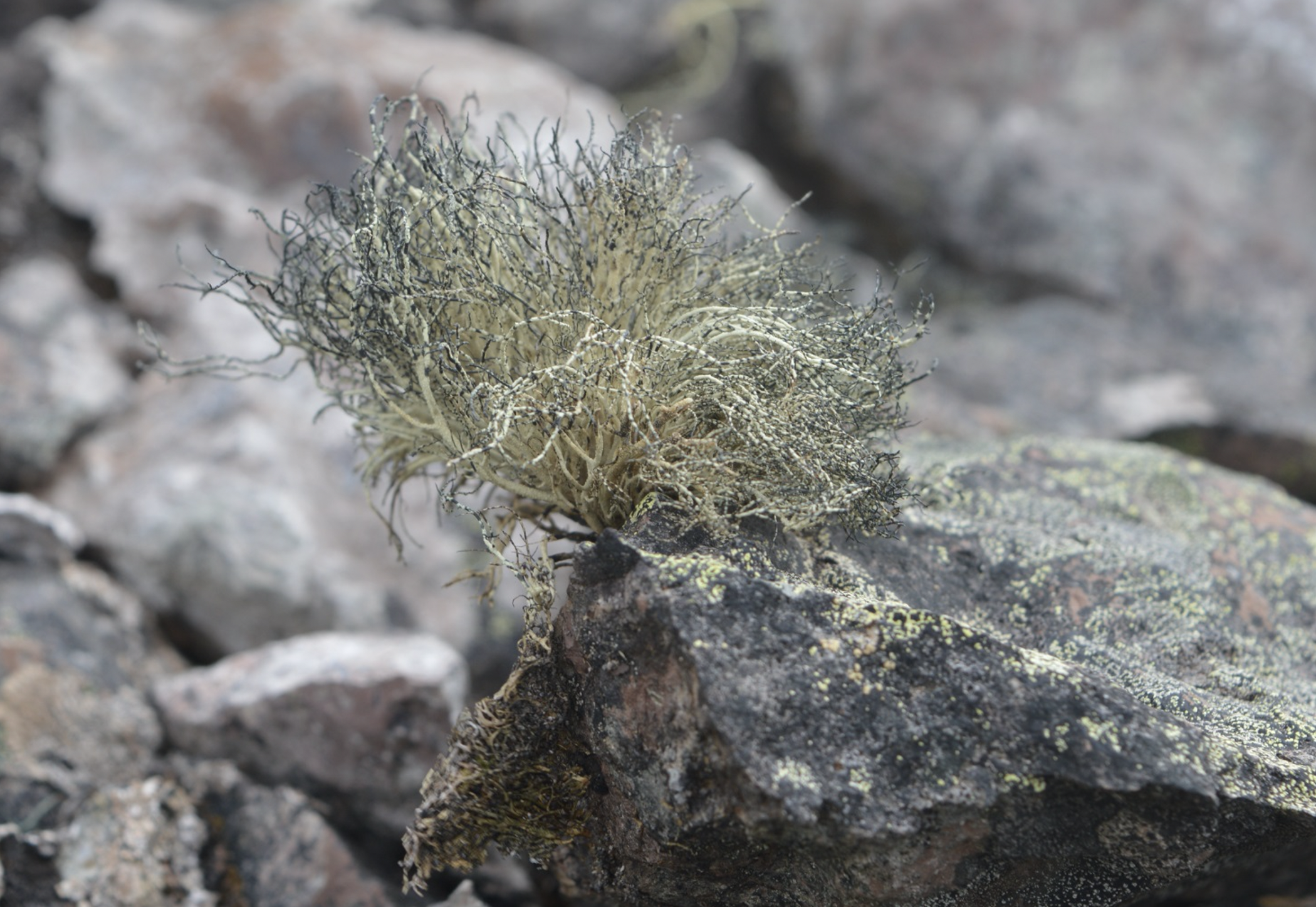
Usnea antarctica on a stone on King George Island, the asexual species spread with

soredia visible on the thallus. (Photograph by Elisa Lagostina.)

When we started this project, nothing was known about the genetic structure of Antarctic lichen populations or the extent of genetic exchange between isolated Antarctic regions and southern South America. In order to change this, we had to overcome two major obstacles. Sampling for population genetic projects in the terrestrial Antarctic is a nightmare, particularly within the framework of short-term projects. If you are lucky to get space on one of the few Antarctic research stations, you are basically stuck within a radius of at most 10-20 km and no chance to get access to any other station before the next season. The only workaround is to involve as many other lichenologists as possible into your project. We were extremely lucky that Austrian, Brazilian, Danish, Russian, and Spanish colleagues were more than willing to contribute to the sampling and managed to get their own projects funded.

The second obstacle was of a technical nature. Lichens are known to evolve slowly. DNA sequences usually show few differences and very rarely clear geographic patterns. We therefore decided to use SSR markers, which first had to be developed from newly assembled draft genomes. Designing the primers along genomic sequences of two closely related species offered the first nice surprise in this project: our more than 20 markers amplified extremely reliably and across species boundaries. In the end we had a data set almost without any gaps (“null alleles”). And because we were able to amplify the exact same loci in the two Usnea species, we could show once and for all that they were not conspecific as some (including the older one of us) had once assumed in the past.


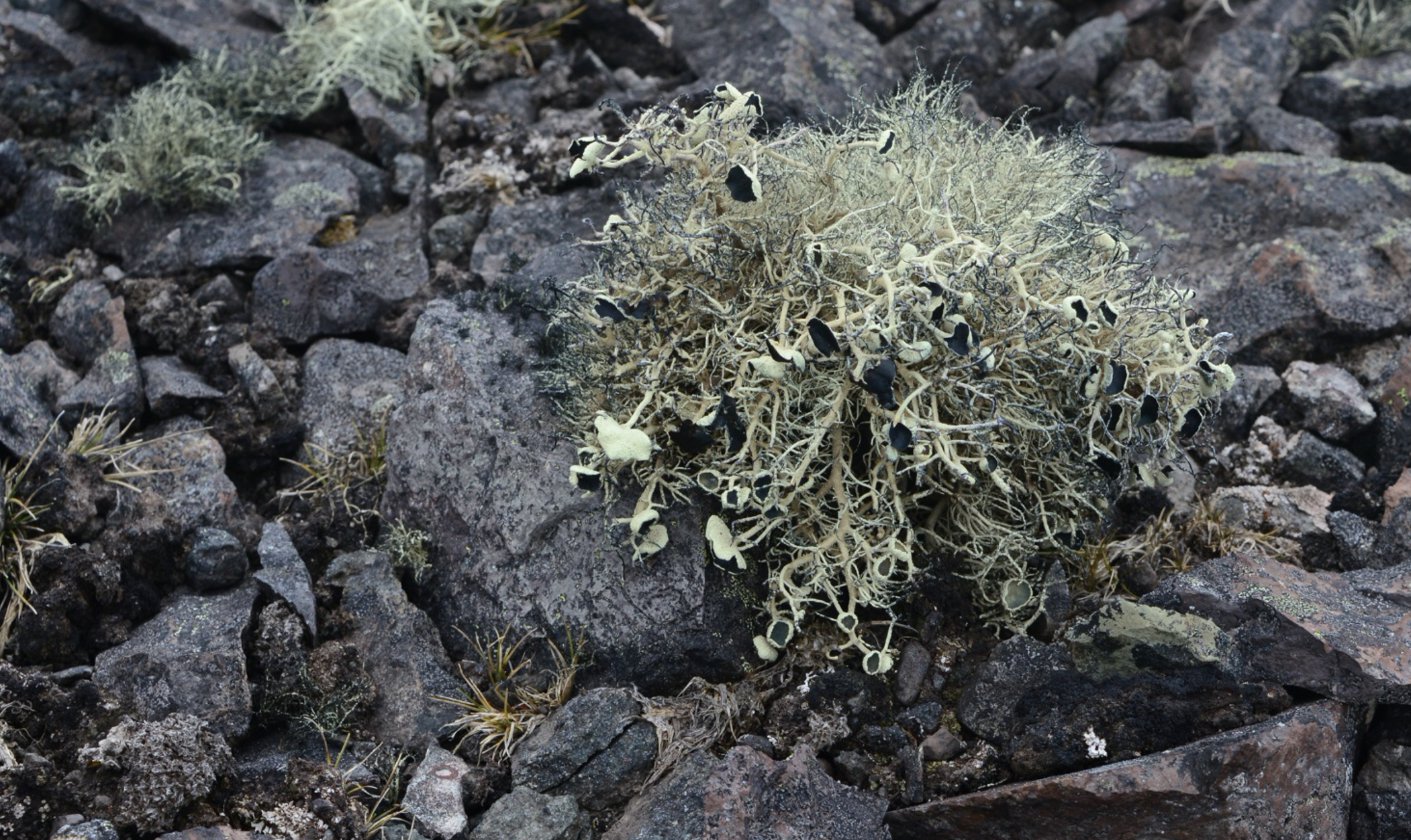
Usnea aurantiacoatra on the ground in King George Island, the sexual species
has big black Apothecia visible on the thallus. (Photograph by Elisa Lagostina.)

The third difficulty is typical for lichen studies but nevertheless caught us entirely unprepared. We had planned to study the two Usnea species along with two crustose lichens from the genus Placopsis to account for possible differences in growth form and reproductive mode. Usnea aurantiacoatra and Placopsis contortuplicata (lichenologists have a deeply rooted desire to create unpronounceable scientific names) reproduce sexually by ascospores, while Usnea antarctica and Placopsis antarctica use vegetative propagules, so-called soredia, to disperse both symbionts together. These four species are big and showy (for lichen standards) and had been reported from both sides of the Drake Passage. To our bewilderment, none of the U. antarctica look-alikes sampled in South America actually belonged to this species. Genetically, they all proved to be stunted forms of U. aurantiacoatra or its near relative U. trachycarpa. Apparently, the species had been wrongly reported from South America and is in fact an Antarctic endemic. Worse, we could not find the Placopsis species either. We decided to make a virtue out of necessity and adjusted our original sampling strategy to include Cetraria aculeata as an example of an asexually reproducing species. We had previously studied this species in various parts of the world including South America and the Antarctic and knew that it was disjunct between both continents. Moreover, we knew that it had colonized the Southern Hemisphere from the north in contrast to U. aurantiacoatra, which is not known further north than southern Chile and Argentina. This not only allowed us to assess the impact of phylogeographic history on regional patterns of genetic diversity but ultimately resulted in the detection of a crystal clear geographic pattern of genetic diversification and a more precise dating of a colonization event. The latter, by the way was also due to a reviewer nudging us to apply Approximate Bayesian Computation to compare different phylogeographic scenarios for our species.

We found evidence for glacial in situ survival of Usnea aurantiacoatra in South America and in the Antarctic, where also Usnea antarctica displays its highest diversity. Cetraria aculeata, on the other hand, colonized the Antarctic only after the Last Glacial Maximum from South America in at least three independent events. The good result for the Antarctic conservation is that we found no convincing evidence for ongoing gene flow from southern South America into the Maritime Antarctic. Nevertheless, maintaining the strong genetic differentiation of Antarctic populations of Cetraria aculeata requires strict conservation measures, whereas populations of Usnea aurantiacoatra are exposed to a much lower risk due to their higher diversity and connectivity.

So far our studies were focused entirely on the fungal partner of the symbiosis. One obvious way to proceed in the future is to study the algal partners of our species to see whether association with genetically different strands helps them to adapt to different ecological conditions. We already know that lichens can associate with genetically different partners and that lichen photobionts are shared among different species in the same habitat (“lichen guilds”). The implications of these phenomena must be very different in vegetatively and sexually reproducing species. This is another field, which has virtually not been studied in Antarctica and where we are almost certain to meet with surprising results. Grant reviewers, unfortunately, have so far not swallowed the bait. But as long as the Western Antarctic Ice Shield has not collapsed there is hope!


Cetraria aculeata from Bale Mts., Ethiopia.
(Photograph by Christian Printzen.)

Written by:
Elisa Lagostina, PhD
Christian Printzen, Head of Cryptogams Section
Department of Botany and Molecular Evolution, Senckenberg Research Institute and Natural History Museum Frankfurt, Frankfurt/Main, Germany.

Additional information:
https://scholar.google.com/citations?user=eCkY7-cAAAAJ&hl=it


ECR feature: João Pedro (JP) Fontanelle on stingrays biogeography

João Pedro (JP) Fontanelle is a postdoc at the Institute of Forestry and Conservation at the University of Toronto in Canada. He is an evolutionary biologist interested in how spatial and temporal eco-evolutionary dynamics affect micro- and macroevolution. Here, JP shares his recent work on how stingrays invaded the freshwaters and diversified in South American basins.

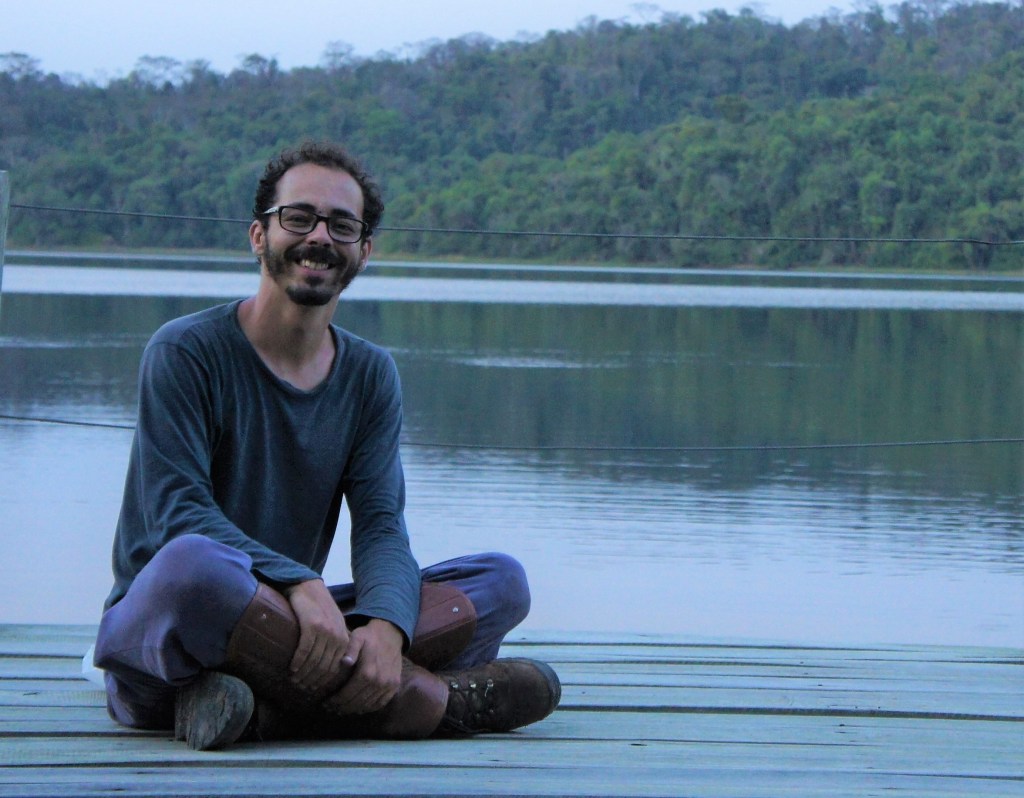
João Pedro (JP) Fontenelle getting ready to fish in the Amazon.

Personal links. Twitter | Personal website

Institute. University of Toronto, Institute of Forestry and Conservation

Academic life stage. Postdoc

Major research themes. How changes in environmental properties and connectivity affect the evolution of organisms at micro and macroevolutionary scales, their biogeography, and diversification patterns.

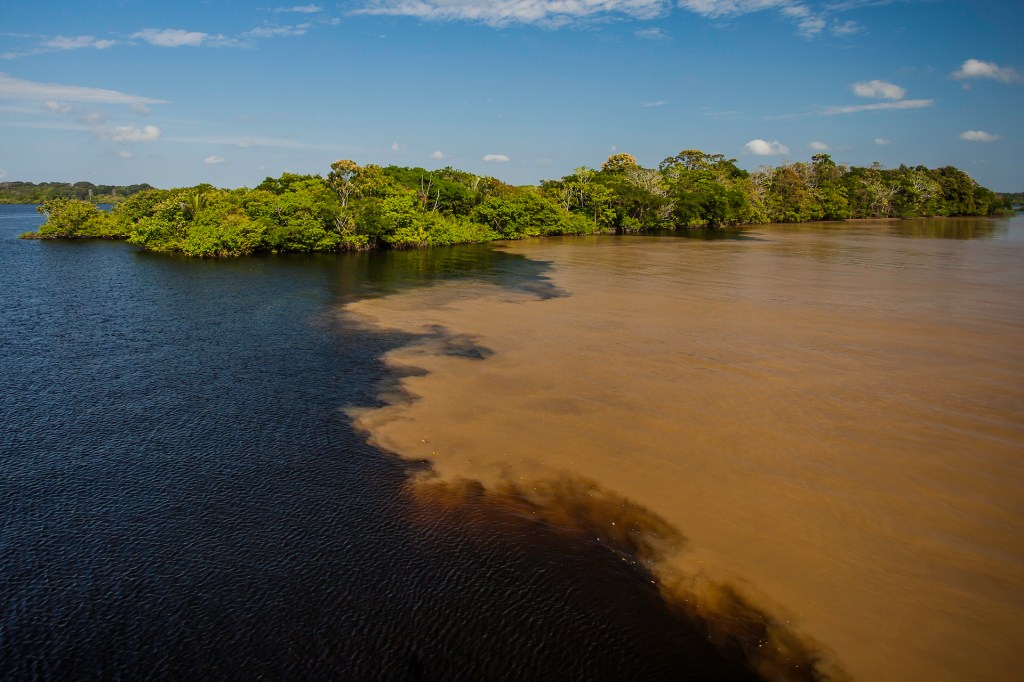
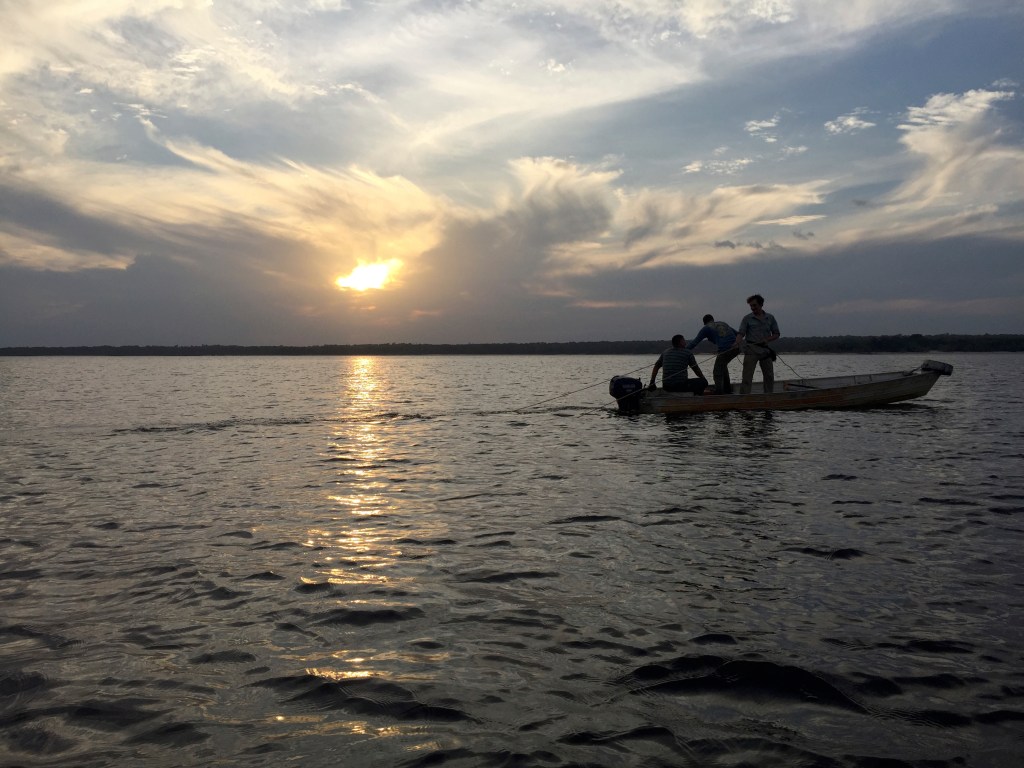
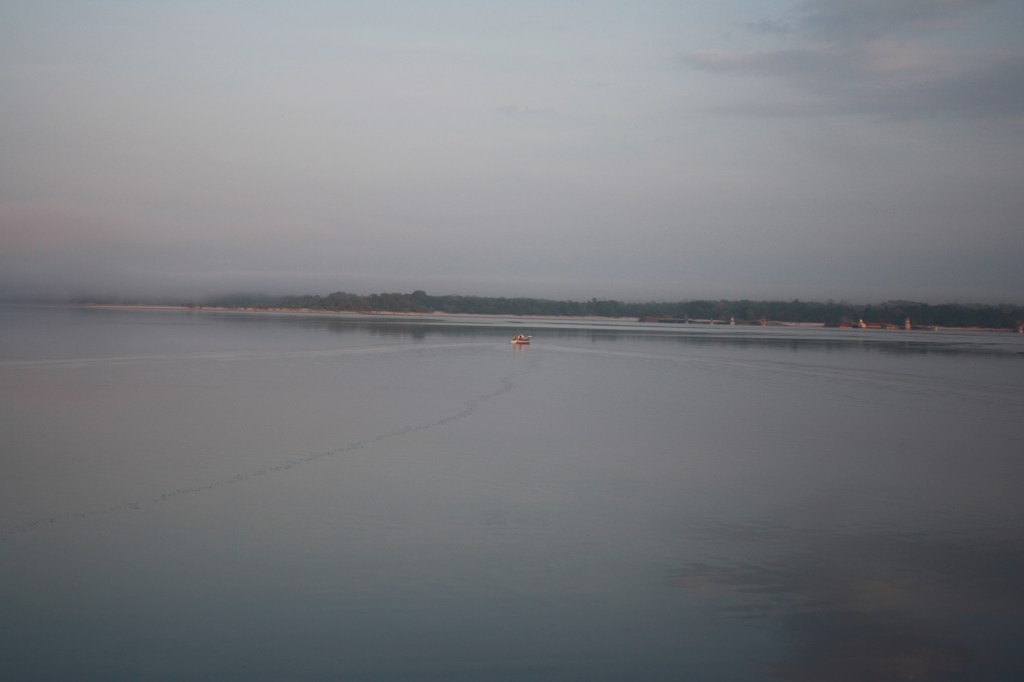
The unique sunset of the Amazon river basin.

Current study system. The Neotropical freshwater stingrays (subfamily Potamotrygoninae) is the only extant lineage of elasmobranchs that is exclusive to freshwater environments. They are morphologically diverse, presenting beautiful dorsal color patterns, making them very famous in the aquarium trade. It is really interesting that this subfamily achieved a high diversity and a broad distribution across almost all South American basins in a relatively short period of evolutionary time (25-20 my). That is especially cool when we think they are a marine-derived lineage, meaning their closest related lineage is found in marine environments.

Recent JBI paper. Fontenelle, J. P. Marques, F. P. L., Kolmann, M. A, Lovejoy, N. R. (2021). Biogeography of the Neotropical freshwater stingrays (Myliobatiformes: Potamotrygoninae) reveals effects of continent scale paleogeographic change and drainage evolution. Journal of Biogeography, 48(6), 1406-1419 https://doi.org/10.1111/jbi.14086

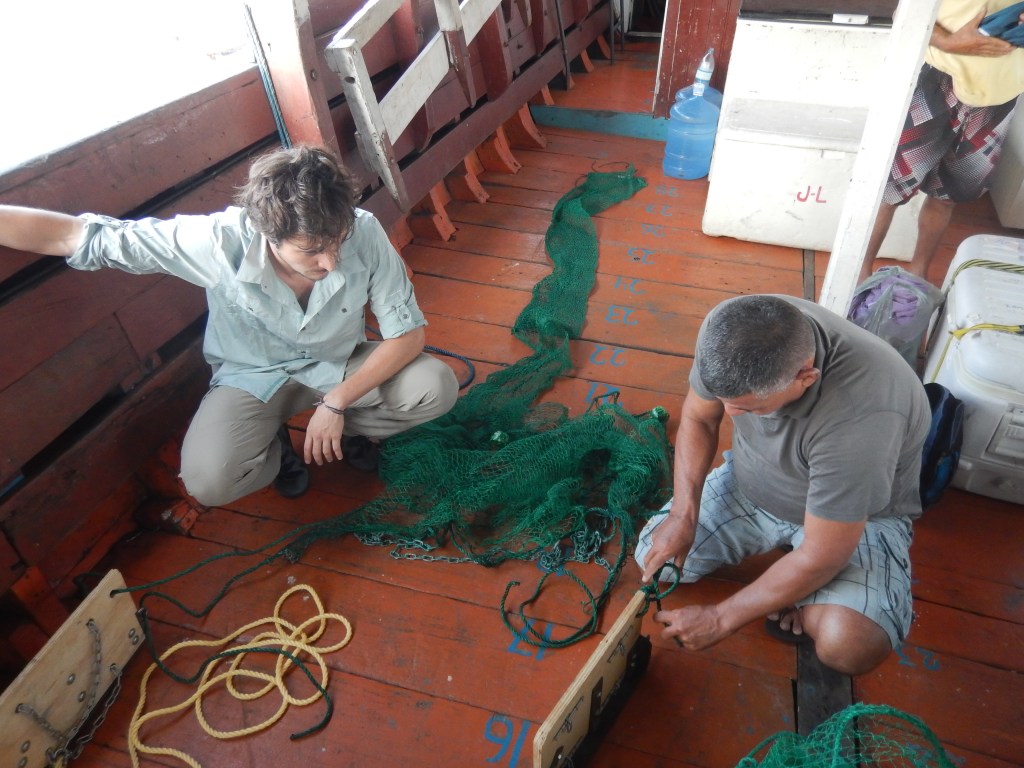
JP (left) and Jonas Batista (Instituto Mamirauá) getting ready to fish in the Amazon.

Motivation behind this paper. It started during my MSc back at the University of São Paulo in Brazil. I was working on the taxonomy of a species-complex of these stingrays (Fontenelle et al. 2017), and I started to notice the correlation between stingray species and their distribution patterns. To try to understand the processes that led to the diversification of these stingrays, I started reading more about the evolution of the group, and consequently the biogeography of Neotropical freshwater fishes, especially Lovejoy et al. (1998), Albert et al. (2006) and Albert and Reis (2011). It was fascinating to see the intimate relationship between fish groups’ diversity, South American geography, and the abiotic properties of the environment, such as water chemistry. Trying to understand a bit more about how environmental and landscape characteristics affect the evolution of freshwater lineages was the biggest inspiration for my PhD. For the stingrays, it was widely accepted that their lineage had invaded freshwater habitats through the Caribbean. However, there were still questions about the age of this event and how the group had colonized the rest of the continent. Fortunately, we were able to compile more than two decades of samples collected all over South America, which allowed us to investigate biogeographical patterns for the whole group at a continental scale.

Key methodologies. We first needed a phylogeny (relationship hypothesis tree) with a good taxonomic representation of the freshwater stingrays. We compiled the most taxonomic rich phylogeny to date, with molecular data from more than 350 specimens, accounting for over 90% of the species and sampling most of the group’s distribution. We then combined geological data and fossil evidence to calibrate key nodes in this phylogeny to produce an age hypothesis for the diversification of the group. Then, based on the literature on biogeographical areas for Neotropical freshwater fishes, we cross-referenced the distribution of our specimens to selected biogeographical areas of relevance. Finally, we reconstructed ancestral ranges over the phylogeny using six different biogeographical models and then tested their fit to our data. These models apply different parameters, such as dispersal, range expansion, vicariance, and extinction, to interpret the differences observed in reconstructed distribution patterns. Our dataset allowed us to identify changes in river connectivity over evolutionary time and how paleogeographical events were fundamental in the dispersal and diversification of the group.

Gentle trawling the bottom of the Rio Tapajós.

Unexpected challenges. One big challenge was how to interpret the ages and the reconstructed ancestral ranges for many nodes of the tree over such a large timescale and geographic area. We had to rely on geography and geology dense papers to identify and properly interpret the biogeographical patterns. These papers helped us narrow down and interpret major events for the biogeography of the stingrays and other fishes and aquatic groups with similar distributions. This led to another series of challenges regarding contrasting biogeographical patterns among different fish groups. By exploring the literature on different fish lineages, we were able to identify evidence for the same paleogeographical event affecting the fish community, but with different outcomes depending on the group. That is, the same paleogeographical event can influence the evolution of distinct groups in different ways, and this can be attributed to differences in their biology and evolutionary history.
Major results. We provided biogeographic evidence for major changes in the paleogeography of South America across 30 million years, especially for the Amazon and associated river basins, which can be used by many other biogeography studies. We presented evidence of how changes in the connectivity between and within river basins are very important to the diversification patterns of aquatic groups and how these changes may affect different freshwater groups differently. From a more fish-focused perspective, we have highlighted the importance of marine incursions on strict freshwater dominated regions for the adaptation and diversification of marine-derived lineages (MDLs) and the importance of the Pebas Mega Wetlands acting as a facilitating route for the dispersal of the stingray lineage and possibly other MDLs, from fishes like drums and pufferfishes, for example, to mammals, molluscs and even plants. It was really nice to interpret the biogeographic patterns and explain the colonization of the South American continent by this interesting group of fishes.

Retrieving longlines at dawn, after the stingrays feed time.

Next steps for this research. By extrapolating the results from this research, we are investigating macroevolutionary patterns involving biogeography, ecology, diversification, and phenotypic changes related to changes in environment and distribution. We are also working on how paleogeographic changes in the South American landscape have influenced the evolution of other fish groups and the signals in their phylogeny. Finally, we are exploring the relationships of these stingrays at a population level to study population dynamics and their relationship to taxonomic and phylogenetic diversity.

If you could study any organism on Earth, what would it be? The easy answer for that is fishes! They are fascinating solely by the fact that what we call ‘fishes’ covers more than half of the vertebrate diversity, and are found in a crazy variety of sizes, shapes and biologies. As one of my undergraduate professors used to say: “there is probably a fish example for that”. It is really hard to choose one group of fish, though. I’m particularly interested in rapidly evolving and diverse groups, and their relationship to changes in habitat; however that still accounts for a bunch of them!

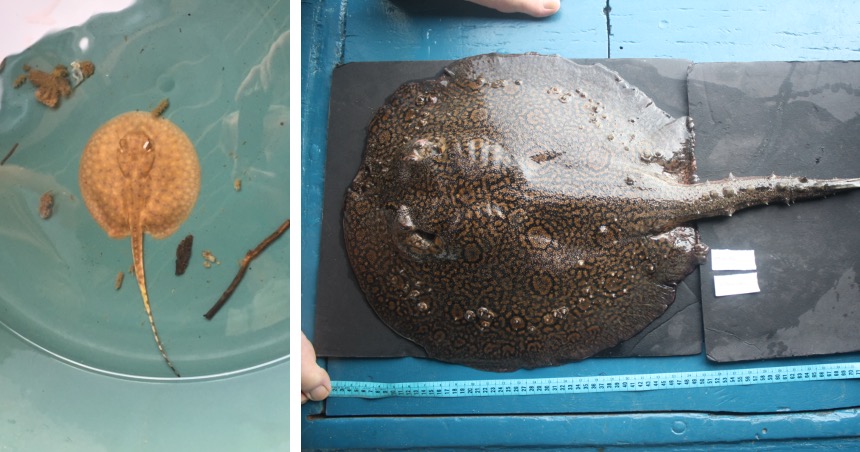
A juvenile stingray in a basin for transportation (right); an adult stingray and its beautiful color pattern, fresh on the boat (left).

Anything else to add? This manuscript is the first published chapter of my PhD thesis. That adds an extra layer of satisfaction as this research is also one of the main reasons I pursued my PhD. I’ve been questioned before about how long it took us to get this manuscript in good shape and out. Still, all the years of intense work have been a real reminder of how difficult it is to work with a diverse group in a diverse area, especially when the evolution of the group is still not very well understood and the taxonomy is very complicated (which is the case of the Neotropical freshwater stingrays). It is great to provide a very important contribution to the study of these fish and the Neotropical region and its biogeography. It has been challenging from start to finish, but so worth it! We have learned a lot.

ECR Feature: Chaim Lasmar on resource use by ants

Chaim Lasmar is a postdoc at Universidade Federal de Lavras. He is an ecologist with a particular interest in ants and their contribution to ecosystem function. Chaim shares his recent work on the variable foraging behaviour of ants across large spatial scales and across different ecoregions in the neotropics.

Chaim Lasmar in his typical habitat.

Personal links. Twitter

Institute. Universidade Federal de Lavras, Brazil

Academic life stage. Postdoc

Research themes. Community Ecology, Macroecology, Biogeography, Landscape Ecology, Ants.

Current study system. Ants play important roles in the ecosystem by interacting with several abiotic and biotic factors to obtain resources. Through their foraging activities, ants are important components of terrestrial ecosystems as seed dispersers, granivores, scavengers, predators and for the cycling of nutrients. Additionally, they are mega abundant and diverse, easy to sample and present different feeding habits and diets by consuming several nutrients such as sugar, amino acids, lipids and sodium. Therefore, they are an excellent model organism to understand diversity patterns such as foraging behaviours that may give us insights into the ecosystem functioning.

Recent paper in JBI. Lasmar, C.J., Bishop, T.R., Parr, C.L., Queiroz, A.C.M., Schmidt, F.A. and Ribas, C.R. (2021), Geographical variation in ant foraging activity and resource use is driven by climate and net primary productivity. J Biogeogr. https://doi.org/10.1111/jbi.14089

Motivation behind this paper. Studies in the lab and a few in the field have demonstrated how ants can change their resource use according to the climate and the availability of plant resources. However, most field studies have been performed at small spatial scales. The remaining large spatial scales studies mainly focused on effects of temperature and productivity in similar habitats or evaluated only a few resource types (e.g., sugar and amino acids or sugar and sodium). Thus, there are still knowledge gaps in terms of whether previous findings hold when assessing foraging behaviour at large spatial scales in different ecoregions. Thus, we decided to assess ant foraging behaviour at large spatial scales and in different ecoregions in the neotropics, which are generally poorly studied in terms of ant foraging behaviour.

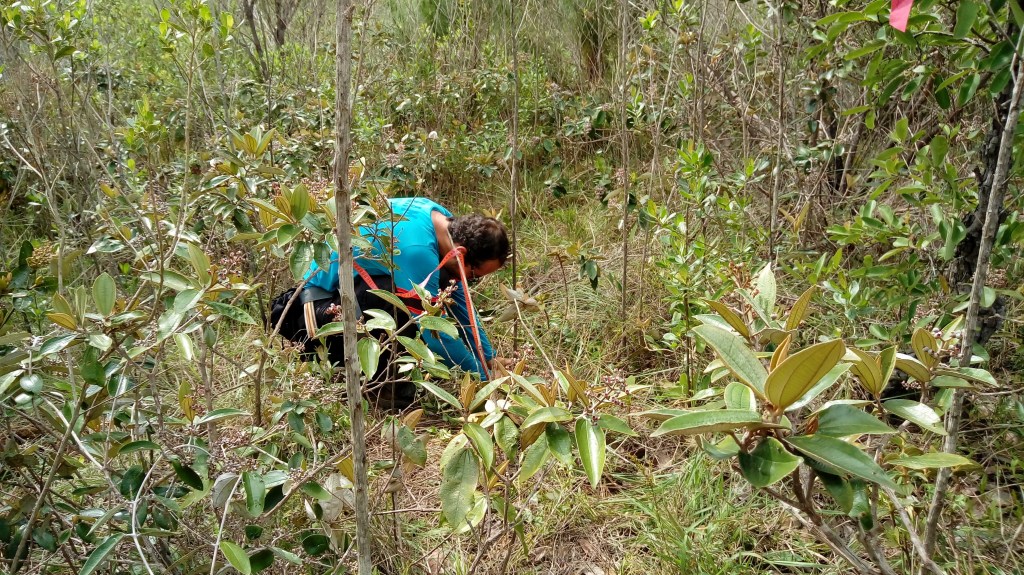
Chaim placing baited tubes in the Cerrado savannah forest.

Key methodologies. We used a classic baiting approach to assess the influence of climate and productivity on ant foraging activity and resource use. We provided ants four types of resources, sugar, lipids, amino acids and sodium in 60 transects distributed in six Brazilian biomes that were distinct in terms of climate and productivity. By placing 1500 baited tubes for ants, we obtained estimates of overall ant foraging activity and we could also assess the relative use of each resource type in comparison to the other three. We also assessed the current weather and annual and monthly climate and productivity for each of our transects. 

Major results. We made a step forward in our understanding of foraging behaviour by demonstrating how ant foraging activity and resource use was driven by climate and primary productivity at large spatial scales. We suggest that precipitation, temperature seasonality and productivity influence the availability of resources. This resulted in patterns of relative resource use that we considered largely as a trade-off between sugar (where energy availability was low), and amino acids and sodium (where energy availability was high). Temperature likely influenced relative amino acid and lipid use by acting on the physiology of ants. Given that ant foraging activity and resource use involves numerous biotic and abiotic interactions, we suggest that it is conceivable that global climate change and changes in productivity may shift these patterns in foraging behaviour. In turn, changes to foraging could result in changes in ant-mediated ecosystem functions.

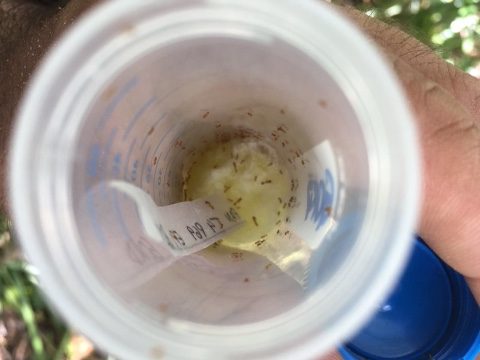
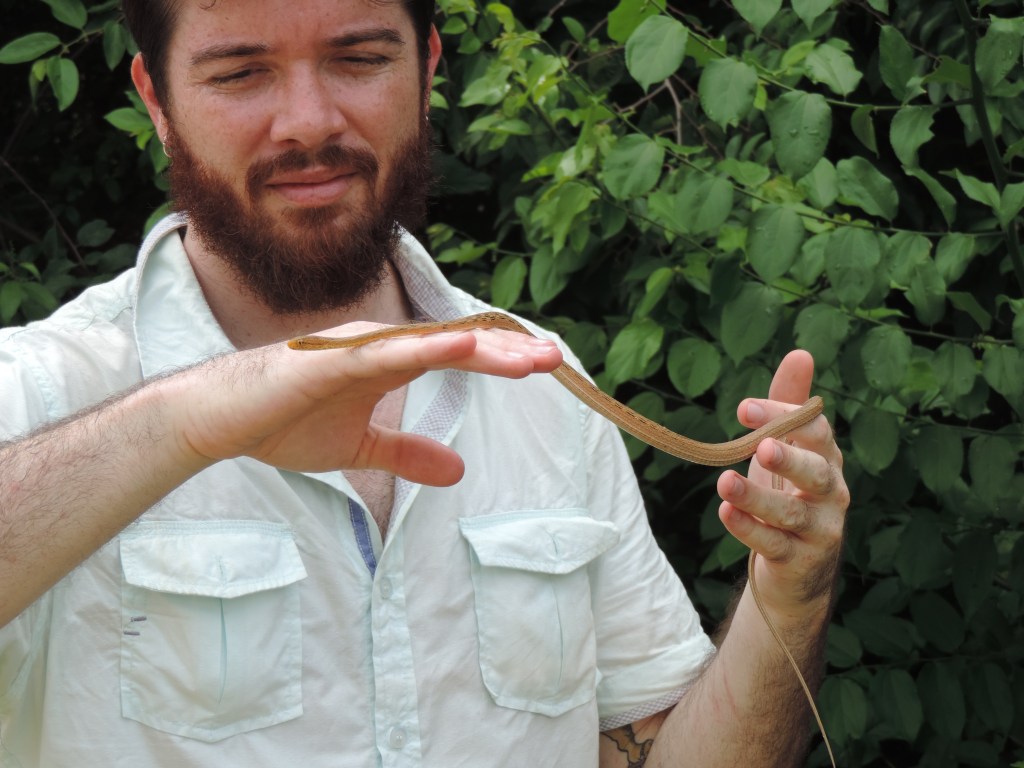
Pheidole fracticeps workers (left) and Ectatomma brunneum (right) visiting baited tubes with a cotton ball soaked with lipids in Pantanal

Challenges overcome. Although I had a lot of fun traveling to, and experiencing, the Brazilian biomes, it was challenging to perform the fieldwork at some places. Our research required a huge sampling effort. Sometimes it was not easy to walk along a 750 m transect in the forest while carrying heavy bags full of baited tubes. Some study areas were in very remote places. In the Amazon, for example, there was no road to access the areas and we had to set all transects by foot. This research would not have been possible without the help of many other researchers in the field, and I would like to thank them for their efforts.

Next steps. There are some remaining knowledge gaps concerning the foraging behaviour of ants at large spatial scales. Ant foraging activity is intimately liked to species richness and we were not able to disentangle the direct influence of ecological drivers on foraging activity from the influence of ant species richness. Additionally, it is known that ant resource use also changes across different habitat strata at local scales. Thus, disentangling the relationship between ant species richness, foraging activity and their relation to ecological drivers across habitat strata will certainly contribute to understanding ant foraging behaviour.

Pampa forest habitat.

Pantanal wetland.

If you could study any organism on Earth, what would it be? Well, I think I am very satisfied studying ants and intend to keep studying them for a long time. Recently I started to study (besides ants) other invertebrates (e.g., other insects and spiders) and large mammals, which I also enjoyed. But it would really be great if one day I could also study trees to comprehend more broadly the ecosystems through different taxa.

Anything else to add? As ecologists, we are used to travelling to incredible wild places all over the world, as we try to understand the systems and processes of our natural environments. Yet once our fieldwork is done and our samples are collected, we leave little for the people who live in and around the natural areas we have visited. It was with this in mind that, in addition to our ecological data collection on ant communities in protected areas, we also included scientific dissemination of our work to local people living around these areas. We targeted rural and municipal schools, speaking to students about the importance of biodiversity conservation in Brazil and highlighting the significant role ants play in the ecosystem. We feel this is critical work, particularly as we face a strong wave of science denialism and because Brazil hosts between 15-20% of the world’s biodiversity which has been under severe attacks.
(left) Amazon forest. (right) Atlantic forest.

ECR Feature: Arthur Boom unravels the history of miombo woodlands through study of Brachystegia plastid genomes

Arthur Boom is a PhD student at the Université Libre de Bruxelles. He is interested in the biogeography of African plants and the application of genomic approaches to study their evolutionary. Arthur shares his recent work on trees from the Brachystegia genus to understand the history of miombo woodlands in Africa through sequencing of their plastid genomes.

Arthur Boom

Personal links. ResearchGate | GoogleScholar

Institute. Evolutionary Biology & Ecology unit, Université Libre de Bruxelles (Belgium)

Academic life stage. PhD student.

Research themes. Phylogenomics, Phylogeography, and Biogeography of African plant taxa.

Current study system. My co-authors and I are currently studying the evolutionary history of Brachystegia tree species. This genus is particularly emblematic of southern African savannas and woodlands. With roughly twenty species, it is one of the most dominant tree genera in the vegetation belt stretching from Angola to Tanzania: the miombo woodlands (c. 2.7 million km²). Additionally, eight Brachystegia species are also distributed in the African Guineo-Congolian rain forests. This spatial distribution and diversity of species allow the investigation of global biogeographical questions. Namely, how, and when, tree species diversified in African biomes and how plant lineages may have shifted between biomes. Consequently, Brachystegiaas as a broadly distributed genus is a useful system to explore the onset of current African biodiversity. However, Brachystegia is also a taxonomically challenging taxon to work with, as several species are morphologically variable in addition to having blurred species boundaries. Little is known about what influences patterns of morphological variation for these species and may be due either to hybridization, ecotypic differentiation, or phenotypic plasticity.

Recent paper in JBI. Boom, AF, Migliore, J, Kaymak, E, Meerts, P, Hardy, OJ. Plastid introgression and evolution of African miombo woodlands: New insights from the plastome‐based phylogeny of Brachystegia trees. J Biogeogr. 2021; 48: 933– 946. https://doi.org/10.1111/jbi.14051

Motivation behind this paper. Molecular-dated phylogenies using either large taxonomic coverage, or focusing on some key plant taxa, are essential to understand the tempo and modalities of species diversification. In plants, such phylogenetic investigations have been extensively conducted in Europe and northern America, such that generation of major phylogeographic hypotheses on factors affecting lineage diversification in plants are geographically biased. In the Afrotropics, we are increasingly testing these hypotheses developed on other continents to determine their global generality. In comparison to Europe/northern America, African woodlands and savannas are still poorly investigated despite their wide spatial distribution, their functional properties and unique biodiversity, and their key role in Hominid evolution. Brachystegia genus is typical, dominant, and diverse in the miombo woodlands of Africa and is a potentially useful system to gain new insights on the history African savannas and woodlands. We aimed to explore the phylogenetic relationships and corresponding divergence timing at the genus scale among Brachystegia species.

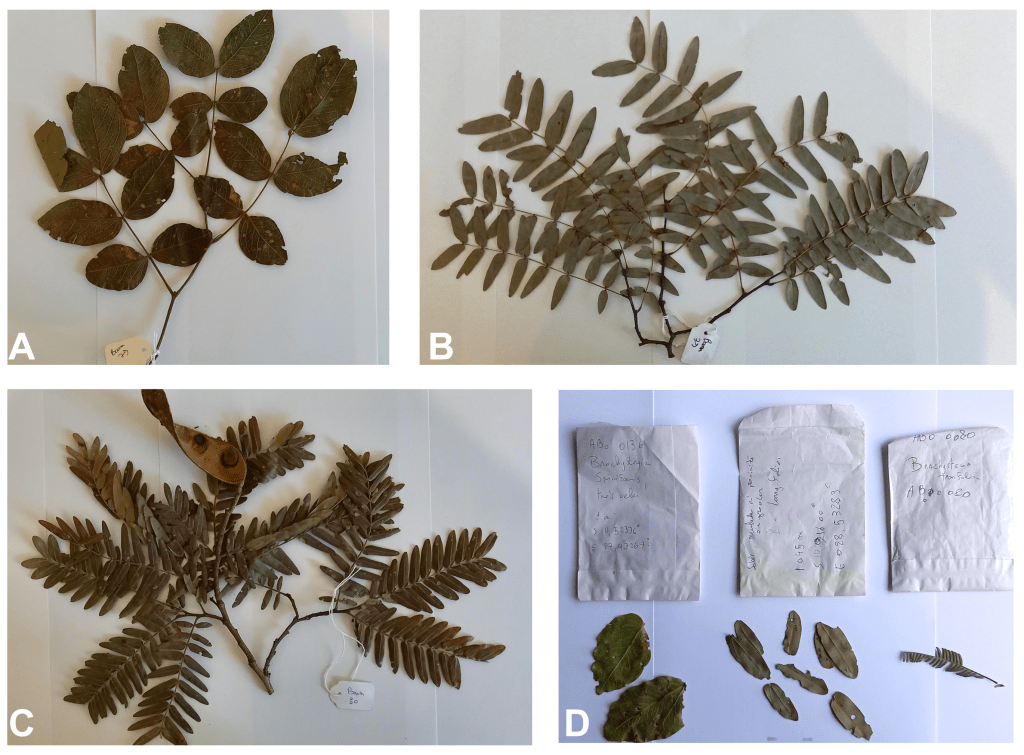
Some of the specimens that were collected in the frame of this study (A, B, and C: Brachystegia spiciformisB. longifolia and B. boehmii). In addition to herbarium vouchers, we also collected leaflets and dried them using silica gel (in D, left to right: B. spiciformisB. longifolia and B. taxifolia). DNA is generally better conserved using the latter approach.

Key methodologies. Our approach used African field collections and herbarium vouchers in combination with high-throughput sequencing technologies. We took advantage of recent advances in molecular biology to extract DNA from ancient plant material and to assemble plastid genomes of 25 different Brachystegia tree taxa. Bioinformatic tools were thus essential to reconstruct the Brachystegia plastid phylogeny, using Bayesian and Maximum-Likelihood methods. To infer the temporal dynamics of Brachystegia diversification, we conducted a two-step dating approach. Firstly, a dated phylogeny covering the Fabaceae family allowed the use of multiple fossils for time calibrations and to estimate the divergence time between Brachystegia and a near-relative genus, Julbernardia. We then applied this divergence time estimate to calibrate the Brachystegia plastid phylogeny.

Major results. Our main contribution is a proposed scenario for the past history of Brachystegia settlements, allowing us to better understand the history of miombo woodlands. In our JBI paper, plastid genomes proved to be very informative for tracking the past dynamics of the genus Brachystegia. In southern Africa, Brachystegia plastid clades appear older in eastern regions than in western ones, suggesting a possible historical westwards expansion of miombo vegetation, during the Plio-Pleistocene. Our results bring explicit insights of the past distribution of one of the largest African woodland types.

Unexpected outcomes. We were particularly surprised that the Brachystegia clades revealed by the plastid phylogeny exhibited a strong geographical structuring independently of their species delineation. Specimens from the same species were rarely monophyletic, except when they were geographically close. This unexpected tree topology could be explained by hybridisation with subsequent backcrosses. This highlights possible cytoplasmic introgression between species that co-occur in the same area and share closely related plastid genomes. To our knowledge, our study is one of the first to report such a phenomenon of spatially dependent introgression in a tree genus from the Afrotropics, but such introgression has been observed in Quercus and Eucalyptus trees in Neartic, Paleartic and Australasian realms.

(left) Miombo woodlands have a closed but not overly dense canopy, allowing the growth of an herbaceous layer. They are dominated by trees such as Brachystegia, Isoberlina, and Julbernardia (Lubumbashi surroundings, Democratic Republic of Congo). (right) Collection of branches and leaves from a Brachystegia tree using a long-reach pruner.

Next steps? Using plastid genomes, we now have a better view about the miombo spatial and temporal dynamics. However, further investigations are needed to provide a dated species phylogenetic tree of the Brachystegia species. We are thus currently sequencing several hundred low-copy nuclear genes, using a targeted enrichment genomic approach. Additionally, by increasing our geographical cover, we would like to deeply investigate the Brachystegia genus developing continuous phylogeographic and phylodynamic inferences using additional plastid sequences. Such investigations would be conducted in a comparative framework using other emblematic trees from miombo woodlands such as Julbernardia and Isoberlina.

If you could study any organism on Earth, what would it be?Without surprise, if I could study any organism on Earth, it would be trees! Through my ongoing PhD thesis, I was particularly surprised by the large knowledge gaps in the phylogeographic history of trees! I am especially interested in tropical trees, which are poorly studied despite their ecosystem engineer role in most of the hotspots of biodiversity. Among the questions coming to my mind: how do tropical and dominant trees diversify? How is such diversity maintained through time? These questions reflect a more global interest on hybridisation and the concepts of plant species. Oaks are particularly interesting in this context as recent genomic and ecological investigations have broader implications on how dominant trees diversify, coexist, cooperate and compete. I am also convinced that tropical taxa can be very promising in evolutionary ecology. Apart from plants, I am also fond of jellyfish, bumblebees, and dinosaurs!

Anything else to add? Collecting plant materials from tropical African species, like Brachystegia, distributed on such a wide spatial scale (18 countries), including narrowly and disjunctly distributed taxa was definitively a challenging aspect of this study. It was also a unique opportunity to discover unforgettable landscapes in Democratic Republic of Congo, to explore precious herbarium collections (BR, BRLU, FHO & LISC), and to develop innovative genome skimming sequencing. Even fairly old vouchers can be of use with such an approach. Indeed, one of the samples used in this study was collected in 1933! Finally, we were helped in many ways during this study, and I’d like to take the opportunity to thank all the people that made this study feasible, researchers, those involved in the field collections, curators and lab colleagues.

ECR Feature: Felipe Camurugi on gladiator treefrog biogeograhy

Felip Camurugi is a postdoc at Universidade Federal do Mato Grosso do Sul. He is a biogeographer with an interest in anurans and their diversity. Felipe shares his recent work on gladiator treefrogs from South American and his tests for the presence (or absence) of cryptic lineages in this species.

Felipe Camurugi in the field, collecting herps. Photo credit: Sandro Paulino.

Personal links. ResearchGate

Institute. Universidade Federal do Mato Grosso do Sul

Academic life stage. Postdoc

Current study system. My main research focus is to explore the roles of landscape heterogeneity on the genetic divergence of anurans from open and dry environments of South America. The gladiator treefrog, Boana raniceps, is distributed at a continental scale, occurring in lowlands of the South American open and dry formations. Therefore, it is an interesting organism to study how past and current landscape changes can affect species’ distributions and gene flow across these environments. In addition, Boana raniceps is a generalist species associated with lentic water bodies of almost all major river basins, which enables the testing of several hypotheses on diversification in the Neotropics.

Recent paper in JBI. Camurugi, F., Gehara, M., Fonseca, E.M., Zamudio, K.R., Haddad, C.F., Colli, G.R., Thomé, M.T.C., Prado, C.P., Napoli, M.F. and Garda, A.A., 2021. Isolation by environment and recurrent gene flow shaped the evolutionary history of a continentally distributed Neotropical treefrog. Journal of Biogeography. 48: 760-772 https://doi.org/10.1111/jbi.14035

Motivation behind this paper. The seasonally dry tropical forest Caatinga, the Cerrado savanna, and the Chaco have a complex geomorphological and climatic history. Only in the past few years have we begun testing the main promoters of genetic divergence and testing new hypotheses about diversification processes for the region. Given the wide distribution of Boana raniceps, which occurs across a broad environmental gradient, we were curious as to whether this “species” actually exhibited cryptic diversification (undescribed species forming a species complex), or, conversely, was an uncommon case of an anuran species with a broad, continental-level distribution. Additionally, this species provided a good system to test classical biogeographic hypotheses of how landscape features have shaped historical and contemporary patterns of genetic variation. 

Gladiator treefrog (Boana raniceps) in northeast Brazil.

Key methodologies. The combination of phylogeographic and landscape genetics tools has increased in the past few years, providing new opportunities to disentangle the relative roles of historical and contemporary processes of landscape changes on connectivity and genetic diversity among populations, and divergence among species. Using several complementary approaches, such as population assignment tests, species distribution models, approximate Bayesian computation, and niche comparisons, we could identify the geographical break of lineages and infer the main mechanisms involved in the processes of population/species diversification.

Major results. Our study suggests that the evolutionary history of the gladiator treefrog, Boana raniceps, was mediated by climatic shifts during the Pleistocene and topographic complexity in central Brazil. We identified two lineages that occupied different environmental niches. These lineages diverged during the mid-Pleistocene (~340,000 years ago) and kept gene flow until Last Glacial Maximum (LGM: ~21,000 years ago). During the dry and cold periods, such as the LGM, areas facilitating connectivity between populations probably shrank, reducing historical gene flow. In addition, Boana raniceps lives in lowland areas, which means that areas with a very complex topography may have hindered the migration of individuals over thousands of years, and together with the contraction of open and dry biomes during LGM, have reinforced the genetic differences within this species. Areas with this profile are located, for example, in the Brazilian Central Plateau region, which coincides with the geographical division between the two lineages. However, the environmental factors that restricted gene flow over years were clearly semipermeable, as the overall genetic divergence among populations was shallow.

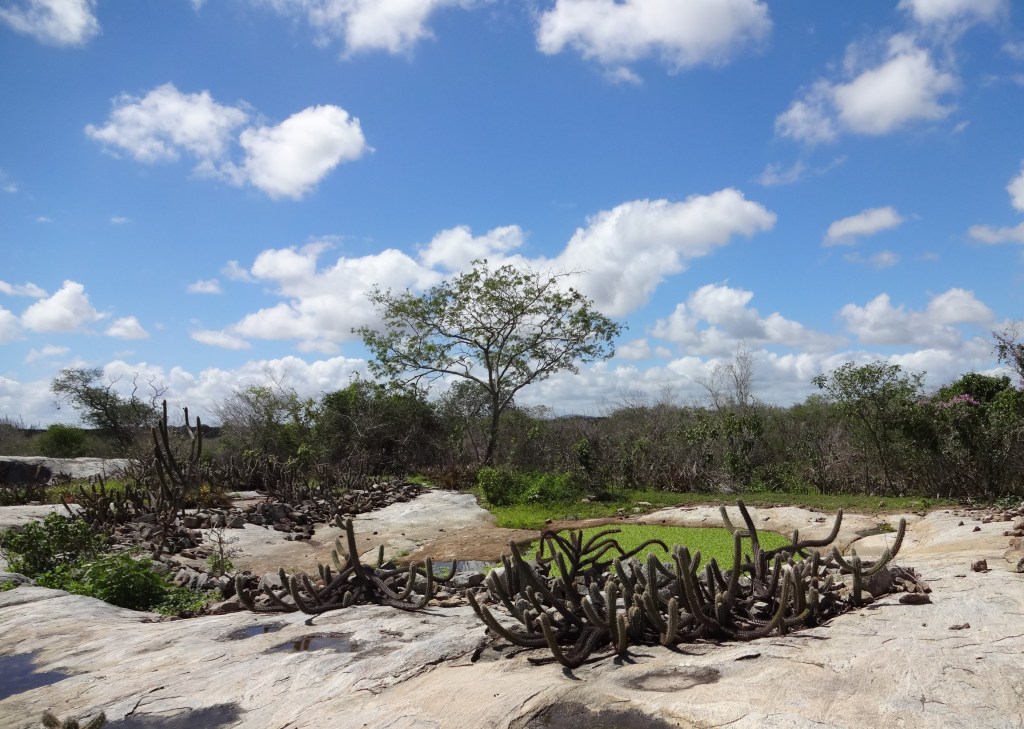
Landscapes of open and dry environments of South America: Caatinga.

Challenges and unexpected outcomes. To evaluate divergence among populations of Boana raniceps, we of course needed to obtain specimens from across most of the South American continent! This involved collaborations across many institutes to obtain samples covering most of the species’ distribution. In the end, we obtained a collection of approximately 300 individuals at 115 localities encompassing four countries. Anurans typically have high phylogeographic structure due to their life history strategies, such as a tendency towards philopatry and expected low dispersal ability. Consequently, species of frogs widely distributed are frequently expected to potentially show high levels of cryptic diversity. We were surprised to find that in South American, B. raniceps is a single species that is widely distributed across the continent. Despite evidence of unique, spatially structured lineages, the amount of divergence was weak and shallow. Therefore, this pattern of intense and recurrent gene flow in a highly complex landscape was unexpected.  

Landscapes of open and dry environments of South America: Chaco.

Next steps of this research. The acoustic communication in anurans is an important component in the evolution of these organisms. Thus, the next step in this research is to investigate whether does trait divergence correlates with genetic divergence and whether sexual selection can have reinforced the geographic structure in Boana raniceps. Testing whether B. raniceps females prefer calls from males of their own lineage, or if they can mate indiscriminately, can give us a clue if behavioral isolation is a possible driver of genetic differentiation, in addition to landscape features.

If you could study any organism on Earth, what would it be? I would continue to study amphibians! I am very curious about salamanders. In South America, they are relatively less diverse but still little studied. Since I saw my first Bolitoglossa salamander in the Brazilian Amazon, I’ve wondered about the ecological and historical factors that have shaped the evolutionary history of the genus in the continent. However, my curiosity about salamanders is not regionalized and it would be really cool to study them in any part of the globe.

Water bodies where Boana raniceps can typically be found.

Anything else to add? This research is part of my thesis on the biogeography and evolution of acoustic signals of Neotropical anurans, particularly the gladiator frogs of the Boana albopunctata group. Besides biogeography of amphibians at different scales (from taxa, lineages, and genealogies, for example), the frog calling behavior and its consequences on the evolutionary histories of species is a thrilling theme for me, and having water up to my waist whilst recording and collecting frogs always makes for a great time in the field. Currently, I am combining my interests in the natural history of amphibians with genetic data to explore the roles of landscape features and biotic interactions as drivers of genetic divergence at a community level.

ECR Feature: William Nanavati on monkey-puzzle trees and global change

William “Buzz” Nanavati is a postdoc at Portland State University. He is a palaeoecologist and biogeographer, interested in how environmental changes through time affect ecosystems. William shares his recent work on previous climates and land-use change on the dynamics of monkey-puzzle forests in Patagonian.

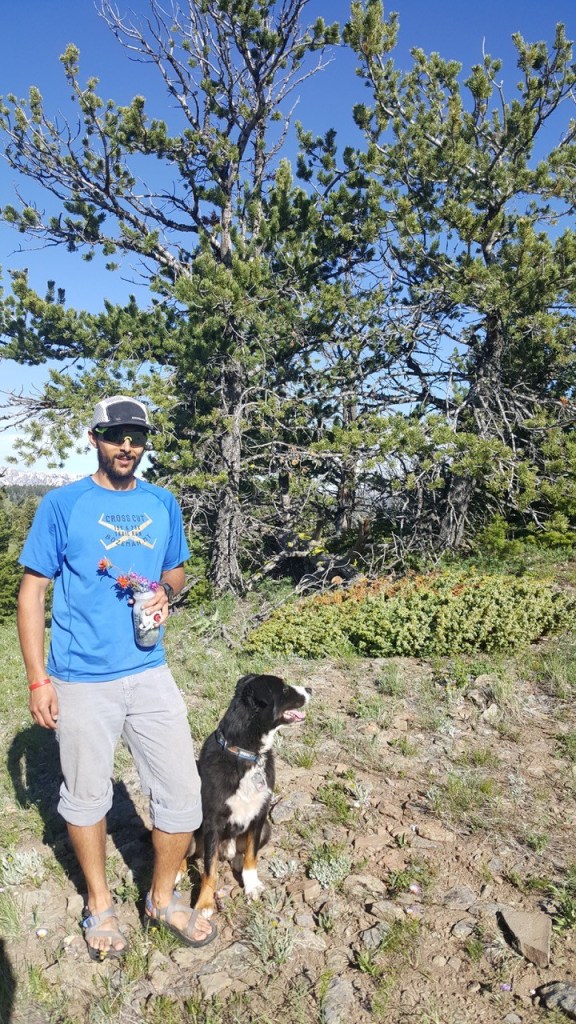
William “Buzz” Nanavati, a monkey-puzzle tree, and a canine companion (Eddy Nanavati).

Personal links. Web page | Twitter

Institute. Global Environmental Change Lab, Department of Geography, Portland State University

Academic life stage. National Science Foundation Postdoctoral Fellow

Research themes. I focus on palaeoecology, biogeography, and the nonlinear, interacting relationships between fire, climate, humans and the environment through time.

Current study system. My current research focuses on the environmental histories of two regions: the forest-steppe ecotone of Patagonia, Argentina and Chile, and forests of the western Cascade Mountain Range in Pacific Northwest of the United States of America. Forest-grassland transitions (or ecotones) in temperate latitudes are regions that are sensitive to natural (i.e., climate-driven) and anthropogenic pressures and are thus valuable for understanding ecosystem dynamics under changing climate and disturbance regimes. In these biomes, forest is typically promoted by high levels of moisture and/or low fire activity, whereas in drier settings, grassland is maintained by seasonal or annual moisture deficits and/or high levels of burning.

Recent paper in JBI. Nanavati, William, Cathy Whitlock, Valeria Outes, and Gustavo Villarosa. “A Holocene history of monkey puzzle tree (pehuén) in northernmost Patagonia.” Journal of Biogeography (2020). https://doi.org/10.1111/jbi.14041

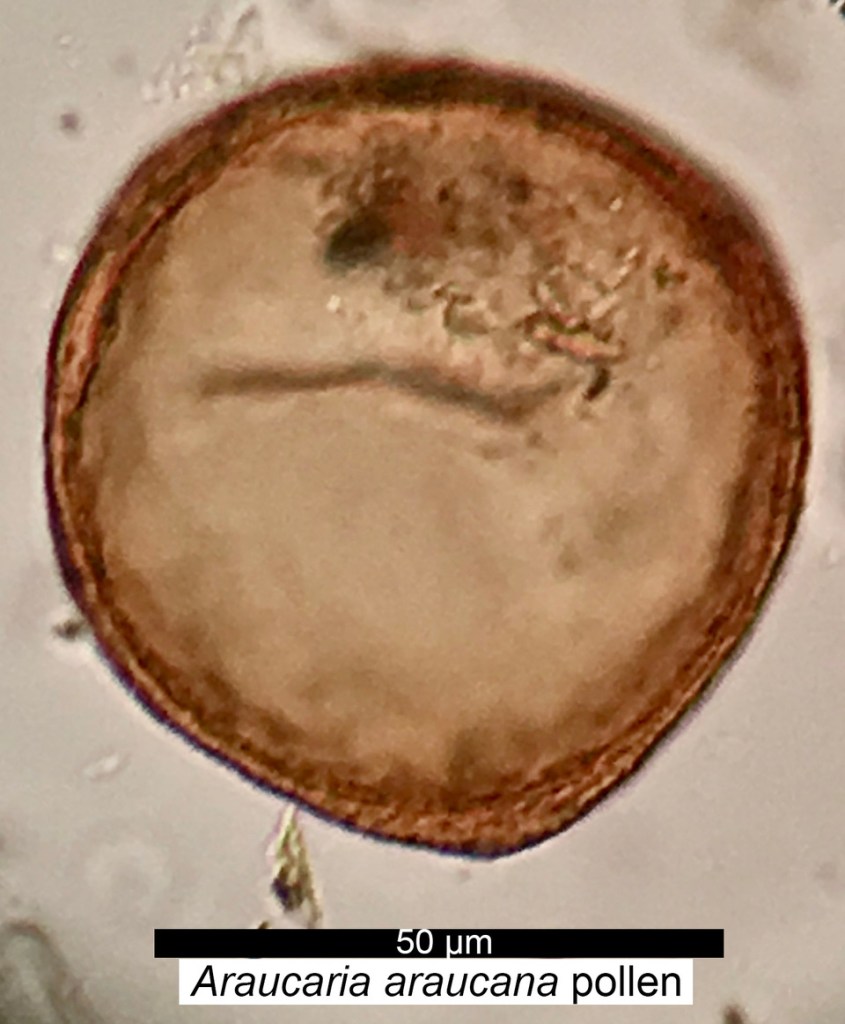
A pollen grain of Araucaria araucana.

Motivation behind this paper. In our recent paper, we try to provide a better understanding how changes in climate and land use have altered monkey-puzzle tree (pehuén; Araucaria araucana) forest ecosystem dynamics through time. We believe that by better understanding such complexities in socioecological history, we can better interpret management goals in the face of future disturbance and climate change. Recognizing the Patagonian forest-steppe ecotone as a mosaic of nearly-pristine and humanized landscapes can provide a pragmatic guide for land management strategies and intensities, where natural processes can be left to play out in nearly-pristine landscapes, while active management of humanized landscapes can either restore ecosystems to nearly-pristine states or preserve cultural landscapes, dependent on the decisions of stakeholders and community members. As land use increases throughout Patagonia and anthropogenic global warming changes climate conditions at an alarming rate, we believe that combined paleoecological-archaeological efforts can help inform projections of future ecosystem dynamics and guide management decisions to protect native ecosystems.

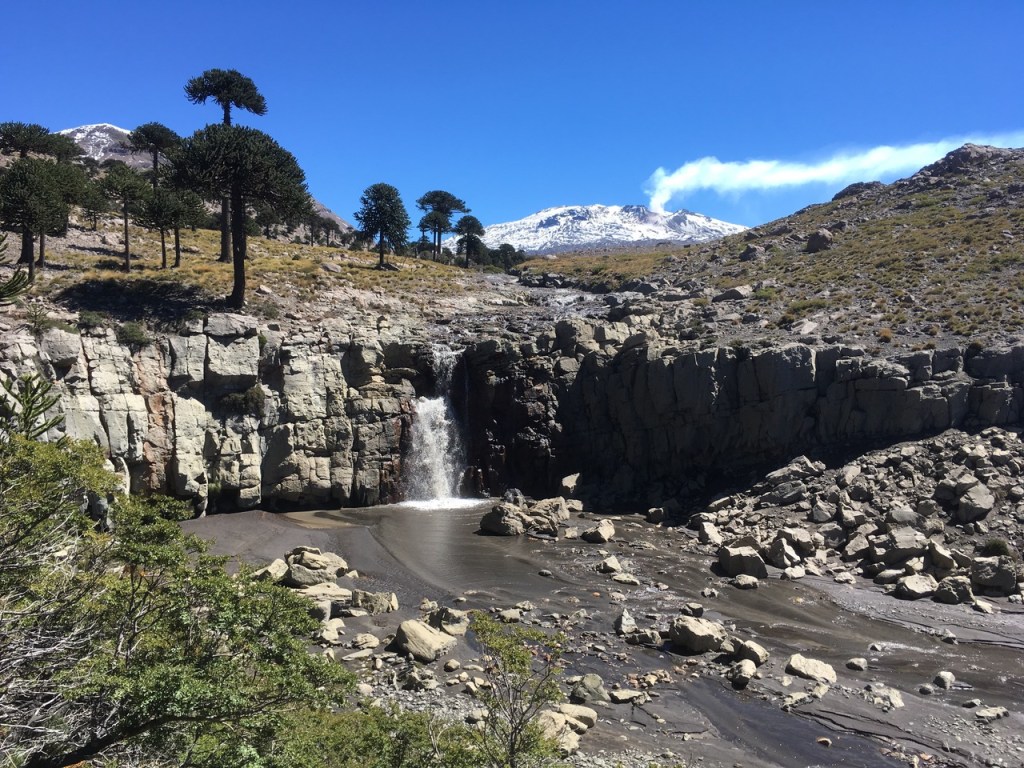
This picture was taken near the Laguna Portezuelo paleoecological site in northwestern Neuquén, Argentina. It features an open monkey-puzzle (pehuénAraucaria araucana) forest at its northeasternmost border with grass (Poaceae) steppe. Antarctic beech (ñireNothofagus antarctica) is in the foreground and the Copahue stratovolcano is in the background.

Key methodologies. Sedimentary pollen and charcoal from Laguna Portezuelo (37.9°S, 71.0°W; 1730 m elevation; 11,100 cal yr BP bottom date) were compared with other paleoecological, independent paleoclimate, and historical records to assess how changes in climate and land use influenced local-to-regional environmental history. An important aspect about this study is its reliance on high-resolution pollen and charcoal counting that facilitates nearly decadal interpretation of change in local vegetation and fire history for the last 1000 years. By focusing our analyses at such a high resolution, it made it much easier for us to compare our results with historical and dendroecological research from the region.  

Major results. Araucaria was present in the central valley of Chile during the last glaciation until rapid postglacial warming and drying limited its distribution in the valley. In the middle and late Holocene, decreased temperatures and greater seasonality and El Niño-Southern Oscillation activity increased precipitation variability allowing Araucaria expansion at its north-eastern limit, near Laguna Portezuelo. Greater abundance of Araucaria and heightened fire activity at Laguna Portezuelo after about 440 years ago coincided with increased Mapuche-Pehuenche American Indian land use, suggesting that Araucaria may have been managed in a human-altered landscape. Our results suggest that past American Indian land use likely altered natural ecosystem dynamics at local-to-landscape spatial scales in northernmost Patagonia. Variations in human land-use intensity and location in the late Holocene likely created a mosaic of landscapes that ranged from the nearly pristine to highly altered prior to European arrival.

Unexpected outcomes. There were two unexpected results that came out of this study: (1) Araucaria migrated into the Laguna Portezuelo watershed relativity recently, with sporadic presence between from 6500 to 440 years ago, when its presence increased coincident with increased fire activity and an influx of Mapuche peoples east of the Andes. We attribute the arrival and expansion of Araucaria in the Laguna Portezuelo watershed to wetter-than-before middle- and late-Holocene conditions and, possibly, American Indian management. (2) Non-native, Eurasian taxa likely arrived in the Laguna Portezuelo watershed prior to Euro-American settlement, this supports the hypothesis that the spread of non-native plants outpaced Euro-American settlement in the Patagonian forest-steppe ecotone.

This photo depicts the dry, shrub-steppe that dominates east of the forest-steppe ecotone in Patagonia, near Tecka, Chubut, Argentina.

Next steps. We intend to compare changes in postglacial vegetative composition and fire activity with simulations of ecosystem dynamics. These comparisons could determine where and when the vegetation and fire history of individual sites does not match simulated climate-fuel-fire relationships. Anomalous events recorded in the paleoecological data could be compared with the archaeological record to determine if land use explains the deviation from the model and if so, to what extent land use altered ecosystem dynamics. Furthermore, following model validation through data-model comparison, we hope to co-develop model simulation scenarios with local land managers and community members to inform land management decisions in Araucaria forest ecosystems.

If you could study any organism on Earth, what would it be? I would probably pick the most confusing one of them all: humans! I am specifically interested in how we interact and coevolve with our environments. Humans had and will continue to have an incredible imprint on the environment. Hopefully by better understanding linkages between climate, humans, vegetation, and fire, we can help inform management and policy decisions that lead to a more sustainable future.

ECR feature: Taís F. R. Guimarães on the sea-level impact on coastal lagoon fish communities

Taís F. R. Guimarães is a postdoc at the Universidade Federal de Viçosa (UFV) in Brazil. She is an ecologist interested in elucidating spatio-temporal processes affecting the community of freshwater fishes. Here, Taís shares her recent work on the effect of sea level on the beta diversity of coastal lagoon fish communities in South America.

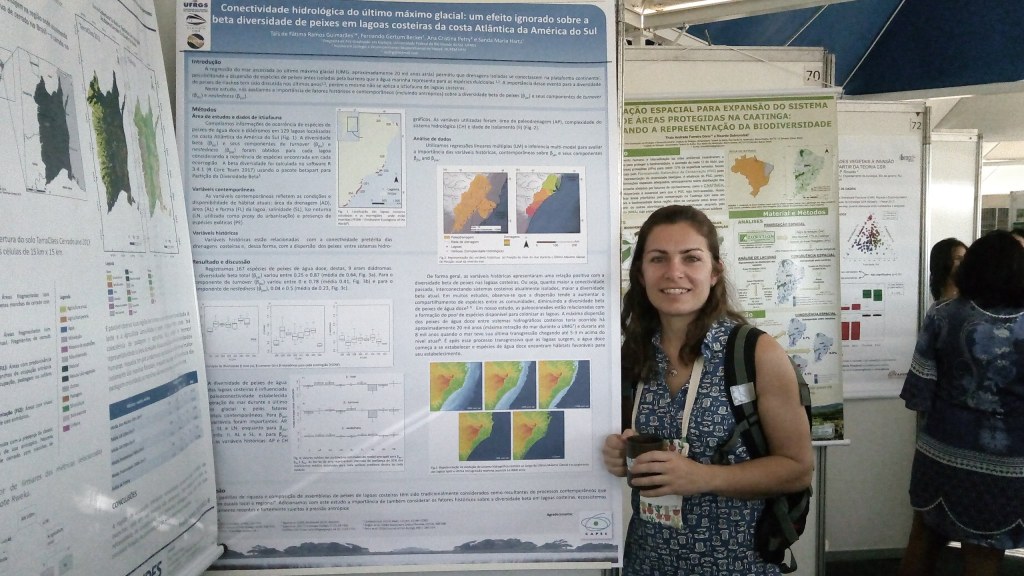
Taís presenting the preliminary results of this study at the 2nd Meeting of the Brazilian Association of Ecological Science and Conservation (RABECO) and the 6th edition of the Theoretical Ecology Symposia (SET) organized by the University of Campinas in September of 2018 in Brazil.

Personal links. Research Gate

Institute. Universidade Federal de Viçosa (UFV) – Brazil

Academic life stage. Postdoc

Major research themes. Landscape ecology, community ecology

Current study system. I am currently a postdoc at the Rio Doce Aquatic Biodiversity Monitoring Program. In this project, we evaluate the effect and implications of an iron ore tailings dam breach on the fish community from the Doce River basin, southeastern Brazil. What makes this study interesting is that entire fish populations died immediately after the disaster, and we are responsible for monitoring and evaluating how the restocking process is happening along this river basin.

Recent JBI paper. Guimarães, T. de F. R., Petry, A. C., Hartz, S. M., & Becker, F. G. (2021). Influence of past and current factors on the beta diversity of coastal lagoon fish communities in South America. Journal of Biogeography, 48(3), 639–649 https://doi.org/10.1111/jbi.14029

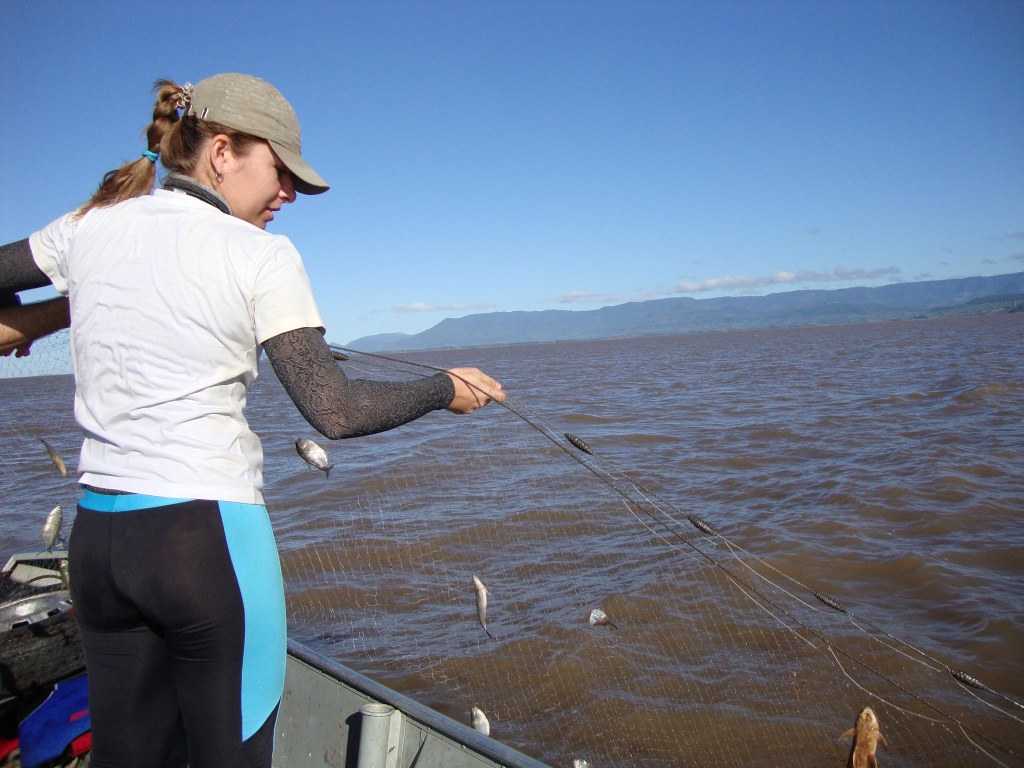
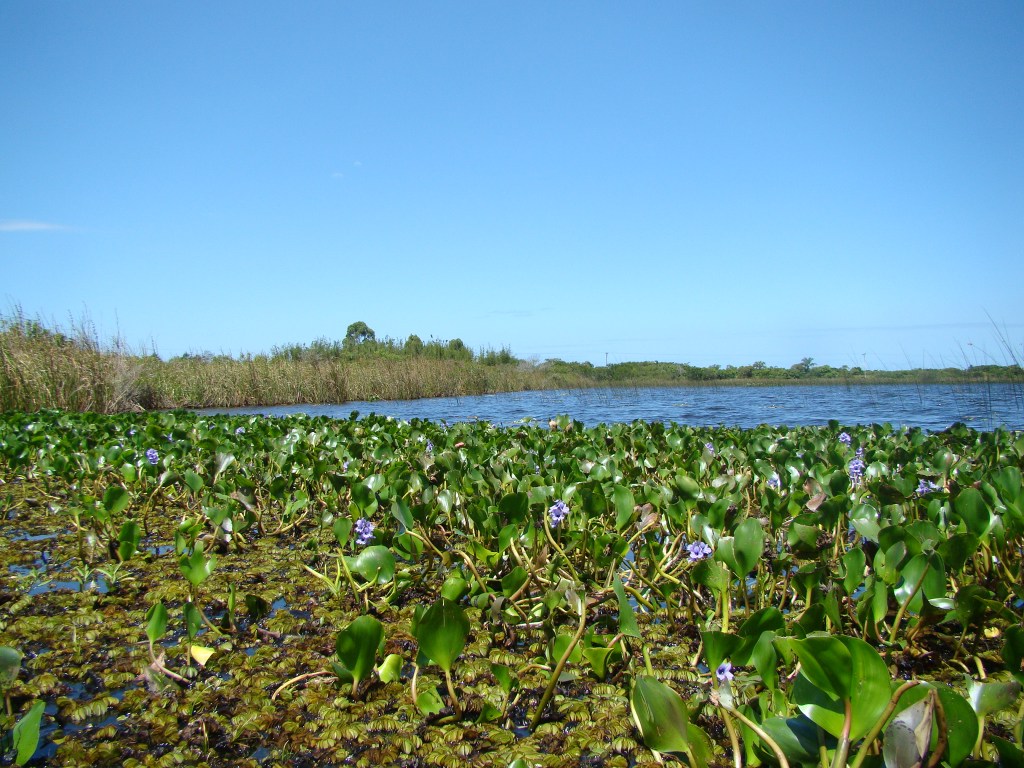
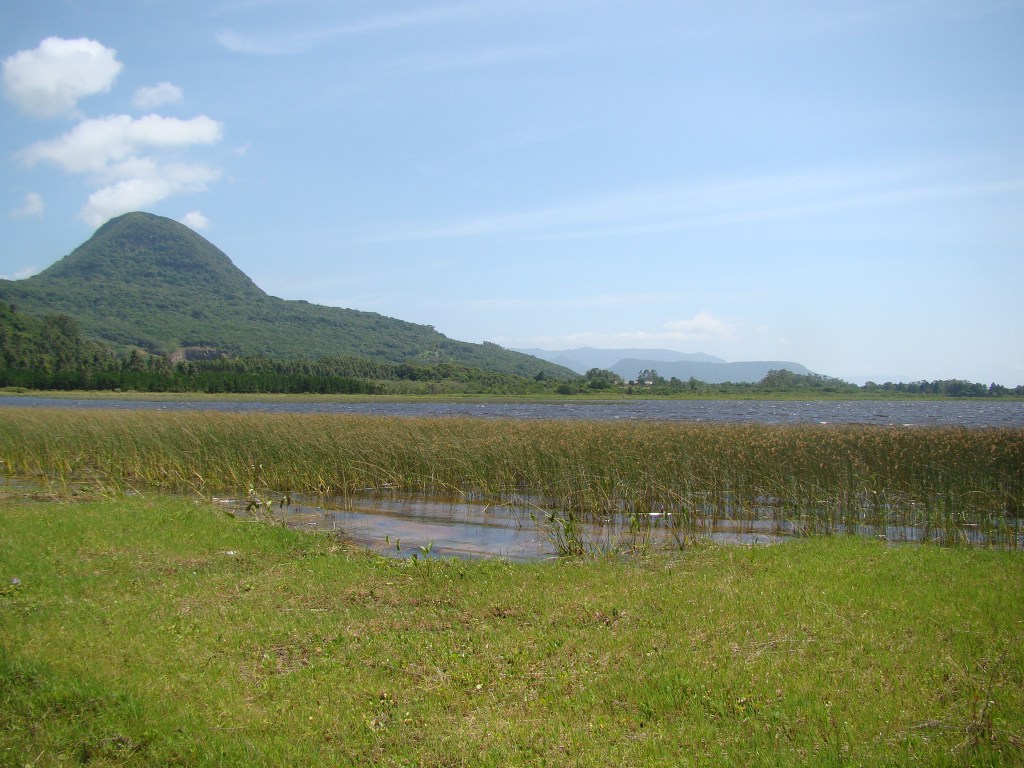
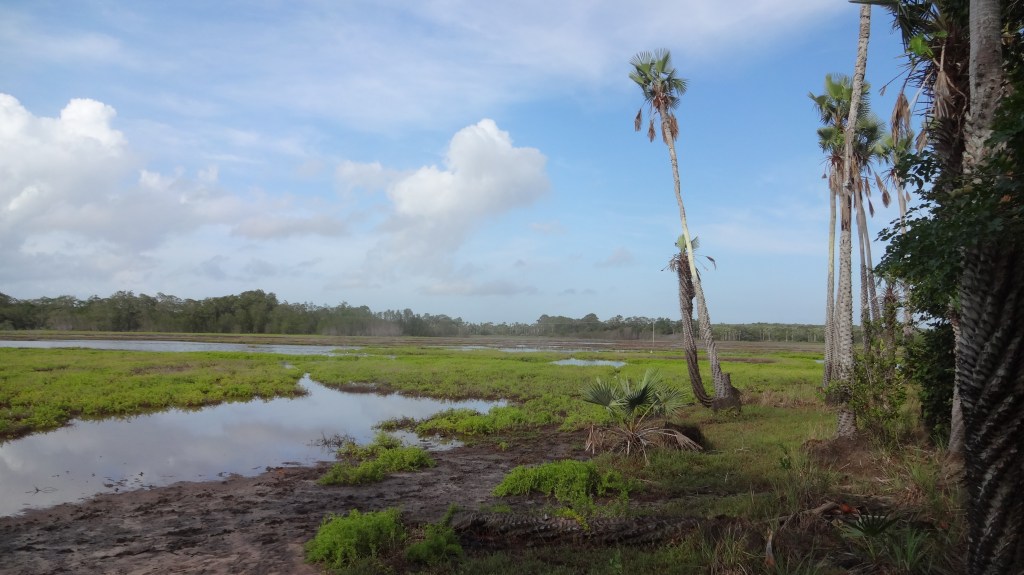
Sampling the ichthyofauna in the Itapeva lagoon, Rio Grande do Sul, southern Brazil.

Motivation behind this paper. Although the study was part of my doctoral thesis, I’ve been studying coastal lagoon fish communities since my undergrad. My motivation for the development of this study came from a need to understand how the colonization process by the fish community happened during the formation of the lagoons along the Atlantic coast of South America. Several studies point to the importance of the sea-level fluctuations since the Last Glacial Maximum (LGM) impacting populations and communities of freshwater fishes in coastal streams. From reading these works, I asked myself if these historical sea-level changes could affect the ichthyofauna of geologically more recent environments, such as lagoons that are considered geologically younger than the streams. These coastal lagoons are situated in a portion of the continental shelf that was covered by the sea during the last marine transgression. After a reduction in the sea level to its current level, this area was exposed, allowing the establishment of freshwater environments around 5k years ago. Thus, in this study, I aimed to identify if there is a historical sign from the LGM on the fish diversity in coastal lagoons.

Key methodologies. In this study, we combined methodologies that have been applied in other studies to infer the impact of historical and contemporary factors on the beta diversity of coastal lagoon fish communities. For example, we used a bathymetric shapefile to project the coastline during the LGM event. Based on sea-level fluctuation estimates over time, we measured the amount of time these current drainages are isolated. We also used a night light image as a proxy of physical and biotic anthropogenic influence on coastal lagoons. Combining these data with species occurrence in 129 lagoons along the Atlantic coast, we were able to disentangle the effect of current and past factors in shaping the ichthyofauna diversity.

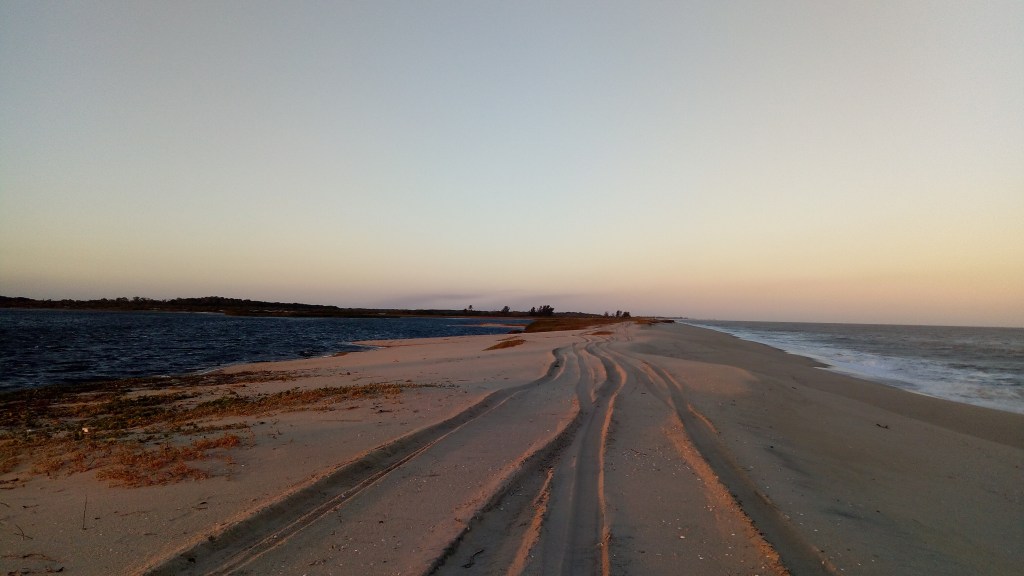
The Preta lagoon (left of the photo) and its proximity to the sea (right of the photo) at Parque Nacional da Restinga de Jurubatiba, Rio de Janeiro, southeastern Brazil.

Unexpected challenges. The first challenge was to compile and organize the ichthyofauna data. It was challenging to bring together data from different papers and contact researchers. The Geographic Information System (GIS) portion of choosing and manipulating the images to extract the required variables also needed dedication and study. Another major challenge was the data analysis, and I’m grateful to the manuscript reviewers who provided essential contributions to increase the power of the statistical analysis. Anyway, the whole development of this research was a learning process and a lot of dialogue between the co-authors. The final result was gratifying.

Major results. In this study, we provided evidence that the signal of past biogeographical events, such as connectivity between currently isolated drainages due to sea-level retreat, might be present in freshwater environments, even in communities that were supposedly formed at more recent geological times. A broader implication of these results is that high regional beta-diversity can be rapidly generated, even in regions and ecosystems of relatively recent origin, such as coastal plains and freshwater coastal lagoons. These lagoons were formed about five thousand years ago, being recolonized by freshwater fishes’ species that persisted in landscape refuges during past sea level increases.

Emboabinha lagoon, Rio Grande do Sul, southern Brazil.

Next steps for this research. The biogeographic and paleobiogeographic history of coastal lagoons is complex, and past conditions are challenging to measure. Thus, the next step in this research is to test different quantitative metrics of past habitats, such as obtaining paleosalinity from water bodies, estimate the area and spatial configuration of the lagoons during the LGM. These metrics can capture distinct characteristics of the past landscape, adding new insights for understanding current diversity patterns. However, perhaps it is more urgent to pay attention to the processes that are currently taking place. In recent years, the presence and expansion of exotic fish species have increased in lagoons and rivers. For this reason, another next step should be to identify the routes of dispersion for these invasive alien species to mitigate or prevent changes in the community.

If you could study any organism on Earth, what would it be? I would continue to study fishes. I like fishes because they are “mysterious” in the sense of being unseen organisms because they are underwater and out of sight. Also, they are often neglected in conservation strategies, especially in Brazil.

Negra lagoon, Rio Grande do Sul, southern Brazil

Anything else to add? The manuscript had contributions from many friends who heard my ideas and helped me to develop them. I believe that these non-formal conversations contributed a lot and provided new insights during the elaboration process. The reviewers’ comments and criticisms were also very important for the final result of the study.

ECR Feature: Magdalena Nagler on methanogenic archaeal assemblages

Magdalena is a postdoc at the Institute of Microbiology, University Innsbruck, Austria. She is a microbial ecologist interested in the ecosystem services and industrial applications of micro-organisms. Magdalena shares her recent work on characterising different methanogenic archaeal assemblages from stream habitats across Europe.

Personal links. Twitter | Webpage

Institute. Institute of Microbiology, University Innsbruck, Austria

Major research themes. Microbial ecology all-rounder, highly interested in anaerobic habitats and organisms, especially methanogenic archaea and anaerobic fungi, both potential key players when it comes to full exploitation of resources in renewable energy production.

Current study system. I work on the growth requirements and exploitation potential of Neocallimastigomycota, a group of archaic, anaerobic fungi. This group of fungi was originally found in the bovine rumen and is known to produce a large set of enzymes with the potential to break down otherwise hard-to-degrade plant fibres. Knowing the needs of these microorganisms will allow better utilisation of natural resources in anthropogenic context, such as how to more efficiently use maize or corn straw in renewable energy production (e.g., biogas or bioethanol).

Ora, northern Italy

Recent paper in JBI. Nagler, M, Praeg, N, Niedrist, GH, et al. Abundance and biogeography of methanogenic and methanotrophic microorganisms across European streams. J Biogeogr. 2021; 48: 947– 960. https://doi.org/10.1111/jbi.14052

Motivation behind this paper. During my PhD, I became part of a collaborative European freshwater science project for early career researchers that aimed to study CO2 fluxes from European running waters (EuroRun). This led to a follow-up project focussing on sediment methane production in streams (EuroMethane). Utilizing the network of early career scientists from all over Europe, many streams could be sampled within a short time span, providing an exciting sample set that allowed us to investigate the role of these ecosystems in carbon cycling and retaining heavy metals. Having a solid background in microbial biogeography, microbial community analyses and methanogenic archaeal assemblages, I elaborated a concept together with project leader, Pascal Bodmer, to directly investigate how methanogenic and methanotrophic microorganisms contribute to methane production and oxidation rates of stream sediments across Europe.

Sampling of stream sediments using cut-off syringes.

Key methodologies. The first key methodology was the simultaneous sampling of 16 rivers in 10 European countries that required a lot of coordination to have everyone on the same track and ensure comparable results. During sampling, we aimed to gather as much information as possible on fine and large scale environmental constraints of each sampling point, so that we could link those factors to certain microbial community compositions. Fine scale variables included, for example, sediment grain size, nutrient availability and physico-chemical conditions; large-scale variables involved the characterisation of land-use types within the river’s catchment and of the river’s general ecological and hydrodynamic features.

The big aim of our study was a holistic examination of the sediment-associated methane-cycle that involved not only a direct measurement of potential methane production and oxidation, but also a qPCR-based direct quantification of genes associated to methane -producing and -oxidizing microorganisms coupled with an in-depth 16S rDNA-based taxonomic characterisation.

Major results. Methanogenic and methanotrophic communities mainly grouped into three habitat types, namely (I) warm streams with large stream areas, draining catchments with high proportions of agricultural and urban land cover, (II) cold, medium‐ to small‐sized streams with less agricultural and urban land use within their catchment and (III) high‐order and high discharge streams draining large catchments. Such distinguishable microbial communities suggest that future climate‐ and land use changes may influence the prevailing microbes involved in the stream‐related methane cycle. Increasing water temperatures from climate change, in combination with agricultural intensification and urban land use, might thereby lead to higher abundances of highly efficient hydrogenotrophic methane producers (i.e., Methanospirillaceae,Methanobacteriaceae and Methanosarcinaceae). It is still unclear how increasing anthropogenic disturbances might affect methane consumers, but we believe that there will be a net increase of methane released from streams in the future.

Unexpected outcomes. When we compared the qPCR data to the measured methane production and oxidation rates, we found a significant relationship between methanogenic archaeal abundance and potential methane production, but failed to find a relationship between methanotrophic bacterial abundance and methane oxidation potentials. We argued that this discrepancy might arise from the heterogeneity of microorganisms with the capacity to oxidize methane. This group not only includes bacteria, but also some recently described anaerobic methane oxidizing archaea (ANME). Most of these microorganisms are not exclusively oxidizing methane as source of energy, but can perform other ways of energy production, which would obscure the signal between the abundance of methanotrophic microogranisms and the measured methane oxidation potential. This hypothesis has yet to be tested!

Tratzberg, Austria

Next steps. We are currently working on an article processing the findings from CO2 flux measurements from running waters (EuroRun). The measurements were performed during day and night and clearly showed that streams emit more CO2 at night, a fact that so far has not been considered in global CO2-budget calculations. We are also working on a second article of the EuroMethane project, which focuses on the magnitudes and drivers of methane production and oxidation in streams across Europe.

If you could study any organism on Earth, what would it be? The holy grail of any mycologist is to reveal the secret about fruiting body development in edible, but not yet cultivable mushrooms such as Boletus edulis. Unfortunately, this is currently not my expertise, but if I could, I would jump right into disclosing this secret that might finally satisfy my craving for fresh porcini!