Jacqueline Mattos is a PhD candidate at the University of Campinas – UNICAMP. She is a genome scientist and bioinformatician with special focus on the evolutionary and adaptive processes of natural plant populations. Here, Jacqueline shares her recent work on the climate and biotic drivers of range limits in a neotropical orchid. Personal links. GoogleScholarContinue reading “ECR feature: Jacqueline Mattos”
Author Archives: BiogeographyNews
ECR feature: Chase Doran Brownstein
Chase Brownstein is an incoming graduate student at Yale University. He is a evolutionary biologist and paleontologist primarily interested on how the biogeography of extinct species can inform ideas about contingency and determinism in evolutionary theory. Here, Chase shares his recent work on the biogeography of extant lungfishes. Personal links. Twitter | GoogleScholar Institute. YaleContinue reading “ECR feature: Chase Doran Brownstein”
ECR feature: João Marcos Guimarães Capurucho
João Capurucho is a postdoc at the Instituto Nacional de Pesquisas da Amazônia – INPA. He is a biogeographer and ecologist with a strong focus on Amazonian birds. Here, João shares his recent work on the evolutionary history of white-sand ecosystem birds. João Capurucho during field work in Amazonia in 2022. Personal links. Twitter |Continue reading “ECR feature: João Marcos Guimarães Capurucho”
#BetterPublishing @jbiogeography: I
In response to the #Workstoppage by #AssociateEditors of @jbiogeography, the journal’s management at Wiley rapidly issued a largely dismissive reply that resulted in the resignation of deputy editor-in-chief Ceridwen Fraser. We invited Wiley to provide a revised response, but received none. As a consequence, the editorial board has compiled our concerns and called for aContinue reading “#BetterPublishing @jbiogeography: I”
Vertical stratification of ant assemblages in Brazilian savanna
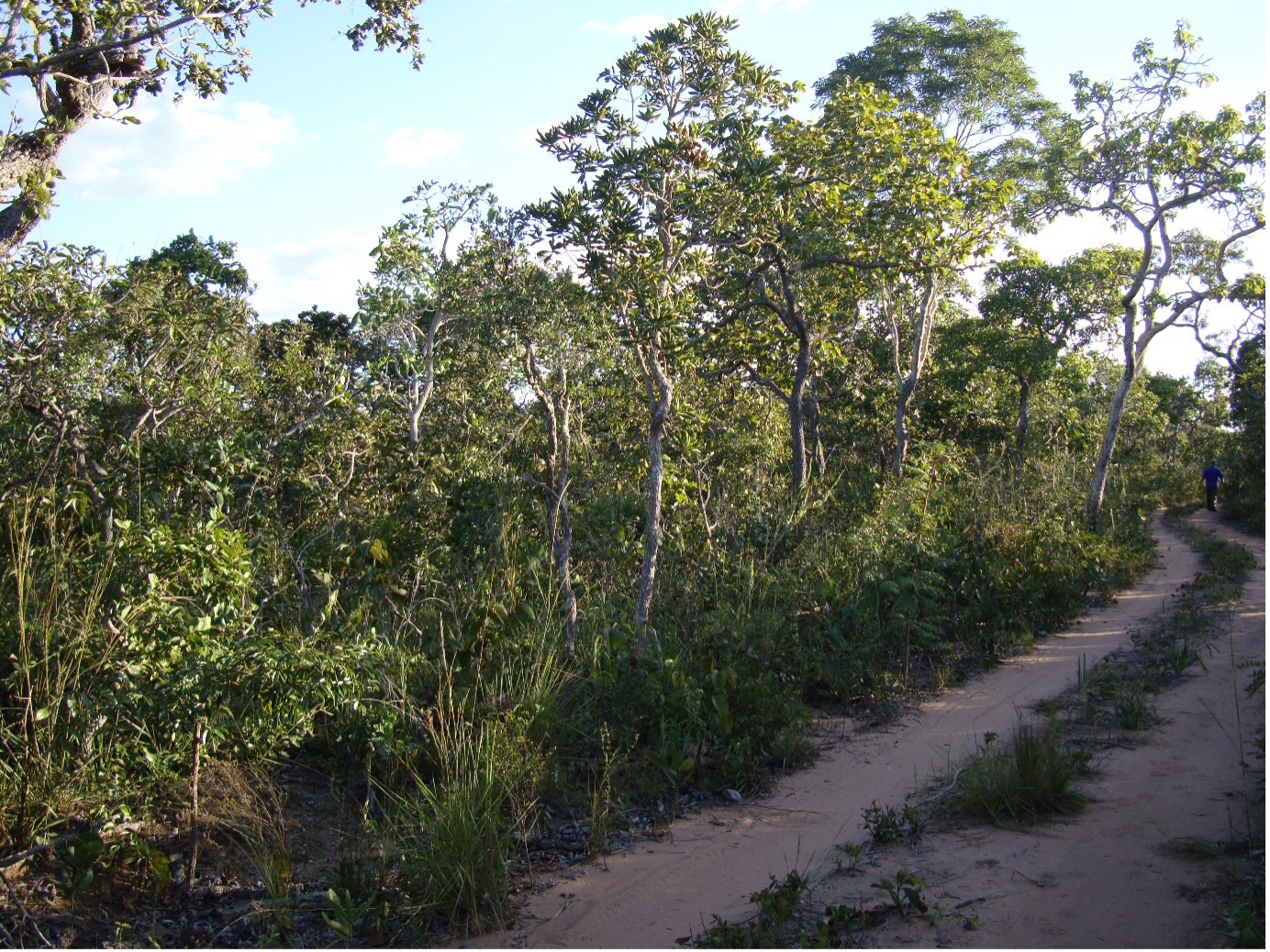
Tropical terrestrial habitats are renowned for their exceptional biodiversity, and one contributing factor is vertical stratification. Differences in abiotic and biotic conditions from the ground to the top of trees favour the occurrence of distinct species assemblages on the ground and on trees. Our study shows that the degree of this distinction increases with increasingContinue reading “Vertical stratification of ant assemblages in Brazilian savanna”
#AssociateEditors #WorkStoppage @jbiogeography
A large majority (~85%) of the Associate Editors at the Journal of Biogeography (JBI) is participating in a work stoppage, beginning immediately (29th June 2023) because of an unresolved dispute with the journal’s publisher, Wiley. Their concerns center on inequity in Open Access publication models, unrealistic targets for growth, increasing emphasis on transferring rejected manuscriptsContinue reading “#AssociateEditors #WorkStoppage @jbiogeography”
ECR feature: Arlo Hinckley
Arlo Hinckley is a postdoctoral researcher at the Smithsonian National Museum of Natural History and Universidad de Sevilla. He is an evolutionary biologist with a focus on the origin, maintenance, and distribution of mammalian diversity. Here, Arlo shares his recent work on the evolutionary history and divergence patterns of Asian squirrels. Picture of Arlo HinckleyContinue reading “ECR feature: Arlo Hinckley”
#ChiefEditor #Resign @jbiogeography
After almost four years as Editor-in-Chief with the Journal of Biogeography, I have decided to step down. For the most part, these have been four productive years. We did a lot (see “accomplishments” below), working with a truly tremendous team of editors, and good support at the time from our colleagues at Wiley. But thereContinue reading “#ChiefEditor #Resign @jbiogeography”
ECR feature: André Luís Luza
André Luís Luza is a postdoc at Universidade Federal de Santa Maria, Brazil. He is an ecologist with special focus on community ecology, macroecology, and macroevolution. Here, André shares his recent work on functional diversity patterns of reef fish, corals and algae. André Luís Luza is currently a post-doctoral researcher at the Universidade Federal deContinue reading “ECR feature: André Luís Luza”
Tracing plant dispersal into the Pacific
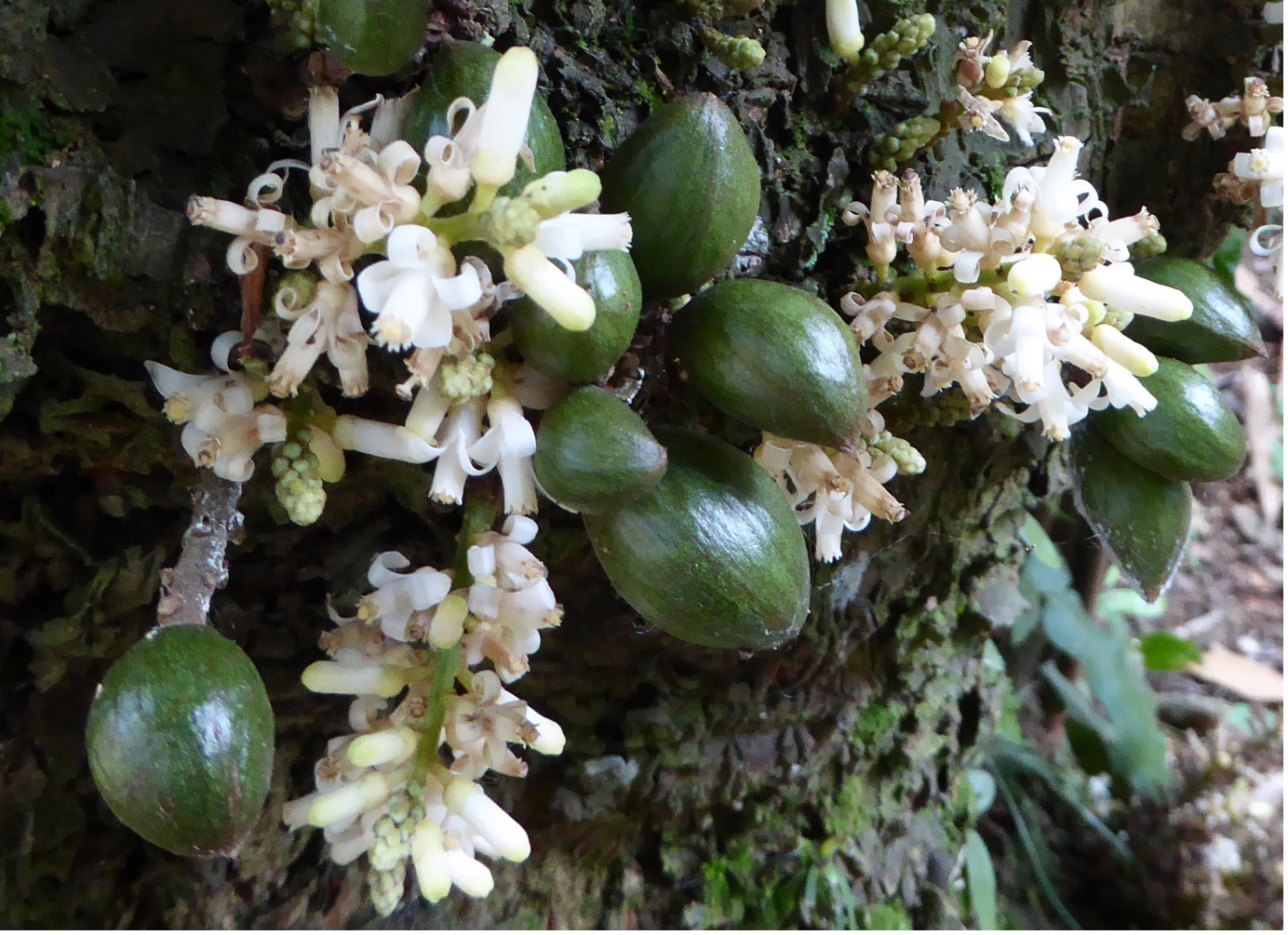
Of fruits, seeds, and vectors – biogeographic processes and the impact of long-distance dispersal. Above: Fruits and flowers of Epicharis cuneata (Hiern) Harms, which is a rainforest tree species from the Meliaceae. Photo credit: Alexandra N. Muellner-Riehl. This study started with the aim to investigate the biogeographic history of Dysoxylum s.l., a polyphyletic group ofContinue reading “Tracing plant dispersal into the Pacific”
 Biogeography.News